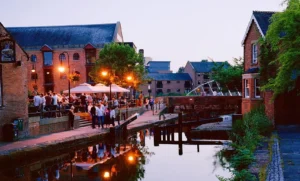
Market towns are an easy way to experience a different side of the UK. Instead of focusing only on major cities or famous tourist attractions, these towns combine historic streets, traditional markets, independent shops, local food, heritage buildings, and access to the surrounding countryside.
Some market towns have medieval origins, while others grew around agriculture, livestock, textiles, or regional trade. Today, many retain their market squares and independent character while offering cafés, restaurants, galleries, museums, and attractions for visitors.
From the Cotswolds and Yorkshire to the Scottish Borders, Wales, and Northern Ireland, these are some of the best market towns in the UK to consider for a day trip or short break.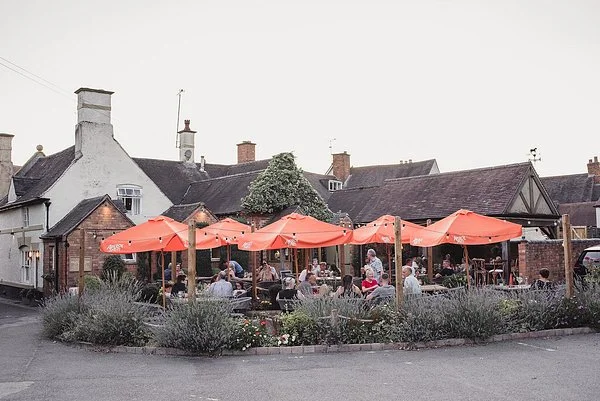
What Makes a Great Market Town?
The best UK market towns offer more than a weekly market. A good visit might include exploring a historic high street, browsing independent businesses, visiting a local market, stopping at a traditional pub, and walking through the surrounding countryside.
When choosing a market town to visit, consider:
- Historic architecture and town centers
- Regular food, farmers’, antique, or craft markets
- Independent shops and local businesses
- Cafés, restaurants, and traditional pubs
- Museums and heritage attractions
- Walking routes and countryside nearby
- Ease of access by car or public transport
- Accommodation for overnight stays
Market towns remain an important part of the UK’s heritage and local economies, with Historic England noting the distinctive heritage and business potential of market towns.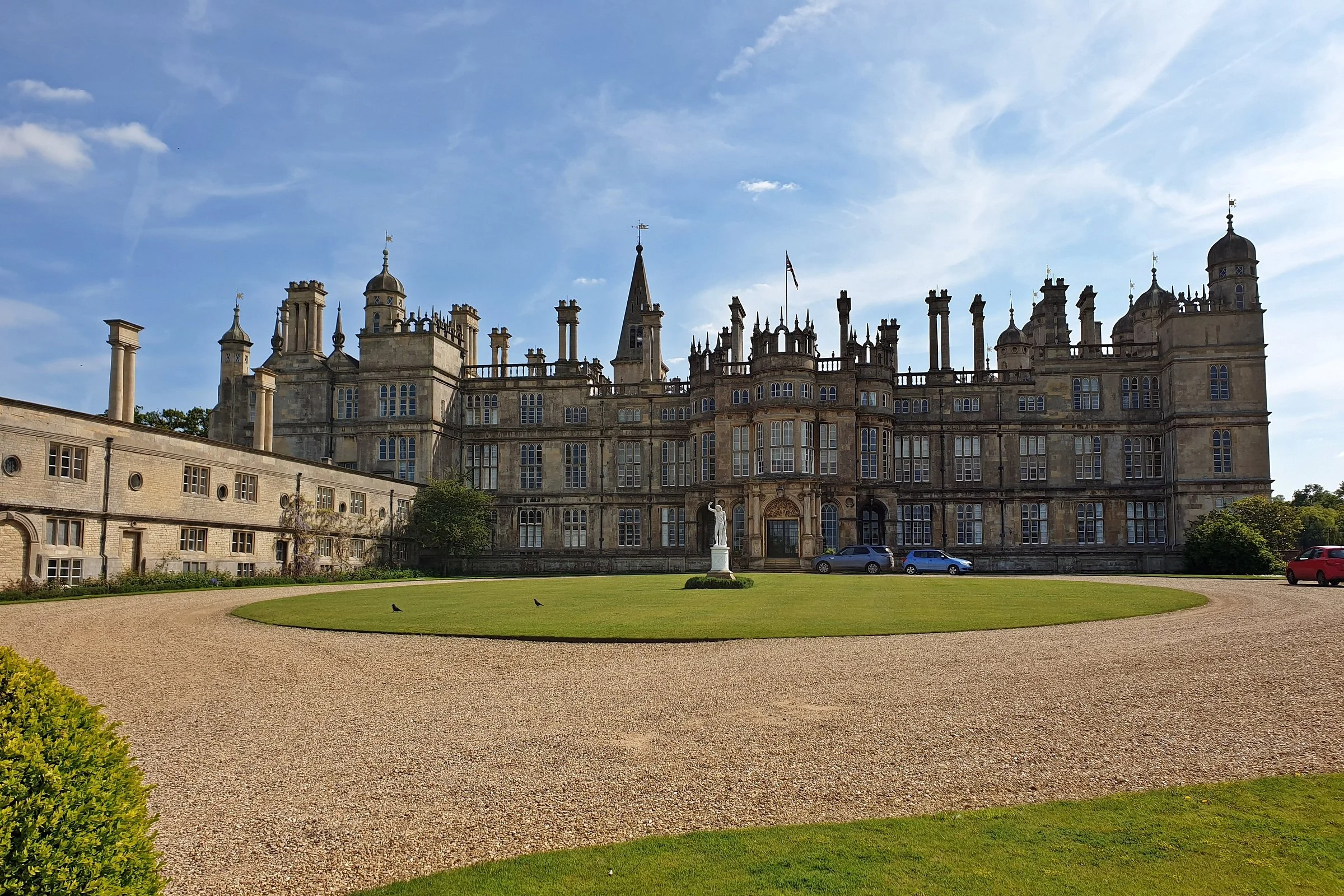
1. Stamford, Lincolnshire
Stamford is one of England’s most attractive historic towns, with a center filled with stone buildings, churches, independent shops, cafés, and traditional pubs.
The town has a strong architectural character and is particularly enjoyable to explore on foot. Its location in Lincolnshire also makes it useful for combining a town visit with nearby countryside and heritage attractions.
Stamford is a good choice for visitors who want history and architecture without the scale of a major city.
Best for: Architecture, history, shopping, and weekend breaks.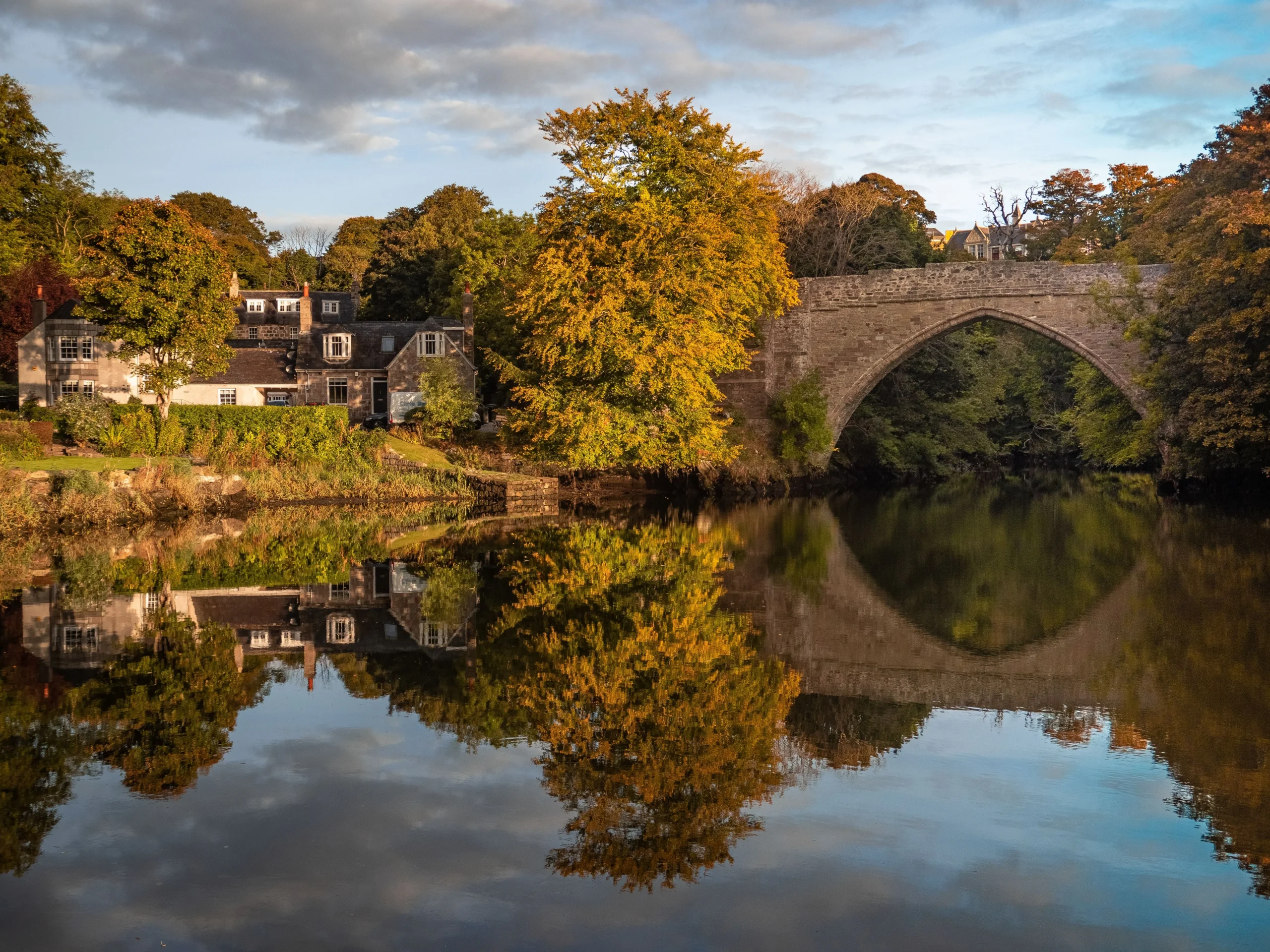
2. Bakewell, Derbyshire
Bakewell is a popular market town in the Peak District and makes a useful base for exploring the surrounding countryside.
The town sits on the River Wye and is known for its traditional buildings, independent businesses, cafés, and connection with the famous Bakewell pudding. Its location also makes it convenient for exploring walks and attractions around the Peak District.
If you want to combine a market-town visit with outdoor activities, Bakewell is a particularly practical choice.
Best for: Food, walking, the countryside, and family trips.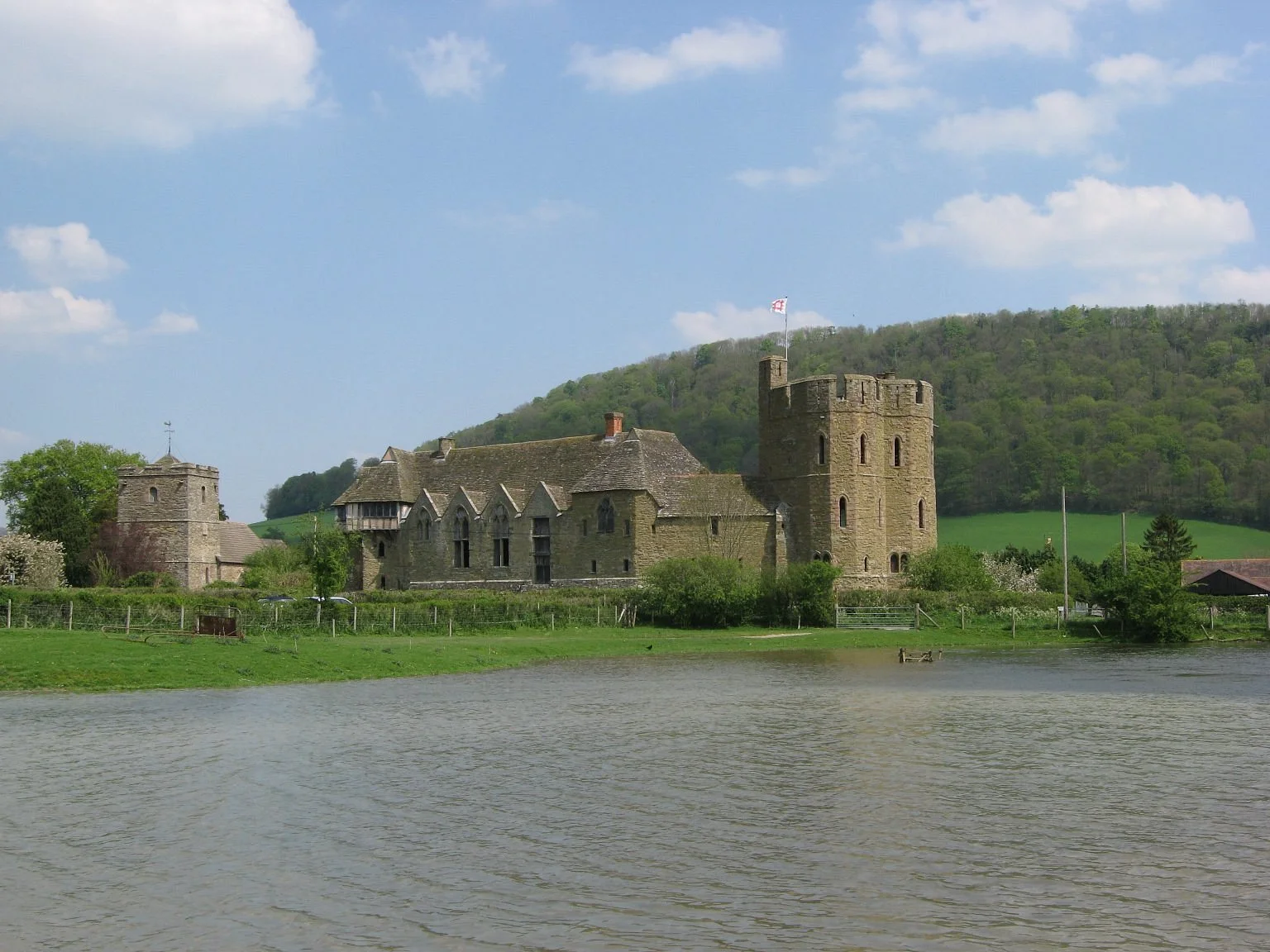
3. Ludlow, Shropshire
Ludlow has a strong medieval character, with a historic town center, castle, independent shops, restaurants, and traditional pubs.
The town is also known for its food scene and its position close to the Shropshire countryside. Its compact center makes it easy to explore on foot, while Ludlow Castle provides an important link to the town’s medieval past.
VisitEngland highlights Shropshire for its combination of historic market towns, heritage attractions, countryside, and food experiences.
Best for: History, food, architecture, and romantic breaks.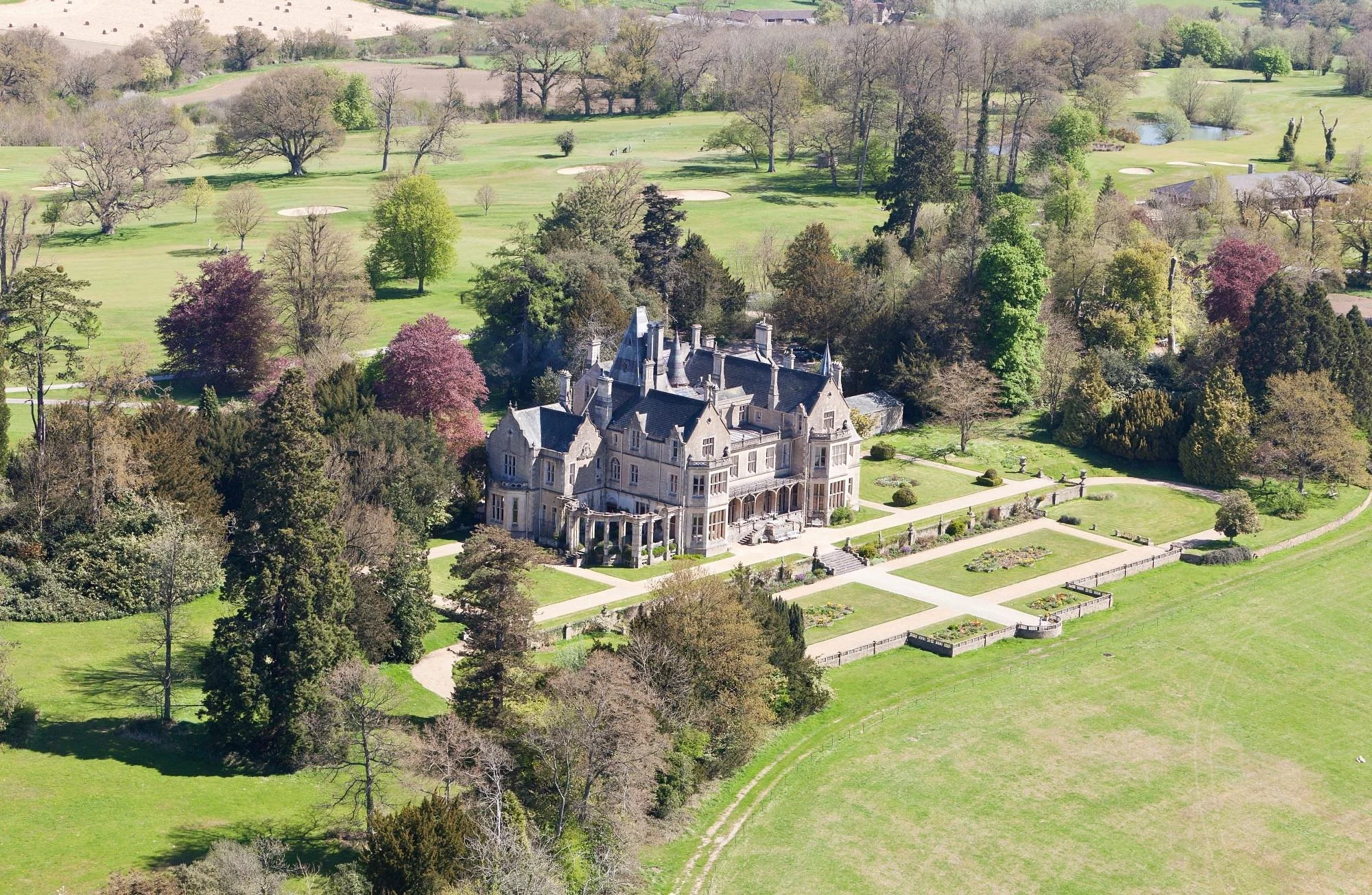
4. Frome, Somerset
Frome is a lively Somerset town with a strong independent shopping scene and a historic center.
Its steep streets and older buildings give the town plenty of character, while independent shops, cafés, galleries, and markets make it interesting for a relaxed day out.
Frome also works well as a base for exploring other parts of Somerset and the surrounding countryside.
Best for: Independent shopping, food, arts, and relaxed weekends.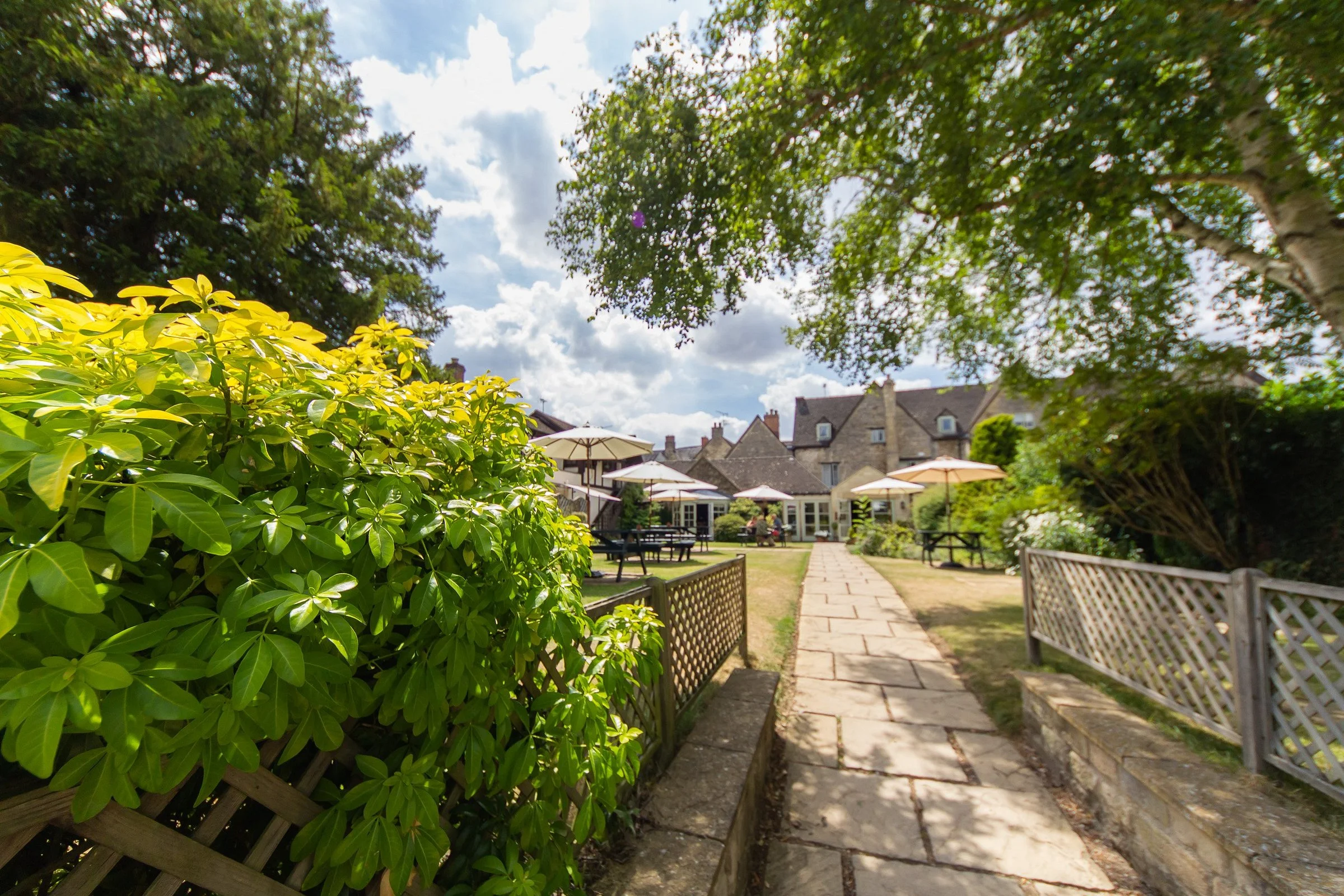
5. Cirencester, Gloucestershire
Often associated with the Cotswolds, Cirencester is a historic market town with a long connection to regional trade.
The town has a mix of independent shops, cafés, restaurants, historic buildings, and cultural attractions. Its central location also makes it a useful starting point for exploring nearby Cotswold villages.
If you are already planning a Cotswolds trip, Cirencester can provide a different experience from the smaller villages.
Best for: Shopping, history, food, and Cotswolds trips.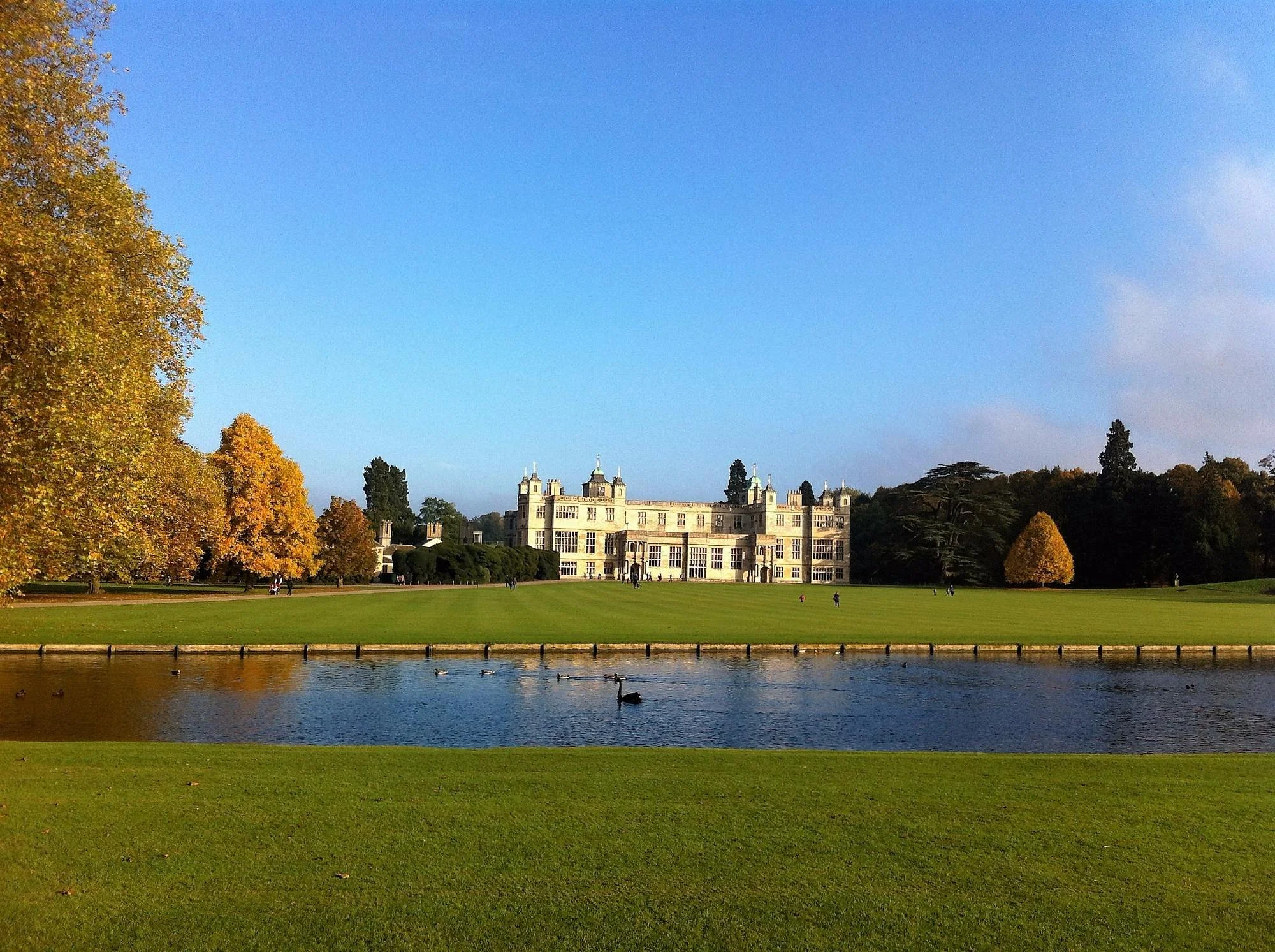
6. Saffron Walden, Essex
Saffron Walden is a historic market town in Essex known for its attractive streets, timber-framed buildings, independent shops, and traditional town center.
Its history can be seen in the architecture around the center, while the town’s location makes it suitable for a quieter escape from London and the surrounding urban areas.
The town is also close to the countryside and historic attractions, making it suitable for a day trip or overnight break.
Best for: History, architecture, shopping, and London day trips.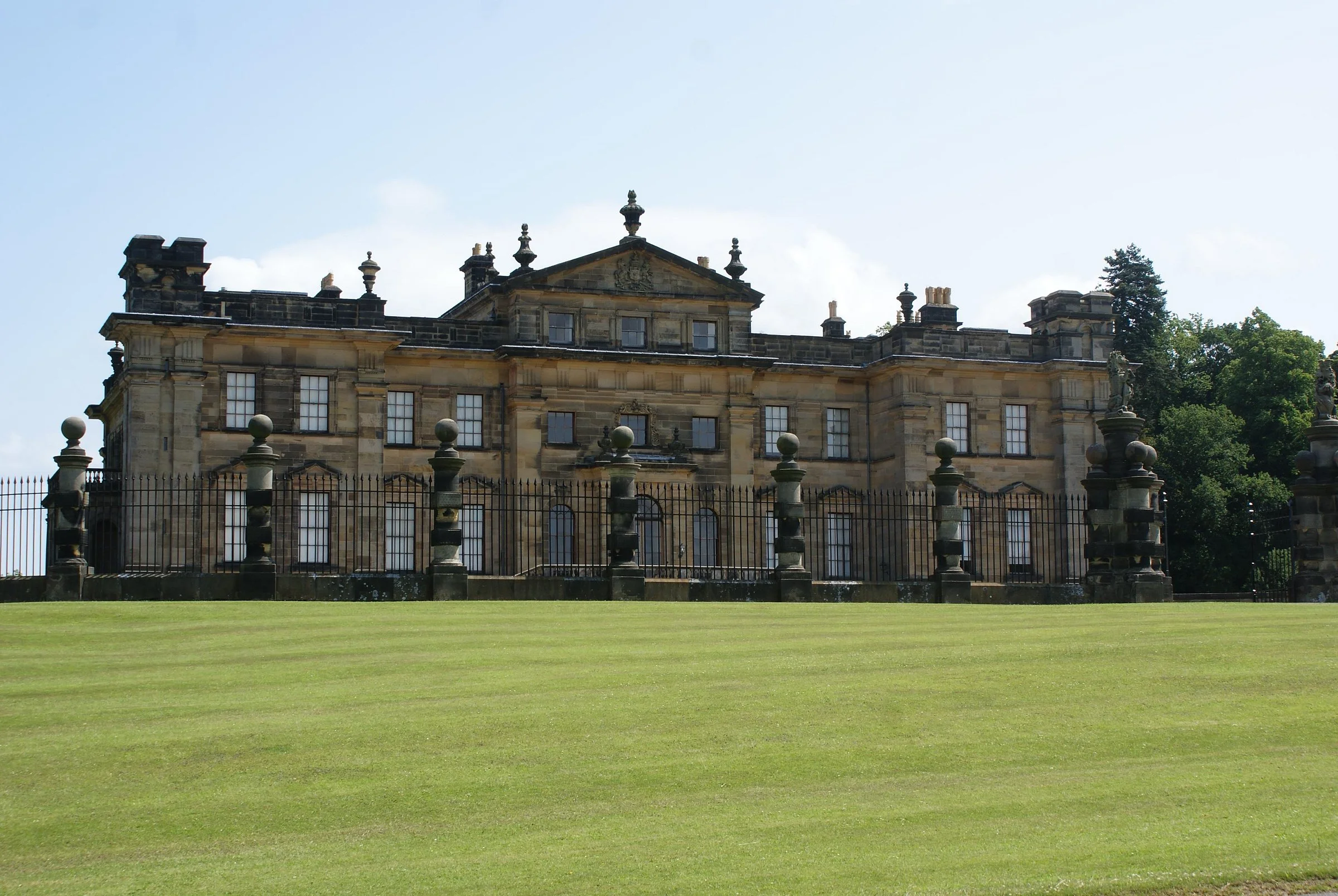
7. Helmsley, North Yorkshire
Helmsley is a historic market town on the edge of the North York Moors.
Its market square, independent shops, cafés, pubs, and surrounding countryside make it a strong option for visitors who want a mixture of town and outdoor experiences.
The town can also be combined with nearby attractions and walking routes across North Yorkshire.
Best for: Walking, countryside, food, and heritage.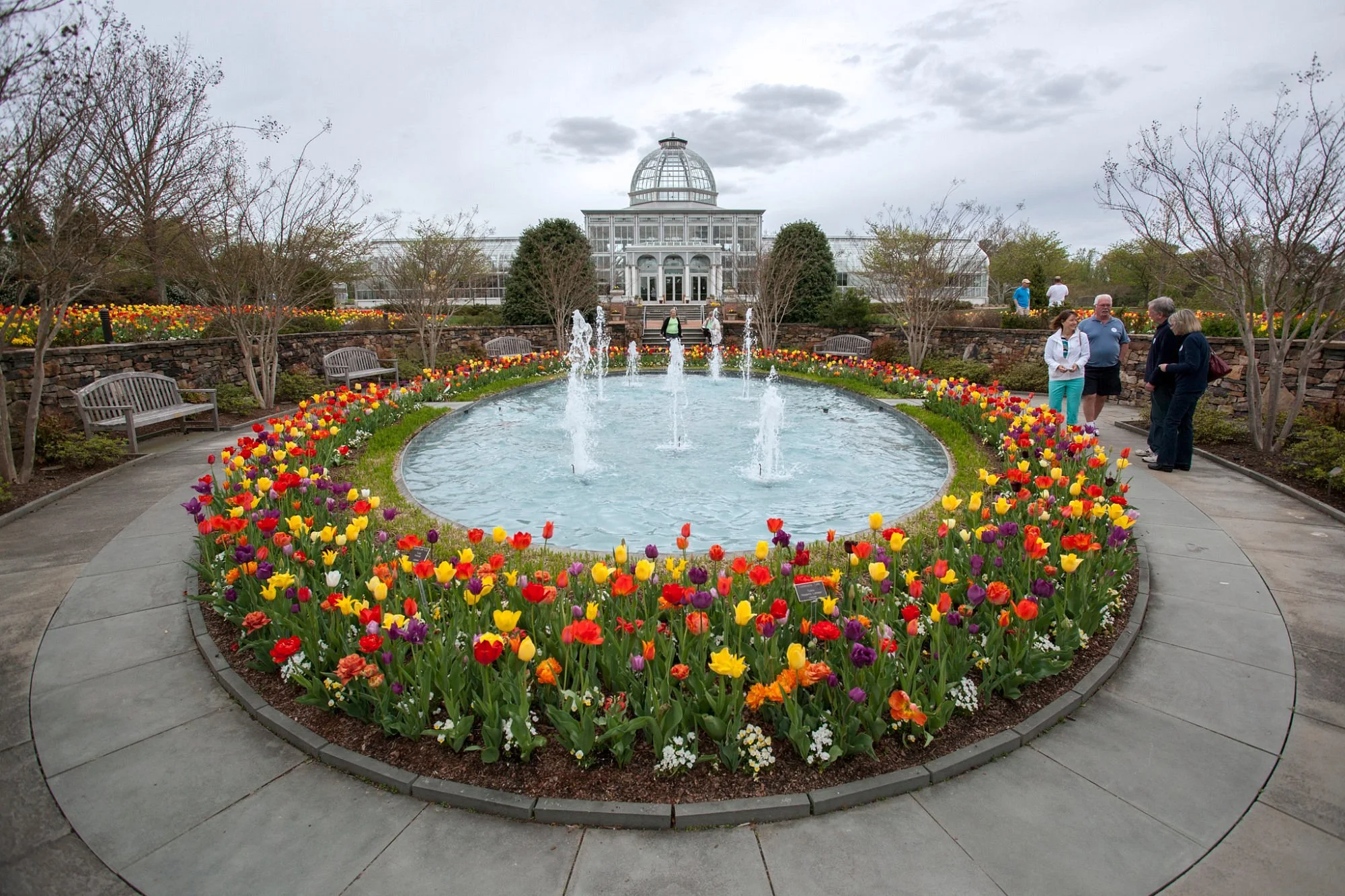
8. Richmond, North Yorkshire
Richmond sits beside the River Swale and has a distinctive market square surrounded by historic buildings.
Richmond Castle is one of its major attractions, while the surrounding Yorkshire countryside provides plenty of opportunities for walking and exploring.
Its combination of heritage and access to rural landscapes makes it a useful base for exploring this part of North Yorkshire.
Best for: History, walking, architecture, and countryside escapes.
9. Keswick, Cumbria
Keswick is a popular market town in the Lake District and is particularly well suited to visitors who want an outdoor-focused break.
The town has independent shops, cafés, restaurants, and attractions, while Derwentwater and the surrounding fells provide easy access to some of the area’s best-known landscapes.
Its position makes Keswick particularly useful for walking, cycling, sightseeing, and exploring the wider Lake District.
Best for: Outdoor activities, walking, lakes, and family holidays.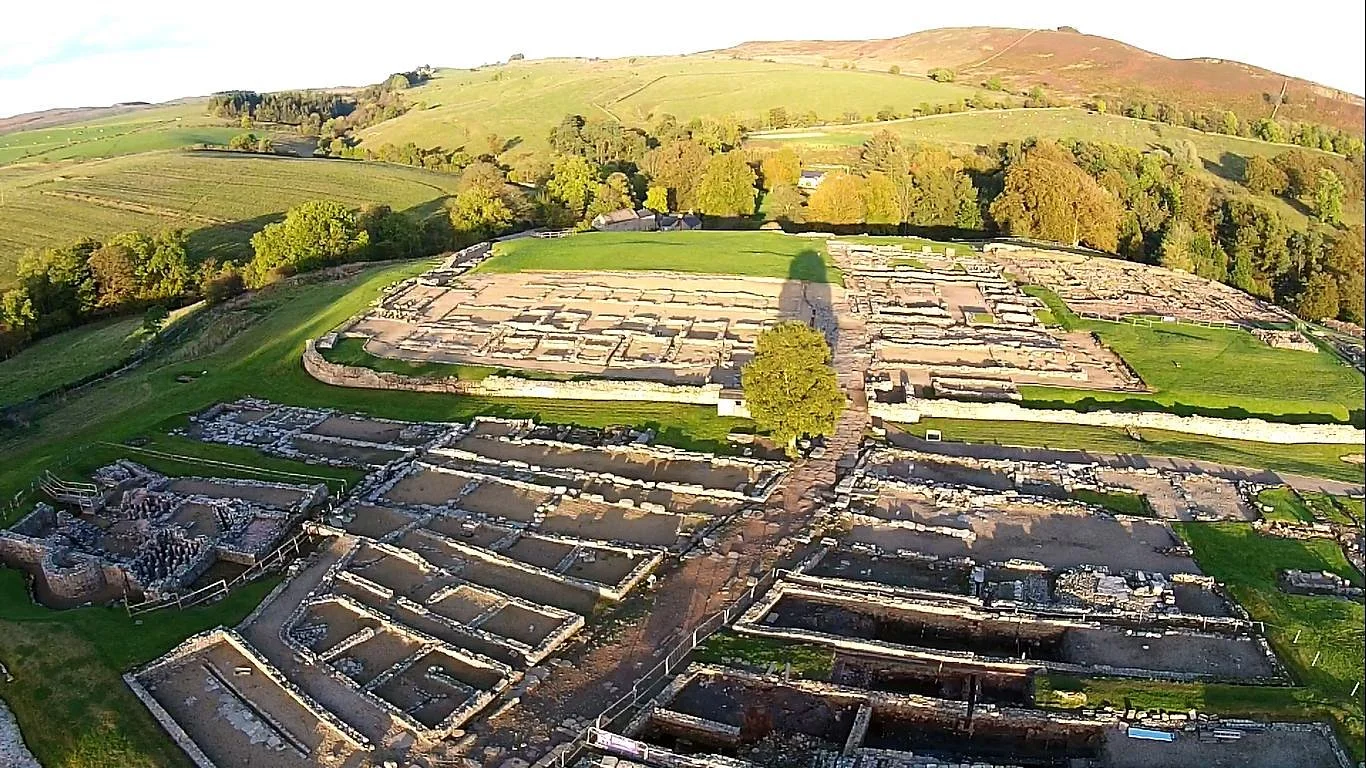
10. Hexham, Northumberland
Hexham is a historic market town in Northumberland with an attractive center and a long connection with the surrounding rural area.
Hexham Abbey is one of its most significant landmarks, while the town’s independent shops, cafés, and markets provide plenty to explore.
The town can also work as a base for discovering Hadrian’s Wall and other Northumberland attractions.
Best for: History, heritage, countryside, and walking.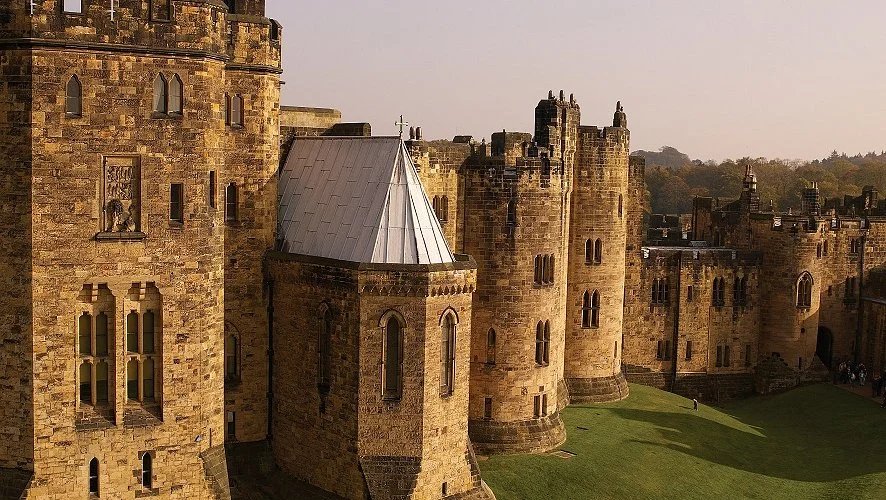
11. Alnwick, Northumberland
Alnwick is best known for its castle and gardens, but the town itself is also worth exploring.
Its historic center has independent shops, cafés, restaurants, and traditional buildings, while Alnwick Castle provides one of the area’s major visitor attractions.
The town is also within reach of Northumberland’s coastline, making it possible to combine a market-town visit with beaches and coastal scenery.
Best for: Castles, families, history, and coastal trips.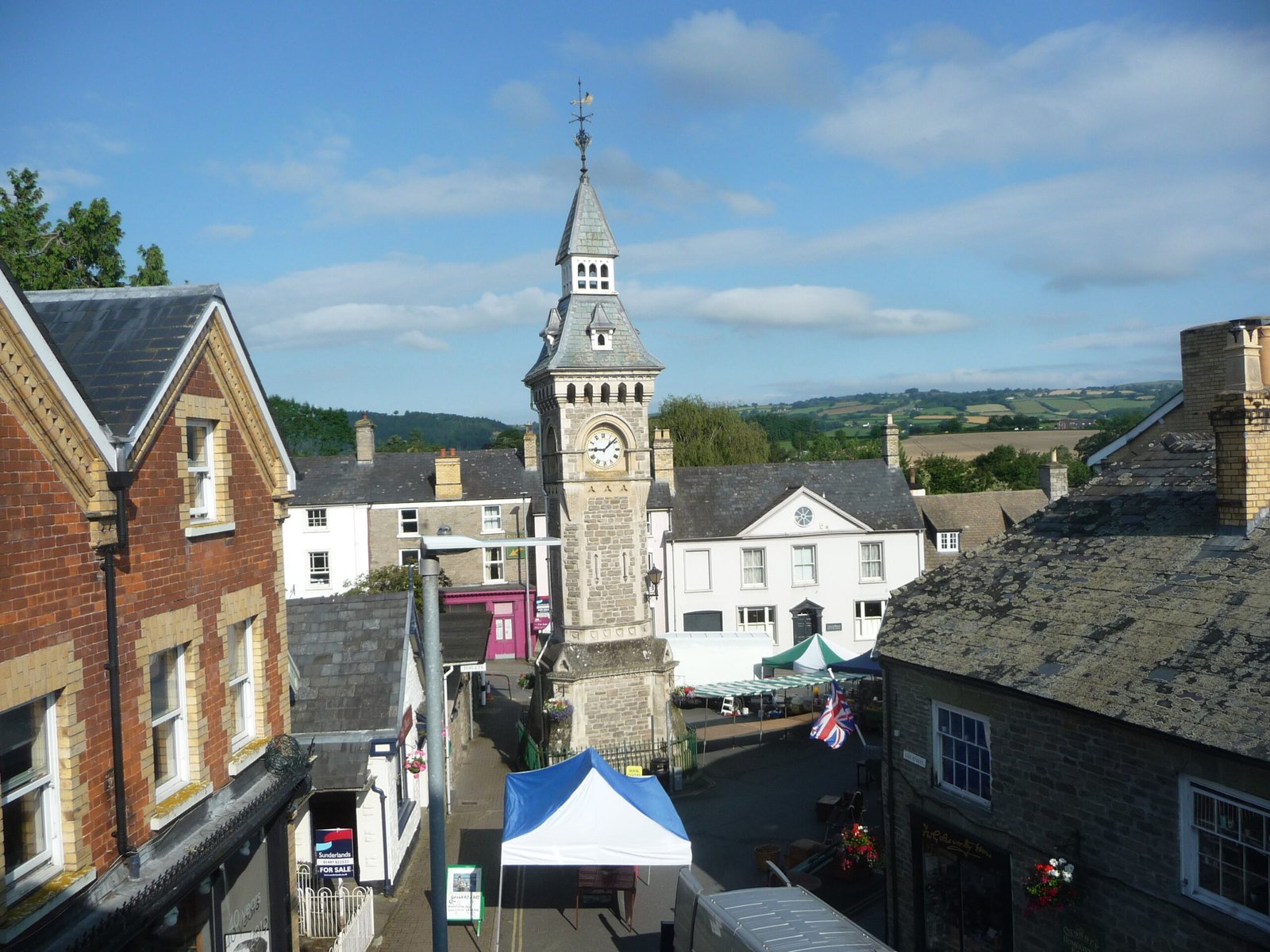
12. Hay-on-Wye, Wales
Hay-on-Wye is a distinctive market town on the Welsh-English border and is particularly famous for its bookshops and literary culture.
The town has developed a strong identity around books, independent shops, cafés, and cultural events. It is also close to the Wye Valley and the Bannau Brycheiniog, making it useful for combining shopping and culture with outdoor activities.
Visit Wales describes Hay-on-Wye as a market town and highlights its literary identity, bookshops, markets, and surrounding attractions.
Best for: Books, culture, independent shops, and countryside.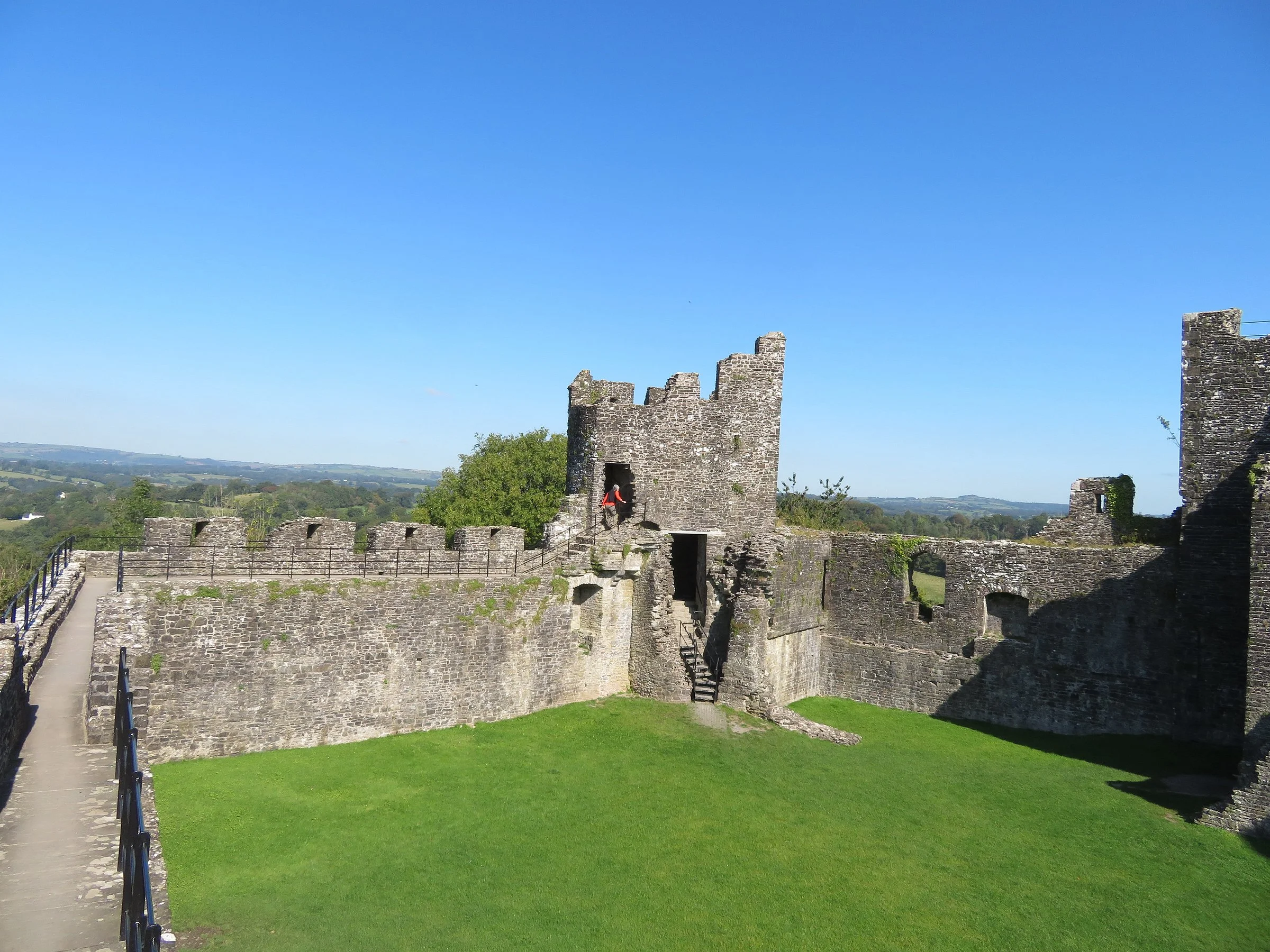
13. Llandeilo, Wales
Llandeilo is a small Carmarthenshire town surrounded by the countryside of the Tywi Valley.
Its main street includes independent shops, cafés, galleries, and boutiques, while the surrounding area offers walking routes, castles, gardens, and historic estates.
Visit Wales also highlights Llandeilo as a destination for car-free short breaks, with rail access, local shops, countryside walks, and nearby heritage attractions.
Best for: Shopping, countryside, heritage, and relaxed weekends.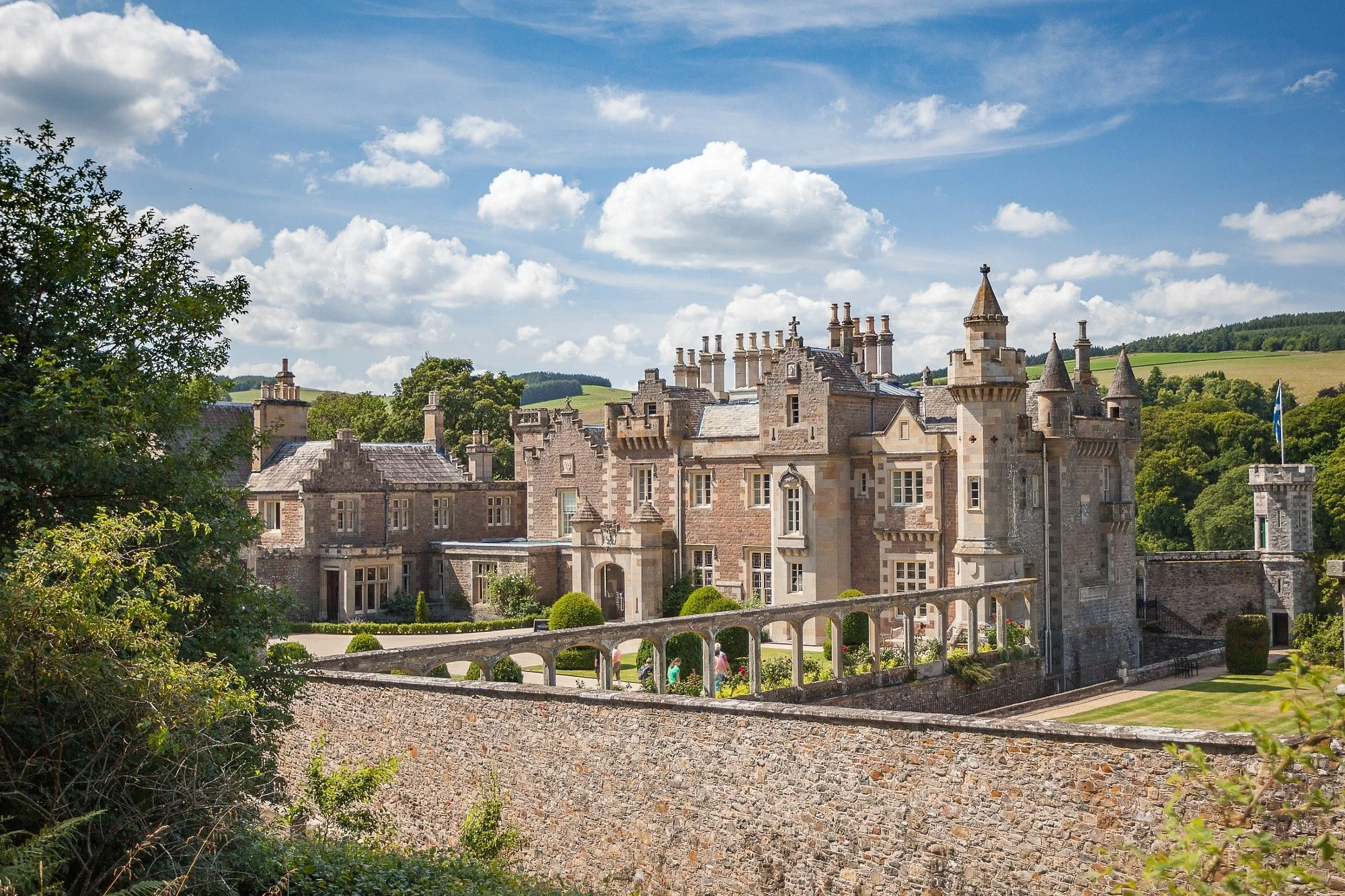
14. Melrose, Scotland
Melrose is a picturesque town in the Scottish Borders, surrounded by rolling countryside and historic attractions.
Melrose Abbey is one of its best-known landmarks, while the town also provides access to nearby Abbotsford, the former home of Sir Walter Scott.
Visit Scotland highlights Melrose for its medieval abbey, literary heritage, and location in the Scottish Borders.
Best for: History, architecture, walking, and the Scottish countryside.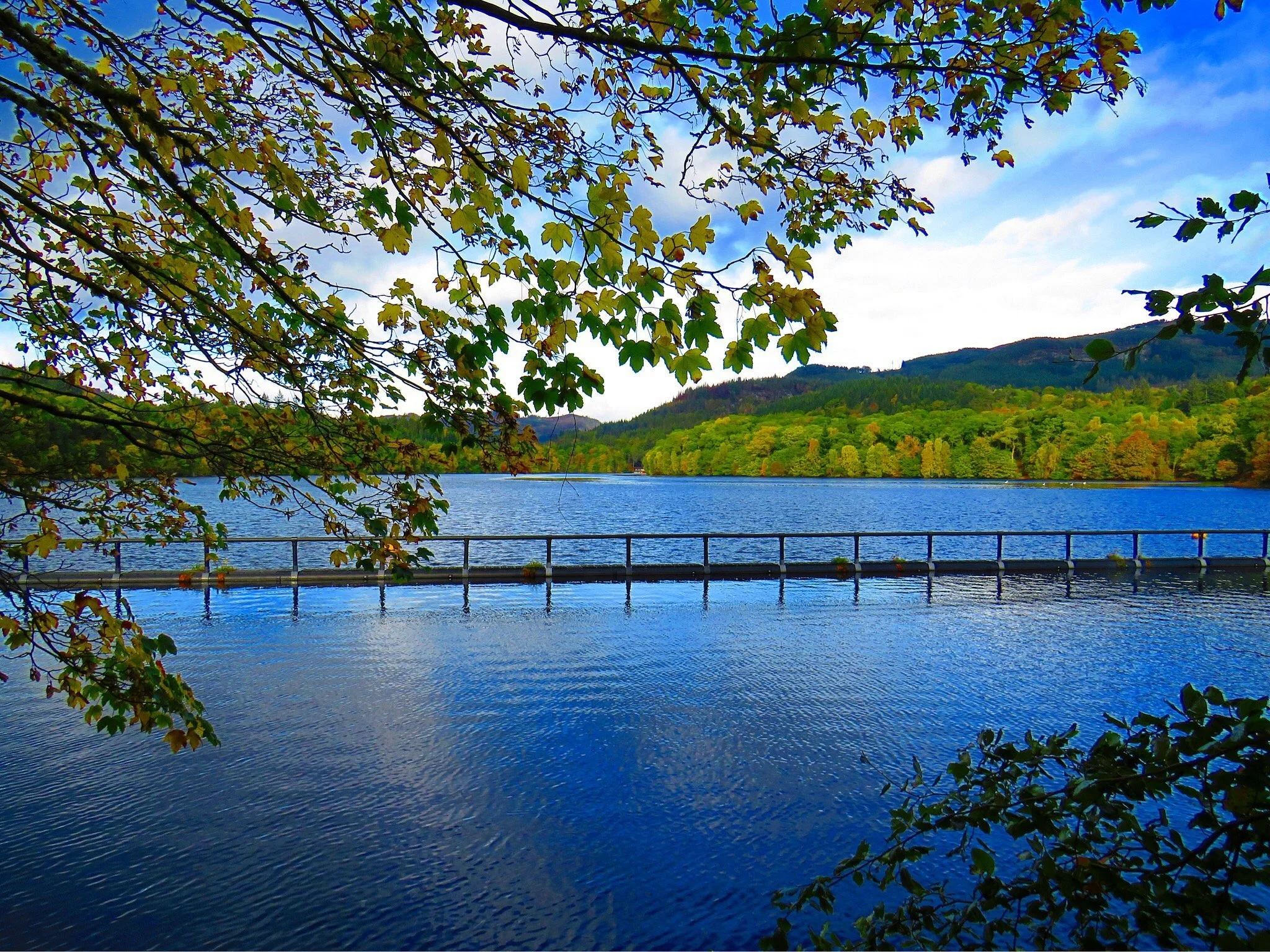
15. Pitlochry, Scotland
Pitlochry is a popular Highland town surrounded by the scenery of Perthshire.
The town center has independent shops, cafés, restaurants, and traditional Scottish character, while the surrounding area provides opportunities for walking, cycling, sightseeing, and outdoor activities.
VisitScotland describes Pitlochry as a base for exploring Perthshire and the Highlands, with access to countryside, loch views, and outdoor activities.
Best for: Highland scenery, outdoor activities, couples, and short breaks.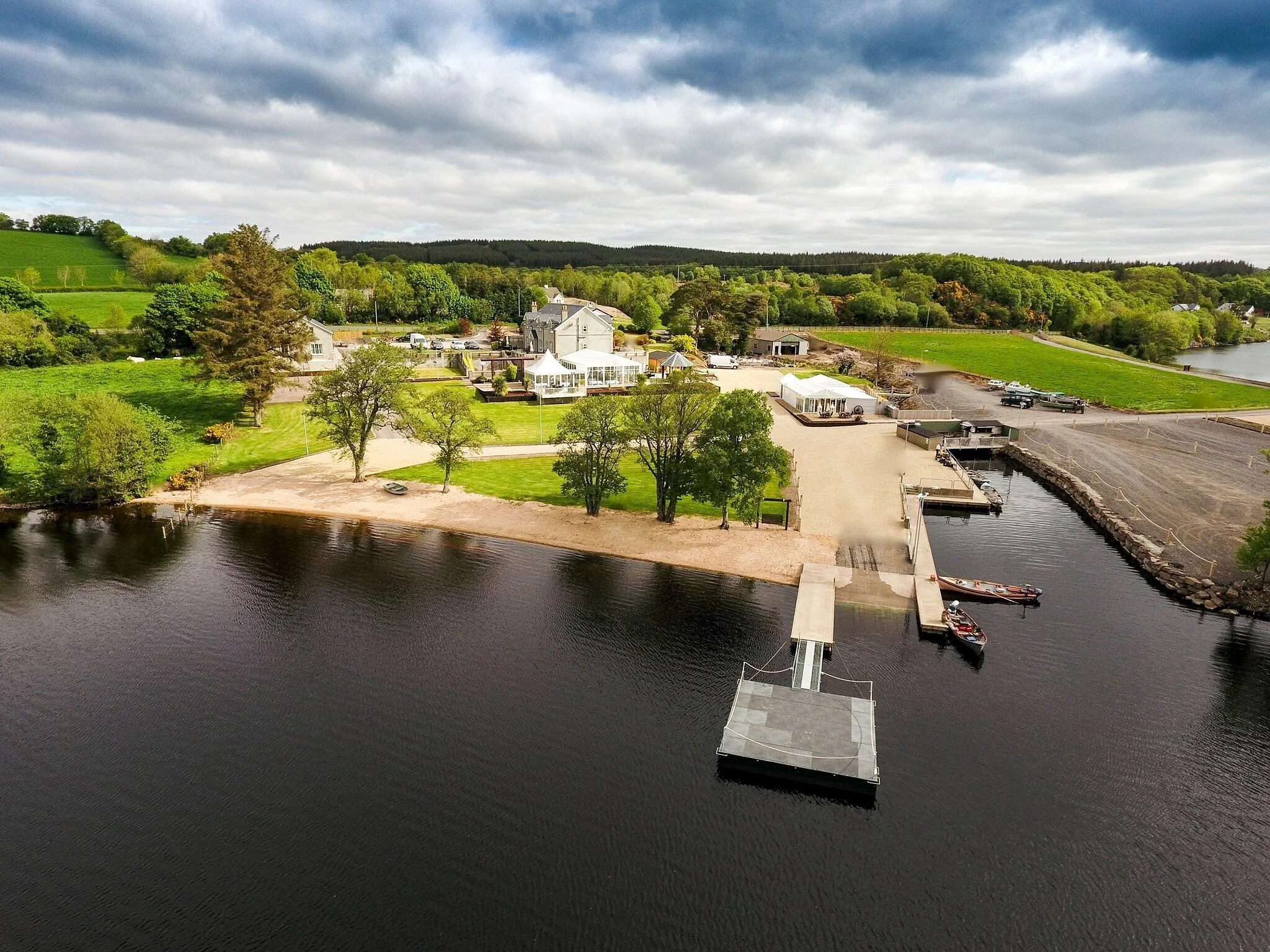
16. Enniskillen, Northern Ireland
Enniskillen is a historic town surrounded by the waterways of County Fermanagh.
Its position between Upper and Lower Lough Erne gives it a distinctive setting, while the town itself offers shops, cafés, restaurants, and heritage attractions.
Enniskillen is also identified by Discover Northern Ireland as a country market town with local produce markets.
Best for: Lakes, history, food, and outdoor activities.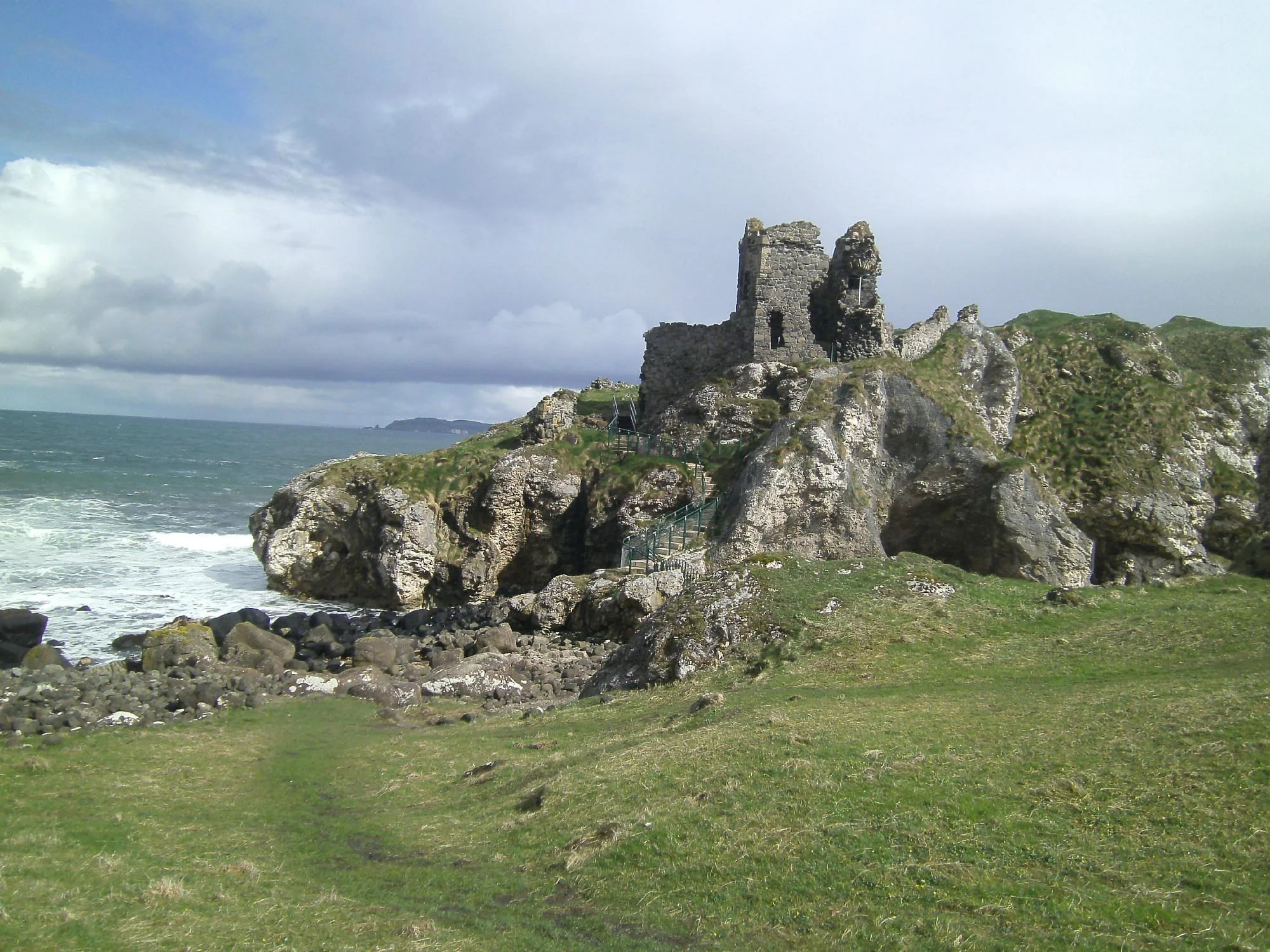
17. Ballycastle, Northern Ireland
Ballycastle combines market-town character with a dramatic coastal setting on Northern Ireland’s Causeway Coast.
The town is useful for visitors exploring the coastline, with cafés, restaurants, shops, and access to nearby attractions. It also provides a gateway to Rathlin Island via the ferry.
Discover Northern Ireland lists Ballycastle as a market town and highlights its position on the Causeway Coast and its connection with Rathlin Island.
Best for: Coastal scenery, food, walking, and road trips.
Best Market Towns in the UK for Different Experiences
Not every market town offers the same type of trip. Choosing one based on what you want to do can make planning easier.
Best for History
Stamford, Ludlow, Richmond, Hexham, Alnwick, and Melrose are strong choices if historic buildings, castles, abbeys, and heritage attractions are high on your list.
Best for Countryside
Bakewell, Keswick, Helmsley, Pitlochry, and Llandeilo provide easy access to surrounding landscapes and walking routes.
Best for Shopping
Frome, Cirencester, Saffron Walden, Hay-on-Wye, and Llandeilo have plenty of independent shops and local businesses to explore.
Best for Food
Ludlow, Bakewell, Frome, Cirencester, and Enniskillen can work particularly well for visitors who want to combine sightseeing with local food and cafés.
Best for Couples
Ludlow, Melrose, Llandeilo, Pitlochry, and Richmond offer combinations of historic surroundings, countryside, independent businesses, and places to enjoy a slower weekend.
Best for Families
Bakewell, Alnwick, Keswick, and Ballycastle offer a mixture of attractions and outdoor activities that can work well for family trips.
Tips for Visiting Market Towns in the UK
A little planning can make a market-town visit much easier.
- Check market days: Traditional markets may operate only once or twice a week.
- Look beyond the market: Explore independent shops, historic streets, museums, churches, and local attractions.
- Consider staying overnight: Smaller towns can feel noticeably quieter after day visitors leave.
- Check parking: Historic centers can have limited parking, particularly on market days.
- Use public transport where possible: Some towns have good rail or bus connections, while others are easier to reach by car.
- Combine nearby destinations: Two smaller towns or a town and countryside attraction can often work well together.
- Wear comfortable shoes: Historic centers and nearby walking routes are often best explored on foot.
- Check opening times: Smaller independent businesses may have different opening days and seasonal hours.
Final Thoughts
The best market towns in the UK offer a slower alternative to major city breaks, combining historic centers, independent businesses, local markets, good food, and easy access to the countryside. From Bakewell and Ludlow to Hay-on-Wye, Melrose, Pitlochry, and Enniskillen, each destination has its own character and reasons to visit.
If you’re planning more UK adventures, you can also explore the best theme parks in UK, best romantic getaways in UK, and best UK road trips. For a shorter escape from the capital, our guide to best weekend trips from London has more ideas. You can also read our guide to Best Universities in the UK if you’re researching major UK destinations for education, and Best Cotswold Villages for more countryside inspiration.
FAQs
What are the best market towns in the UK?
Some of the best market towns to consider include Stamford, Bakewell, Ludlow, Frome, Cirencester, Saffron Walden, Helmsley, Richmond, Keswick, Hay-on-Wye, Llandeilo, Melrose, Pitlochry, and Enniskillen. The best choice depends on whether you prefer history, shopping, food, the countryside, or outdoor activities.
What is a market town?
A market town is traditionally a settlement that developed around the right to hold regular markets, often serving as a commercial center for surrounding rural communities. Many historic market towns still have market squares, markets, independent shops, and historic commercial buildings.
Which market towns are best for a weekend break?
Ludlow, Bakewell, Keswick, Hay-on-Wye, Melrose, Pitlochry, and Llandeilo can all work well for weekend breaks because they combine things to do in town with attractions and countryside nearby.
Which UK market towns are best for walking?
Bakewell, Keswick, Helmsley, Richmond, Melrose, Pitlochry, and Llandeilo are particularly useful for visitors who want to combine a market-town visit with countryside walks. Many are located close to national parks, valleys, hills, or long-distance walking routes.
Are UK market towns good for a day trip?
Yes. Many market towns are compact enough to explore in a day, especially if you plan around the local market, historic center, and one or two attractions. Towns close to major cities can also work well as short day trips.
Which market towns are near London?
Saffron Walden is one option for a market-town day trip from London, while towns such as Stamford and parts of the southern Cotswolds can work better for longer day trips or overnight stays depending on your starting point and transport.