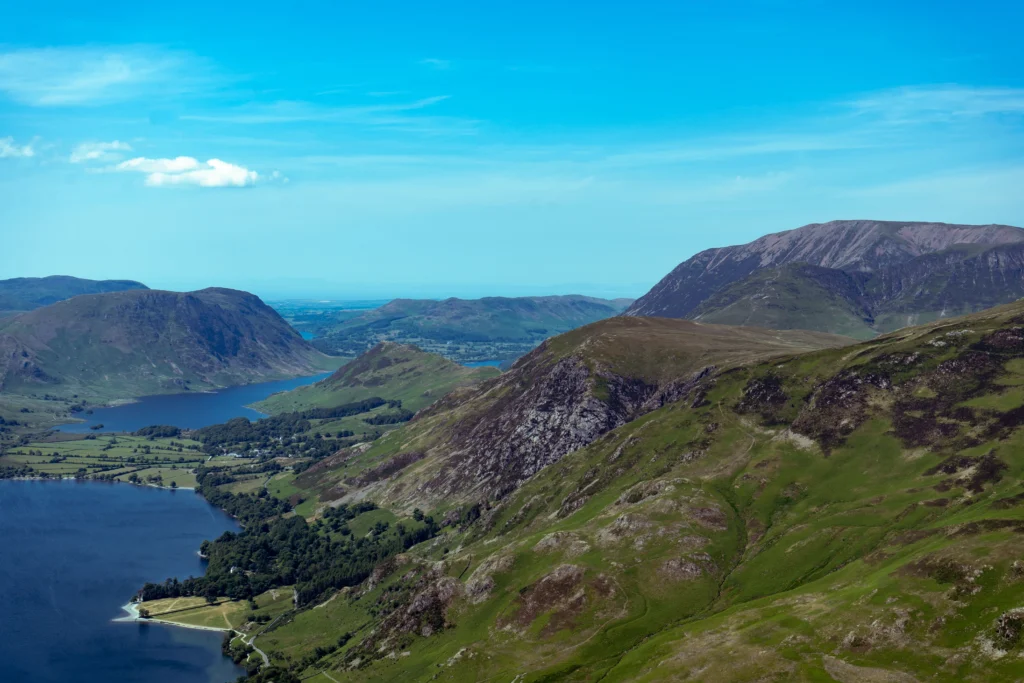
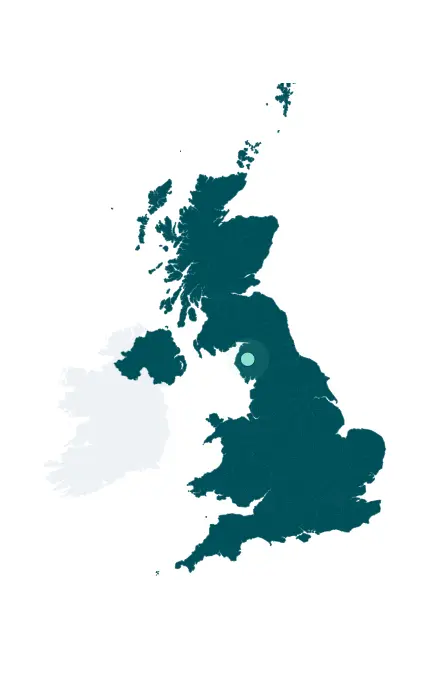
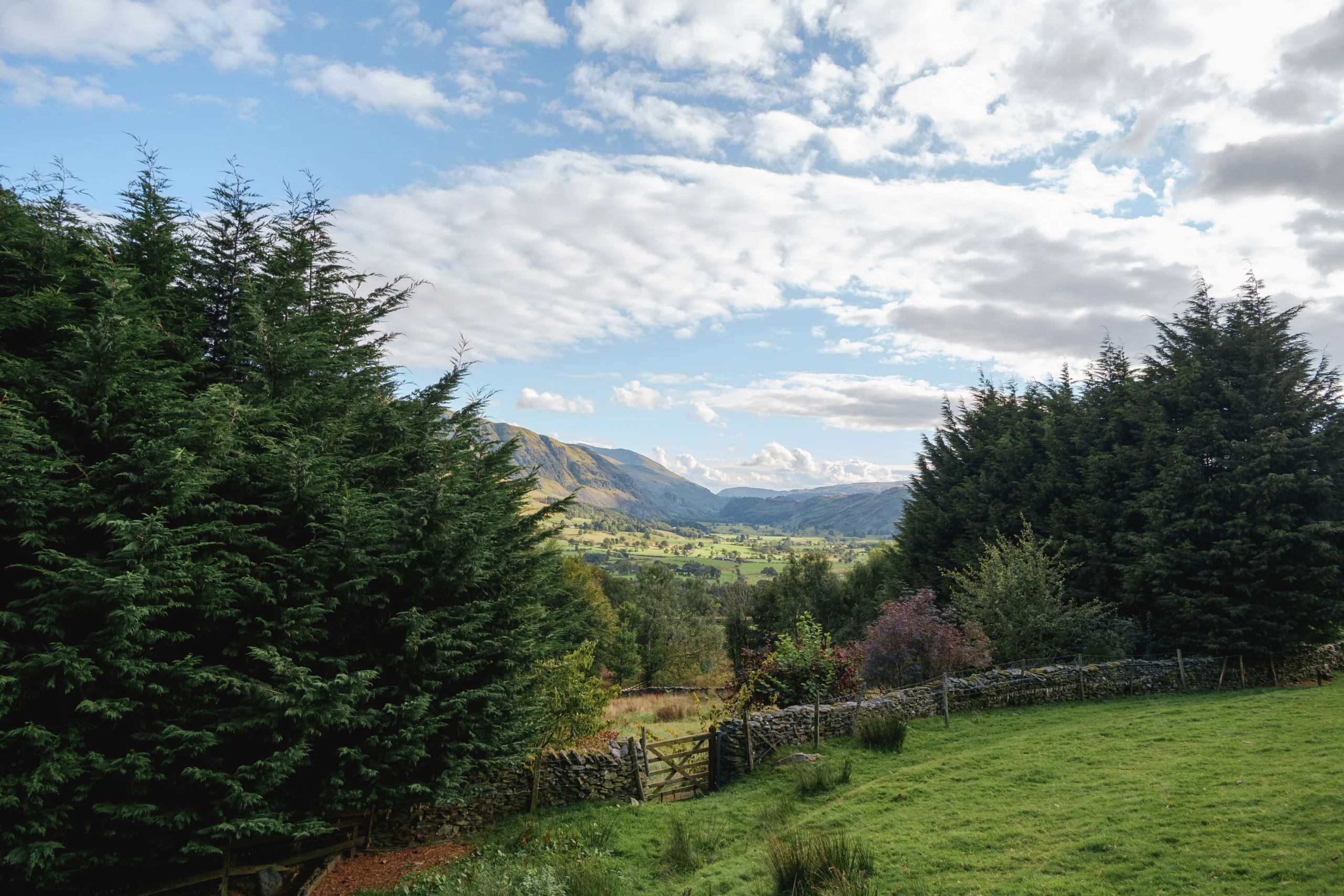
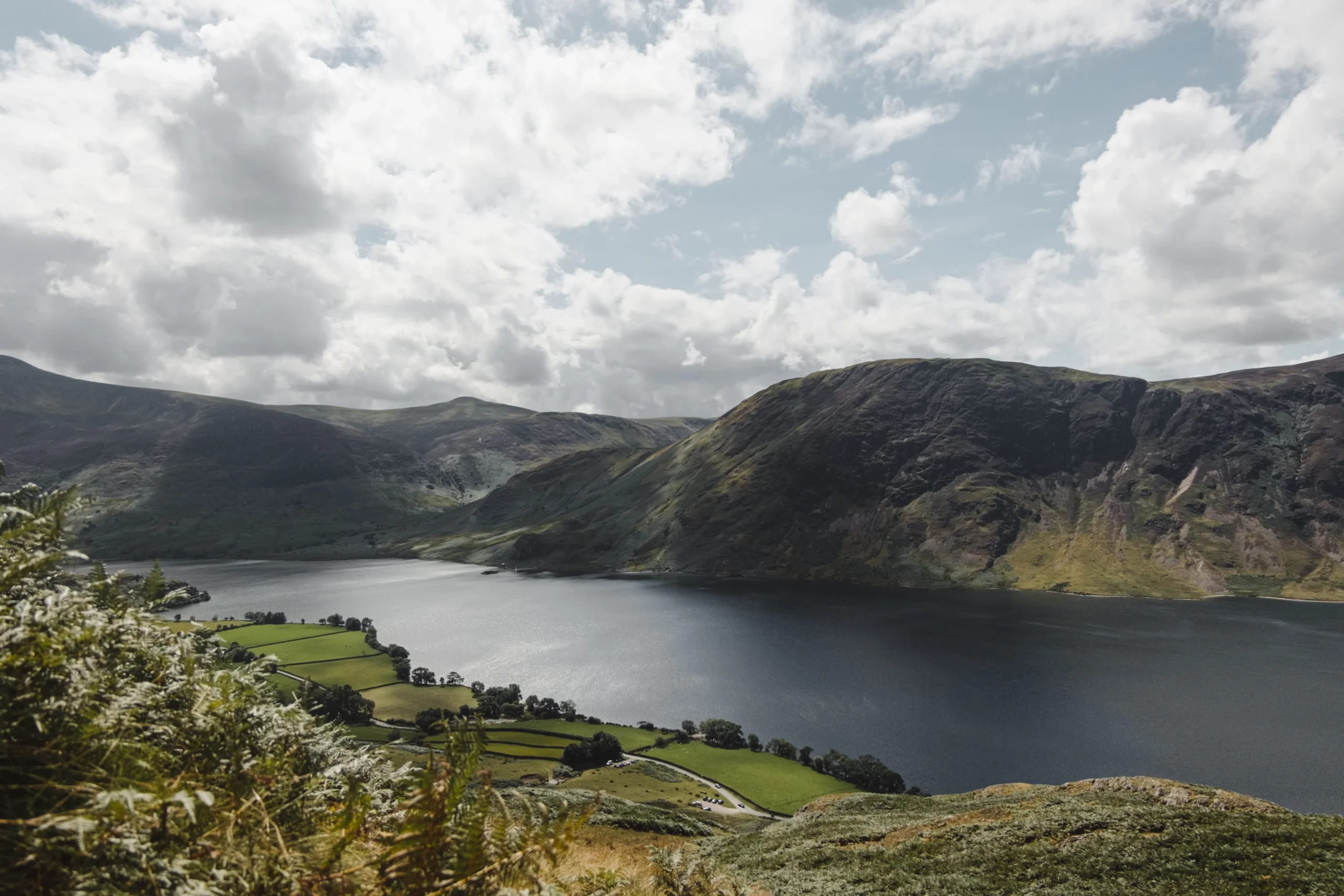
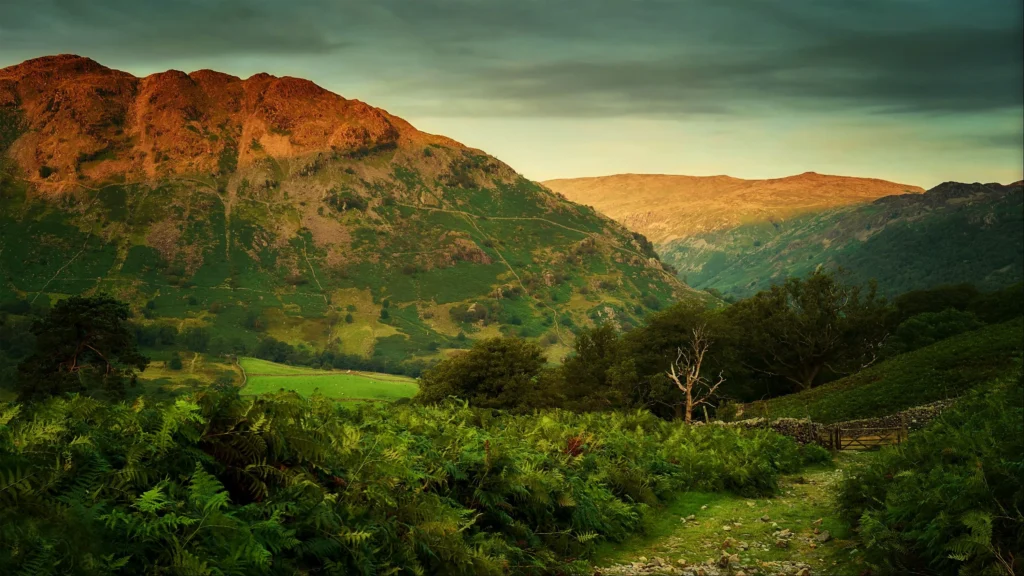
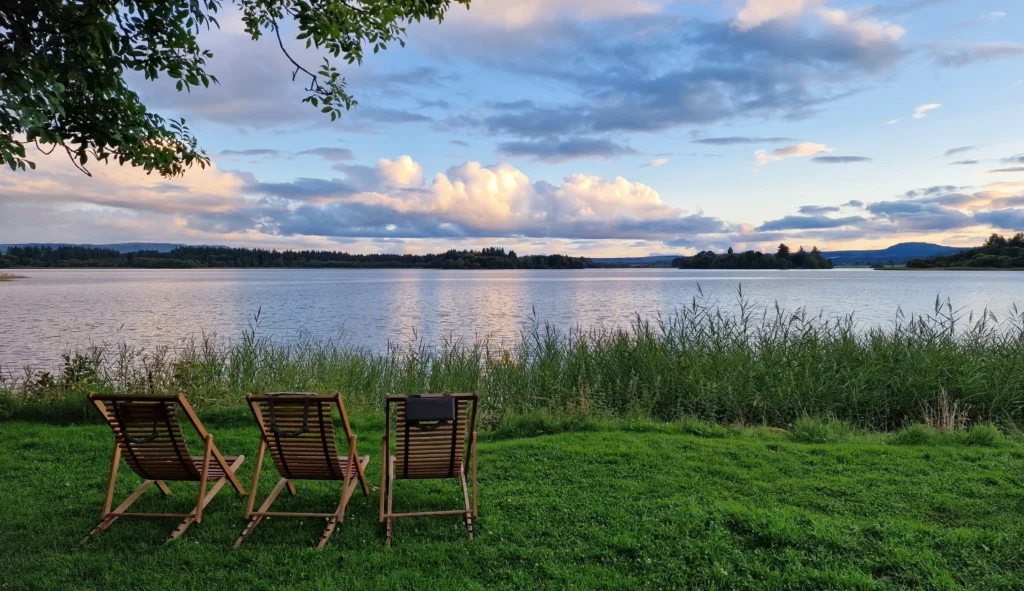
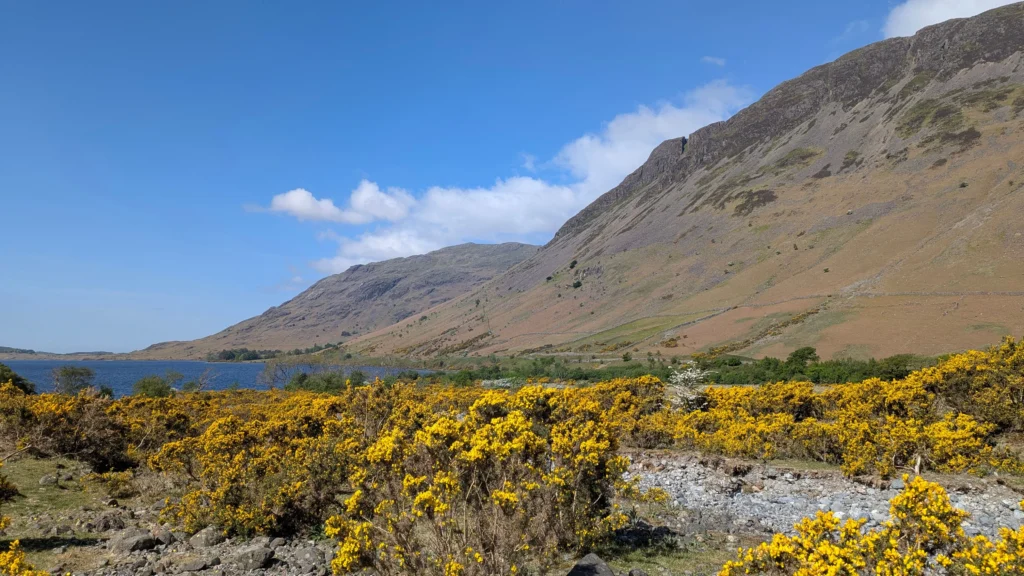
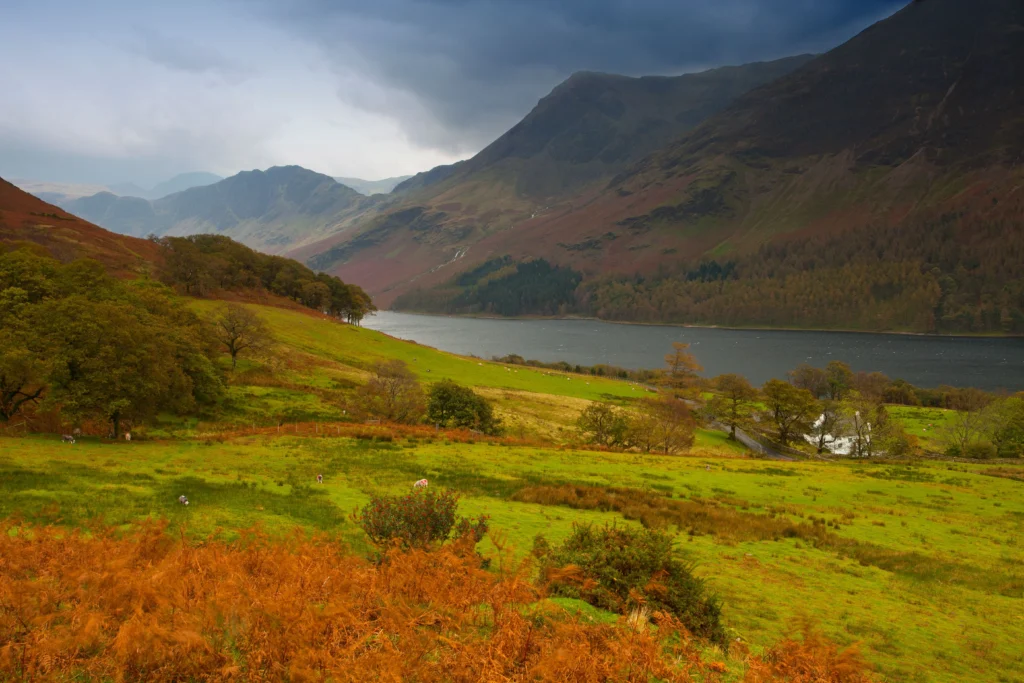
The Lake District is one of England’s most spectacular destinations, known for its dramatic mountains, peaceful lakes, stone villages and landscapes that have inspired generations of writers and artists. Located in Cumbria in the North West of England, the region offers a chance to escape busy city life and spend time surrounded by nature.
The Lake District has a rare combination of dramatic scenery and peaceful rural character. Mountains rise above deep valleys while lakes, forests and stone villages create constantly changing landscapes.
It is a destination where you can make your day as active or relaxed as you like. One day might involve climbing a fell or taking a long lakeside walk, while the next could be spent exploring a village, enjoying a traditional pub lunch or taking a scenic boat trip.
The region is also particularly appealing because there are so many different ways to stay. Visitors can choose from historic hotels, countryside inns, self-catering properties and Lake District lodges surrounded by nature.
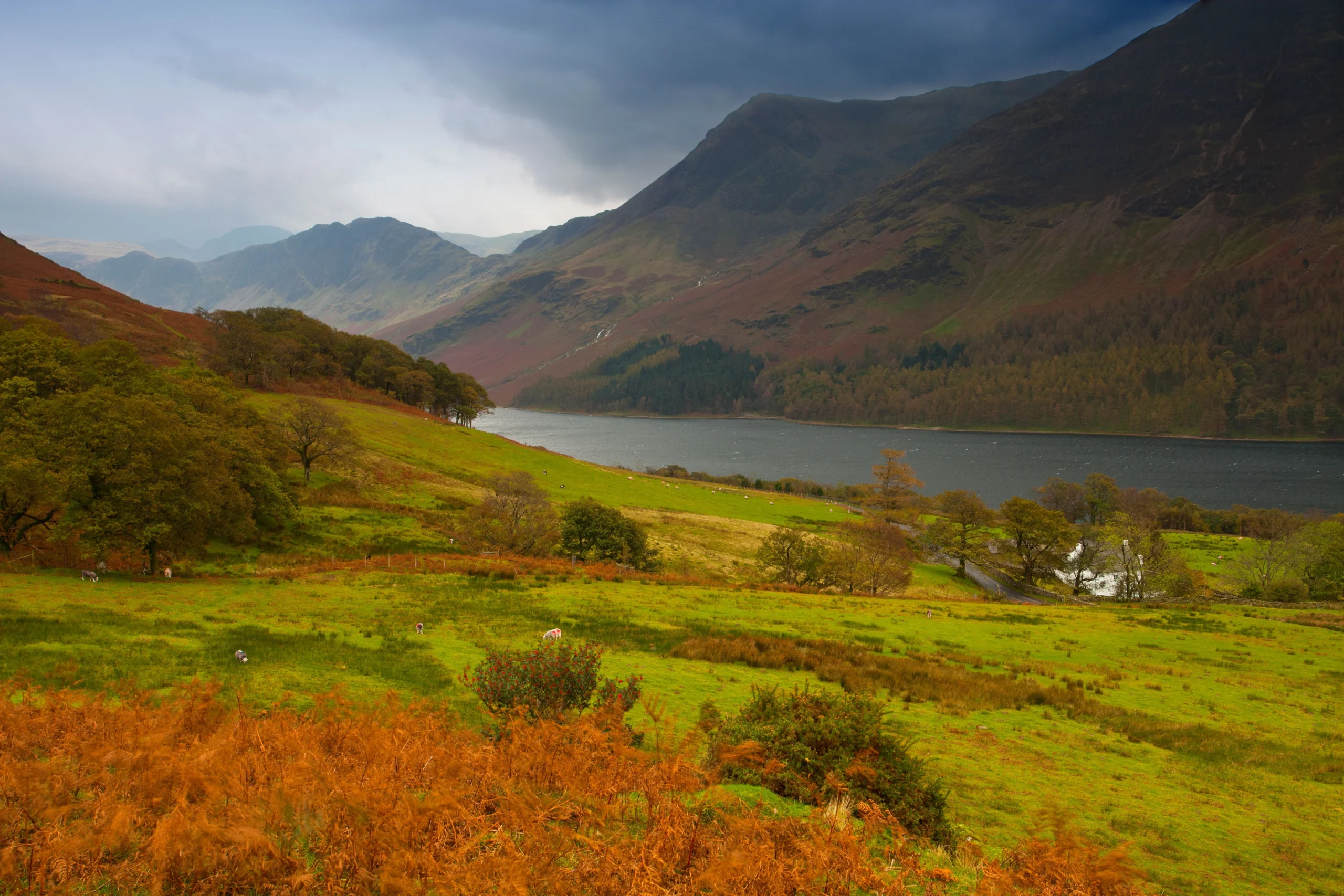
The combination of mountains and water gives the Lake District its unmistakable character. Whether you’re walking beside a lake or looking across a valley from a fell, the scenery is one of the main reasons people return.
The Lake District provides plenty of opportunities to slow down and enjoy the outdoors. Quiet woodland walks, peaceful lakeshores and traditional villages make it just as appealing for relaxation as it is for adventure.
The Lake District covers a large area, with each destination offering its own atmosphere and attractions. These are some of the best places to include in your itinerary.
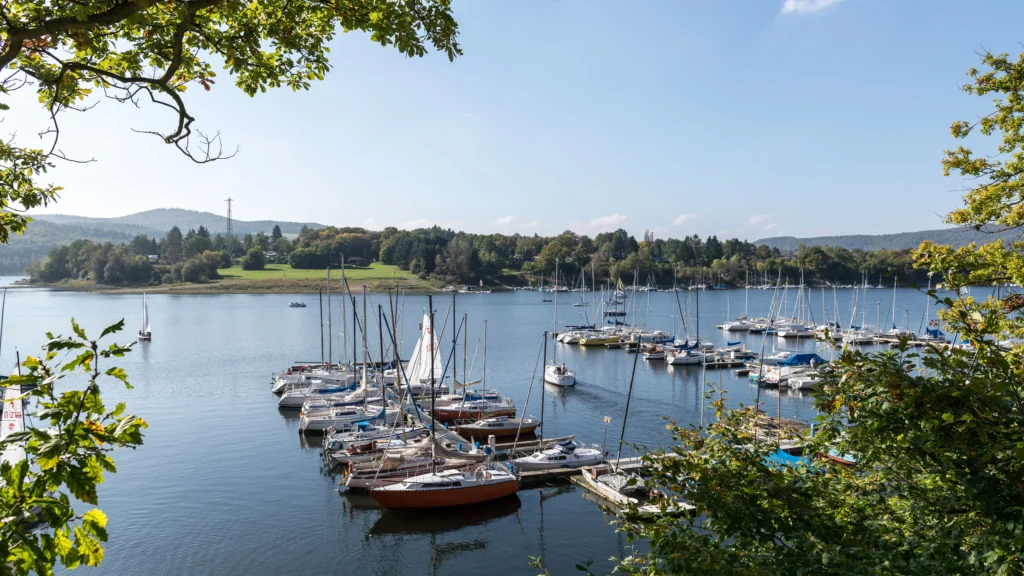
Windermere is the largest natural lake in England and one of the most popular destinations in the Lake District. The surrounding area offers boat trips, walking routes, restaurants and plenty of places to stay.
Ambleside sits at the northern end of Windermere and is surrounded by some of the region’s most impressive landscapes.
Keswick is one of the Lake District’s most popular towns and an excellent base for exploring the northern lakes and mountains.
Grasmere is a picturesque village surrounded by mountains and closely associated with the poet William Wordsworth.
Kendal sits on the southern edge of the Lake District and is often used as a gateway to the region.
The town has a rich history, independent shops, cafés and restaurants.
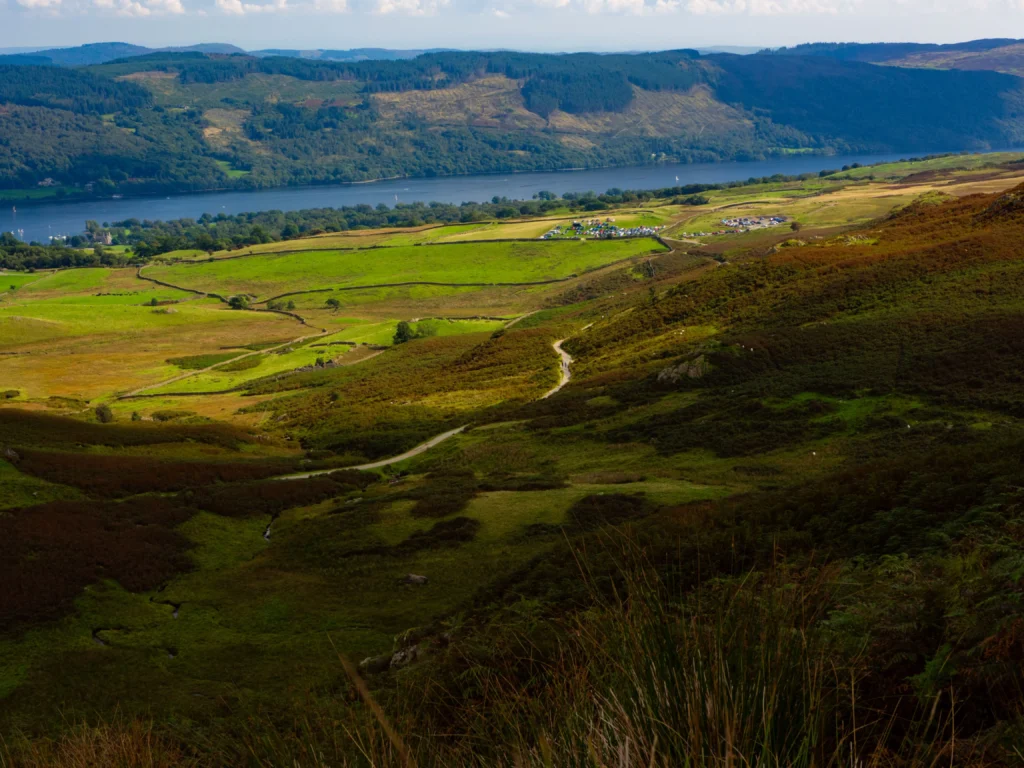
Coniston is surrounded by mountains and lies beside Coniston Water, creating one of the most impressive settings in the region.
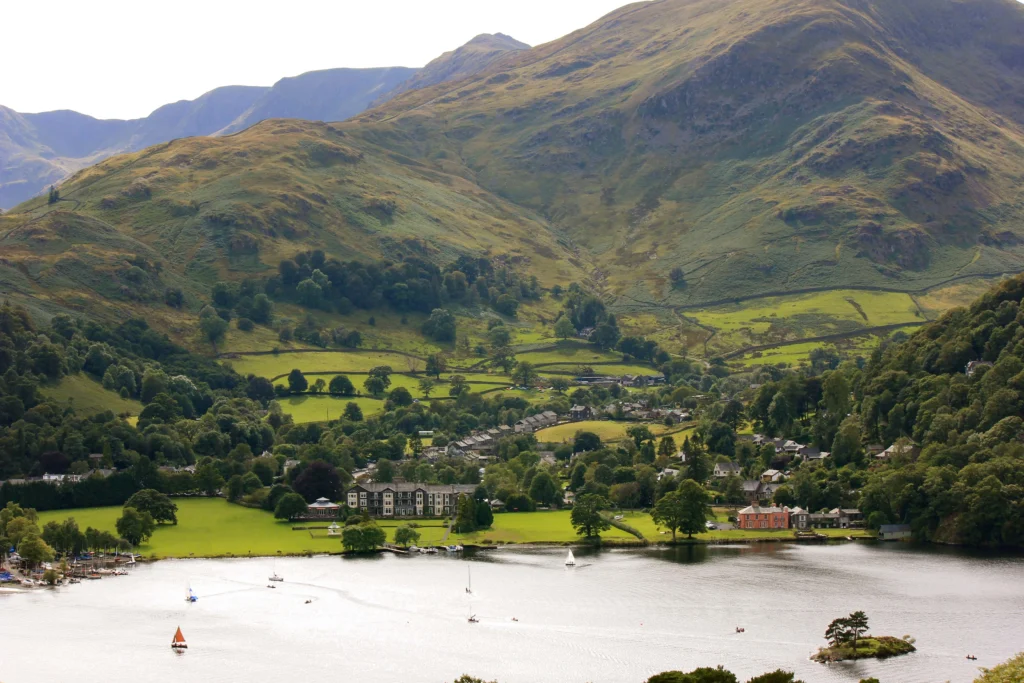
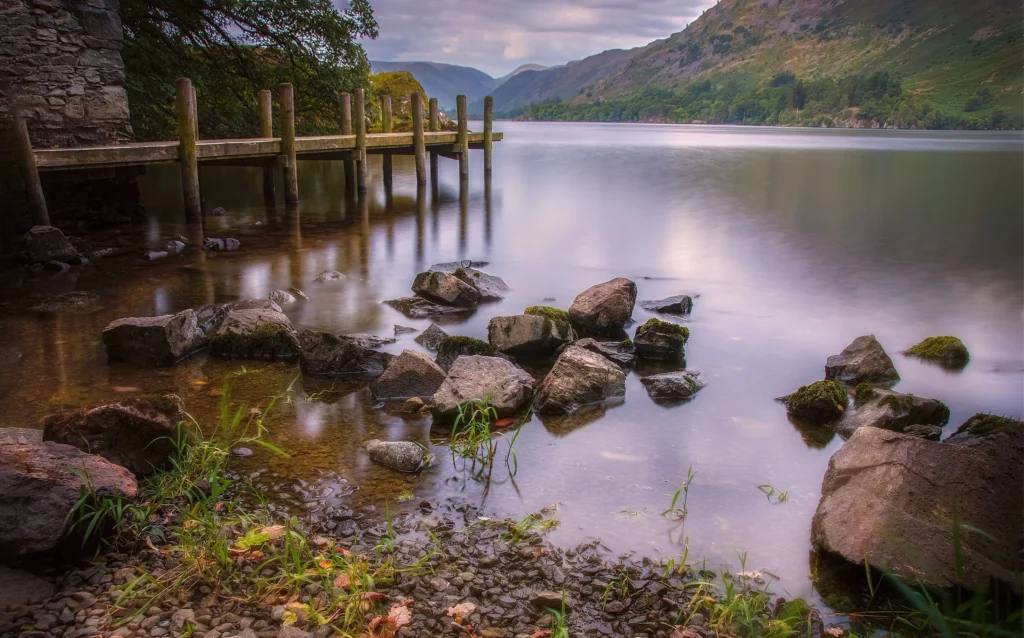
Ullswater is one of the most beautiful lakes in the Lake District and is surrounded by mountains, woodland and walking routes.
Borrowdale is a dramatic valley near Keswick surrounded by mountains, woodland and traditional countryside.
Spring brings longer days, fresh greenery and colourful landscapes across the region. It is an excellent time for walking around lakes, exploring villages and enjoying quieter countryside routes.
Summer is ideal for longer walks, mountain adventures, boat trips and exploring the region’s many lakes and valleys.
With more daylight available, you can fit several outdoor activities into a single day while still having time to relax in one of the region’s villages.
Autumn transforms the Lake District with changing leaves and rich countryside colours. Cooler temperatures also make longer walks more comfortable for many visitors.
It is a particularly good season for scenic drives, photography, woodland walks and cosy evenings in traditional pubs.
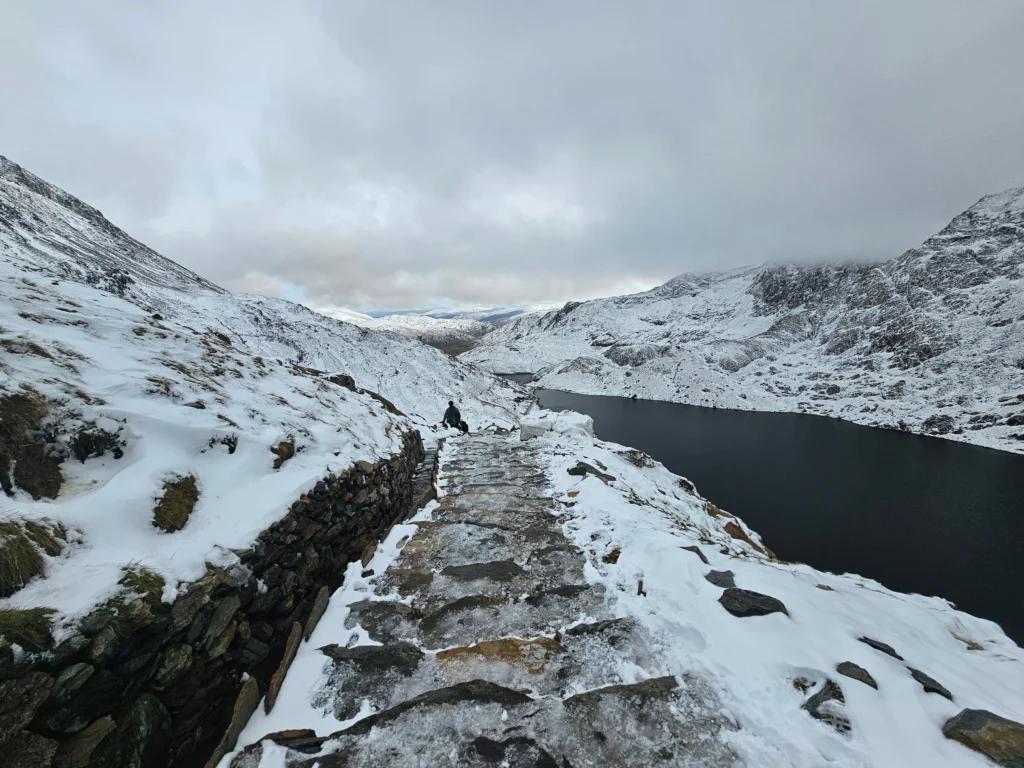
Winter brings a quieter atmosphere to many parts of the Lake District. Snow-covered mountains can create spectacular scenery, while villages, pubs and hotels offer welcoming places to escape the cold.
For a peaceful winter break, choose accommodation with easy access to walks and local attractions.

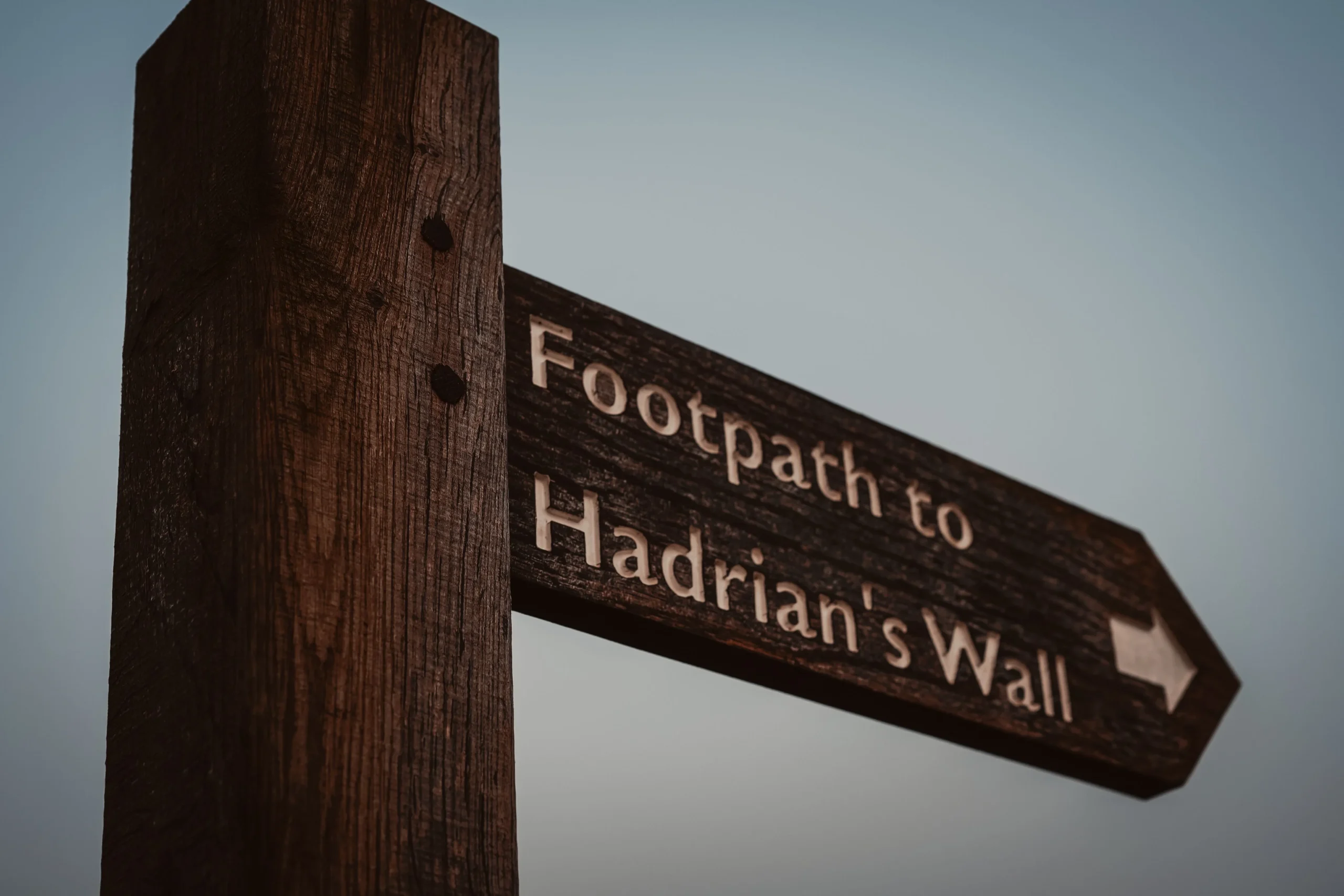
Hadrian's Wall provides an opportunity to explore one of Britain's most important Roman landmarks. Its landscapes and archaeological remains offer a very different experience from the mountains and lakes of the Lake District.
Cartmel is a small village known for its historic atmosphere, food scene and nearby countryside. It makes a pleasant stop when exploring the southern part of the region.
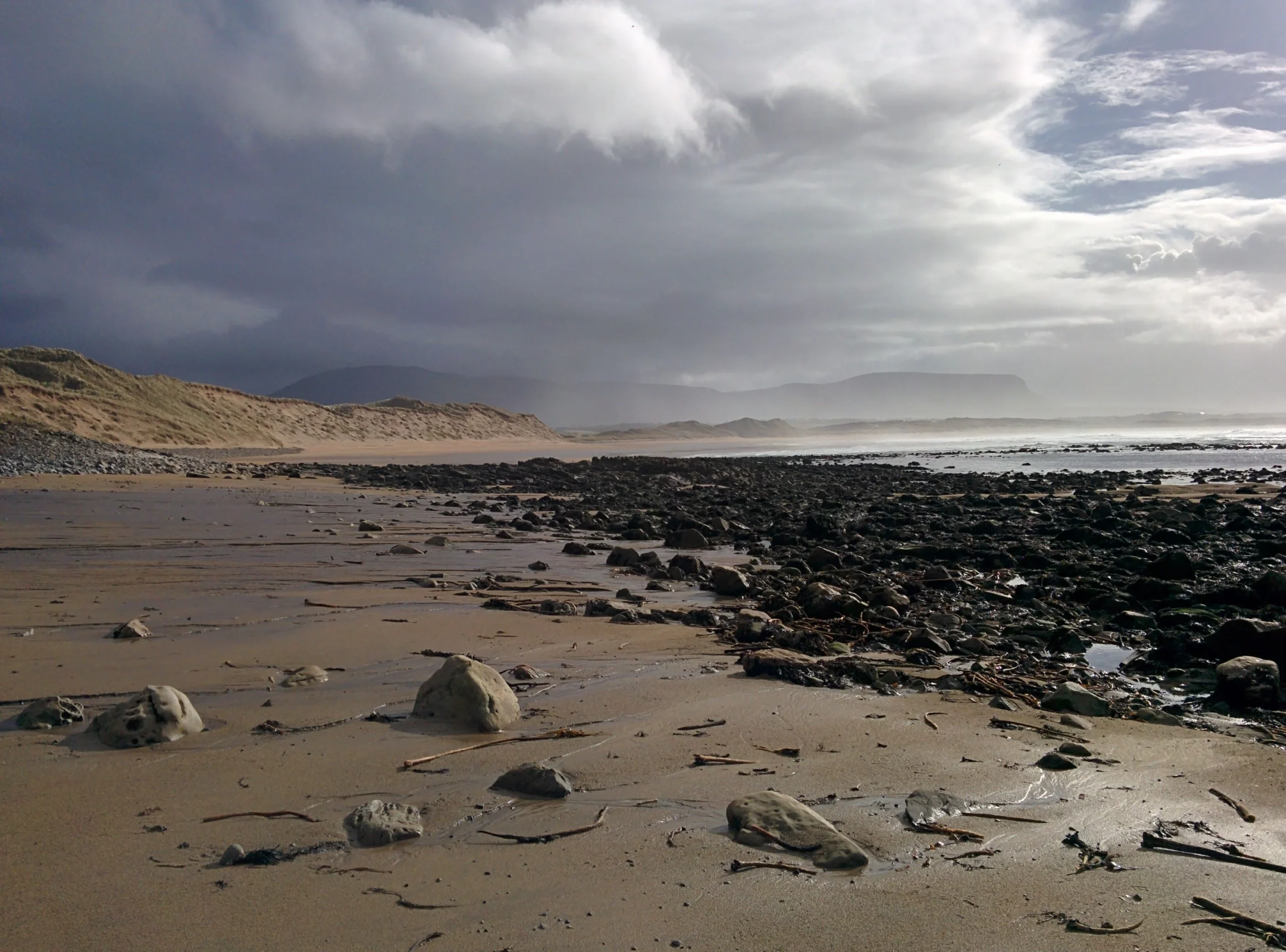
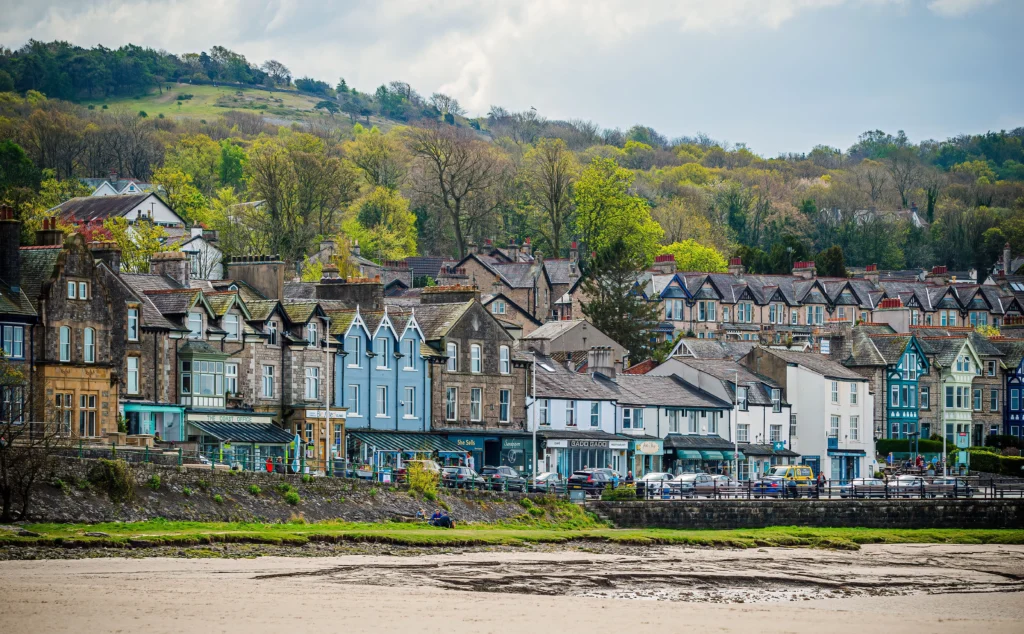
Grange-over-Sands sits on the edge of Morecambe Bay and offers coastal views, gardens and a relaxed seaside atmosphere.
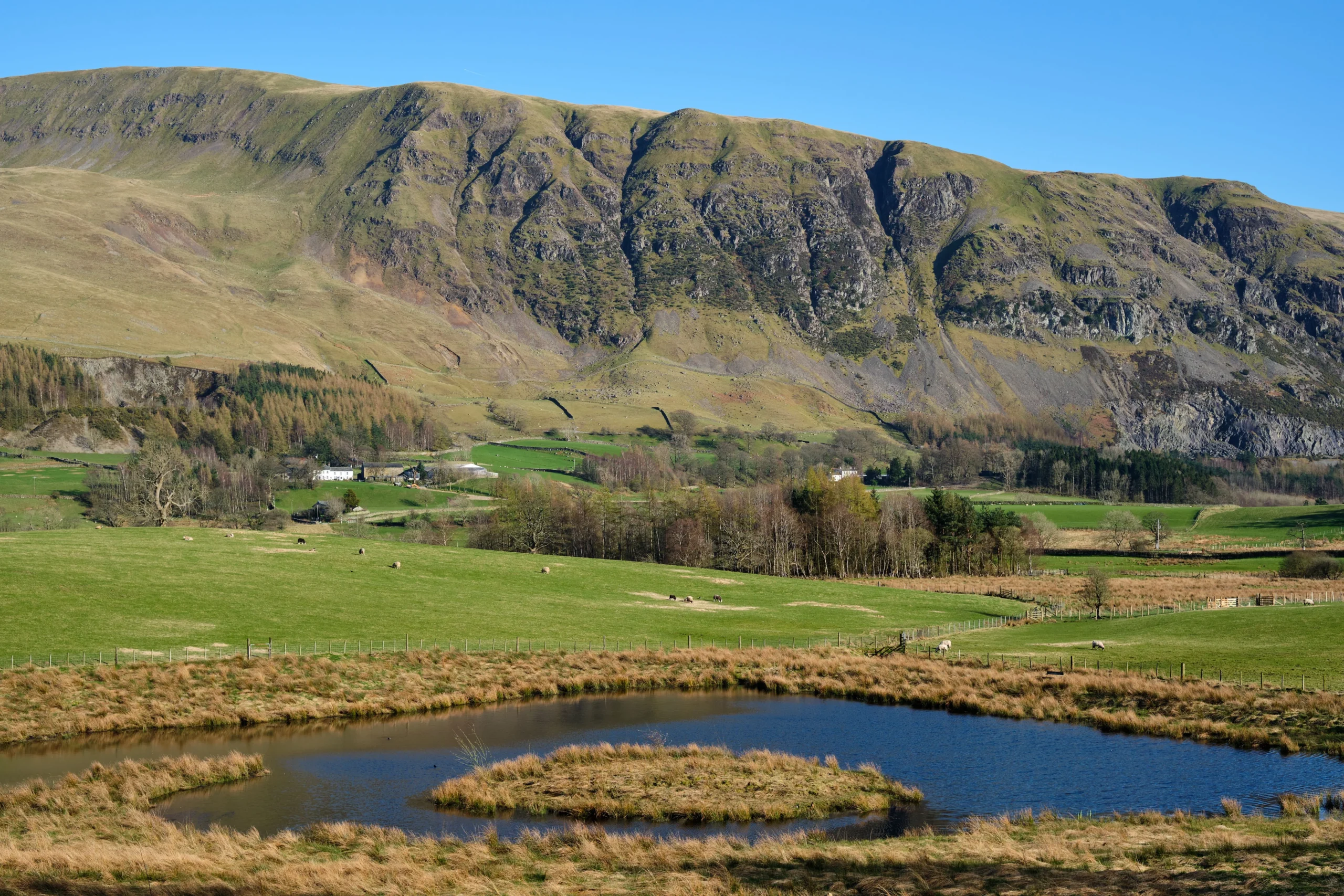
Barrow-in-Furness has a strong maritime and industrial heritage and provides a different perspective on Cumbria beyond the national park.
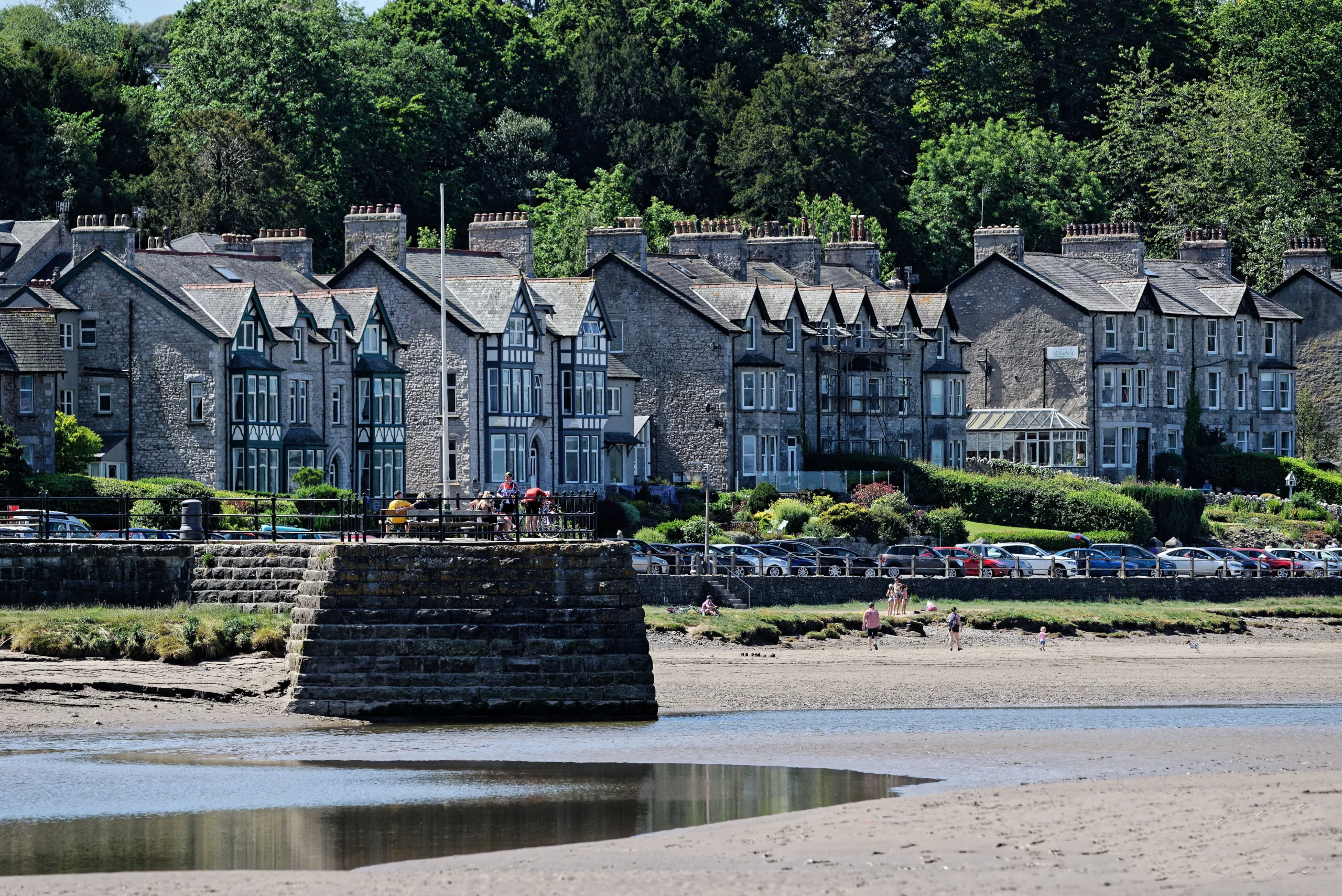
Lancaster is a historic city with a famous castle, independent businesses and a lively cultural scene. Its location makes it convenient for visitors travelling towards the Lake District from the south.
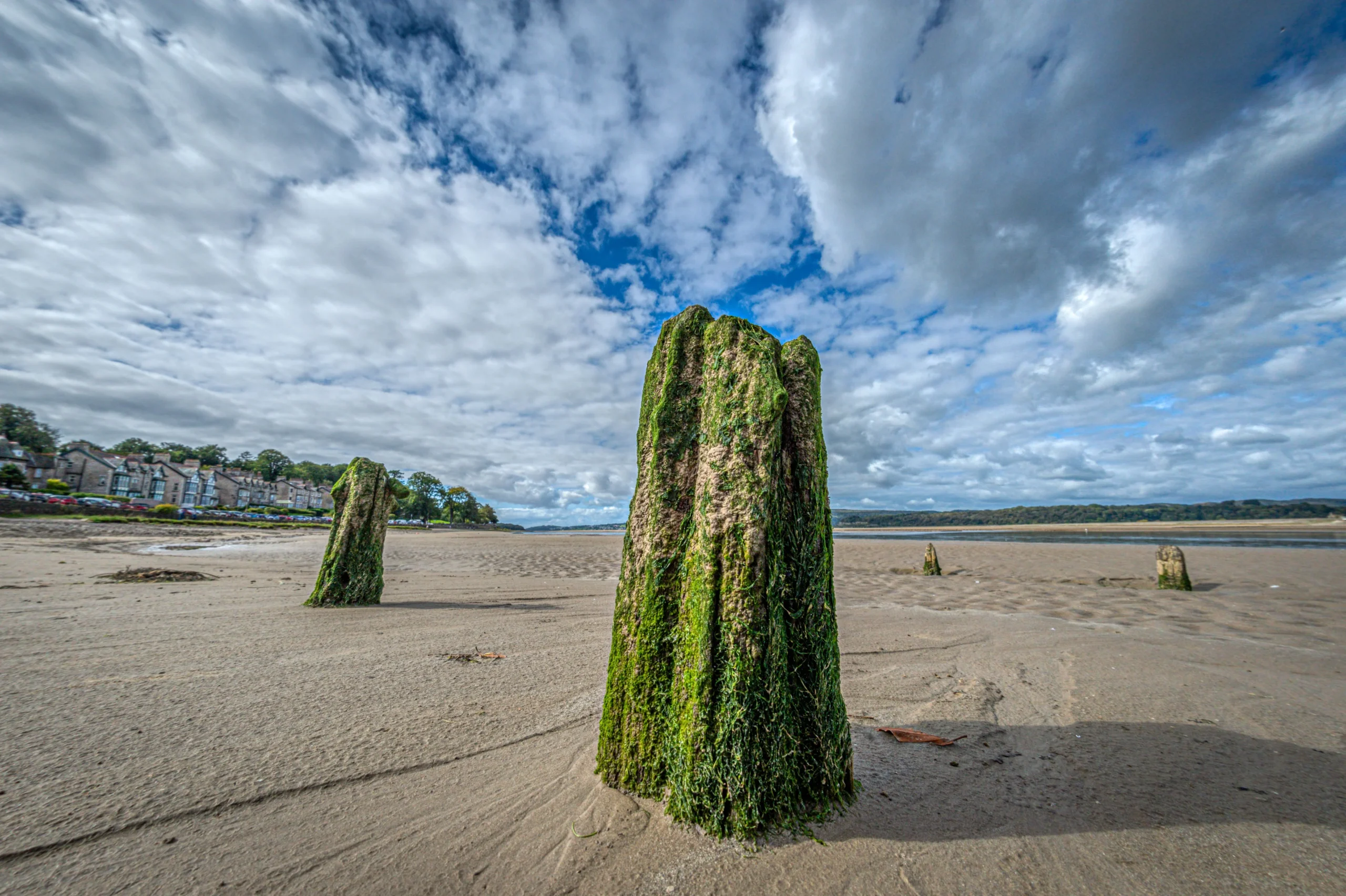
Morecambe is a traditional seaside destination overlooking Morecambe Bay. Its promenade and coastal views make it an easy addition to a wider trip around Cumbria and Lancashire.
The Lake District can be reached by road and rail, although the best option depends on where you’re staying and which part of the region you want to explore.
The Lake District’s large size means getting around can be different from exploring a compact city. Your best option depends on where you’re staying and what you plan to see.
Driving is one of the most flexible ways to explore the Lake District because attractions, lakes and walking routes are spread across a large area. However, some rural roads are narrow and winding.
Local buses connect several towns and villages across the region. Services can be useful for visitors who want to leave the car behind, although rural routes can be less frequent.
There is no single railway station serving the entire Lake District. Oxenholme Lake District is one of the main rail gateways, with onward connections available to other parts of Cumbria.
The Lake District is much more than a collection of beautiful lakes. Its mountains, valleys, forests and villages create a landscape where outdoor adventure and peaceful escapes can exist side by side.
For experienced walkers, the region offers challenging mountain routes and some of England’s most rewarding fell walks. For less adventurous visitors, there are gentle lakeside paths, scenic boat trips and village walks that provide equally enjoyable ways to experience the landscape.
The region’s villages add another layer to the experience. Places such as Grasmere, Ambleside and Keswick combine traditional buildings with cafés, restaurants, independent shops and accommodation.
This variety is one of the reasons the Lake District works for so many different types of visitors. A couple might choose a quiet lodge for a relaxing weekend, while a family could stay in a dog-friendly hotel and spend their days exploring the countryside.
The landscape also changes dramatically throughout the year. Spring brings fresh greenery, summer provides long days for outdoor adventures, autumn adds colour to the woodlands and winter creates a quieter atmosphere across the region.
Whether you’re visiting for walking, sightseeing, photography, food or simply a break from everyday life, the Lake District offers plenty of ways to slow down and reconnect with the outdoors.
The Lake District is famous for its mountains, lakes, valleys, scenic landscapes and outdoor activities. It is also associated with writers such as William Wordsworth and is one of England’s most popular destinations for walking and countryside holidays.
Windermere, Ambleside, Keswick, Grasmere and Coniston are popular places to stay because they provide access to attractions, walking routes, lakes and local amenities.
Yes. Lake District lodges can be suitable for families, particularly those offering self-catering facilities and outdoor space. Always check the property’s facilities and occupancy rules before booking.
Yes. There are dog-friendly accommodation options throughout the Lake District, including hotels, inns and lodges. Policies vary, so check the individual property’s rules before booking.
The Lake District can be visited throughout the year. Summer is popular for outdoor activities, spring offers fresh landscapes, autumn brings colourful scenery and winter provides a quieter countryside experience.