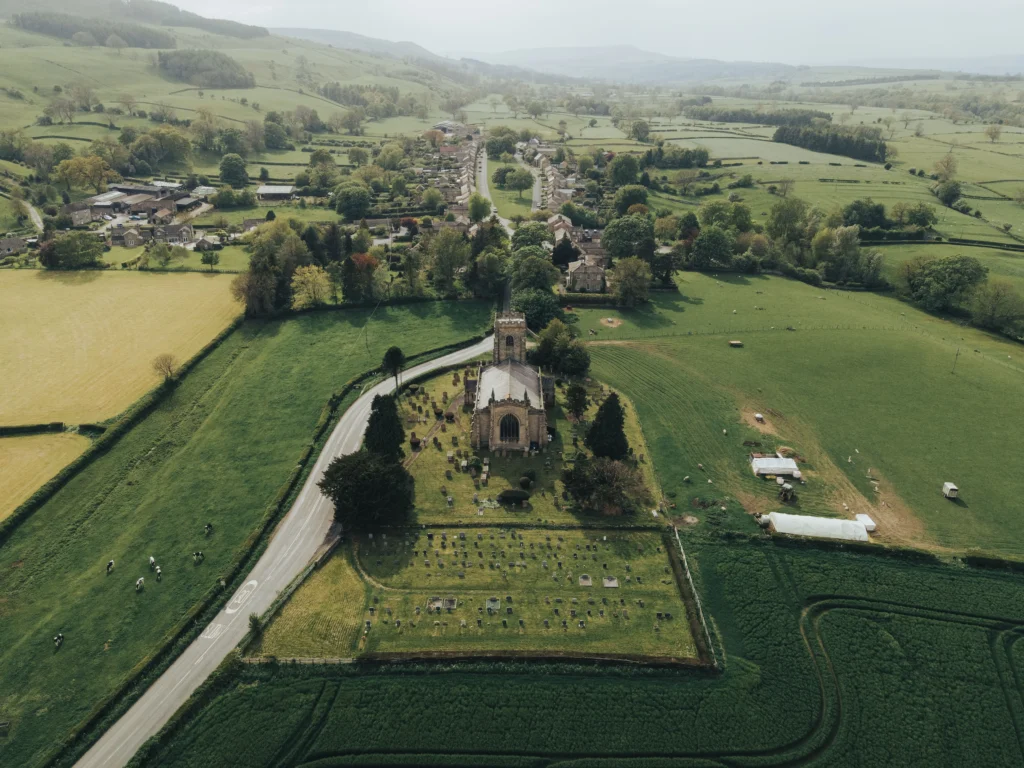
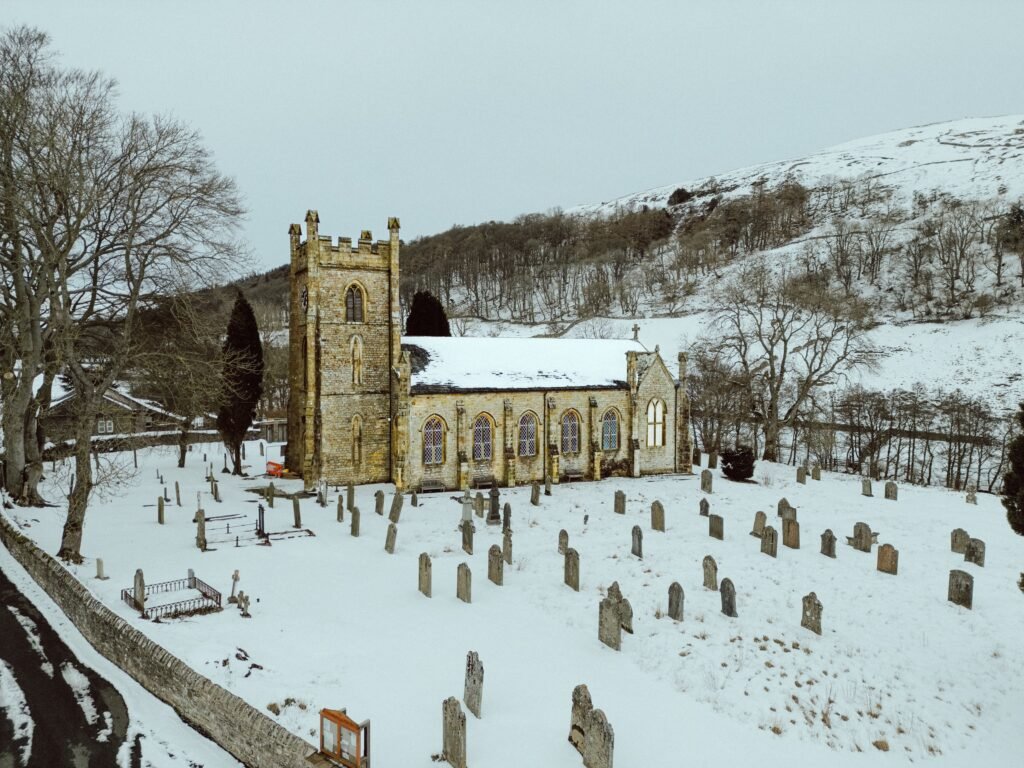
The Peak District is one of the UK’s most rewarding countryside destinations, combining dramatic landscapes, picturesque villages, historic estates and some of England’s best walking routes. From the open moorland of the Dark Peak to the limestone valleys of the White Peak, every part of the region has its own character.
The Peak District offers the kind of variety that makes it easy to plan a trip around your interests. Walkers can explore dramatic ridgelines and peaceful valleys, while families can combine outdoor adventures with caves, historic houses and attractions.
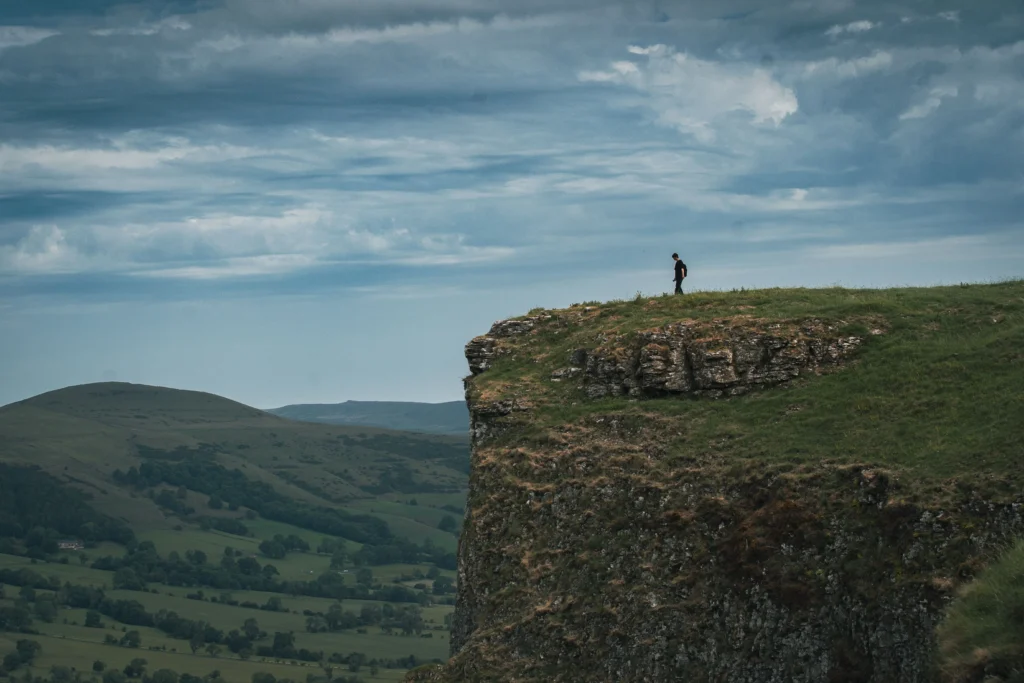
The national park is also home to some of England’s most recognisable countryside landscapes. Places such as Mam Tor, Dovedale and the Hope Valley provide spectacular views, while towns including Bakewell and Buxton offer cafés, restaurants, shops and places to stay.
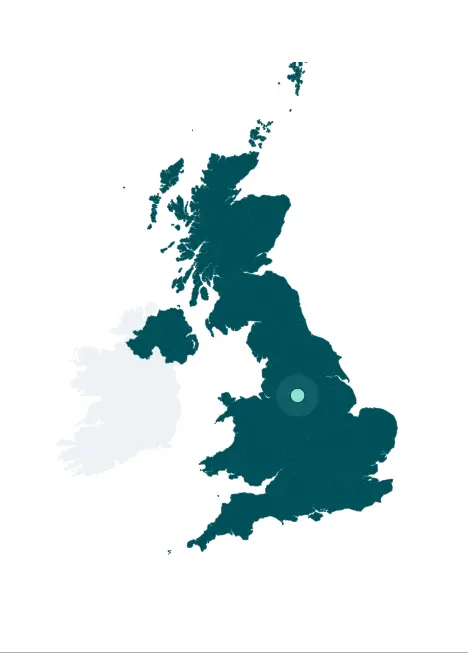
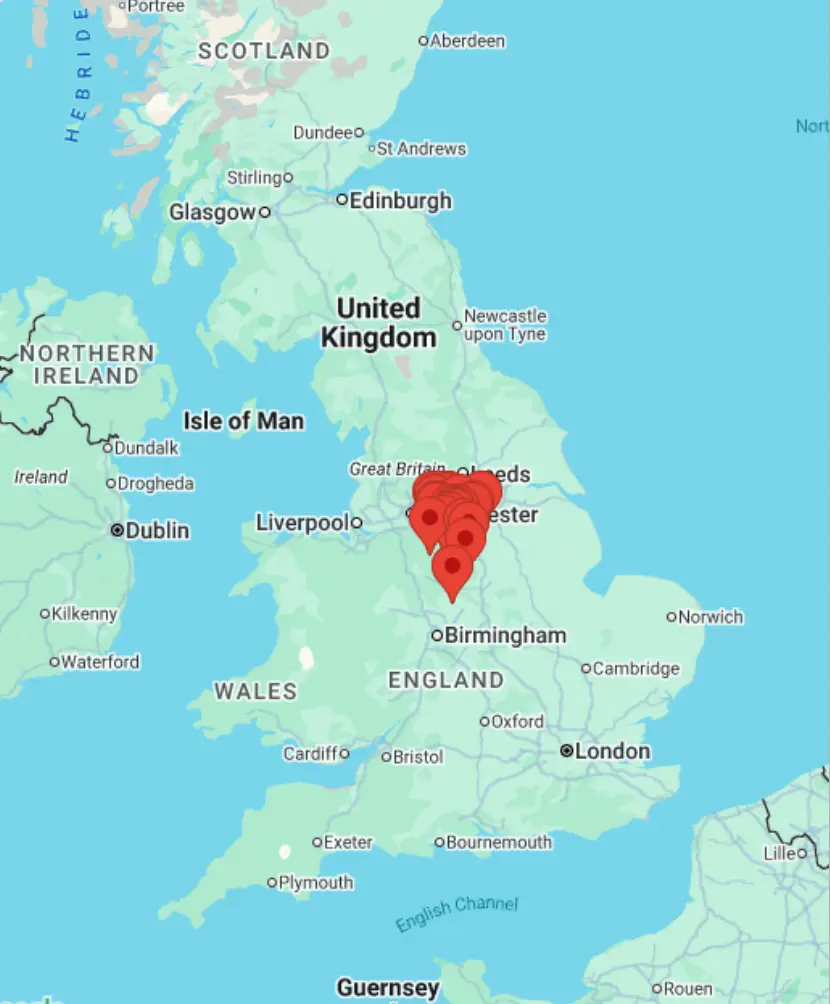
Its location is another major advantage. The Peak District is within easy reach of several major cities, making it possible to enjoy a countryside escape without travelling too far.
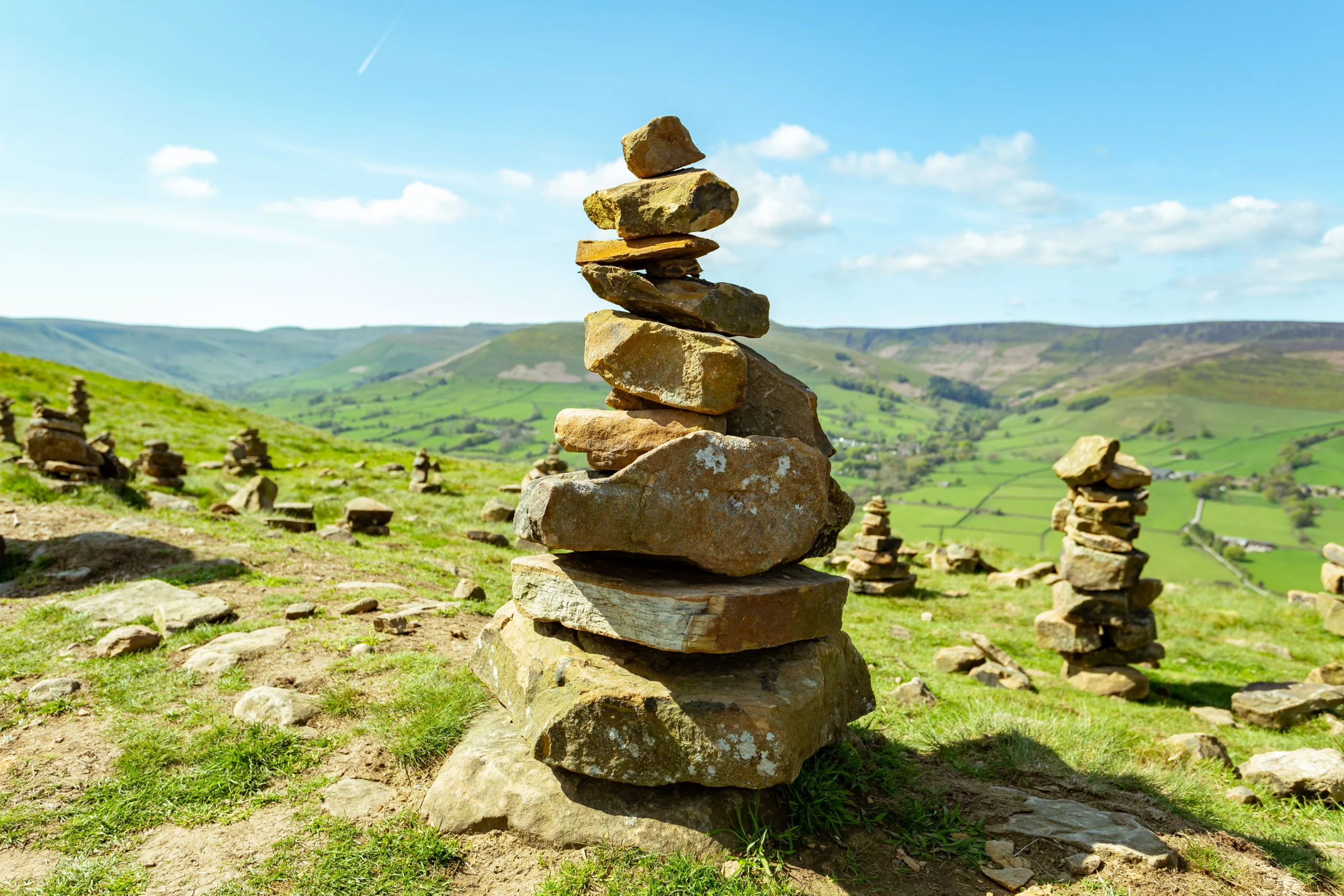
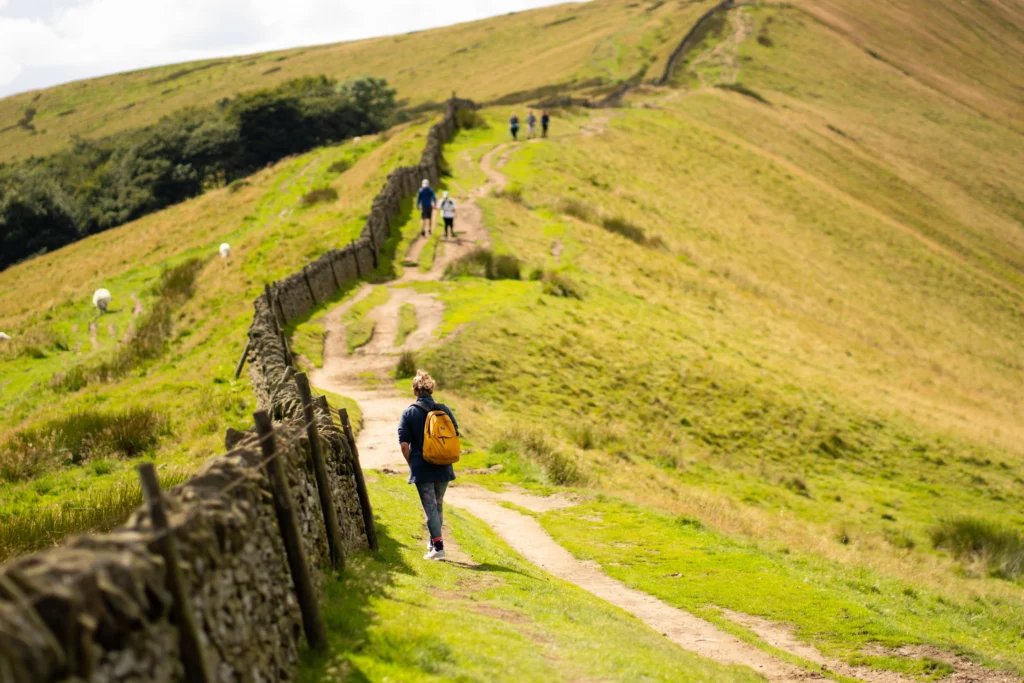
From challenging hill walks to gentle valley trails, the Peak District has routes for almost every ability level. Mam Tor, Kinder Scout and the Monsal Trail are among the best-known places to explore, while quieter paths reveal peaceful villages, reservoirs and woodland.
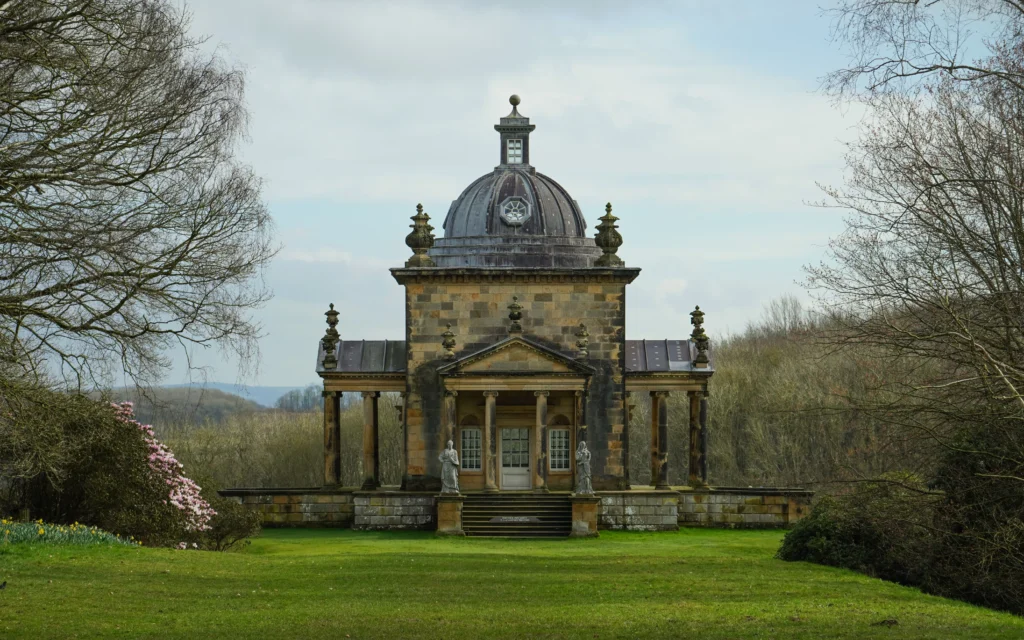
The Peak District isn’t only about walking. Historic estates, traditional villages and fascinating geological sites add another layer to the experience.
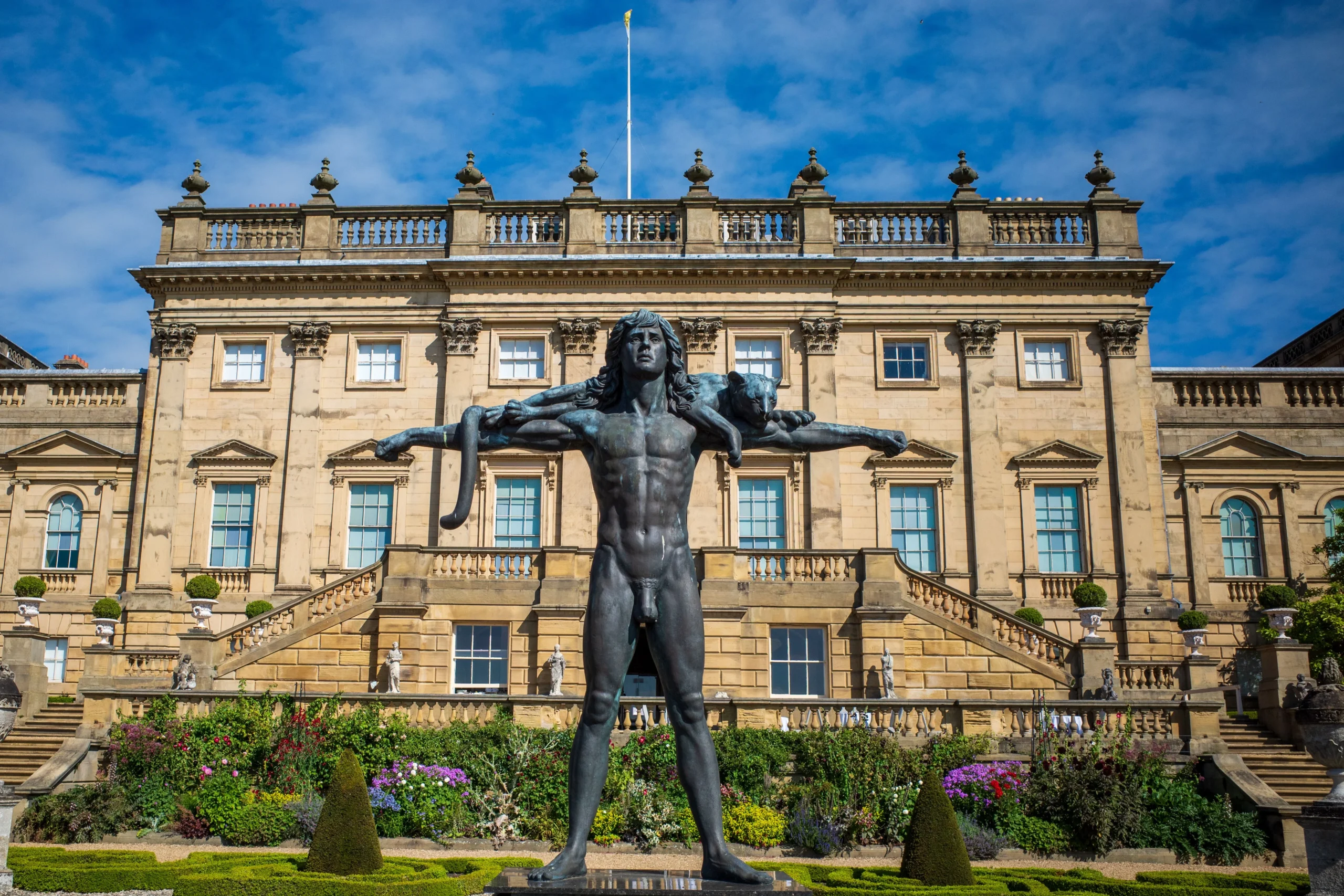
Chatsworth House, Haddon Hall and Calke Abbey offer opportunities to explore historic architecture and landscaped grounds, while Castleton’s caves reveal another side of the region’s natural history.
The Peak District is made up of many distinctive towns, villages, and landscapes. Each offers a different reason to visit, from famous walking routes to historic attractions and traditional countryside experiences.
Castleton is one of the most popular villages in the Peak District, surrounded by dramatic hills and limestone landscapes.
Bakewell sits beside the River Wye and is famous for its Bakewell pudding. Its central location makes it an excellent base for exploring nearby countryside.
Buxton combines historic architecture with easy access to the surrounding countryside. Explore the Pavilion Gardens, Buxton Crescent, and the town’s independent cafés before heading into the hills.
Hathersage is surrounded by some of the Peak District’s most attractive walking country. The village is close to Stanage Edge and offers a convenient starting point for exploring the surrounding hills.
Edale is one of the best-known walking destinations in the Peak District and an important starting point for routes across Kinder Scout. Its railway station also makes it one of the easier villages to reach without a car.
The village is known for attractions including the Heights of Abraham and provides an enjoyable combination of countryside scenery and family-friendly activities.
Eyam is known for its remarkable history during the plague of 1665 and has become one of the Peak District’s most interesting heritage destinations.
Baslow is close to Chatsworth House and provides easy access to surrounding countryside. The village has cafés, pubs and independent businesses, making it a convenient stop while exploring the eastern Peak District.
Spring is a lovely time to explore the Peak District, with greener landscapes, longer days and colourful gardens.
Summer is ideal for longer walks, cycling trips and outdoor adventures. Start popular routes early to avoid the busiest periods.
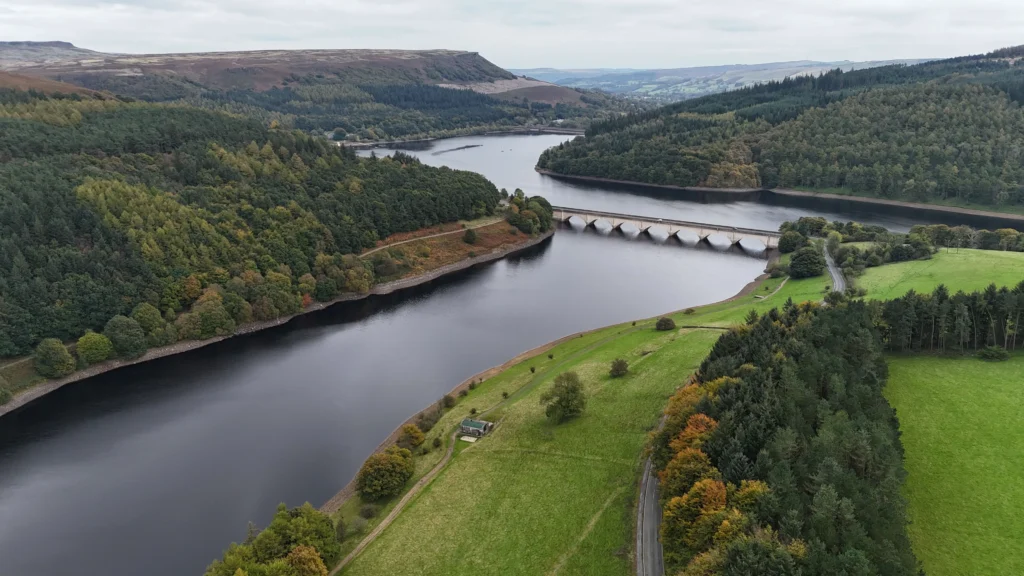
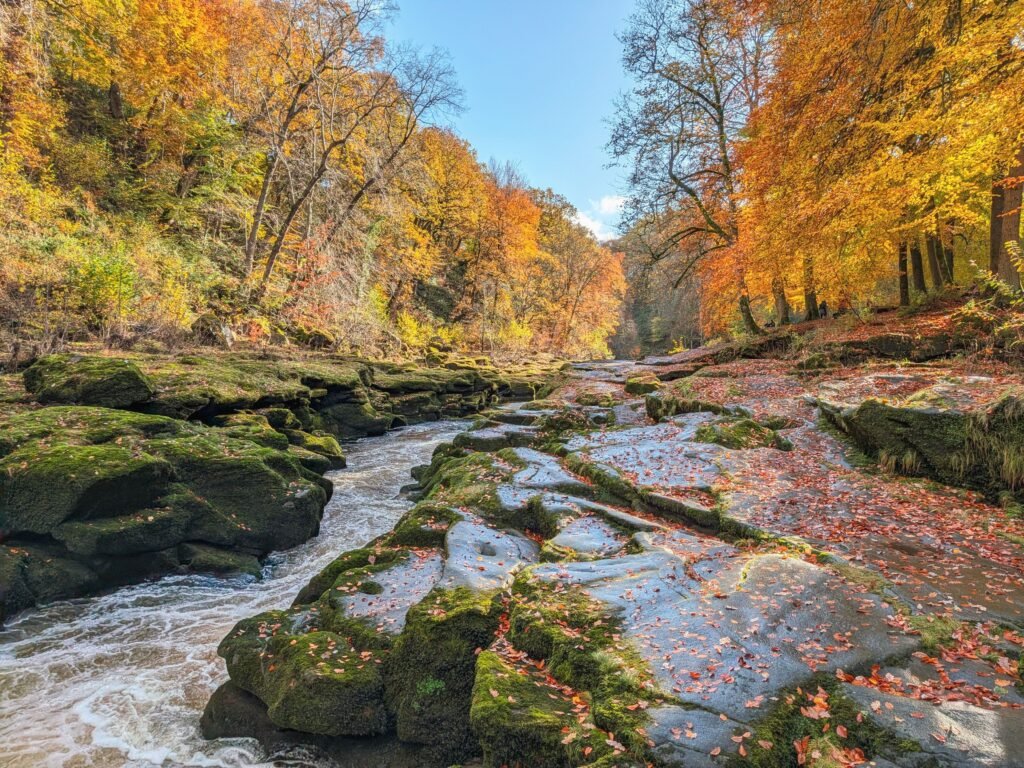
Autumn brings some of the Peak District’s most beautiful scenery, particularly around woodland, valleys and reservoirs.
Winter can be peaceful across the national park, although higher routes require careful planning because conditions can change quickly.

A lively city with museums, shopping, restaurants and cultural attractions, Manchester makes a great addition to a Peak District trip.
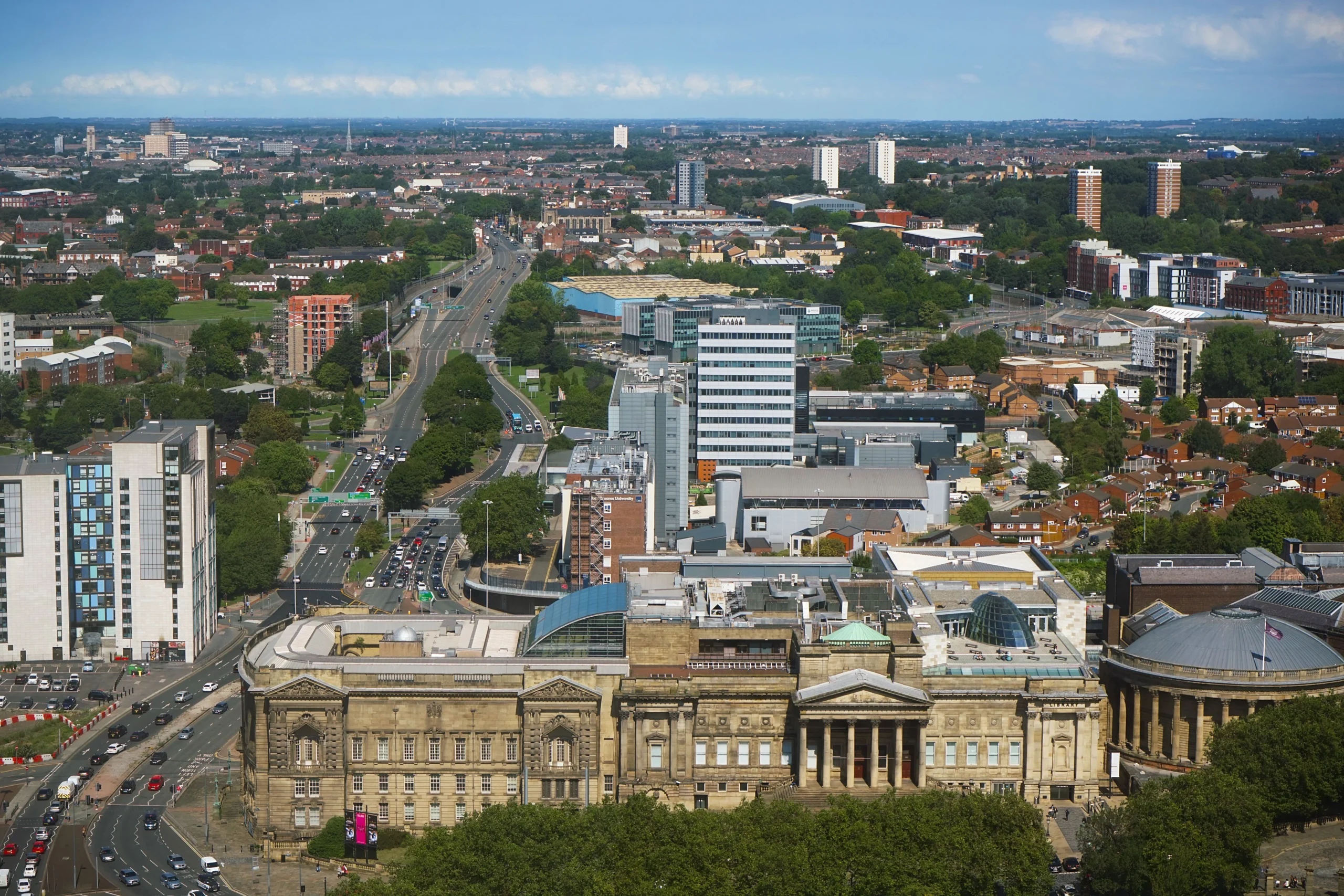
Known for its green spaces, independent businesses and creative culture, Sheffield sits close to the eastern edge of the Peak District.
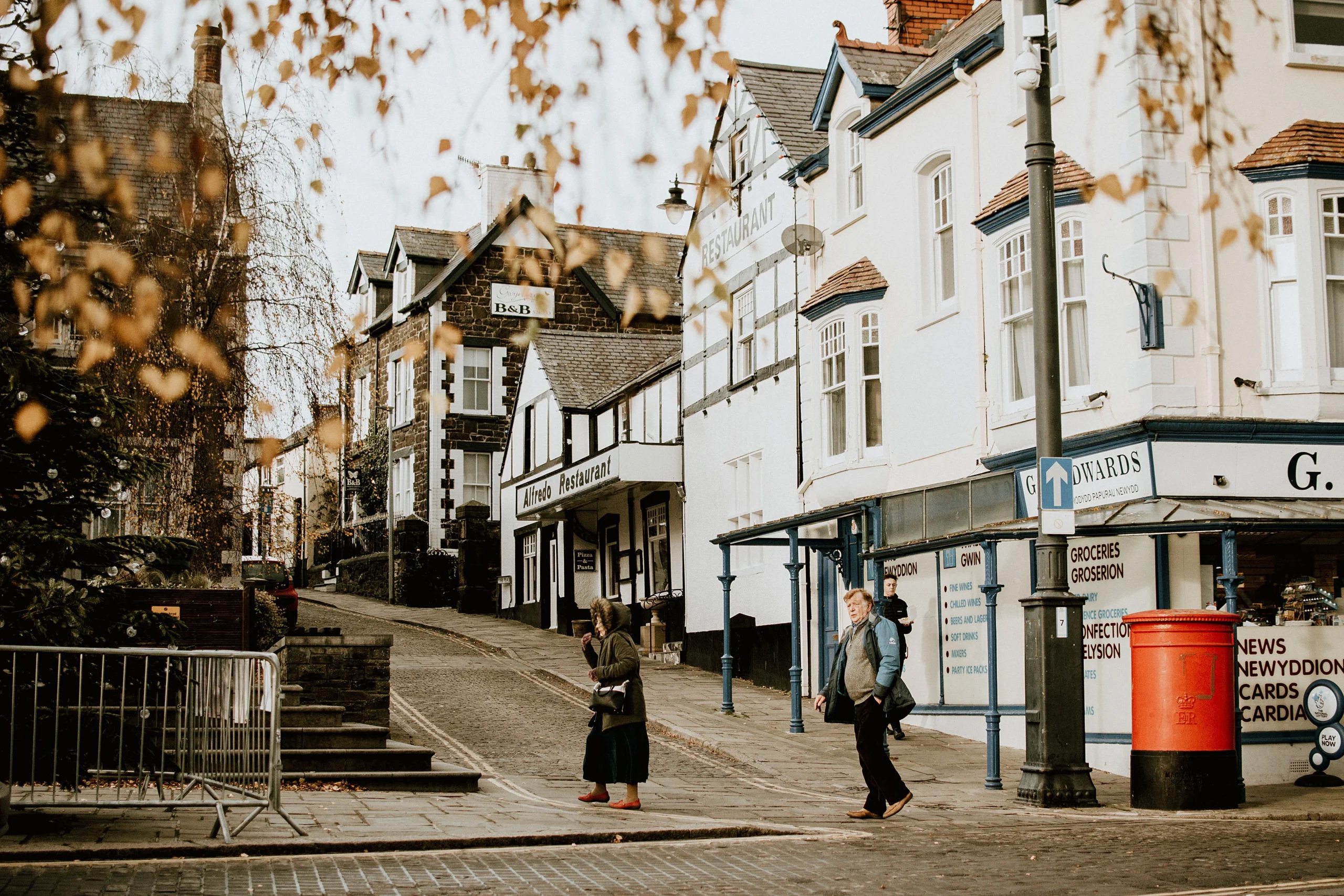
Matlock offers easy access to the national park while providing shops, restaurants and accommodation for visitors exploring Derbyshire.
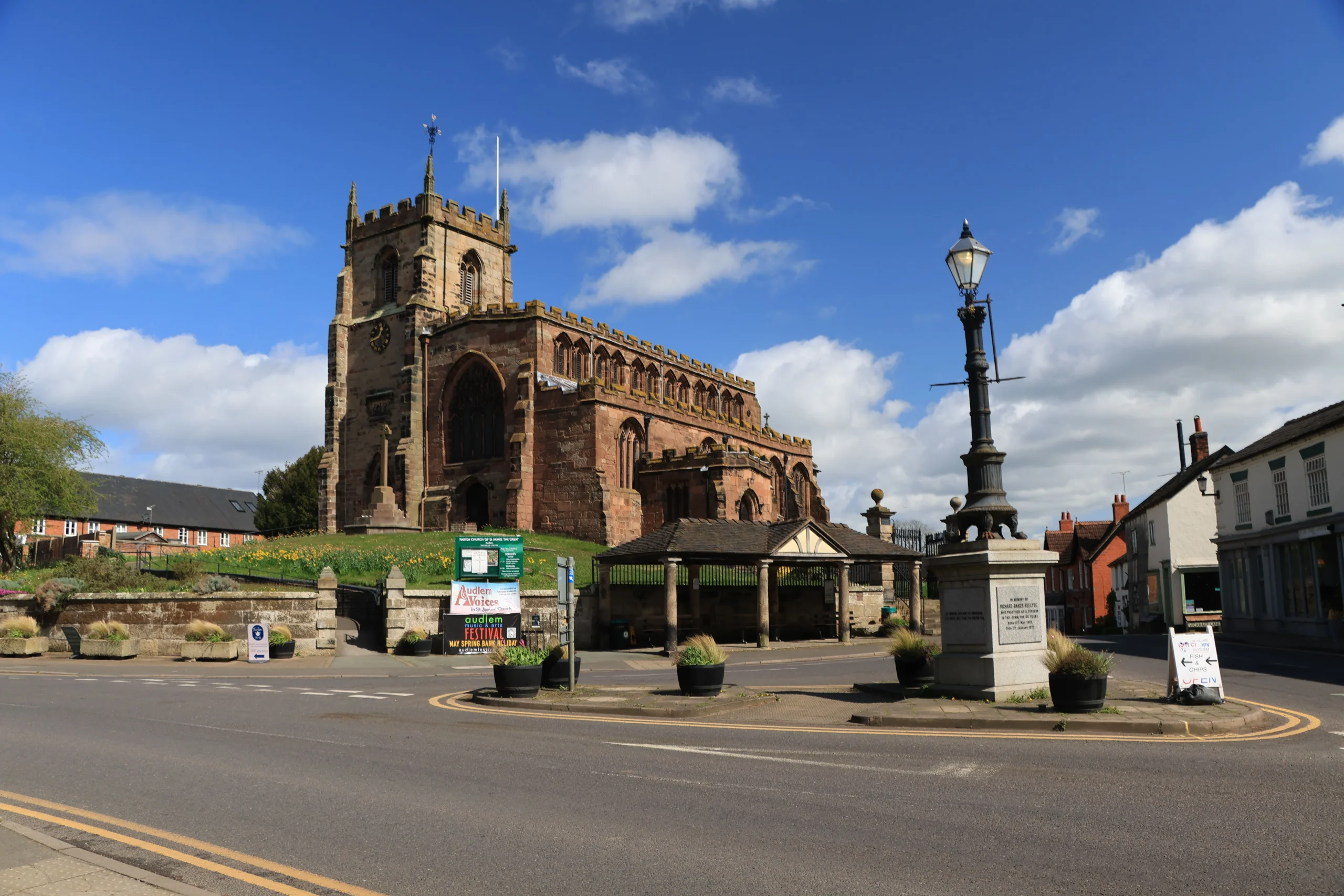
Barrow-in-Furness has a strong maritime and industrial heritage and provides a different perspective on Cumbria beyond the national park.
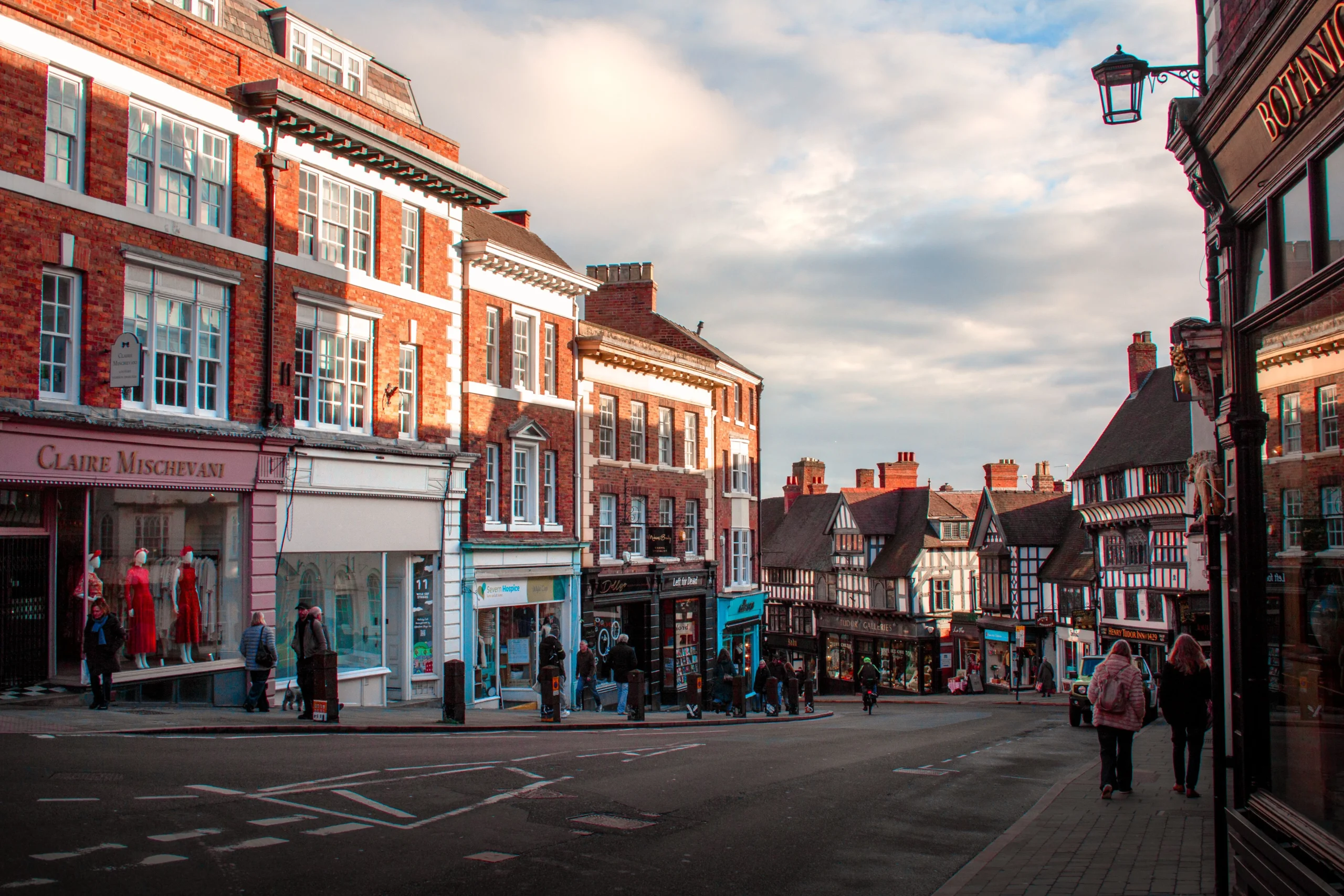
Chesterfield provides a convenient combination of shopping, food and heritage, with the Peak District within easy travelling distance.
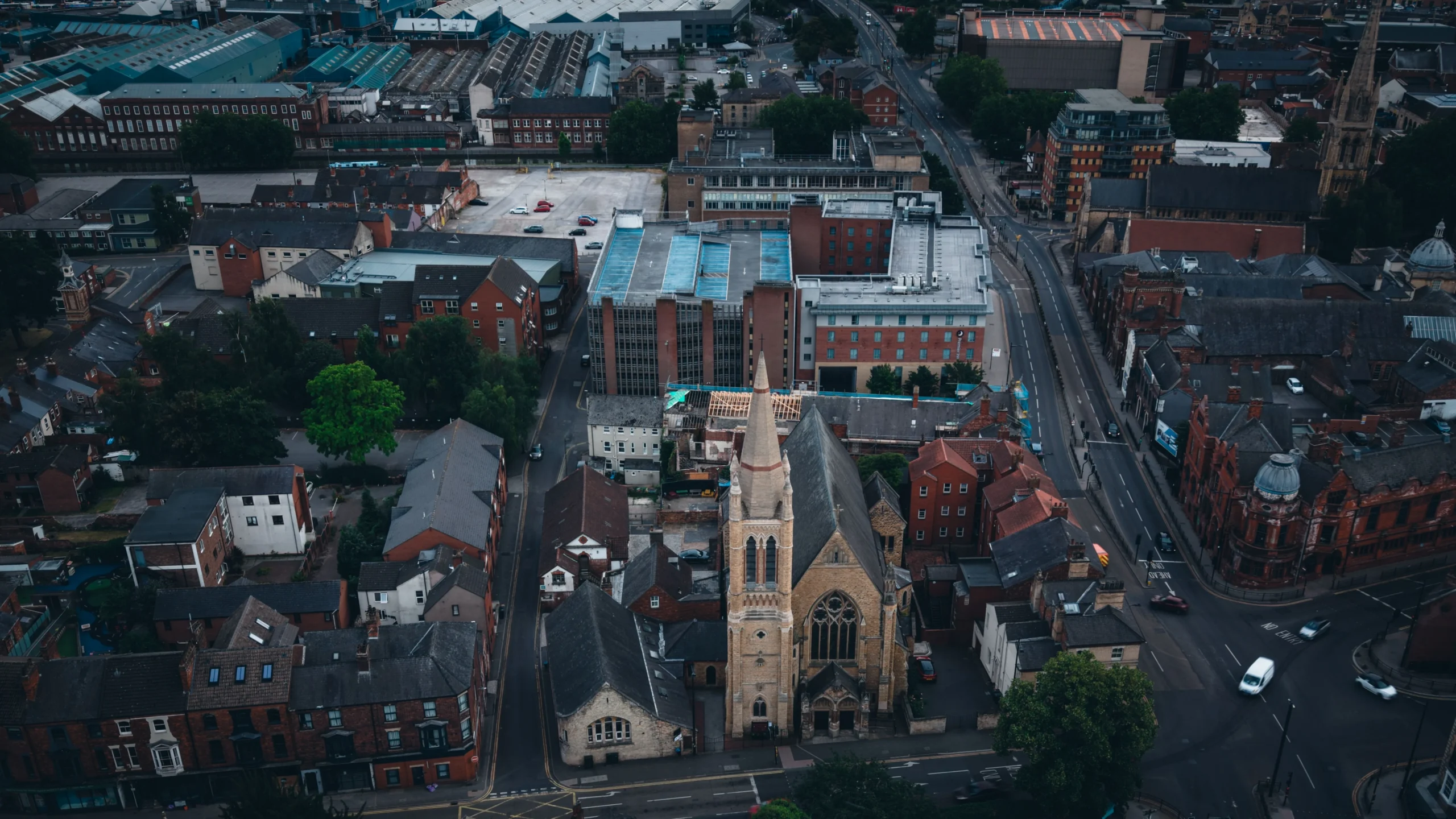
Located near the western side of the national park, Macclesfield provides access to countryside, walking routes and the beautiful landscapes around the Cheshire border.
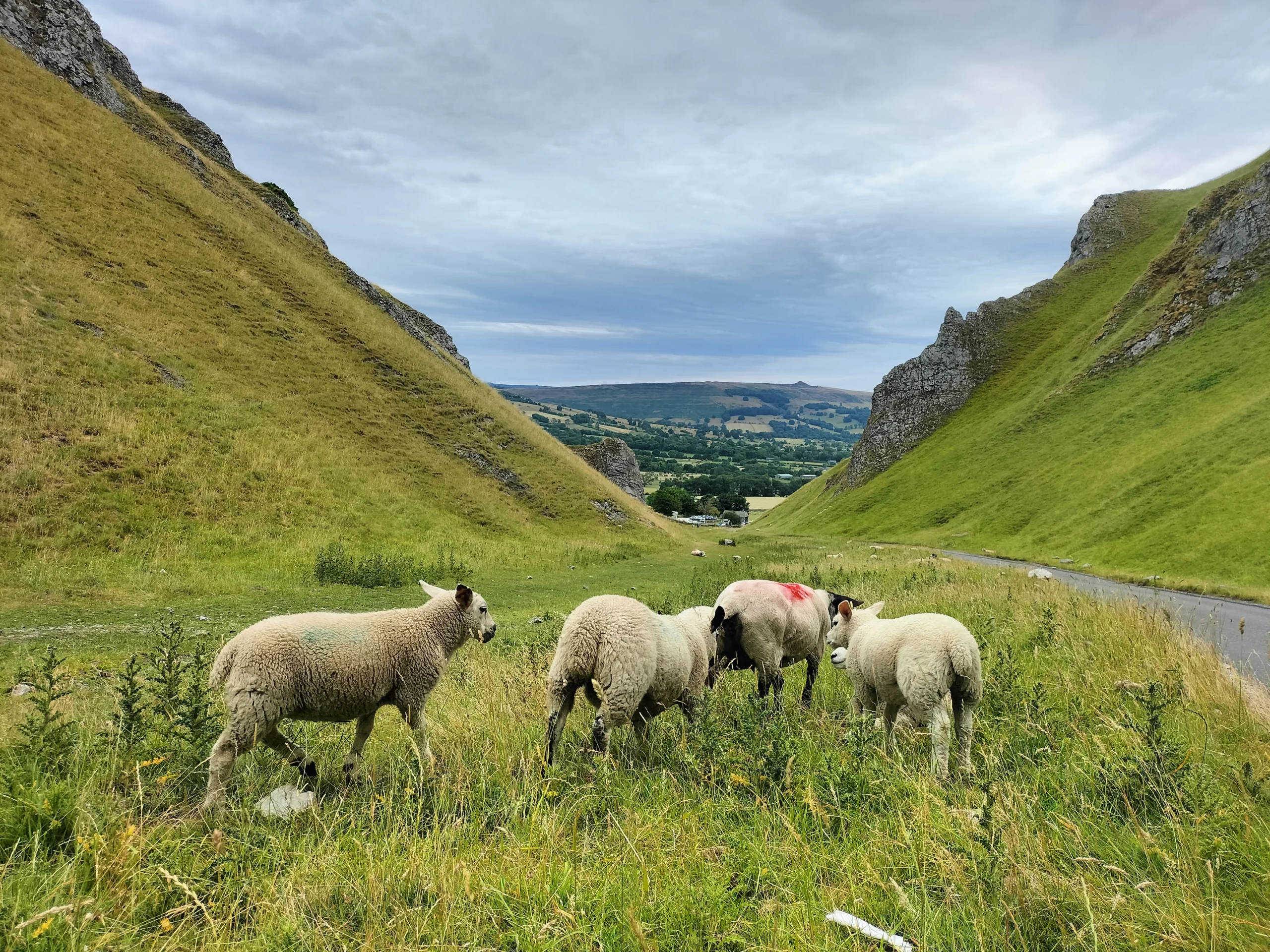
The Peak District is relatively easy to reach from several major cities across northern England. Your best transport option depends on where you’re staying and which parts of the national park you want to explore.
Because attractions and villages are spread across a large area, having a clear plan can make your trip much easier. Public transport works well for some popular routes, while driving provides greater flexibility for reaching smaller villages and rural attractions.
Driving is one of the most convenient ways to explore different parts of the Peak District. It gives you greater flexibility when visiting villages, attractions and walking routes, although popular destinations can become busy at weekends.
Several bus services connect towns and villages around the national park. Buses can be useful for linking popular destinations and avoiding parking difficulties during busy periods.
Train travel is particularly useful for destinations such as Edale and Hathersage, with railway connections providing access to some of the region's most popular walking areas.
The Peak District brings together dramatic landscapes, historic places and outdoor experiences in a destination that can be enjoyed at almost any pace.
You could spend one day hiking across the hills and another exploring historic estates or relaxing in a village café. Families can choose attractions and shorter walks, while experienced walkers have access to challenging routes across some of England’s most impressive countryside.
The variety is what makes the Peak District special. You don’t have to choose between adventure, history, food and relaxation — you can experience all of them within the same trip.
The Peak District is famous for its dramatic countryside, walking routes, historic villages, limestone valleys, caves and attractions such as Chatsworth House.
Popular Peak District attractions include Chatsworth House, Dovedale, the Monsal Trail, Heights of Abraham, Castleton’s caves and Calke Abbey.
Spring, summer and autumn are particularly popular for walking and outdoor activities. Winter can be quieter, but visitors should check conditions carefully before heading into higher areas.
Peak District weather can change quickly, especially on higher ground. Temperatures, wind and rainfall can differ considerably between exposed hills and lower villages, so checking the forecast before walking is important.
Yes. Families can choose from caves, historic houses, cable-car rides, accessible trails, villages, and outdoor attractions, making it easy to build an itinerary around different ages and interests.