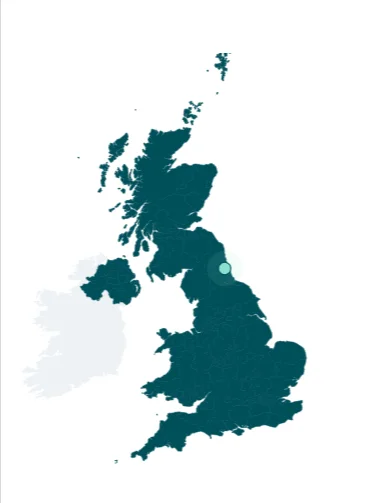
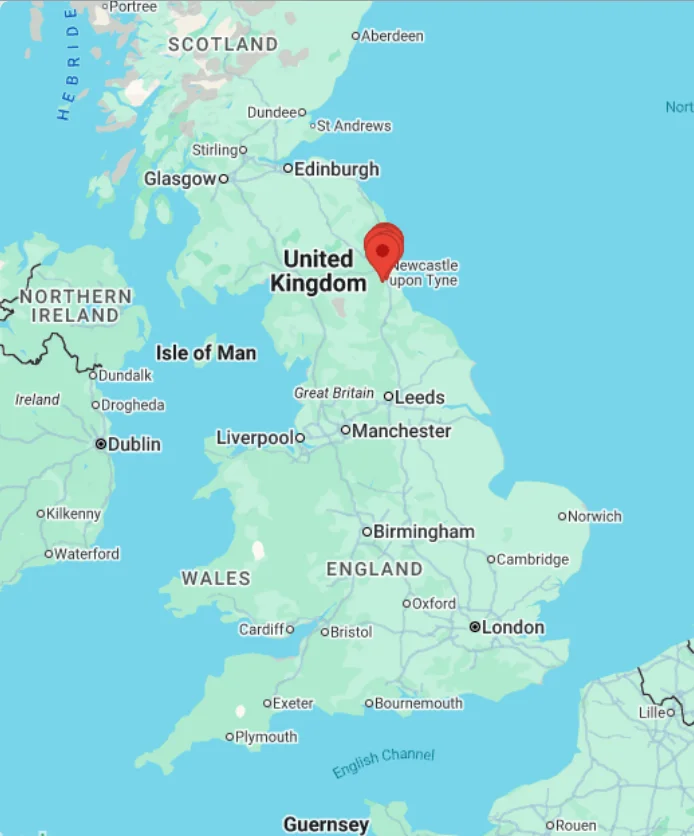



Newcastle-upon-Tyne is a city that knows how to combine history with a lively modern atmosphere. Built around the River Tyne, it is known for its bridges, impressive architecture, independent neighborhoods, cultural venues and unmistakable local character. From historic streets and riverside walks to museums, markets and creative spaces, there are plenty of things to do in Newcastle for different types of travelers.
The city center is compact enough to explore on foot, while neighborhoods such as Ouseburn and Jesmond give you a reason to venture further. Newcastle also makes a useful base for exploring the wider Northeast, with castles, coastline, countryside, and historic towns within reach.
There are plenty of family-friendly ways to experience Newcastle. The Great North Museum and Hancock and Discovery Museum provide indoor options, while the Quayside offers space for a riverside walk and sightseeing.
Families can also explore Ouseburn, visit nearby parks, or plan a day trip to destinations such as Tynemouth and Beamish. For children interested in football, a visit to St James’ Park can add another memorable element to the trip.
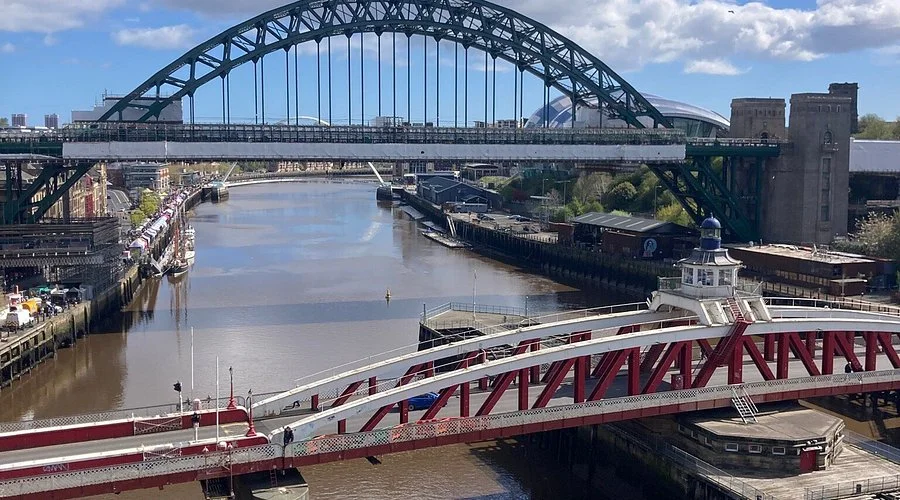
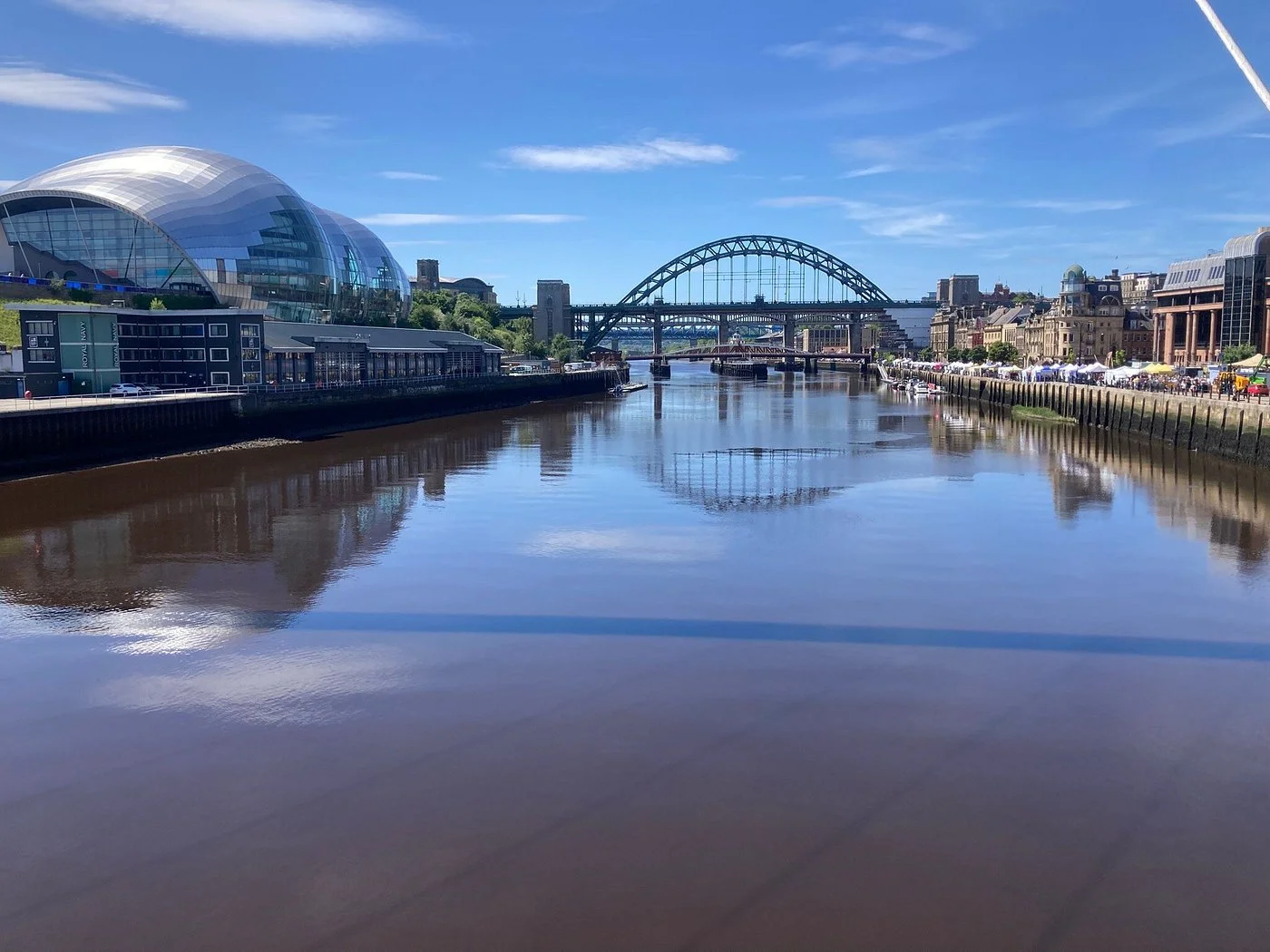
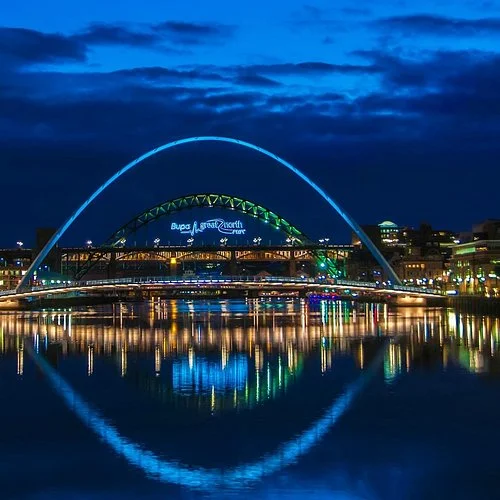
The River Tyne gives Newcastle much of its visual identity. The Quayside brings together riverside walks, restaurants, architecture, and some of the city’s most recognizable bridges, creating an area that feels completely different during the day and after dark.
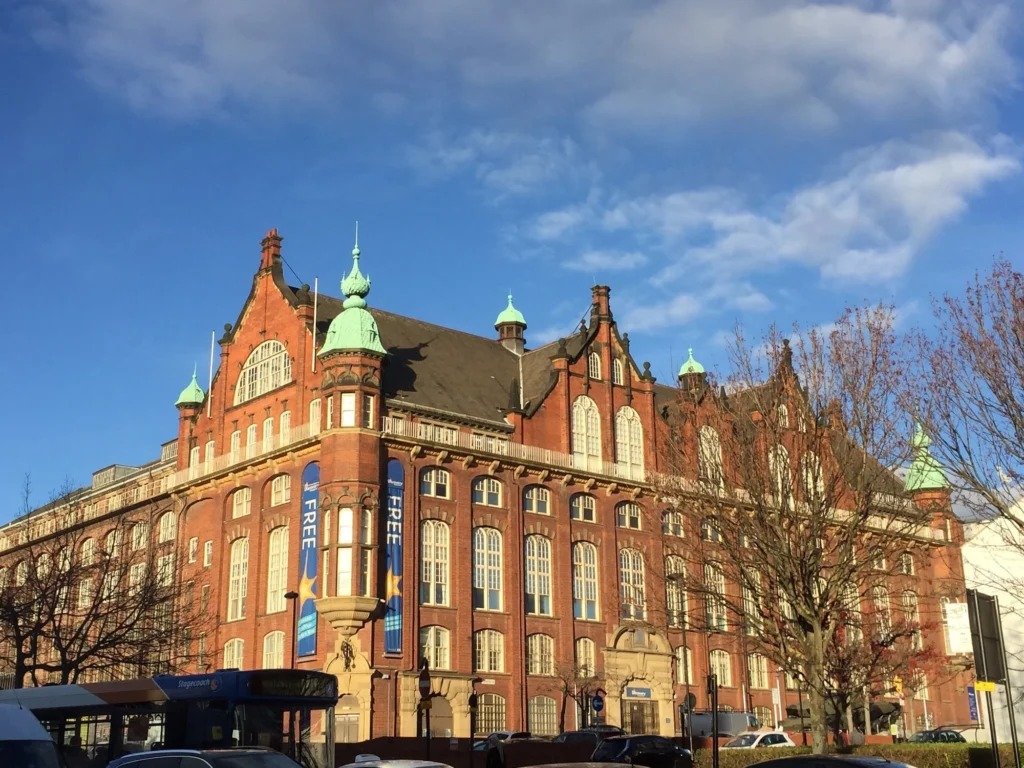
Newcastle has plenty of historic buildings and landmarks, but the city does not feel like a museum. Old streets sit alongside independent businesses, modern cultural venues, creative communities, and a busy food and nightlife scene. That contrast gives Newcastle its character.
Newcastle’s attractions are spread across several distinctive areas. These eight places give you a good starting point for seeing both the famous landmarks and the parts of the city where local life feels more visible.
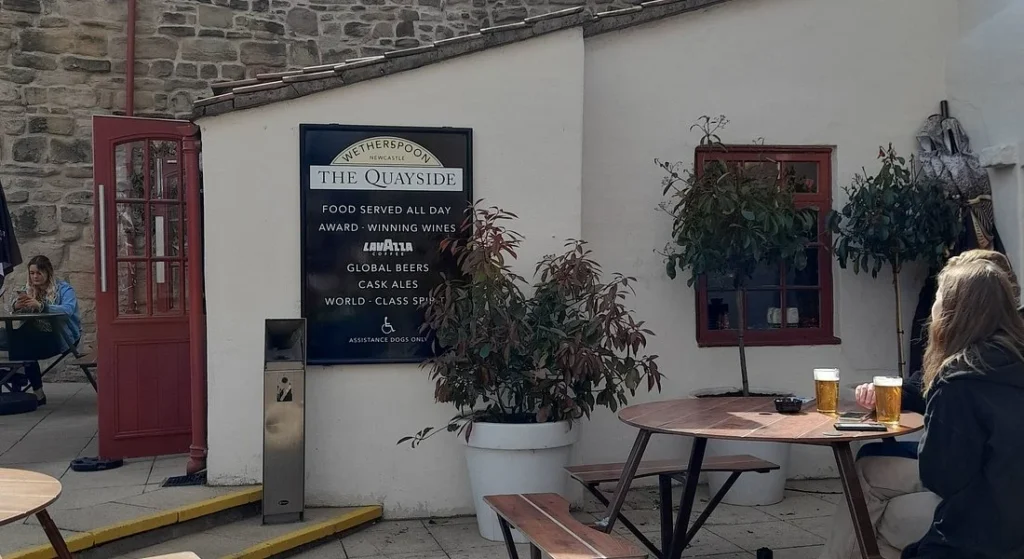
The Quayside is one of the best places to begin exploring Newcastle. Walk beside the Tyne, take in the bridges and watch the city change as the day goes on. It is also a good area for food, drinks and evening views across the river.
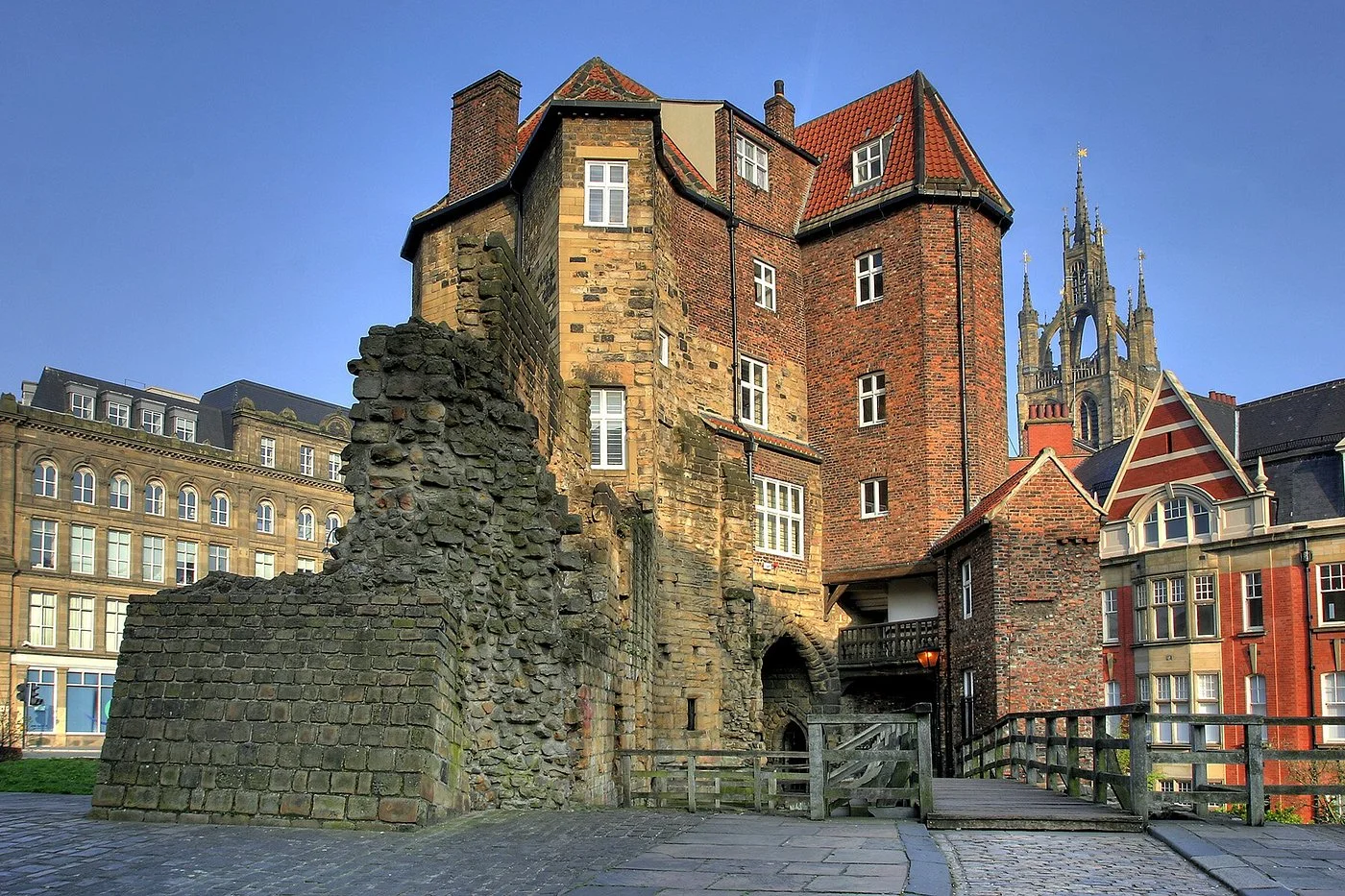
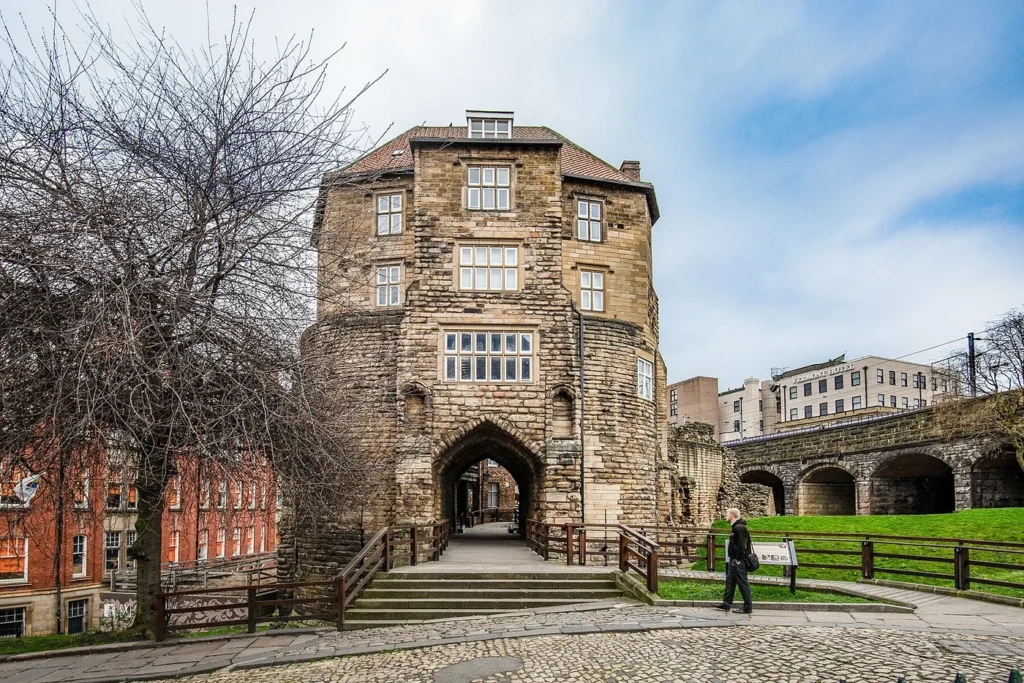
Newcastle Castle gives the city its name and offers a direct connection with Newcastle’s medieval past. The surviving fortress stands above the River Tyne, making it interesting for both its history and its elevated views across the city.
Grainger Town is where some of Newcastle’s most impressive historic architecture meets everyday city life. Grey Street, Grainger Market and the surrounding streets make this an excellent area for shopping, eating, architecture, and people-watching.
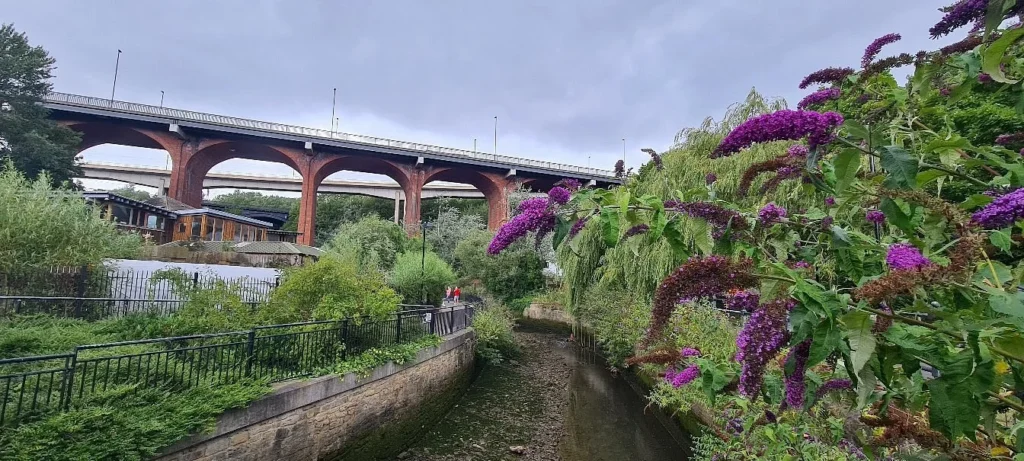
Ouseburn has developed into one of the city’s most interesting areas for independent culture. Former industrial spaces now sit alongside galleries, studios, food spots, music venues and small businesses, giving the neighbourhood a very different atmosphere from the main shopping streets.
The Great North Museum: Hancock brings together collections covering natural history, archaeology, ancient civilisations and the wider history of the region. Its location close to the city center also makes it easy to include as part of a walking day.
Discovery Museum is a useful stop for understanding how Newcastle developed through engineering, shipbuilding, science and everyday life. It adds more depth to a visit than simply seeing the city’s historic buildings from the outside.
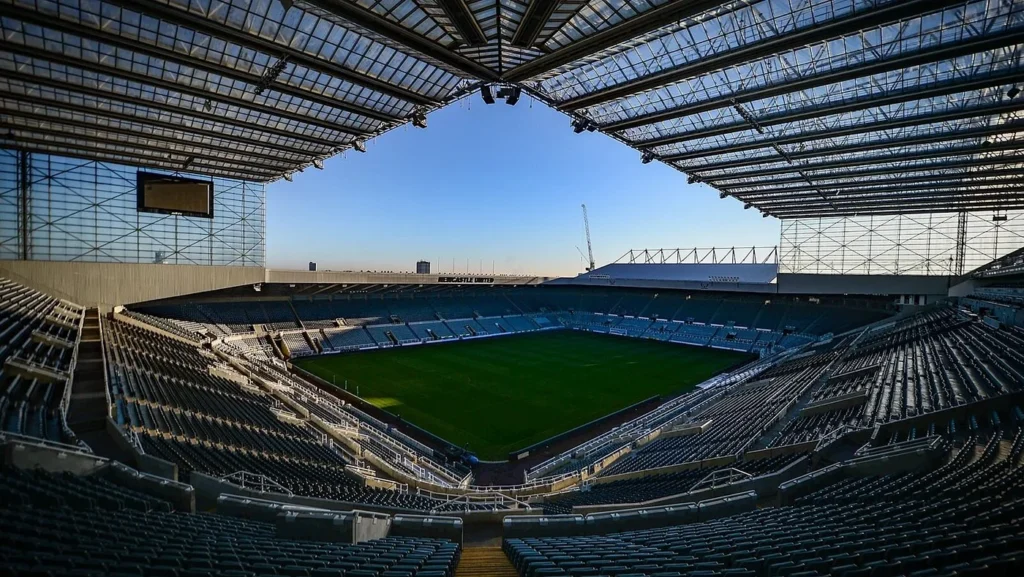
St James’ Park is home to Newcastle United and occupies a prominent position close to the city center. Even if you are not attending a match, a stadium tour can offer a different way to experience one of the city’s strongest sporting connections.
Jesmond offers a more relaxed side of Newcastle, with attractive residential streets, independent businesses, restaurants, and places to meet friends. It is close enough to the center for easy access while giving visitors a change of pace.
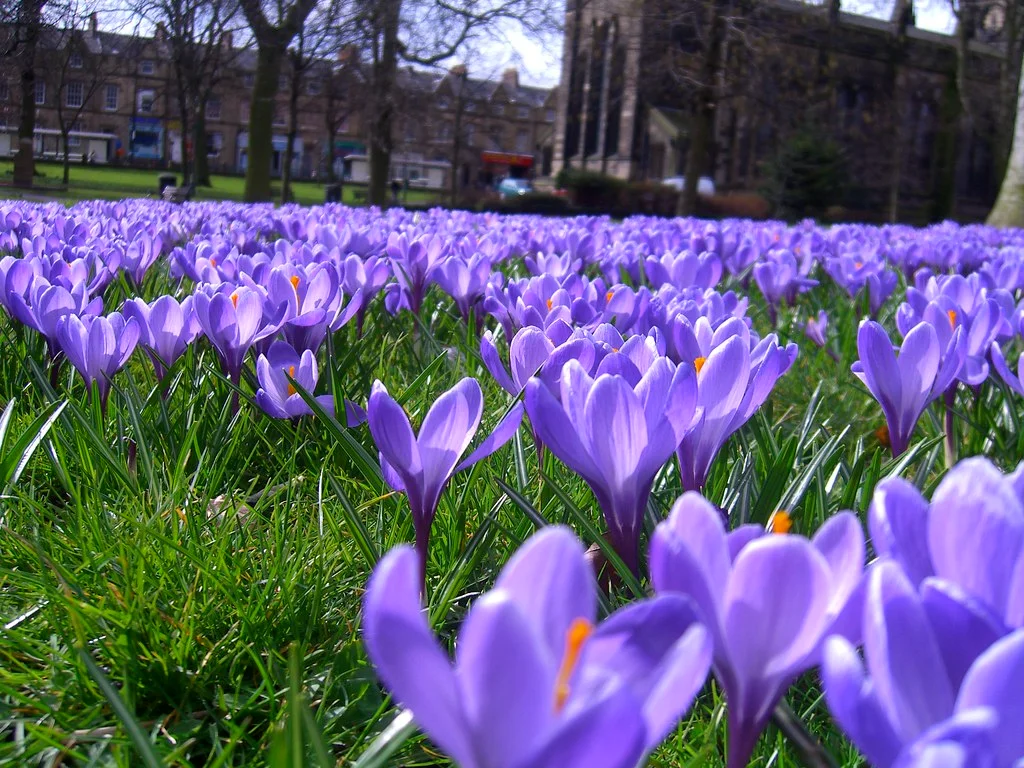
Spring is a good time to explore Newcastle on foot before the busiest summer period. Walk through the city center, continue towards the Quayside and spend some time in Ouseburn. Parks and riverside routes also become more appealing as the days get longer.
Summer is ideal for making the most of Newcastle’s outdoor spaces and riverside areas. Spend time around the Quayside, enjoy outdoor dining, explore Ouseburn and consider a day trip beyond the city. Longer evenings also make it easier to combine sightseeing with Newcastle’s food and nightlife.
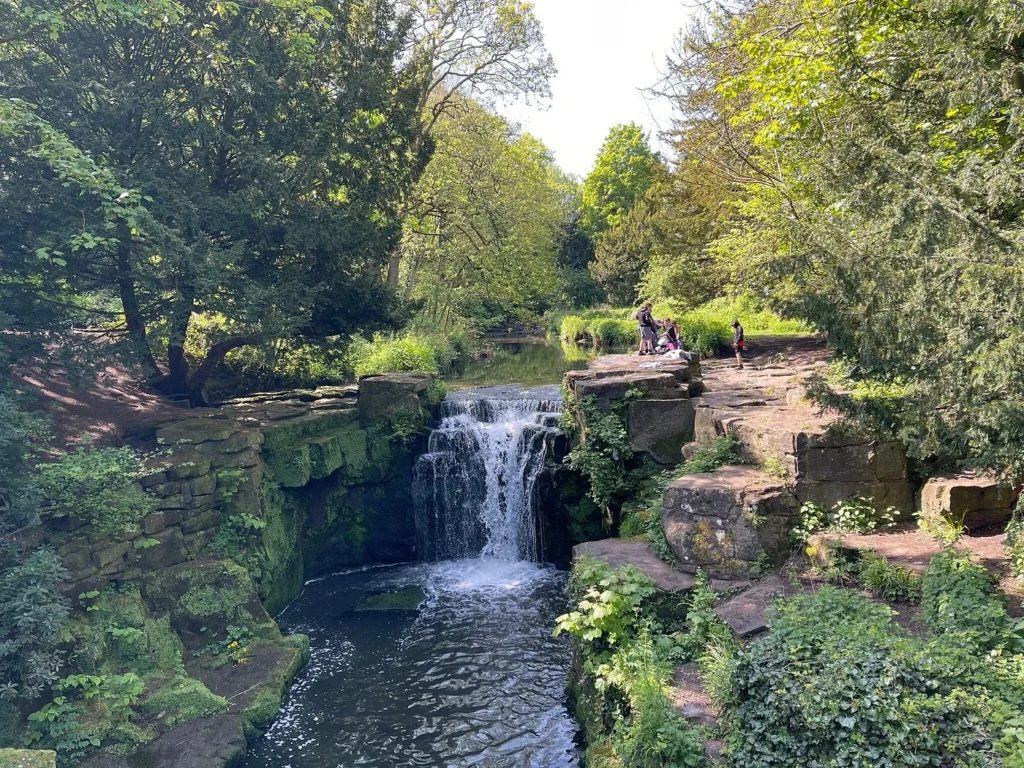
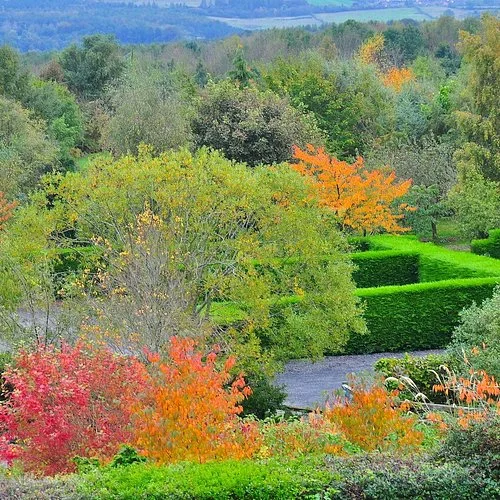
Autumn brings a different atmosphere to the city, particularly around its parks and older neighborhoods. It is a comfortable season for museums, markets and walking tours, while the changing colors in places such as Heaton Park add an outdoor option to a city break.
Winter is a good excuse to focus on Newcastle’s indoor attractions. Museums, galleries, markets, cafés and restaurants provide plenty to do when the weather is less predictable. The city also becomes lively around the festive period, making it a popular choice for a winter weekend.

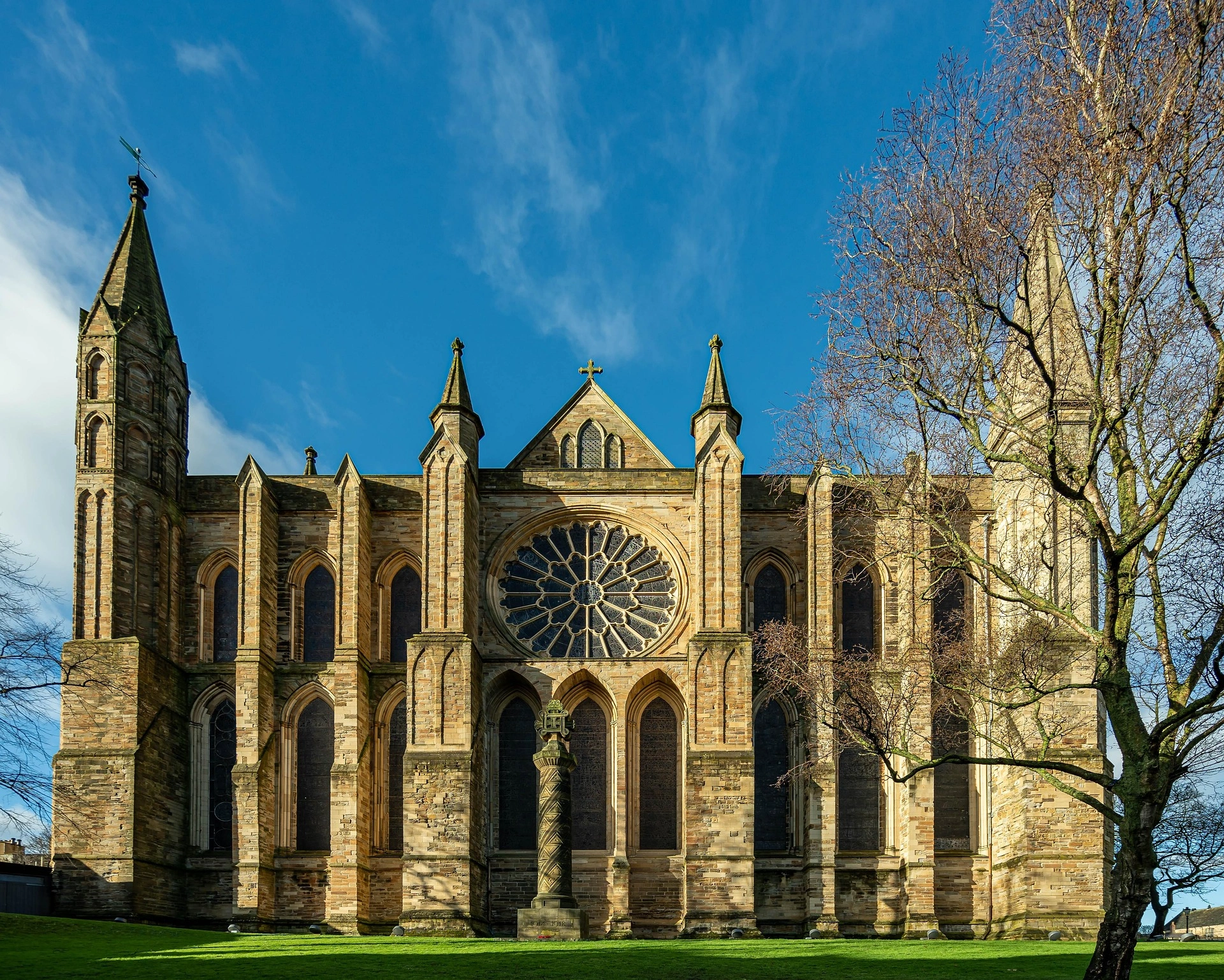
Durham combines a compact historic center with its famous cathedral and castle. Its riverside setting makes it an easy contrast to Newcastle's larger urban environment.
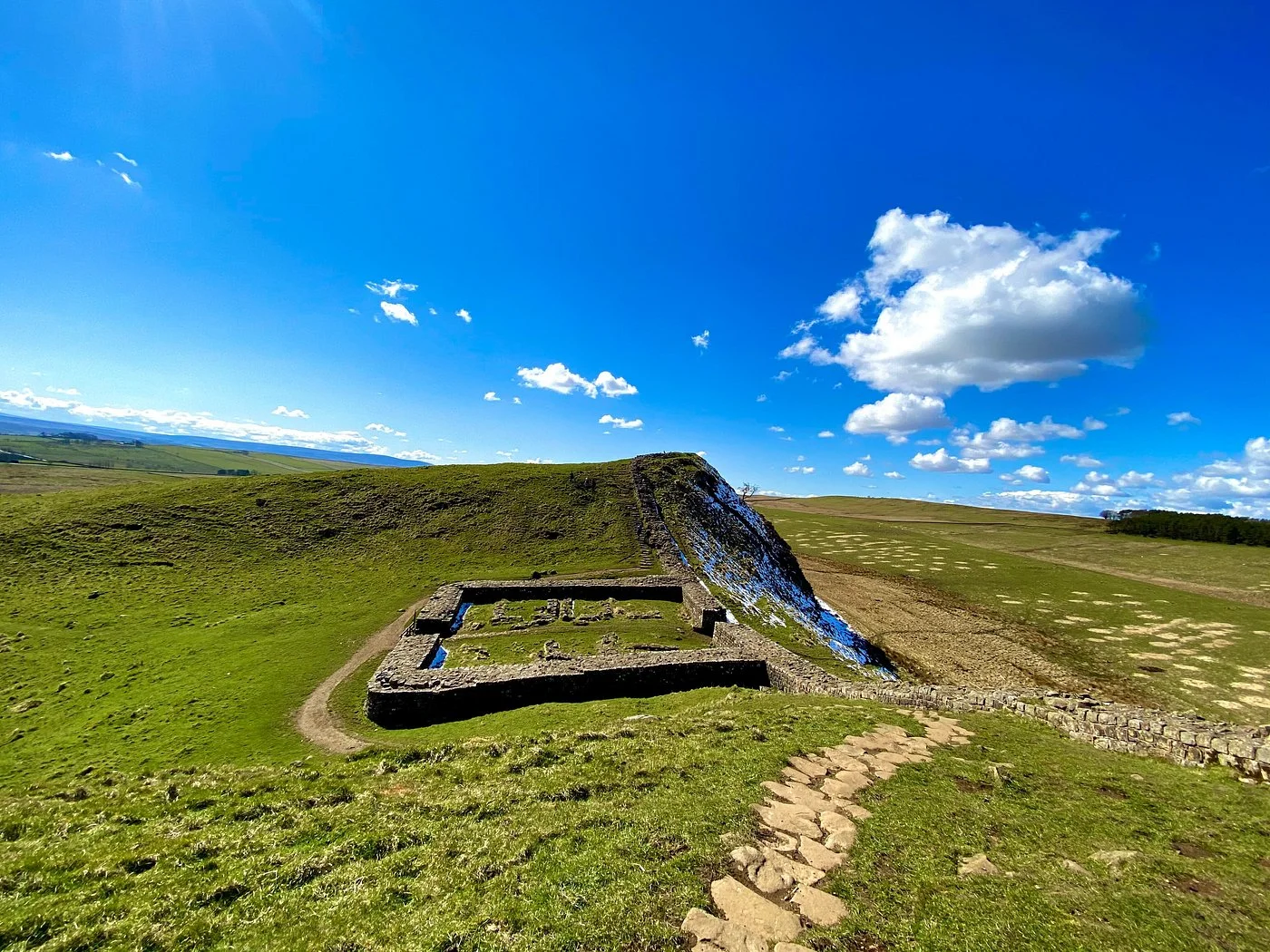
The remains of Hadrian's Wall provide an opportunity to explore Roman history outside the city. Newcastle is a practical base for reaching several parts of the wider World Heritage Site.
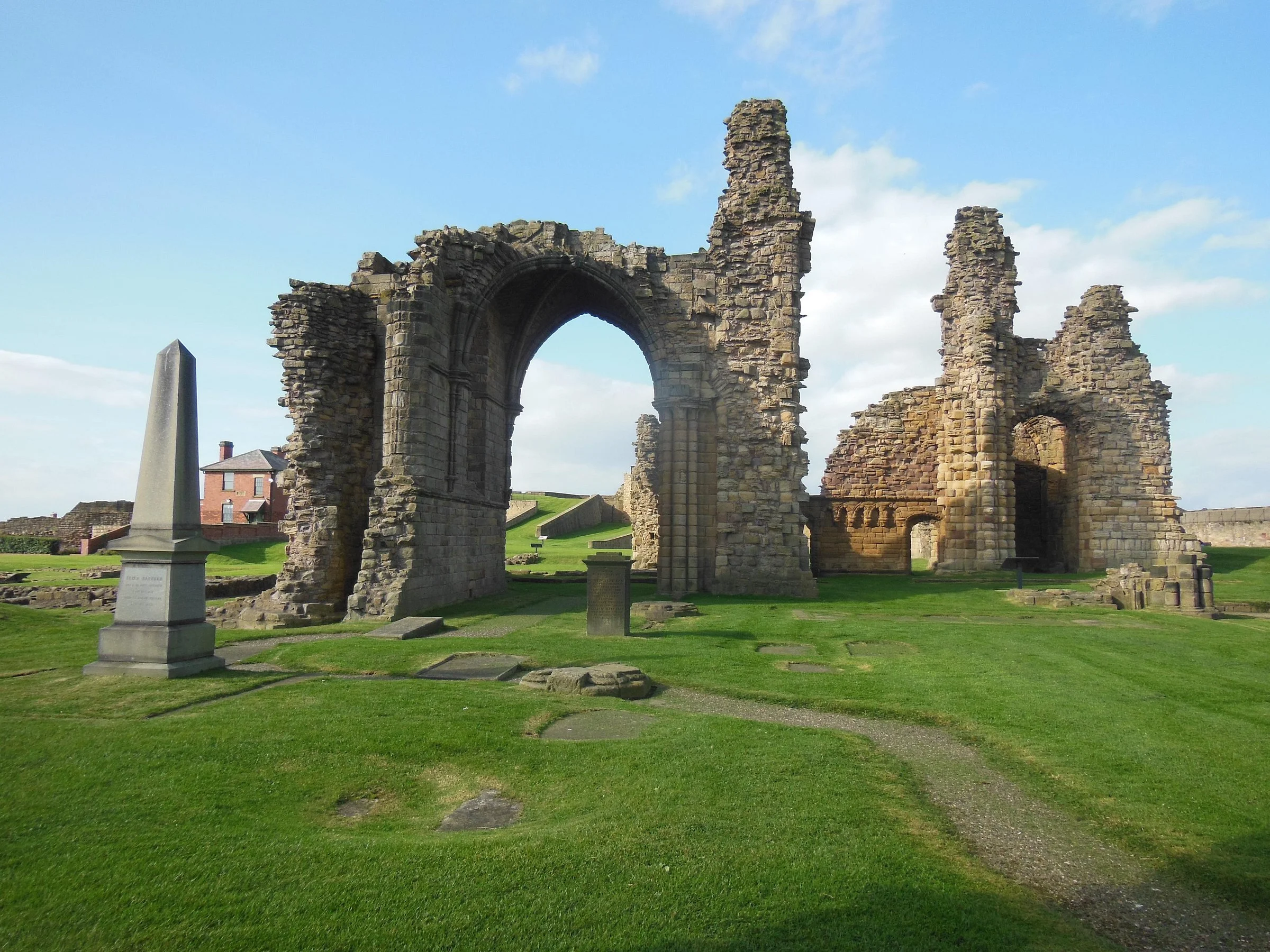
Tynemouth offers beaches, coastal walks and a more traditional seaside atmosphere. It is a particularly good choice when you want to add some sea air to a Newcastle city break.

Whitley Bay has a long stretch of coastline and a relaxed seaside feel. It works well for a slower day away from the city center.

The Angel of the North is one of the North East's most recognisable landmarks. Located in Gateshead, the huge steel sculpture makes an easy addition to a Newcastle and Gateshead itinerary.
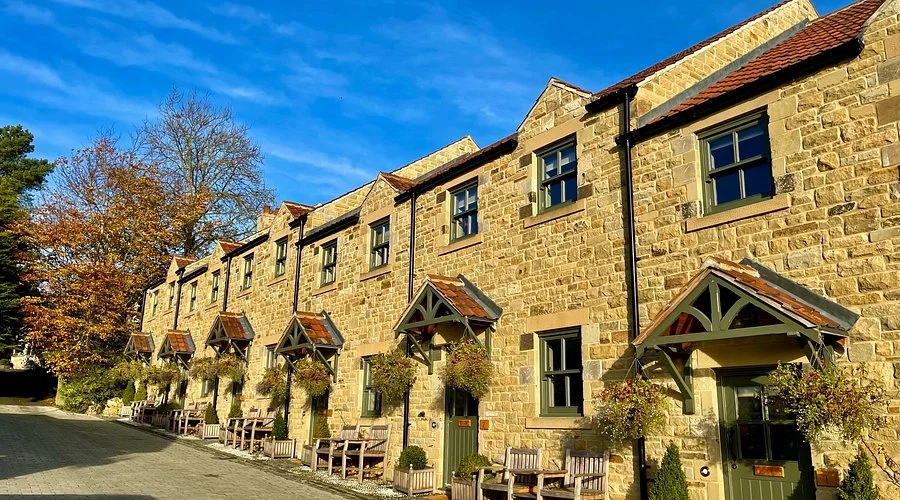
Beamish, The Living Museum of the North, offers a very different experience from a conventional museum. Its recreated historic settings provide a way to experience aspects of life in the North East across different periods.
Newcastle is well connected to other parts of Britain by rail, road and air. Newcastle Central Station provides mainline rail connections into the city, while the Tyne and Wear Metro links the wider area and Newcastle International Airport with the city.
If you are driving, plan your parking before arriving, particularly during busy weekends or major events. For longer trips around the North East, having a car can be useful, but it is not essential for exploring central Newcastle.
Walking is one of the easiest ways to experience central Newcastle. The Quayside, Grainger Town, Grey Street, Newcastle Castle and many shopping areas are close enough to combine in a single day.
Local buses provide another convenient option for moving around Newcastle and nearby areas. They are particularly useful when visiting neighbourhoods and attractions outside the most walkable part of the center.
The Tyne and Wear Metro is useful for travelling beyond the central area and connecting Newcastle with destinations across the wider region. It is also a practical option for reaching places that would take longer to reach on foot.
Newcastle’s strongest quality is its variety. You can spend the morning looking at historic architecture, walk beside the Tyne in the afternoon, explore creative spaces in Ouseburn, and finish the day in a restaurant, pub or cultural venue.
It is also a city where the surrounding region adds real value. A visit does not have to stop at the city limits. From beaches and historic towns to Hadrian’s Wall and the Northeast countryside, Newcastle gives travelers plenty of options for extending their trip.
Newcastle-upon-Tyne is a city that rewards curiosity. Its best experiences are not limited to one attraction or one neighborhood. The Quayside gives you the river and bridges, Grainger Town brings architecture and shopping, Ouseburn shows the city’s creative side, and areas such as Jesmond offer a quieter change of pace.
For visitors searching for things to do in Newcastle, the biggest advantage is flexibility. You can build a history-focused trip, concentrate on food and culture, follow the football, or use Newcastle as your base for discovering more of Northeast England. That mix makes Newcastle, UK, a strong choice for both a quick city break and a longer regional trip.
Newcastle-upon-Tyne is known for its bridges over the River Tyne, historic architecture, Newcastle United, lively nightlife, cultural attractions and strong industrial heritage.
Some of the best things to do in Newcastle include exploring the Quayside, visiting Newcastle Castle, walking through Grainger Town, discovering Ouseburn, visiting museums and seeing St James’ Park.
The Quayside, Newcastle Castle, Grainger Town, Ouseburn, Jesmond and the city’s museums are among the best places to visit in Newcastle-upon-Tyne. The right combination depends on whether you prefer history, culture, shopping, sport or outdoor activities.
Yes. Central Newcastle is easy to explore on foot, while buses and the Tyne and Wear Metro make it straightforward to reach attractions and neighbourhoods further away from the center.
Yes. Newcastle works particularly well for a weekend because many major attractions are close together and the city offers a mix of history, culture, food, shopping and nightlife. You can also add a short day trip if you have extra time.