

England offers famous cities, national parks, coastal routes, countryside villages and historic landmarks. Popular places include London, Manchester, York, Cornwall, the Lake District, Cotswolds and the Jurassic Coast.

Scotland is known for Edinburgh, Glasgow, the Highlands, islands, castles, lochs and scenic road trips. It is ideal for history, nature, whisky trails, mountain views and dramatic landscapes.

Wales is a strong choice for castles, mountains, beaches, walking routes and scenic national parks. Snowdonia/Eryri, Pembrokeshire Coast and Cardiff are among the top places to explore.
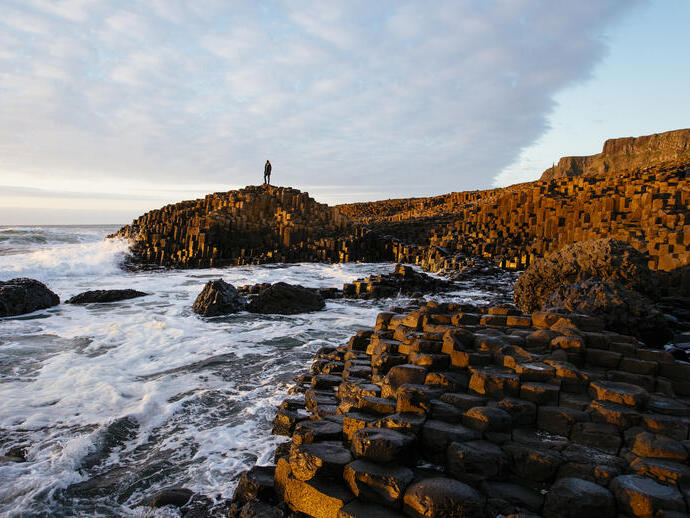
Northern Ireland offers coastal drives, Belfast’s Titanic Quarter, the Giant’s Causeway, castles, mountains and compact road-trip routes.

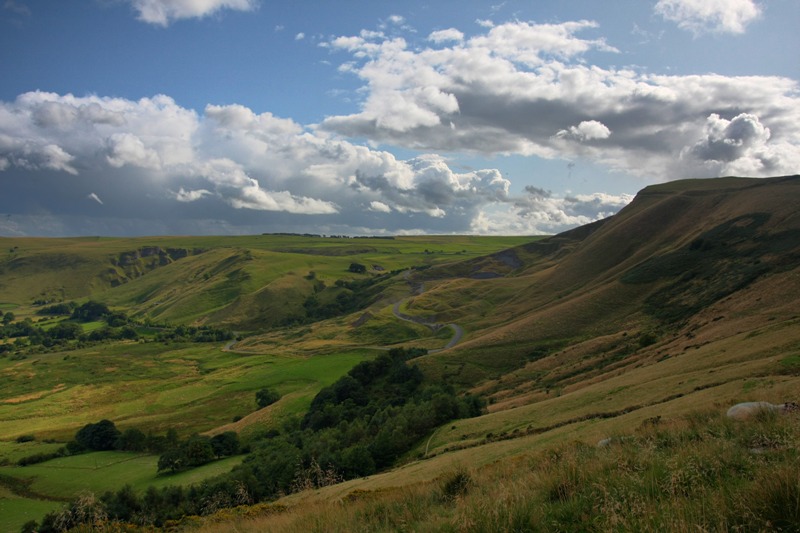
Britain's inaugural National Park (1951), bisected by the Dark Peak's gritstone moorland and White Peak's carboniferous limestone dales. Caving, climbing, and dry stone wall heritage define this accessible upland.
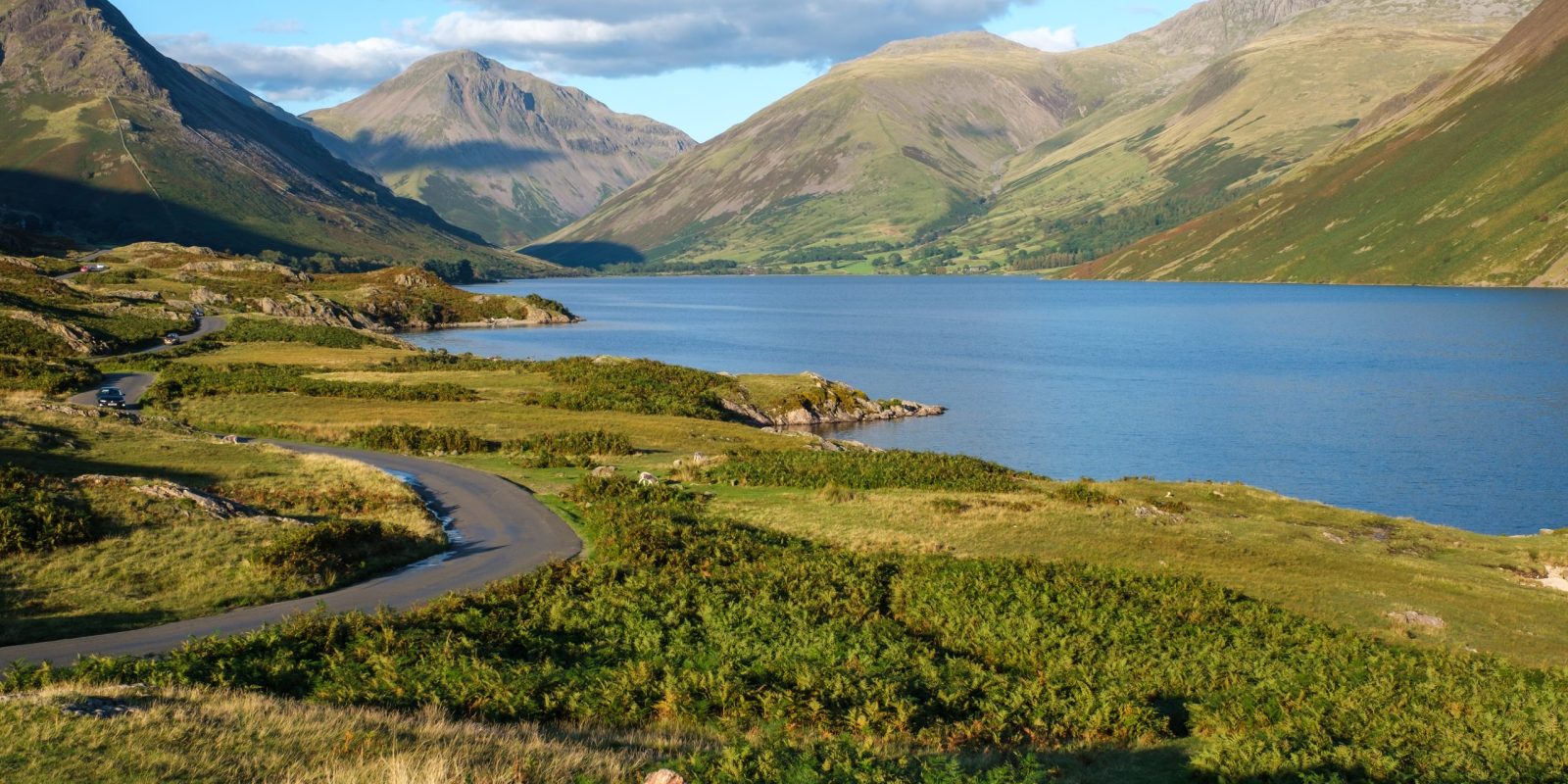
Mixed World Heritage Site for cultural landscape and literary association. England's highest peaks, deepest lakes, and Wainwright's documented fell walks. Hill farming continuity since Norse settlement.
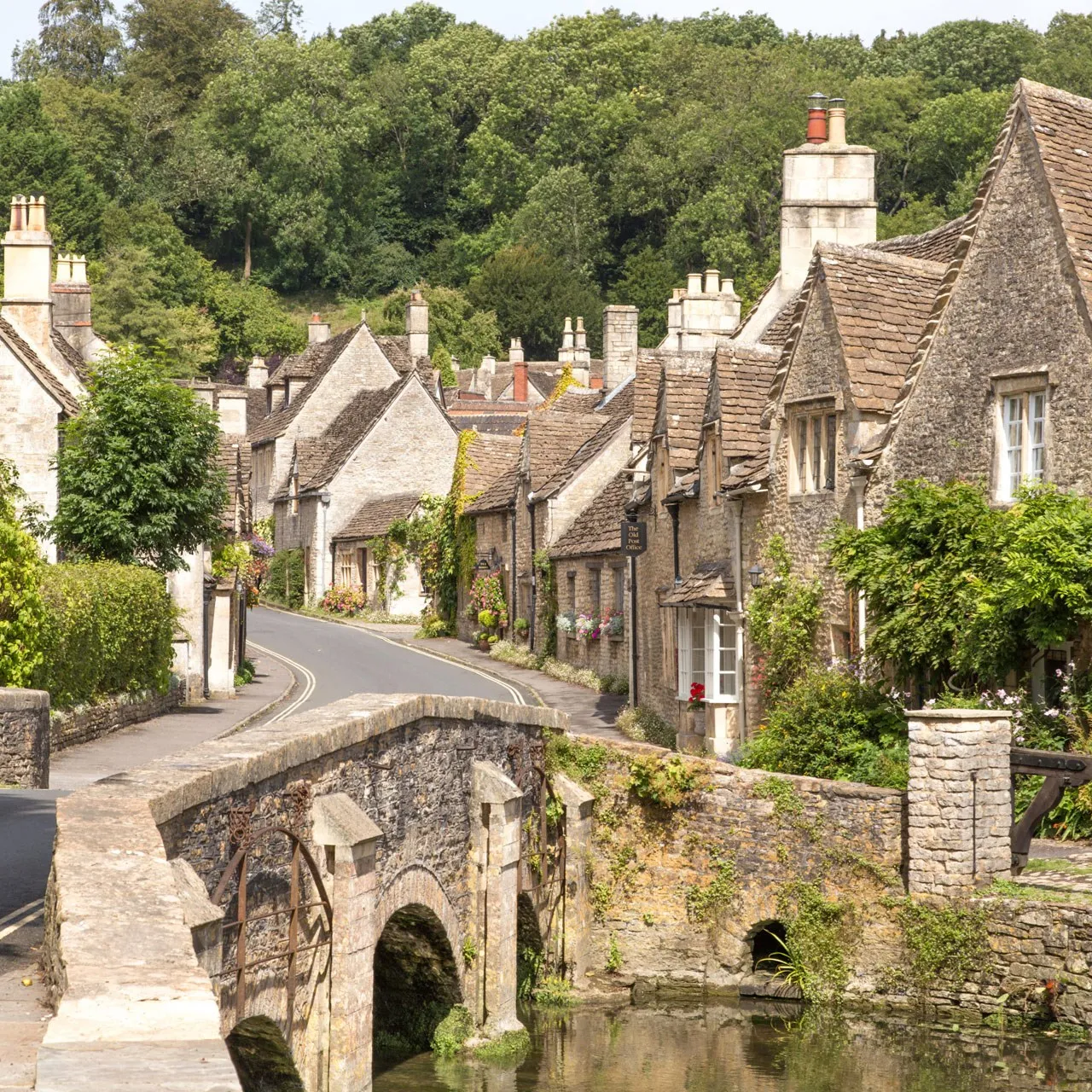
Quintessential oolitic limestone villages, medieval wool church architecture, and the 102-mile Cotswold Way National Trail. Designated AONB protecting built heritage and escarpment ecology.
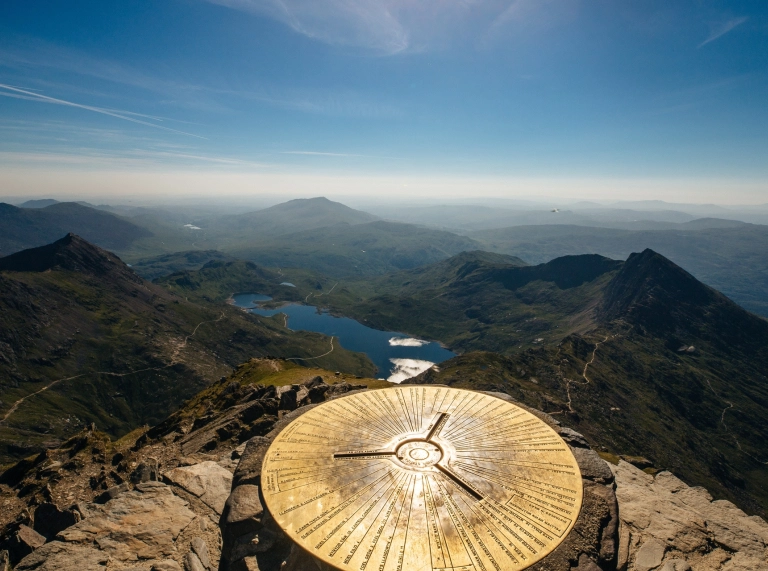
Wales' largest National Park, dominated by Snowdon's (Yr Wyddfa) 1,085 metre summit. The Snowdon Mountain Railway, slate mining heritage at Llechwedd, and Welsh language stronghold communities.
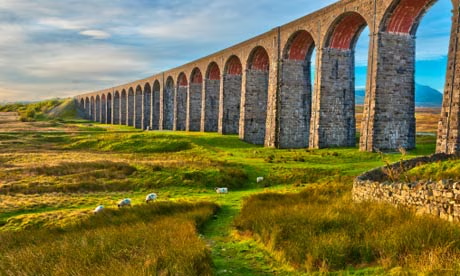
Glacial valley landscapes, limestone pavement, and the 84-mile Dales Way. Dry stone walls, barns, and the Settle to Carlisle railway's Ribblehead Viaduct. Three peaks challenge route for hikers.
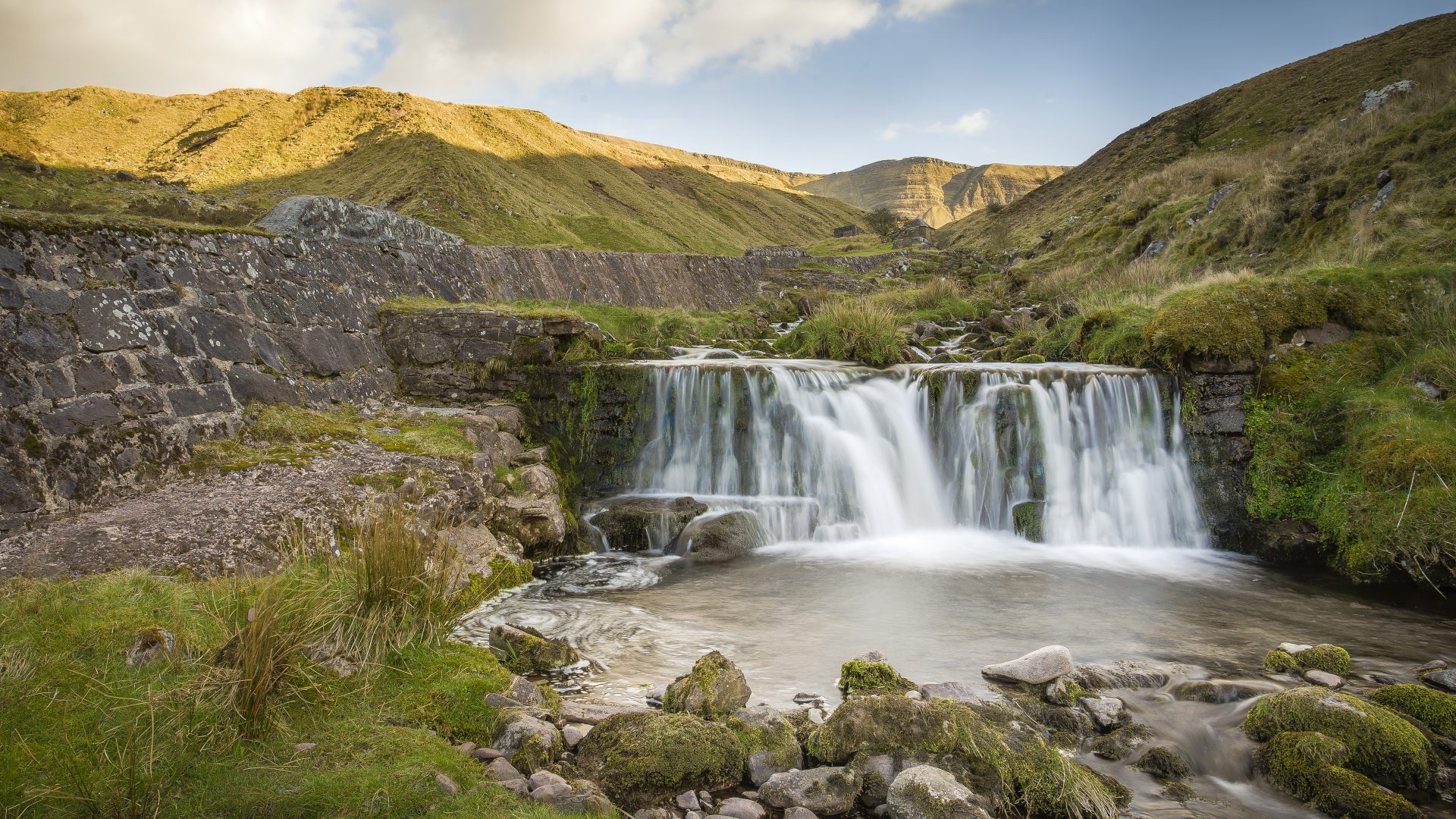
Four distinct mountain ranges, the Monmouthshire and Brecon Canal, and the Waterfall Country at Ystradfellte. Red kite reintroduction success and the Taff Trail cycle route.
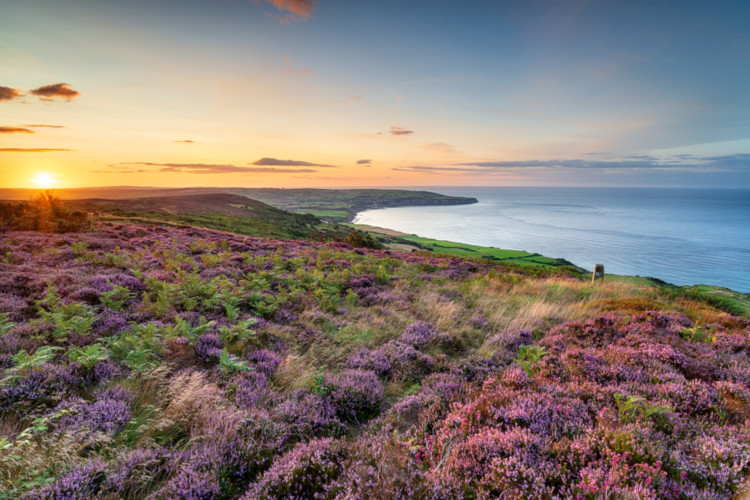
Heather moorland purple in August, the 110-mile Cleveland Way, and the Esk Valley's railway heritage. Whitby's gothic abbey ruins and the fossil-bearing coastline at Robin Hood's Bay.
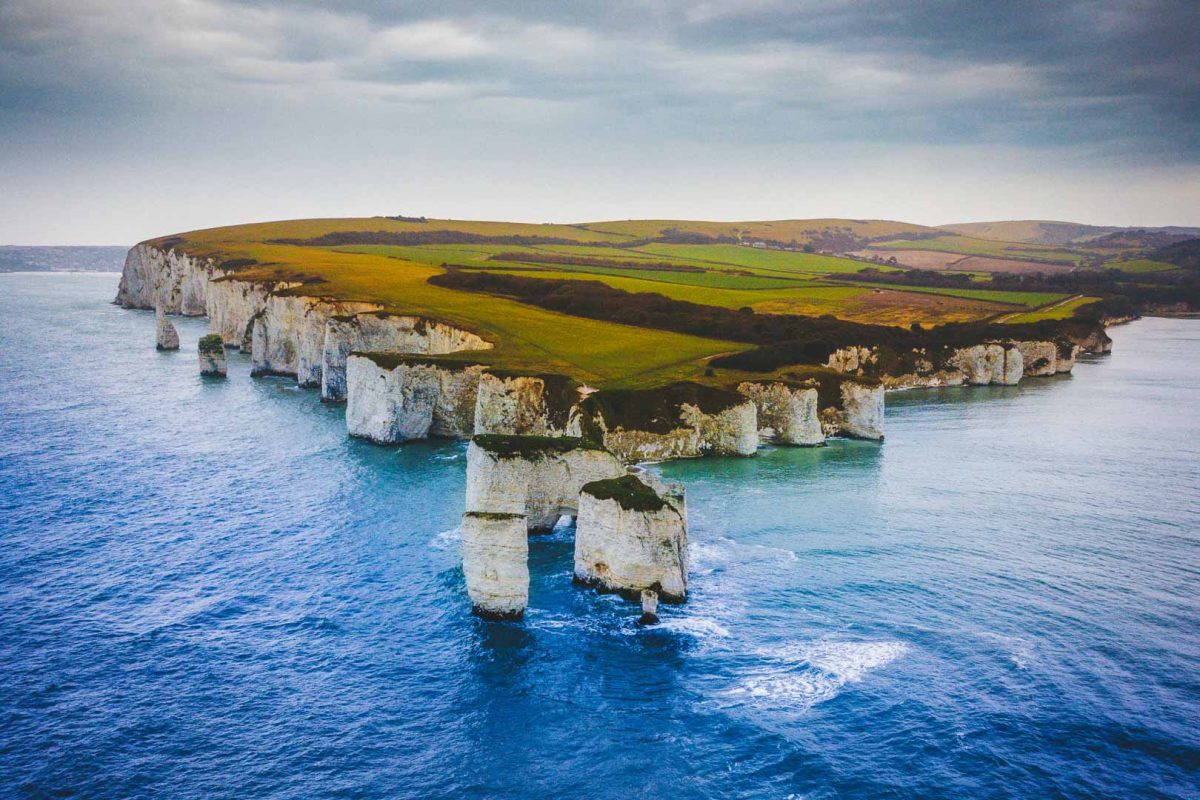
England's first natural World Heritage Site, stretching 95 miles from Exmouth to Studland Bay. Triassic, Jurassic, and Cretaceous rock formations are exposed in continuous sequence. Key sites include Lulworth Cove's folded limestone and Durdle Door's natural sea arch.
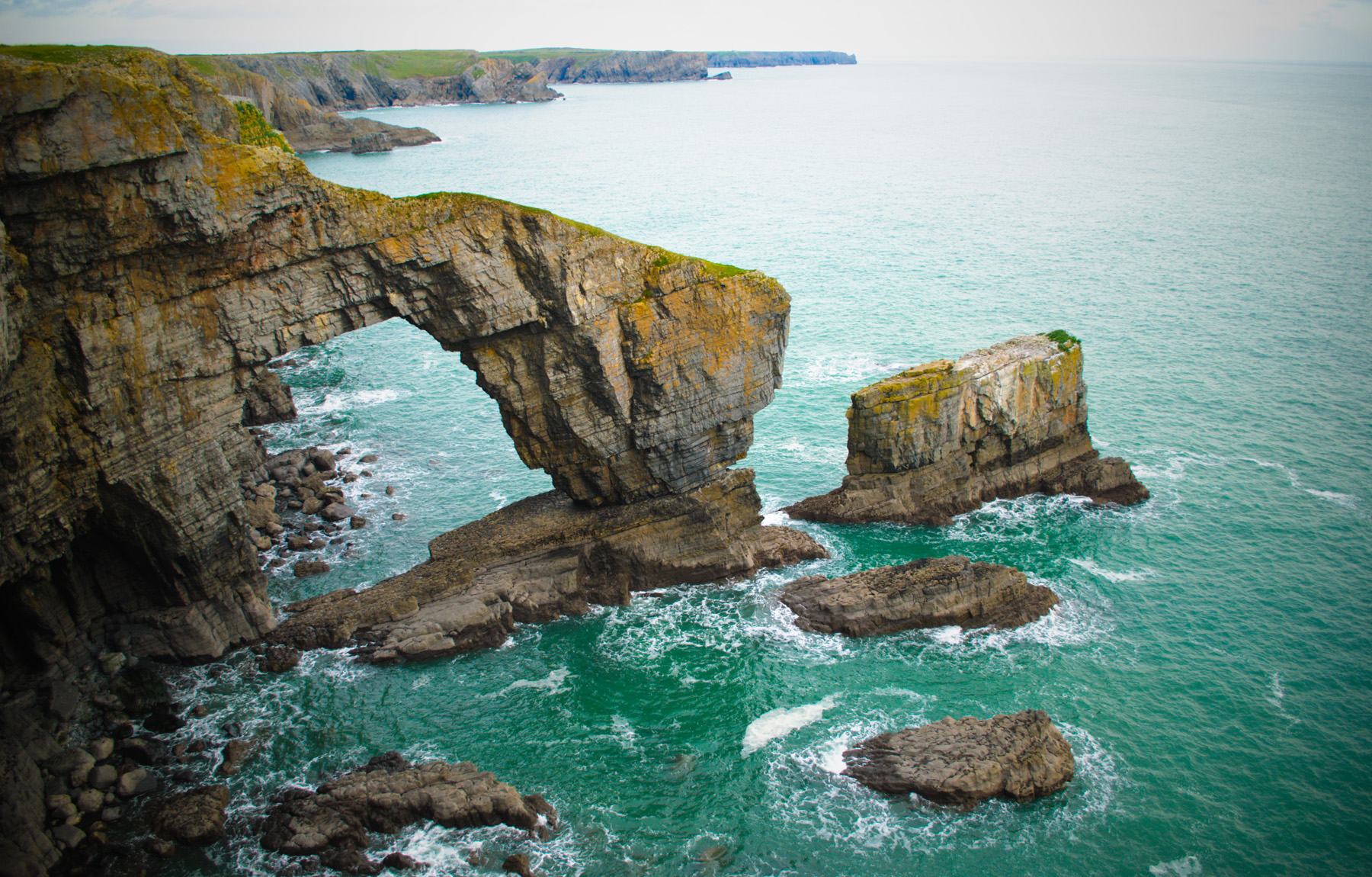
Wales' only national park designated primarily for coastline. The 186-mile Coast Path traces clifftops above seabird colonies, with Ramsey Island's grey seal pupping beaches and the Blue Lagoon at Abereiddy, a flooded slate quarry.
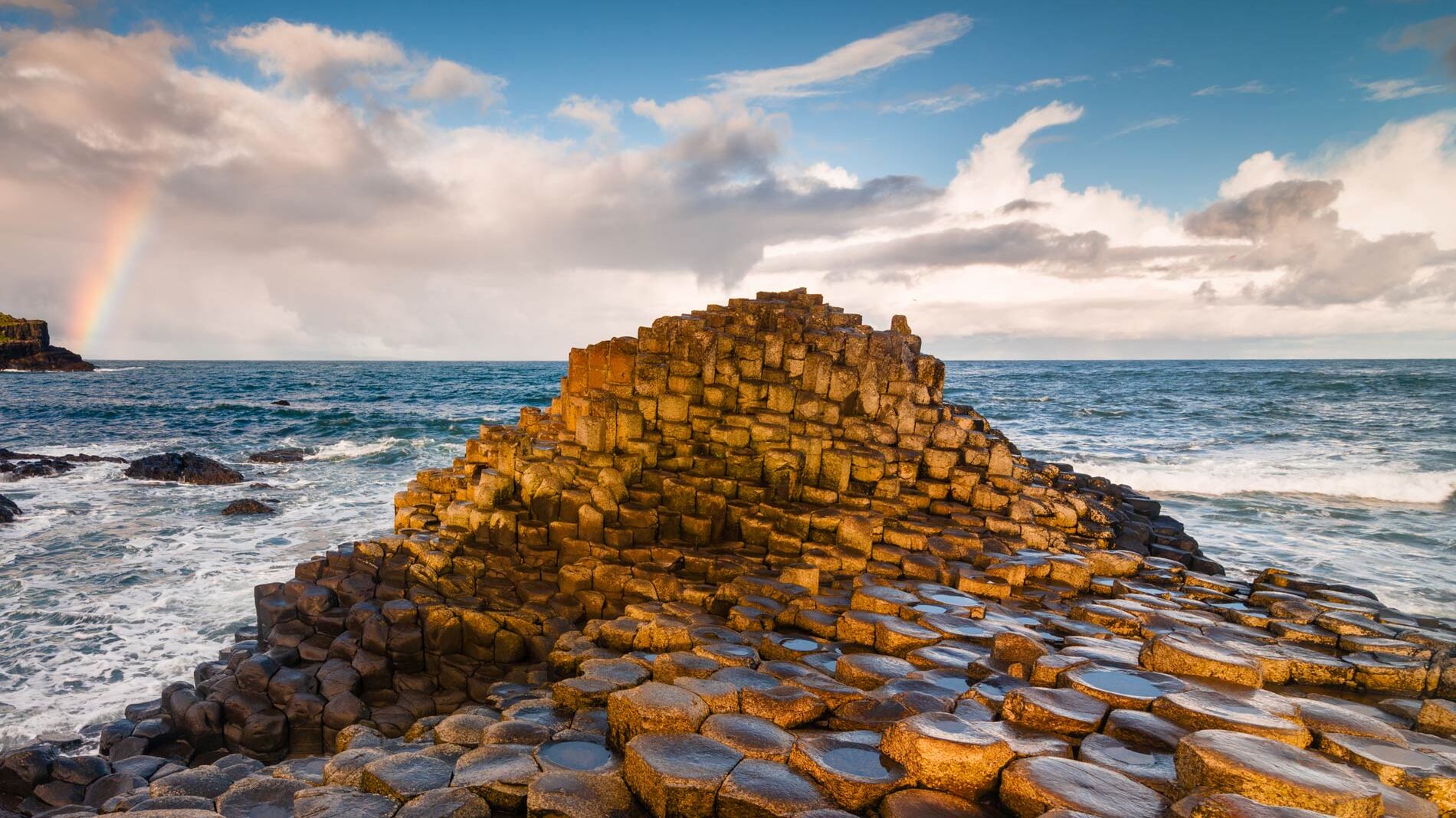
Northern Ireland's Antrim plateau meets the North Atlantic with dramatic consequence. The Giant's Causeway's 40,000 hexagonal basalt columns, Carrick-a-Rede's rope bridge, and the Glens of Antrim's nine valleys. A designated Heritage Coastline.
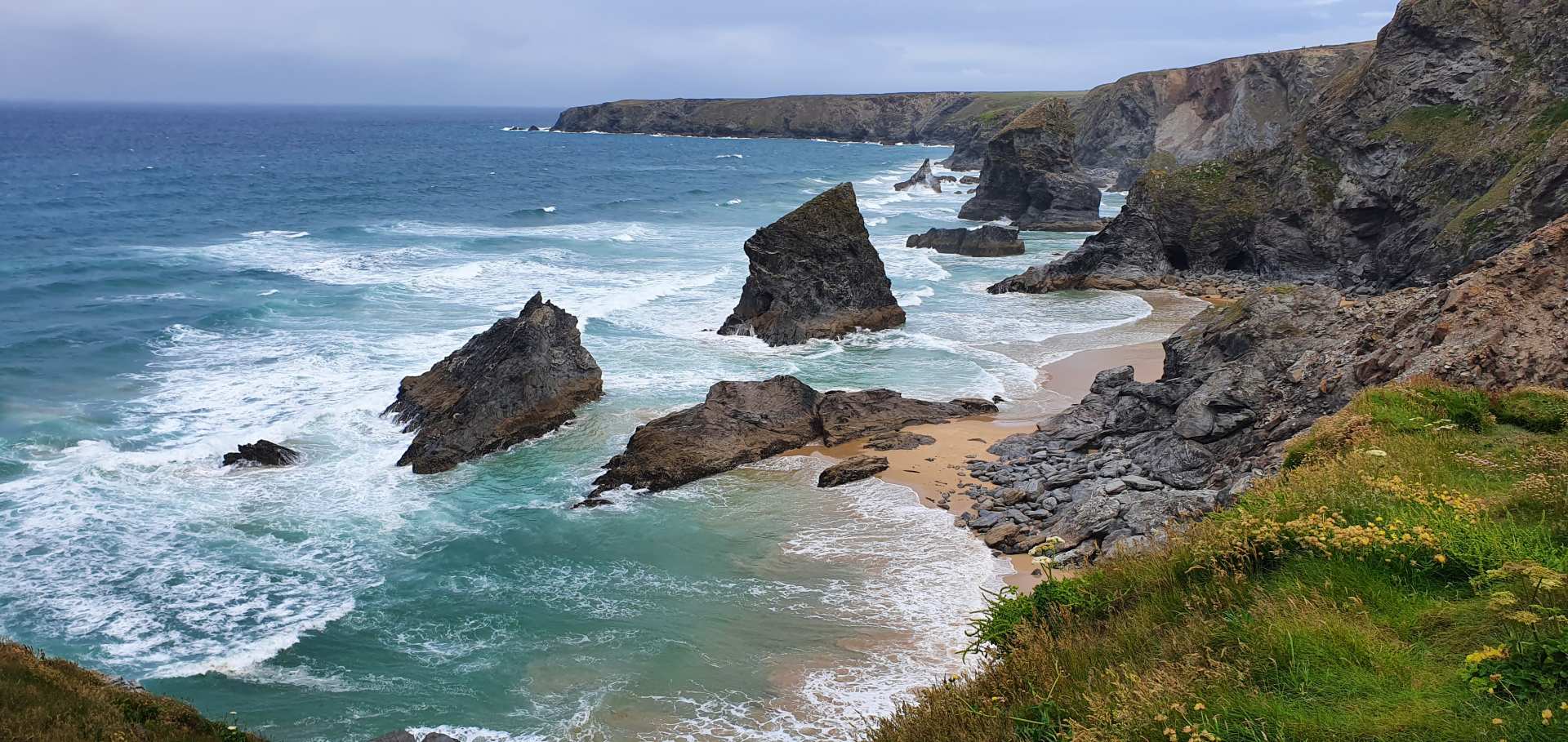
Britain's surfing capital, from Bude's barrel breaks to Sennen Cove's longboard waves. The Tin Coast's UNESCO World Heritage mining status, St Ives' Tate gallery, and Land's End's granite headland. Subtropical gardens thrive in the Gulf Stream influence.
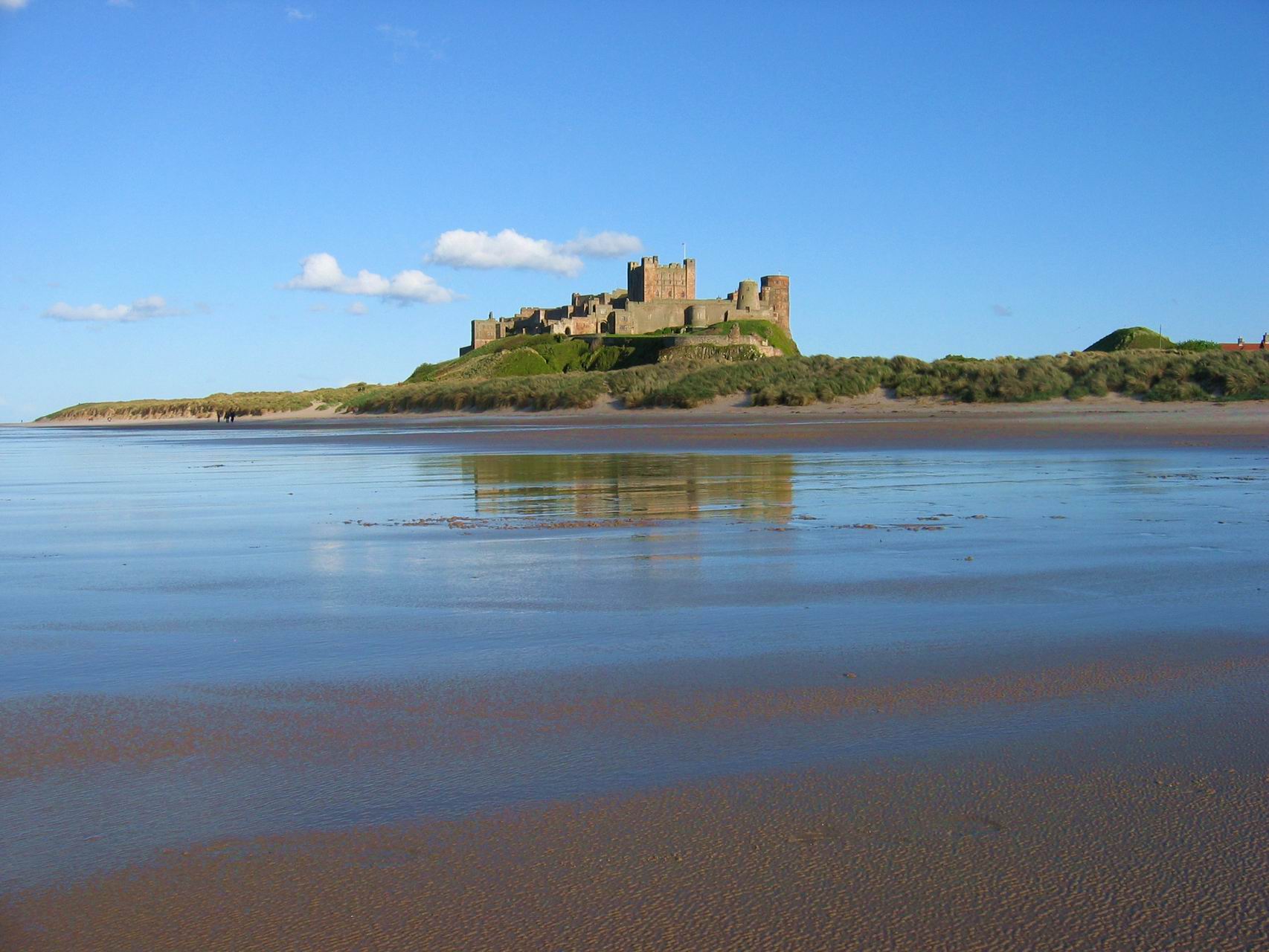
Designated AONB covering 40 miles of near wilderness beach. Dunstanburgh Castle's 14th century ruins, Bamburgh Castle's basalt outcrop, and the Farne Islands' 23 species of breeding seabird including 43,000 pairs of puffins.
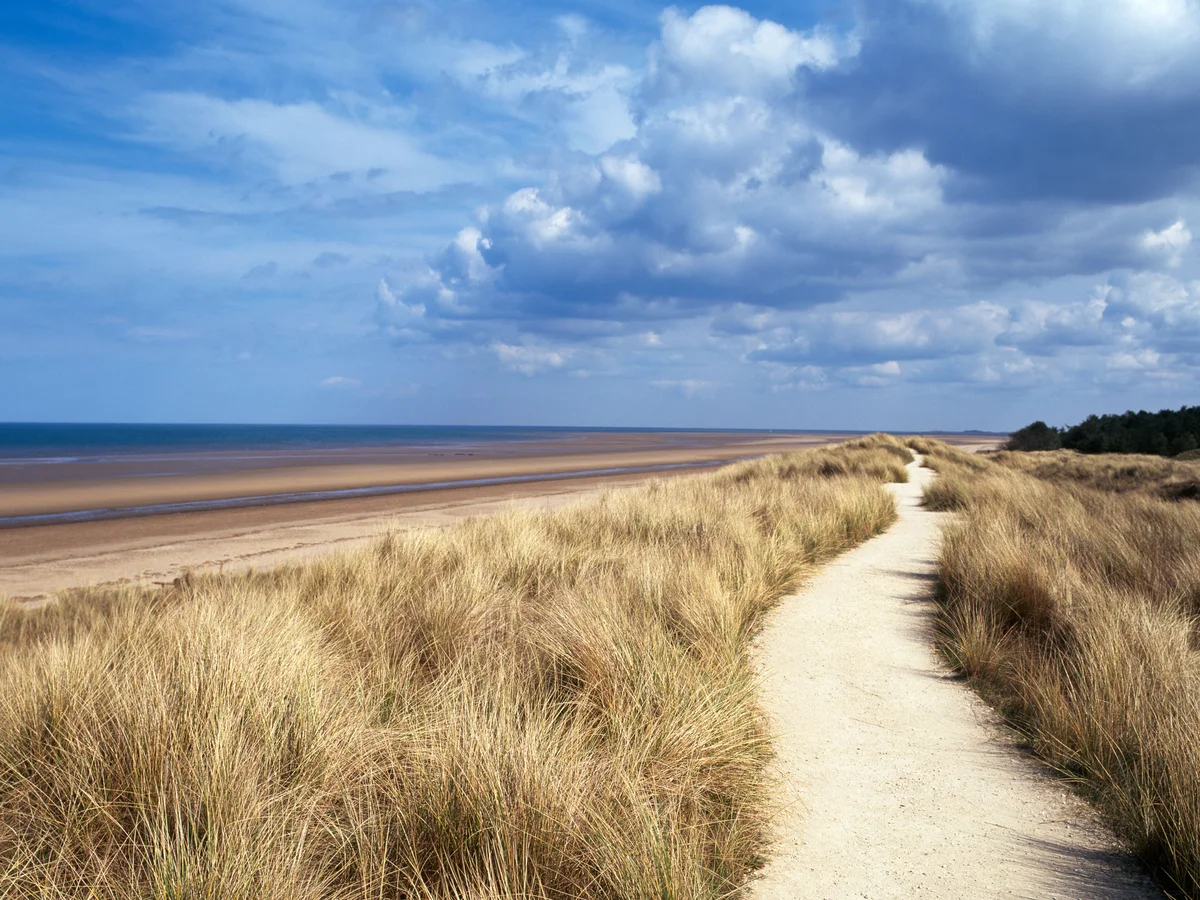
Shingle spits, salt marshes, and 45 miles of protected shoreline. Blakeney Point's seal colonies, Holkham Bay's pine backed beach, and Cromer's Victorian pier. A stronghold for little terns and ringed plovers.
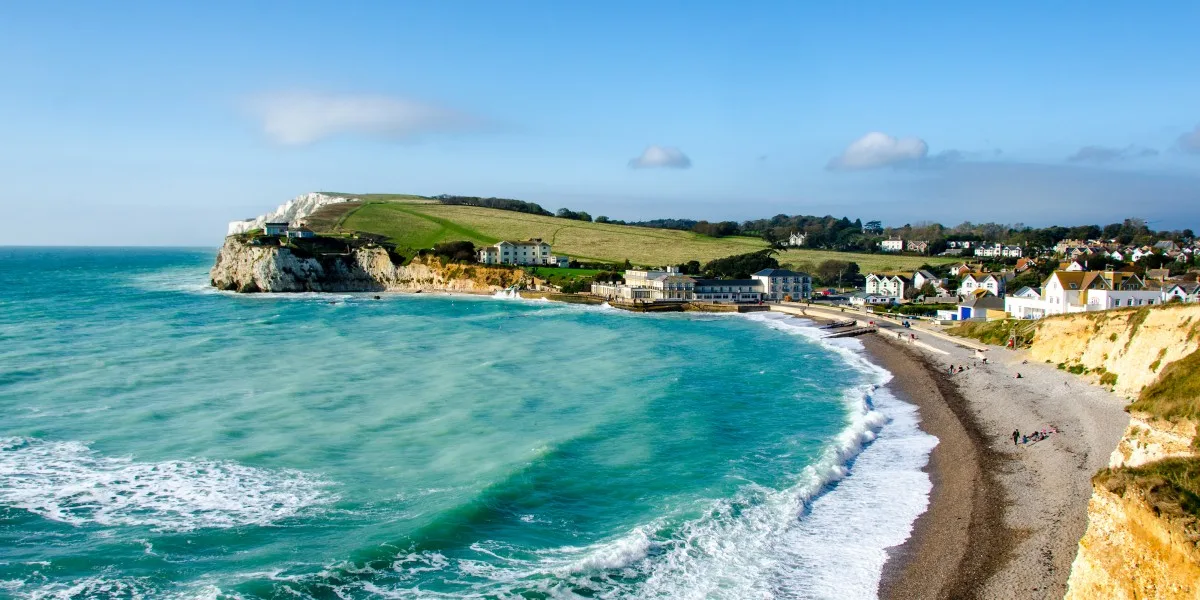
Diamond shaped island with 57 miles of diverse coastline. The Needles' chalk stacks, Compton Bay's dinosaur footprints at low tide, and Cowes Week's sailing regatta. Designated UNESCO Biosphere Reserve.
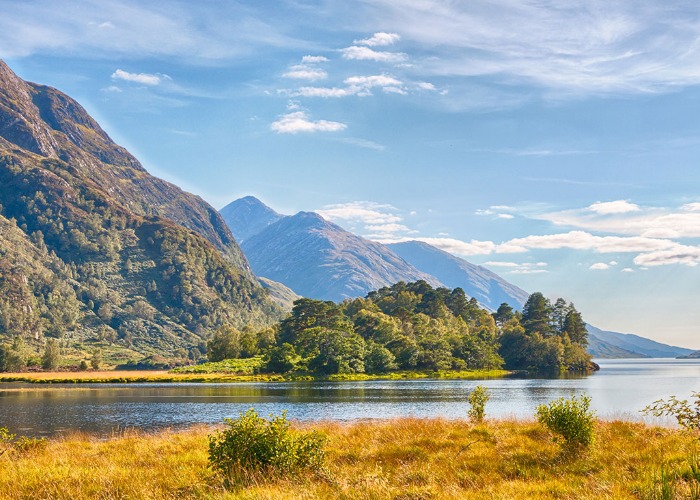
From the white sands of Arisaig to the Old Man of Hoy's 137 metre sea stack in Orkney. The North Coast 500 route accesses Assynt's Suilven mountain rising directly from the sea, and the Isle of Skye's coral beaches at Claigan.