



Hull City

Step Into a City Where History Meets the Humber

Capital city

Belfast

Currency

GBP

Timezone

GMT (Winter), GMT + 1 (Summer)

WHY WE LOVE HULL CITY

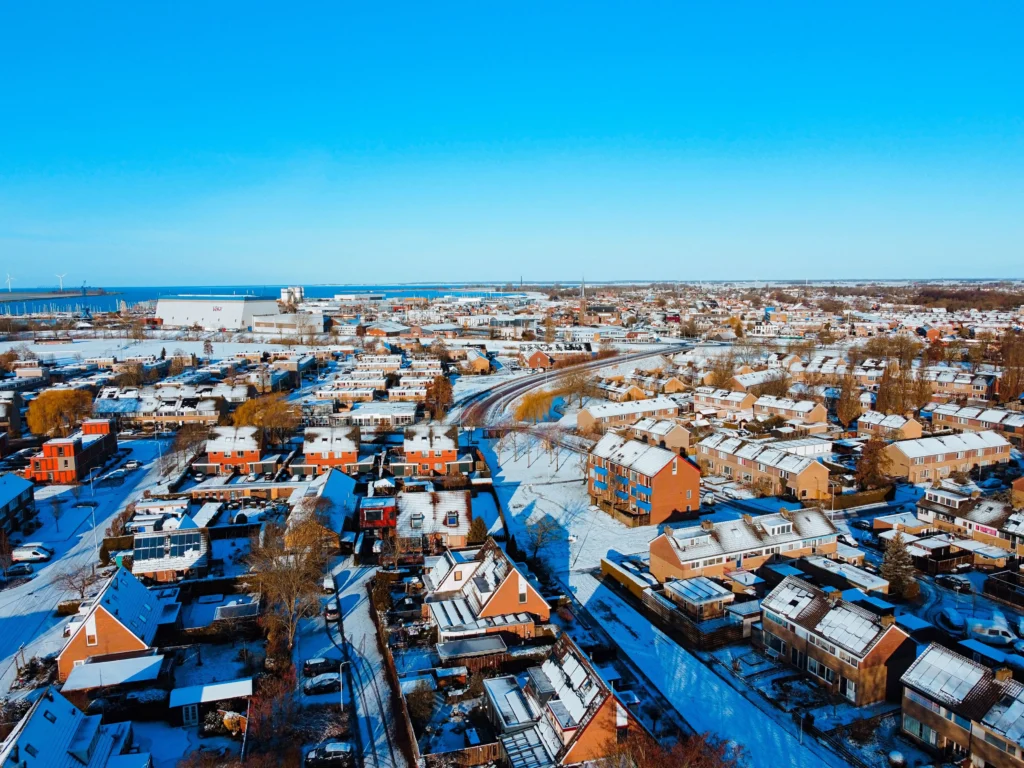
Hull is a city with a story shaped by the sea. Sitting on the northern bank of the Humber Estuary, Hull has been connected to international trade, fishing, exploration, and maritime life for centuries. Today, that heritage remains an important part of the city’s identity, while its thriving cultural scene gives visitors plenty of new reasons to explore.

The city’s compact centre makes it easy to discover many of its highlights, with historic streets, museums, galleries, and waterfront landmarks located close to one another. Hull Old Town provides a glimpse into the city’s past through its preserved architecture and fascinating museums, while the revitalised Fruit Market and Humber Street showcase a more contemporary side of the city.
Explore more about UK for more destinations.

DESTINATIONS IN HULL

Explore some of the most memorable Hull city tourist attractions, from fascinating museums and historic landmarks to creative cultural districts and waterfront destinations.

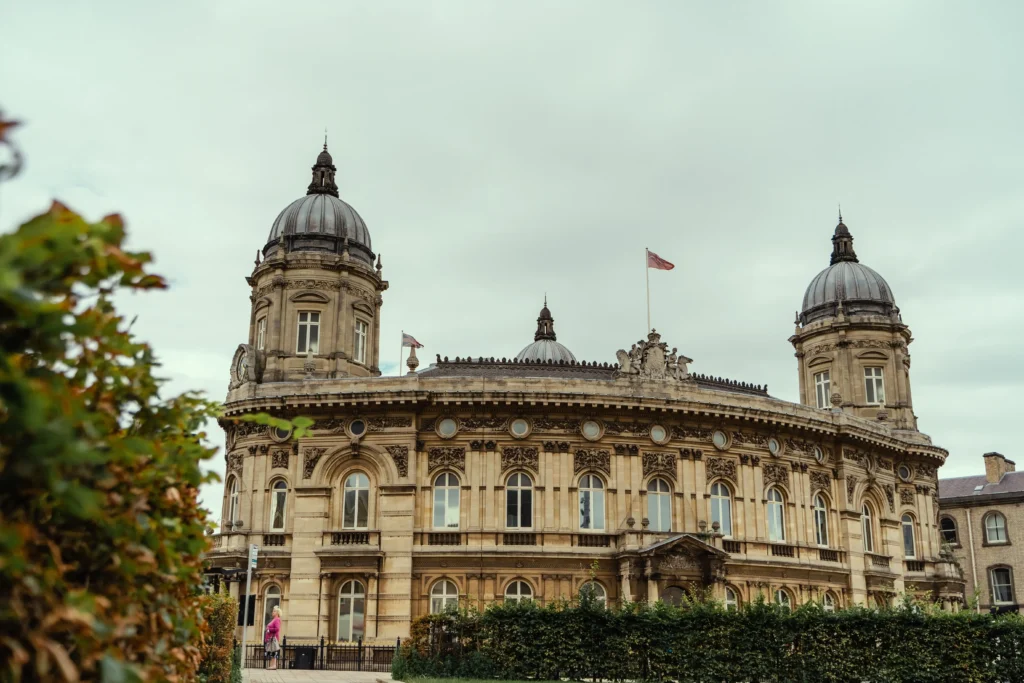
Hull Maritime Museum

Located in the city’s historic Old Town, Hull Maritime Museum explores the deep connection between Hull and the sea. Exhibitions reveal the story of fishing, whaling, shipping, and maritime trade, helping visitors understand how the city’s relationship with the water shaped its history.

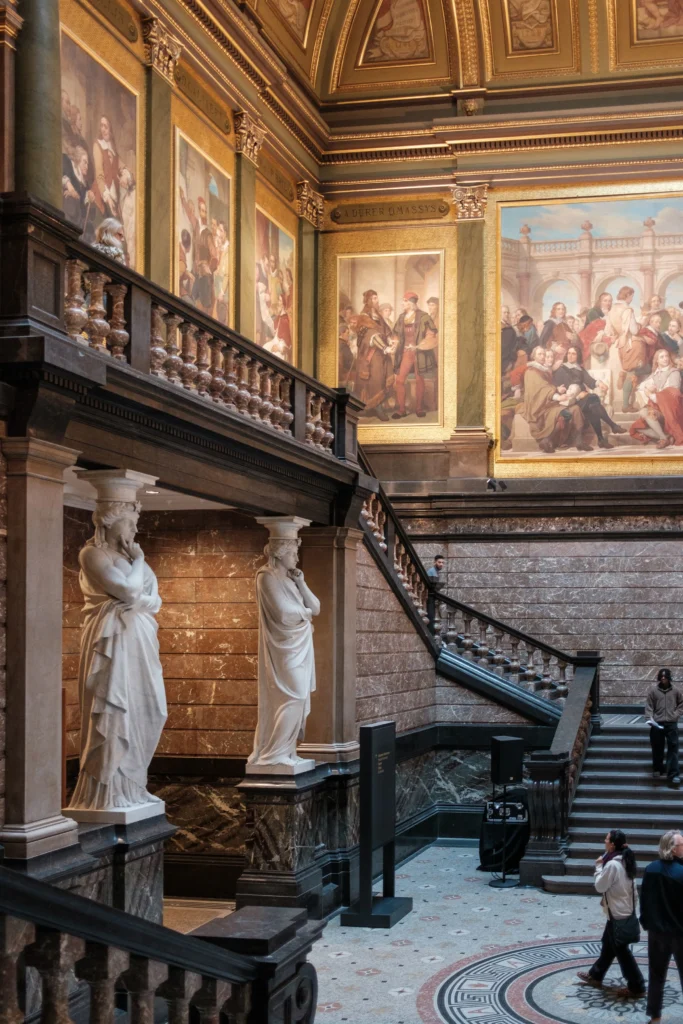
Ferens Art Gallery

Situated in the heart of Hull, the Ferens Art Gallery is one of the city’s leading cultural attractions. Its collection spans centuries of art, featuring historic works alongside more modern pieces and regularly changing exhibitions.

Streetlife Museum of Transport

The Streetlife Museum offers a fascinating journey through the history of transport. Historic vehicles, recreated streets, and immersive displays help visitors experience how people travelled and lived in different periods.

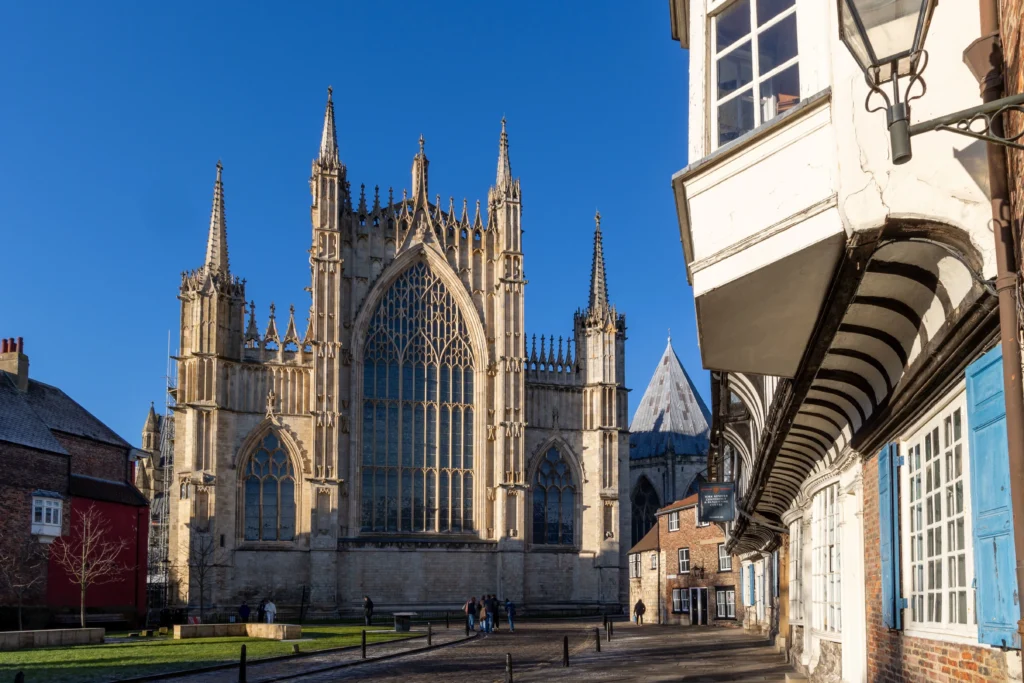
Hull Minster

Standing prominently within the historic Old Town, Hull Minster is one of the city’s most impressive architectural landmarks. With origins stretching back centuries, the building reflects Hull’s long religious and civic history and remains an important part of the city’s heritage.

Wilberforce House

Wilberforce House is dedicated to William Wilberforce, the prominent abolitionist and former Hull MP. Located in the historic home where he was born, the museum explores his life and the wider history of the transatlantic slave trade and abolition movement.

Humber Street & Fruit Market

The revitalised Fruit Market area has become one of Hull’s most creative districts. Independent businesses, galleries, cafés, restaurants, and cultural spaces have brought new energy to this historic waterfront neighbourhood, creating a striking contrast between old industrial architecture and modern urban creativity.

Humber Bridge

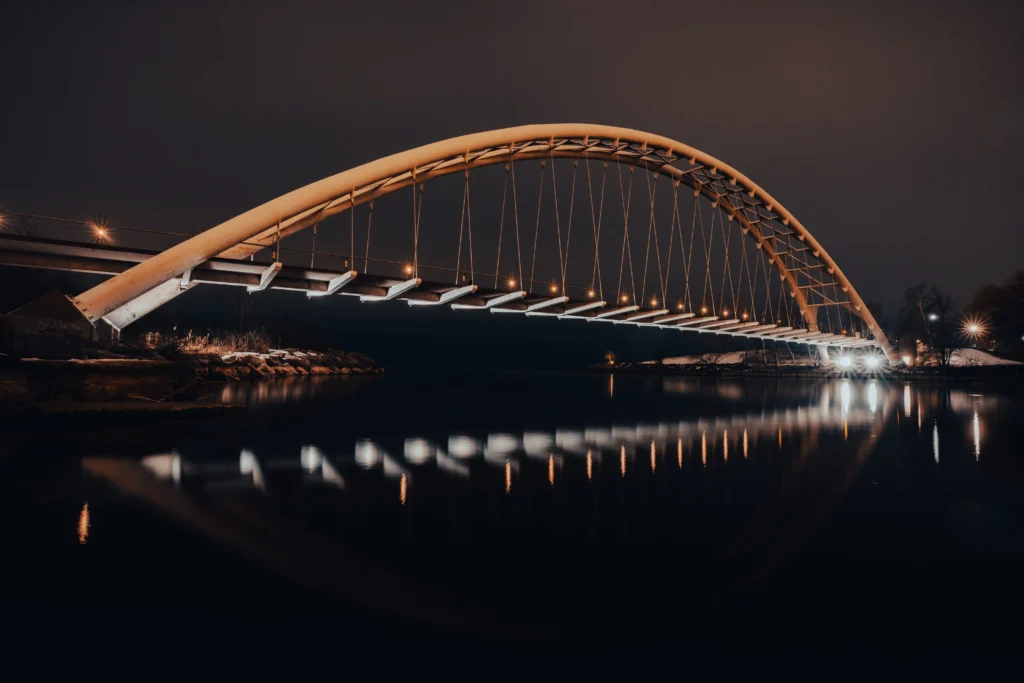
One of the most recognisable landmarks in the wider Hull area, the Humber Bridge spans the Humber Estuary and connects East Yorkshire with North Lincolnshire. Its dramatic scale and elegant design have made it an iconic part of the region’s landscape and an impressive sight for visitors exploring the area.

Queens Gardens

Queens Gardens provides a peaceful green space in the centre of Hull, surrounded by important civic and cultural buildings. The landscaped gardens offer a welcome contrast to the city’s urban streets and provide an attractive setting close to several major attractions.

THINGS TO SEE & DO IN HULL BY SEASON

Experience Hull in Spring

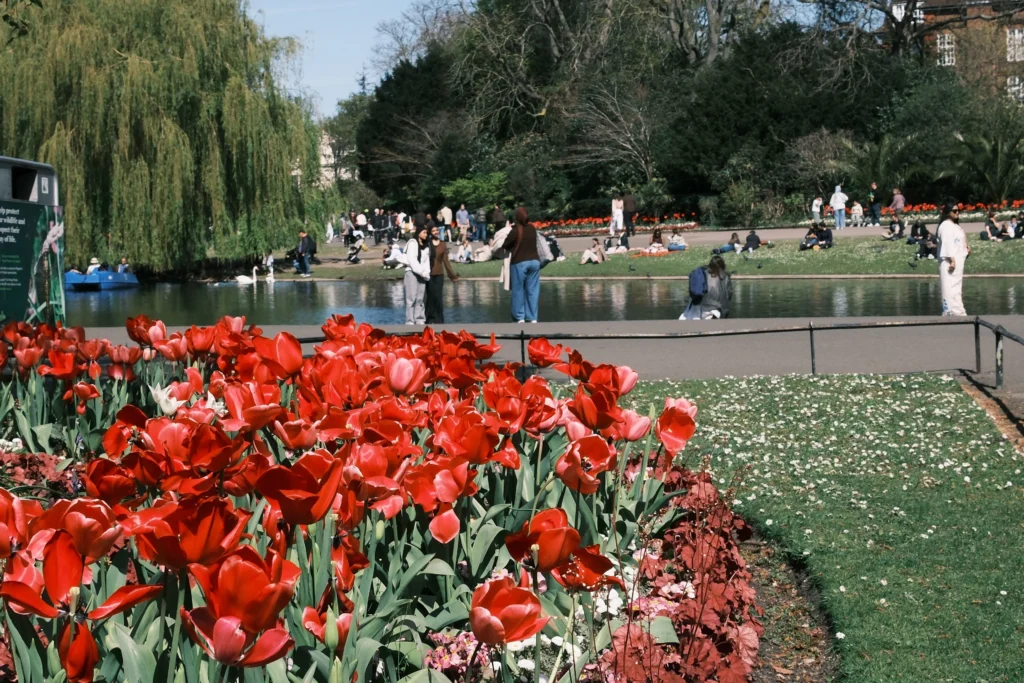
Spring brings fresh colour to Hull’s parks and gardens, while longer days create more opportunities to explore the city’s historic centre. This is a particularly pleasant season for discovering Hull Old Town, visiting museums and galleries, and seeing the city’s waterfront come back to life after winter.

Experience Hull in Summer

Summer is an exciting time to experience Hull, with longer daylight hours bringing energy to the waterfront and city centre. Outdoor events, cultural programmes, and seasonal activities create a lively atmosphere, while the city’s museums and galleries provide plenty of options when temperatures rise.

Enjoy Hull in Autumn

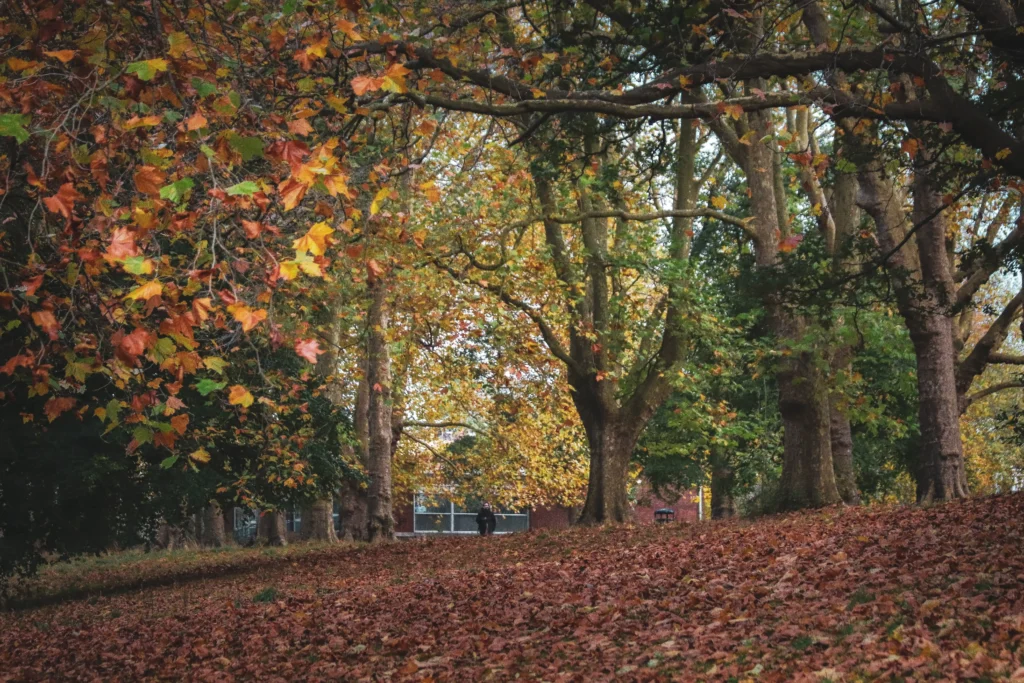
Autumn gives Hull a more atmospheric character as the city’s historic architecture and green spaces take on seasonal colour. It is an excellent time to explore the museums and galleries that form the heart of Hull’s cultural identity.

Discover Hull in Winter

Winter brings a different kind of charm to Hull. Historic streets, cultural venues, and city-centre landmarks create an atmospheric setting, while seasonal events add energy to the city during the colder months.

UNIQUE EXPERIENCES IN HULL

Maritime Heritage

Hull's identity has always been closely connected to the sea. Its museums and waterfront landmarks tell stories of fishing, shipping, exploration, and international trade that shaped the city's development.
Historic Old Town

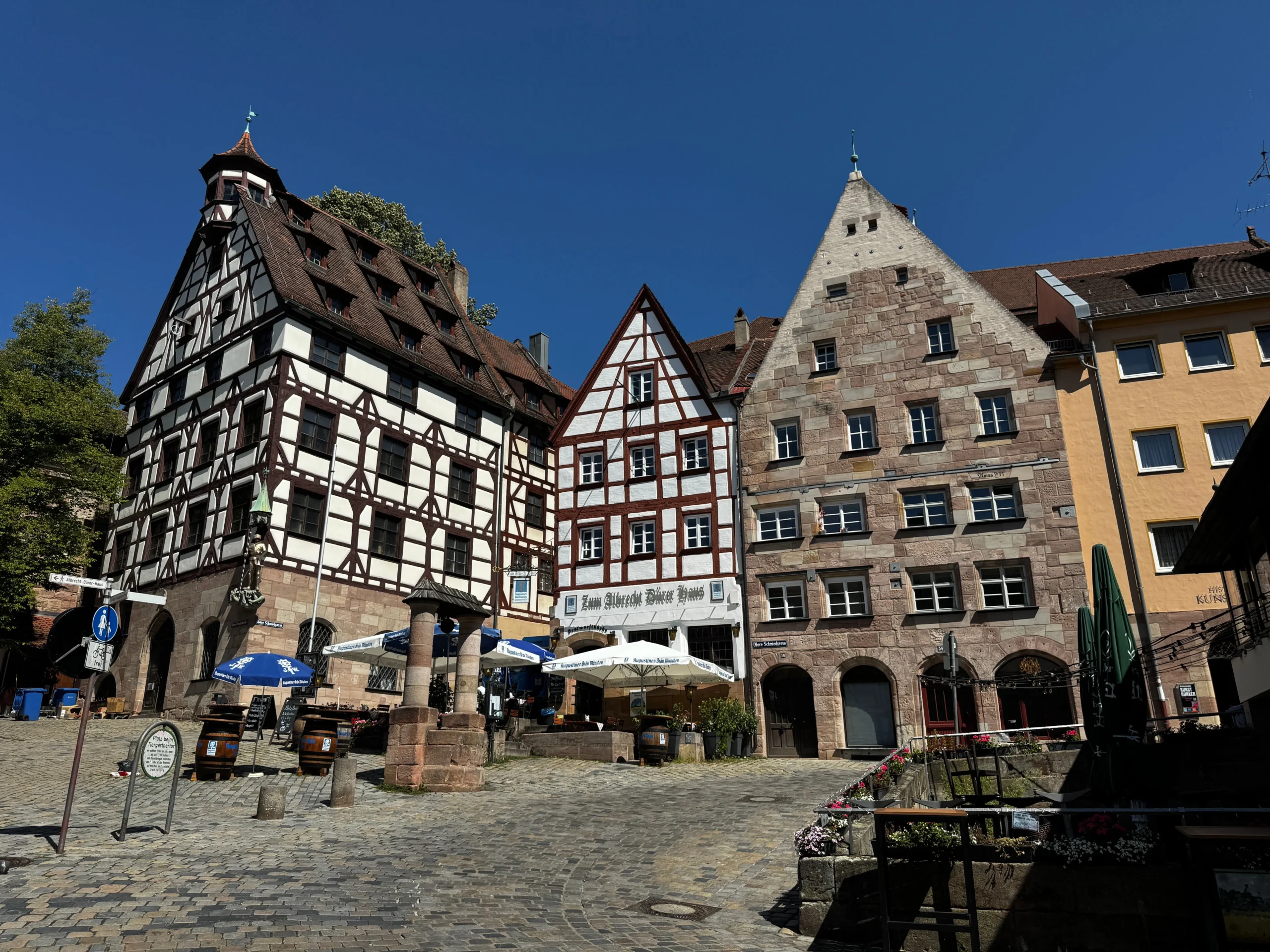
Hull Old Town is one of the city's greatest assets, bringing together centuries of architecture, historic streets, museums, and cultural landmarks within a compact and atmospheric area.

World-Class Marine Life

The Deep offers an extraordinary opportunity to discover marine life from across the world's oceans, making it one of the most recognisable and memorable attractions in the city.
Art & Culture

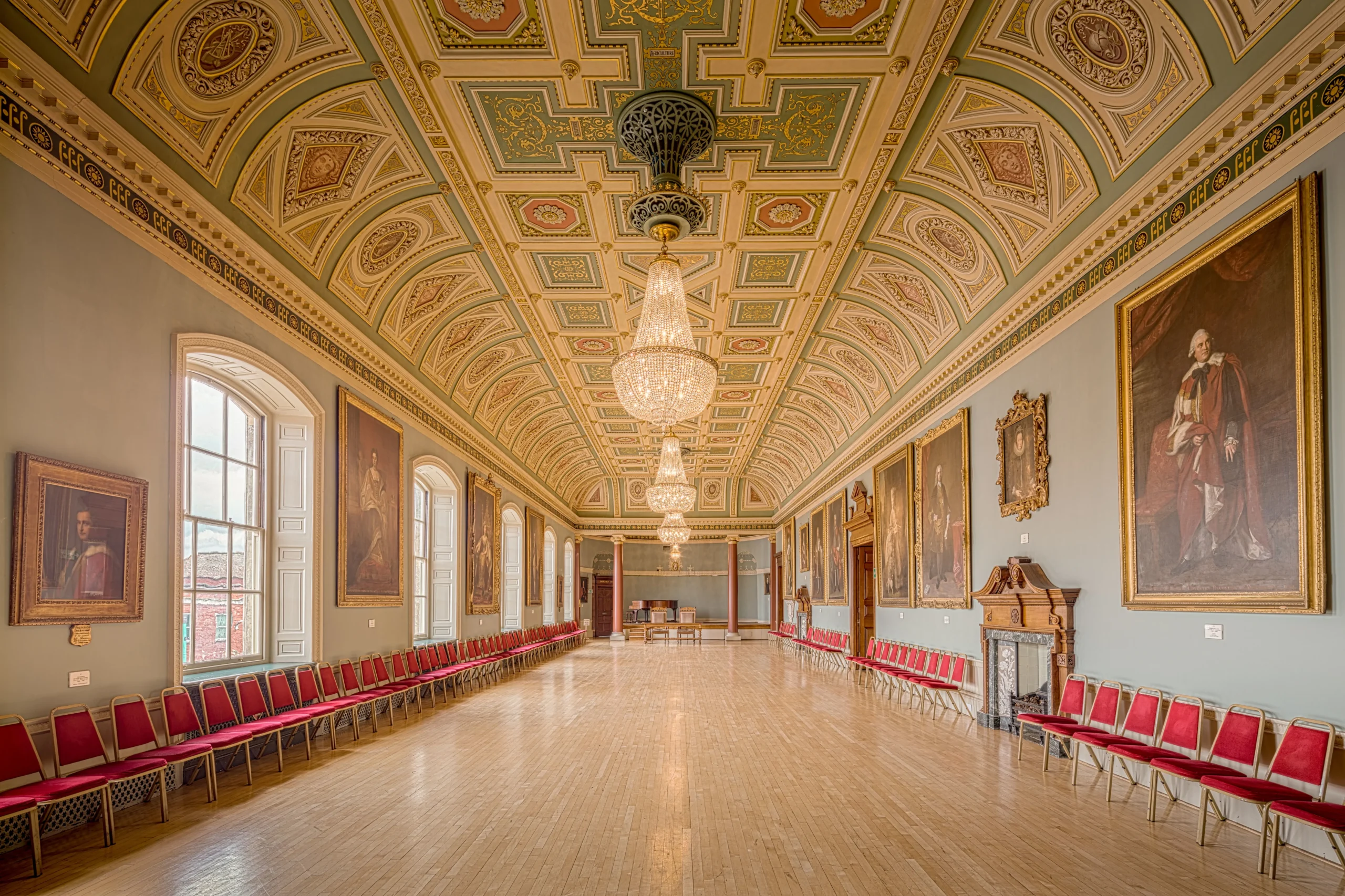
From the historic collections of Ferens Art Gallery to contemporary creative spaces around Humber Street, Hull has developed a strong cultural identity that continues to evolve.

Architectural Heritage

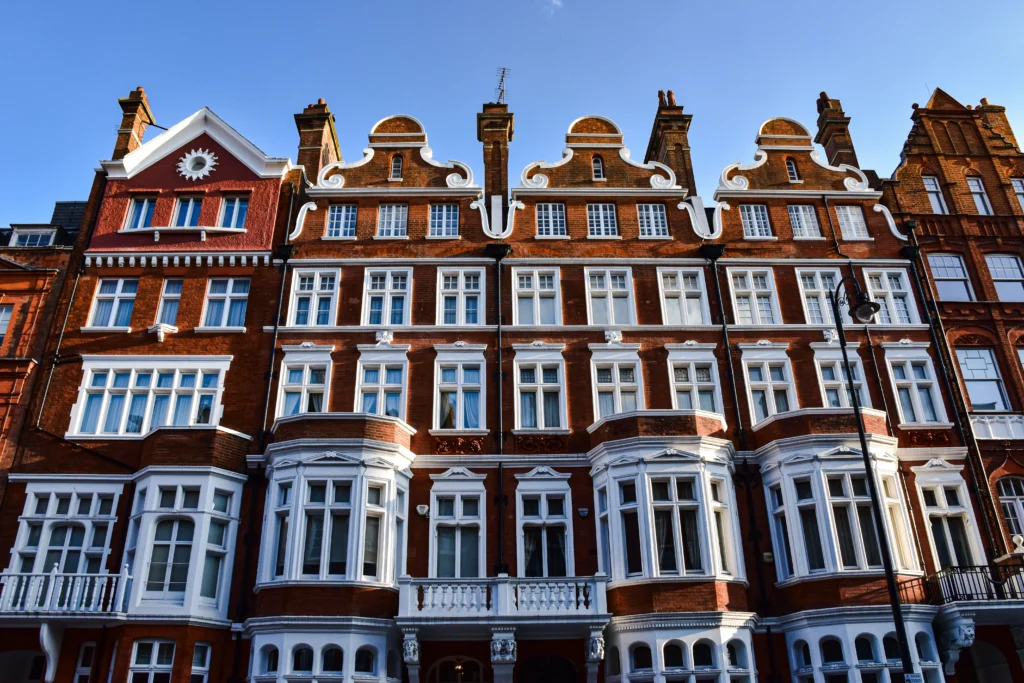
Hull's architecture reflects its long and varied history, with medieval influences, Georgian buildings, Victorian structures, and modern regeneration projects creating an interesting mix across the city.
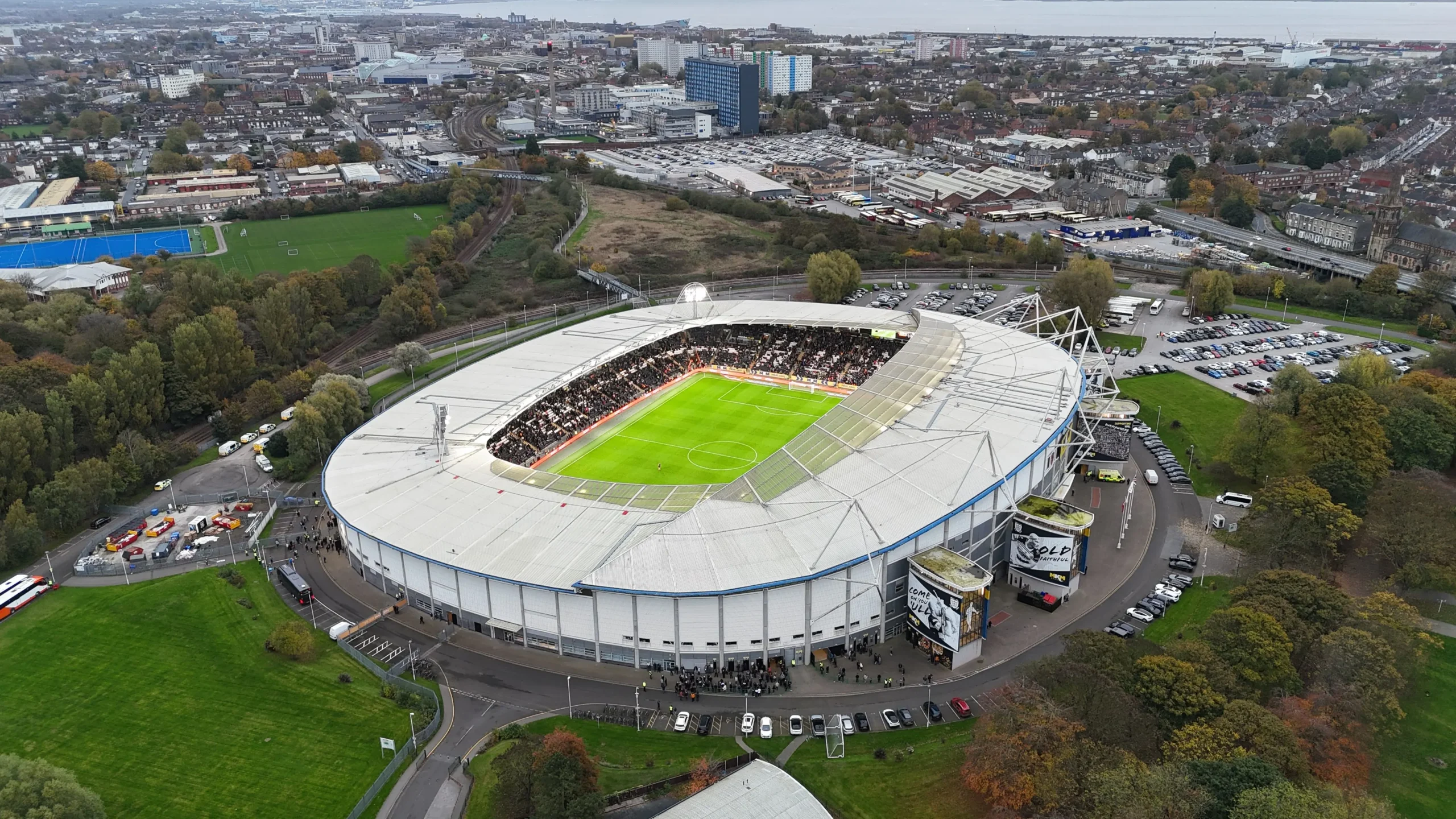
City of Culture Legacy

Hull's year as the UK City of Culture in 2017 helped transform perceptions of the city and encouraged new cultural projects, events, and creative initiatives that continue to influence its identity today.
GETTING TO HULL

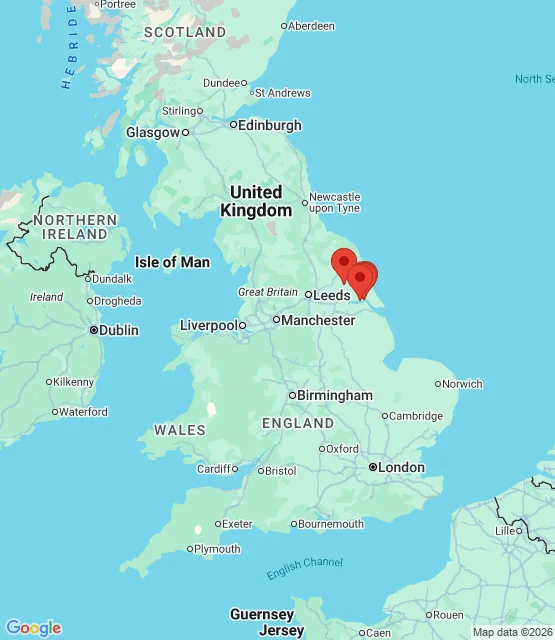
Hull is located in East Yorkshire on the northern side of the Humber Estuary and has strong transport connections with other parts of England. Its central location within the region makes it an accessible destination for visitors exploring Yorkshire and the wider north of England.

Getting around Hull

Hull’s compact city centre makes it easy to explore many of the city’s main attractions within a relatively short distance of one another. The historic Old Town, cultural venues, shopping areas, and waterfront districts can be reached conveniently on foot, while local public transport provides connections to attractions and neighbourhoods further across the city.

Hull City

By Car

Hull is well connected by road to Yorkshire and the wider national motorway network, providing straightforward access for visitors travelling by car.

By Coach

Local and regional bus services connect Hull with surrounding towns and cities, while coach services provide additional connections for visitors travelling from further afield.

By train

Hull Paragon Interchange provides direct rail connections with several major cities, including London, making rail travel a convenient option for visitors arriving from across the UK.

HULL CITY: WHERE HERITAGE MEETS THE HUMBER

Hull is a city that rewards curiosity. Its maritime history can be found throughout its museums and waterfront, while its historic Old Town reveals centuries of architecture and stories. At the same time, creative neighbourhoods, cultural venues, and modern regeneration have given the city a fresh identity.

For visitors searching for Hull city attractions, the destination offers much more than a single landmark. The Deep, Hull Minster, Ferens Art Gallery, Hull Maritime Museum, and Streetlife Museum each reveal a different side of the city’s character. Together, they create a destination where history, culture, art, and the waterfront are closely connected.

Whether you’re interested in discovering the city’s maritime past, exploring its historic streets, or experiencing its evolving cultural scene, Hull offers a distinctive perspective on England’s northern heritage. The city may once have been best known for its port, but today its attractions and cultural identity make it a fascinating destination in its own right.

FAQs

What are the best Hull city attractions?

Some of the best Hull city attractions include The Deep, Hull Old Town, Hull Maritime Museum, Ferens Art Gallery, Streetlife Museum of Transport, Hull Minster, Wilberforce House, and the Humber Street and Fruit Market area.

The top Hull city tourist attractions include The Deep, Hull Maritime Museum, Hull Old Town, Ferens Art Gallery, and the Streetlife Museum. The city also offers historic landmarks, cultural venues, and waterfront destinations.

Some of the best things to do in Hull England include exploring the historic Old Town, visiting The Deep, discovering Hull’s maritime heritage, viewing art at Ferens Art Gallery, and exploring the city’s museums and waterfront districts.

Yes, Hull is worth visiting for its combination of maritime heritage, historic architecture, museums, art galleries, cultural attractions, and waterfront setting. Its compact city centre also makes it convenient to explore several major attractions in one visit.

Hull is famous for its maritime history, fishing and shipping heritage, historic Old Town, The Deep aquarium, and its cultural transformation following its year as the UK City of Culture in 2017.