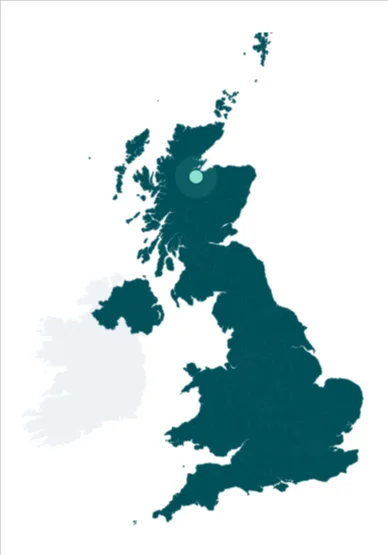
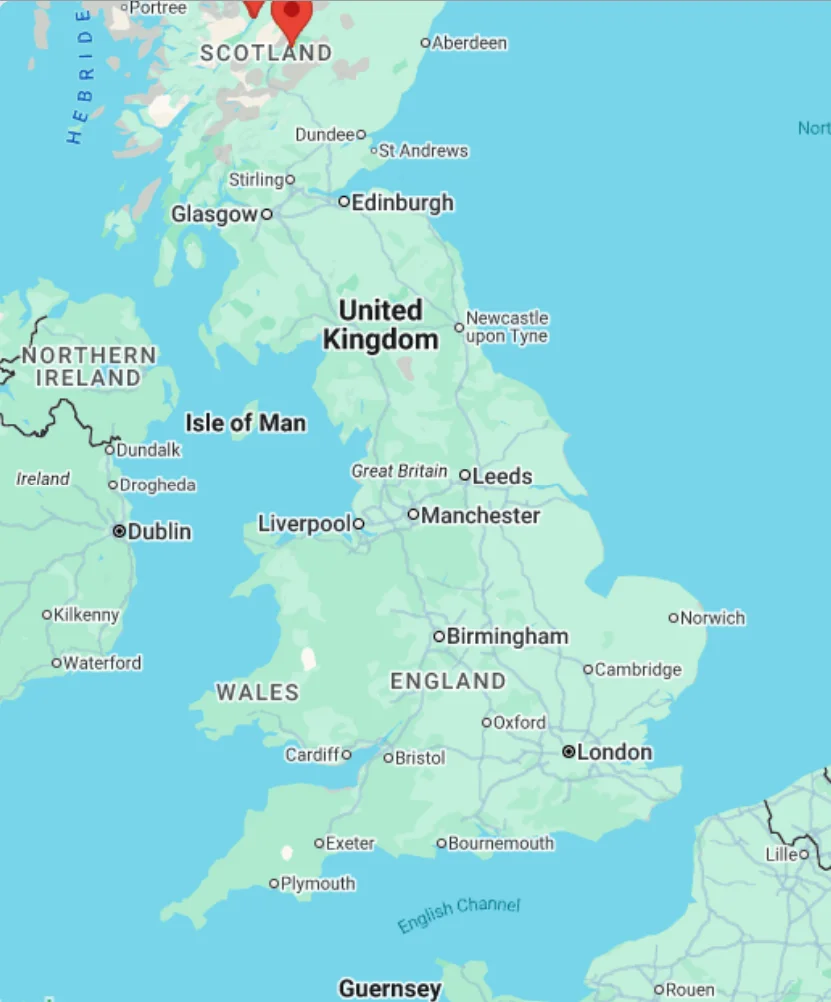
Inverness is a compact Highland city on the banks of the River Ness and one of the best starting points for exploring northern Scotland.
Inverness combines the convenience of a city with easy access to some of Scotland’s most famous landscapes. Loch Ness, Culloden, the Black Isle and the wider Highlands are all within reach, making Inverness useful for both city sightseeing and longer Highland trips.
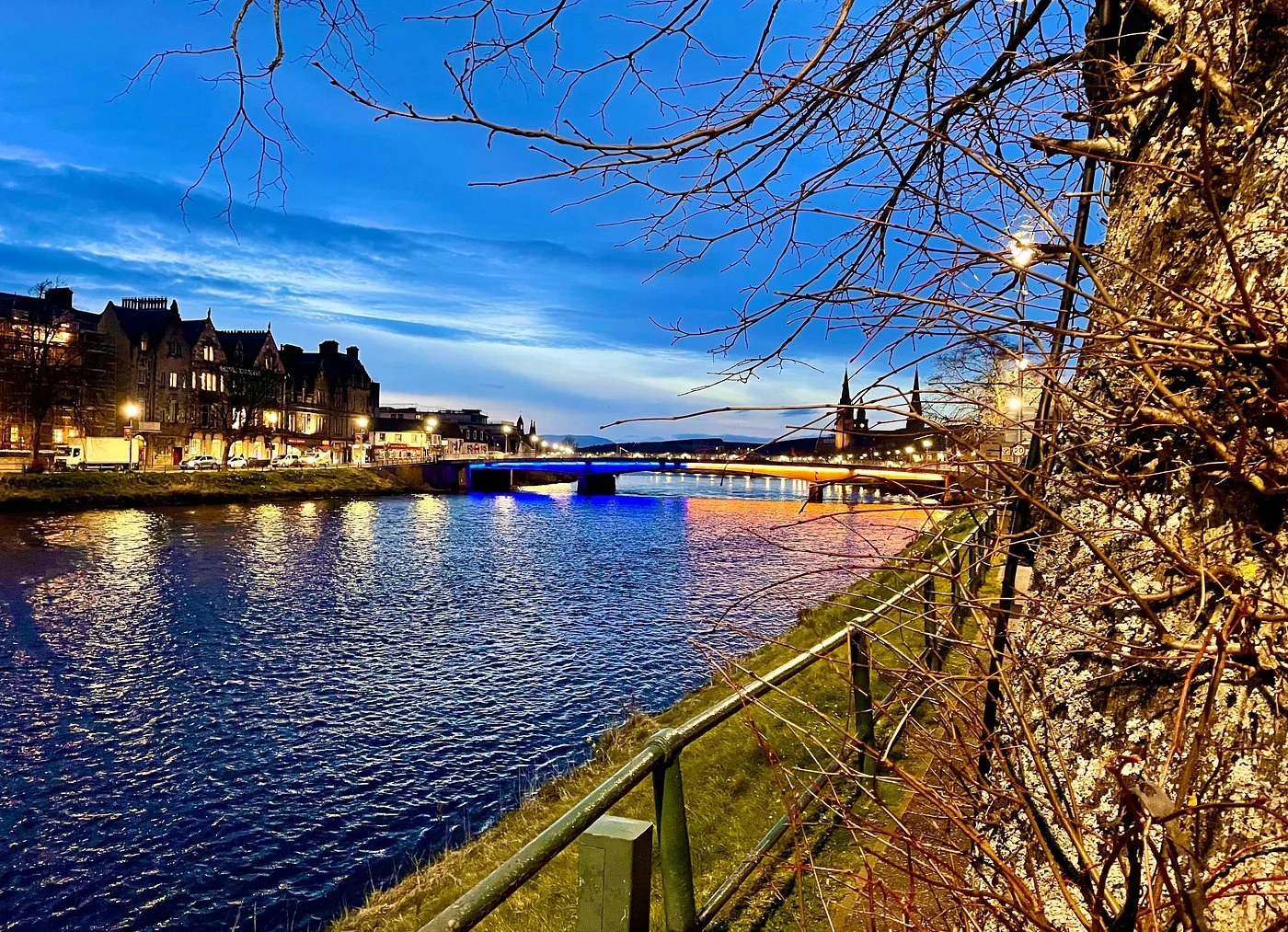
The River Ness runs directly through Inverness, giving the city a natural focal point. Riverside paths connect central attractions with quieter green spaces, while bridges and viewpoints provide different perspectives across the water.
Historic landmarks, riverside walks, cultural attractions and easy access to dramatic Highland scenery give the city a distinctive character. From Inverness Castle and the Victorian Market to nearby Loch Ness and Culloden Battlefield, there is plenty to experience in and around the city.
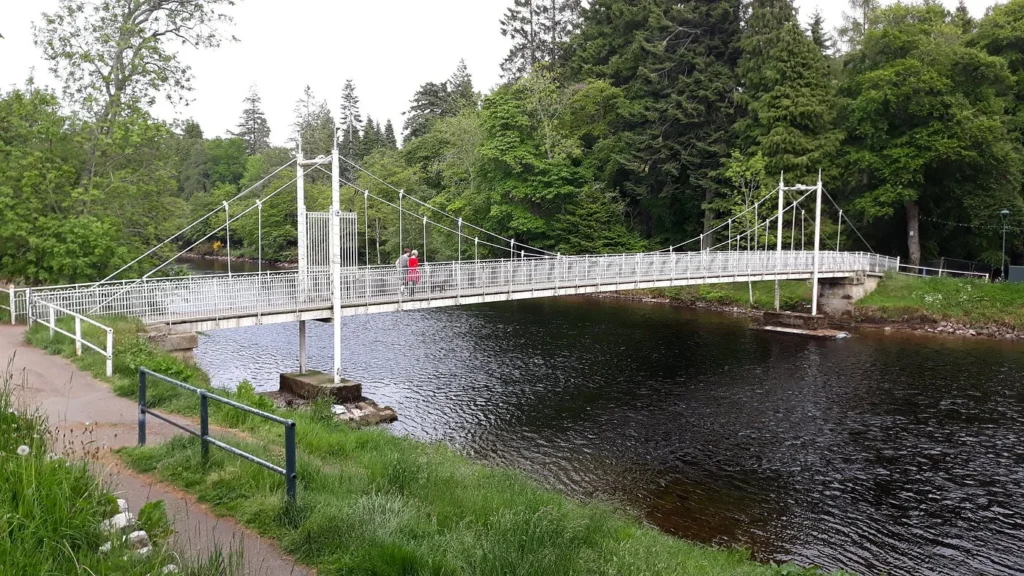
A walk beside the River Ness is one of the simplest ways to experience Inverness. Follow the river through the city, cross the footbridges and continue towards the Ness Islands for a quieter stretch surrounded by trees and water.
Inverness has strong connections to the history of the Scottish Highlands. You can combine Inverness Castle and the city center with a visit to nearby Culloden Battlefield, where the final battle of the Jacobite rising took place.
The main Inverness attractions are concentrated around the city center and River Ness, while several important historic sites sit just beyond the central streets.
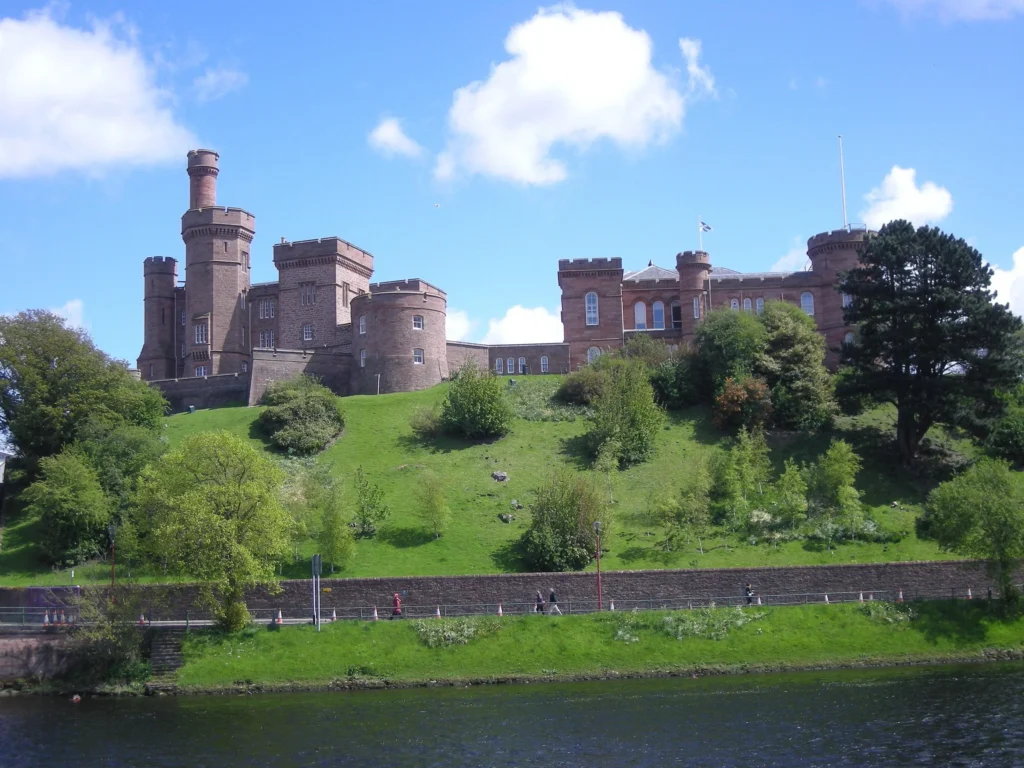
Overlooking the River Ness, Inverness Castle is one of the city’s most recognizable landmarks. Its elevated position also gives the surrounding area a strong sense of place and makes the castle an obvious stop during a walk through central Inverness.
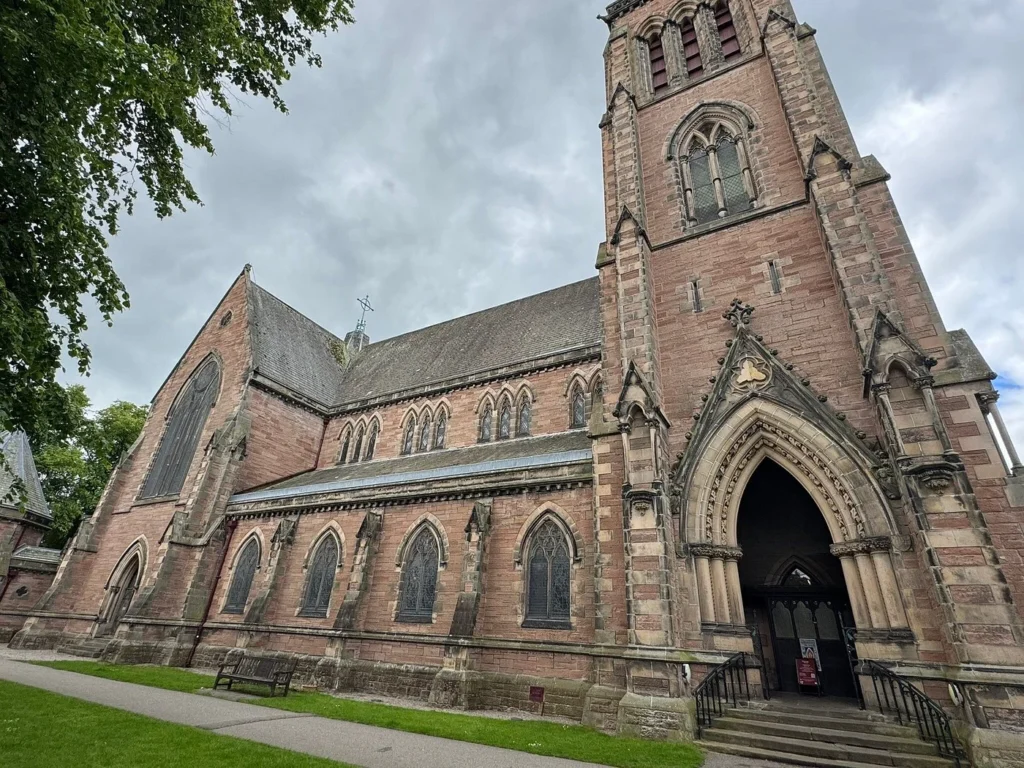
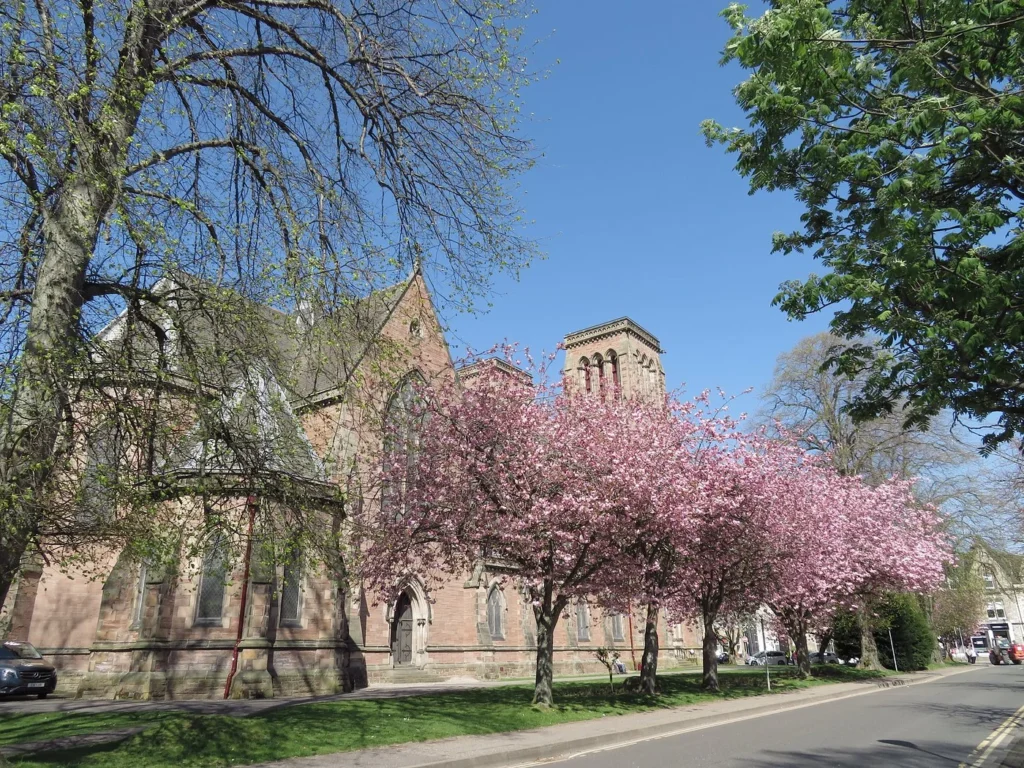
Located beside the River Ness, Inverness Cathedral is a prominent red-sandstone building dating from the nineteenth century. Its riverside setting makes it easy to include alongside a walk through the city center.
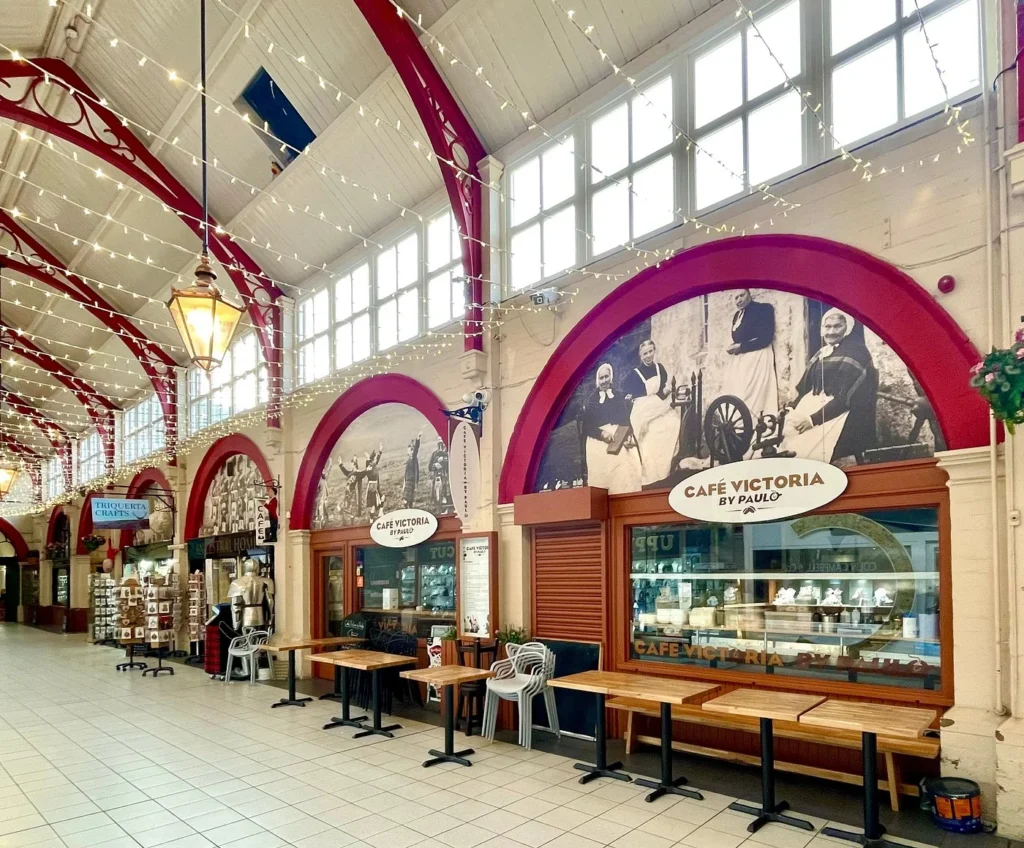
The Victorian Market is a historic shopping arcade in the heart of Inverness. Independent shops, cafés and local businesses make it a useful stop when exploring the central shopping streets.
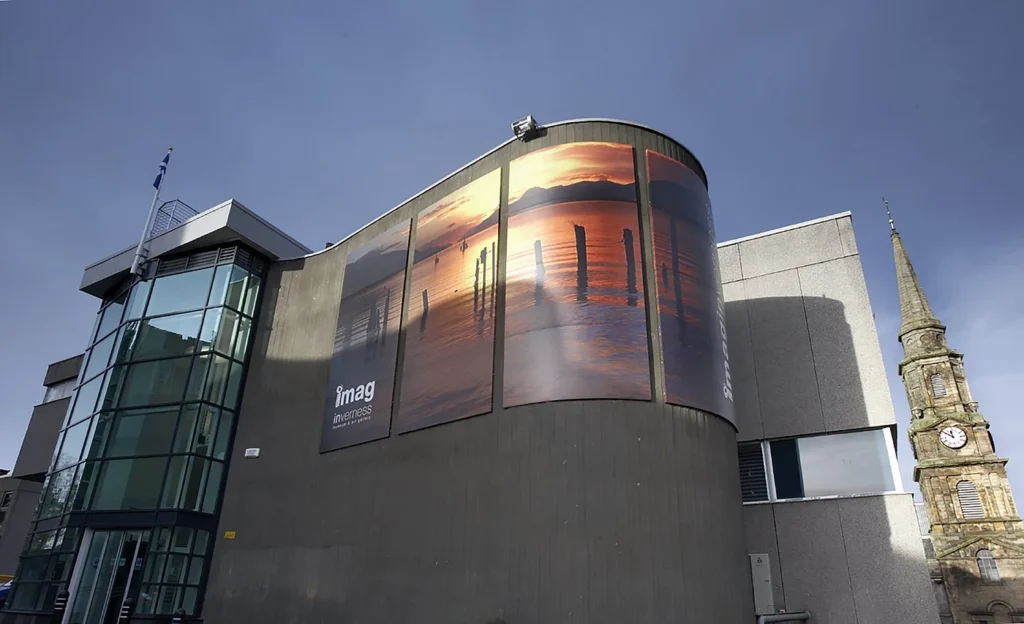
This city-center museum explores Highland history, culture and natural heritage, with collections that help explain the character of Inverness and the surrounding region.
The River Ness is more than a scenic backdrop. Riverside paths, bridges and viewpoints make the waterway one of the easiest places to enjoy Inverness at a relaxed pace.
The Ness Islands are a series of wooded islands connected by footbridges on the River Ness. They provide a peaceful walking route close to the center and are particularly appealing when you want some time away from busy streets.
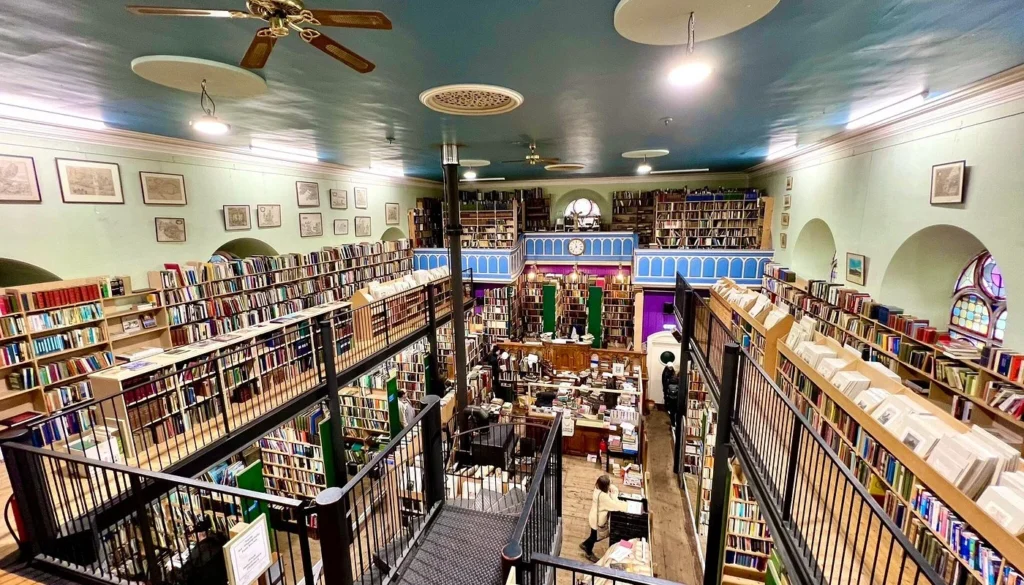
Leakey’s is one of Inverness’s best-known independent bookshops, housed in a former church building. Its shelves of second-hand books and distinctive interior make it an unusual stop for visitors exploring the city.
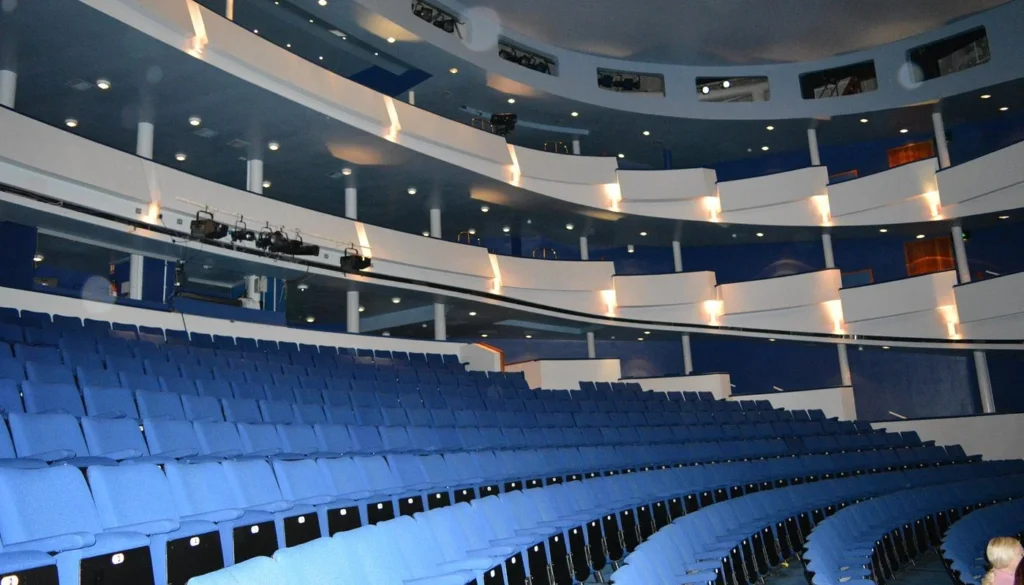
Eden Court is Inverness’s major arts and entertainment venue, hosting theater, music, dance, cinema and other cultural events. Its location near the River Ness also places it within easy reach of central attractions.
Spring is a good time for riverside walks and exploring the Ness Islands as the surrounding landscape becomes greener. It is also a comfortable season for combining city sightseeing with trips into the nearby Highlands.
Summer offers long daylight hours for exploring Inverness and the surrounding region. Walk along the River Ness, visit Loch Ness and use the city as a base for longer excursions into the Highlands.
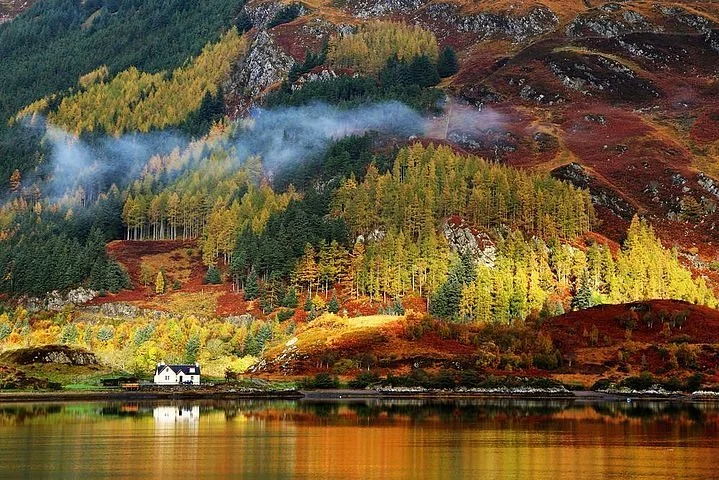
Autumn brings color to the woodland around the River Ness and Ness Islands. It is also a good season for museums, historic attractions and scenic drives through the surrounding Highland landscape.
Winter gives Inverness a quieter atmosphere. Spend time at museums, cafés, the Victorian Market and cultural venues, while shorter daylight hours make indoor attractions especially useful.

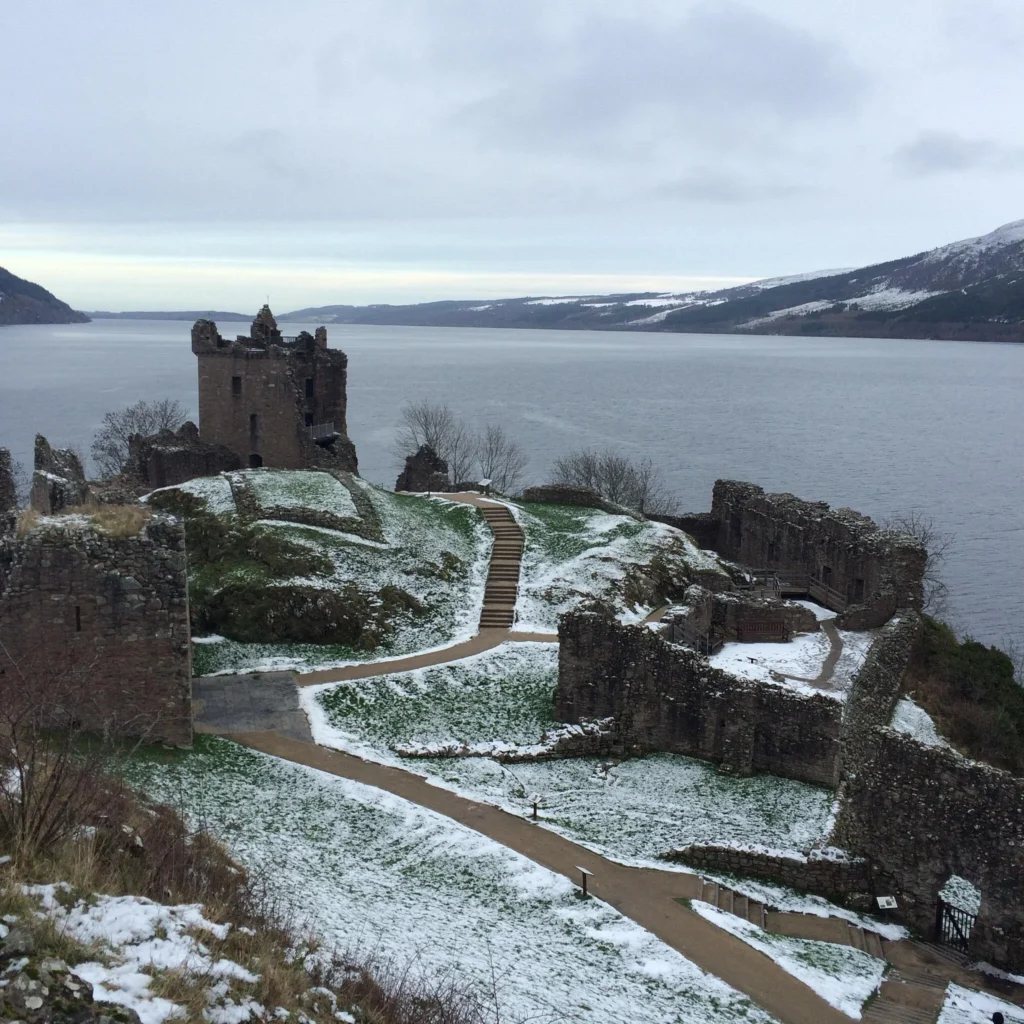
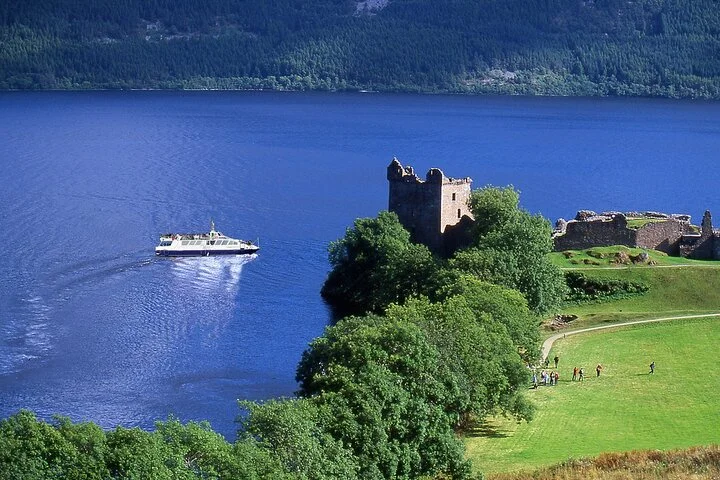
Loch Ness is the most famous nearby destination and stretches for around 23 miles south-west of Inverness. Beyond the legendary monster story, the loch offers dramatic scenery, waterside walks, boat trips and historic sites such as Urquhart Castle.
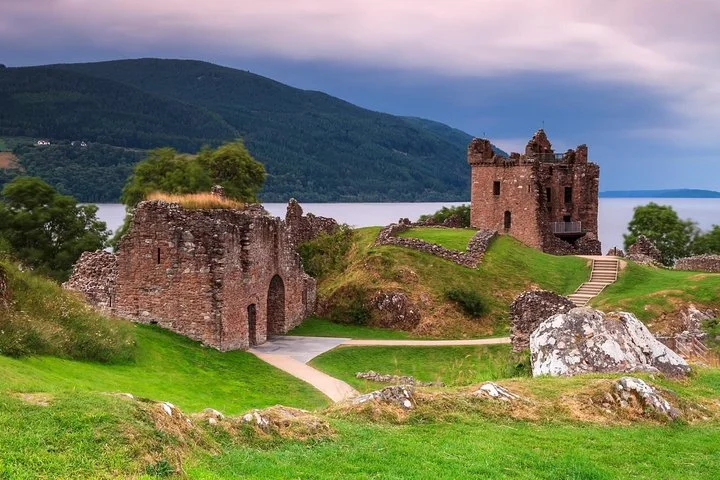
Culloden Battlefield lies east of Inverness and marks the site of the 1746 Battle of Culloden. The battlefield and visitor center provide important context for understanding the Jacobite period and Highland history.
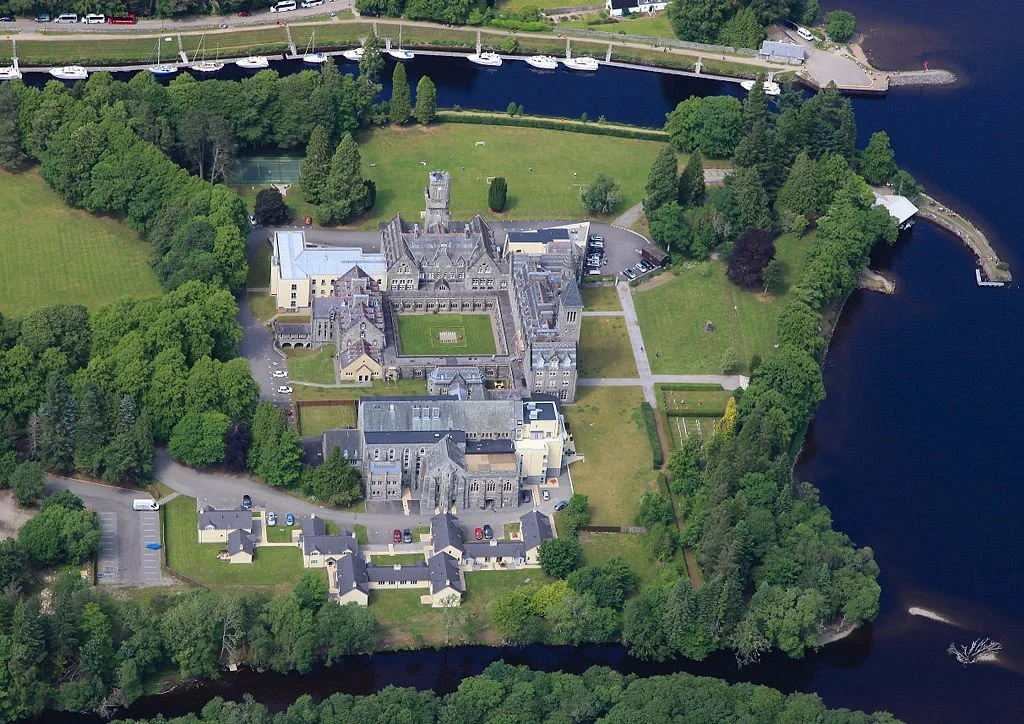
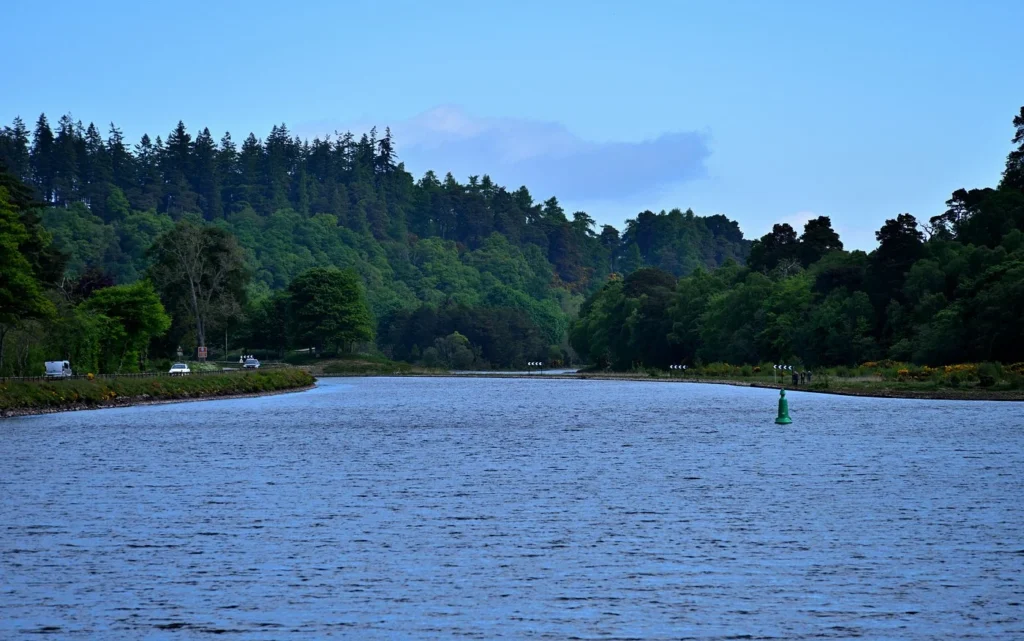
At the southern end of Loch Ness, Fort Augustus is a small village known for its canal locks and lochside setting. It makes a scenic addition to a Loch Ness itinerary.
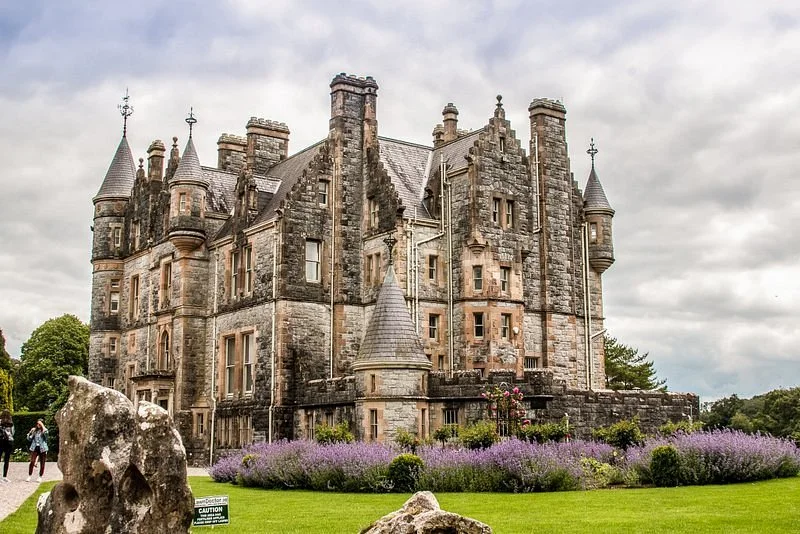
Nairn is a coastal town east of Inverness with sandy beaches, a promenade and views across the Moray Firth. It offers a change from Highland landscapes to a more traditional seaside setting.
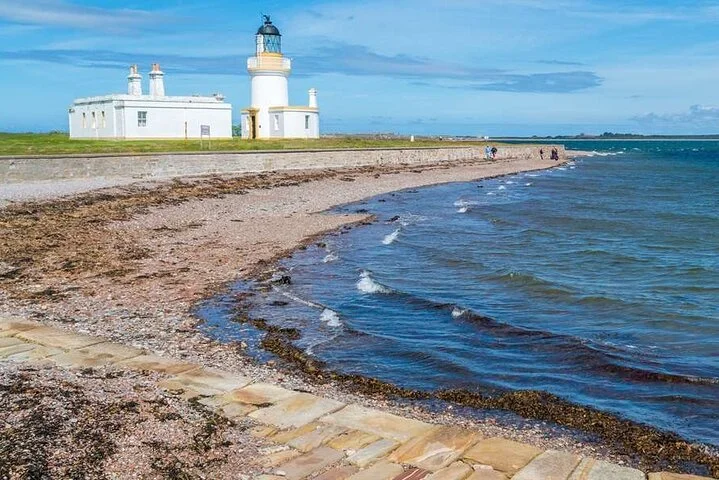
The Black Isle is a peninsula north of Inverness known for coastal scenery, villages, farmland and wildlife. It is close enough for a day trip while offering a noticeably slower pace than the city.
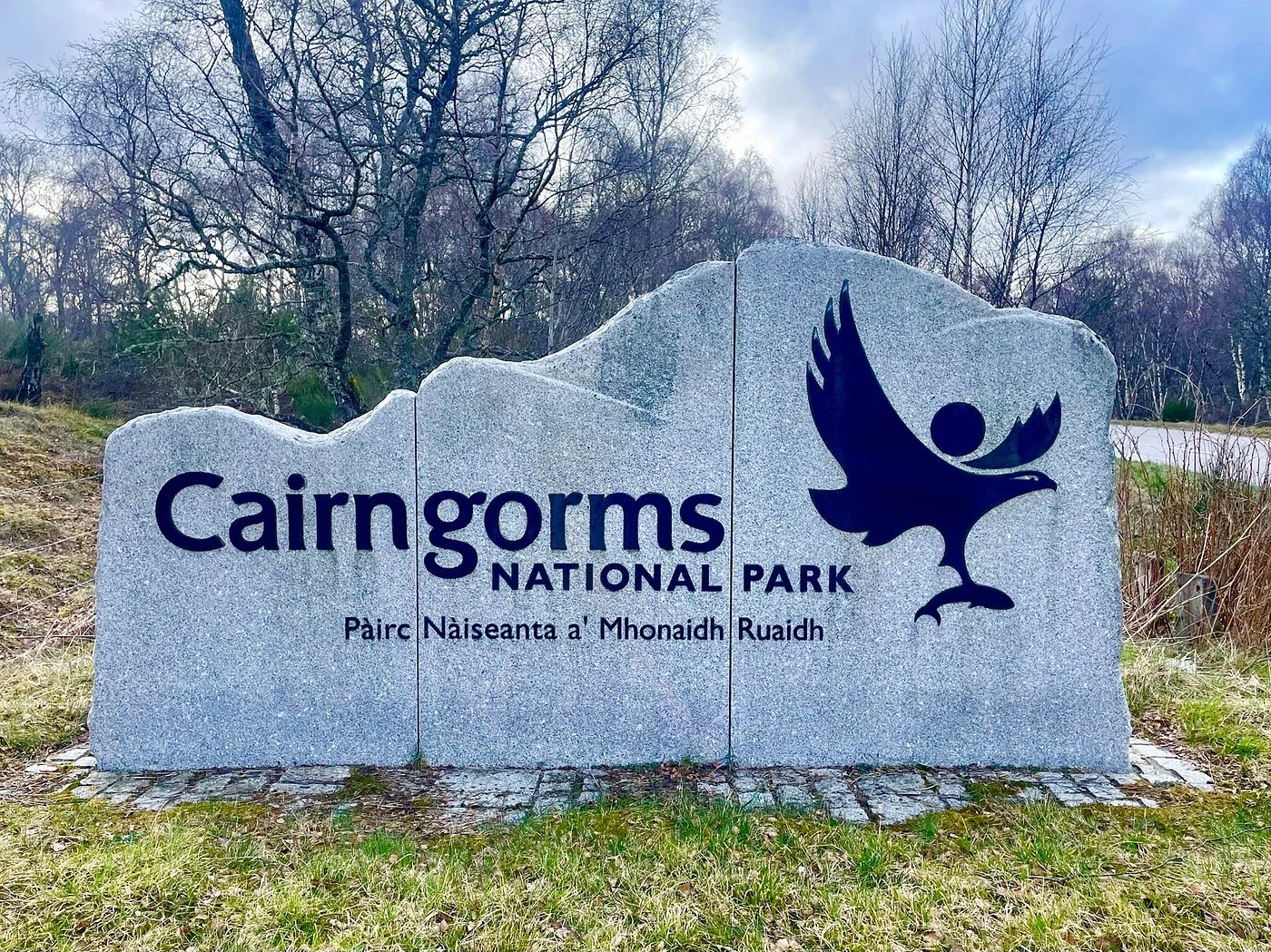
The Cairngorms provide access to some of Scotland's most impressive mountain and woodland landscapes. From Inverness, the park can form part of a longer day trip or wider Highland road trip.
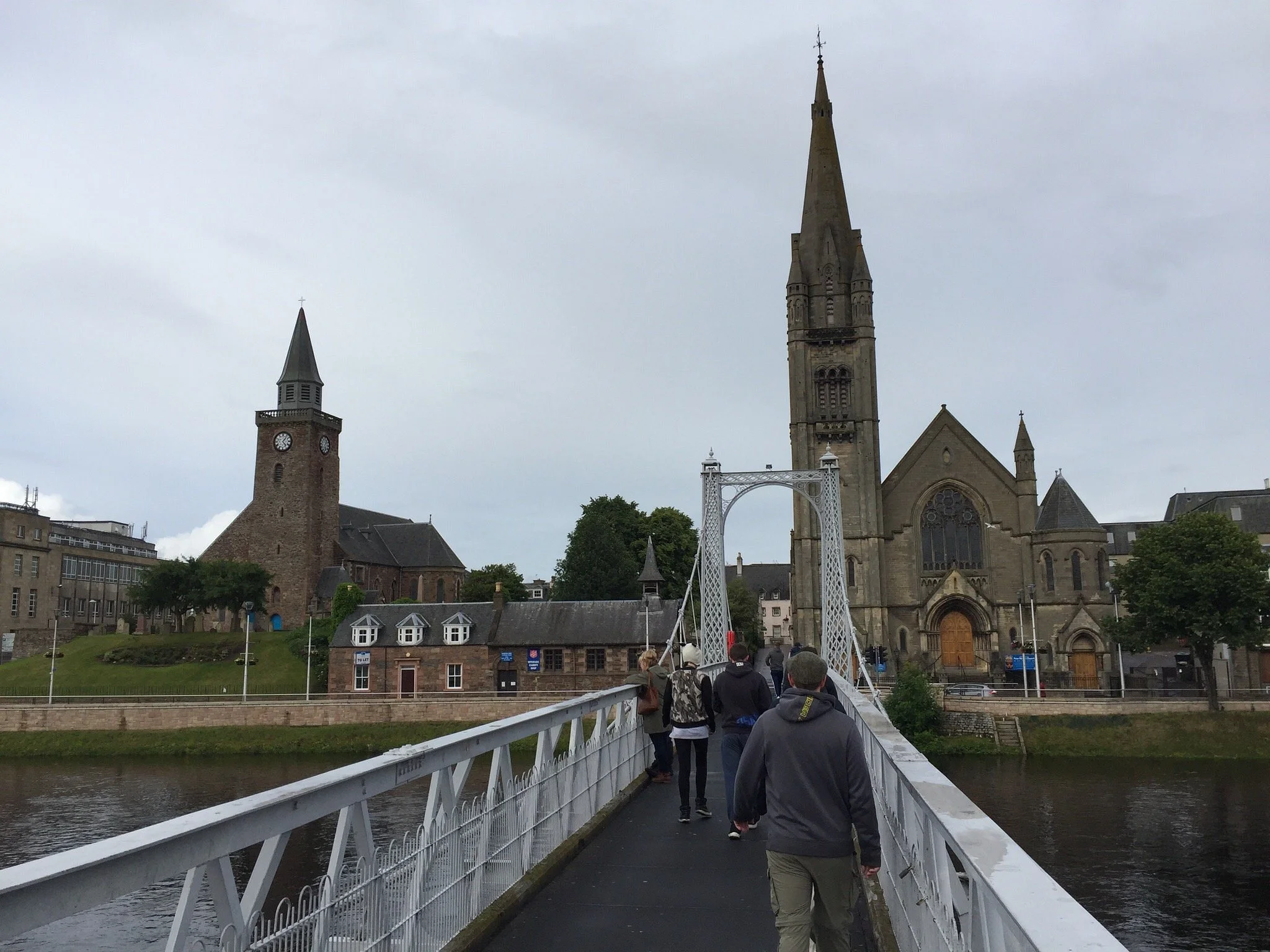
Inverness is well connected by road, rail and air. Inverness railway station sits close to the city center, with services linking the city to destinations including Edinburgh, Glasgow and Aberdeen.
By road, the A9 provides the main route north and south, while the A82 connects Inverness with Loch Ness and Fort William. Inverness Airport is located east of the city and provides another option for visitors traveling to the Highlands.
Central Inverness is compact and many of the main attractions can be reached on foot. Walking along the River Ness is particularly useful for connecting the cathedral, castle area, city center and Ness Islands.
Local buses connect central Inverness with surrounding neighborhoods and nearby destinations. Bus services can be useful for reaching places outside the central walking area without hiring a car.
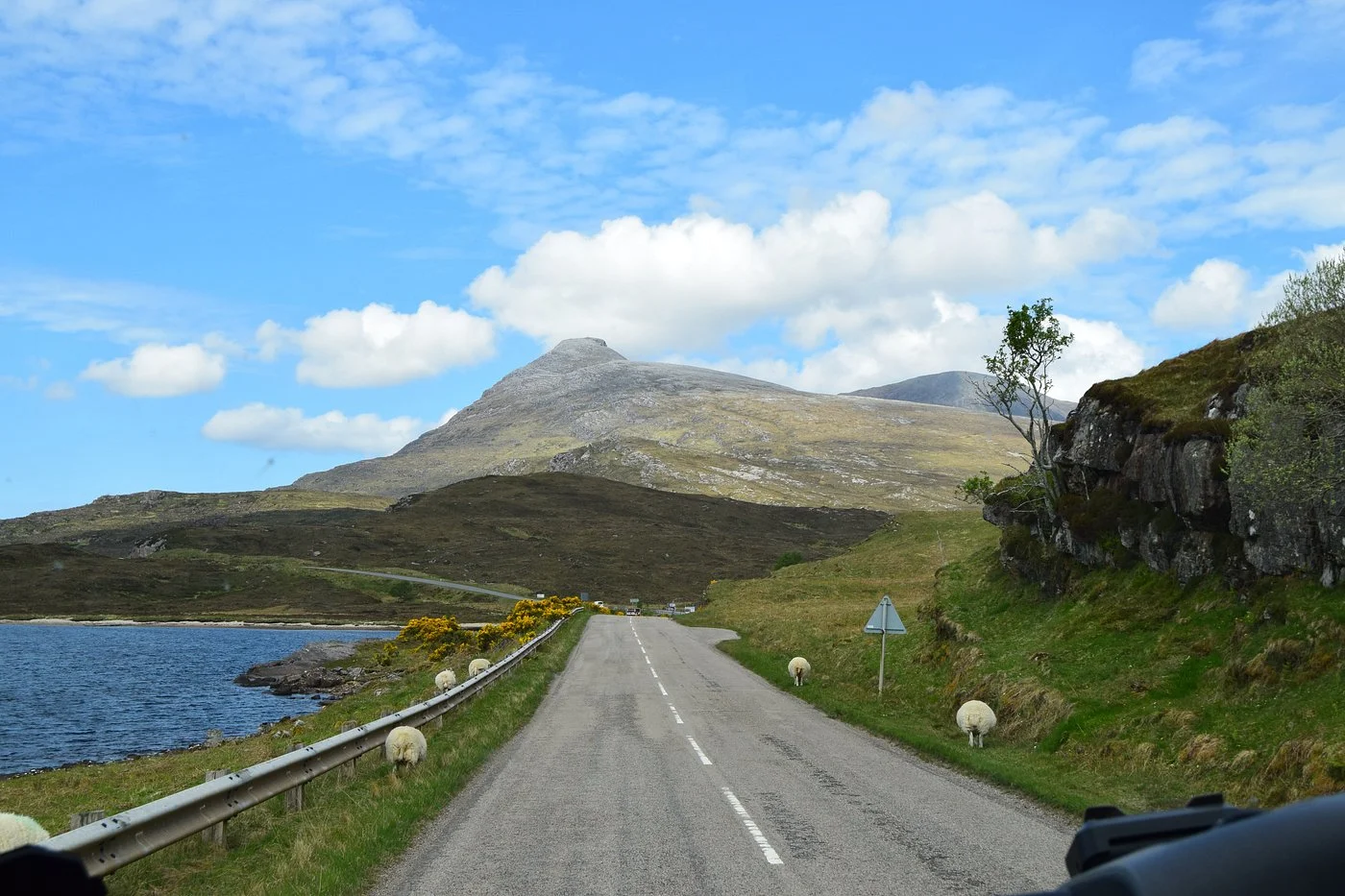
A car provides greater flexibility for exploring Loch Ness, Culloden, the Black Isle and the wider Highlands. If you are planning a longer Highland itinerary, driving can make it easier to reach remote viewpoints and rural attractions.
Inverness feels different from larger Scottish cities because the landscape is always close. The River Ness shapes the center, historic landmarks reveal the city’s past, and the surrounding Highlands begin almost as soon as you leave the urban area.
Whether you stay in a central hotel, guesthouse or self-catering accommodation, the range of places to stay in Inverness makes it possible to base yourself close to the city’s attractions or use the city as a starting point for wider Highland adventures.
Inverness is a natural choice for travelers who want to experience the Highlands without giving up the convenience of a city base. Explore the River Ness, visit the city’s historic and cultural attractions, then venture beyond the center towards Loch Ness, Culloden and the surrounding countryside.
Whether you visit for a short city break or use it as the starting point for a longer Scottish journey, Inverness offers a strong introduction to the character of the Highlands.
Inverness is best known as a Highland city and a gateway to the Scottish Highlands. It is also associated with the River Ness, Loch Ness, Inverness Castle and nearby Culloden Battlefield.
Popular things to do in Inverness include walking along the River Ness, visiting Inverness Castle and Cathedral, exploring the Victorian Market, visiting Inverness Museum and Art Gallery, and walking around the Ness Islands.
Major Inverness attractions include Inverness Castle, Inverness Cathedral, the Victorian Market, Inverness Museum and Art Gallery, the River Ness, Ness Islands and Eden Court Theater.
Some of the best places to visit in Inverness include the River Ness, Inverness Castle, Inverness Cathedral, Ness Islands, the Victorian Market and Inverness Museum and Art Gallery.
The city center is a convenient choice for visitors who want easy access to attractions, restaurants, shops and the River Ness. Areas around the river can also be useful for visitors who prefer a quieter setting while remaining close to central Inverness.