OFFICIAL VISITOR GUIDE
From Roman spa towns to post-industrial cultural capitals, the best British cities to visit combine layered heritage with contemporary energy. Whether you seek the Georgian crescents of Bath or the street art laneways of Glasgow, these cities to visit in UK reward curiosity with distinct civic identities.
The great cities to visit in UK extend far beyond London. Manchester’s warehouse conversions, Edinburgh’s tenement architecture, and Cardiff’s waterfront regeneration each demonstrate unique urban narratives. For those focusing on England specifically, cities to visit in England range from medieval York to avant-garde Margate.
Do not overlook smaller British towns to visit, where cathedral closes, market squares, and independent retailers offer concentrated cultural experiences without metropolitan scale.
Navigate Britain’s urban destinations by region. Filter for UNESCO World Heritage sites, Creative Cities, or cathedral locations.
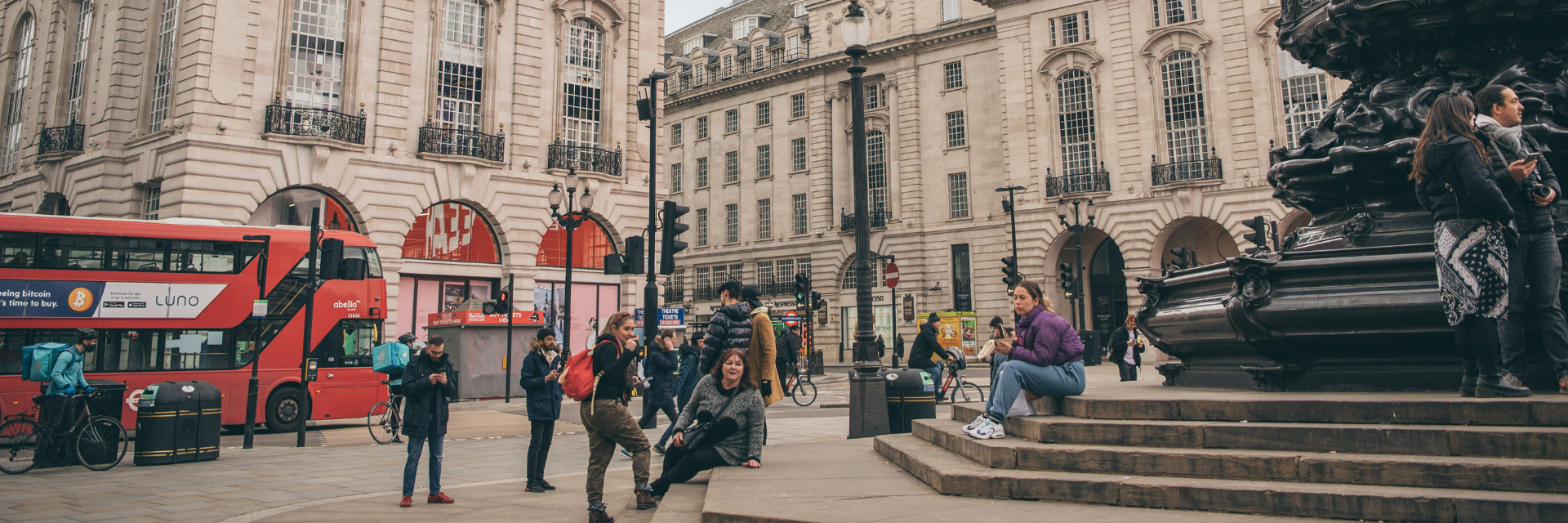
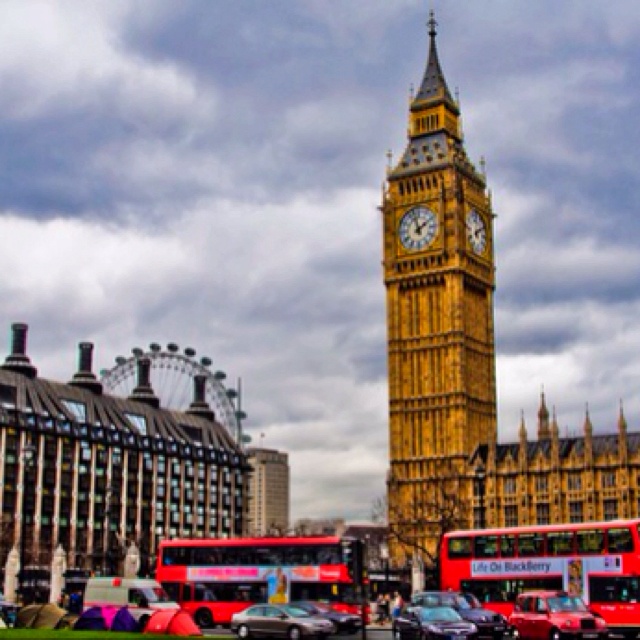
The capital’s 33 boroughs encompass everything from Westminster’s Gothic Revival architecture to Hackney’s regenerated warehouse districts. The South Bank’s cultural quarter and the City of London’s financial history coexist across the Thames.
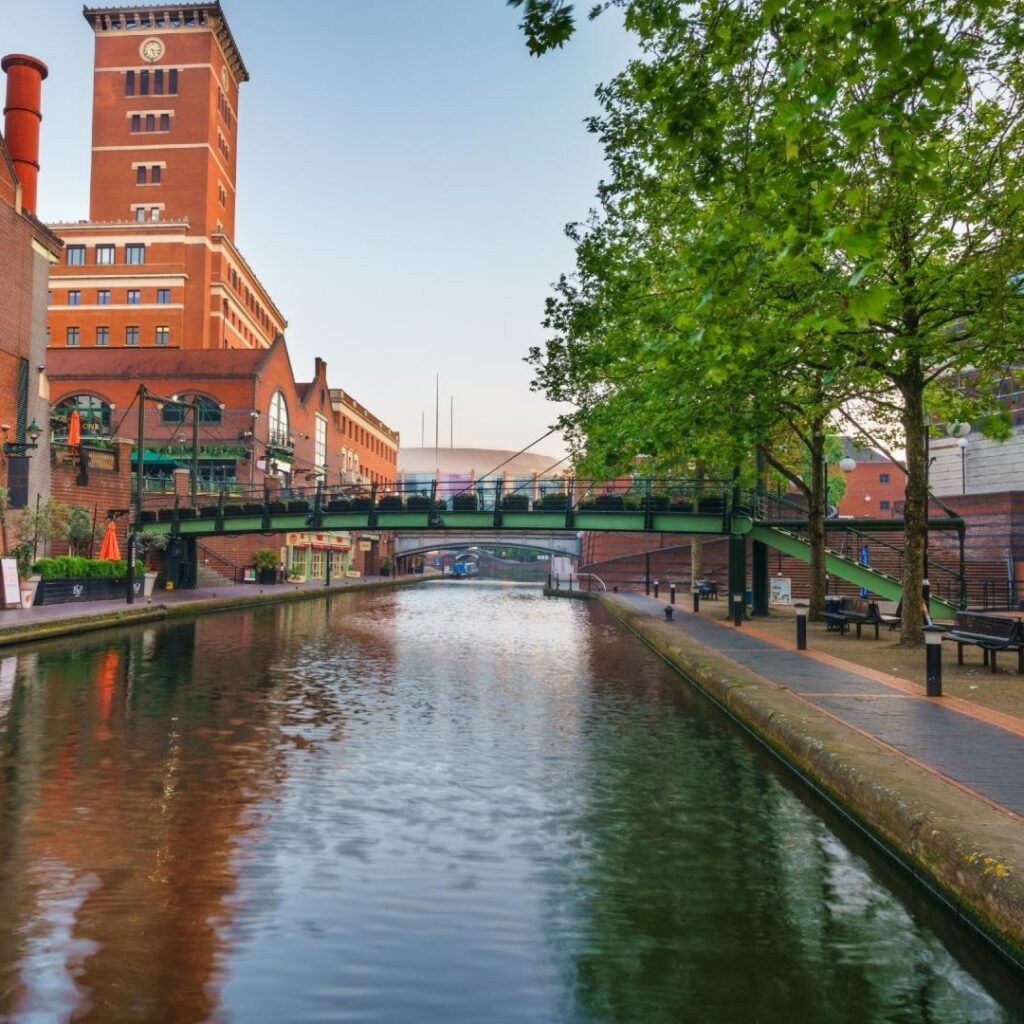
Britain’s second city channels industrial heritage through the Jewellery Quarter’s craft workshops and the Custard Factory’s creative enterprises. The Grand Central shopping complex and Digbeth’s independent venues showcase the city’s ongoing renaissance.
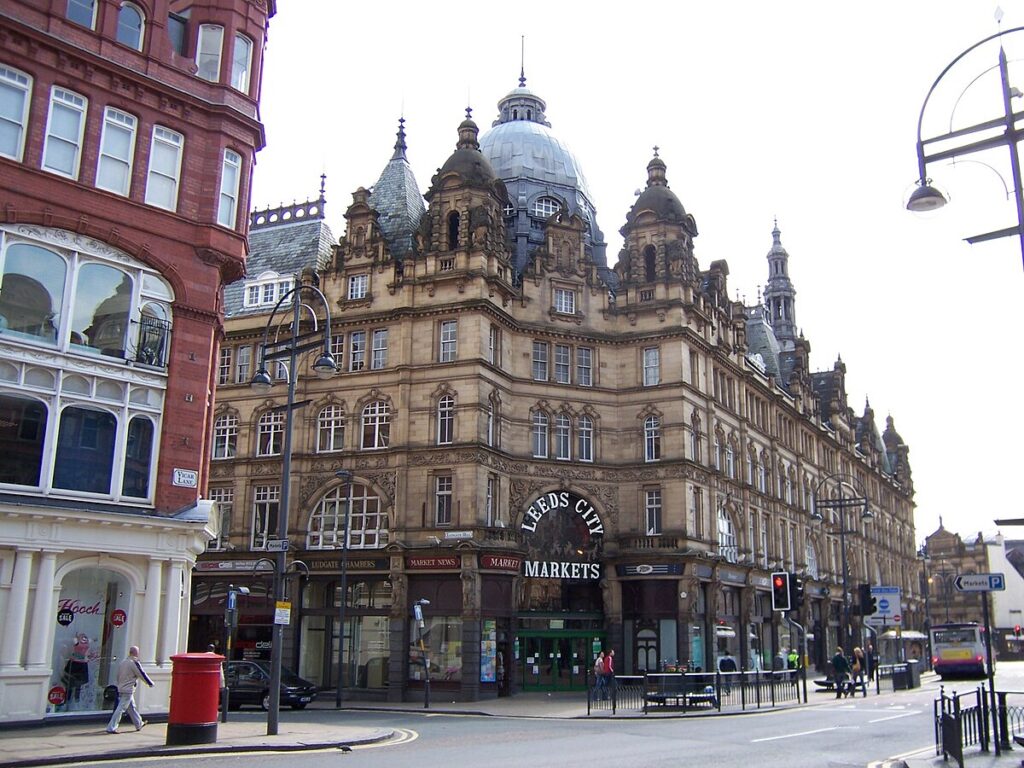
Victorian arcades house independent retailers beneath glass and wrought iron canopies. The West Yorkshire Playhouse and the Henry Moore Institute anchor a northern cultural circuit distinct from London’s gravitational pull.
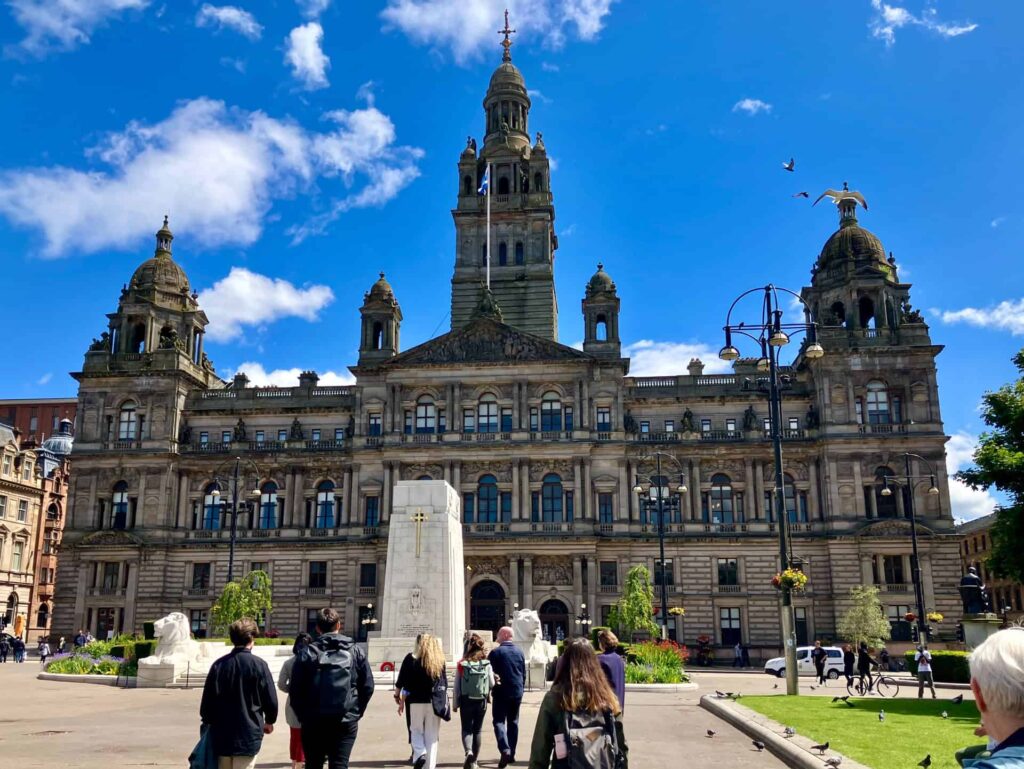
Scotland’s style capital delivers Mackintosh architecture, the Kelvingrove’s civic art collection, and the Barras market’s unvarnished character. The Dear Green Place lives up to its name with over 90 parks and gardens.

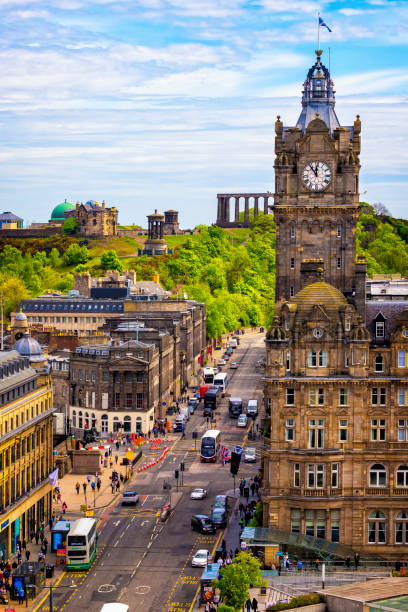
The Athens of the North balances medieval tenements along the Royal Mile against neoclassical New Town symmetry. Arthur's Seat provides an extinct volcano hiking circuit within city limits, while August's Festival Fringe transforms the entire population into performers and audiences.
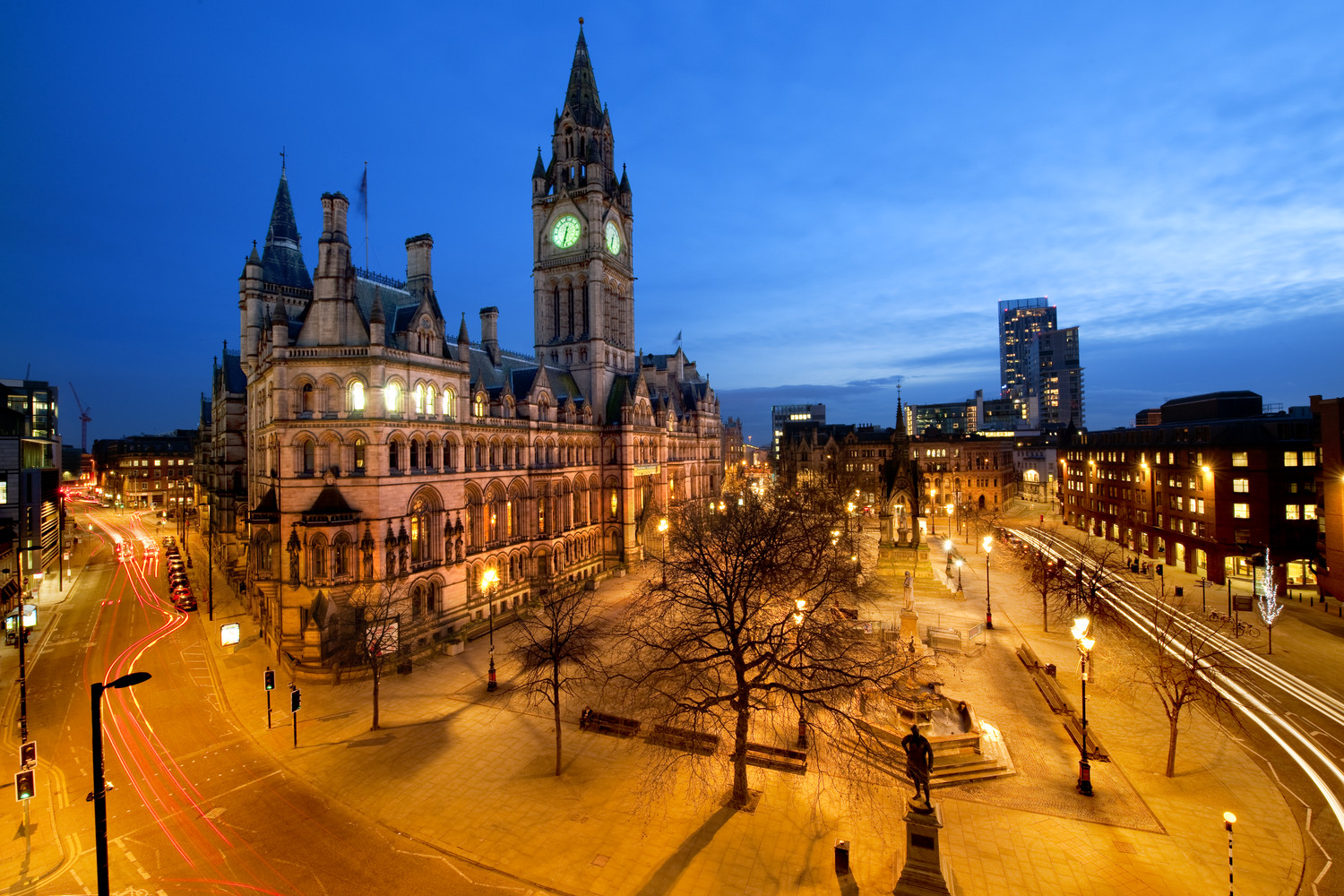
The world's first industrial city now channels capital into the Northern Quarter's independent retail and the Whitworth's gallery extension. Two globally significant football institutions and the Science and Industry Museum anchor its innovation narrative.
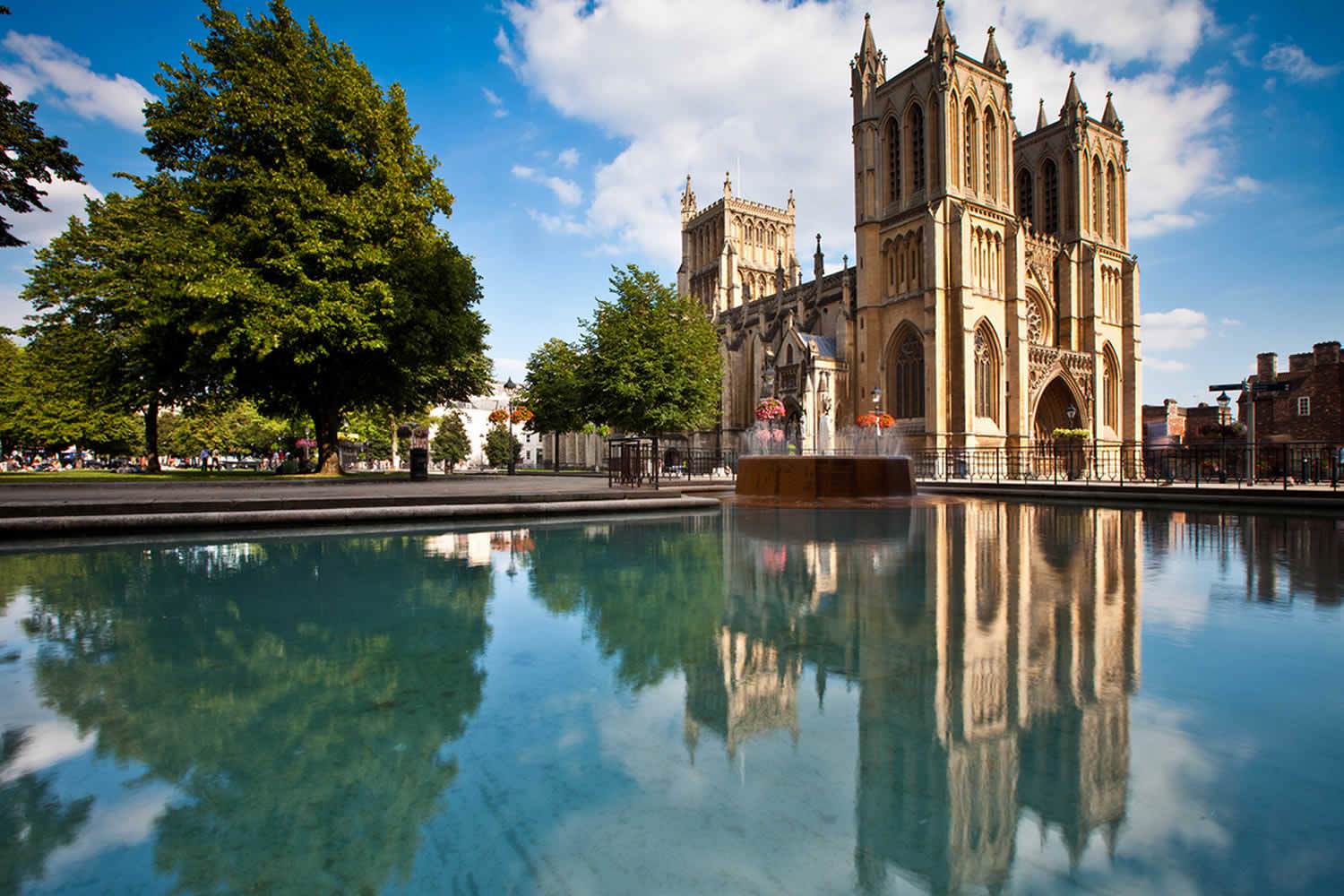
Brunel's SS Great Britain and the Clifton Suspension Bridge meet Banksy's street art origins in the Stokes Croft district. The harbourside's regenerated warehouses and the Wapping Wharf cargo container dining quarter demonstrate post-industrial adaptation.
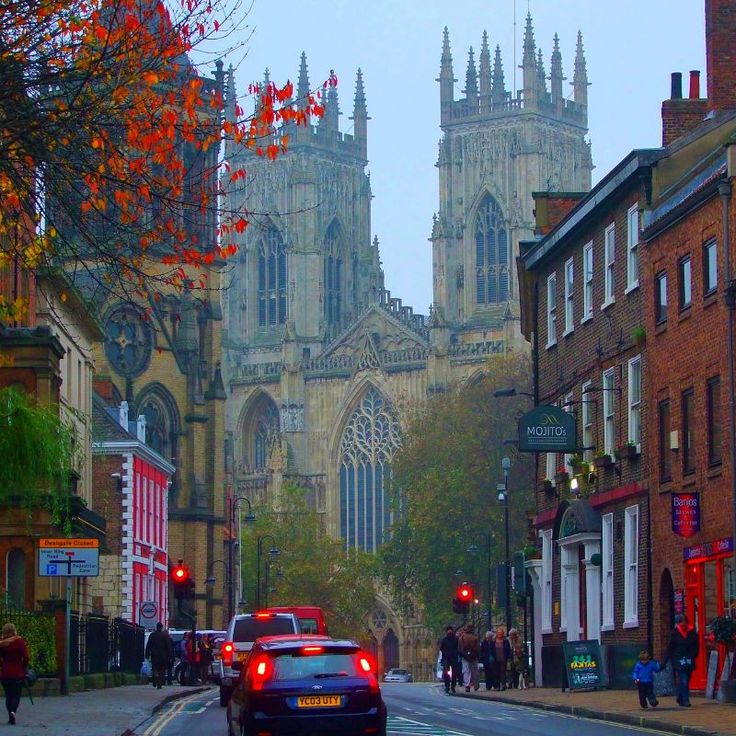
Two thousand years of visible history from Roman Eboracum to Viking Jorvik. The Minster's medieval stained glass and the Shambles' overhanging timber frames create an intact historic core rarely found in cities of this scale.
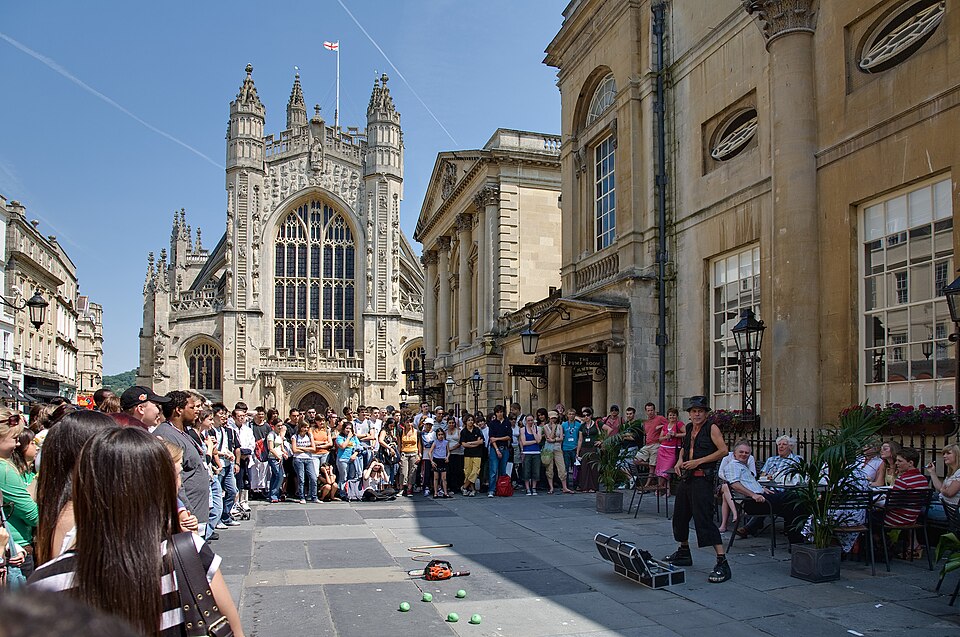
Georgian crescents built from honey-coloured Bath stone, the Roman Baths' thermal springs, and the Holburne Museum's art collections. A UNESCO World Heritage city compact enough to navigate on foot.
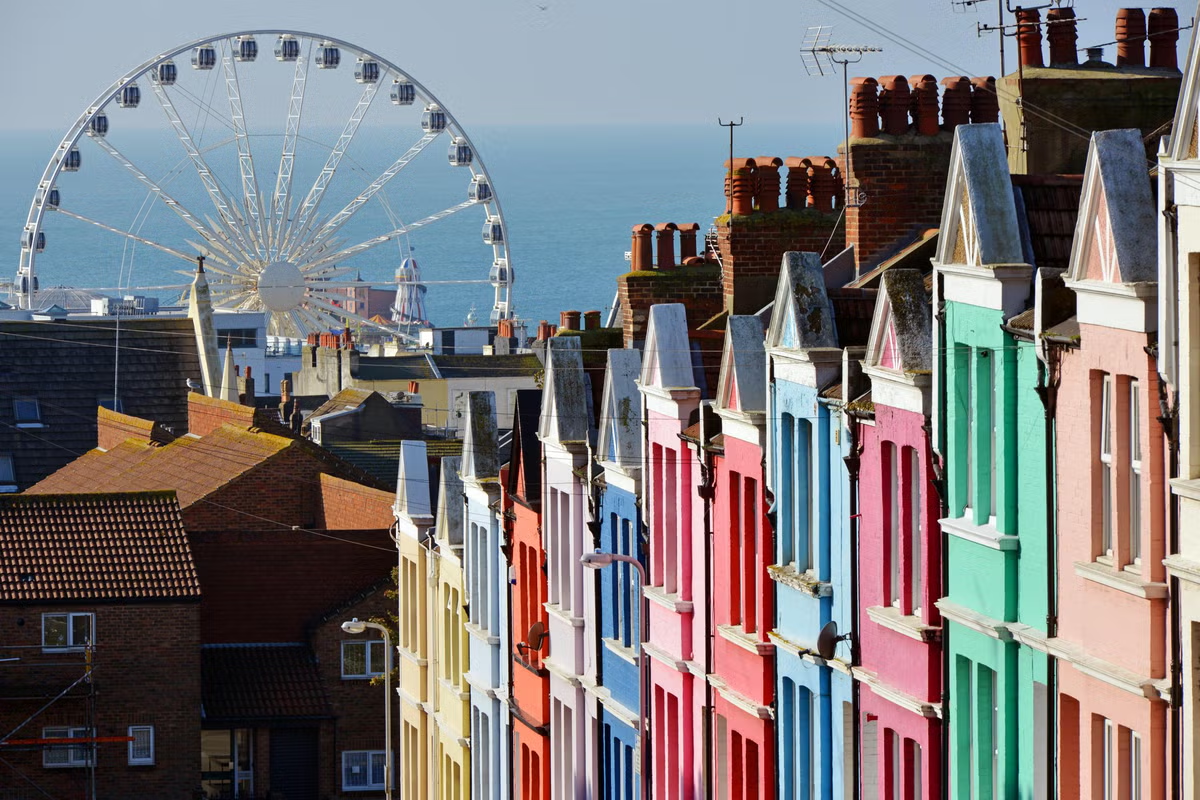
Regency seafront architecture meets the Lanes' bohemian retail network. The Palace Pier's amusement traditions and the British Airways i360's coastal views serve England's most forward-looking seaside city.
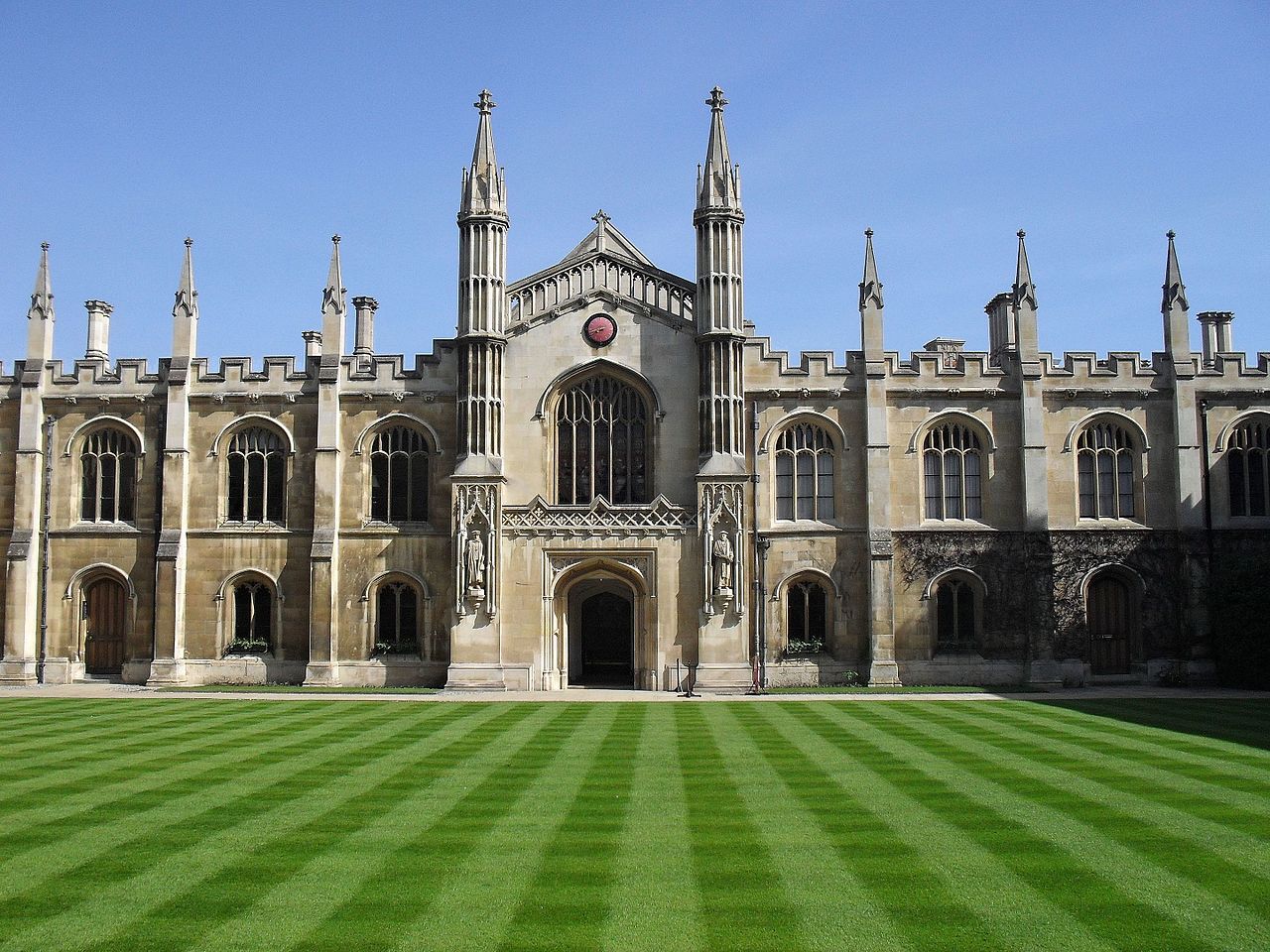
Medieval college courts, the Backs' riverside gardens, and the Fitzwilliam Museum's antiquities. Punting past the Mathematical Bridge and King's College Chapel remains an essential English experience.
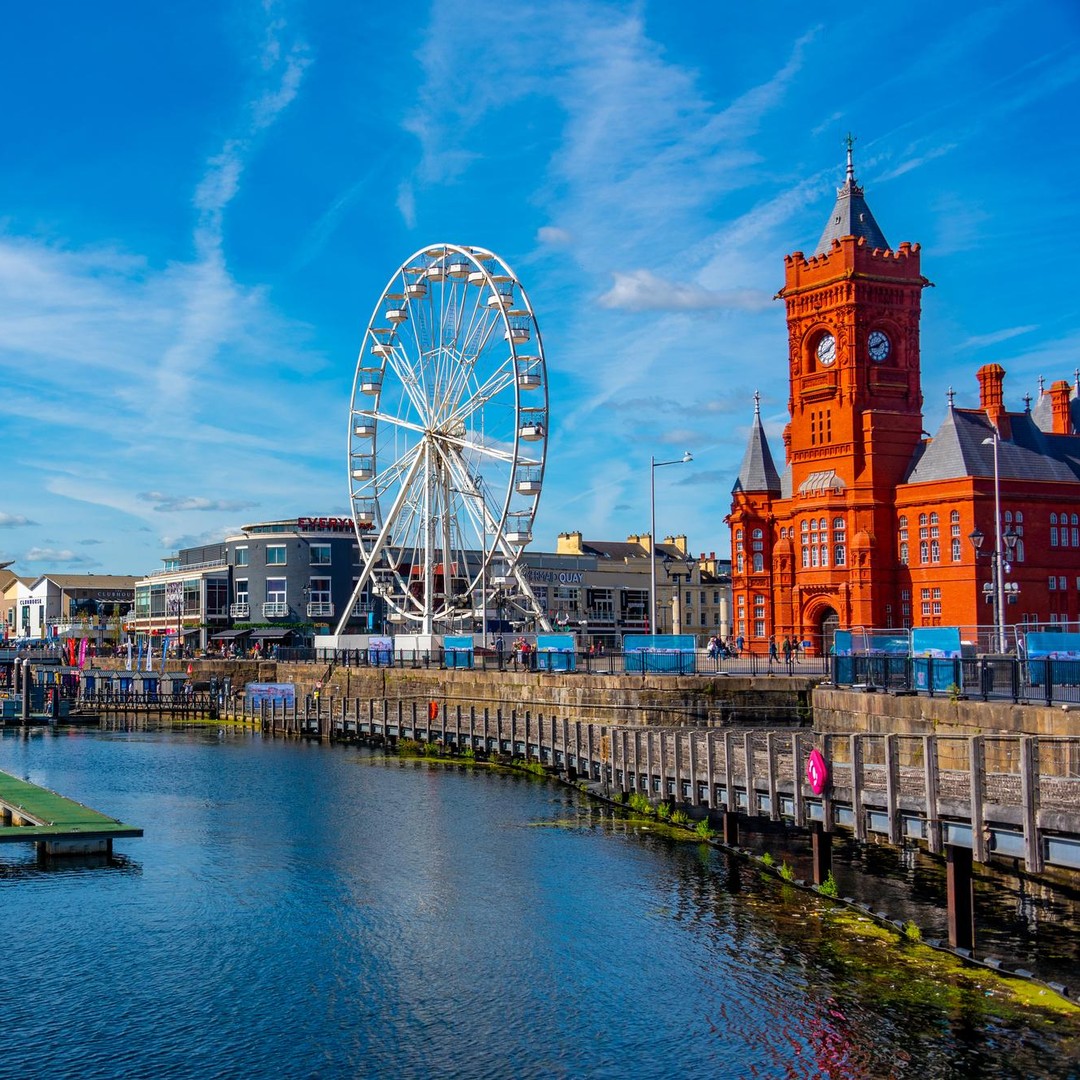
The world's oldest multicultural capital. The Principality Stadium's matchday energy, Cardiff Castle's Victorian Gothic revival, and the Bay's waterfront regeneration surrounding the Senedd parliament building.

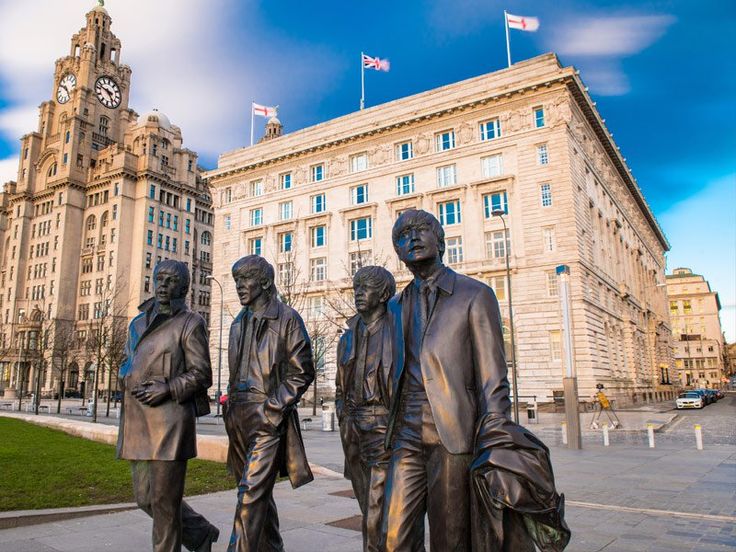
Maritime mercantile heritage permeates the Royal Albert Dock's warehouse conversions and the Beatles Story's Cavern Club recreation. More museums than any UK city outside London populate the UNESCO waterfront.
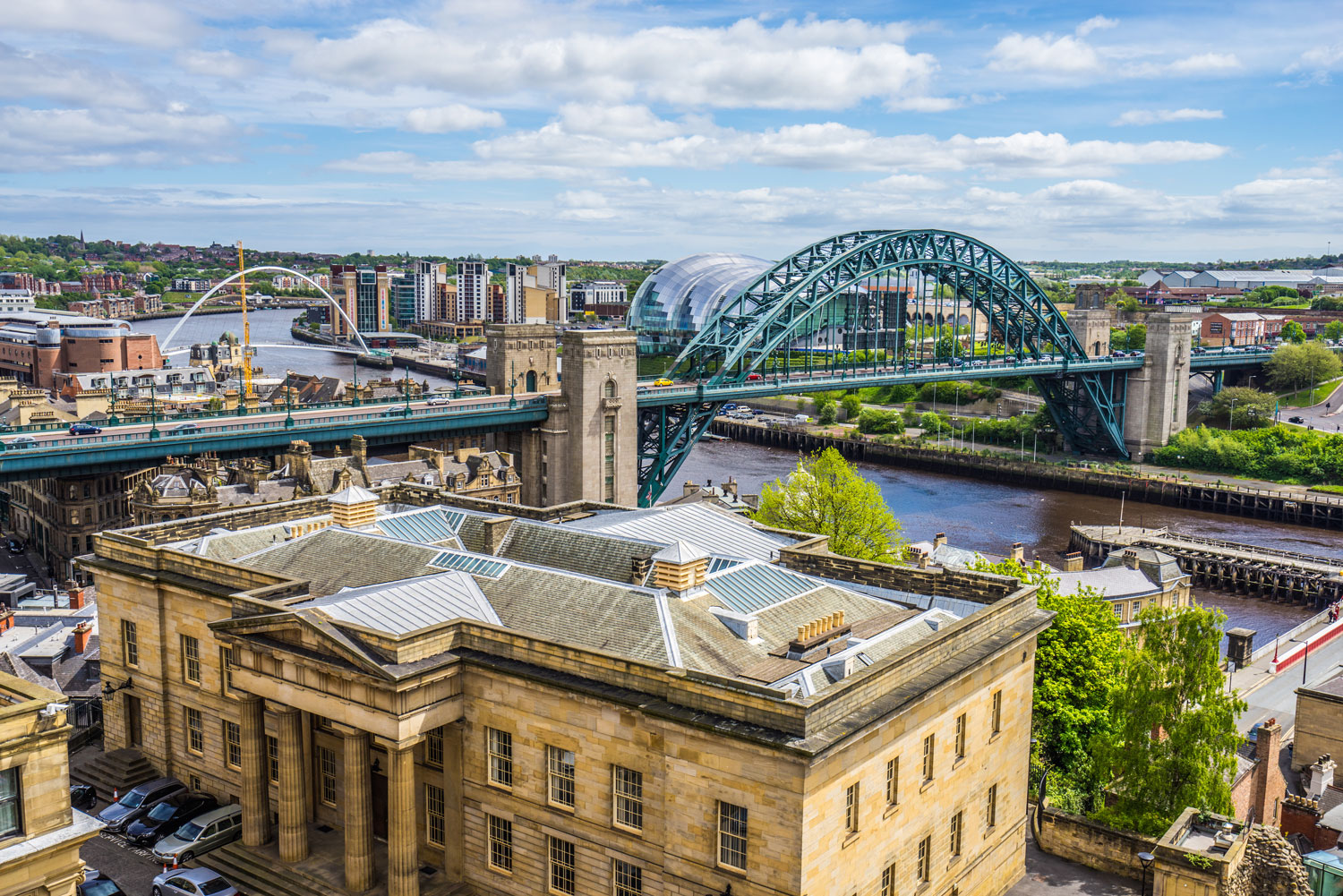
Seven bridges span the Tyne, from the Millennium Bridge's tilting eye to the Tyne Bridge's art deco steelwork. The Baltic Centre's contemporary art and the Ouseburn Valley's craft breweries define modern Tyneside.
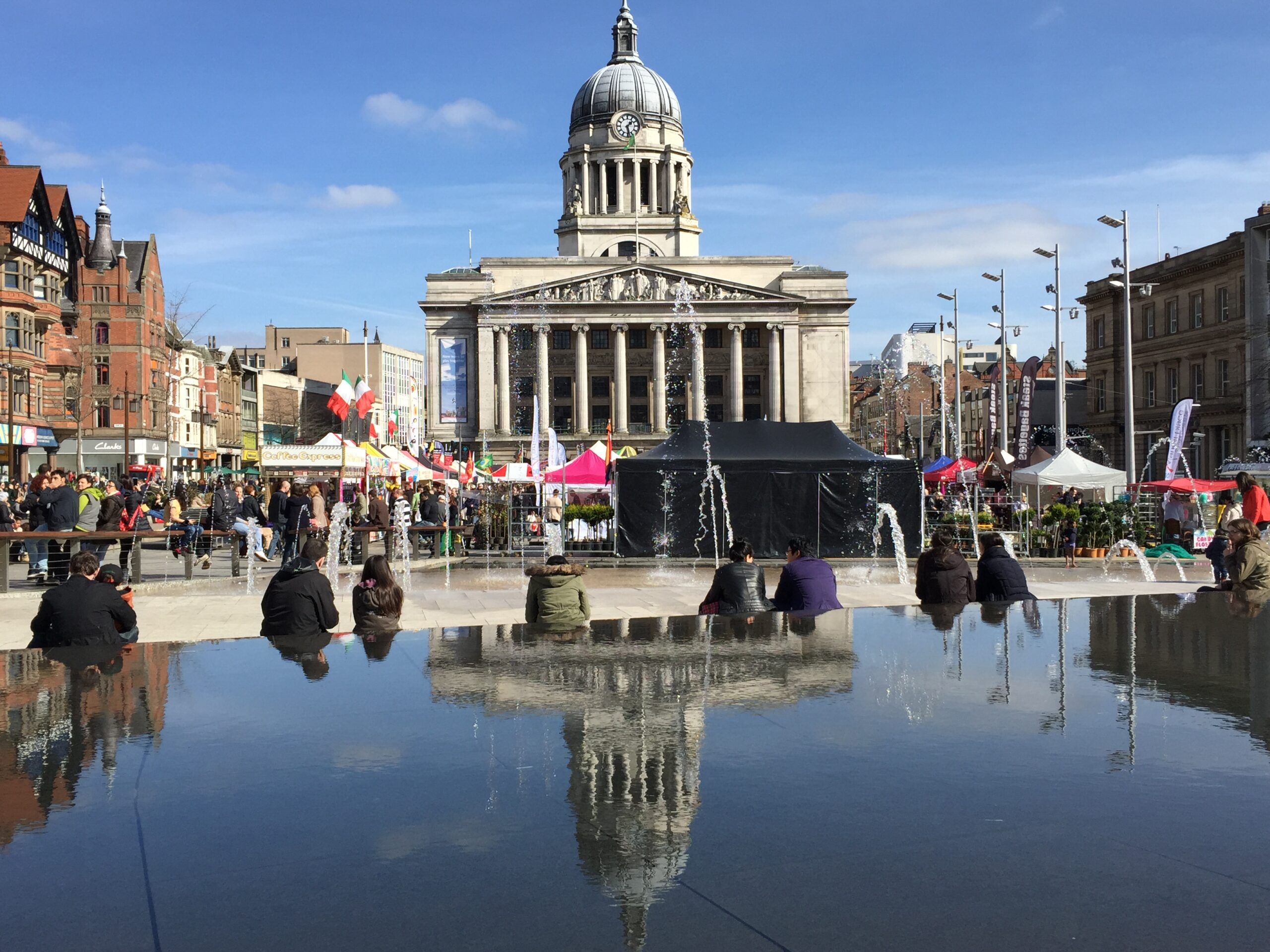
The Castle's Ducal mansion, the City of Caves' medieval sandstone tunnels, and the Lace Market's industrial heritage. Legend maintains the Sheriff's jurisdiction here, though modern governance differs.
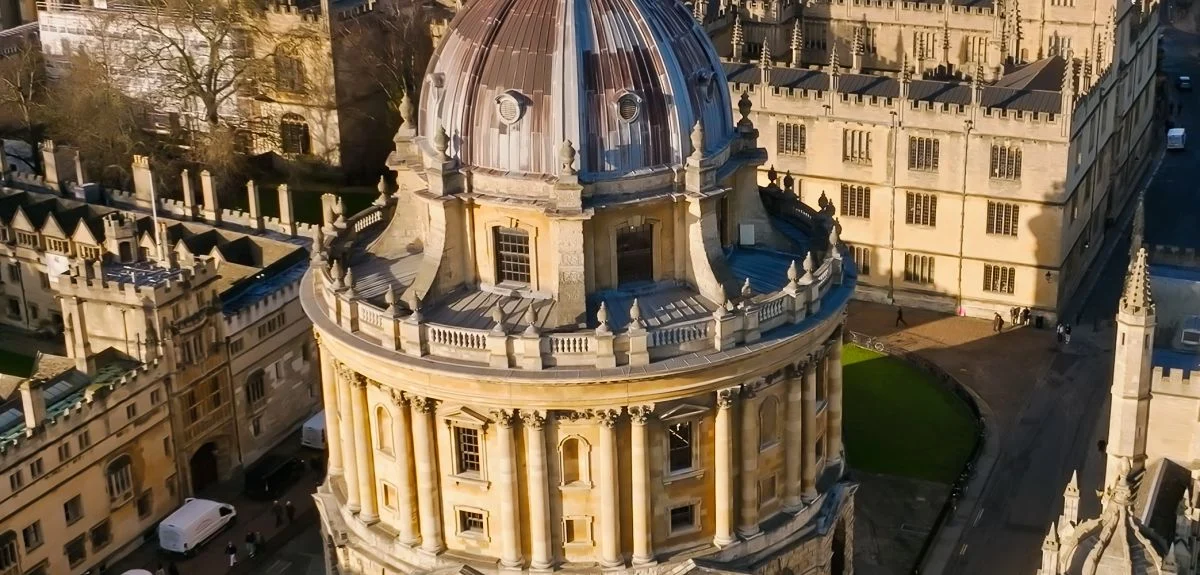
The dreaming spires and the Bodleian Library's 13 million printed items. Punting past college boathouses and the Ashmolean's Anglo-Saxon treasures establish the oldest university in the English-speaking world.
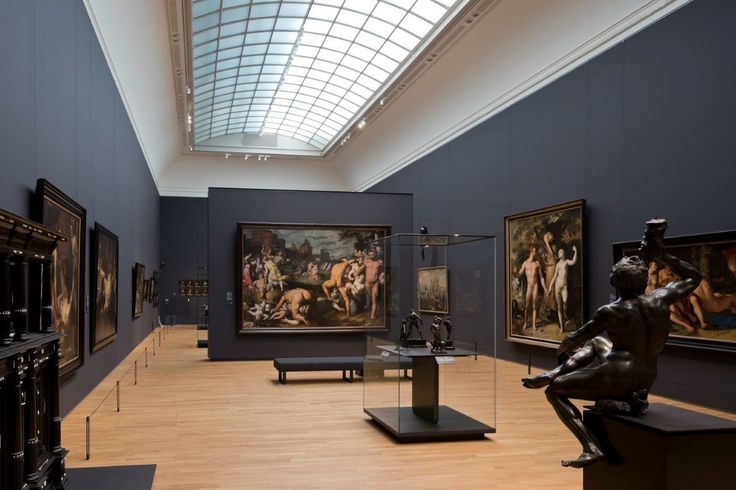
Essential city experiences from cultural institutions to historic quarters.
The UK houses some of the world’s most famous museums, from London’s British Museum and Tate galleries to Glasgow’s Kelvingrove and Liverpool’s Walker Art Gallery. National collections offer free entry, making them essential sightseeing places in uk for culture lovers.
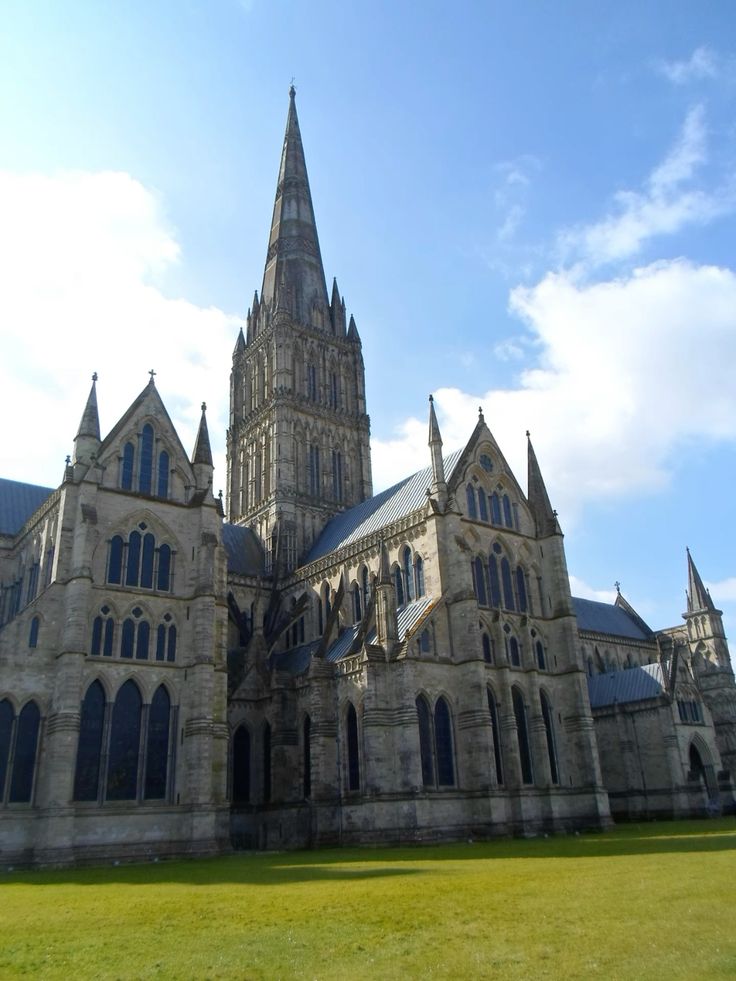
Medieval masterpieces like York Minster, Durham Cathedral, and Westminster Abbey dominate city skylines. These British towns to visit often grew around these ecclesiastical centers, preserving lanes and quarters unchanged for centuries.
From Borough Market’s artisan stalls to Birmingham’s Balti Triangle and Manchester’s Arndale Market. The best british cities to visit combine historic market halls with street food quarters and Michelin-recognized dining districts.
Oxford Street’s flagship stores, Edinburgh’s Princes Street, Leeds’ Victorian arcades, and Bristol’s independent Clifton Village. Each city offers distinct retail therapy from luxury boutiques to vintage treasure hunting.
Britain’s landscapes complement its urban destinations. Pair city breaks with coastal retreats or countryside escapes
Prefer mountain-top hikes or summer meadows? Head to our quintessential countryside – it’s full of surprises. Grab a mountain bike for epic trails, fly over a forest on a zipline and sample the goods at a vineyard.

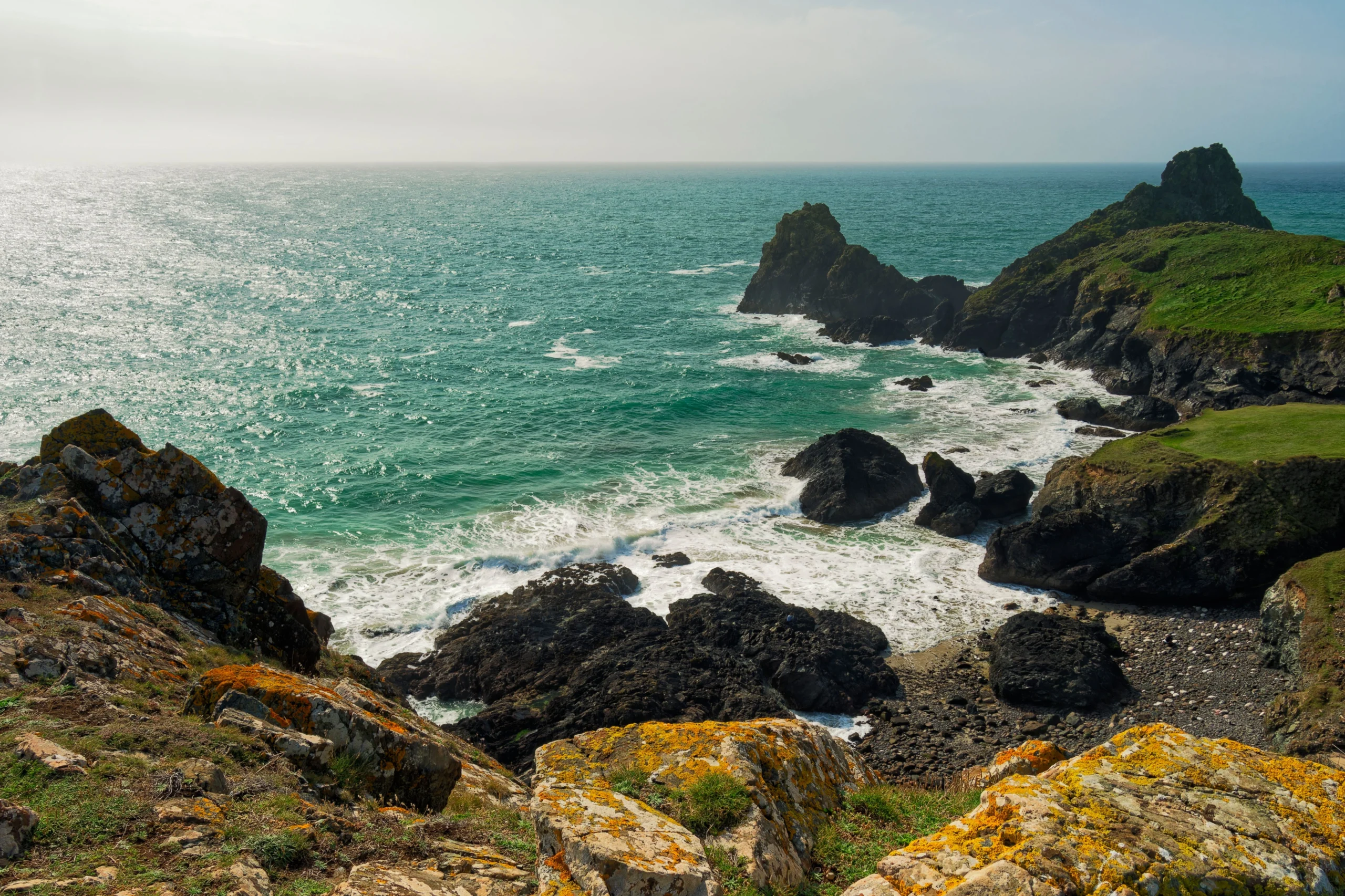
The Heritage Coastlines of Cornwall, Pembrokeshire, and Northumberland offer counterpoints to urban intensity. Fossil hunting on the Jurassic Coast or surfing at Newquay balances cathedral city touring.

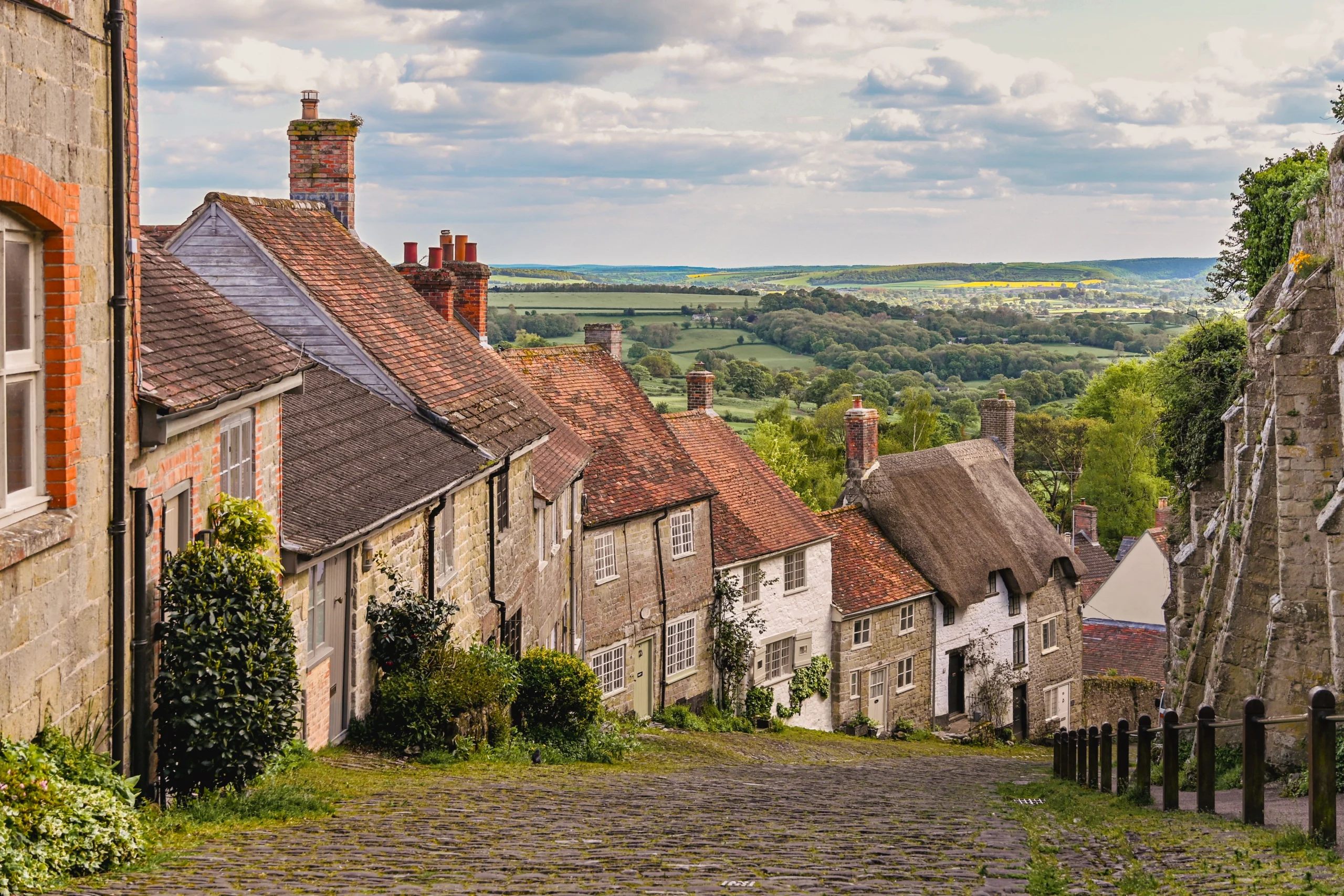
The Lake District's Wainwright fells and the Cotswolds' oolitic limestone villages sit within two hours of major cities. National Parks provide wilderness access without long transfers from your city base.
Head to Visit Hull for insider tips from those in the know.
London’s Underground and bus network covers the entire capital. Outside London, Manchester’s Metrolink and Newcastle’s Metro provide efficient light rail systems. Edinburgh and Birmingham also offer extensive bus networks. Most city centres are compact enough to navigate on foot.
Bath and York rank highest for walkability, with compact historic centres free from heavy traffic. Cambridge’s city centre bans cars entirely in many areas. Edinburgh’s Old Town and New Town connect well on foot, while Oxford’s collegiate layout encourages pedestrian exploration.
Manchester’s Northern Quarter offers live music venues and craft breweries. Newcastle’s Bigg Market and Quayside provide energetic bar scenes. London obviously dominates for variety, but Bristol’s Stokes Croft and Glasgow’s West End deliver distinct local character without capital prices.
Northern English cities like Liverpool, Manchester, and Leeds offer hotel rates 40% lower than London. Glasgow and Cardiff also provide affordable accommodation and dining. University towns like Sheffield and Nottingham maintain reasonable prices due to student populations.
Birmingham’s Balti Triangle claims the UK’s most concentrated curry houses. Manchester’s Ancoats district holds numerous Michelin mentions. Bristol’s harbourside cargo container dining and Edinburgh’s fine dining scene around Stockbridge offer serious culinary credentials.
Edinburgh suits history enthusiasts and festival-goers with its UNESCO architecture and castle. Glasgow offers better value, superior contemporary art venues, and more authentic local character. Edinburgh impresses visually; Glasgow welcomes more warmly. Both are great cities to visit in UK itineraries.
Cotswolds towns like Bibury and Castle Combe feature honey-coloured stone and medieval bridges. York’s Shambles offers timber-framed authenticity. Bath displays uniform Georgian elegance. For coastal charm, Whitby in North Yorkshire combines abbey ruins with harbour views.
York provides 2,000 years of visible history from Roman walls to Viking archaeology. Bath offers intact Roman thermae and Georgian crescents. Durham’s Norman cathedral and castle form a UNESCO ensemble. Chester maintains complete Roman and medieval wall circuits.
Yes, significantly. Expect to pay 30-50% less for accommodation in Manchester, Liverpool, or Leeds. Restaurant bills average 25% lower. Pint prices in Northern pubs remain substantially below London rates. Public transport also costs less, with day passes often half the price.