

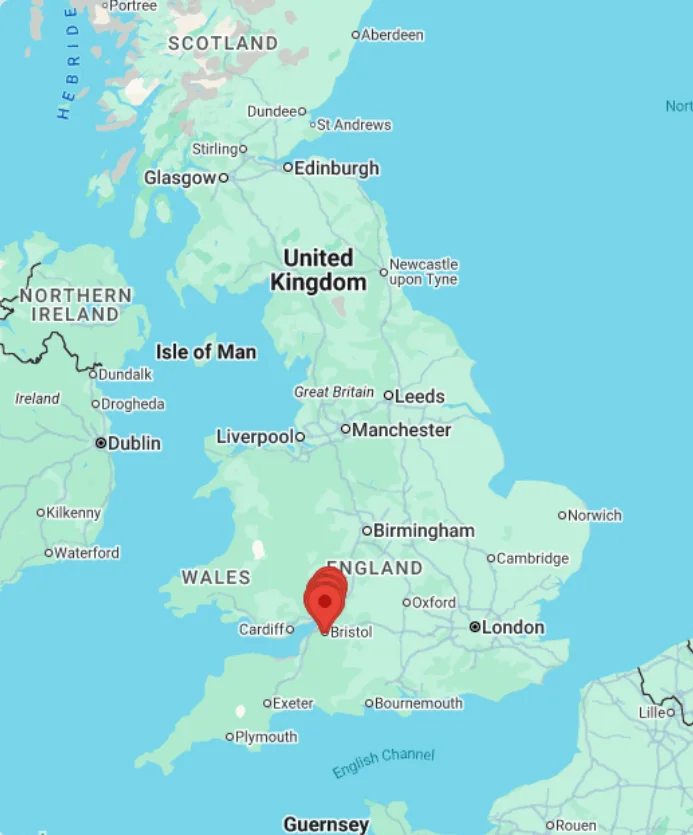
Bristol is a lively city in the southwest of England, known for its maritime history, creative culture, distinctive neighborhoods, and famous landmarks. From the harborside and historic ships to the Clifton Suspension Bridge, museums, markets and street art, the city offers a mix of experiences that feels distinctly its own.
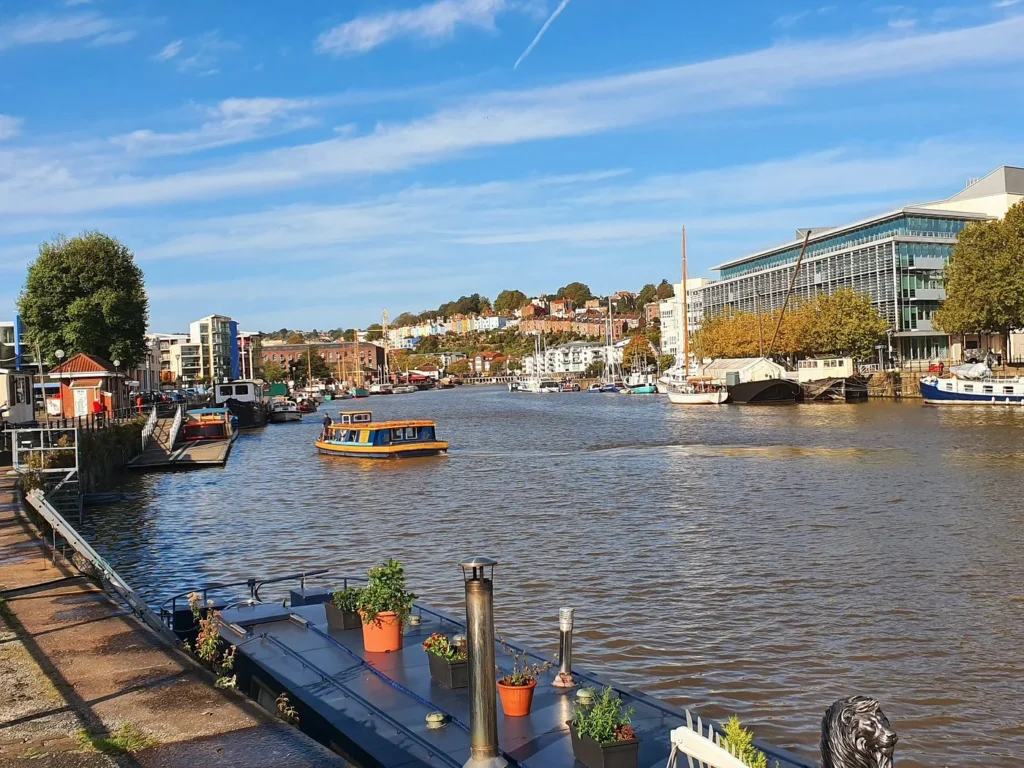
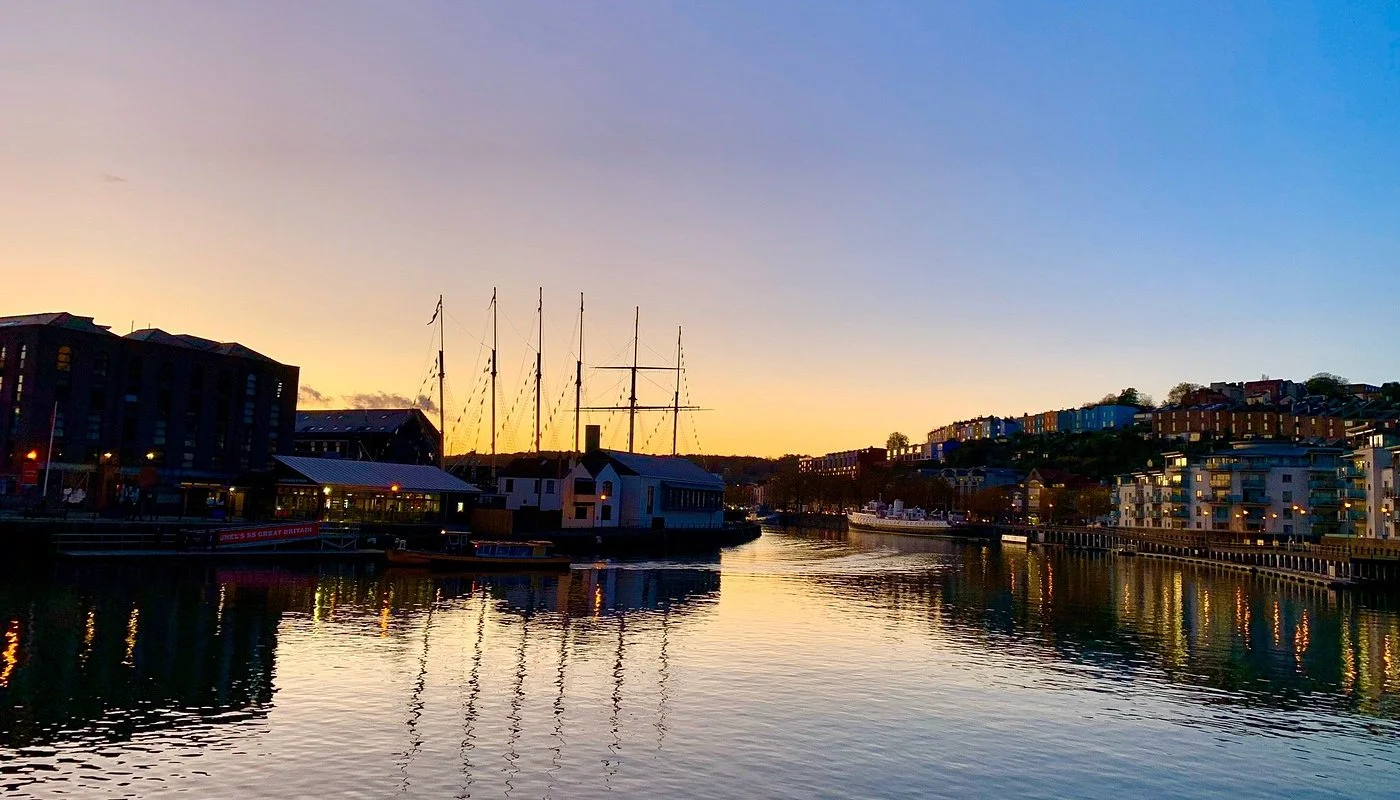
Bristol’s maritime past remains visible throughout the city. The Floating Harbour, historic docks and Brunel’s SS Great Britain connect the modern city with its trading and engineering heritage, while the Harbourside has developed into one of Bristol’s busiest areas for culture, food and entertainment.
Bristol has a strong reputation for independent culture, from street art and live music to galleries, theaters, and unusual local businesses. You can move from historic architecture to colorful murals and contemporary venues within a short walk, giving different parts of the city their own identity.
There are plenty of things to do in Bristol, whether you are interested in history, architecture, art, food, shopping or simply exploring a city with plenty of character. Its compact central areas also make it easy to combine major sights with independent neighborhoods and waterfront walks.
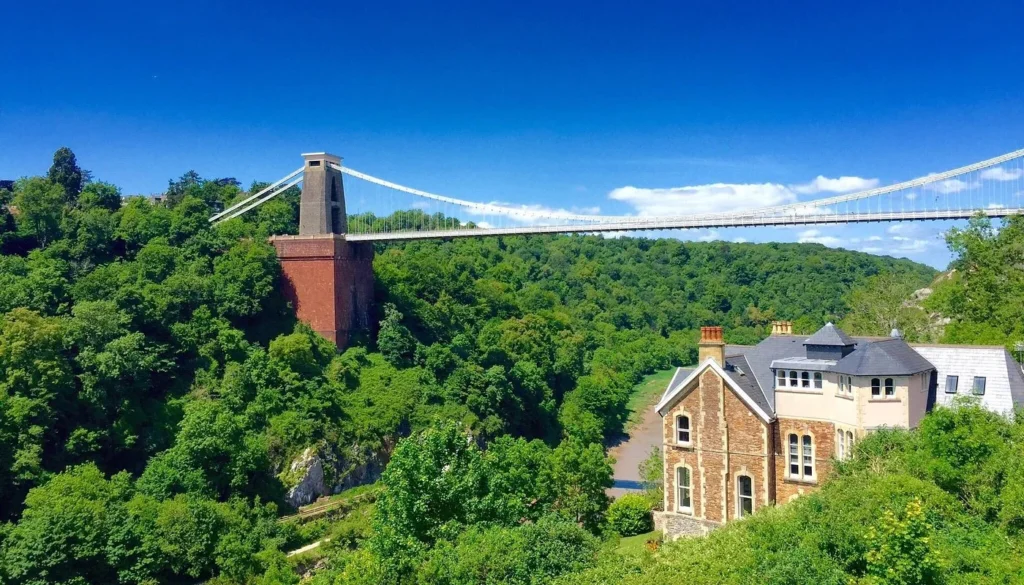
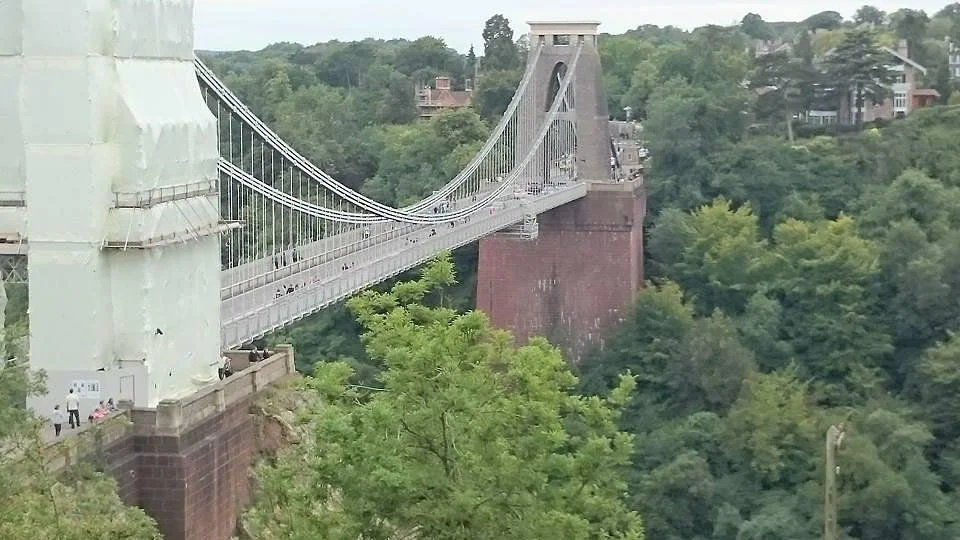
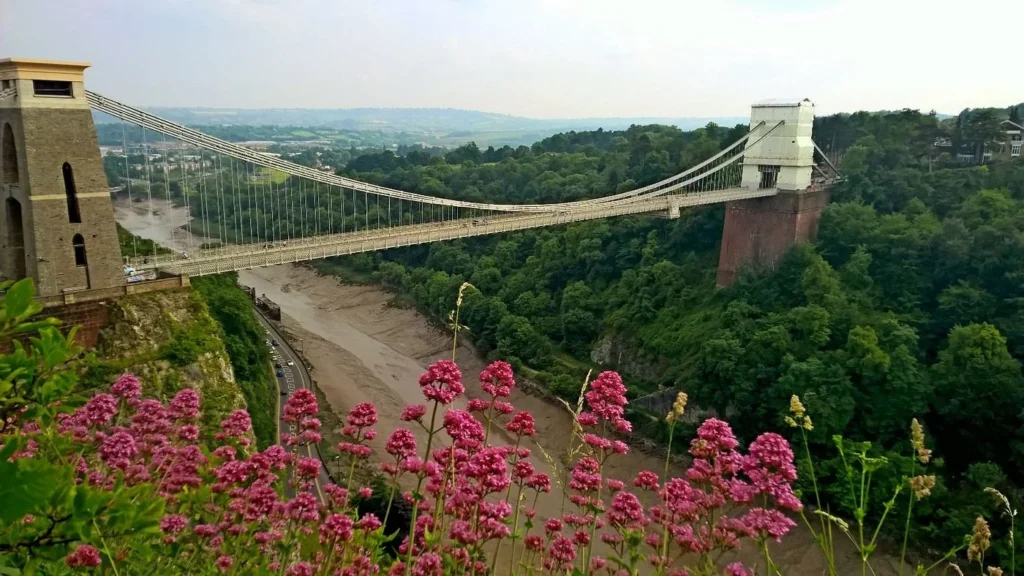
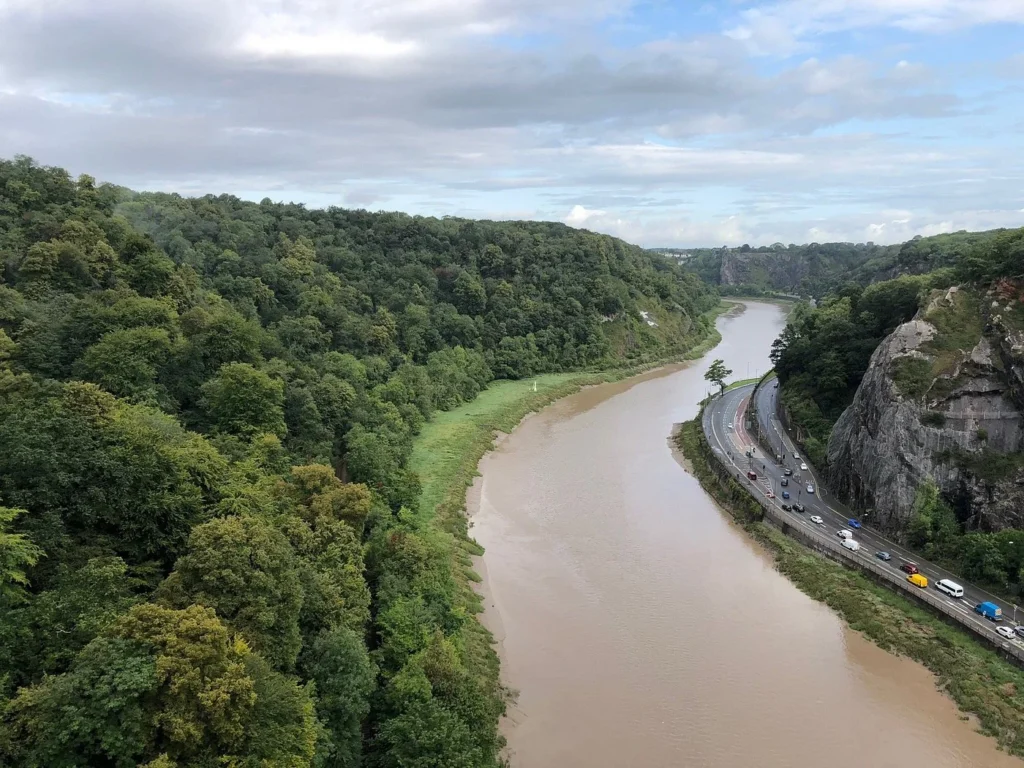
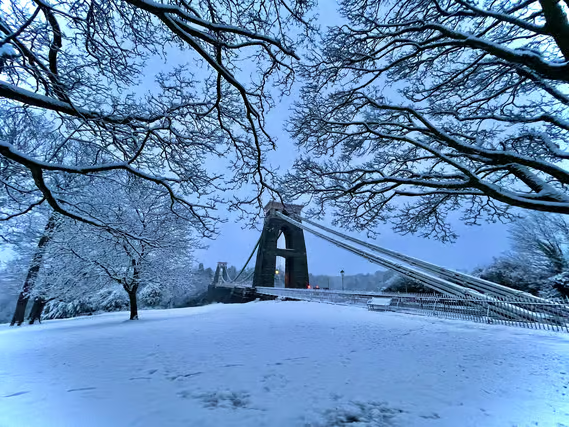
The Clifton Suspension Bridge is one of Bristol’s defining landmarks, spanning the Avon Gorge between Clifton and Leigh Woods. Walking across the bridge and exploring the surrounding viewpoint provides some of the most memorable views of the city and gorge.
Bristol’s Harbourside brings together museums, historic vessels, restaurants, bars and waterside paths. A walk around the Floating Harbour can take you past major attractions including M Shed and SS Great Britain while giving you a chance to see how Bristol’s waterfront has changed over time.
Bristol is made up of distinct neighborhoods and central areas, each with something different to offer. These eight places provide a useful starting point when planning your visit.
The Harbourside is one of the best places to begin exploring Bristol. The waterfront combines museums, restaurants, public spaces and maritime attractions, including SS Great Britain, M Shed and Bristol Aquarium. It is also a pleasant area for a walk beside the water.
Clifton is known for elegant Georgian architecture, leafy streets, independent shops and the Clifton Suspension Bridge. Clifton Village adds a more relaxed neighborhood feel, with boutiques, cafés and places to eat among its historic buildings.
Spanning the Avon Gorge, Clifton Suspension Bridge is one of Bristol’s most recognizable landmarks. Designed by Isambard Kingdom Brunel, it provides a striking connection between Bristol and North Somerset while offering impressive views over the gorge.
Brunel’s SS Great Britain is one of Bristol’s most important maritime attractions. The restored Victorian ship sits in the historic dock where it was launched, allowing visitors to explore its decks, cabins and engineering history.
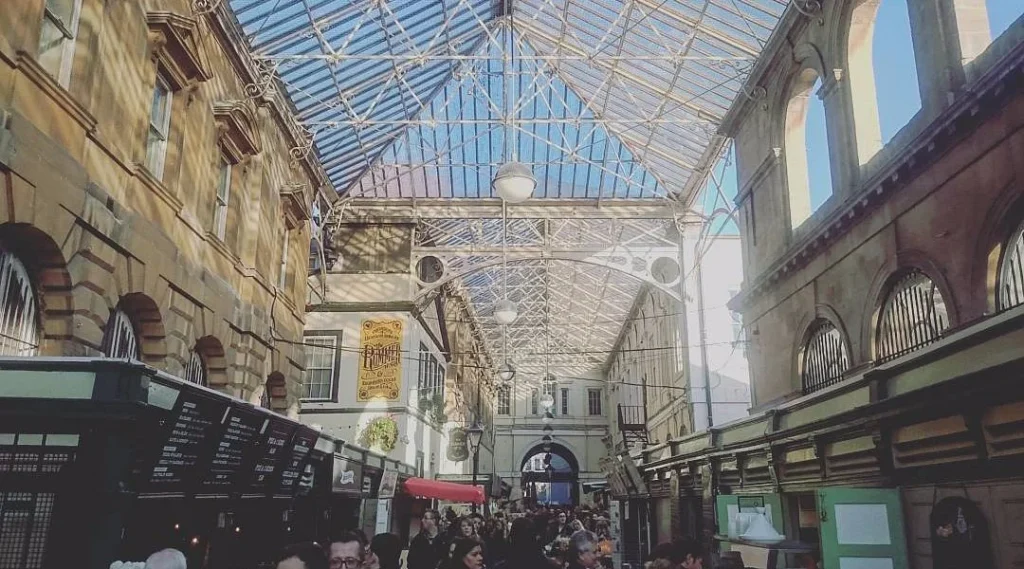
The Old City reveals another side of Bristol, with historic streets, old buildings, independent businesses, and lively market areas. St Nicholas Market is particularly useful for visitors looking to combine local food, shopping, and the atmosphere of the historic center.
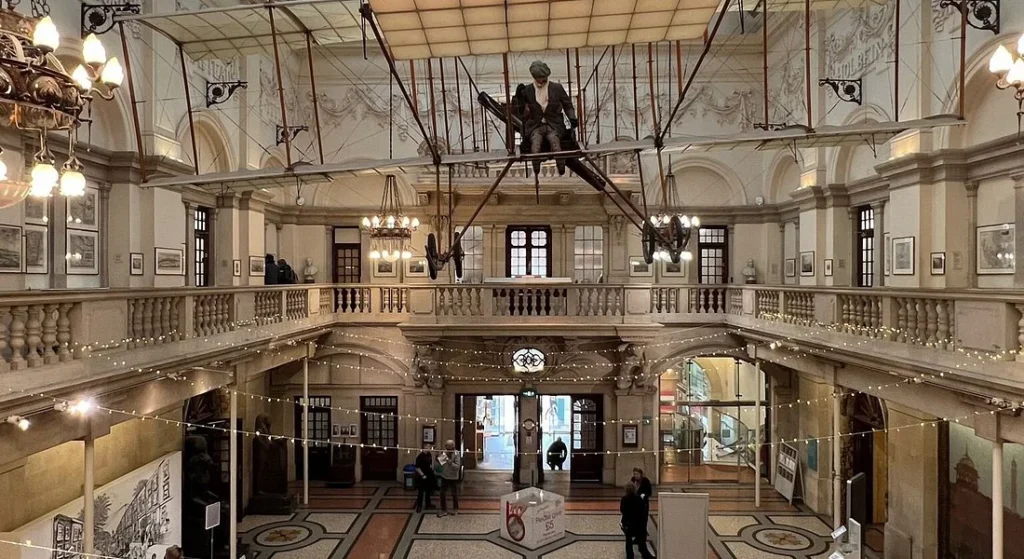
Bristol Museum & Art Gallery brings together archaeology, natural history, art and cultural collections. It is a useful stop for visitors wanting to understand the city and wider region beyond its outdoor landmarks.
St Nicholas Market is one of Bristol’s best-known places for independent traders and food. Its historic setting and varied stalls make it a good stop while exploring the Old City, particularly around lunchtime.
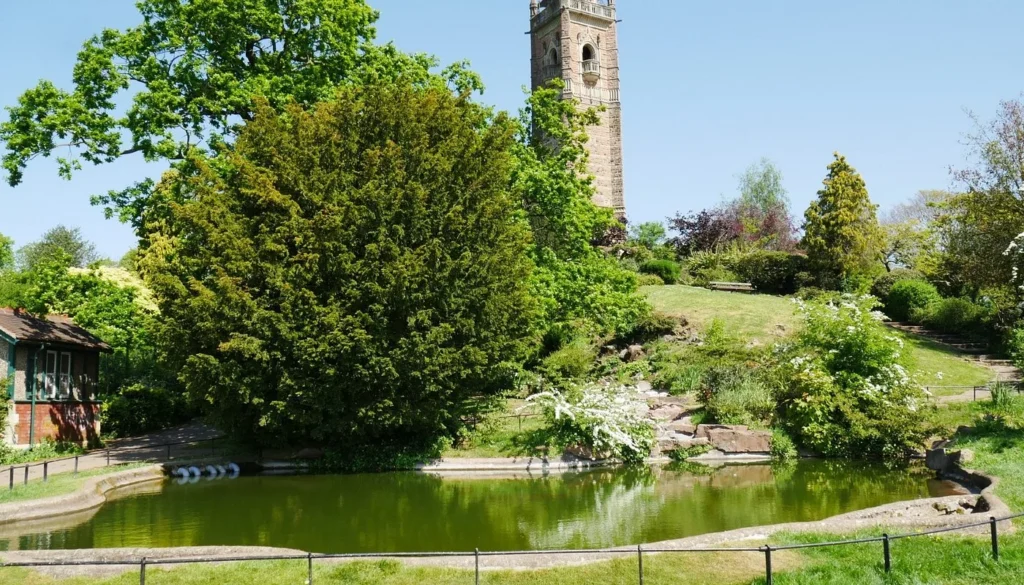
Brandon Hill provides a green escape close to the city center, while Cabot Tower rises above the park and offers views across Bristol. It is an easy place to combine sightseeing with some open space and a short walk.
Spring is a good time to explore Bristol on foot, with parks and neighborhoods becoming more enjoyable as the weather improves. Walk through Clifton, visit Brandon Hill and continue towards the Harbourside for museums and waterfront views.
Summer brings more activity to Bristol’s outdoor spaces and waterfront. Take a boat trip, explore the Harbourside, walk across the Clifton Suspension Bridge and spend time in the city’s neighborhoods, parks and outdoor cafés
Autumn works well for combining Bristol’s museums and historic sights with walks through its greener areas. Explore the Old City, visit Bristol Museum & Art Gallery, and enjoy the changing colors around Brandon Hill and Clifton.
Winter is a good season for Bristol’s indoor attractions, markets, restaurants, and cultural venues. Spend time at museums and galleries, explore the historic center, and use the harborside as a base for food and evening entertainment.

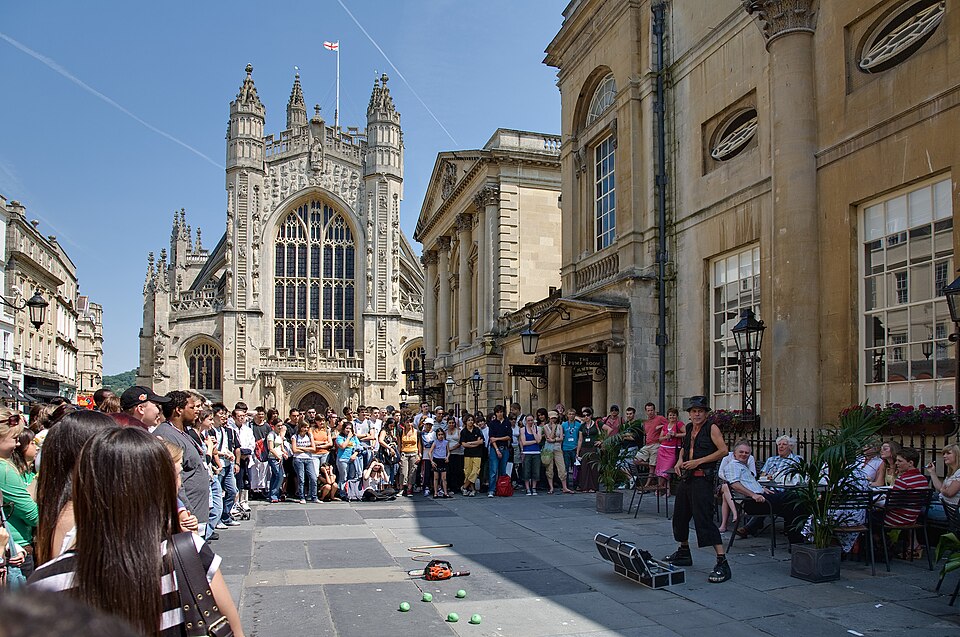
Bath is one of the easiest major destinations to combine with Bristol, offering Roman history, Georgian architecture, and thermal spa experiences. The two cities are also well connected by rail.
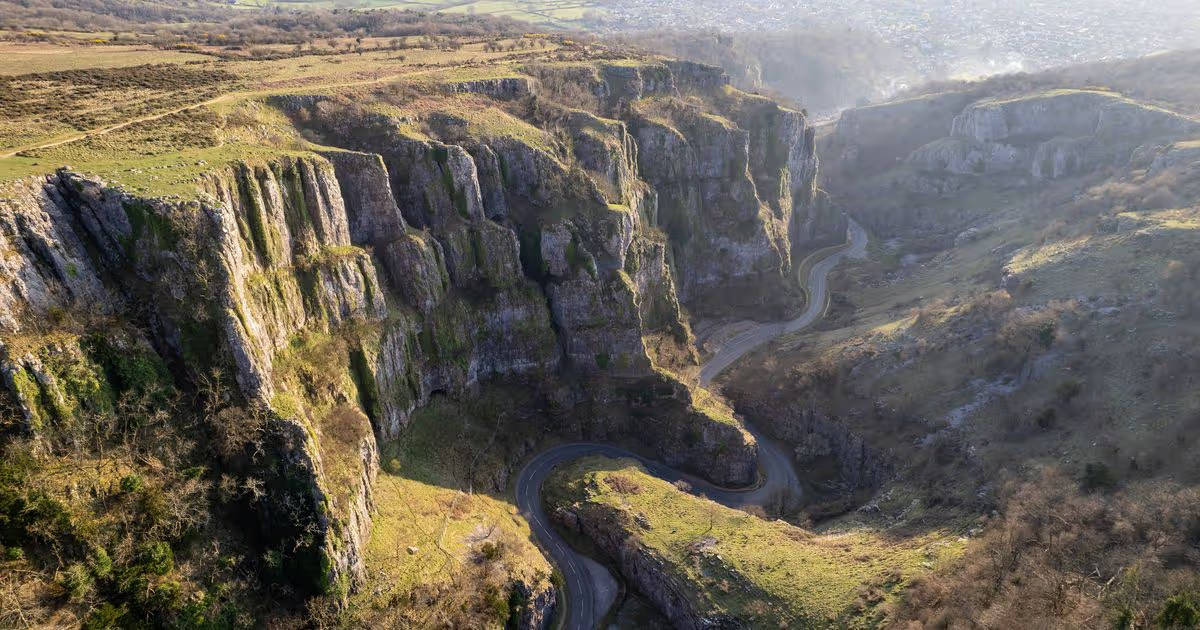
Cheddar Gorge provides dramatic limestone scenery and walking opportunities within the Mendip Hills. It offers a very different experience from Bristol’s urban environment and works well for a countryside day out.
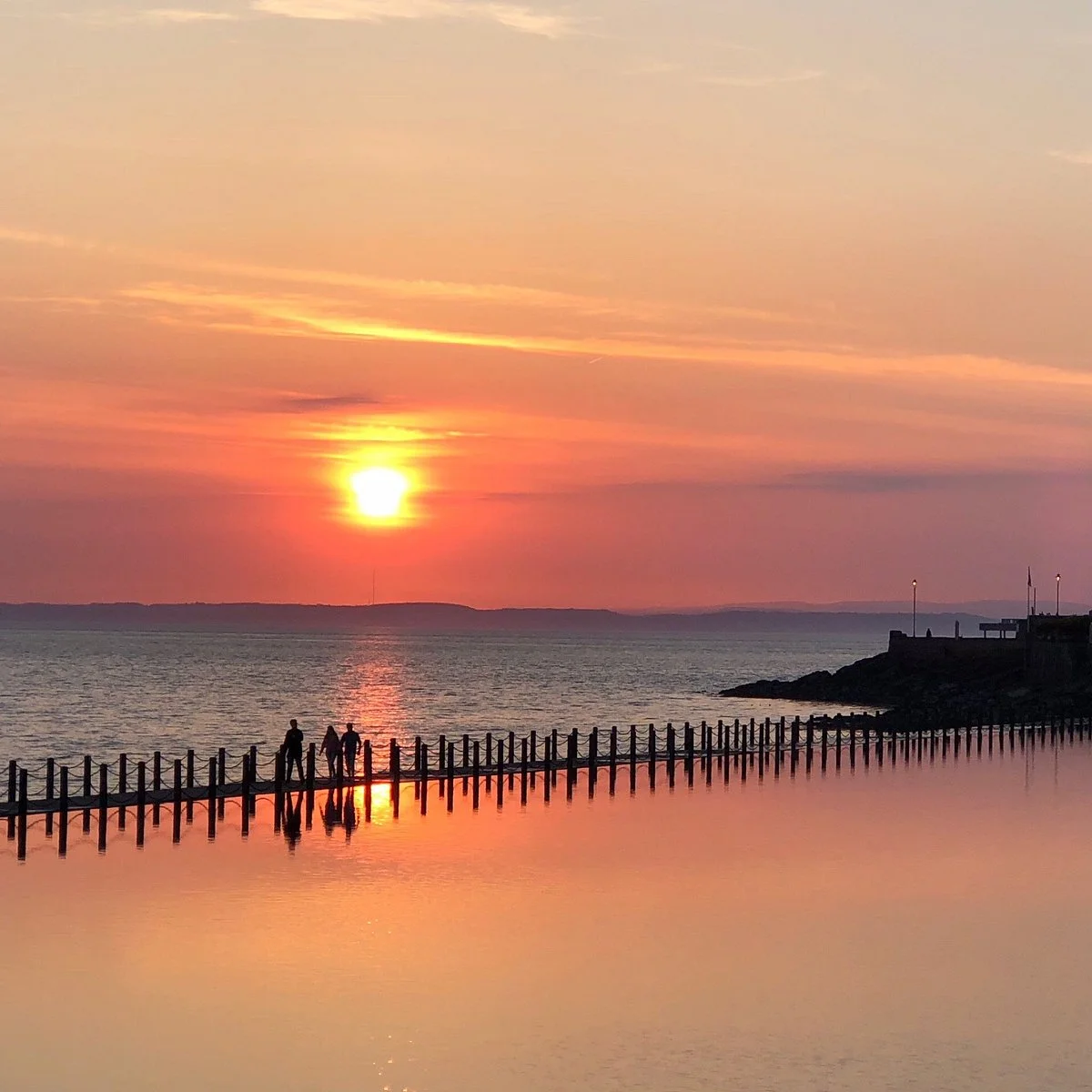
Weston-super-Mare offers a traditional seaside experience with a long beach, promenade, and coastal atmosphere. It is a straightforward option for adding the coast to a Bristol trip.
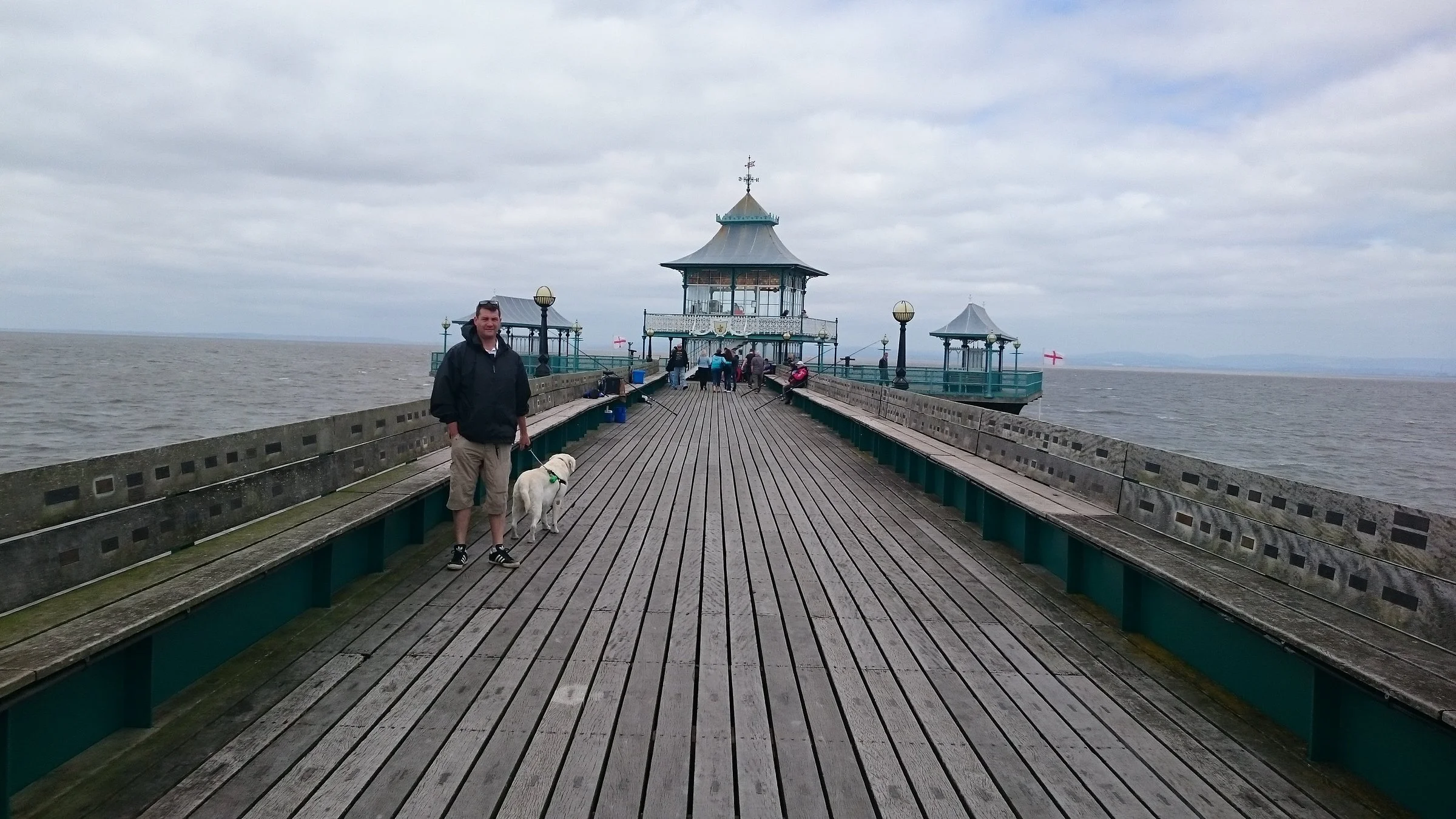
Clevedon is a coastal town on the Bristol Channel, known for its Victorian pier and seafront setting. It provides a quieter alternative to the larger seaside destinations nearby.
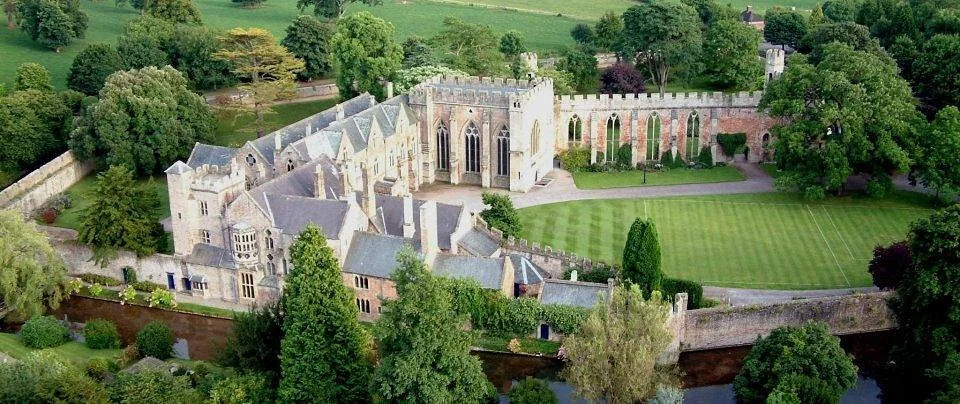
Wells is a historic Somerset city best known for its cathedral and medieval architecture. Its compact center makes it easy to explore during a day trip from Bristol
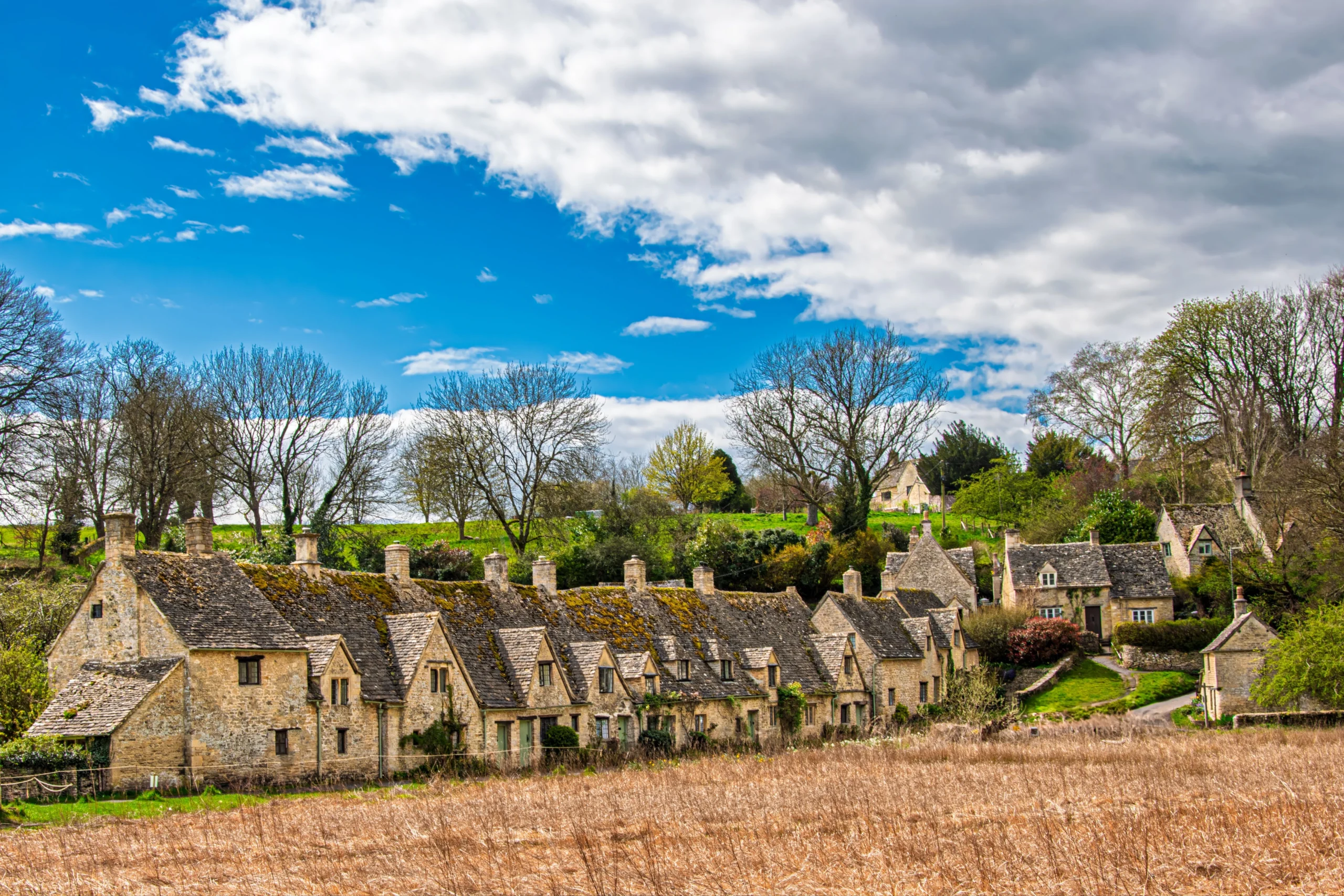
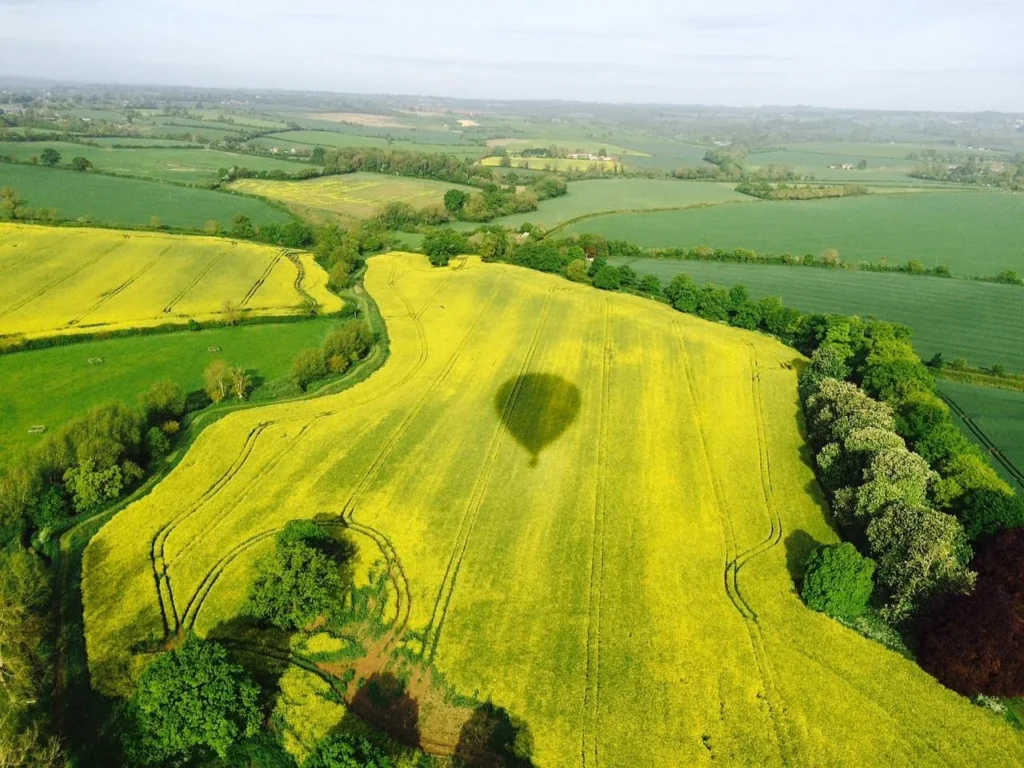
The southern Cotswolds are within reach of Bristol and offer a change from city life with stone villages, countryside walks and historic market towns. They are particularly appealing for visitors planning a wider Southwest road trip
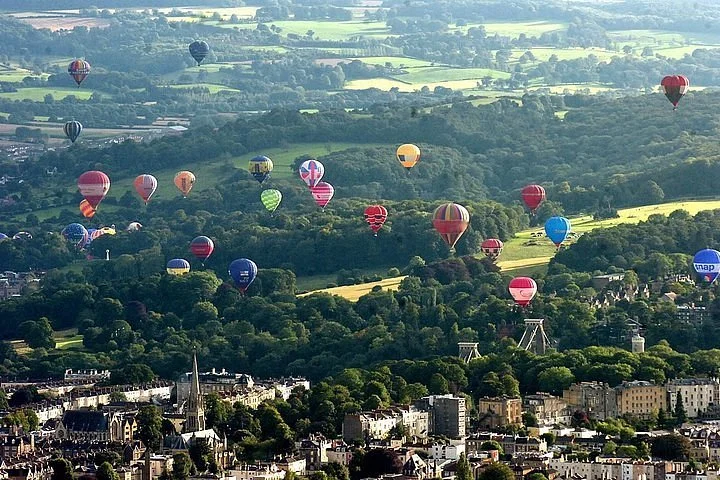
Bristol is well connected by rail, road, bus and coach, making it one of the easier Southwest cities to reach. Bristol Temple Meads is the city’s principal railway hub, with services connecting Bristol to London, Birmingham, Cardiff, Manchester, and other destinations. Bristol Parkway provides another rail connection to the north of the city.
For drivers, Bristol has Park & Ride services that can be useful when you want to leave the car outside the central area and continue by public transport.
Walking is one of the easiest ways to experience central Bristol. The city center, Old City and Harbourside are relatively compact, with many attractions within walking distance. Clifton can also be reached on foot from the center, although the route includes a climb.
Bristol has an extensive local bus network connecting the center with Clifton, neighborhoods, and surrounding areas. Buses are particularly useful when travelling beyond the main central attractions
Boat services provide an alternative way to move around parts of Bristol’s waterfront. Ferry services connect points around the harborside, while boat trips can also offer a different perspective of the city and its waterways.
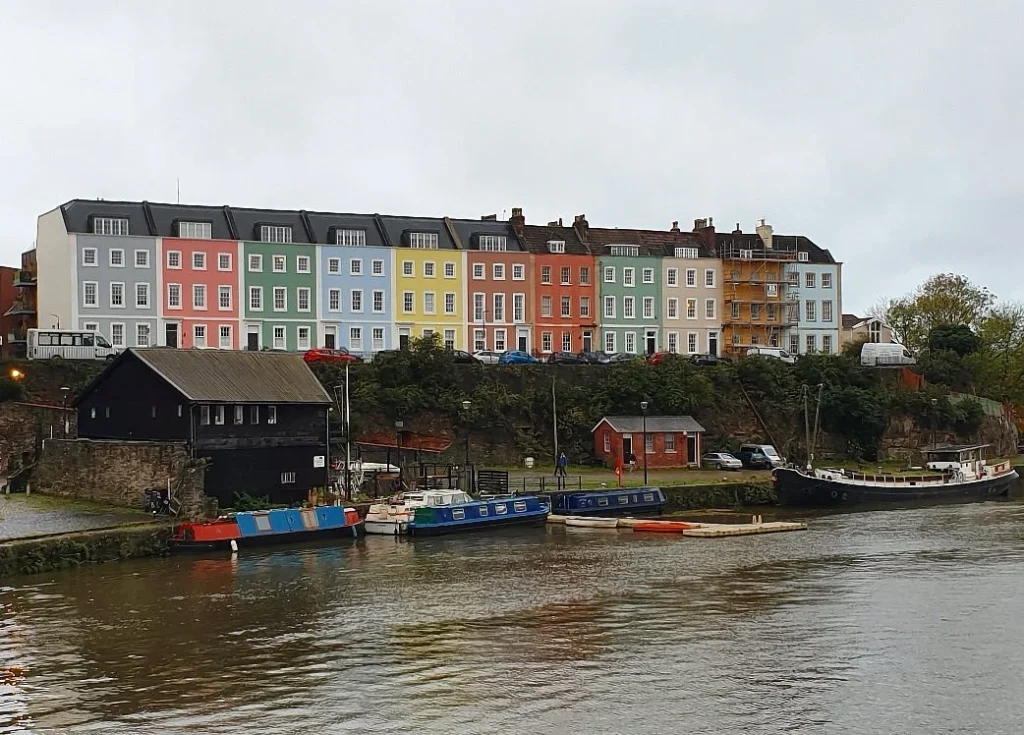
Bristol is a city of contrasts. Historic docks sit beside contemporary cultural venues, grand Georgian streets lead towards colorful neighborhoods, and major engineering landmarks share the landscape with independent markets and street art.
The result is a destination that rewards curiosity. You can spend one part of the day exploring Brunel’s legacy, another walking around Clifton or the Old City, and finish beside the water with food, music or a relaxed evening.
Bristol combines a strong sense of history with a creative, modern personality. Its maritime past can be seen around the harborside and SS Great Britain, while Clifton, the Old City and independent neighborhoods show how varied the city has become.
With so many places to visit in Bristol, a short trip can include major landmarks, museums, markets, waterfront walks and distinctive local areas without needing to travel far between them. Add Bath, the Mendip Hills or the nearby coast, and Bristol also makes a useful base for exploring more of Southwest England
Some of the best things to do in Bristol include visiting SS Great Britain, walking around the Harbourside, seeing the Clifton Suspension Bridge, exploring Clifton, visiting the Bristol Museum & Art Gallery and browsing St Nicholas Market.
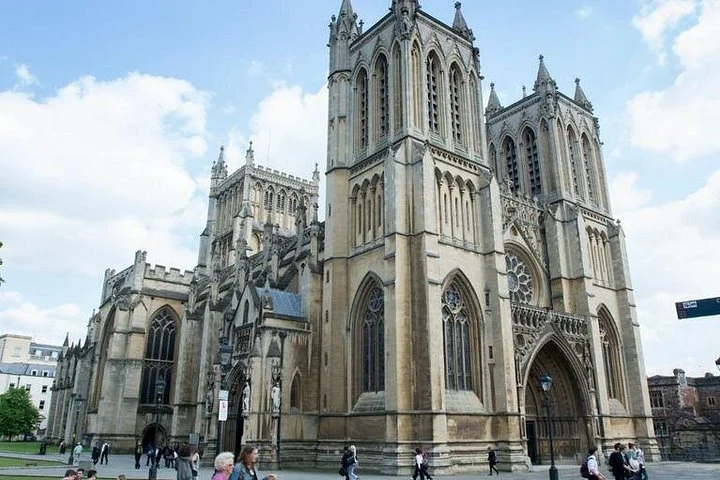
The main Bristol attractions include Clifton Suspension Bridge, SS Great Britain, Bristol Harbourside, Bristol Museum & Art Gallery, Bristol Cathedral, St Nicholas Market and Cabot Tower.
Popular places to visit in Bristol include Clifton, the Harbourside, the Old City, Brandon Hill, St Nicholas Market and the area around SS Great Britain.
Yes. Much of central Bristol is walkable, while buses, trains, boats, bikes and other transport options can help you reach areas further from the center. Visit Bristol specifically describes the city as easy to explore on foot.
Bristol works well for a weekend because its main attractions cover history, culture, architecture, food and outdoor experiences. You can focus on the harborside and central sights or spend more time exploring neighborhoods such as Clifton and Stokes Croft.