London brings together royal landmarks, museums, historic streets, parks, markets and modern attractions in a way few cities can match. You can spend the morning exploring centuries of history, walk beside the Thames in the afternoon and finish the day with theater or views across the skyline.
For first-time visitors, deciding what to prioritize can be difficult because many of the city’s best-known attractions are spread across different neighborhoods. There are also plenty of experiences that do not require an expensive ticket, including major museums, galleries, parks and famous public spaces.
If you are looking for the best things to do in London, these experiences provide a useful starting point for exploring the UK capital.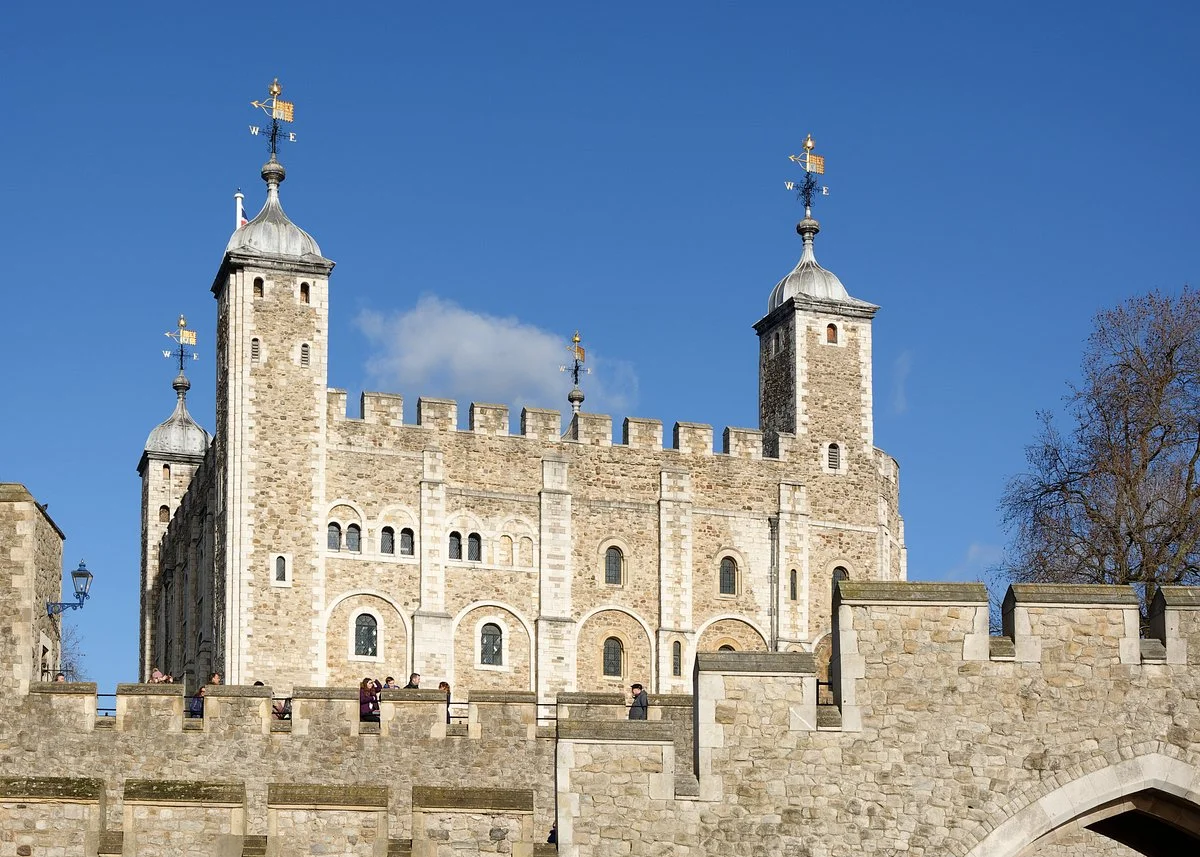
1. Explore the Tower of London
The Tower of London is one of the city’s most important historic landmarks and a useful place to begin if you want to understand London’s royal past.
The fortress has more than 900 years of history and has served as a palace, prison and defensive stronghold. Today, visitors can explore the White Tower, walk around the historic complex and see the Crown Jewels.
Allowing several hours is sensible because there is much more to see than the exterior walls. The stories connected with former prisoners, monarchs and executions also make the Tower particularly interesting for visitors who enjoy British history.
Best for: Royal history and first-time visitors.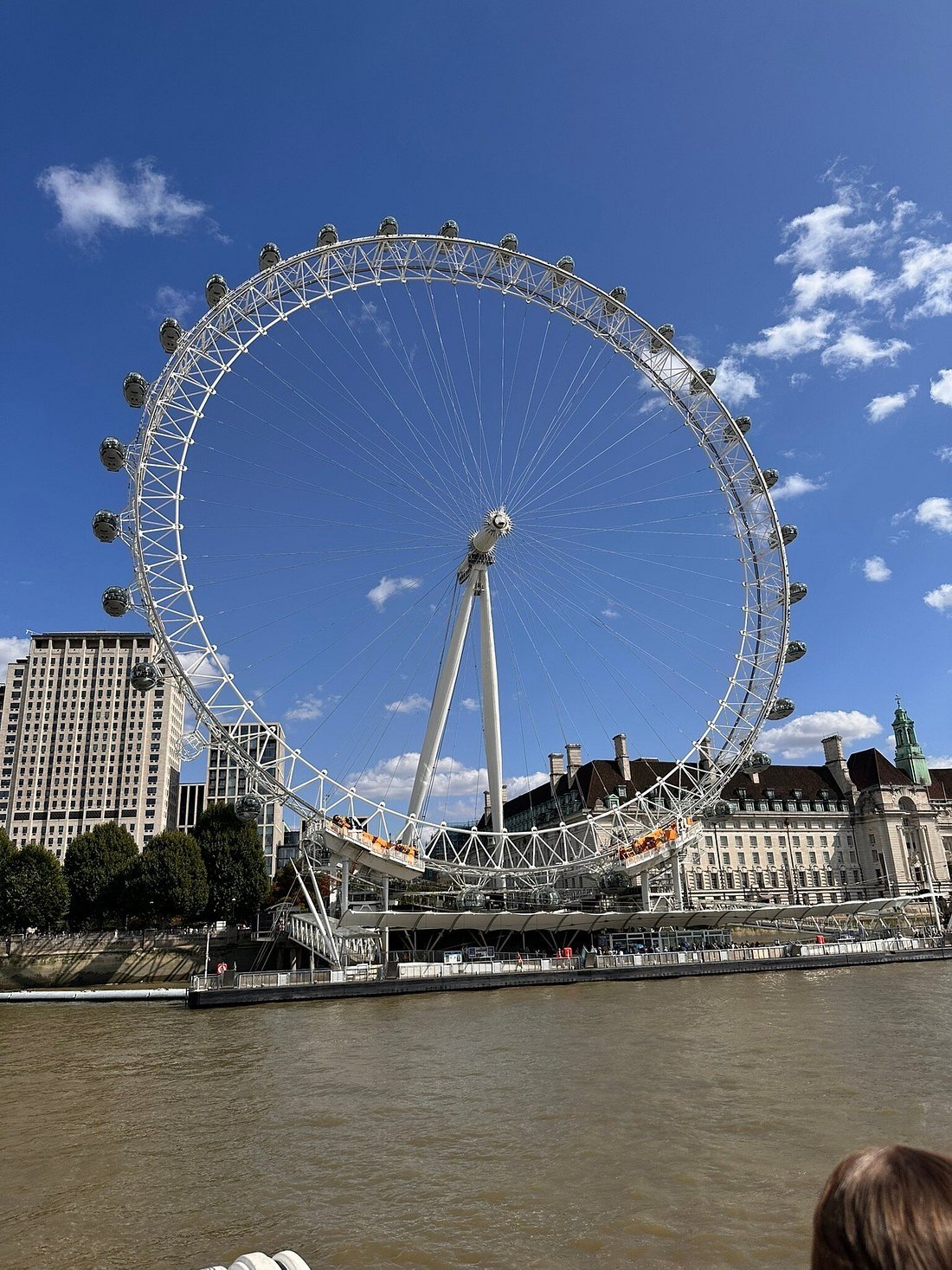
2. See London from the London Eye
The London Eye gives visitors a completely different view of the capital. Its position on the South Bank provides panoramic views across the Thames and towards landmarks including Big Ben, the Houses of Parliament, Buckingham Palace and The Shard.
A complete rotation takes around 30 minutes, although the overall visit can take longer once queues and boarding are included. Visit London notes that more than 55 landmarks can be seen from the attraction on a clear day.
It can be particularly impressive around sunset, when daylight begins to fade and buildings across central London start to light up.
Best for: City views, photography, and first visits to London.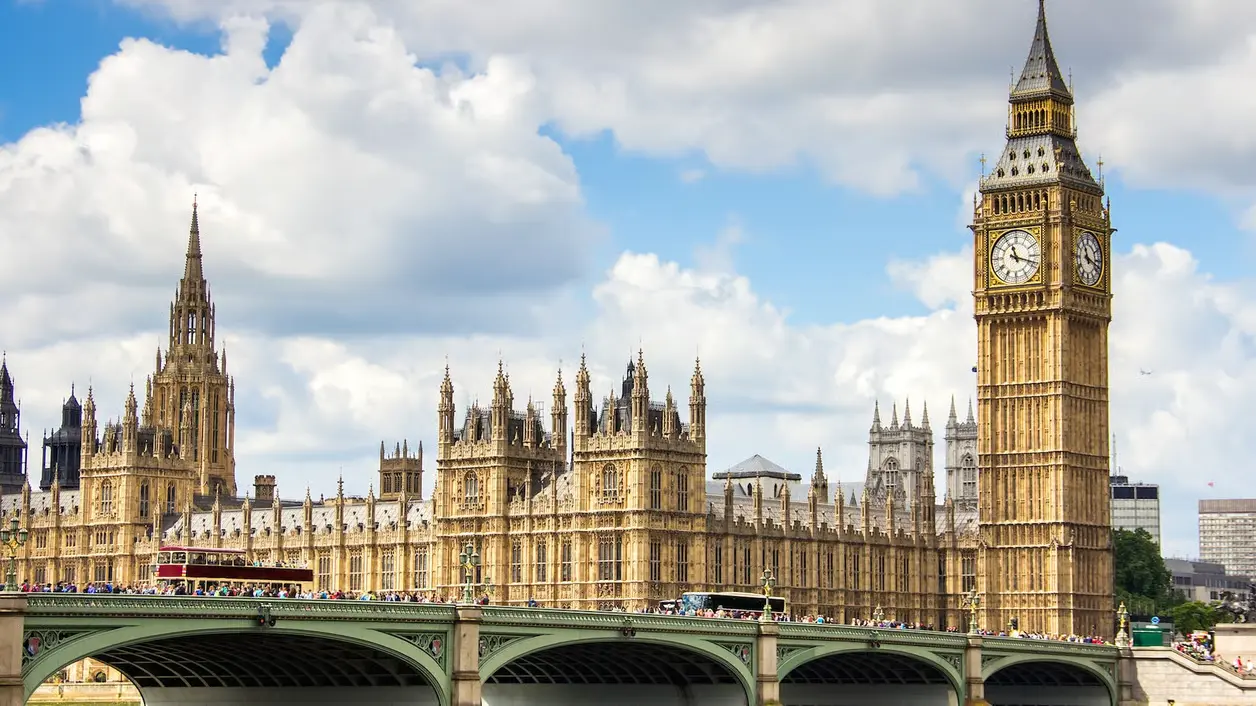
3. Walk Around Westminster
Westminster contains several of the landmarks people most strongly associate with London.
Big Ben and the Houses of Parliament sit beside the Thames, while Westminster Abbey is only a short walk away. Buckingham Palace, St James’s Park and Whitehall can also be reached on foot from the same part of central London.
This makes Westminster one of the easiest places to explore without needing to move constantly between Tube stations.
Big Ben itself is the nickname commonly associated with the clock tower beside Parliament, officially called the Elizabeth Tower. It remains one of London’s most recognizable landmarks.
A walk around Westminster is particularly useful on a first visit because it allows you to see several major sights in a relatively compact area.
Best for: Famous landmarks and sightseeing on foot.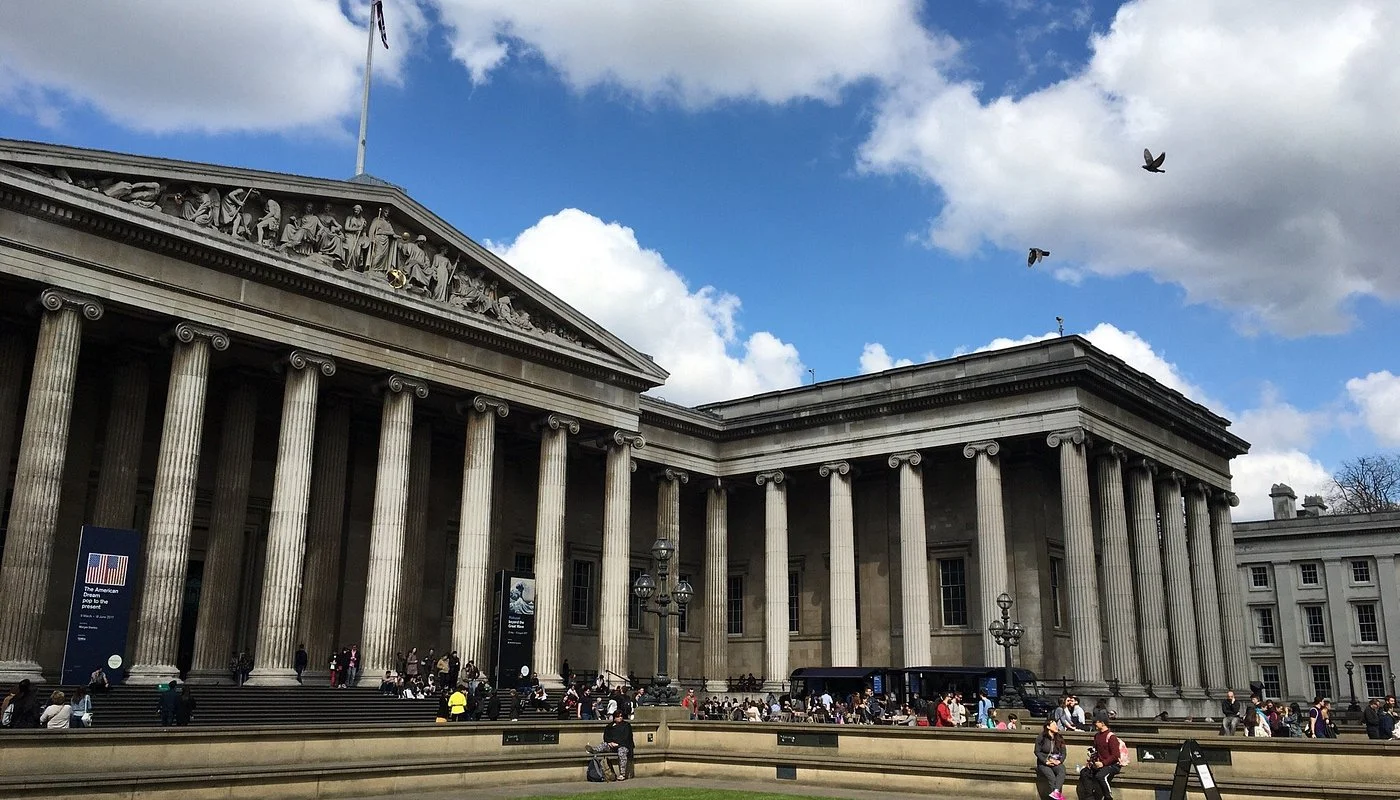
4. Visit the British Museum
The British Museum is one of the most recognizable cultural attractions in London and is particularly useful for anyone interested in world history, archaeology, and ancient civilizations.
Its collections cover thousands of years of human history, with objects connected to cultures from Britain, Egypt, Greece, Rome, Asia and many other parts of the world.
General admission to the permanent collection is free, although some temporary exhibitions require paid tickets.
Because the collection is enormous, it is usually better to choose a few galleries rather than trying to see the entire museum in a single visit.
For anyone searching for the best free things to do in London, major museums such as this are one of the city’s biggest advantages.
Best for: History, culture and free sightseeing.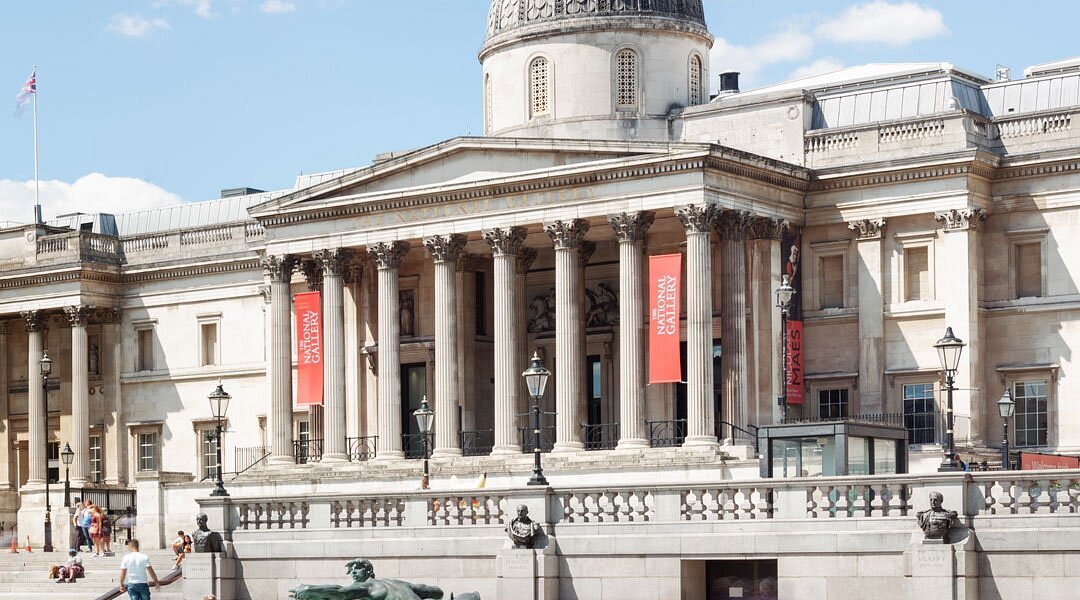
5. See Masterpieces at the National Gallery
The National Gallery sits on Trafalgar Square and houses one of Britain’s most important collections of Western European paintings.
More than 1,000 paintings are normally on display, with artists represented across several centuries. General admission to the main collection remains free, although some temporary exhibitions are ticketed.
Its central location makes it easy to combine with Trafalgar Square, Covent Garden, Leicester Square or a walk towards Westminster.
You do not need to be an art expert to enjoy the gallery. Even a relatively short visit can introduce you to internationally recognized works while giving you a break from the busy streets outside.
Best for: Art and free cultural activities.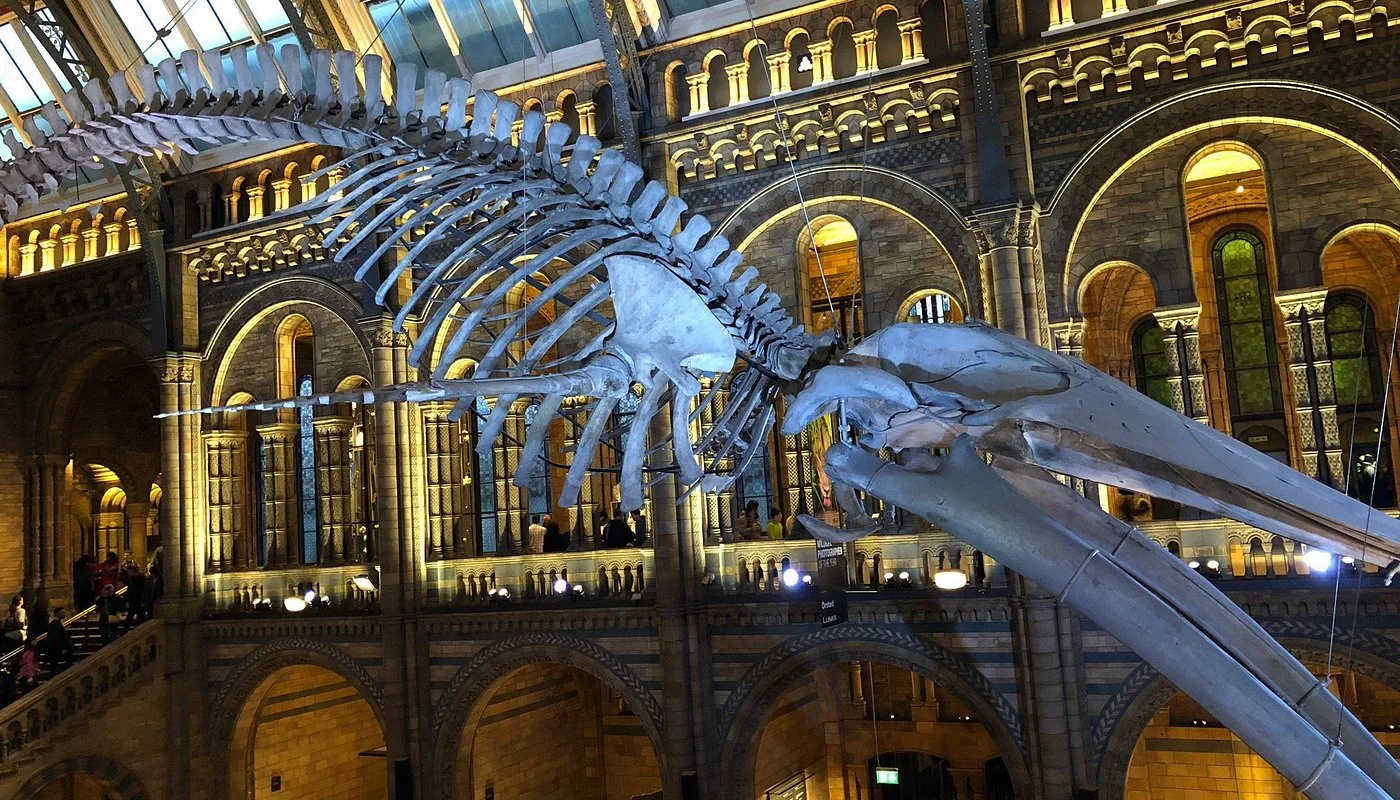
6. Visit the Natural History Museum
The Natural History Museum in South Kensington is one of the best things to do in London with kids, but it is equally interesting for adults.
The museum explores subjects including dinosaurs, animals, evolution, geology and the natural world. Its historic building is also part of the experience, with the main hall being one of London’s most recognizable museum interiors.
General admission to the galleries is free, although advance booking can help guarantee entry during busy periods.
The museum has also continued to develop new galleries and exhibitions, including the free Nature and Us gallery, which opened in September 2026.
If you are travelling with children, South Kensington is particularly useful because several major museums are located close together.
Best for: Families, science and natural history.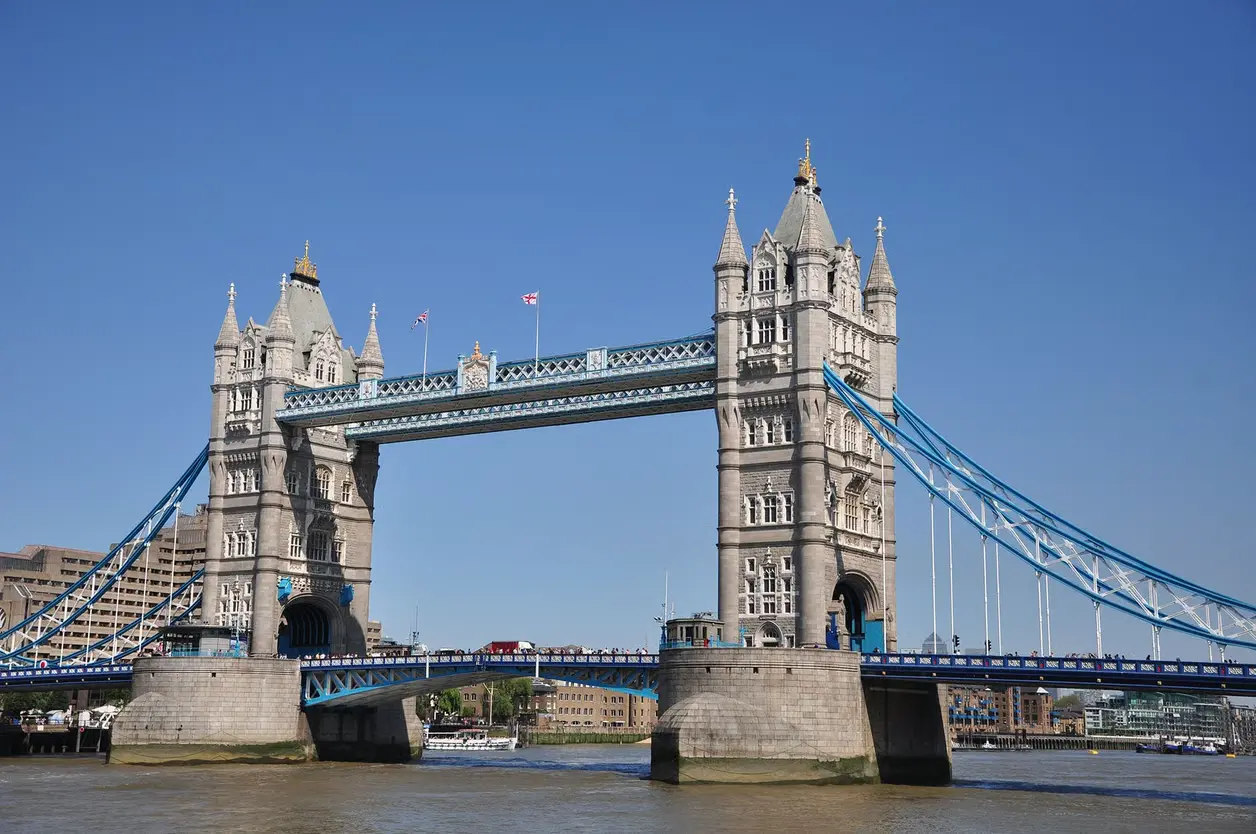
7. Walk Across Tower Bridge
Tower Bridge is one of the defining sights on the London skyline.
You can cross the bridge itself without buying a ticket, making it an easy addition to a walk along the Thames. From the bridge, there are views towards the Tower of London, the City and riverside developments further east.
Visitors who want to explore inside can purchase admission to the high-level walkways and Victorian Engine Rooms. The walkways sit about 42 metres above the river and include sections of glass flooring.
Combining Tower Bridge with the Tower of London works particularly well because the two landmarks are only a short distance apart.
Best for: Iconic London views and riverside walks.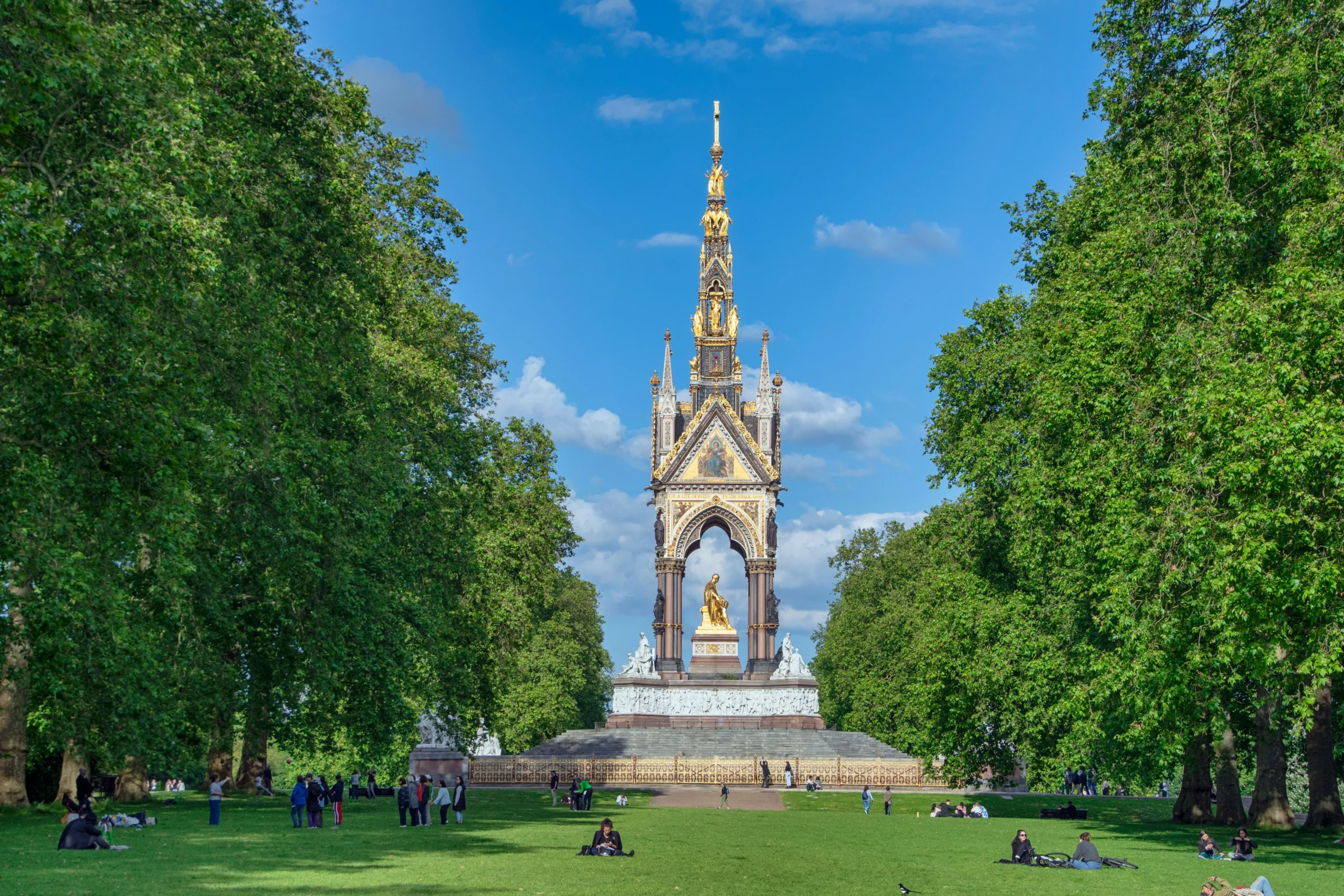
8. Spend Time in Hyde Park
London may be one of Europe’s largest cities, but it also has extensive green spaces.
Hyde Park offers a convenient break from sightseeing around central London. Visitors can walk around the Serpentine, relax on open lawns or continue towards Kensington Gardens.
The park’s pedestrian gates generally open from 5am until midnight throughout the year, although temporary closures can occur during events or maintenance.
Its location makes Hyde Park easy to combine with nearby areas such as Knightsbridge, Kensington, Mayfair and Oxford Street.
If your itinerary is packed with museums and indoor attractions, a slower walk through the park can provide a useful change of pace.
Best for: Walking, green space and free outdoor activities.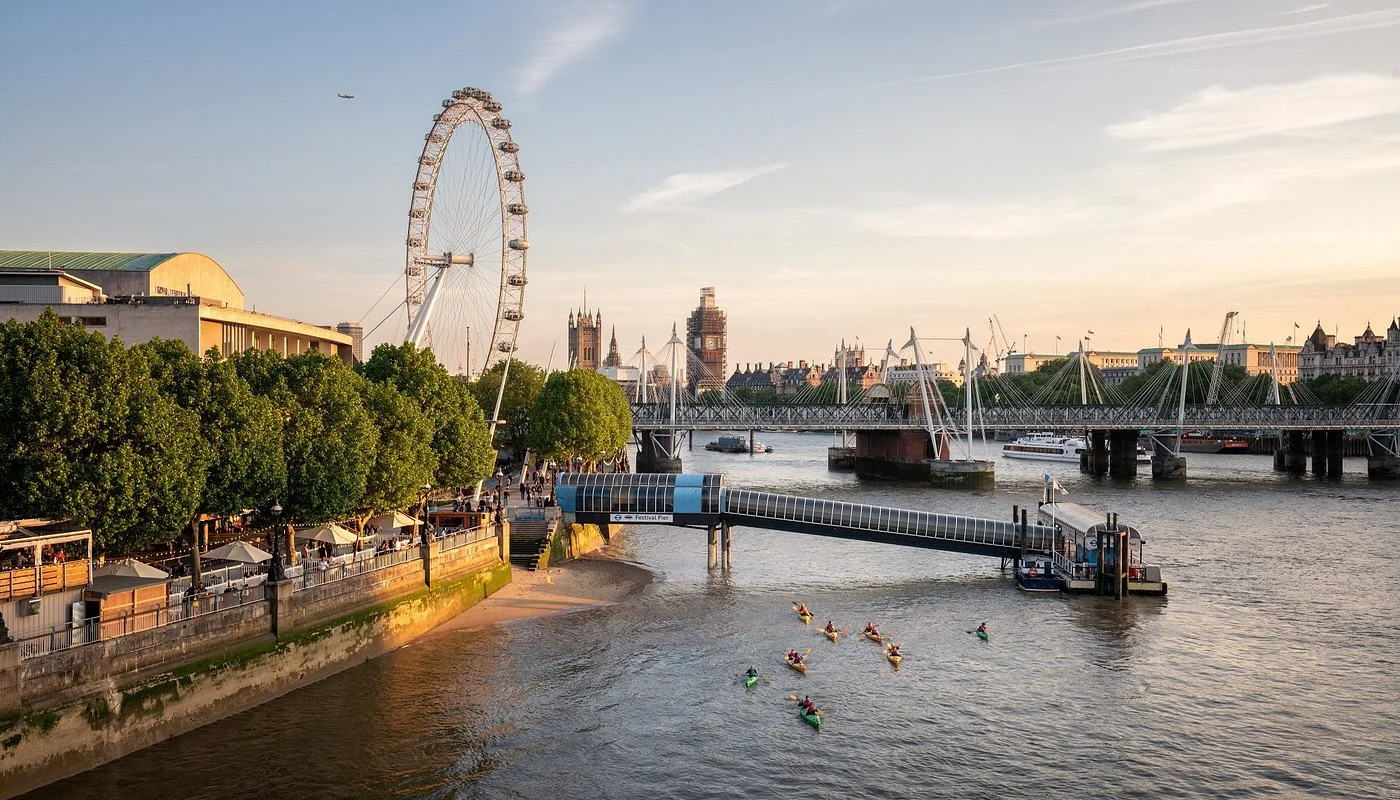
9. Explore London’s South Bank
The South Bank is one of the easiest places to experience London without following a strict sightseeing schedule.
Starting around Westminster Bridge, you can walk beside the Thames past the London Eye and continue towards cultural venues, restaurants and riverside spaces. Further east, the route eventually connects with areas around Tate Modern, Shakespeare’s Globe and Borough Market.
The changing skyline means there is always something to see across the river, including Parliament, St Paul’s Cathedral and buildings in the City of London.
Walking part of the South Bank is also one of the simplest best free things to do in London because the experience does not depend on entering a paid attraction.
Best for: Riverside walks, photography and relaxed sightseeing.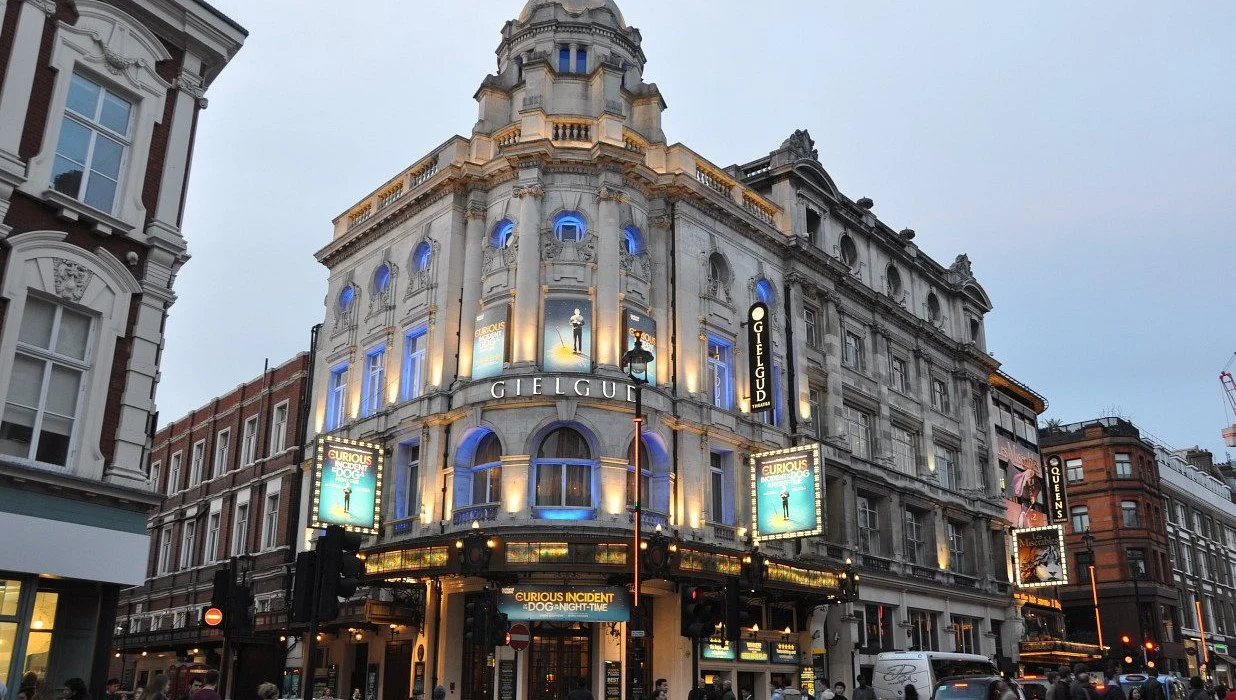
10. Experience a West End Show
London’s West End is one of the world’s major theater districts.
The area around Covent Garden, Leicester Square, Soho and Shaftesbury Avenue contains theaters showing musicals, plays, comedies, and long-running productions.
Seeing a show provides a different experience from museums and landmarks and can be particularly useful for filling an evening after daytime sightseeing.
Ticket prices vary considerably depending on the production, date and seating. Booking ahead is sensible for highly popular performances, although last-minute options can sometimes be available.
Visit London’s current visitor guide continues to list theatre among the capital’s essential experiences alongside its major attractions.
Best for: Evening entertainment and performing arts.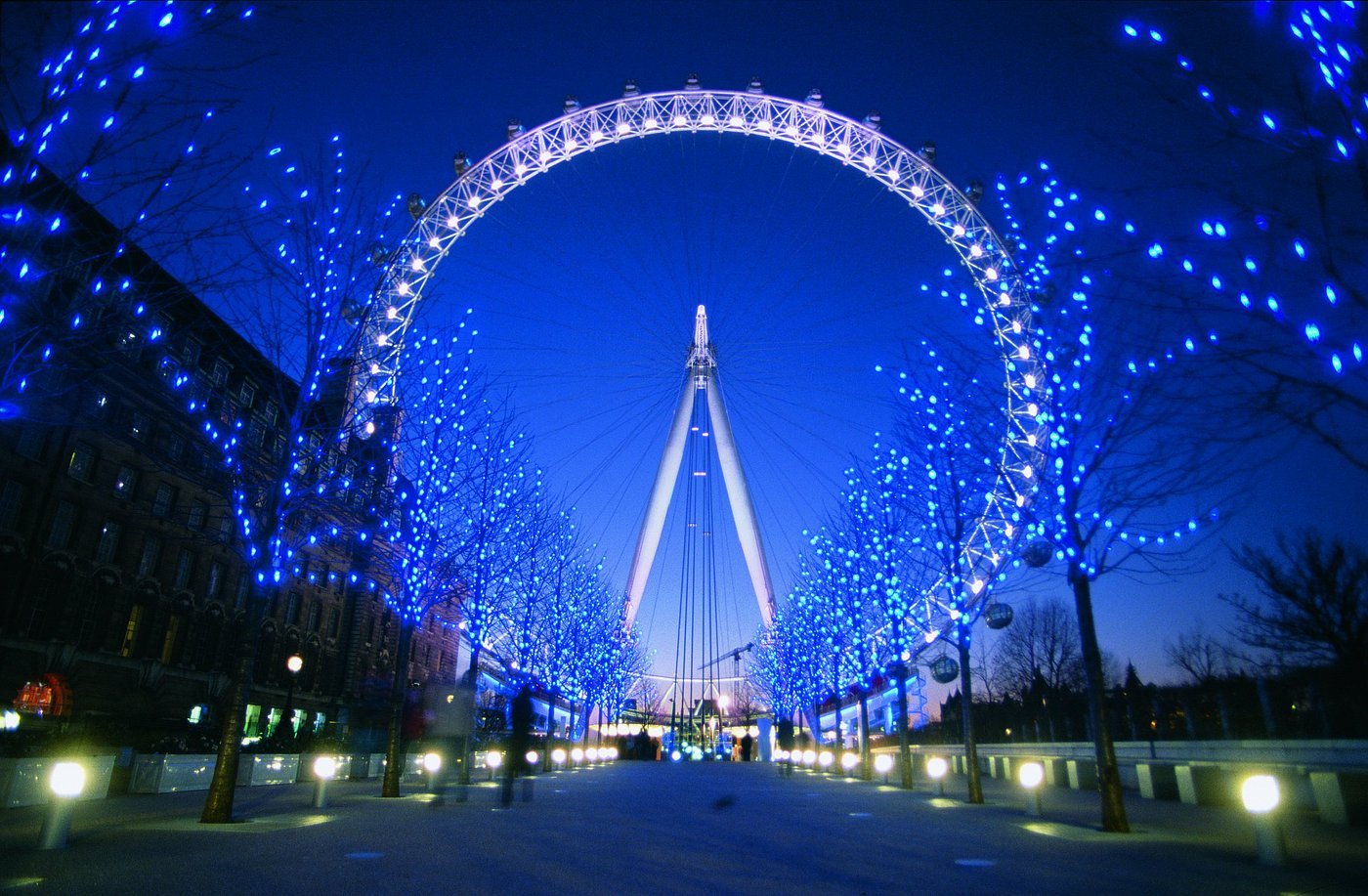
Best Free Things to Do in London
London has a reputation for being expensive, but some of its strongest cultural experiences cost nothing.
The National Gallery offers free general admission, while the Natural History Museum can also be explored without paying for standard entry.
Other simple free experiences include walking across Tower Bridge, exploring Trafalgar Square, spending time in Hyde Park and walking beside the Thames.
You can also plan entire parts of a day around London’s streets and public spaces. Westminster, Covent Garden, Chinatown, Soho and the South Bank all provide plenty to see without requiring an attraction ticket.
Combining paid landmarks with free museums and outdoor sightseeing can make a London trip much easier to manage on a budget.
Best Things to Do in London With Kids
London has plenty of attractions that work well for families.
The Natural History Museum is one of the strongest choices, particularly for children interested in dinosaurs, wildlife and science. Its main galleries are free, so families can spend as much or as little time there as they want.
The London Eye is another straightforward family attraction because the experience is relatively short and provides clear views of major landmarks.
The Tower of London can work well with older children who enjoy stories about kings, queens, castles and historic events.
Parks are also useful when younger children need a break from museums. Hyde Park provides plenty of open space in the middle of the city.
The right balance is usually to mix one or two structured attractions with parks, walking and less formal sightseeing rather than filling every hour with ticketed activities.
See Buckingham Palace
Buckingham Palace is one of London’s most famous royal landmarks and remains an important stop for many first-time visitors.
Even when the interior is not open to general visitors, you can see the palace exterior, walk around the Victoria Memorial and continue through nearby St James’s Park.
Changing the Guard is another well-known London tradition associated with Buckingham Palace, although schedules can change and ceremonies may be affected by weather or major events.
The State Rooms are available to visitors only during selected periods, so anyone hoping to enter the palace should check the official schedule before travelling.
Visit London continues to list Buckingham Palace among the capital’s major royal sights and notes that State Room access is available on selected dates.
Best for: Royal landmarks and traditional London sightseeing.
Explore Covent Garden
Covent Garden combines historic architecture, shops, food, street entertainment and theatre within a compact part of central London.
The central market buildings are an obvious place to start, but the surrounding streets are just as important to the experience.
You can walk towards Seven Dials, continue into Soho or reach Trafalgar Square within a relatively short distance.
Covent Garden is particularly useful when you do not want a tightly scheduled attraction. It is somewhere you can explore at your own pace, stop for food and continue walking through central London.
It also works well before a West End show because many major theatres are nearby.
Best for: Shopping, street atmosphere and casual exploring.
Practical Tips for Visiting London
- Group nearby attractions together rather than travelling backwards and forwards across the city.
- Book major paid attractions in advance when possible, particularly during weekends and school holidays.
- Use free museums and parks to balance the cost of ticketed attractions.
- Wear comfortable shoes because many of London’s central sights are easiest to explore on foot.
- Check attraction websites shortly before visiting because opening hours and temporary closures can change.
- Allow more time than expected when travelling during busy periods.
- Use contactless payment or suitable public transport options for Tube and bus journeys.
- Do not try to see everything in one visit. Choosing a smaller number of attractions usually creates a more enjoyable day.
- If travelling with children, combine museums and structured attractions with parks or riverside walks.
- Keep some flexibility for weather because outdoor plans may need to change.

Final Thoughts
The best things to do in London UK cover much more than famous landmarks. The Tower of London, Westminster and Buckingham Palace introduce the city’s royal and political history, while museums such as the National Gallery and Natural History Museum make world-class culture accessible without necessarily requiring an entrance fee.
The London Eye and Tower Bridge provide memorable city views, while Hyde Park and the South Bank show that some of London’s most enjoyable experiences can simply involve walking and exploring.
If you are planning more trips and days out, you can also explore our guides to lakes in UK, best market towns UK, best Cotswold villages, best universities in the UK, and the best time to visit Thailand for more destination ideas and practical travel inspiration.
Whether you are visiting London for the first time or returning to discover something new, a mix of historic attractions, museums, neighbourhoods and free experiences is one of the best ways to experience the capital.
FAQs
What are the best things to do in London?
Popular options include visiting the Tower of London, seeing Westminster and Big Ben, riding the London Eye, exploring the British Museum or Natural History Museum, walking across Tower Bridge and spending time along the South Bank.
What are the best free things to do in London?
Free options include visiting major museums and galleries such as the National Gallery and Natural History Museum, walking through Hyde Park, exploring Trafalgar Square, crossing Tower Bridge and walking along the Thames.
What are the best things to do in London with kids?
The Natural History Museum, London Eye, Tower of London and London’s major parks are useful family options. Mixing indoor attractions with outdoor activities can make the day easier for younger children.
What should I do on my first visit to London?
A first visit could include Westminster, Big Ben, Buckingham Palace, the Tower of London, Tower Bridge and a walk along the South Bank. One or two museums can then be added depending on your interests.
Is London expensive for sightseeing?
Some major attractions require relatively expensive tickets, but London also has many free museums, galleries, parks and public landmarks. Combining free and paid activities can reduce the overall cost.
Can I see London’s main attractions on foot?
Many central attractions can be grouped into walkable routes. Westminster, Buckingham Palace and Trafalgar Square are relatively close together, while Tower Bridge and the Tower of London make another useful pairing.
What can I do in London when it rains?
Museums and galleries are among the easiest options during wet weather. The Natural History Museum, National Gallery and other indoor cultural attractions can fill several hours.
How many days do I need in London?
Three to five days gives most first-time visitors enough time to see several major landmarks, museums and neighbourhoods without rushing through everything. Longer stays allow more time for markets, parks and areas outside the main tourist centre.