

Cambridge is one of England’s most distinctive historic cities, famous for its university, medieval colleges, River Cam and elegant architecture. Its compact center combines centuries of academic history with museums, independent shops, green spaces, riverside walks and the traditional experience of punting along the river.
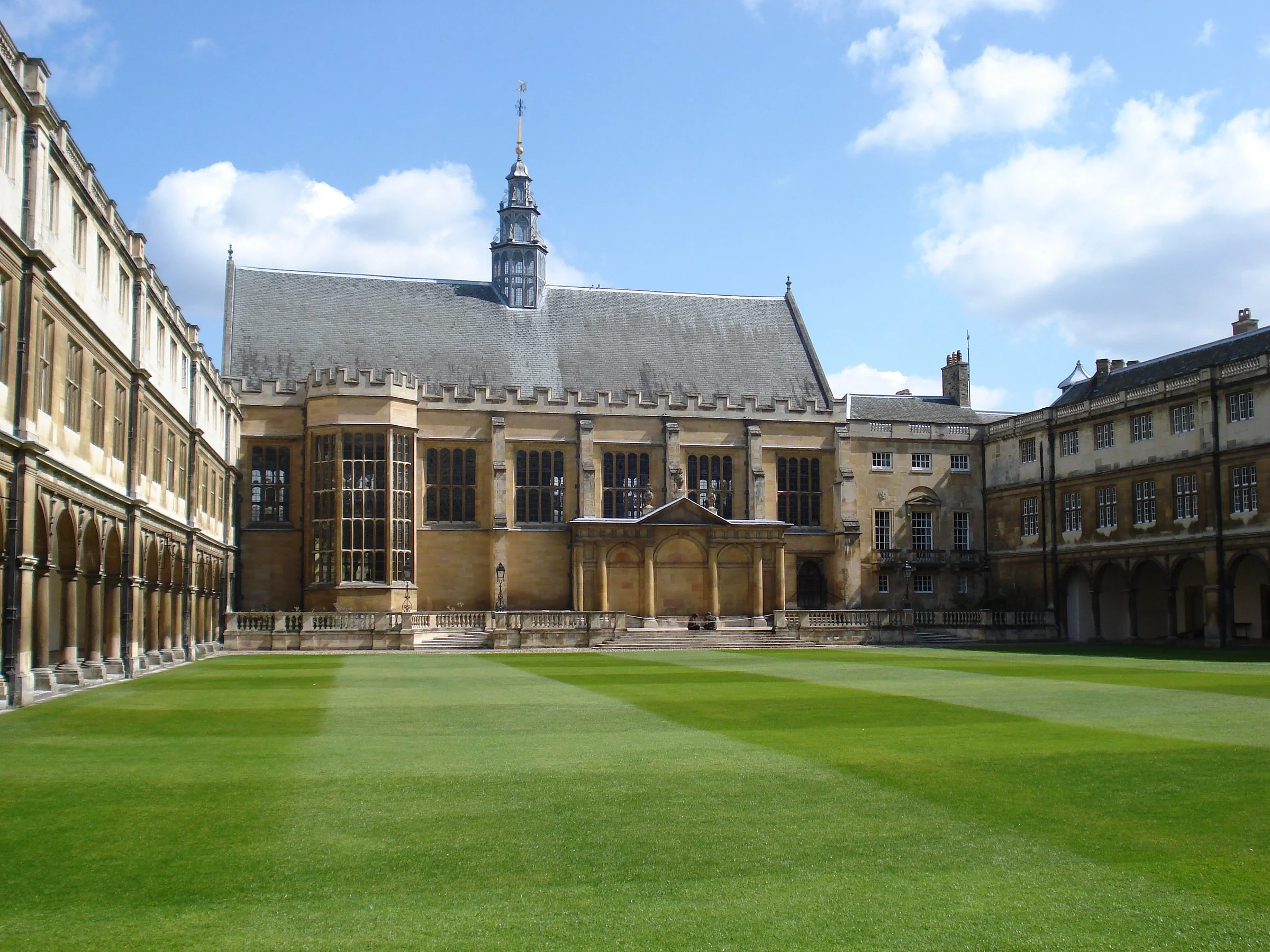
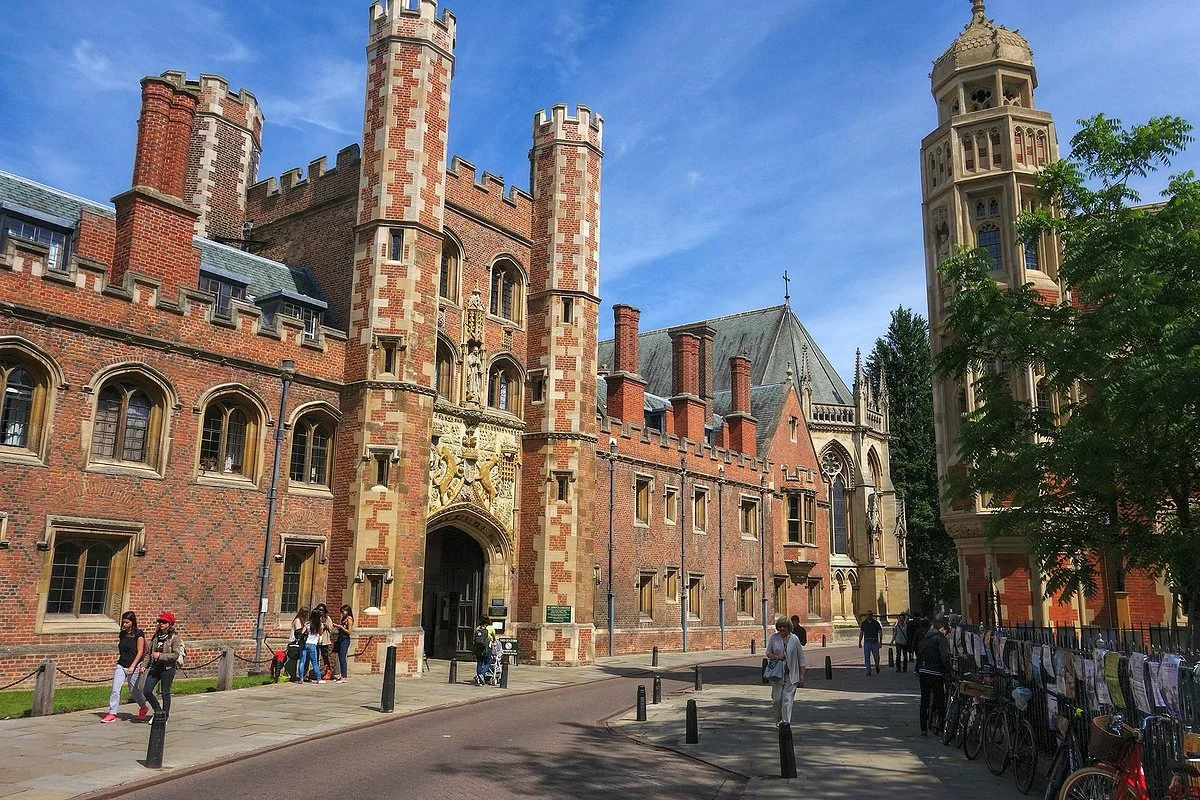
Cambridge’s university buildings are woven into the city rather than separated from it. Historic colleges, courtyards, chapels, and gardens appear throughout the center, giving everyday walks a strong sense of history and making the city feel unlike a typical British destination.
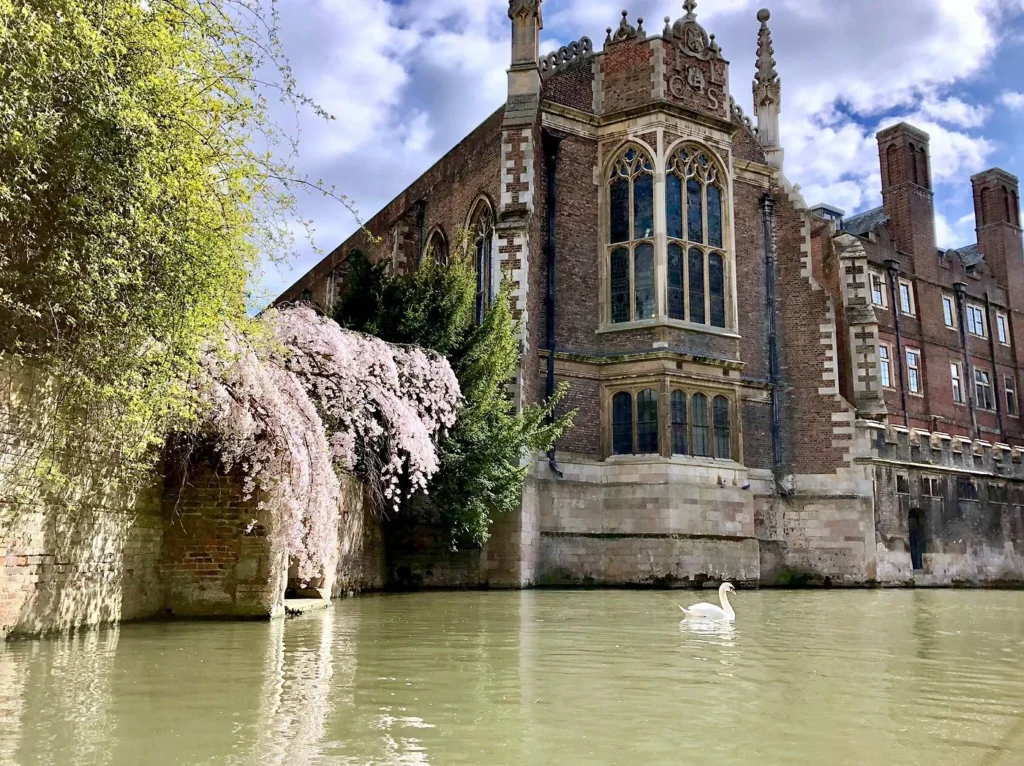
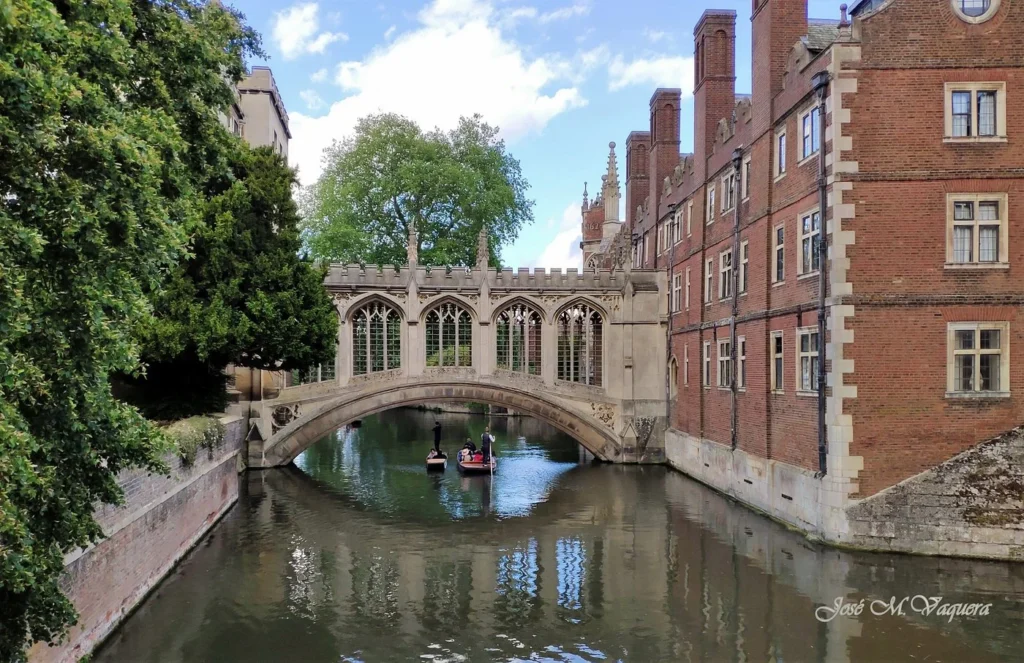
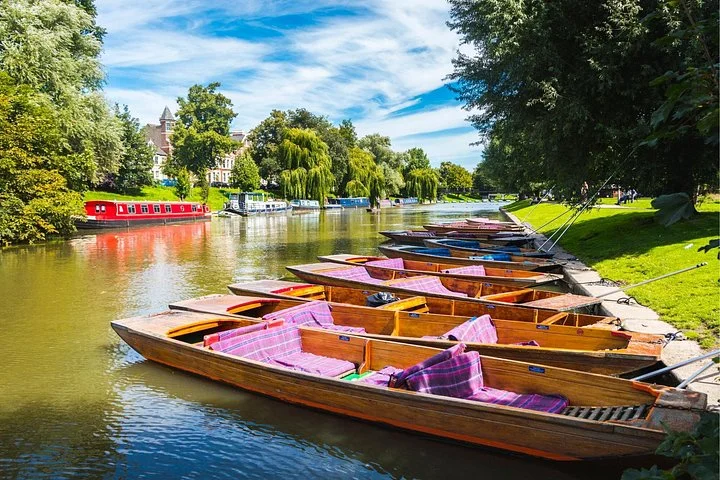
The River Cam adds another dimension to Cambridge. You can walk beside the water, relax on the riverside meadows, or take a traditional punt beneath the city’s historic bridges. The river provides some of the best views of Cambridge’s architecture from a different angle.
There are plenty of things to do in Cambridge, whether you are visiting for its famous colleges, interested in history and culture, or simply want to spend time exploring one of England’s most atmospheric cities. Many of its best-known sights are close enough to experience on foot, making Cambridge particularly rewarding to explore at a relaxed pace.
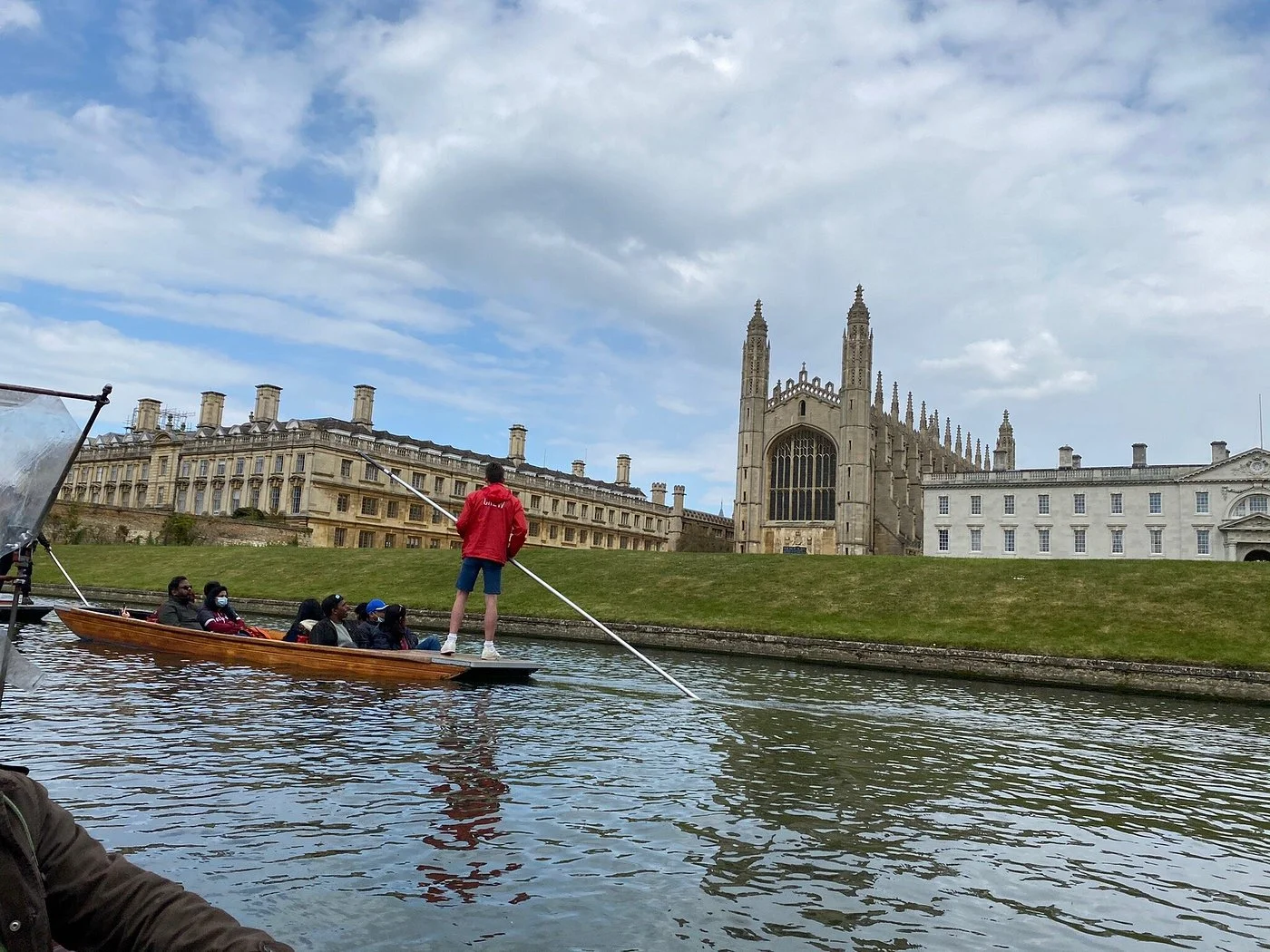
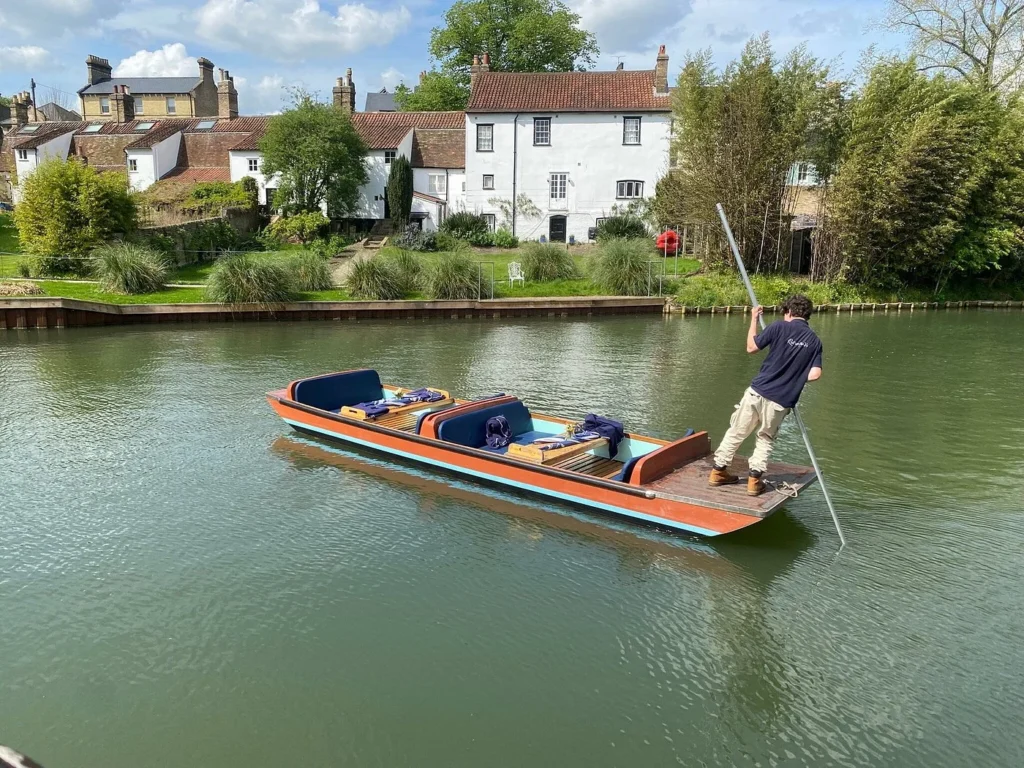
Punting is one of the classic Cambridge experiences. A guided trip along the river passes several historic colleges and bridges, providing views that are difficult to appreciate from the streets. For a quieter experience, the riverside paths and surrounding meadows are also worth exploring
Cambridge’s center is made for walking. Routes through the university area can take you past historic colleges, market stalls, old streets, museums, and architectural landmarks within a relatively small area.
The best places to visit in Cambridge range from famous university buildings to museums, markets and riverside spaces. These eight destinations provide a strong introduction to the city.
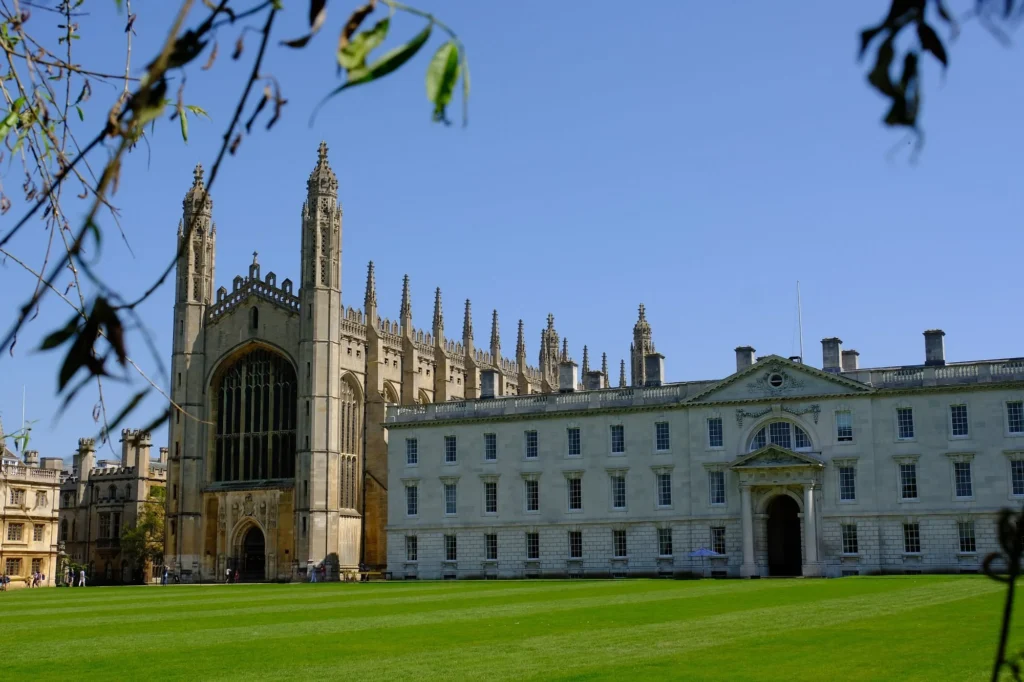
King’s College is one of the most recognizable parts of Cambridge, with its famous chapel dominating the skyline. The chapel’s Gothic architecture, stained glass and fan-vaulted ceiling make it one of the city’s most impressive historic interiors.
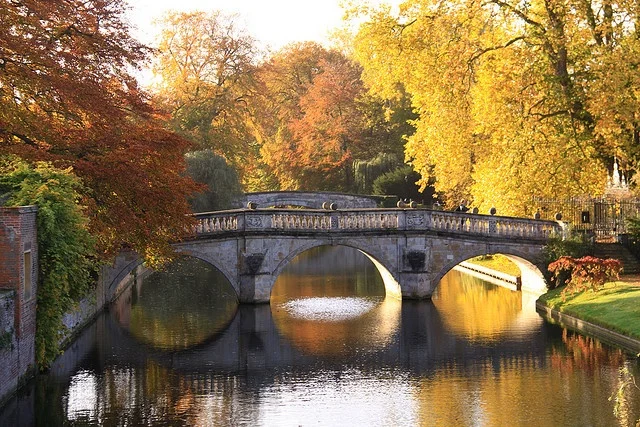
The Backs is the scenic area where several historic Cambridge colleges meet the River Cam. Meadows, bridges, and college buildings create one of the city’s most memorable landscapes, particularly when viewed from the river or during a riverside walk.
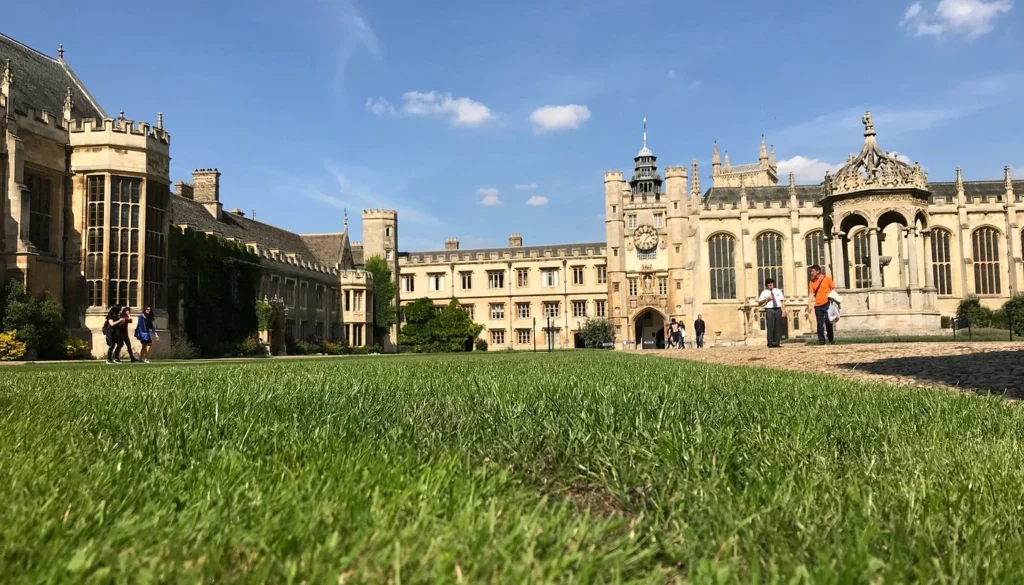
Trinity College is one of Cambridge’s most historically significant colleges. Its Great Court, historic buildings and connection with notable scholars make it an important stop for visitors exploring the university quarter.
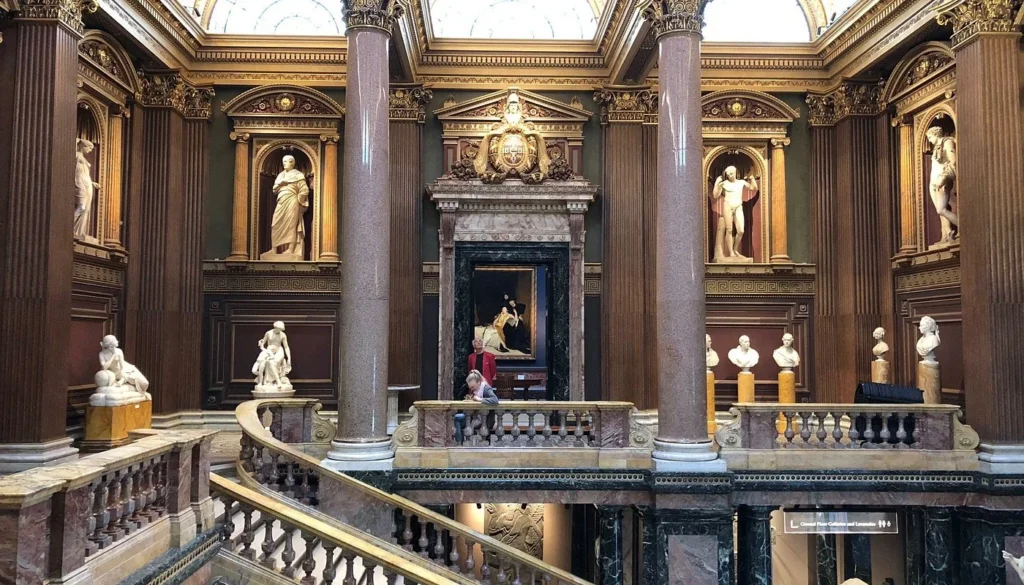
The Fitzwilliam Museum houses an extensive collection covering art, antiquities, and decorative objects from different periods and cultures. Its grand setting and broad collection make it one of the most important cultural attractions in Cambridge.
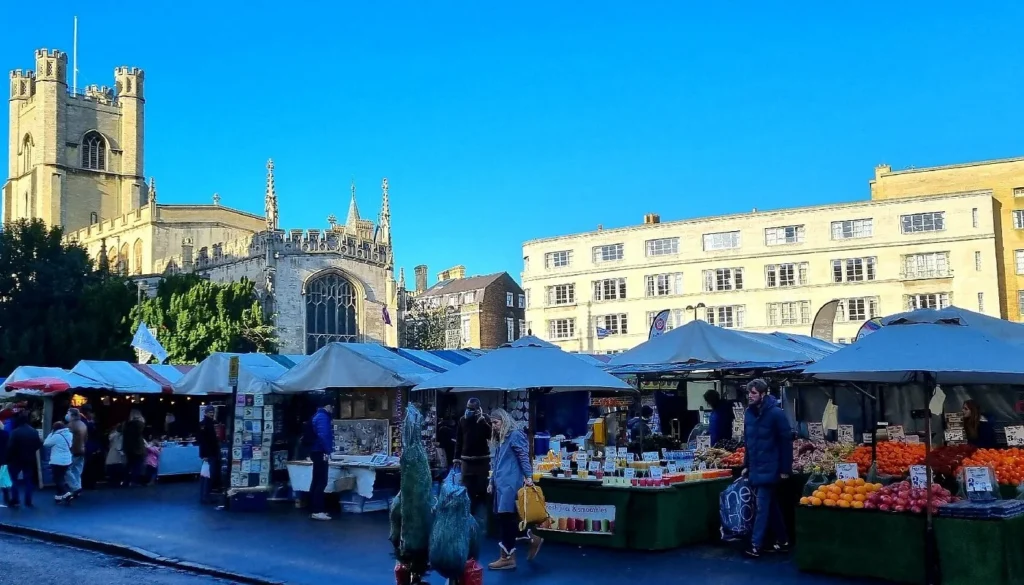
Market Square sits at the heart of Cambridge and provides a lively contrast to the university buildings surrounding it. Traders offer food, crafts, clothing and other goods, making the market a useful place to pause while exploring the center.
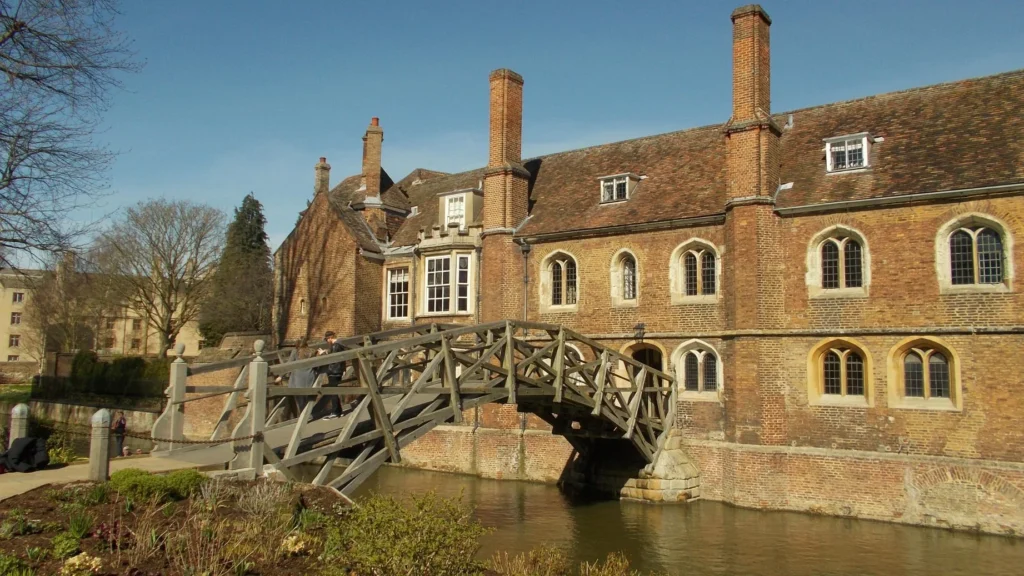
The Mathematical Bridge crosses the River Cam at Queens’ College and is known for its distinctive timber structure. Its unusual design and position beside the college buildings make it a popular stop during a walk through the university area.
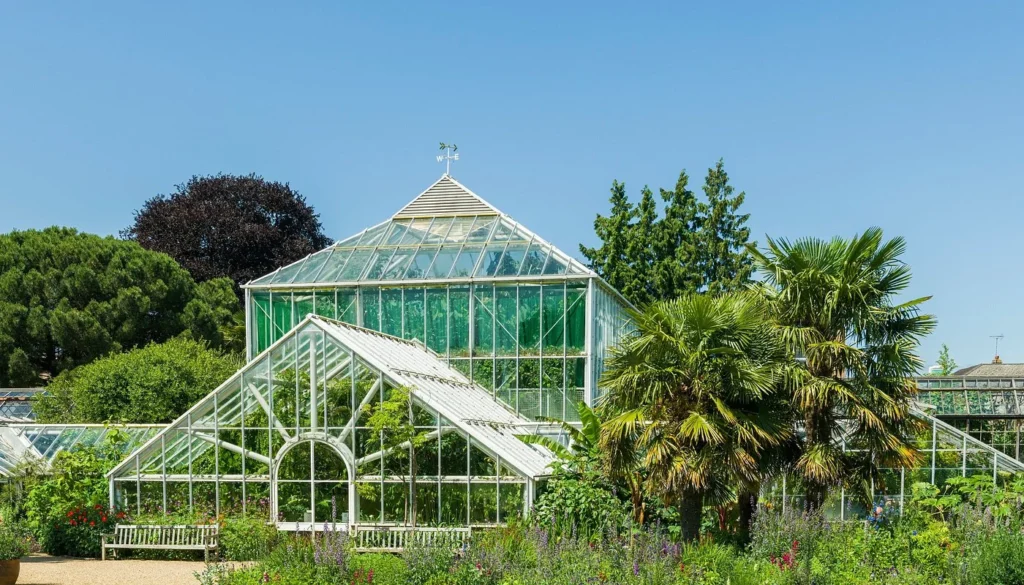
The Botanic Garden provides a peaceful change from the busy historic center. Its plant collections, landscaped areas and seasonal displays make it a good destination for visitors who want to combine sightseeing with time outdoors.
The Bridge of Sighs is one of Cambridge’s best-known river landmarks, connecting parts of St John’s College across the River Cam. It is particularly impressive when seen from a punt travelling beneath it.
Spring is an excellent time to explore Cambridge’s gardens and riverside areas. Walk through The Backs, visit the Botanic Garden and enjoy a punt along the River Cam as the surrounding landscape becomes greener.
Summer brings longer days and a lively atmosphere to the city. Punting, outdoor walks, college visits, and time around Market Square can all be combined into a full day of sightseeing, while the river provides a natural place to slow down.
Autumn gives Cambridge’s historic streets and riverside landscapes a different character. The changing colors around the backs and college grounds make walking particularly enjoyable, while museums provide plenty of options if the weather turns cooler.
Winter is a good season for focusing on Cambridge’s museums, historic buildings and cafés. Explore the university quarter, visit the Fitzwilliam Museum and spend time around the atmospheric streets of the city center before enjoying a warm meal or drink.

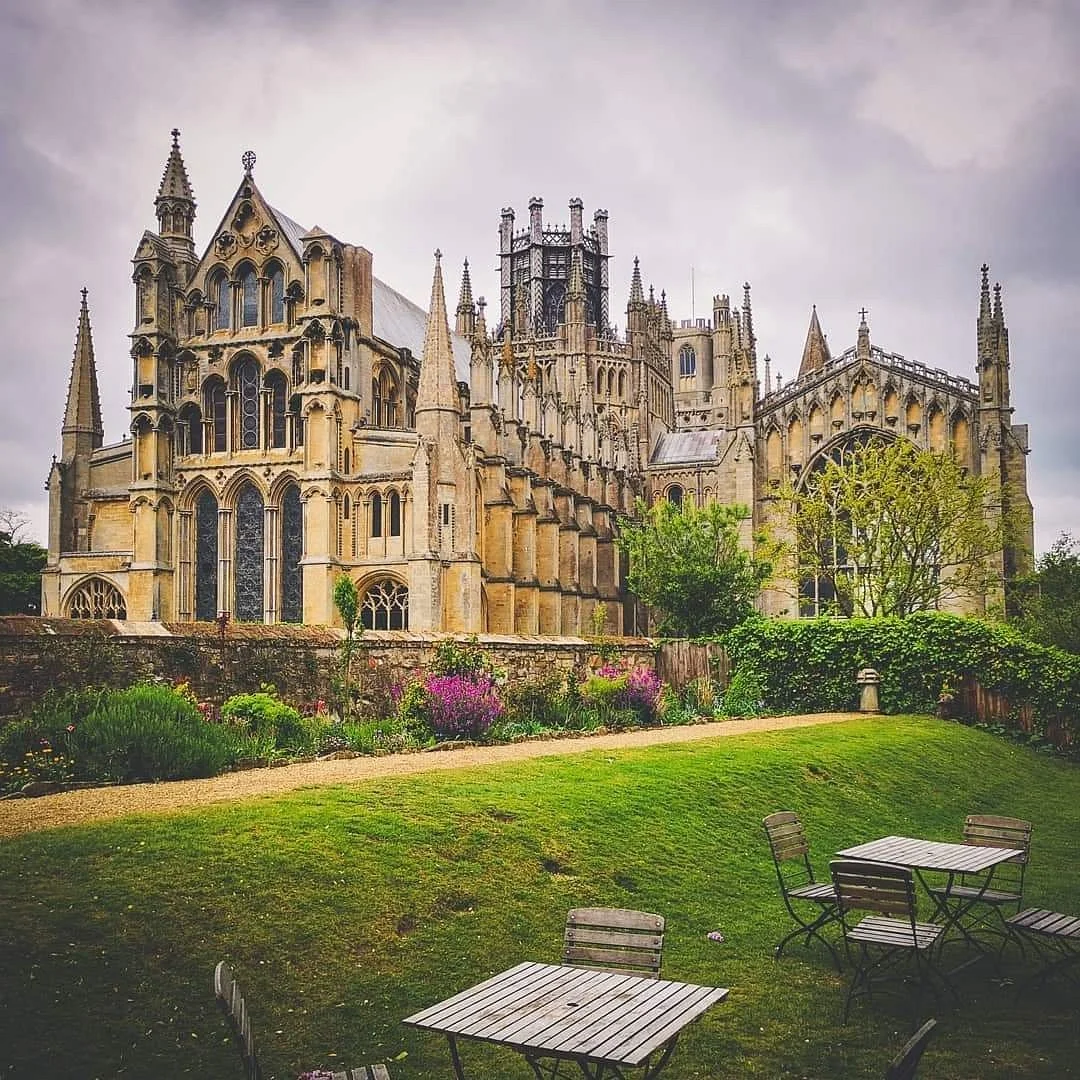
Ely is a historic cathedral city north of Cambridge, best known for its magnificent cathedral and distinctive riverside setting. Its compact center makes it an easy addition to a wider Cambridgeshire itinerary.
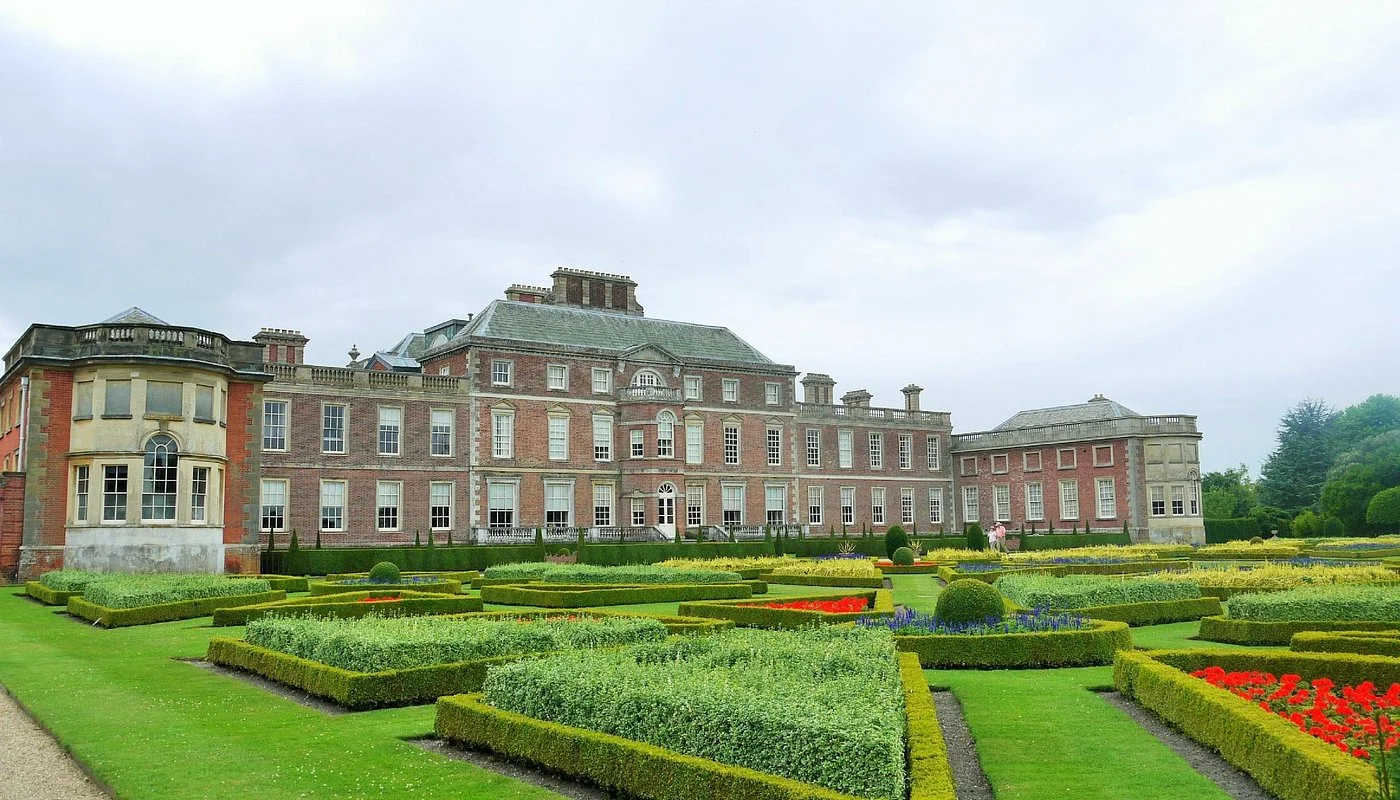
Wimpole Estate combines a historic country house with extensive parkland and farmland. It provides a countryside alternative to Cambridge’s urban and university attractions.
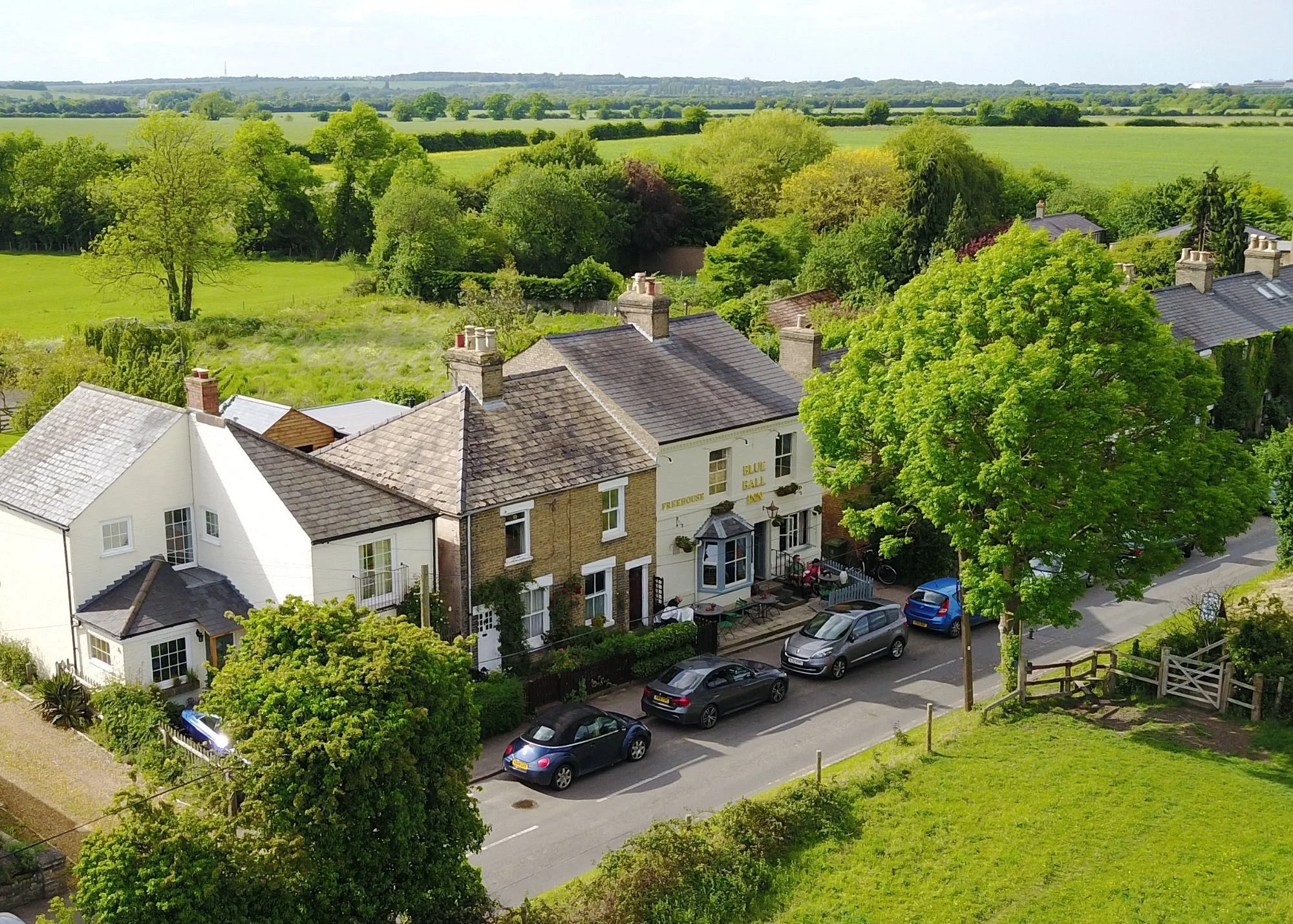
Grantchester is a picturesque village just outside Cambridge, surrounded by meadows and countryside. It is particularly appealing for visitors wanting a slower walk or a traditional village experience close to the city.

Newmarket is strongly associated with British horse racing and offers a different perspective on the heritage of the region. Its racing history, museums, and surrounding countryside make it an interesting nearby destination.
Duxford is home to the Imperial War Museum Duxford, one of the region’s major aviation and military history attractions. Its collection of aircraft and historic buildings makes it particularly worthwhile for visitors interested in aviation
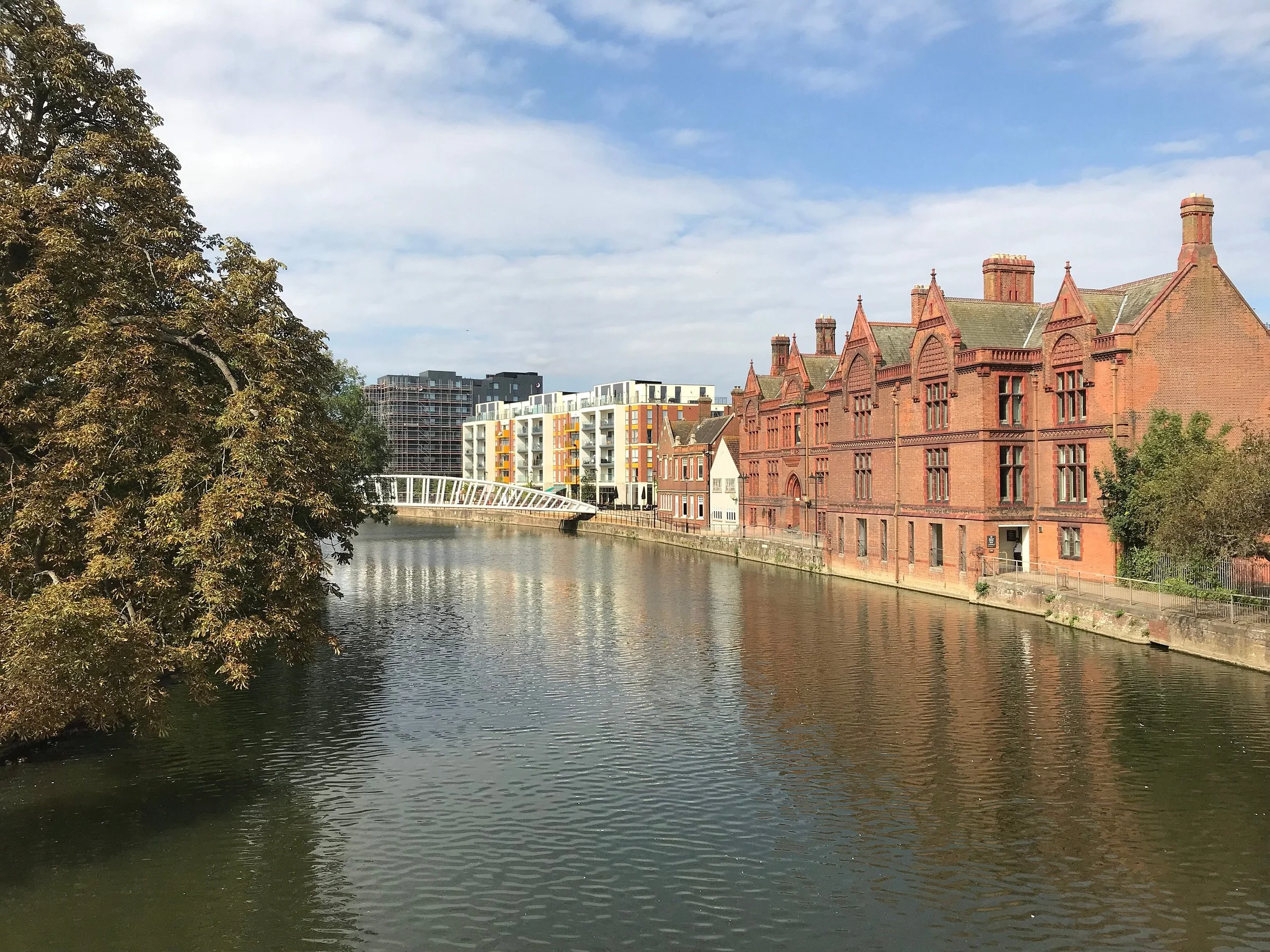
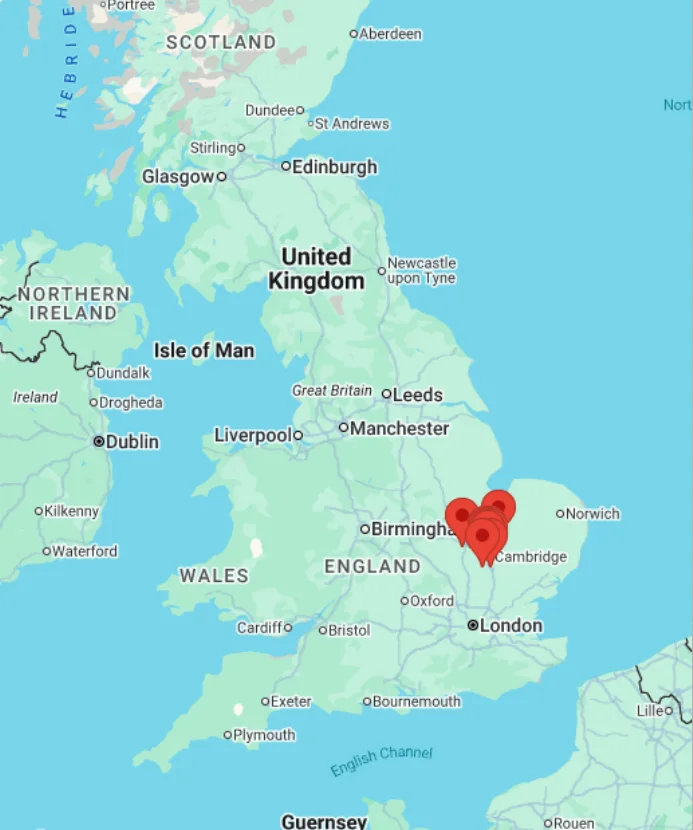
Cambridge is well connected by rail and road, making it accessible from London and other parts of England. Cambridge railway station is south of the historic center, while Cambridge North provides another rail connection for visitors approaching from the north and east
Cambridge can also be reached by road, although parking in the historic center can be limited. Park & Ride services provide a practical alternative for visitors arriving by car and wanting to avoid central traffic.
Walking is one of the best ways to explore Cambridge. Many of the historic colleges, museums, market areas and central attractions are close together, while walking also allows you to discover smaller streets and riverside routes along the way.
Local buses connect the city center with residential areas, Cambridge railway stations and destinations beyond the main tourist zone. They are useful when you want to travel further than the historic center without driving.
Cycling is a major part of everyday life in Cambridge, and the city has numerous cycle routes. A bicycle can be useful for reaching the Botanic Garden, railway stations, surrounding neighborhoods, and nearby countryside.
Cambridge has a rare combination of historic architecture, university traditions and outdoor spaces. Its colleges create the visual identity of the center, while the River Cam and surrounding meadows prevent the city from feeling entirely urban.
The best experience comes from combining the famous sights with time to wander. Visit a historic college, explore a museum, walk along The Backs, browse the market and see the city from the river. Together, these experiences reveal why Cambridge remains such a distinctive destination.
Cambridge combines university heritage with a relaxed riverside setting, creating a destination that can be enjoyed through both sightseeing and simple wandering. The famous colleges and chapels provide the historic highlights, while the River Cam, The Backs, gardens and market add different ways to experience the city.
For anyone searching for places to visit in Cambridge, there is plenty beyond the postcard landmarks. Give yourself time to walk the historic center, see the colleges from the river and explore the quieter corners, and Cambridge becomes much more than a university city.
Some of the best things to do in Cambridge include visiting King’s College Chapel, exploring the historic colleges, going punting on the River Cam, walking through The Backs, visiting museums and exploring the city’s market and historic streets.
Popular places to visit in Cambridge include King’s College, The Backs, Trinity College, the Fitzwilliam Museum, Cambridge Market Square, the Mathematical Bridge, the Botanic Garden and the Bridge of Sighs.
The main attractions in Cambridge include King’s College Chapel, Trinity College, the River Cam, the Backs, the Fitzwilliam Museum, Cambridge University Botanic Garden and the historic bridges connecting the university colleges.
Yes. Cambridge’s historic center is compact, and many major sights can be reached on foot. Buses and cycling provide additional options for reaching areas outside the central tourist district.
Cambridge is well suited to a weekend because its historic center offers a combination of university buildings, museums, riverside walks, gardens, cafés and independent shops. A longer visit also gives you time to explore nearby villages and attractions.