
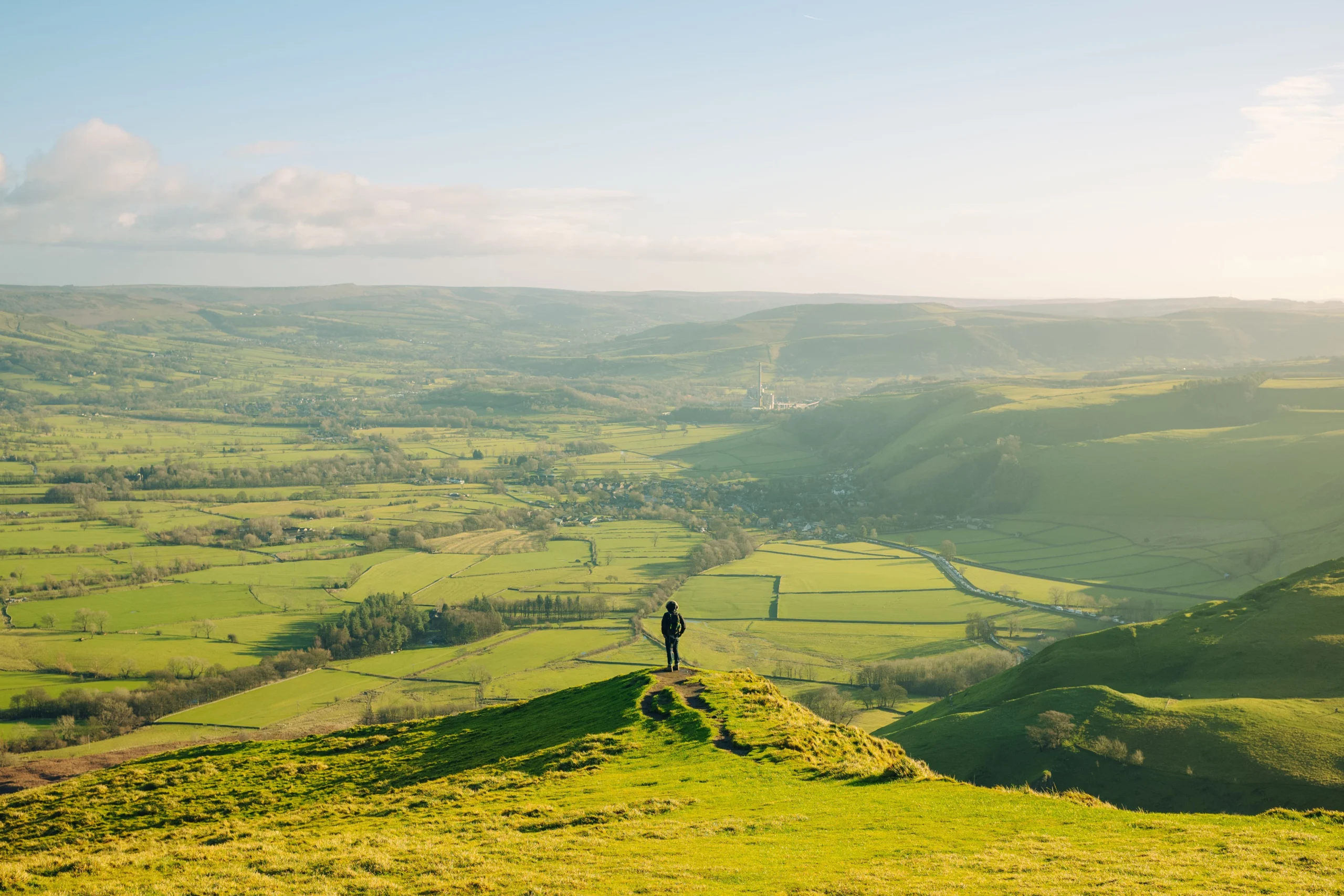
Derby

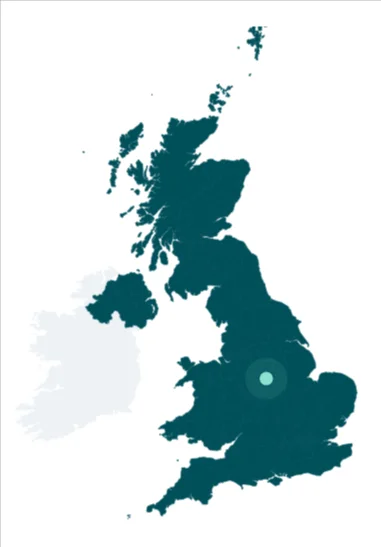
Derby is a historic city in the heart of England with a strong connection to industry, engineering, art and innovation.

Capital city

Belfast

Currency

GBP

Timezone

GMT (Winter), GMT + 1 (Summer)
Derby Map

WHY WE LOVE DERBY

Derby played an important role in Britain’s industrial development, and that history remains visible today. The city’s museums, historic mills and railway connections tell the story of engineering and manufacturing, while galleries, cultural venues and independent businesses give Derby a more contemporary character.

Derby does not feel disconnected from nature. Parks, riverside paths and green spaces are spread throughout the city, while the Peak District and wider Derbyshire countryside are within easy reach. It means a city visit can easily be combined with walking, cycling or countryside trips.

From the Museum of Making at Derby Silk Mill and Derby Cathedral to riverside walks, galleries and historic streets, there are plenty of things to do in Derby across a compact city center. Its position also makes it a useful base for exploring the surrounding Derbyshire countryside and Peak District.

DESTINATIONS IN DERBY

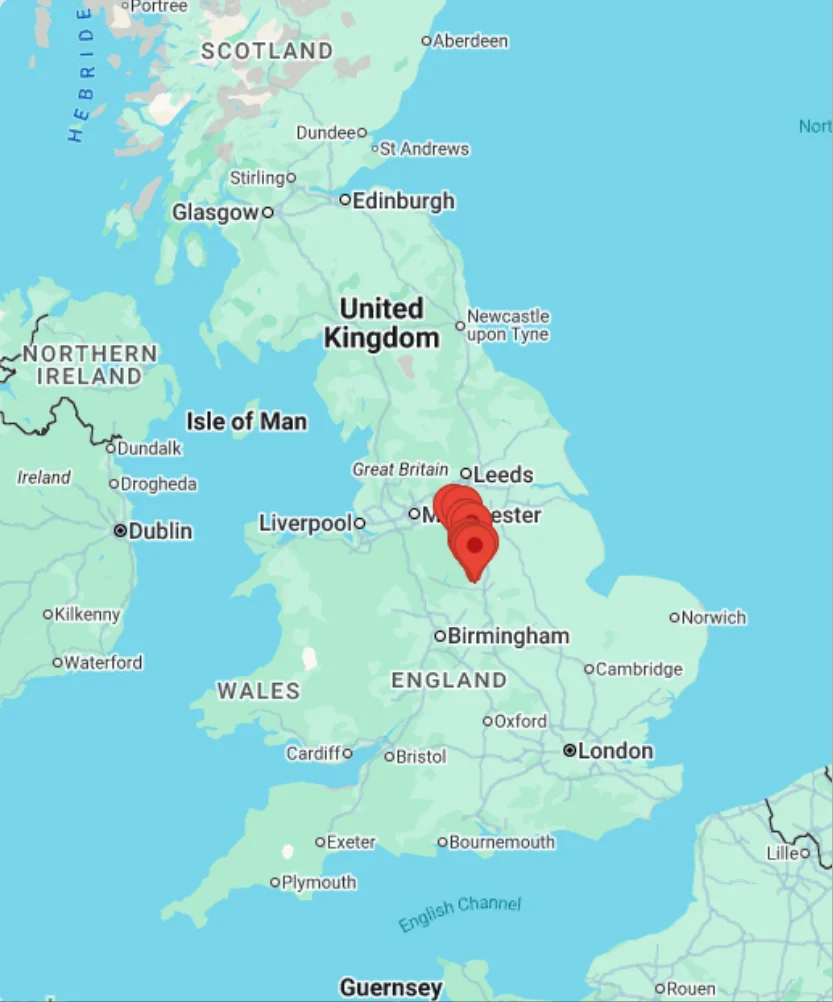
Derby’s main attractions are concentrated around and close to the city center, making it straightforward to combine museums, historic landmarks, shopping and green spaces in one visit.

Derby Map

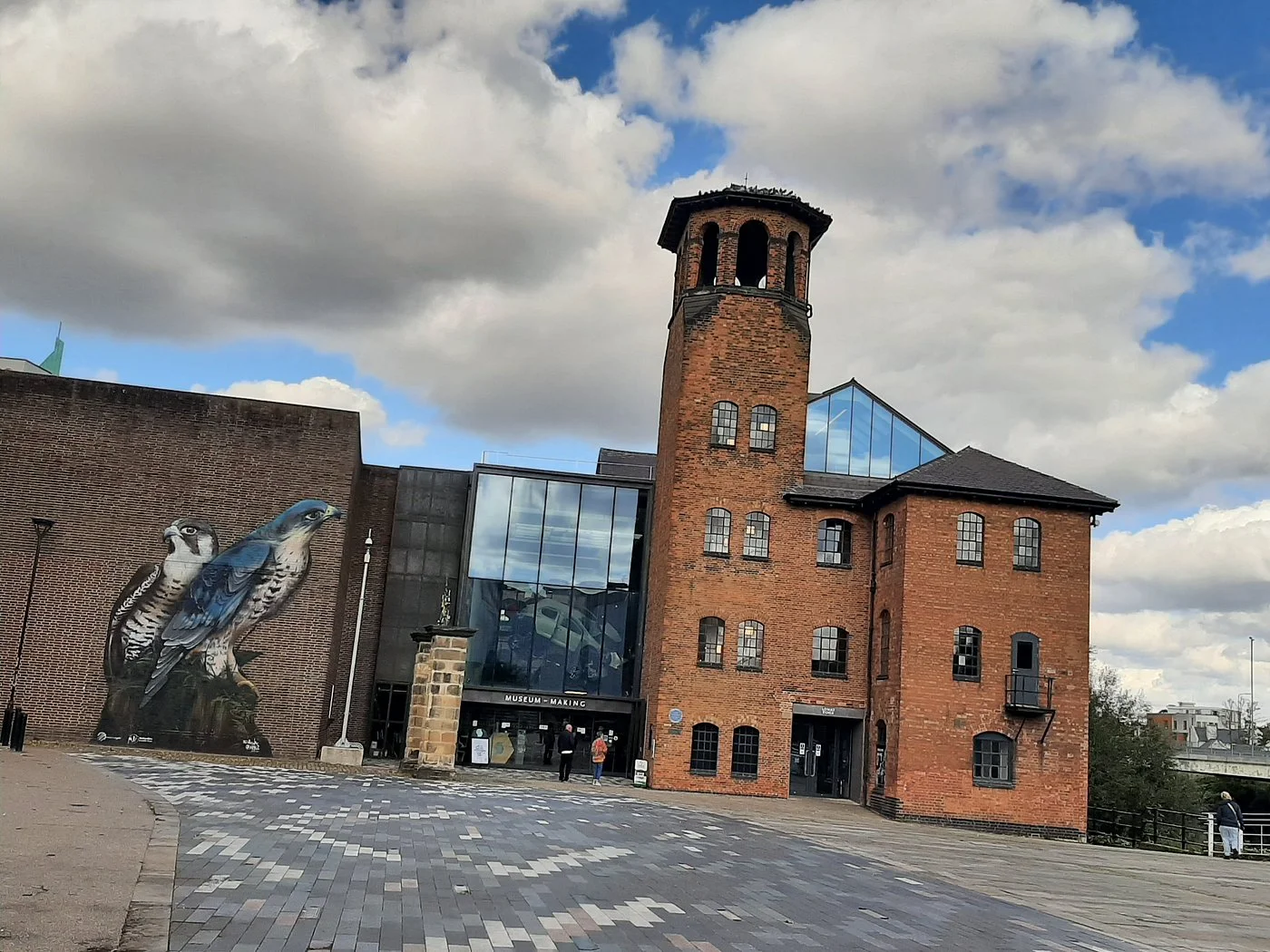
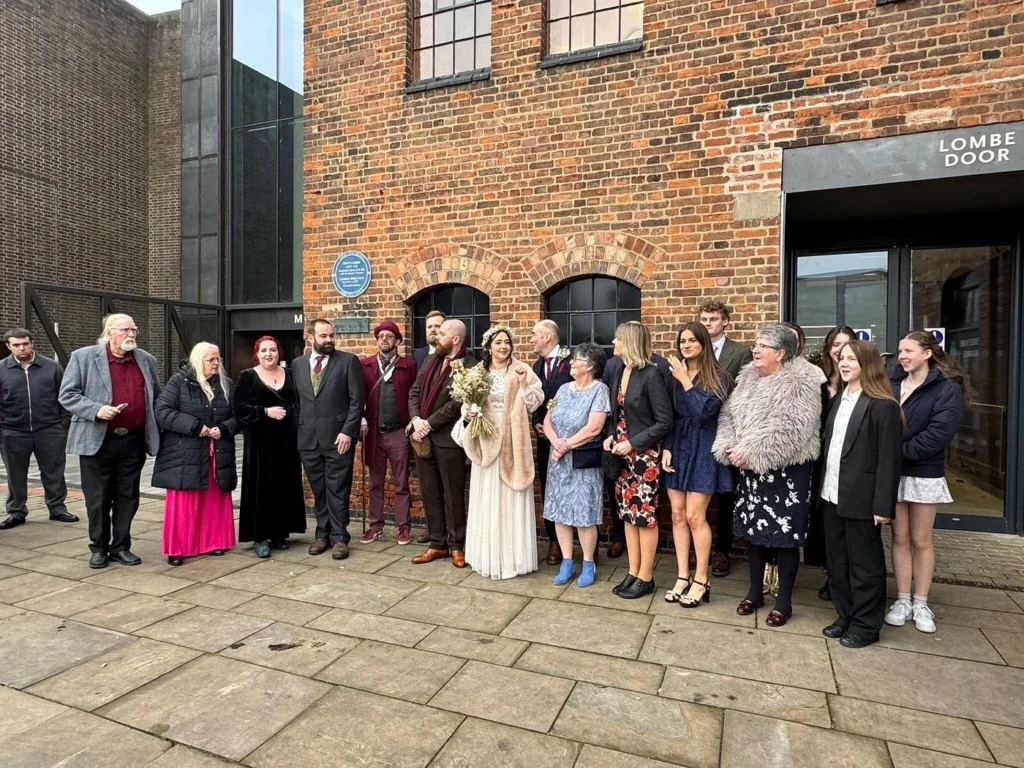
Museum of Making at Derby Silk Mill

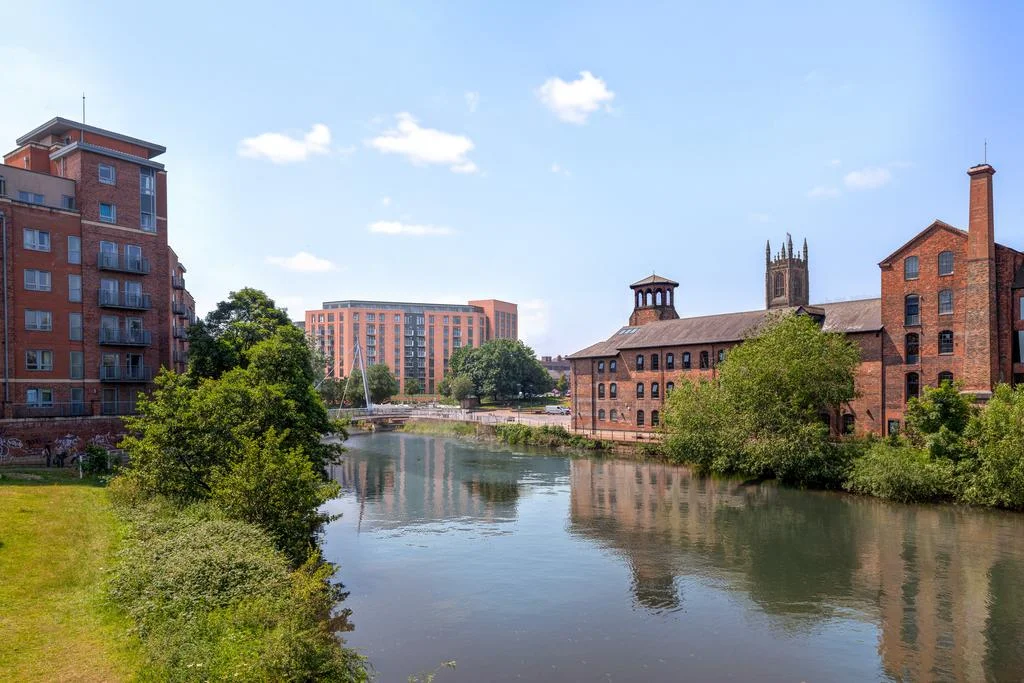
The Museum of Making explores Derby’s long history of manufacturing, engineering and innovation. Its location beside the River Derwent also connects it to the wider story of the Derwent Valley Mills

Museum of Making at Derby Silk Mill

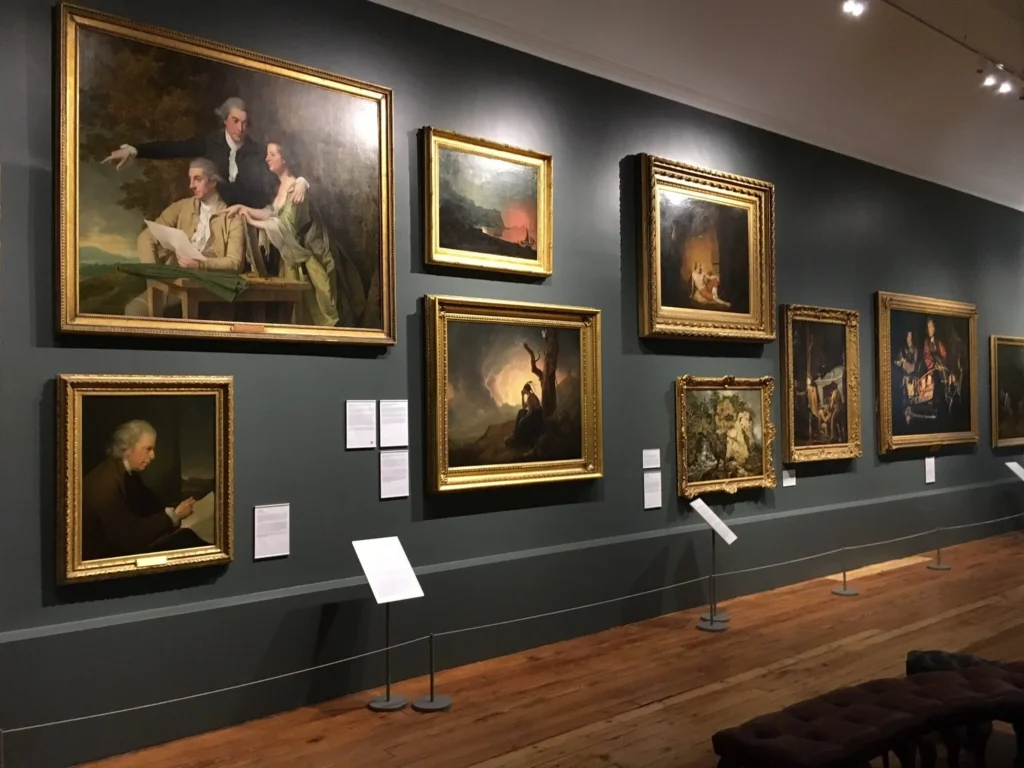
Derby Museum & Art Gallery

Derby Museum & Art Gallery brings together collections covering local history, natural history and art. It is particularly associated with the work of Joseph Wright of Derby, whose paintings reflect the city’s intellectual and industrial heritage.

Derby Museum & Art Gallery

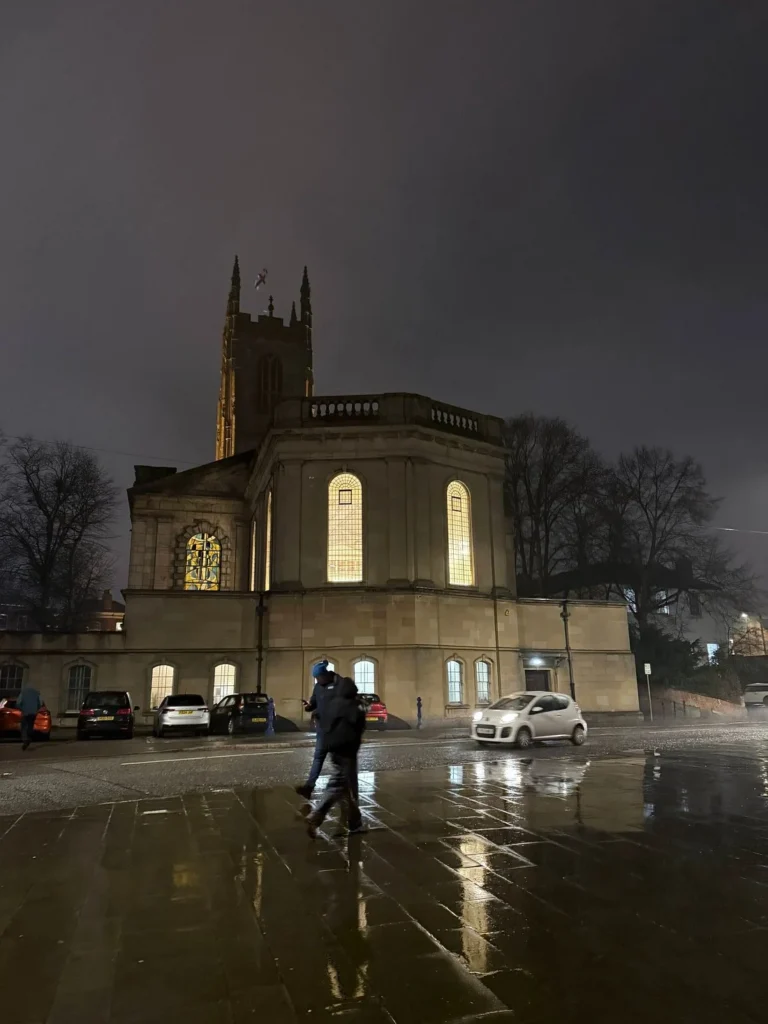
Derby Cathedral

Derby Cathedral is one of the city’s most recognizable landmarks, with its tall tower forming a prominent part of the skyline. The cathedral stands in the historic center, making it easy to include on a walking route around Derby.

Derby Cathedral

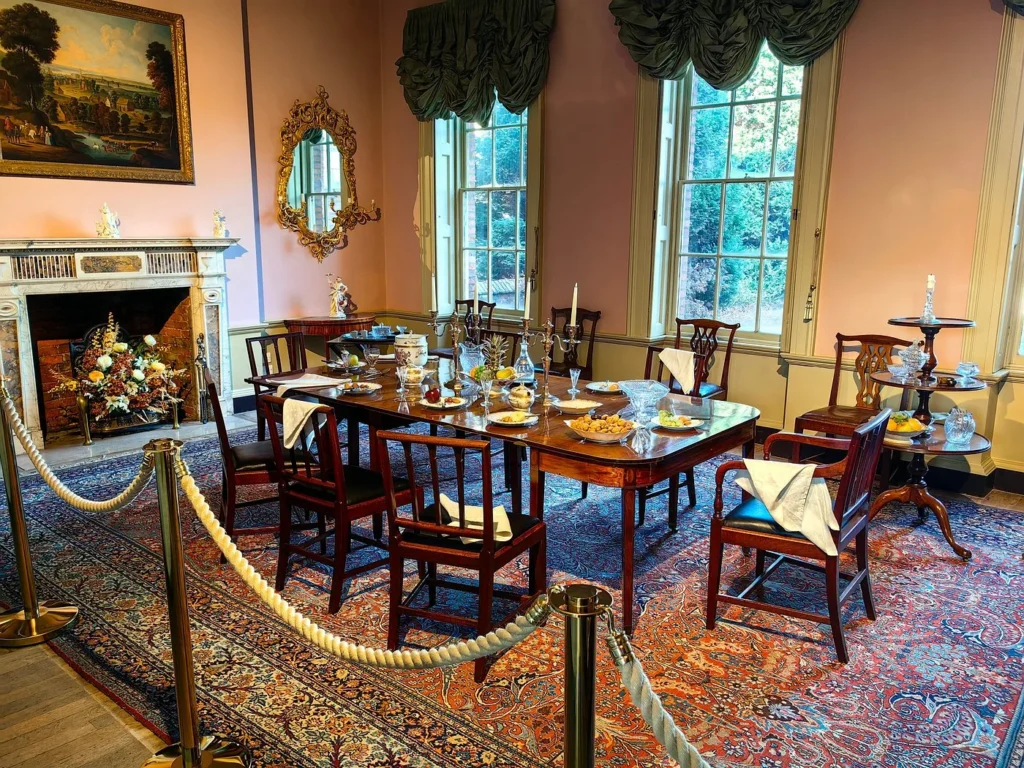
Pickford's House

Pickford’s House is a historic Georgian townhouse that provides a glimpse into domestic life in Derby. Its period interiors and collections make it a useful stop for visitors interested in social and architectural history.

Pickford's House

Derby Market Hall

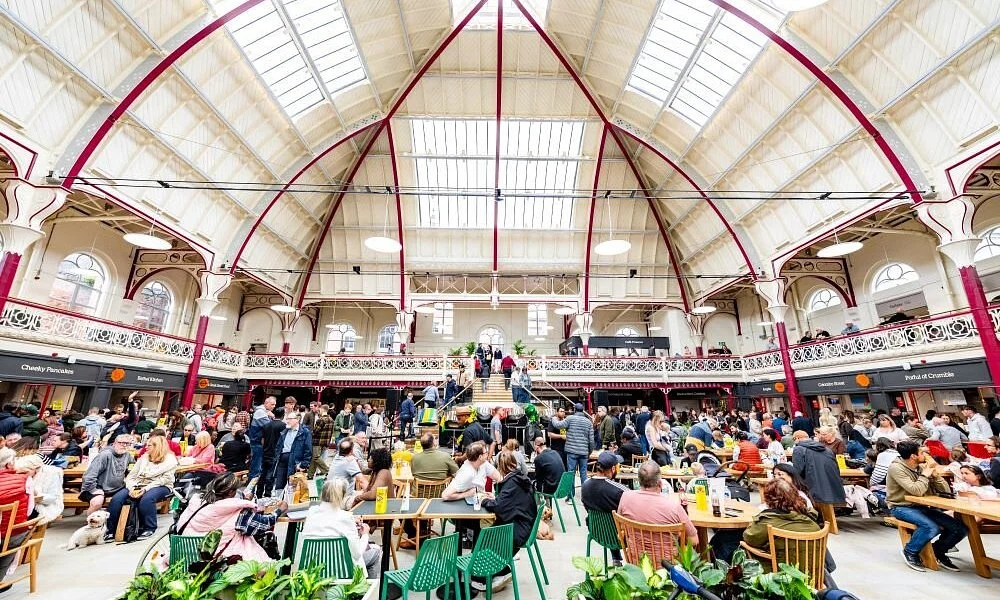
Derby Market Hall is a historic city-center landmark where visitors can browse food, independent traders and local businesses. Its central position makes it easy to combine with shopping and sightseeing.

Derby Market Hall

Darley Abbey

Darley Abbey lies just north of the city center and forms part of the Derwent Valley Mills World Heritage Site. Its historic mill buildings and riverside setting reveal an important part of Derby’s industrial past.

Darley Abbey

Derby Arboretum

Derby Arboretum is one of the city’s most attractive green spaces and has an important place in the history of public parks. It provides an easy escape from the city streets for walking and relaxing.

Derby Arboretum

QUAD

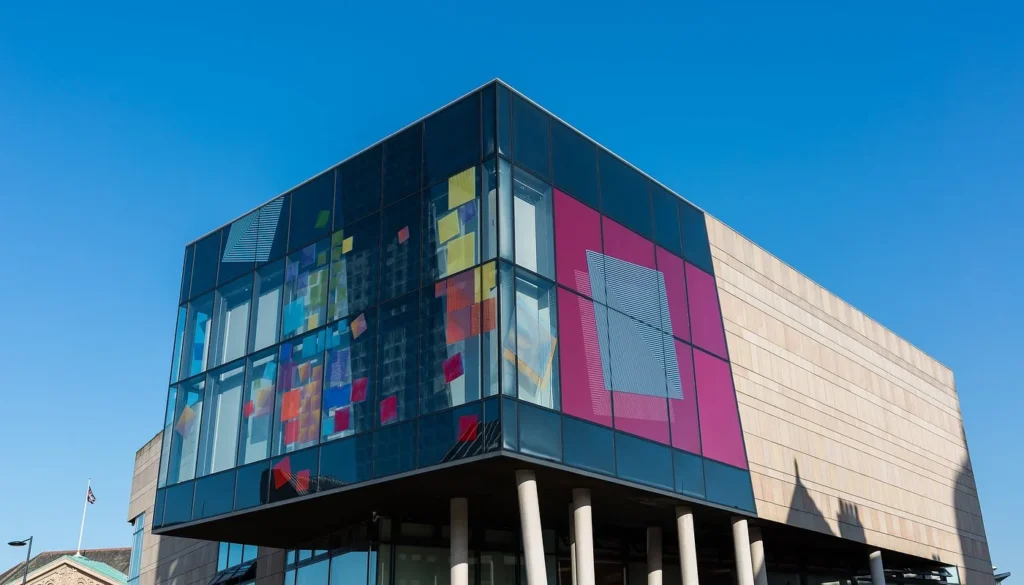
QUAD is a contemporary arts and cultural venue in the Cathedral Quarter, offering cinema, exhibitions and creative events. It adds a modern cultural dimension to Derby’s historic center.

QUAD

Featured Things to Do BY SEASON

Derby

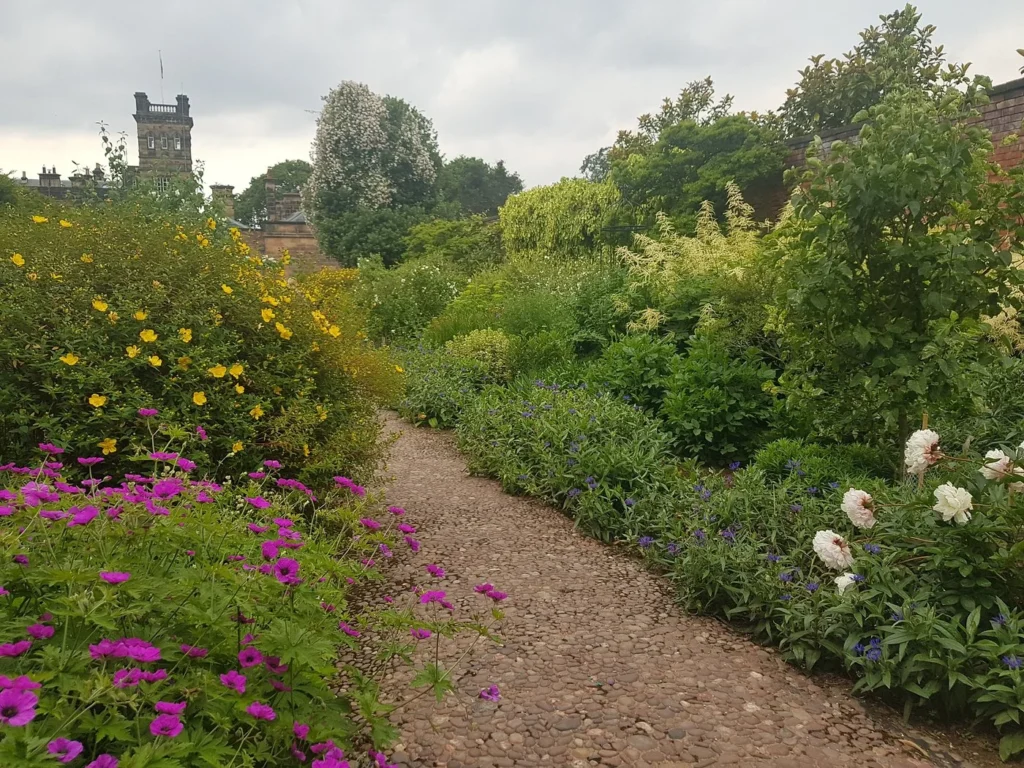
Spring is a good time to explore Derby’s parks and riverside routes. Walk through Derby Arboretum, follow the River Derwent and combine outdoor time with a visit to one of the city’s museums.

Derby

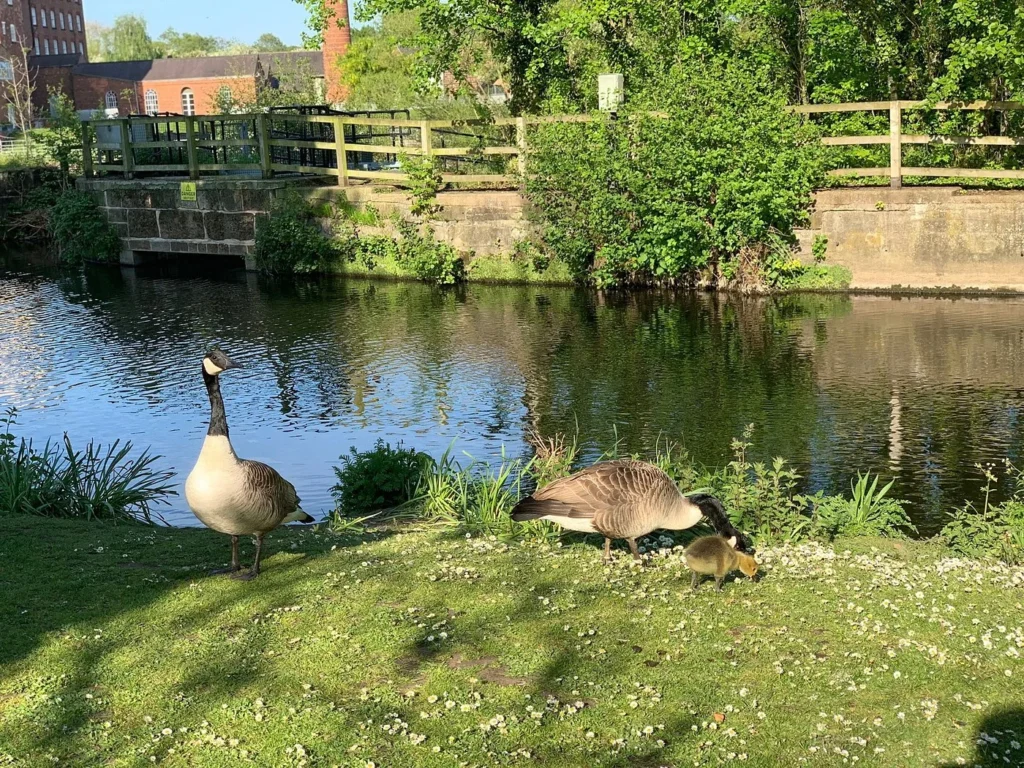
Summer makes it easier to spend time outdoors around Derby. Explore the city center in the morning, then head towards Darley Abbey or nearby countryside for walks and riverside scenery.

Derby

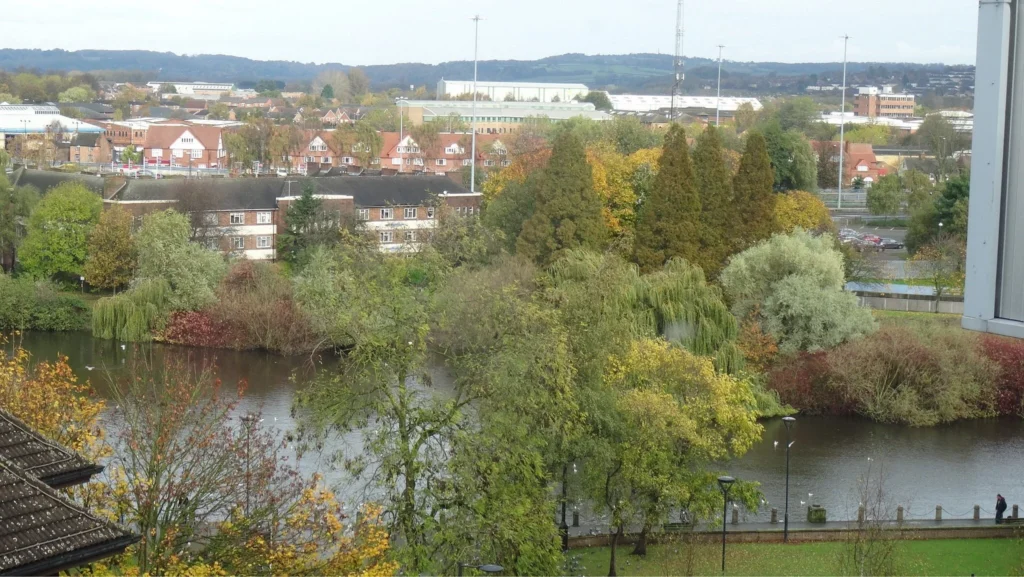
Autumn suits Derby’s museums, galleries and heritage attractions. Spend time at the Museum of Making and Derby Museum & Art Gallery before exploring the historic streets around the cathedral and market.

Derby

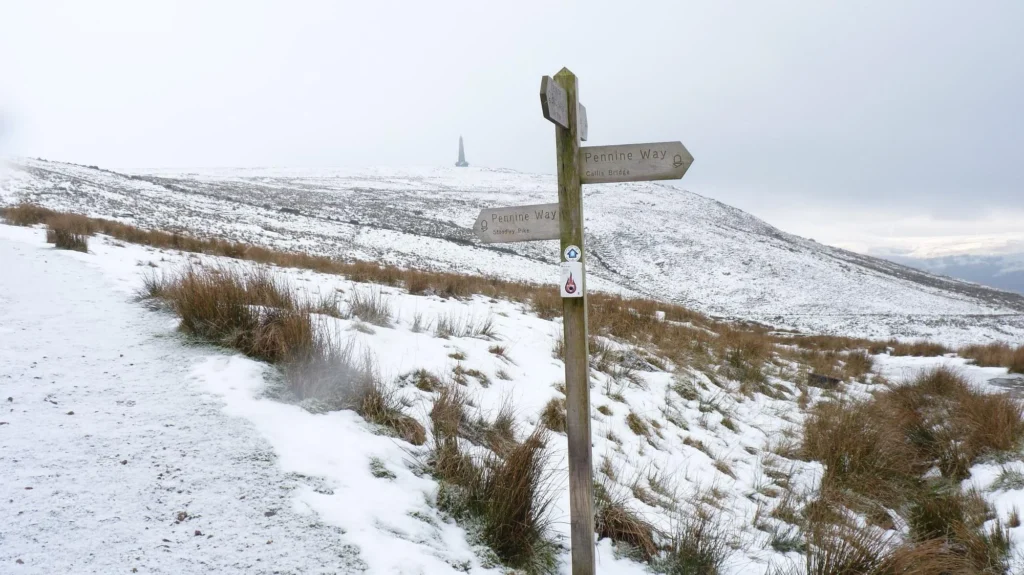
Winter is a good season for exploring Derby’s indoor attractions, shopping areas and cultural venues. Museums, galleries, cafés and QUAD provide plenty to do when the weather is less suitable for outdoor activities.

Explore Nearby Derby

peak district national park

Peak District National Park

The Peak District is one of the biggest reasons to extend a Derby visit beyond the city. Its landscapes, villages, walking routes and outdoor attractions are easily accessible from Derby and provide a dramatic contrast to the urban center.
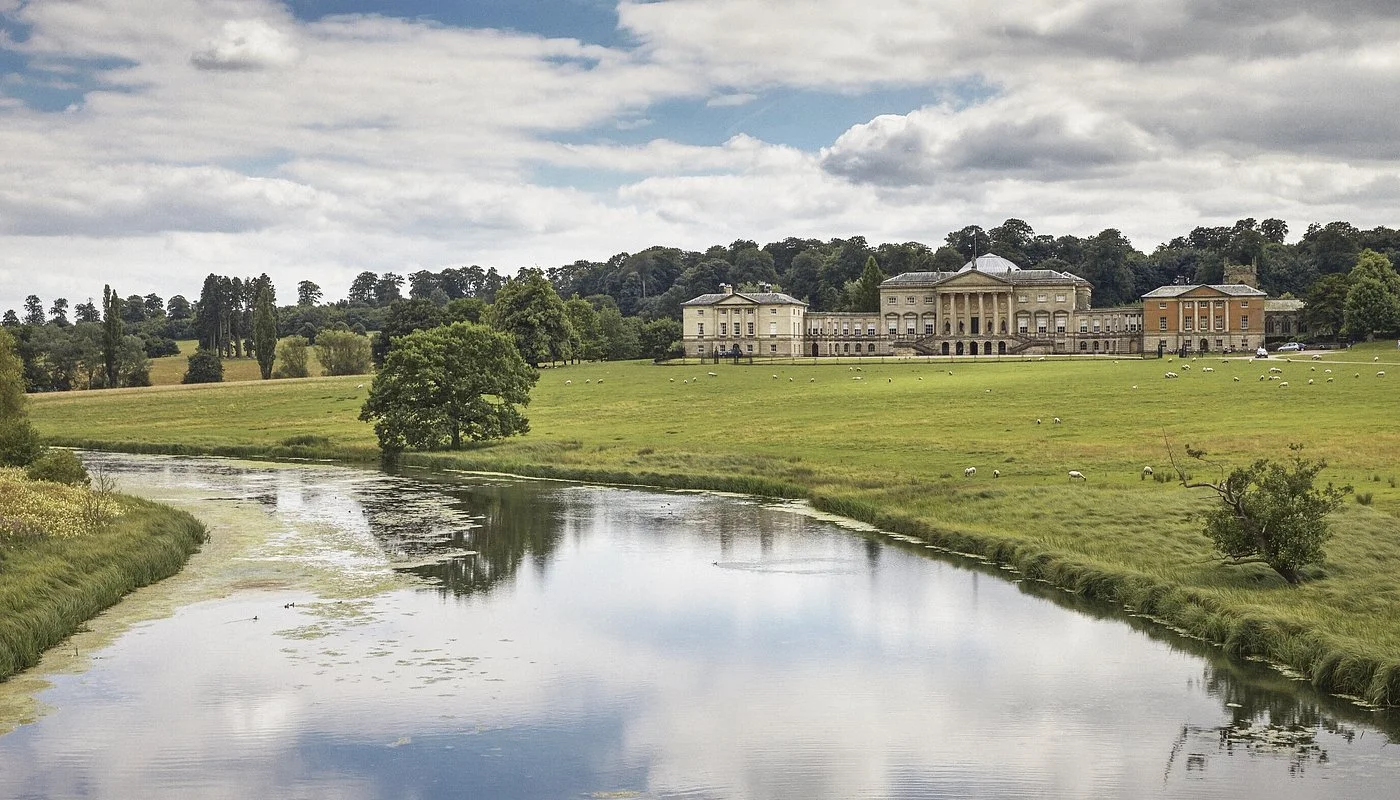
Kedleston Hall

Kedleston Hall

Kedleston Hall is an impressive country estate surrounded by parkland near Derby. Its architecture, interiors and landscaped grounds make it a strong choice for a heritage-focused day out.
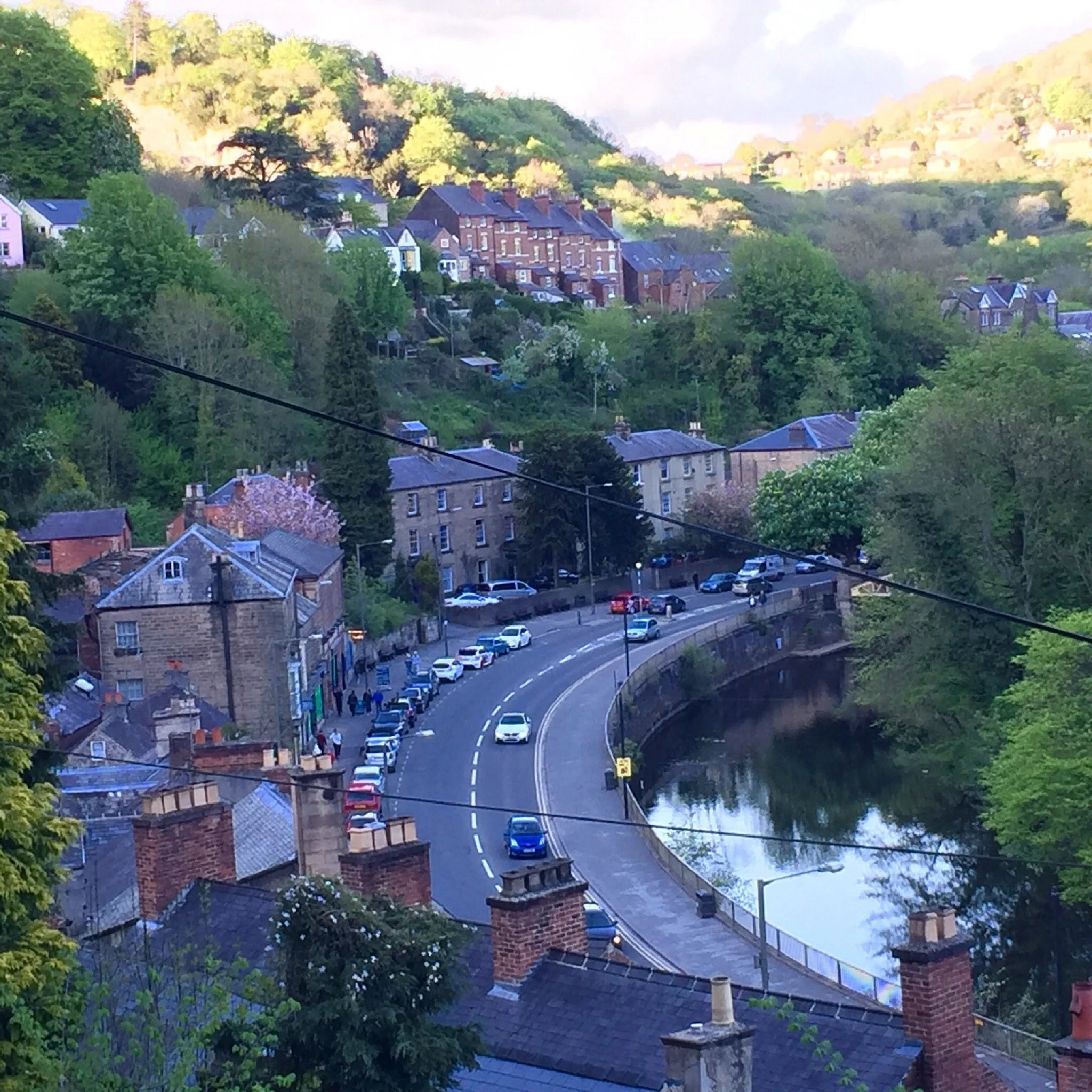
Matlock Bath

Matlock Bath

Matlock Bath is a distinctive spa town in the Derwent Valley, surrounded by wooded hills and limestone scenery. It also provides access to attractions such as the Heights of Abraham.
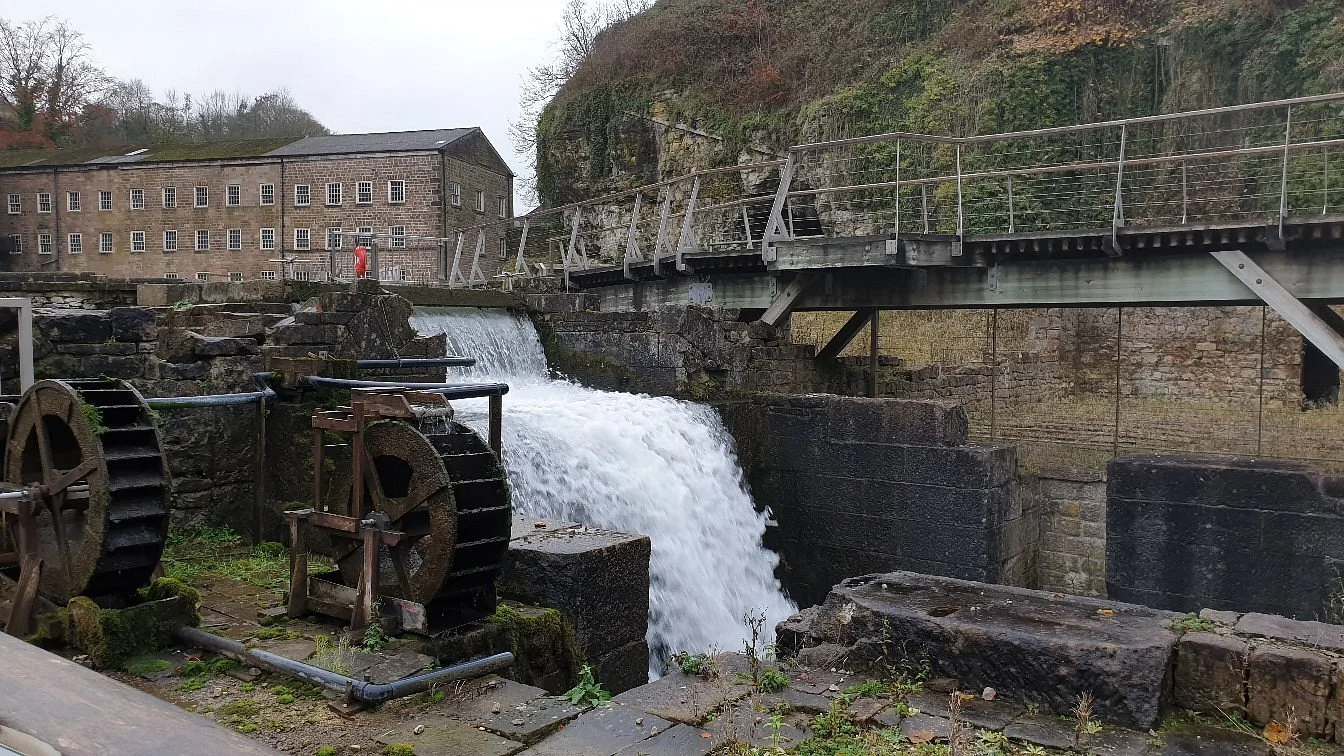
Cromford

Cromford

Cromford is closely connected with the development of the factory system and forms part of the Derwent Valley Mills World Heritage Site. Its historic industrial landscape makes it particularly interesting for visitors exploring Derbyshire's herita
bakewell

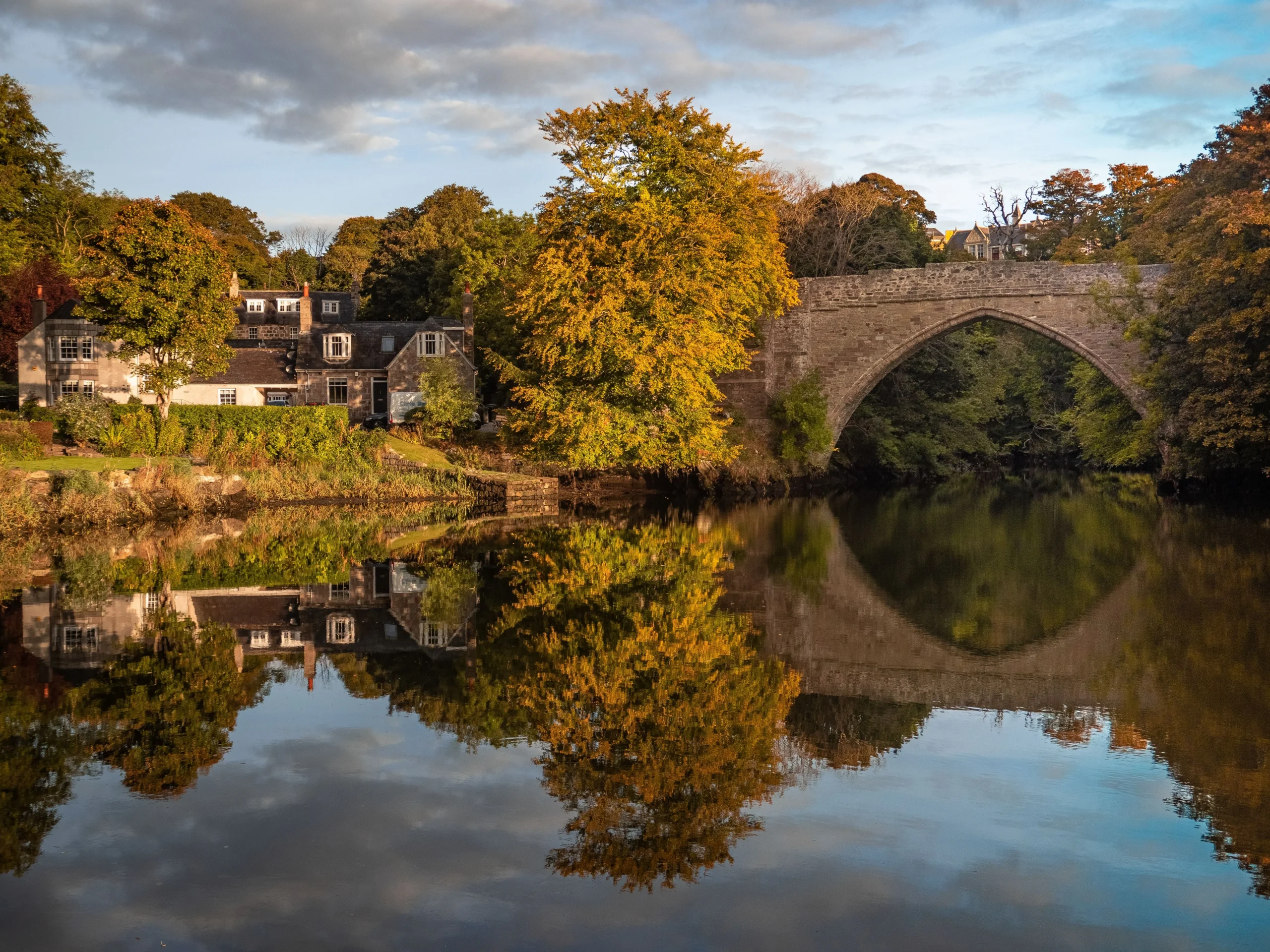
Bakewell

Bakewell is one of the best-known towns in the Peak District, with a riverside setting, historic streets and easy access to surrounding countryside. It works well as part of a wider Derbyshire day trip.
Calke Abbey

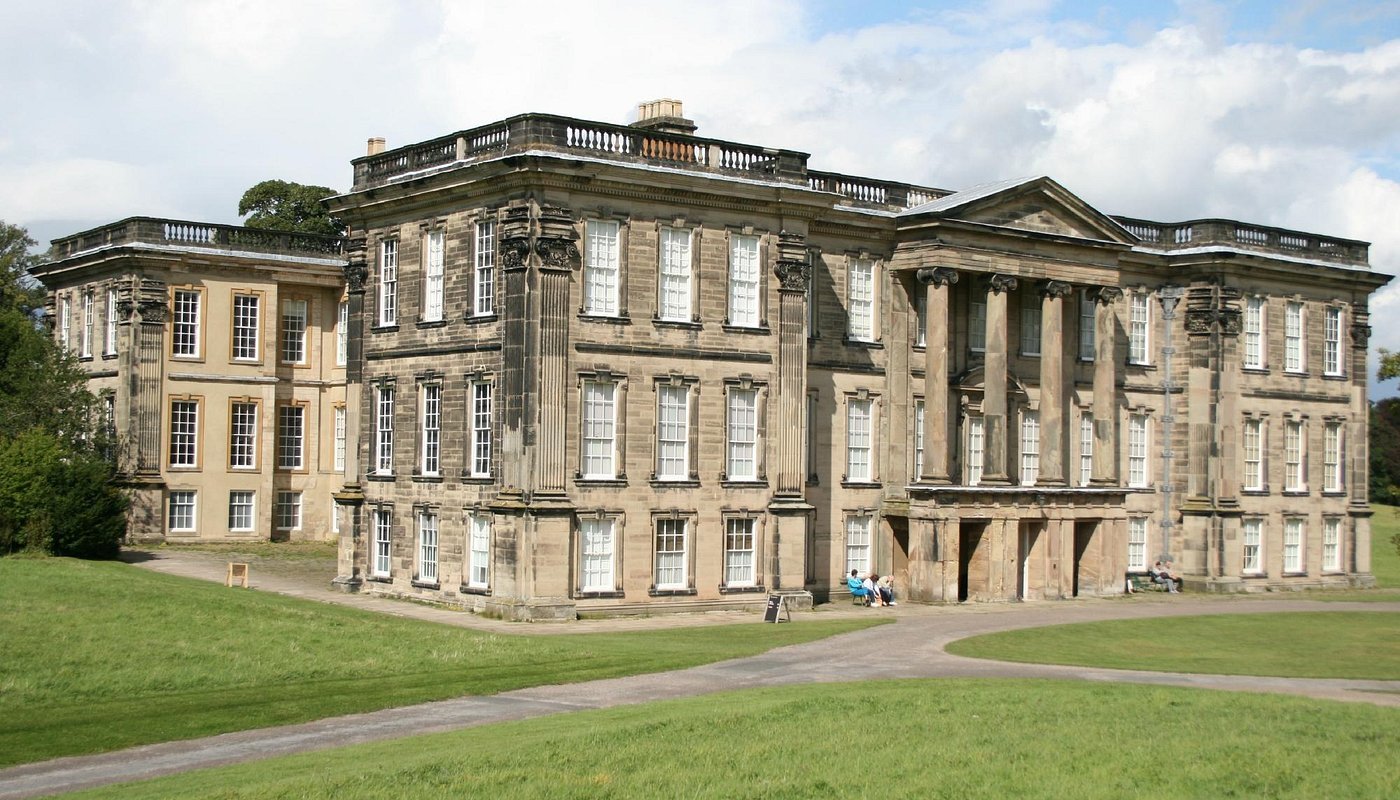
Calke Abbey

Calke Abbey is an unusual country estate surrounded by parkland and gardens. Its distinctive interiors and atmospheric character offer a different experience from Derby's urban attractions.
GETTING TO DERBY

Derby has strong rail and road connections, making it convenient to reach from several parts of England. Derby railway station provides direct services to London and other major cities, while the city is also well connected to the national road network.

Getting around

By car, Derby can be reached from the M1 via Junction 24, with the A6, A38, A50 and A52 providing additional routes into the city. National coach services also operate from Derby bus station.

Derby

By Foot

The city center is compact and easy to explore on foot. Walking is particularly useful for combining Derby Cathedral, the market, museums, shopping streets and other central attractions in a single route.

By Bus

Local buses connect the city center with surrounding neighborhoods and nearby destinations. Bus travel can be useful when visiting attractions outside the main central walking area.

By Bike

Cycling is another option for exploring Derby and the surrounding area, particularly along routes beside the River Derwent and into the countryside. Bike and e-bike options are also available locally.

DERBY: WHERE INDUSTRIAL HERITAGE MEETS MODERN CREATIVITY

Derby’s identity has been shaped by making, engineering and innovation, but the city has developed well beyond its industrial roots. Museums and historic buildings tell the story of its past, while galleries, cultural venues, independent businesses and green spaces give the city a contemporary feel. With the Peak District and Derbyshire countryside nearby, Derby also offers an easy route from urban history to outdoor adventure.

Derby is a destination for travelers who enjoy seeing how a city has been shaped by industry, innovation and culture. Start with the Museum of Making and historic center, then make time for the cathedral, museums, market and riverside. With the Peak District, historic estates and Derbyshire towns nearby, Derby can also serve as a practical starting point for exploring the wider region.

Derby

FAQs

What is Derby best known for?

Derby is best known for its industrial and engineering heritage, including its connection to the world’s early factory system, railway history and manufacturing. The city is also known for Derby Cathedral, its museums and its proximity to the Peak District.

Some of the best things to do in Derby include visiting the Museum of Making, exploring Derby Museum & Art Gallery, seeing Derby Cathedral, visiting Pickford’s House, exploring the market and walking beside the River Derwent.

Major Derby visitor attractions include the Museum of Making at Derby Silk Mill, Derby Museum & Art Gallery, Derby Cathedral, Pickford’s House, Derby Market Hall, QUAD and Derby Arboretum.

Yes. Derby combines industrial heritage, museums, art, historic architecture, shopping and green spaces in a compact city center. Its location also makes it a convenient base for exploring Derbyshire and the Peak District.

Popular things to do in Derby UK include exploring its museums and historic landmarks, walking along the River Derwent, visiting the market and discovering the city’s industrial and artistic heritage.