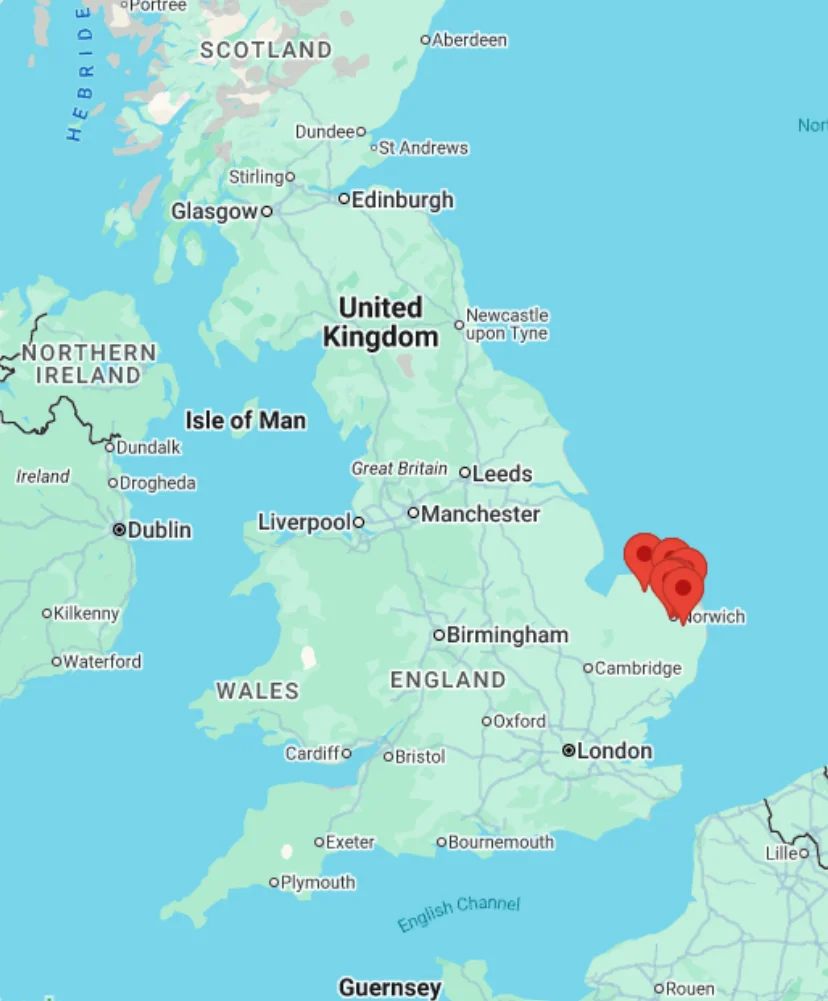
Norwich is a historic city in Norfolk where medieval streets, impressive architecture, independent shops and a lively cultural scene come together
Norwich has one of the most distinctive historic centers in eastern England. Medieval lanes, churches, old merchants’ buildings and the remains of the city walls sit alongside modern shops and restaurants, so exploring Norwich often feels like moving through different periods of its history.
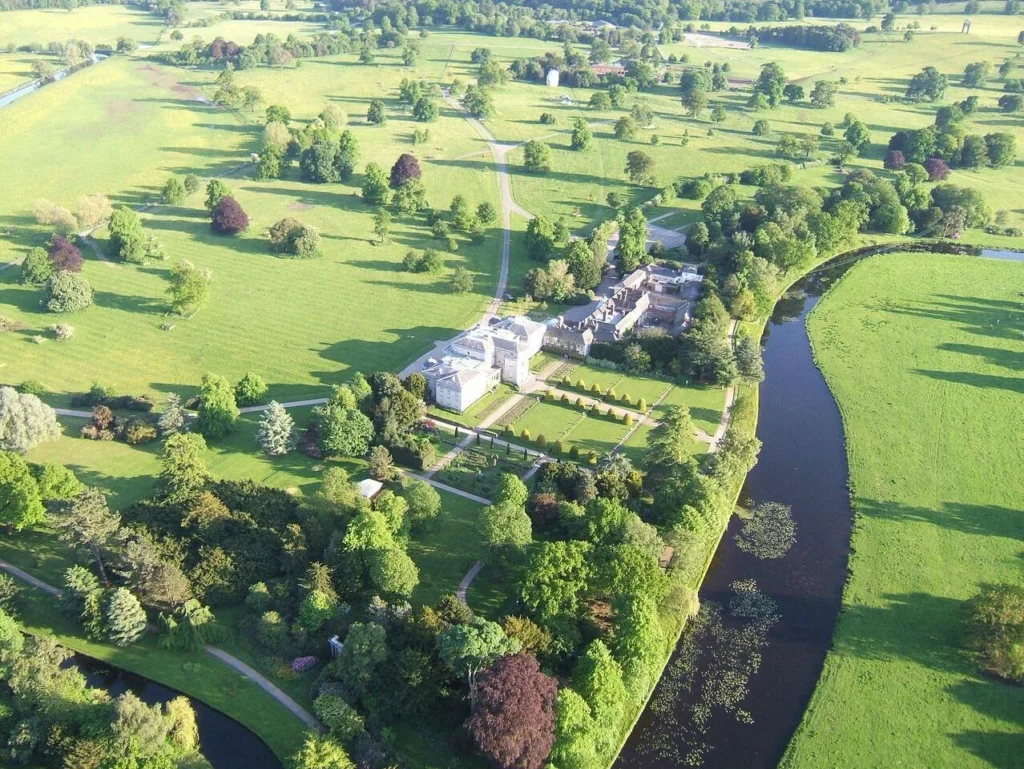
Its cathedral and castle are among the city’s best-known landmarks, while the lanes around the center reveal centuries of history alongside cafés, markets and local businesses. With the Norfolk countryside and coast within easy reach, Norwich also makes a useful base for seeing more of East Anglia.
Norwich is more than its historic landmarks. Independent retailers, galleries, theatres, cafés and restaurants give the city a strong local character. The compact center makes it easy to combine sightseeing with time spent browsing the city’s smaller streets and neighborhoods.
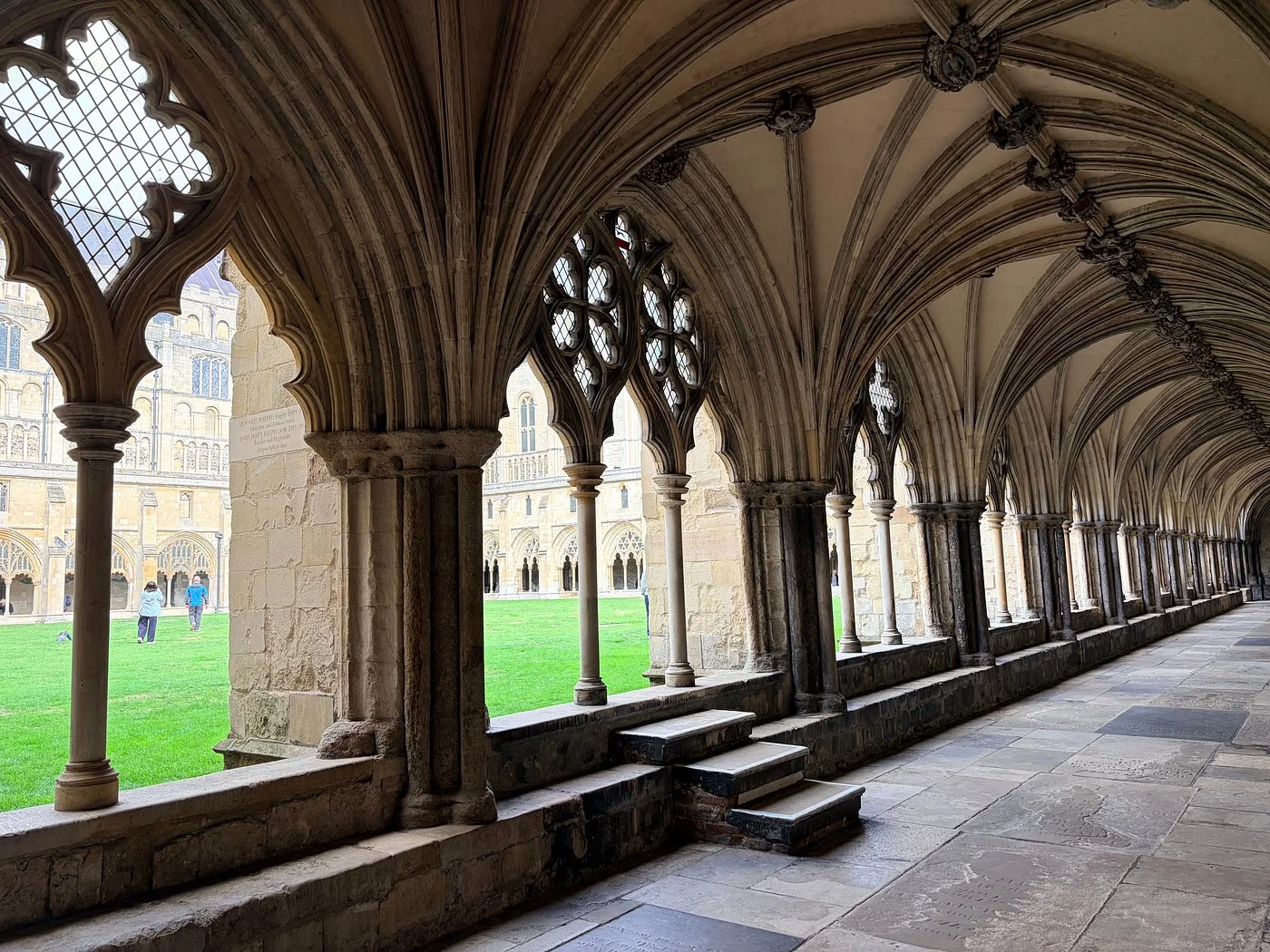
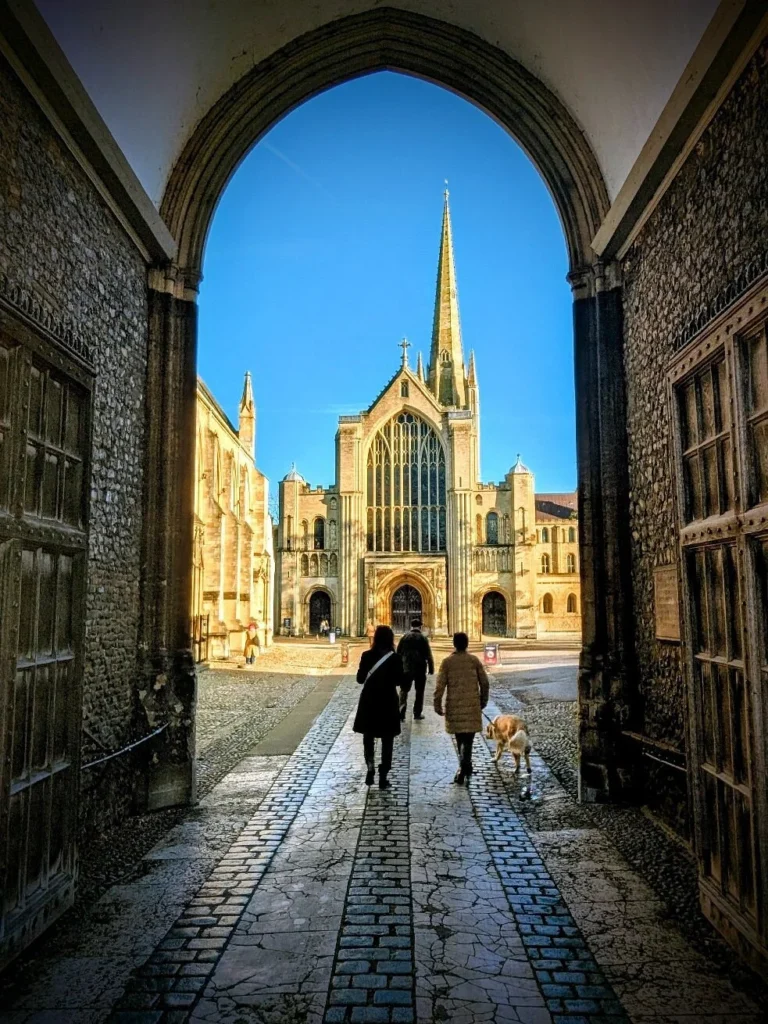
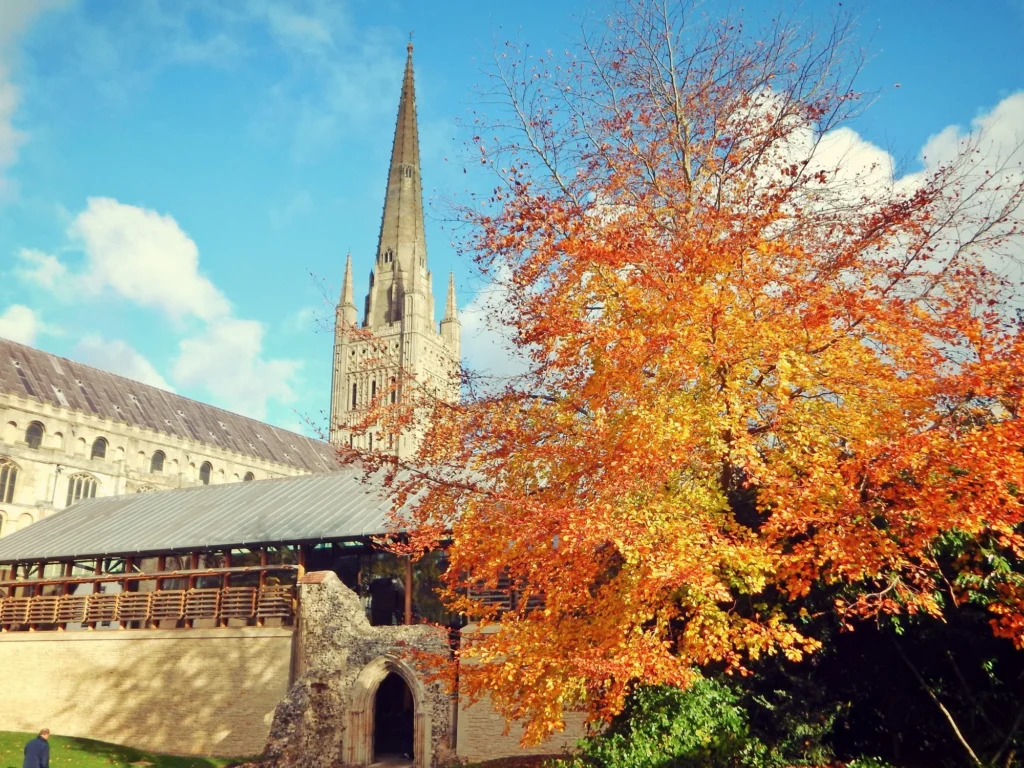
Norwich Cathedral and its surrounding precinct are a natural starting point for exploring the city. The cathedral’s architecture, cloisters and extensive grounds provide a quieter contrast to the busy streets around the center.
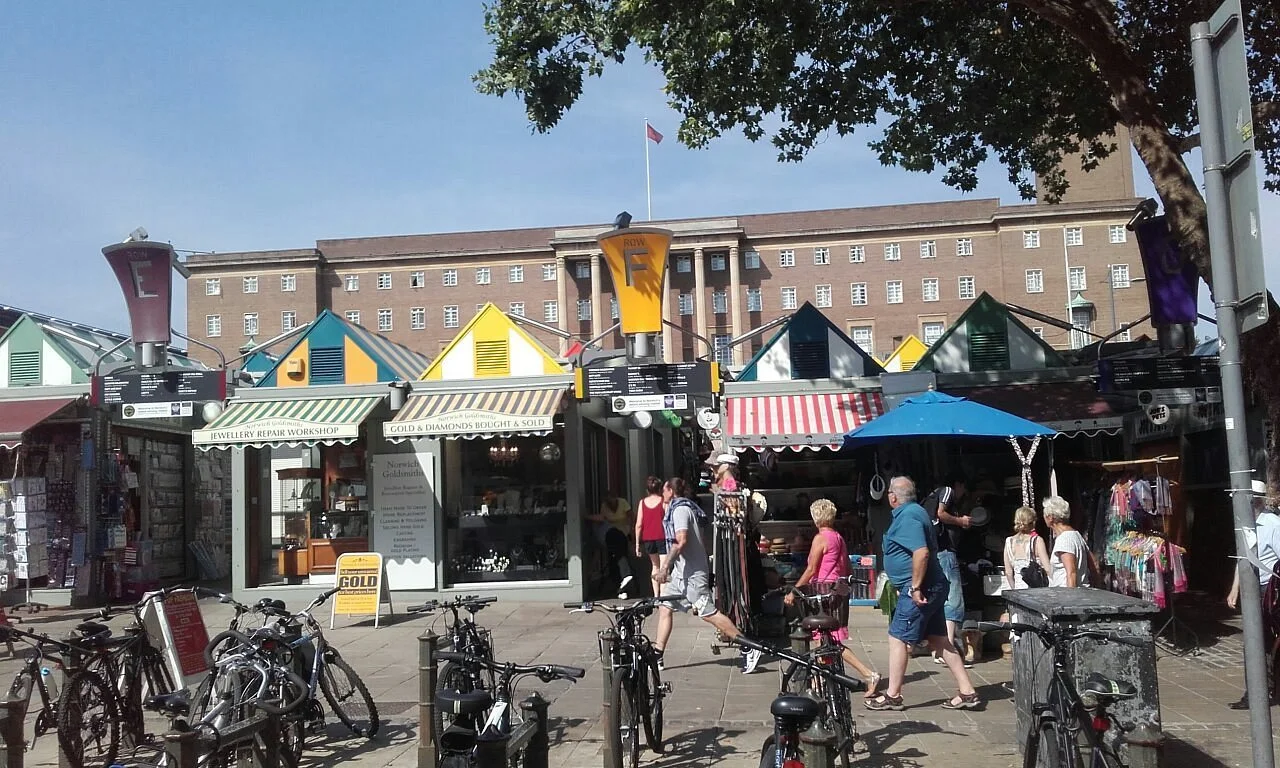
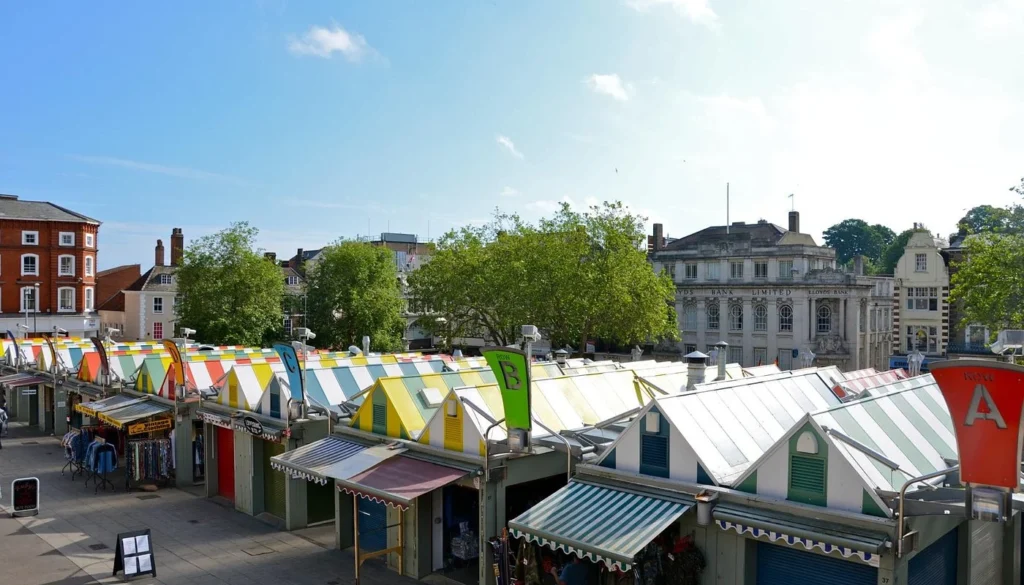
Norwich Market and the surrounding streets bring together food, shopping and local character. From here, you can walk towards the historic lanes, Norwich Castle and the city’s main shopping areas without covering huge distances.
Many of the main Norwich attractions are concentrated around the city center, making it possible to build a sightseeing route that combines major landmarks with historic streets, shopping areas and cultural venues.
Norwich Cathedral is one of the city’s defining landmarks, with a long Norman history and an impressive Romanesque interior. The cathedral close is equally worth exploring for its historic buildings, gardens and peaceful atmosphere.
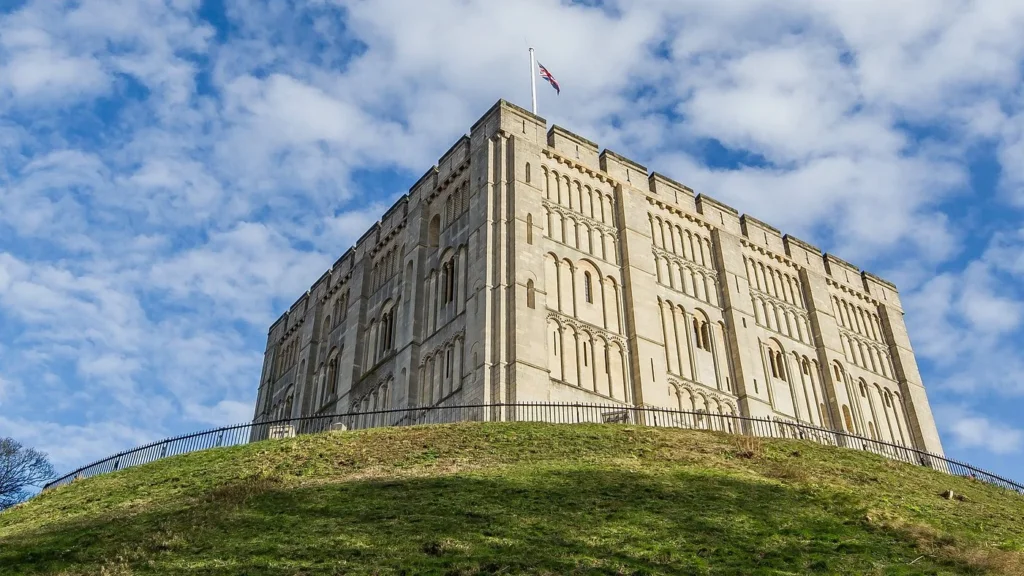
Built as a Norman royal palace, Norwich Castle has become one of the city’s major cultural attractions. The castle museum and art collections provide a closer look at Norfolk’s history, archaeology and artistic heritage.
Norwich Market has been part of the city’s commercial life for centuries. Its colorful stalls offer food, drinks, gifts and independent shopping, making it an easy stop while exploring the center.
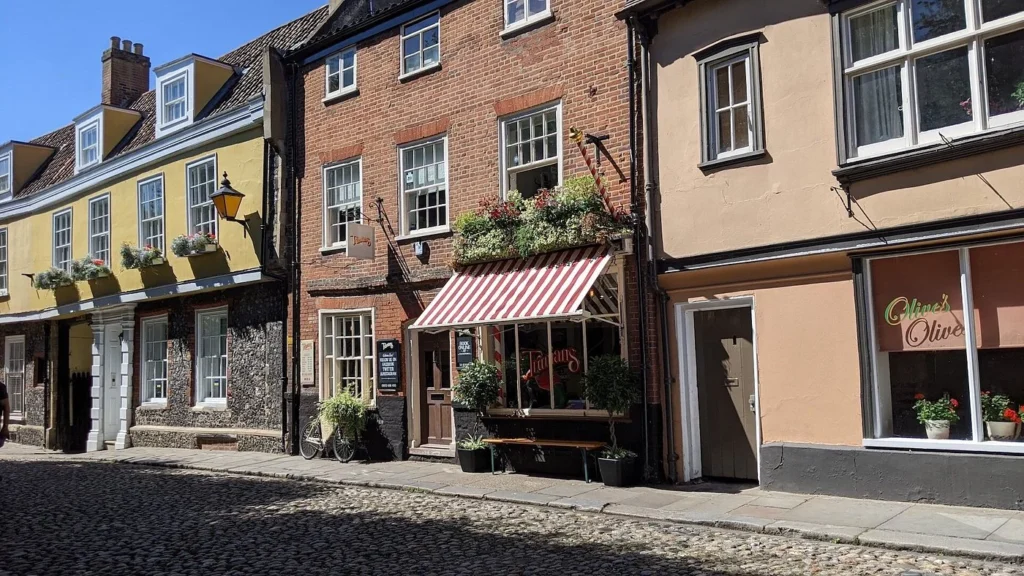
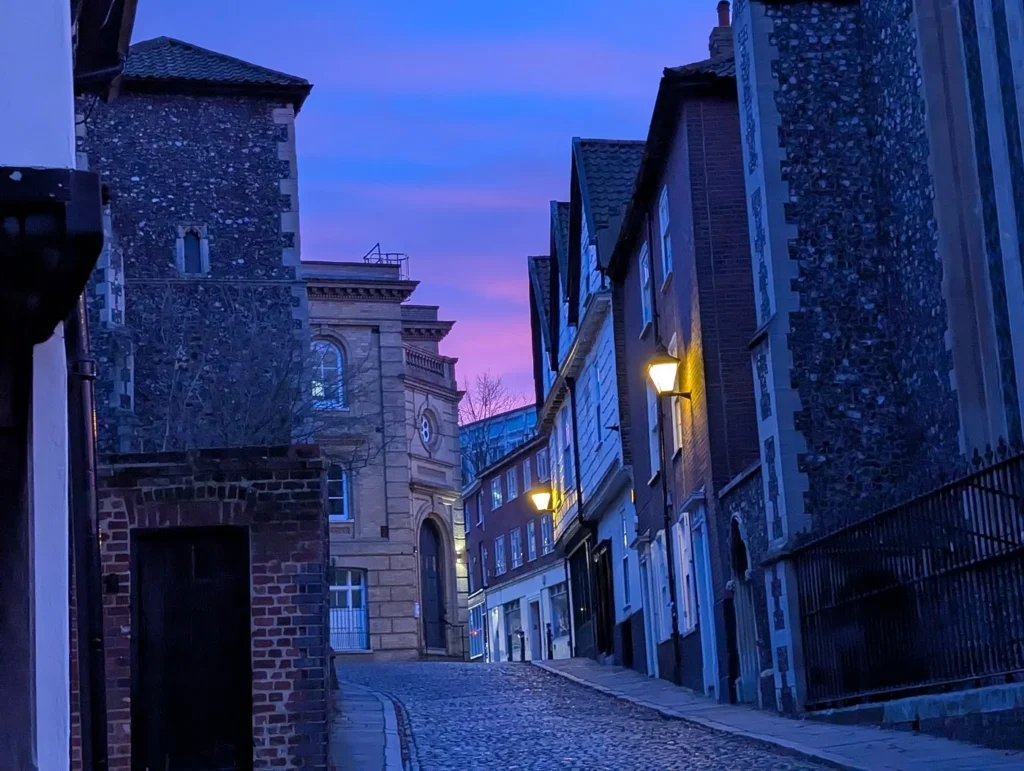
Elm Hill is one of Norwich’s most atmospheric historic streets. Its timber-framed buildings, cobbled surface and independent businesses make it particularly appealing for visitors interested in the city’s medieval character.
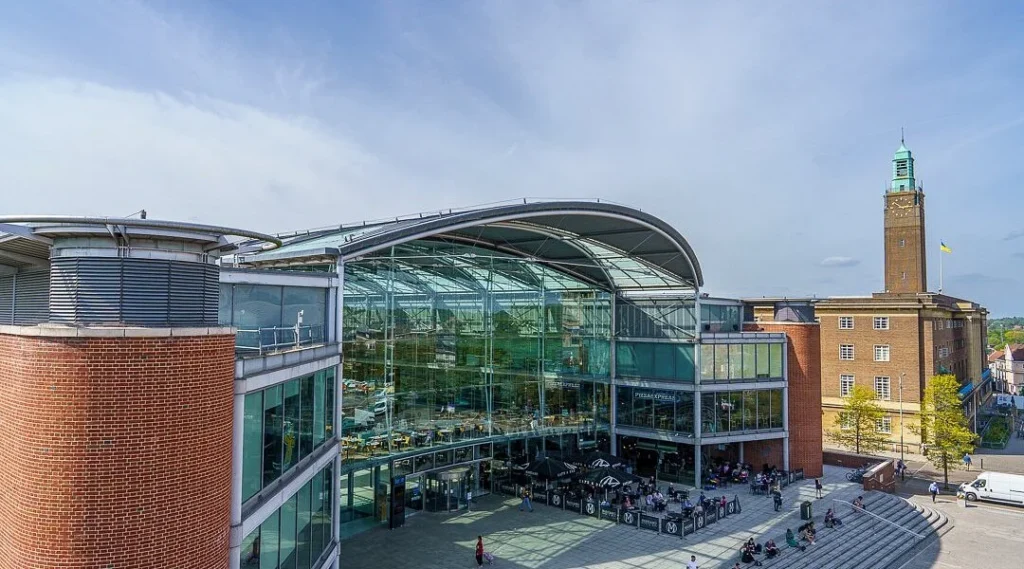
The Forum is a modern landmark in the heart of Norwich and houses the city library and other public facilities. Its central location makes it convenient to combine with Norwich Market, the city center and nearby cultural attractions.
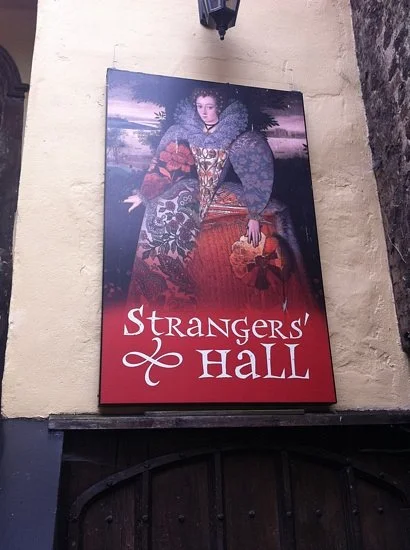
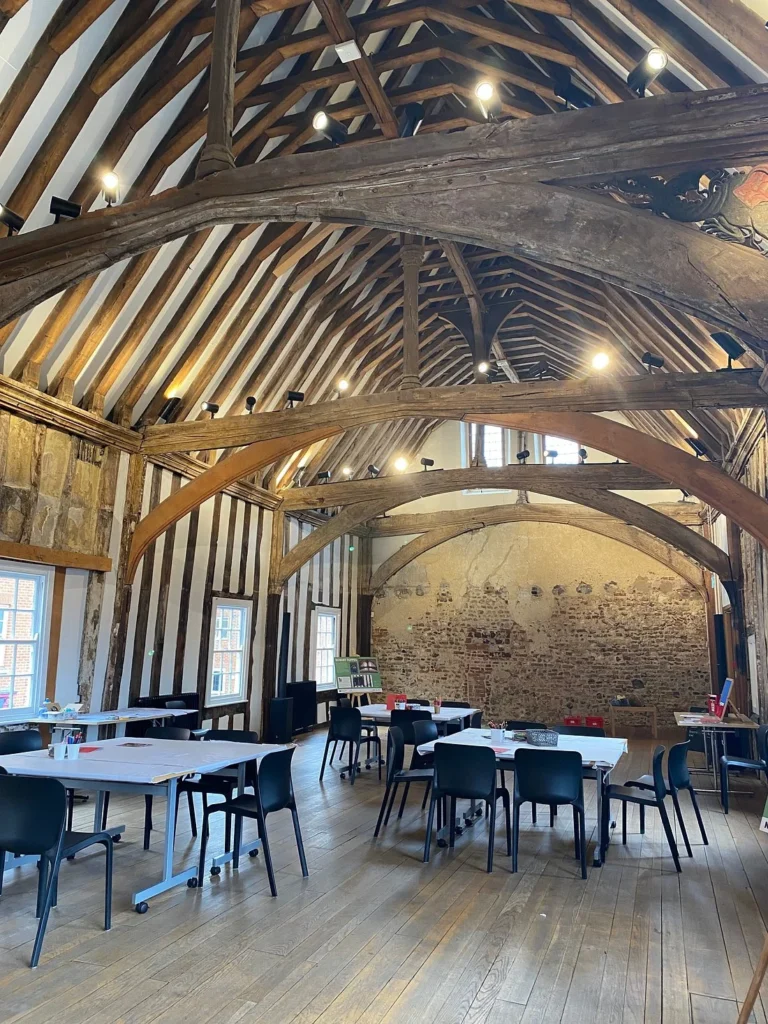
Strangers’ Hall occupies a historic building that offers a glimpse into domestic life in Norwich across several centuries. Period rooms and collections help bring the city’s social history to life.
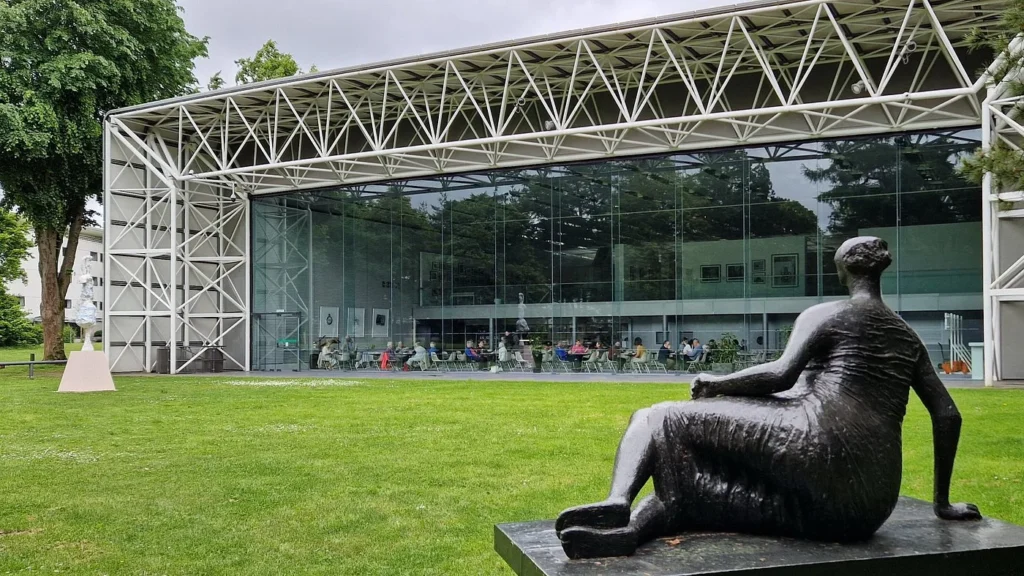
Located on the University of East Anglia campus, the Sainsbury Centre is an important destination for modern and contemporary art, design and sculpture. Its collection and exhibitions add a different cultural dimension to a Norwich visit.
Dragon Hall is a striking medieval merchant’s trading hall near the River Wensum. Its history reflects Norwich’s role as an important trading city and adds another layer to the historic story found across the center.
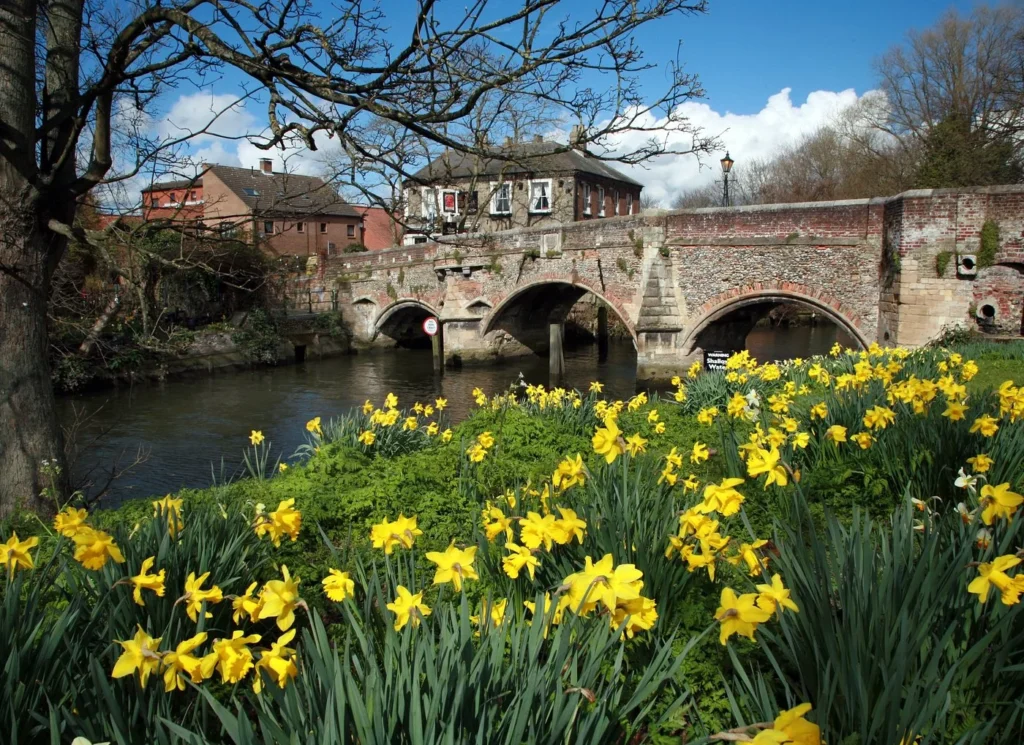
Spring is a good time to walk through Norwich’s historic center and spend time around the cathedral close. Longer daylight also makes it easier to combine city sightseeing with a walk along the River Wensum.
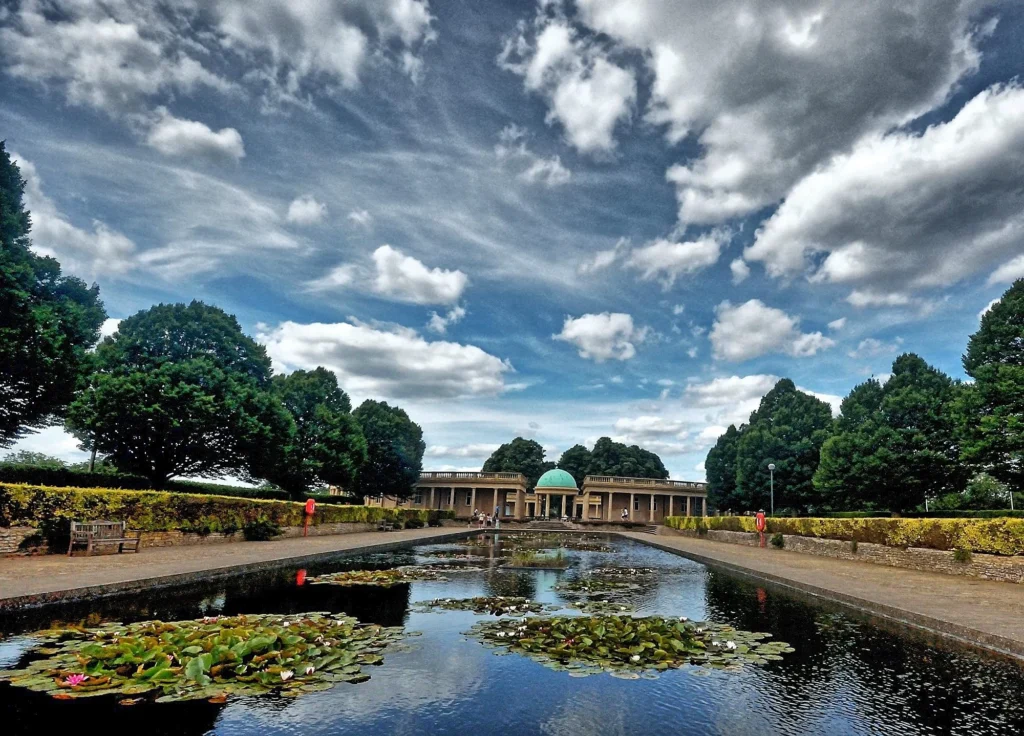
Summer is ideal for enjoying Norwich outdoors. Explore the market and historic lanes, visit the cathedral grounds, then extend your day with riverside walks or a trip into the surrounding Norfolk countryside.
Autumn suits Norwich’s museums, galleries and historic interiors. Spend time at Norwich Castle, Strangers’ Hall and the Sainsbury Centre, then warm up in one of the independent cafés around the city center.
Winter brings a different atmosphere to Norwich, particularly around the historic center and market. It is a good season for museums, galleries, shopping and exploring the city’s restaurants and cultural venues.

The Norfolk Broads provide a complete change of scenery from the city, with waterways, wetlands, villages and opportunities for boating and walking. They are one of the most distinctive landscapes near Norwich.
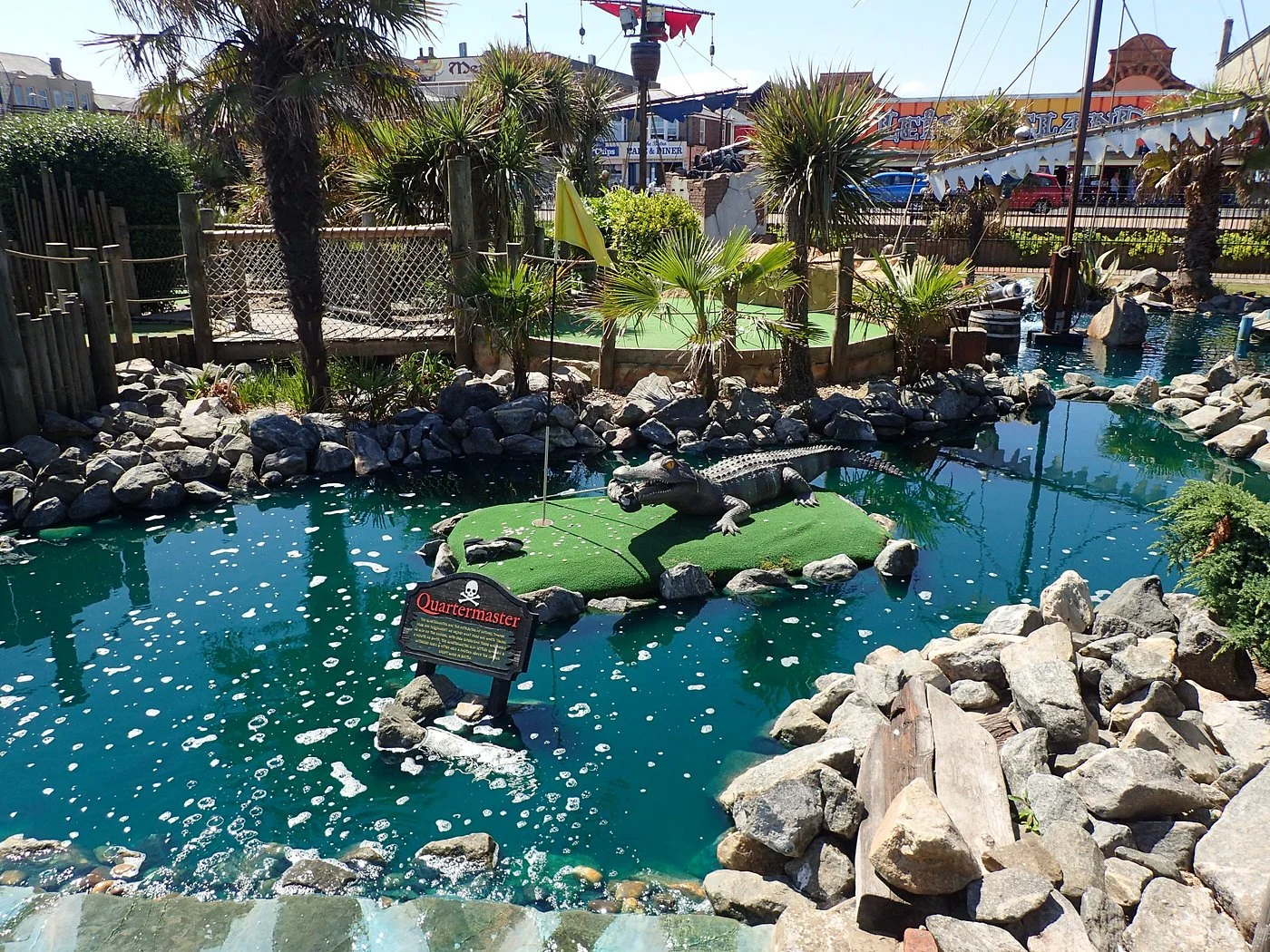
Great Yarmouth offers a traditional seaside experience on the Norfolk coast, with a long sandy beach, promenade and family attractions.
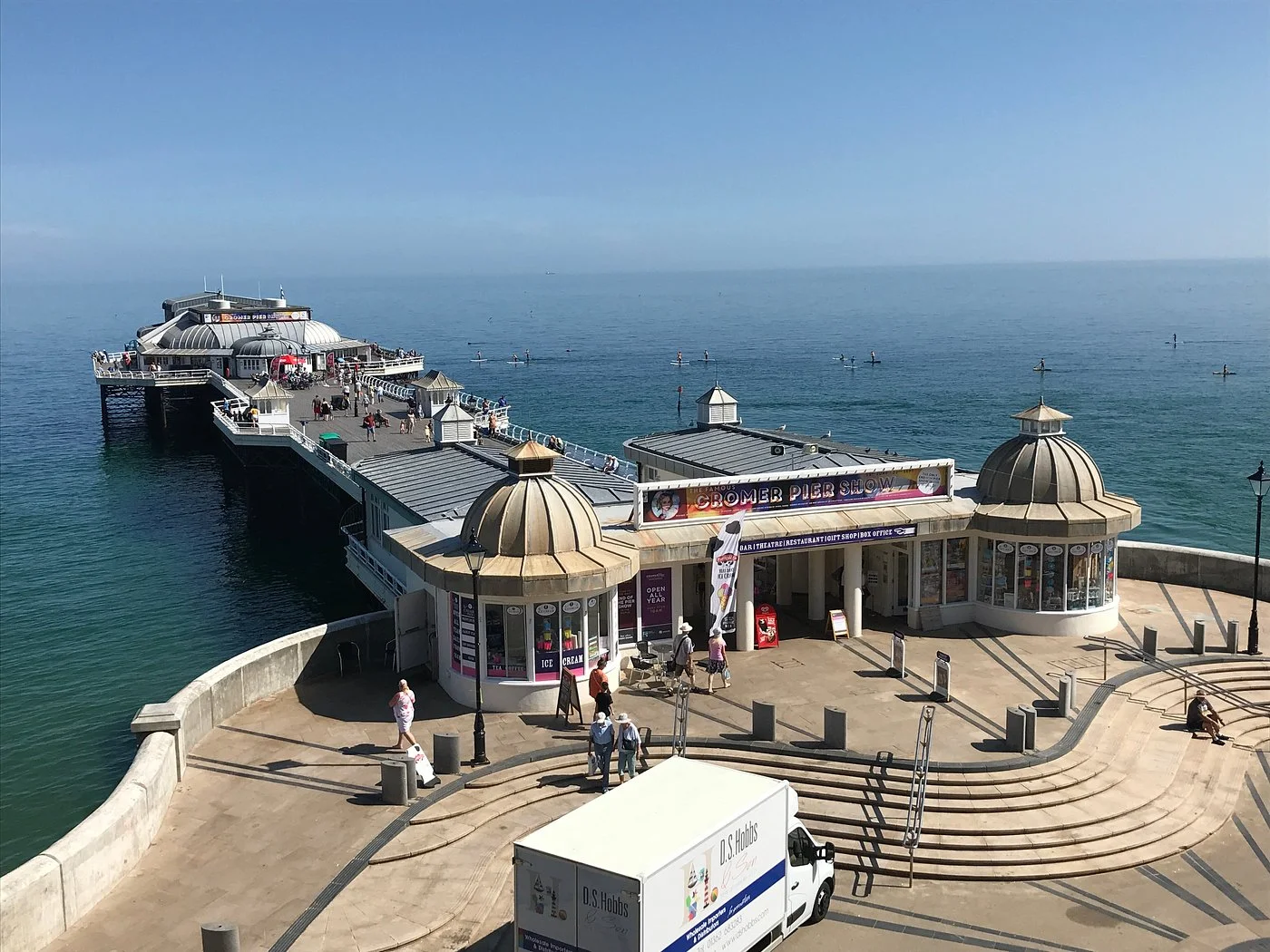
Cromer is a classic North Norfolk coastal town known for its pier, beach and maritime character. It is a worthwhile choice for a day beside the sea.
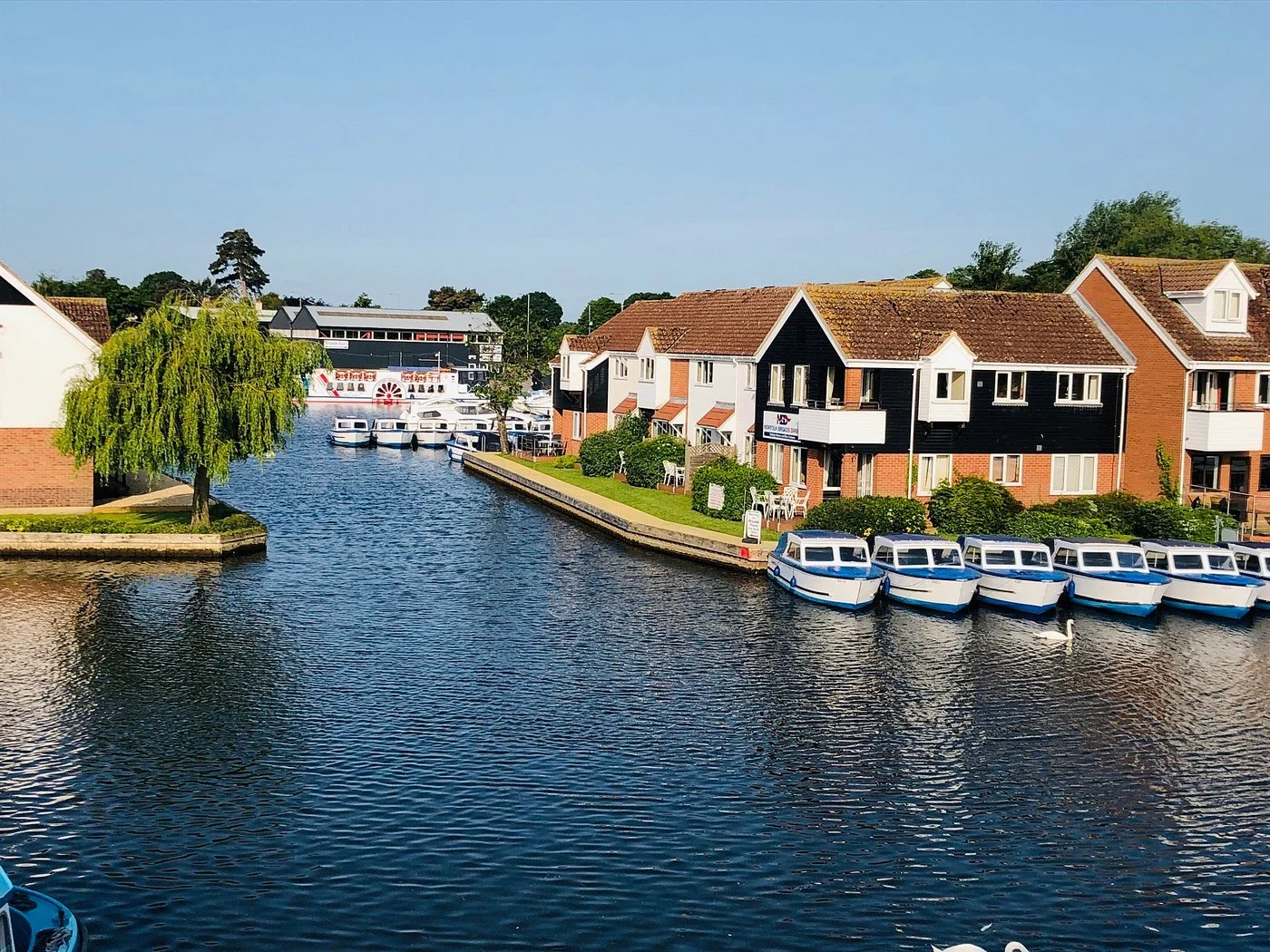
Often associated with the Norfolk Broads, Wroxham is a convenient base for exploring the waterways and surrounding countryside. Boat trips provide a relaxed way to experience the area.
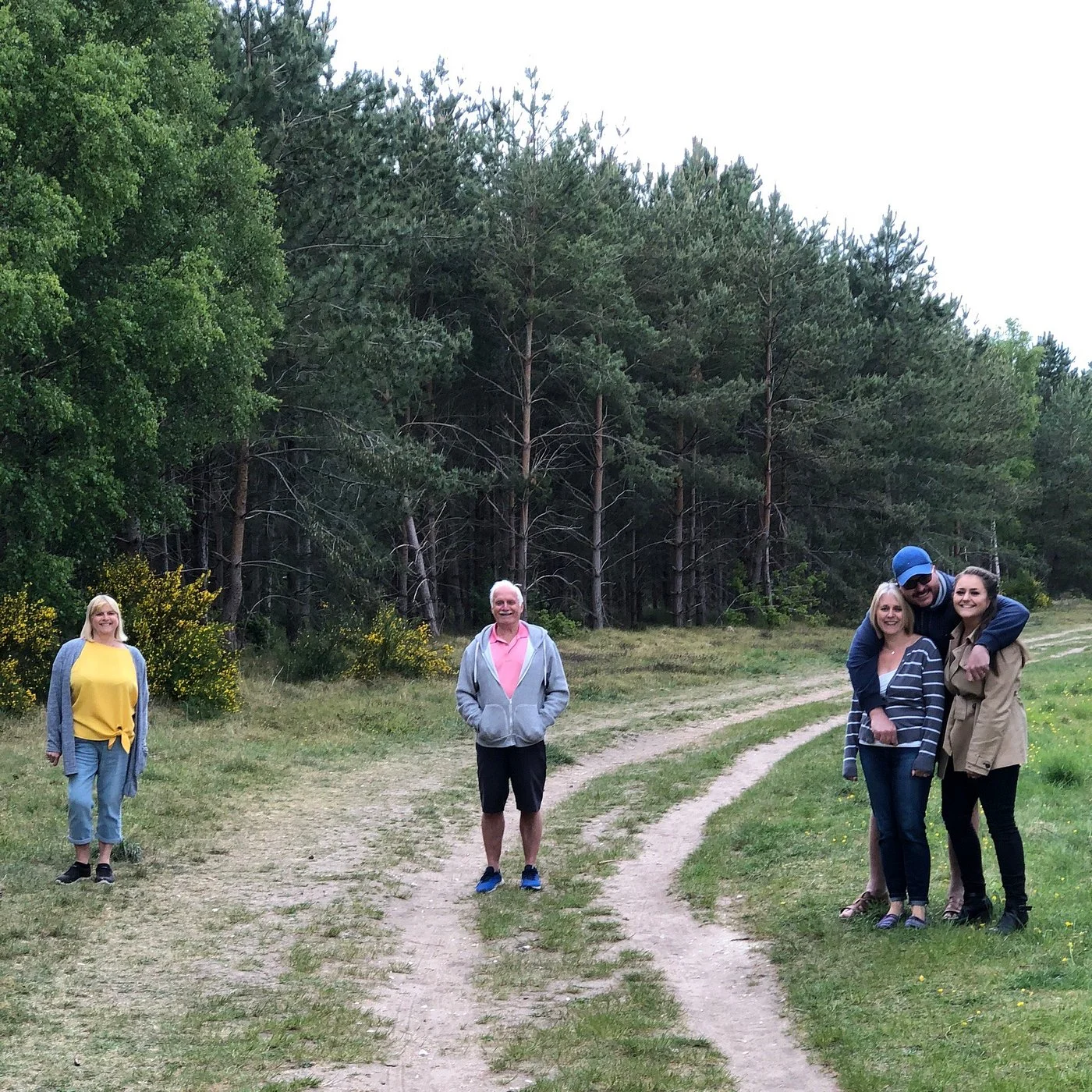
Thetford Forest offers walking and cycling trails through extensive woodland south-west of Norwich. It is a useful option when you want to trade the city streets for outdoor activities.
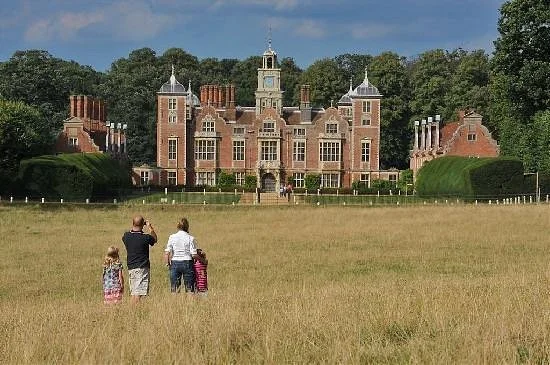
Blickling Estate combines a historic Jacobean house with extensive parkland and gardens. The estate provides a strong countryside and heritage contrast to Norwich’s urban attractions.
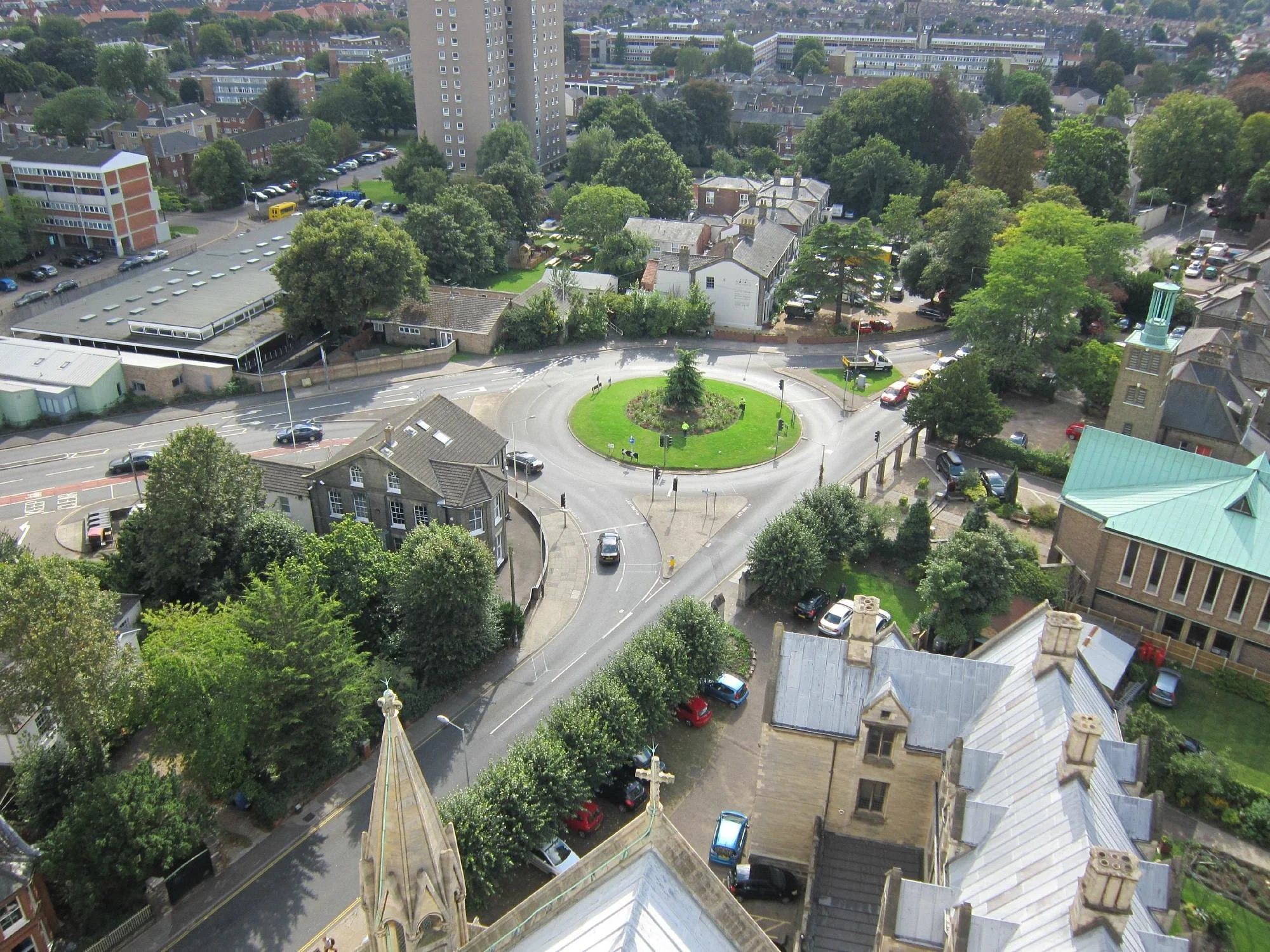
Norwich is well connected by rail and road, making it one of the easier East Anglian cities to reach. Direct train services connect Norwich with London Liverpool Street, while other rail routes link the city with destinations including Cambridge and towns across Norfolk.
By road, Norwich can be reached via the A11 from the south-west and the A47 from the east and west. Norwich also has an international airport north of the city, providing another option for visitors traveling from selected destinations.
Central Norwich is compact enough to explore largely on foot. Walking allows you to move between the cathedral, castle, market, historic lanes and shopping streets while taking in the architecture along the way.
Buses are useful for reaching neighborhoods and attractions outside the immediate center. They also provide convenient connections between Norwich and surrounding towns and villages
Cycling can be a practical way to explore beyond central Norwich, particularly when following routes along the River Wensum or heading towards the surrounding countryside.
Norwich has an unusual ability to keep its historic character visible without feeling like a city preserved in the past. Medieval streets lead towards modern cultural spaces, the cathedral and castle sit close to busy shopping areas, and the River Wensum adds another layer to the city’s landscape. Beyond Norwich, Norfolk’s coast, Broads and countryside make it easy to extend a city visit into a wider East Anglian trip.
Norwich is a destination where history is easy to experience simply by walking through the city. Start with the cathedral and castle, follow the historic lanes towards the market, and leave time for the city’s museums, galleries, independent businesses and riverside areas. With the Norfolk Broads, coast and countryside nearby, Norwich also works well as a starting point for exploring more of the region.
Norwich is best known for its medieval heritage, Norwich Cathedral, Norwich Castle, historic lanes, market and strong cultural and independent shopping scene.
Some of the best things to do in Norwich include visiting Norwich Cathedral and Norwich Castle, exploring Elm Hill, browsing Norwich Market, visiting museums and galleries, and walking through the historic center.
Major Norwich attractions include Norwich Cathedral, Norwich Castle, Norwich Market, Elm Hill, The Forum, Strangers’ Hall and the Sainsbury Center.
Yes. Norwich combines significant historic landmarks with independent shops, museums, galleries, restaurants and easy access to Norfolk’s countryside and coast.
Popular places to visit in Norwich include Norwich Cathedral, Norwich Castle, Elm Hill, Norwich Market, Strangers’ Hall, The Forum and the Sainsbury Center.