







Exeter is a compact city in Devon where Roman history, medieval architecture, riverside scenery and a lively cultural scene come together.
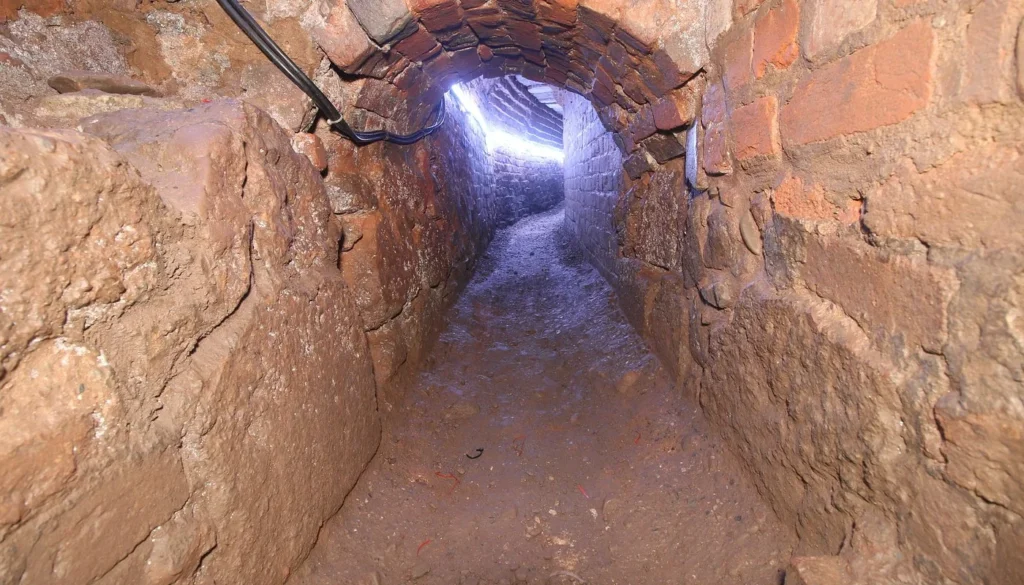
Exeter’s story stretches back more than 2,000 years, and reminders of that past are woven into the modern city. You can see Roman remains, walk beside historic walls, visit Exeter Cathedral and even go underground through the medieval passages that once carried fresh water into the city.
Exeter has the feel of a manageable city without being short on things to do. Independent shops, cafés, galleries and restaurants sit alongside historic streets and open green spaces, while the River Exe and surrounding Devon countryside give you plenty of opportunities to step away from the city center.
With Exeter Cathedral, historic city walls, underground passages, museums and the Quayside all within easy reach of the center, it is a rewarding city to explore on foot. The city also makes a useful base for reaching Devon’s coast, countryside and nearby towns.
Start around Exeter Cathedral and Cathedral Green before wandering through the surrounding streets. Gandy Street, the High Street and the West Quarter bring together historic architecture, independent businesses, cafés and places to stop for a meal.
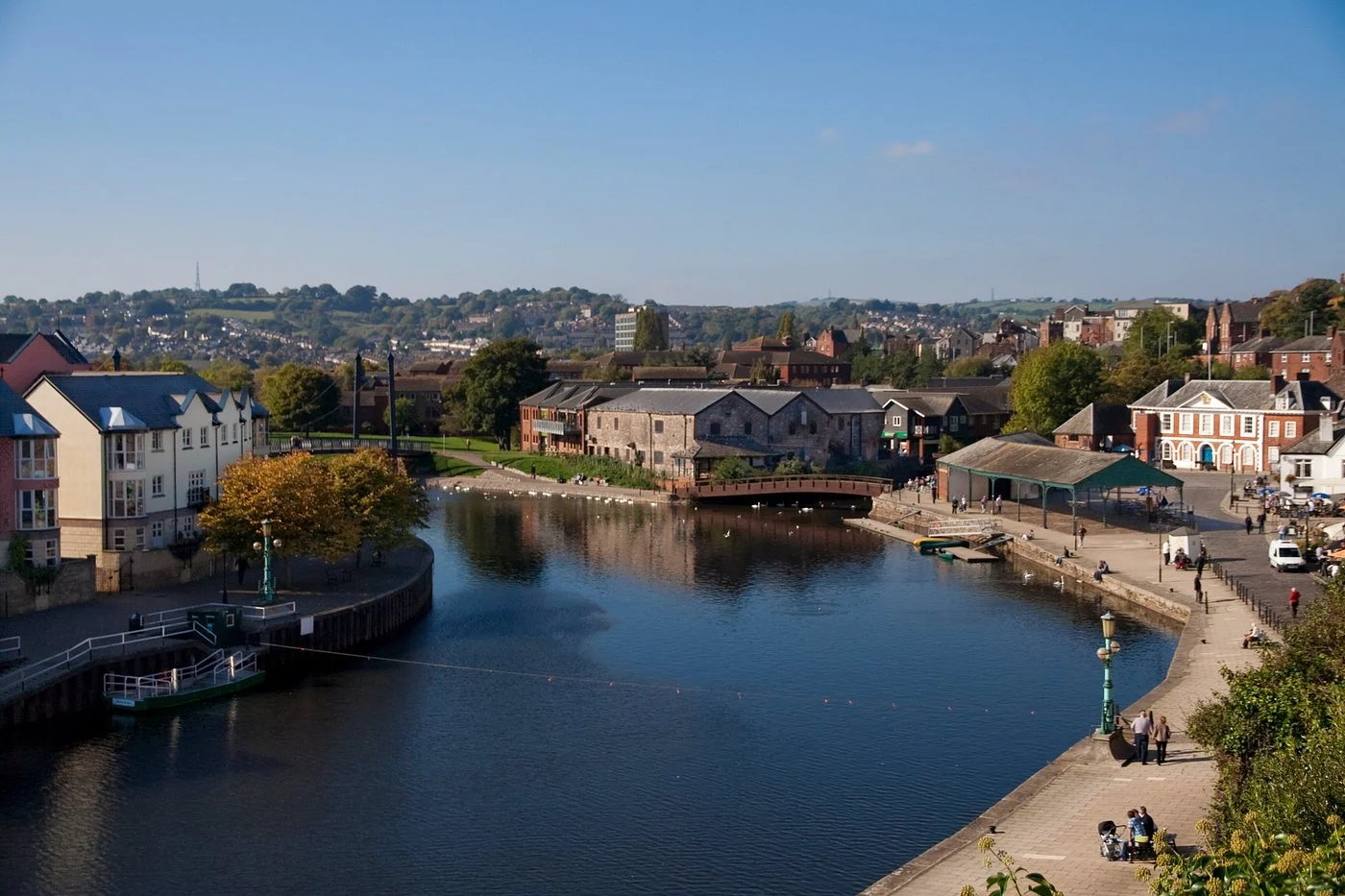
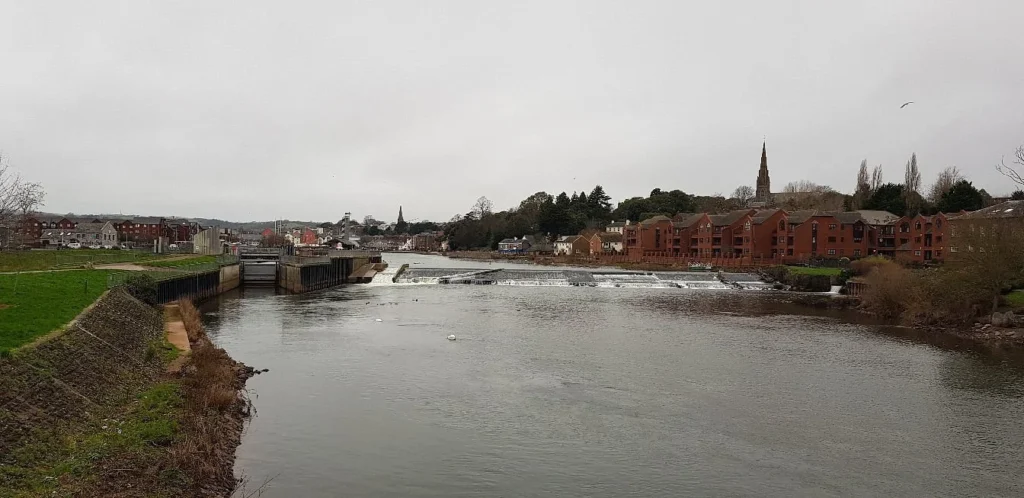
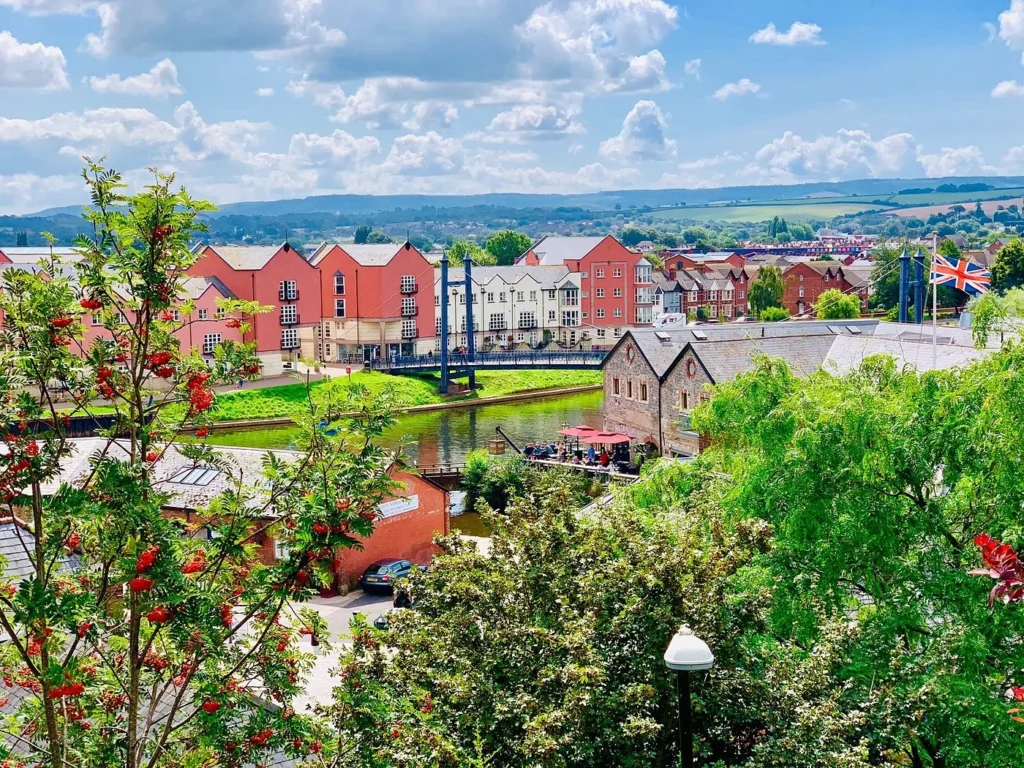
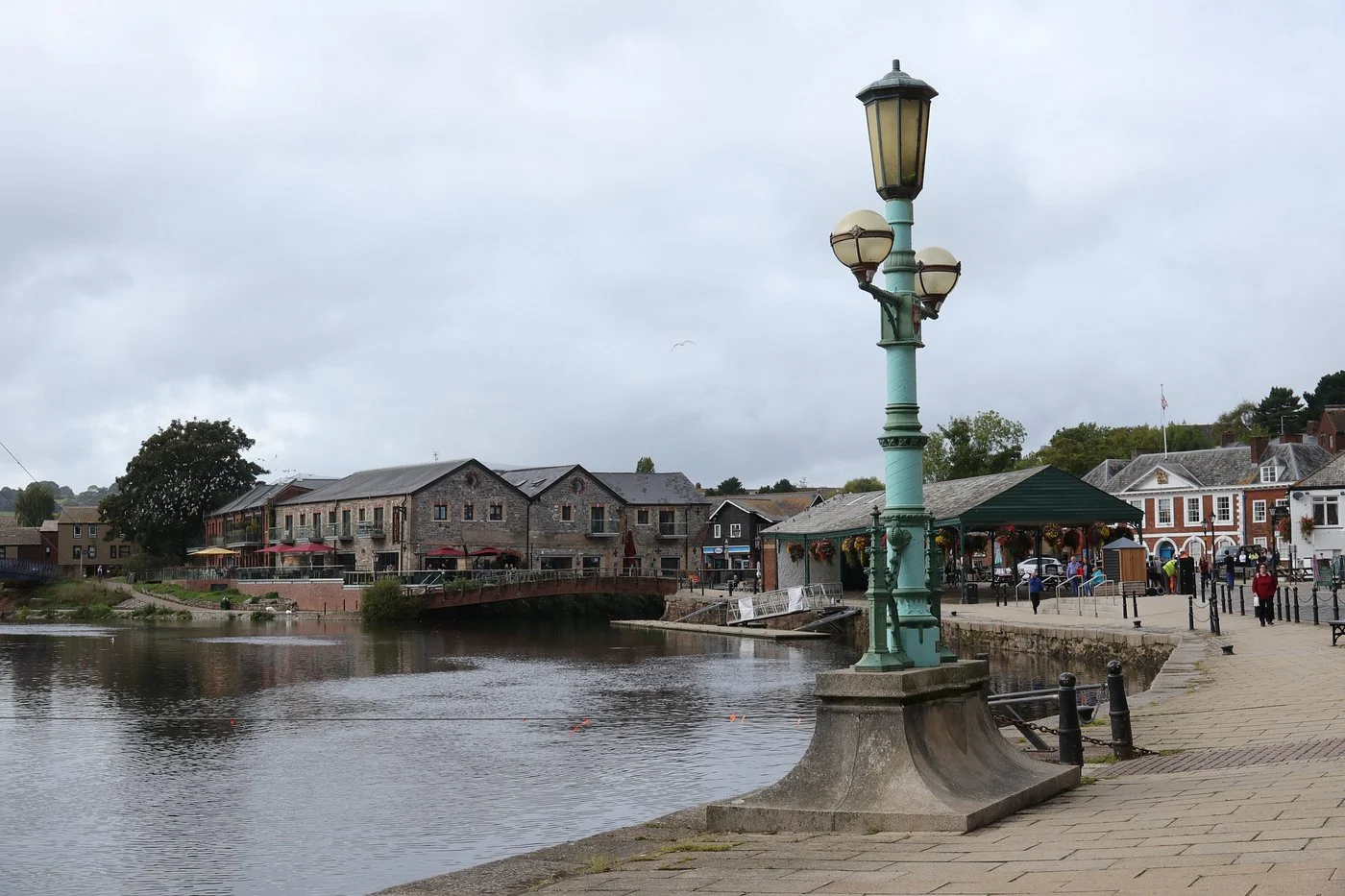
The historic Quayside has a very different atmosphere from the city center. Walk beside the water, look across the River Exe, explore the Custom House and enjoy the pubs, cafés and restaurants that line this part of the city.
Exeter’s main attractions are close enough to combine into walking routes, making it easy to move between major landmarks without constantly relying on transport.
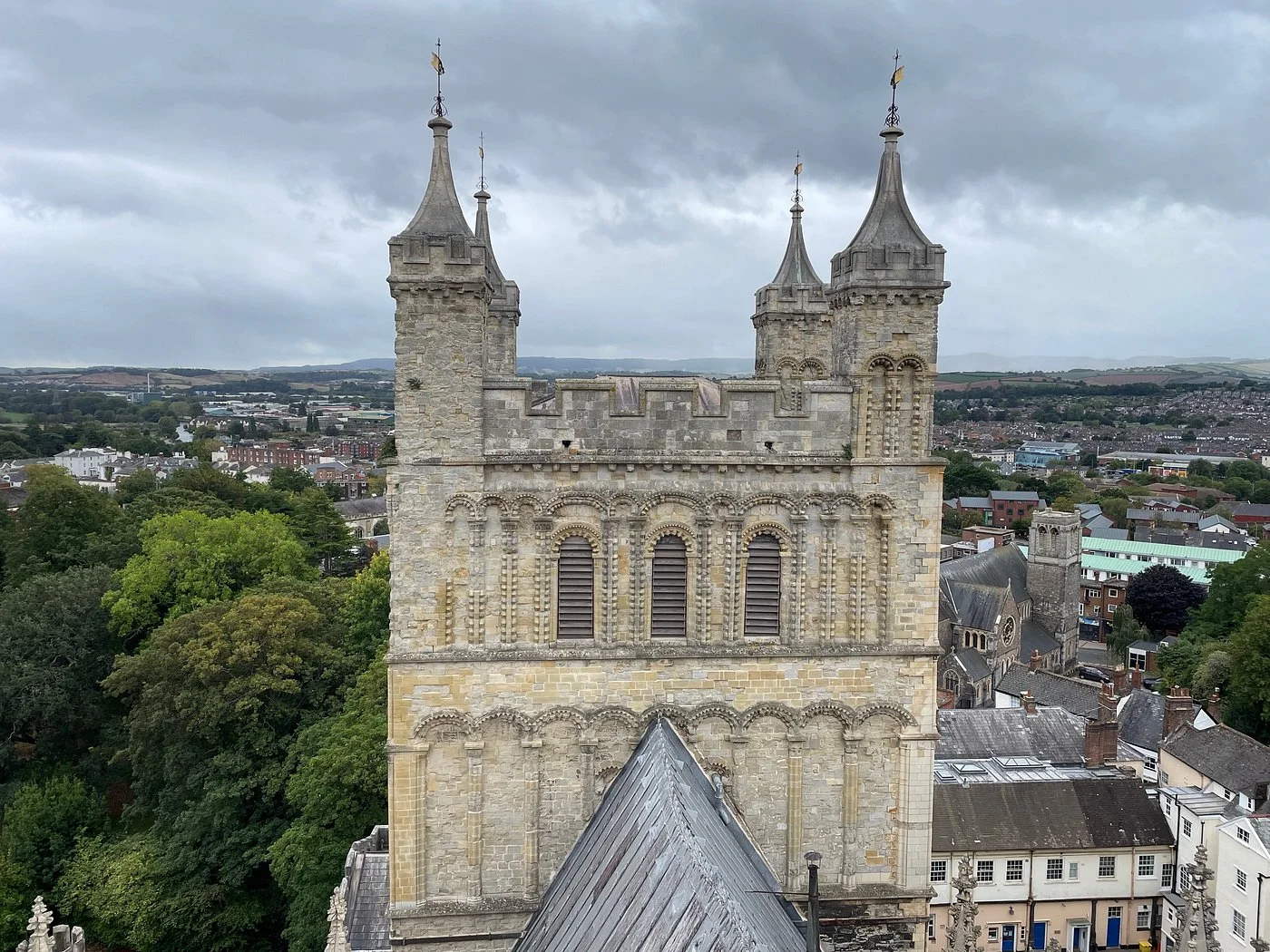
One of the city’s defining landmarks, Exeter Cathedral is known for its Gothic architecture and long history. Its central position makes it an easy starting point for exploring the surrounding historic streets.
RAMM brings together collections covering Exeter, Devon and the wider world. It is a useful stop when the weather turns wet and a strong choice for visitors interested in history, art and culture.
Hidden beneath the city streets, Exeter’s Underground Passages were built to carry clean water into medieval Exeter. Guided tours offer an unusual way to understand the city’s engineering and history.
The historic Quayside combines riverside walks with historic buildings, waterside dining and opportunities for cycling, boating and other activities. It is one of the best areas for seeing a different side of Exeter.
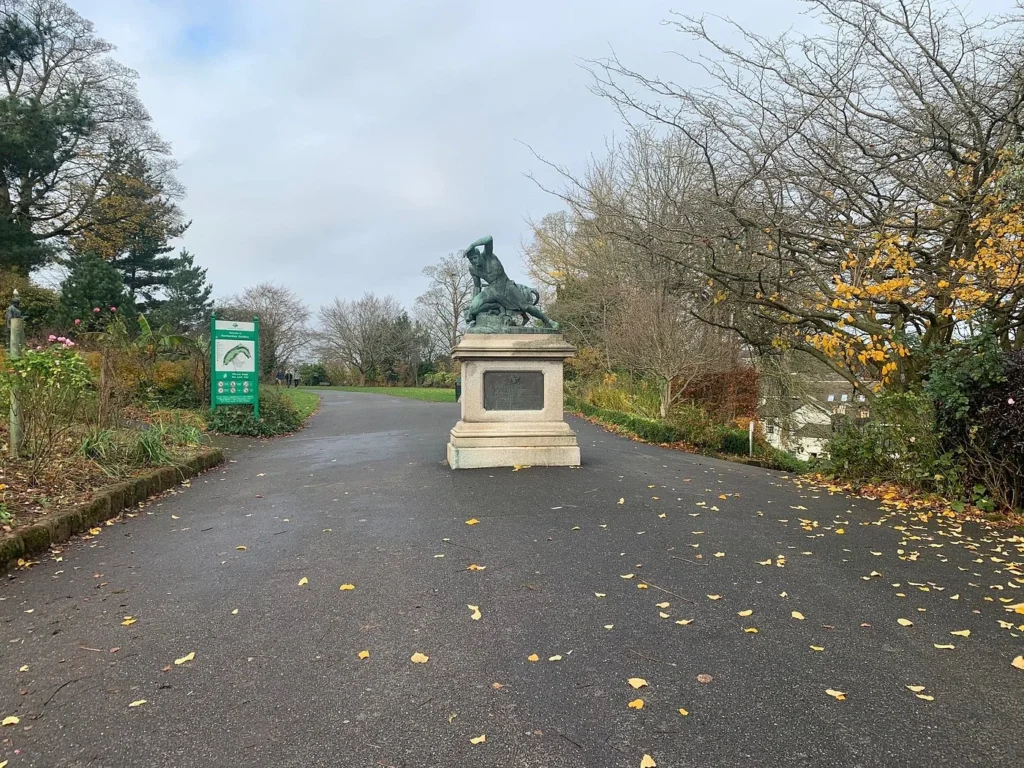
Rougemont Gardens offer a quieter green space close to the city center, with the remains of Rougemont Castle adding another layer of history to the area.
Gandy Street is one of Exeter’s most distinctive shopping and dining streets. Its narrow historic layout is filled with independent shops, cafés, bars and restaurants.
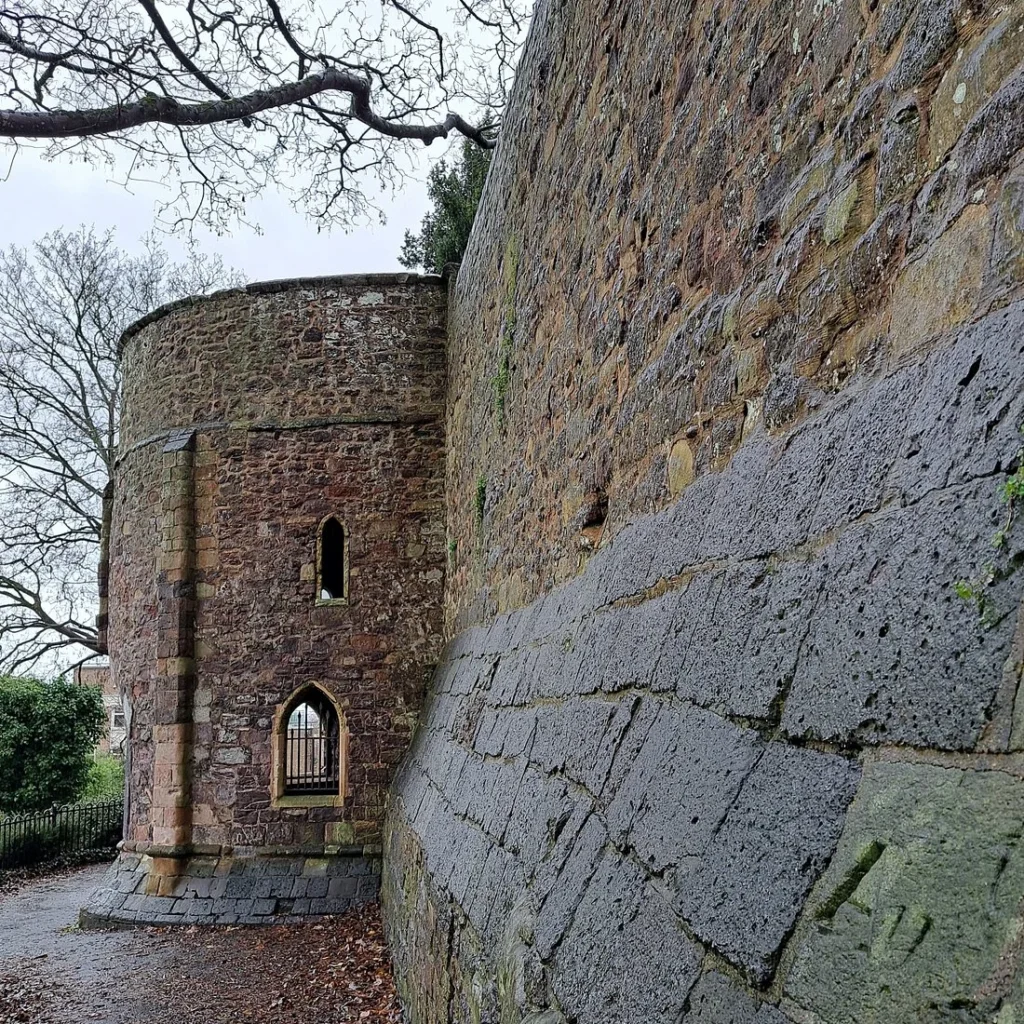
Parts of Exeter’s ancient defensive walls remain around the city, providing a glimpse into its Roman and medieval past. Walking sections of the walls is an easy way to connect several historic parts of Exeter.
Located beside the city center and close to Exeter Cathedral, Northernhay Gardens provides an attractive green space for a break between sightseeing stops.
Spring is a good time to explore Exeter on foot as gardens and green spaces become more inviting. Walk through Northernhay Gardens, follow sections of the city walls and continue towards the Quayside.
Summer brings more opportunities to enjoy the River Exe and the historic Quayside. Combine a city walking route with riverside time, outdoor dining and a trip towards Topsham or the coast.
Autumn gives Exeter’s historic streets and gardens a different atmosphere. It is a good season for museums, cathedral visits, guided heritage walks and exploring the city’s independent cafés and shops.
Winter is well suited to Exeter’s indoor attractions. Visit the cathedral and RAMM, take a guided Underground Passages tour and spend time around the city’s shops, cafés and restaurants.

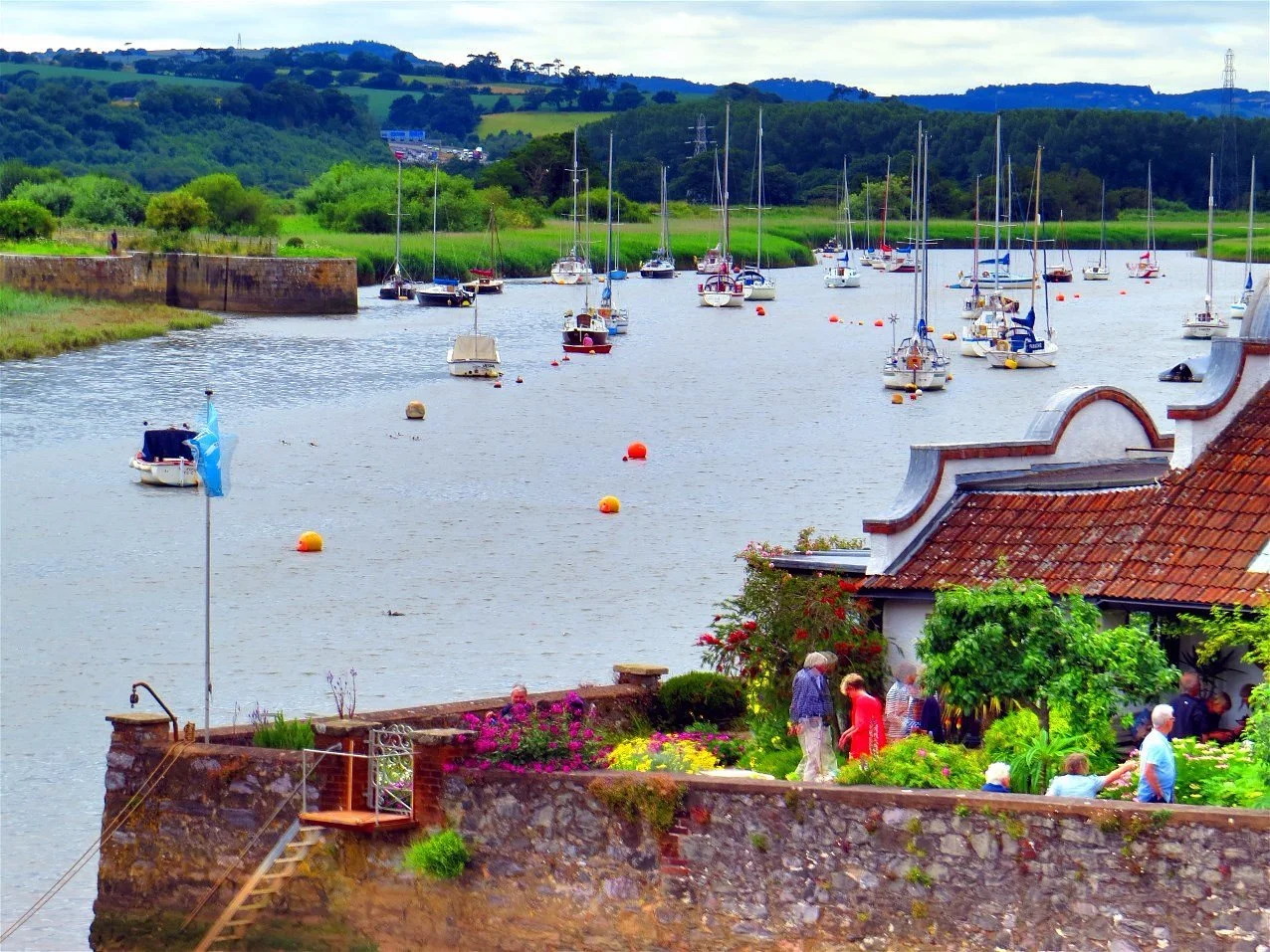
Just a short distance from Exeter, Topsham is a historic estuary town with independent shops, restaurants and views across the Exe. It makes an easy addition to an Exeter itinerary.
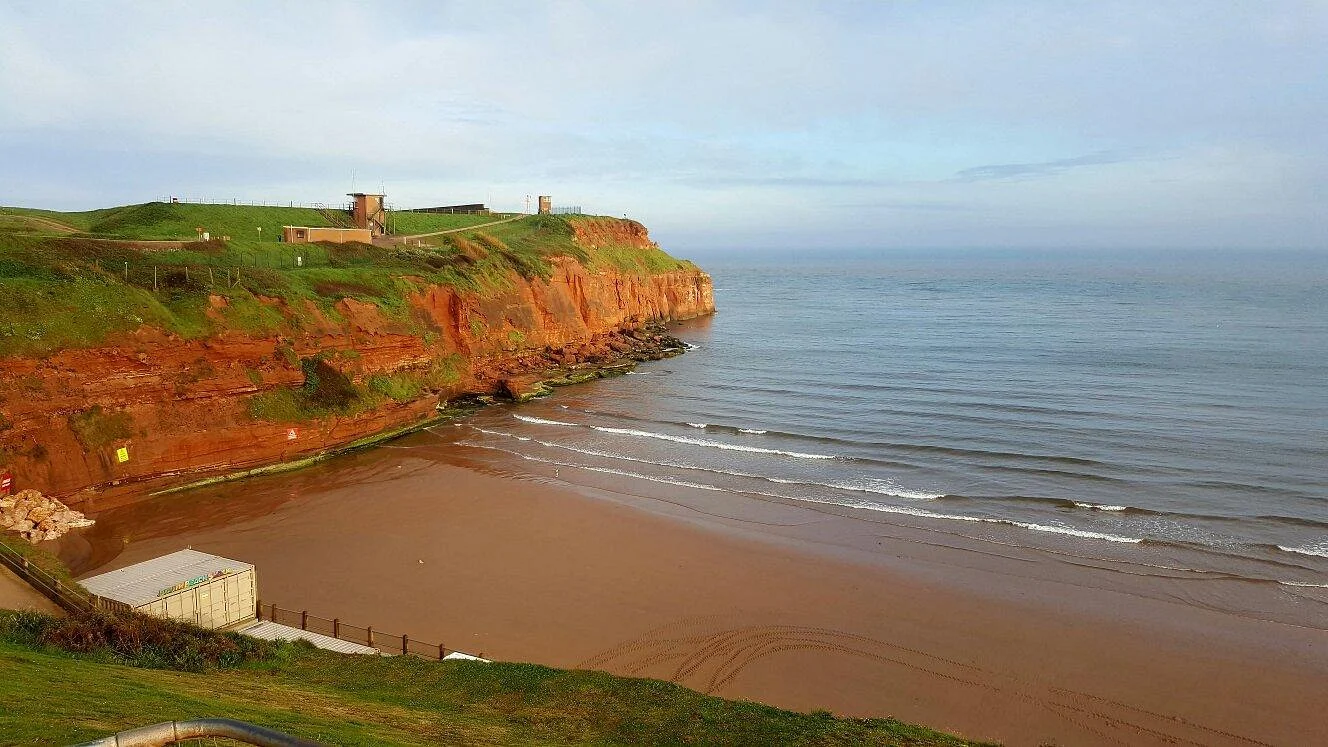
Exmouth sits at the mouth of the River Exe and offers a change of pace with its seafront, beach and coastal setting.

Head inland from Exeter to reach Dartmoor, where open moorland, rugged landscapes, villages and walking routes provide a striking contrast to the city.
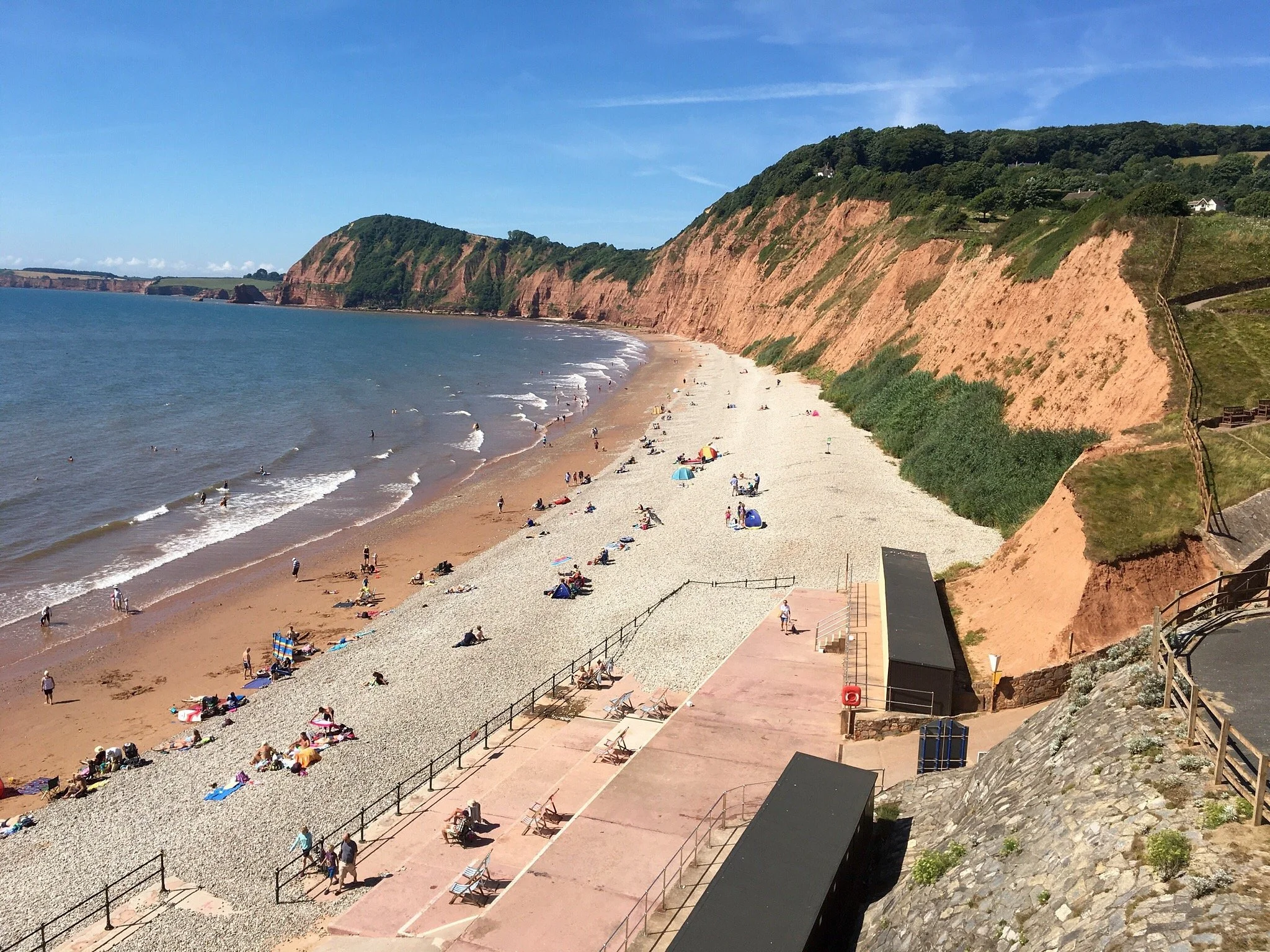
Sidmouth is a traditional seaside town on the East Devon coast, surrounded by the distinctive landscape of the Jurassic Coast.

Teignmouth combines a seaside setting with a working harbour and coastal views, making it a worthwhile day trip from Exeter.
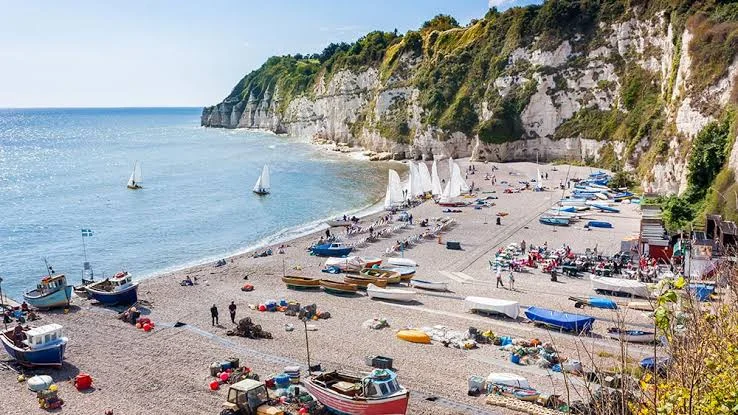
The wider East Devon coast offers cliffs, beaches, estuaries and walking routes, giving visitors plenty of opportunities to combine an Exeter city break with coastal scenery.
Exeter is well connected by road, rail and air. Exeter St Davids is the main railway hub, with services linking the city to destinations across the UK. Coaches also connect Exeter with towns and cities around the country.
Walking is one of the easiest ways to experience central Exeter. Many of the city’s major attractions are within close walking distance, including the cathedral, museum, historic streets and Quayside.
Local buses connect Exeter with surrounding neighborhoods, Topsham and destinations across Devon. Park & Ride services can also be useful if you prefer to leave your car outside the city center.
Cycling is a practical option for reaching areas beyond the central streets and exploring routes along the River Exe. Exeter and the surrounding area have several cycle routes that make it possible to combine city sightseeing with outdoor travel.
Exeter has an unusual balance. Its historic core reveals layers of Roman, medieval and later history, while the Quayside and River Exe bring open space and a more relaxed atmosphere. Add nearby beaches, countryside and Dartmoor, and Exeter becomes more than a city sightseeing stop. It is a practical base for seeing several sides of Devon.
Exeter is a strong choice for travelers who want history without giving up access to nature and the coast. Spend time around the cathedral and historic streets, head down to the Quayside, then use the city as a starting point for seeing more of Devon. Its compact center, transport connections and mix of heritage and outdoor experiences make Exeter a versatile destination for both short breaks and longer stays.
Exeter is best known for its long history, Exeter Cathedral, Roman city walls, Underground Passages, Royal Albert Memorial Museum and historic Quayside.
Some of the best things to do in Exeter include visiting Exeter Cathedral, exploring the Underground Passages, visiting RAMM, walking around the historic center and spending time at the Quayside.
Yes. Exeter combines major historic attractions with independent shops, restaurants, museums, green spaces and easy access to Devon’s coast and countryside.
Exeter works well for a day trip because many of its main attractions are concentrated around the compact city center. A longer stay gives you more time to explore the Quayside and nearby Devon destinations.
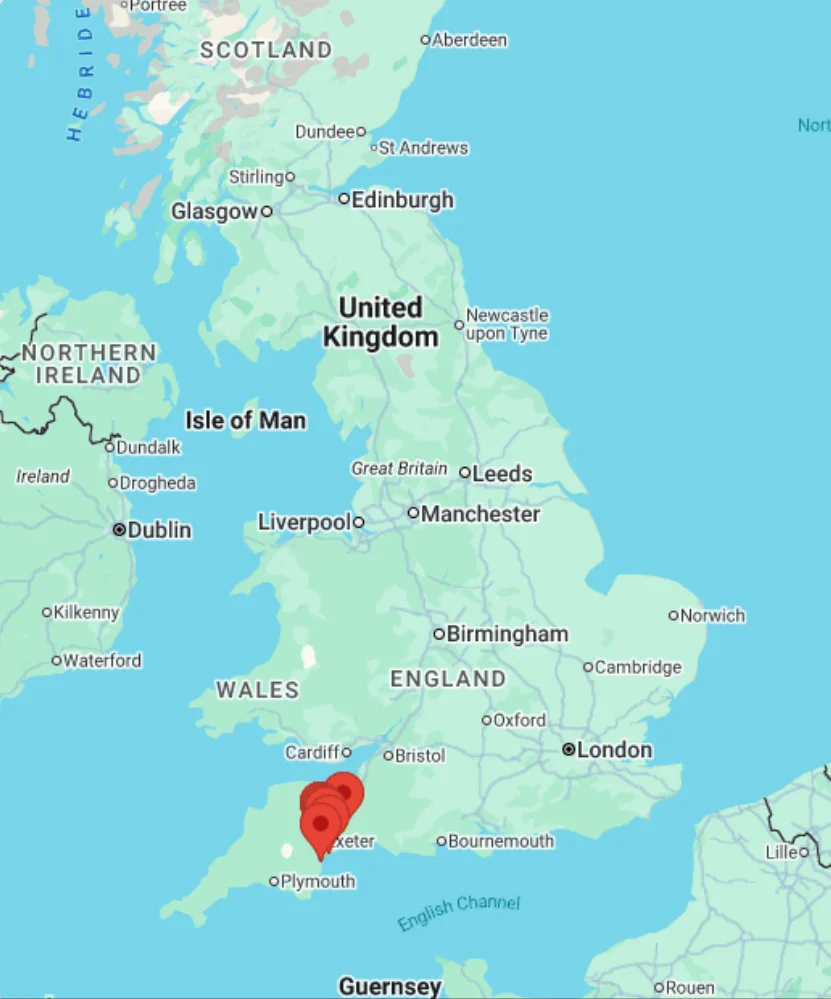
Topsham, Exmouth, Dartmoor National Park, Sidmouth, Teignmouth and the wider East Devon coast are all within easy reach of Exeter.