
Thailand is a year-round destination, but the experience can feel very different depending on when and where you travel. Bangkok, Chiang Mai, Phuket, Krabi and Koh Samui do not all follow exactly the same weather pattern, so choosing the right month depends on the type of trip you are planning.
For many travelers, the best time to visit Thailand is between November and February, when much of the country is drier and temperatures are generally more comfortable. However, beach destinations on the Gulf of Thailand can follow a different rainfall pattern, and the hotter or wetter months can still be good choices for lower prices and fewer crowds.
If you are wondering when is the best time to visit Thailand is, this guide breaks down the seasons, regions and months so you can choose a period that suits your plans.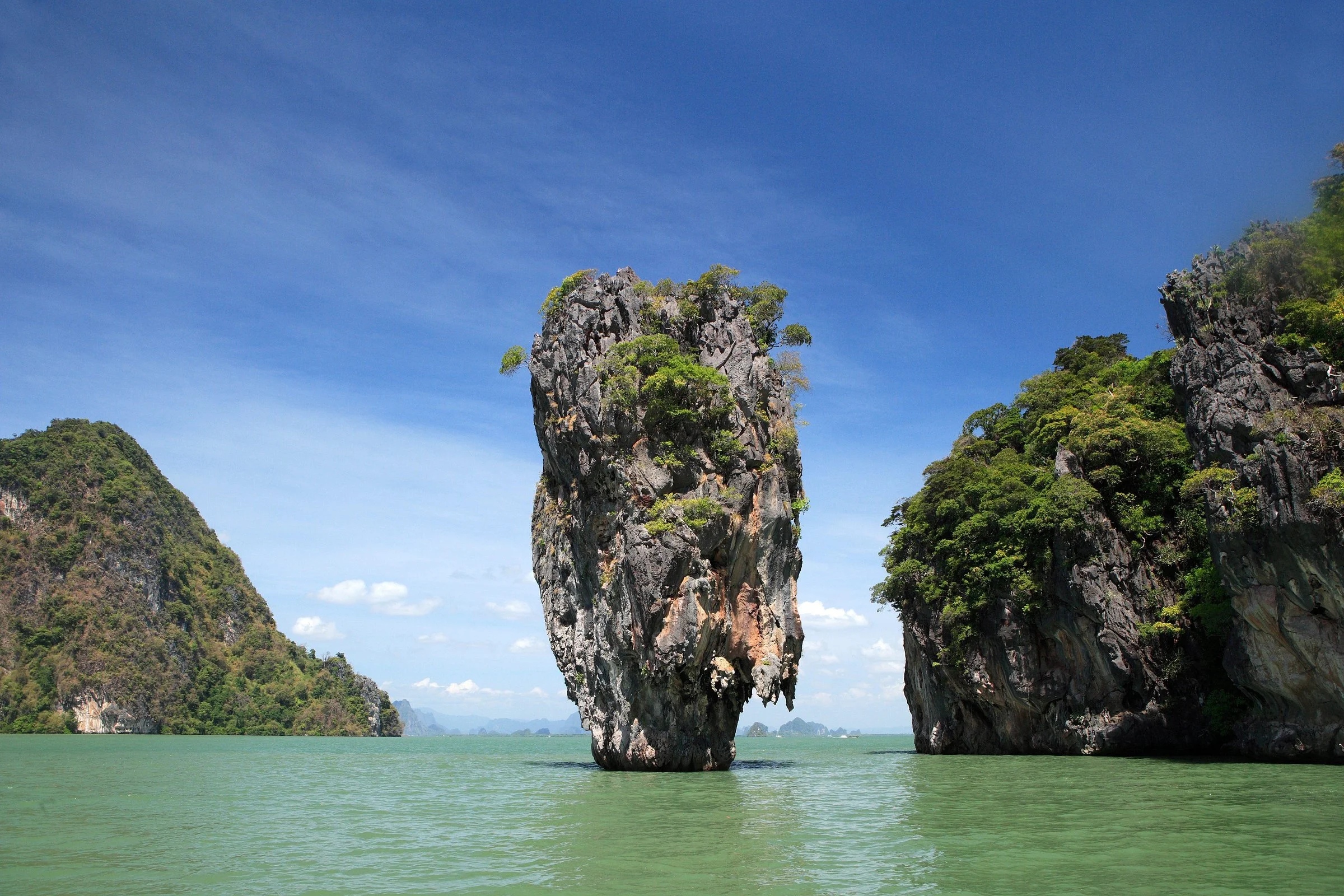
When Is the Best Time to Visit Thailand?
For a first visit covering places such as Bangkok, Chiang Mai and the Andaman coast, November to February is usually the easiest period to plan around.
Thailand’s cool season generally runs from around mid-October to mid-February, following the end of the main rainy season across much of the country. Conditions are often more comfortable for sightseeing, temples, markets and outdoor activities during this period.
December and January are particularly popular because the heat is less intense than later in the year. The trade-off is that popular destinations can be busier and accommodation prices may be higher.
If you want warm beach weather but do not mind hotter temperatures, March and early April can also work well in many areas.
Thailand’s Main Seasons
Thailand is generally described as having three main seasons: cool, hot and rainy.
The Thai Meteorological Department places the hot season at roughly mid-February to mid-May, the rainy season from around mid-May to mid-October, and the cooler season from approximately mid-October to mid-February. Exact conditions can vary from year to year and between regions.
Cool and Dry Season
The cooler season is generally the most popular time for international travel.
From November through February, much of northern and central Thailand experiences lower humidity, less rain and more comfortable conditions for sightseeing.
Bangkok is easier to explore on foot during this period, while northern destinations such as Chiang Mai and Chiang Rai can feel pleasantly cool in the mornings and evenings.
The Andaman coast, including Phuket and Krabi, is also typically well suited to beach trips during this part of the year.
For travelers who want to combine cities, temples, mountains and islands in one holiday, this is often the best time of year to visit Thailand.
Hot Season
Thailand’s hot season generally runs from around mid-February until mid-May.
March and April can become particularly hot, especially in Bangkok and central Thailand. April is usually among the hottest parts of the year, with strong sunshine and high daytime temperatures.
The heat does not make travel impossible, but sightseeing may be more comfortable early in the morning and later in the afternoon.
This period can still be appealing if beaches and resorts are your main priority. It is also when Songkran, Thailand’s famous water festival and traditional New Year celebration, takes place in April.
If you cope well with heat and want a lively cultural experience, April can be an interesting month to visit.
Rainy Season
The main rainy season across much of Thailand usually runs from around May to October.
The southwest monsoon brings more frequent rainfall, although this does not necessarily mean continuous rain every day. Conditions can change quickly, with sunny periods followed by heavy tropical showers.
Northern and central Thailand tend to experience particularly wet conditions around August and September, while rainfall patterns shift later towards southern Thailand.
Travelling during this period can still have advantages. Landscapes become greener, some destinations feel quieter, and accommodation can be better value.
However, heavy rain can occasionally cause flooding, landslides and transport disruption, particularly in northern and mountainous areas. Travellers should monitor local weather forecasts during the monsoon season.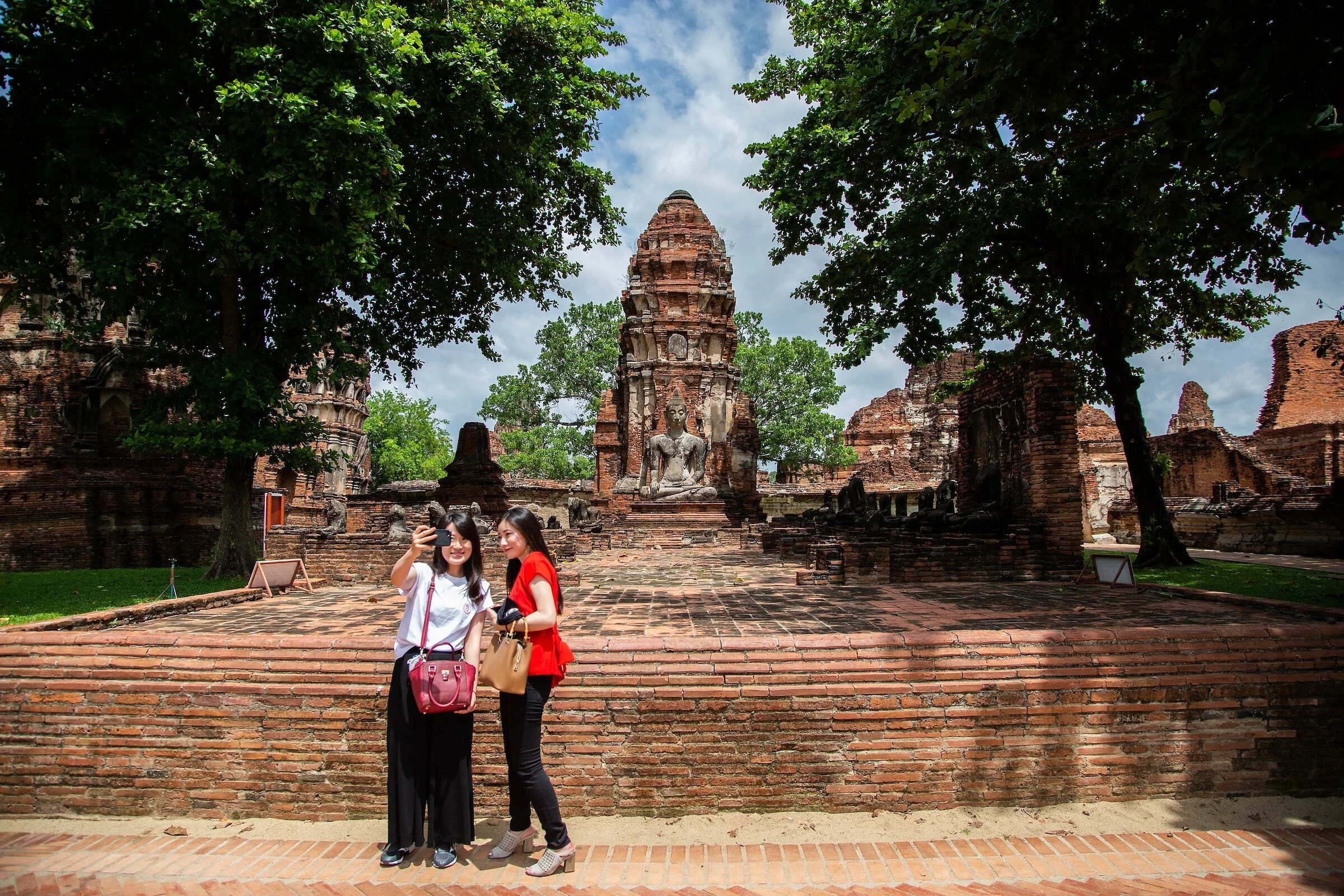
Best Time to Visit Bangkok
Bangkok can be visited throughout the year, but November to February is often the most comfortable period for sightseeing.
Lower humidity and slightly cooler conditions make it easier to explore temples, markets, neighborhoods, and outdoor attractions. Popular places such as Wat Pho, Wat Arun and the Grand Palace can still be busy, particularly during the peak winter travel season.
March and April are much hotter, while May to October brings a greater chance of heavy showers.
If you are visiting during the rainy season, it is sensible to keep some flexibility in your daily plans and include indoor attractions, shopping centers, and museums.
Best Time to Visit Chiang Mai
November to February is generally a good period for Chiang Mai because cooler temperatures suit temple visits, mountain trips and outdoor activities.
The surrounding highlands can feel noticeably cooler than Bangkok, particularly in the morning and evening. Attractions such as Doi Suthep, Doi Inthanon and mountain communities are especially appealing during the cooler months.
One consideration later in the dry season is air quality. Chiang Mai and other northern areas can be affected by seasonal smoke haze linked to agricultural burning, so travellers with respiratory conditions should check current air-quality information before travelling.
The rainy season can bring greener mountain scenery, although heavy rain may affect trekking and rural travel.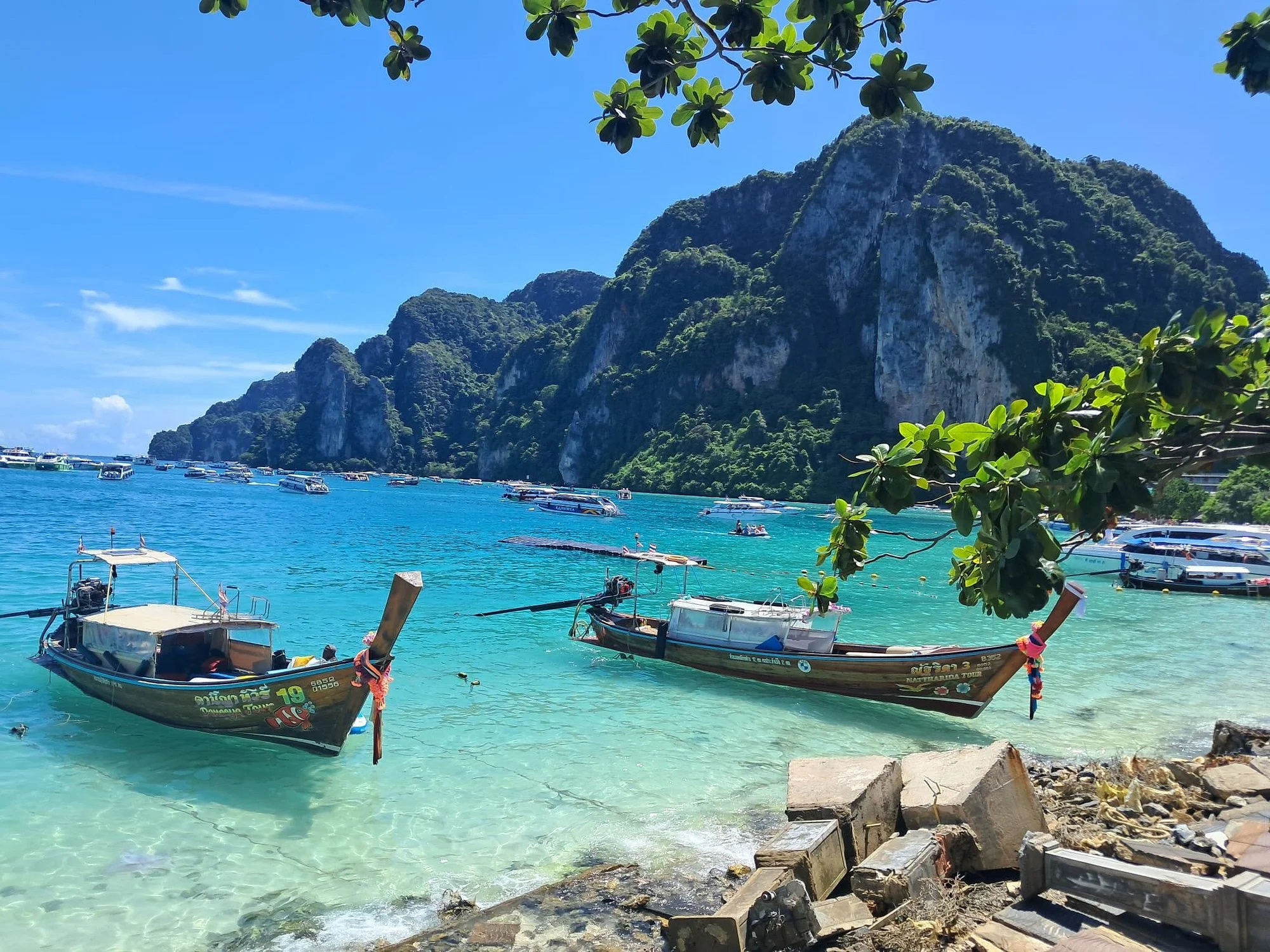
Best Time to Visit Phuket and Krabi
For Phuket, Krabi and much of Thailand’s Andaman coast, November to April is generally the most popular travel period.
This part of the year usually brings calmer seas and better conditions for beach days, island trips, snorkelling and boat excursions.
May through October is wetter and sea conditions can become rougher. Boat schedules and water-based activities may occasionally be affected by bad weather.
Travelling during the wetter months can still suit visitors who prefer quieter resorts and do not mind building flexibility into their plans.
For most first-time beach holidays, however, December through March is a straightforward choice.
Best Time to Visit Koh Samui
Koh Samui follows a somewhat different rainfall pattern from Phuket and the Andaman coast.
The UK government’s travel guidance notes that the wetter period in Koh Samui and south-east Thailand commonly falls later than in much of the country, with significant rain often affecting the area from around November into the early part of the year.
This means Koh Samui can sometimes be a better beach choice during months when Phuket and Krabi are entering their wetter period.
The Gulf islands, including Koh Samui, Koh Phangan and Koh Tao, therefore need to be considered separately when deciding the Thailand best time to visit.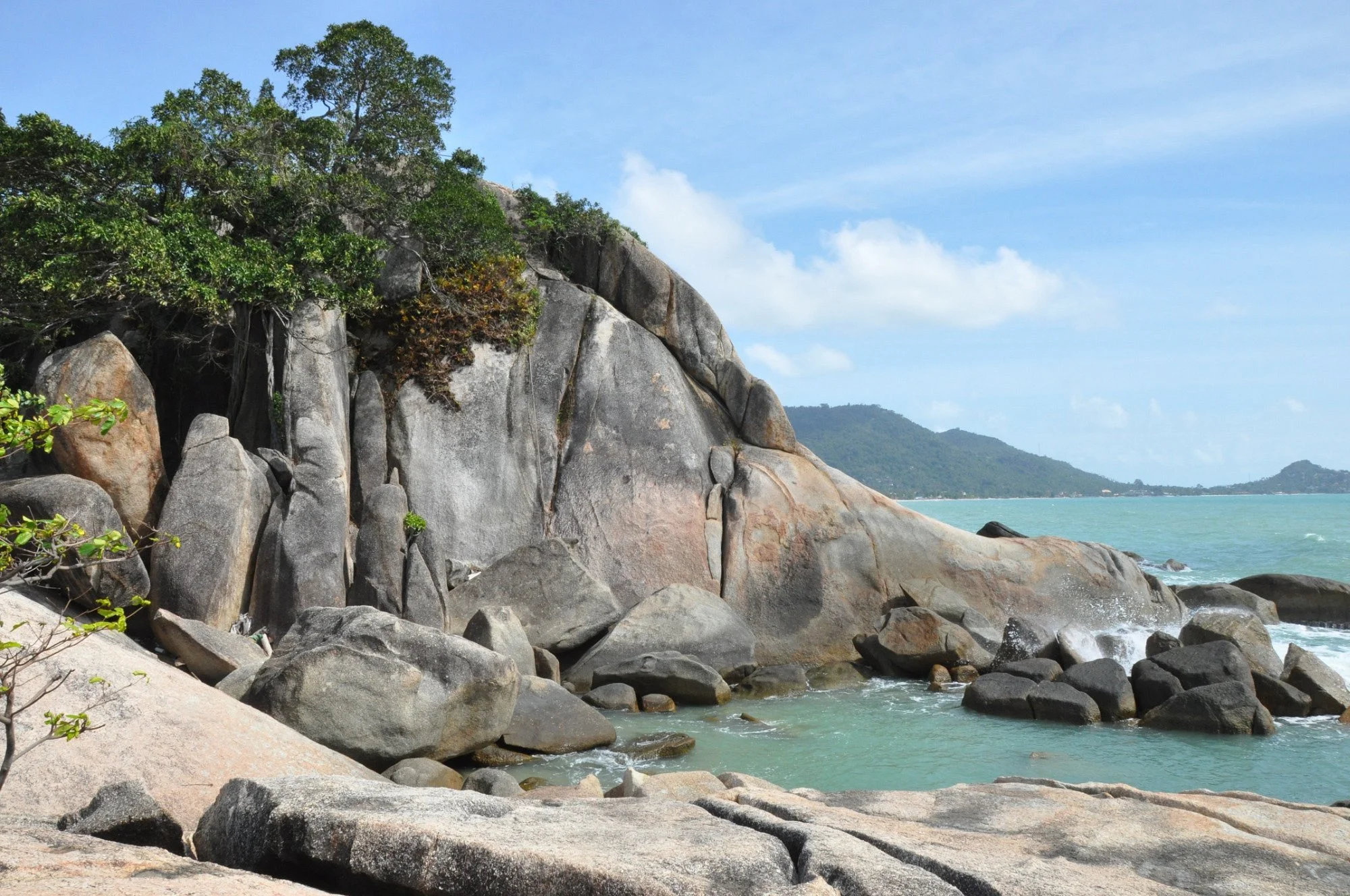
Thailand Month by Month
January
January is one of the easiest months for travelling across much of Thailand.
Bangkok is relatively comfortable, northern Thailand is cooler, and the Andaman coast usually has good beach conditions.
It is also part of the busiest travel season, so hotels and popular attractions can be more crowded.
February
February continues to offer generally favorable conditions in many regions.
Temperatures begin to rise gradually, but rainfall remains relatively limited across much of the country.
It is a useful month for combining cities, cultural sites and beaches.
March
March marks the move towards hotter weather.
Beach destinations can still be very appealing, but inland sightseeing becomes warmer, particularly around midday.
If you are visiting Bangkok or historical sites, early starts can make the heat easier to manage.
April
April is one of Thailand’s hottest months.
It is also one of the most memorable times to visit because of Songkran, when water celebrations take place across the country.
The festival atmosphere can be exciting, but travelers should be prepared for heat, crowds and widespread water celebrations.
May
May marks the transition towards the wetter season in many parts of Thailand.
Rain becomes more frequent, but conditions can still vary considerably from day to day.
This can be a useful shoulder-season period for travelers who want fewer crowds.
June
June is warm and humid with regular rainfall in many regions.
Trips are still possible, especially if you are comfortable adjusting plans around showers.
Gulf destinations may sometimes be worth considering during this period.
July
July continues the monsoon pattern across much of Thailand.
Rain often comes in bursts rather than lasting all day, although heavier weather can occasionally affect transport and outdoor activities.
Green landscapes are one of the advantages of travelling at this time.
August
August is typically wet in northern and central Thailand.
It can still work for city breaks and flexible itineraries, but trekking and rural travel may require more planning.
The Thai Meteorological Department notes that upper Thailand commonly receives significant monsoon rainfall during this part of the season.
September
September is often one of the wetter months in central and northern Thailand.
If you are planning a multi-stop trip, build extra flexibility into transport and outdoor activities.
Lower tourist numbers can make some destinations feel much quieter.
October
October is a transition month.
Rainfall often starts easing across upper Thailand as the country moves towards the cooler season, although southern regions can still experience substantial rain.
Late October can be an attractive shoulder-season period.
November
November marks the start of one of the most popular travel periods across much of Thailand.
Conditions become drier in Bangkok, northern Thailand and the Andaman coast, while temperatures are generally more comfortable.
However, parts of the Gulf coast can still experience heavy rain.
December
December is one of the most popular months for Thailand holidays.
Much of the country enjoys relatively dry weather, comfortable temperatures and good conditions for sightseeing and beach trips.
Because demand is high around Christmas and New Year, booking accommodation and transport in advance is sensible.
Practical Tips for Choosing When to Visit Thailand
- Decide which regions you want to visit before choosing your travel dates.
- Do not assume Phuket and Koh Samui have the same rainy season.
- Book early if travelling during December, January or major festivals.
- Plan sightseeing for mornings during the hottest months.
- Carry lightweight rain protection if travelling during the monsoon season.
- Check local forecasts before island transfers or mountain trips.
- Monitor air quality if visiting northern Thailand during periods of seasonal haze.
- Keep some flexibility in your itinerary during months with heavier rainfall.
- Check current UK travel advice before departure, particularly if your route includes southern border areas.

Final Thoughts
For many travellers, the best time to visit Thailand is between November and February, when much of the country experiences drier weather and more comfortable temperatures. This period works particularly well if you want to combine Bangkok, northern Thailand and the Andaman coast in one trip.
However, there is no single perfect month for every destination. Phuket and Krabi have different rainfall patterns from Koh Samui, while Chiang Mai has its own considerations around heat, rain and seasonal air quality. The right time ultimately depends on whether beaches, culture, outdoor activities, lower prices or quieter destinations matter most to you.
If you enjoy planning trips and exploring destinations closer to home as well, you can also read our guides to lakes in UK, best market towns UK, best Cotswold villages, and best universities in the UK for more ideas and useful travel inspiration.
Thailand can be rewarding at almost any time of year when you choose the region and itinerary to match the season.
FAQs
When is the best time to visit Thailand?
For many visitors, November to February is the best period because much of Thailand experiences relatively dry conditions and more comfortable temperatures. The ideal month can vary depending on the region you plan to visit.
What is the best time of year to visit Thailand for beaches?
November to April is generally a good period for Phuket, Krabi and the Andaman coast. Koh Samui and other Gulf islands follow a different rainfall pattern, so their ideal beach season can differ.
Is Thailand worth visiting during the rainy season?
Yes. Thailand can still be enjoyable during the rainy season, especially if you prefer fewer crowds and are flexible with outdoor plans. Rainfall is often intermittent, although heavier weather can occasionally affect transport.
What is the hottest month in Thailand?
April is generally one of the hottest months across Thailand. Temperatures and humidity can make midday sightseeing uncomfortable, so early morning and evening activities are often easier.
Is December a good time to go to Thailand?
Yes. December is one of the most popular months because much of Thailand has relatively dry weather and comfortable conditions. It is also a busy period, particularly around Christmas and New Year.
When should I visit Bangkok?
November to February is usually the most comfortable period for exploring Bangkok because temperatures are less intense and rainfall is generally lower than during the monsoon months.
When should I visit Phuket?
November through April is generally the most popular period for Phuket, particularly if beaches, swimming and boat trips are central to your holiday.
When should I visit Koh Samui?
Koh Samui has a different rainfall cycle from much of Thailand. Its weather should be checked separately from Phuket and the Andaman coast when planning a beach holiday.