








Durham is a historic city in north-east England, famous for its magnificent cathedral, medieval castle, and picturesque setting beside the River Wear. With its dramatic architecture, winding cobbled streets, and beautiful surrounding countryside, the city offers a distinctive blend of history, culture, and natural beauty.
Durham has a character that is difficult to find elsewhere in England. The city’s historic heart rises dramatically above the River Wear, with Durham Cathedral and Durham Castle creating one of the country’s most impressive medieval cityscapes.
Its compact center makes it easy to explore on foot, while the surrounding countryside provides plenty of opportunities to escape into nature. From historic landmarks and university traditions to peaceful riverside paths and independent cafés, Durham combines the atmosphere of a small city with a rich cultural heritage.
For anyone looking for things to do in Durham, the city offers experiences throughout the year. You can spend a morning exploring centuries of history, enjoy a walk beside the river in the afternoon, and finish the day discovering local food and the city’s lively cultural scene.
Durham’s history is closely connected with its cathedral and castle, which have stood at the centre of city life for centuries. The historic peninsula remains the focal point of Durham and provides a fascinating setting for exploring the city’s medieval past.
The UNESCO World Heritage Site brings together Durham Cathedral and Durham Castle, creating a remarkable destination for visitors interested in architecture, religion, and history.
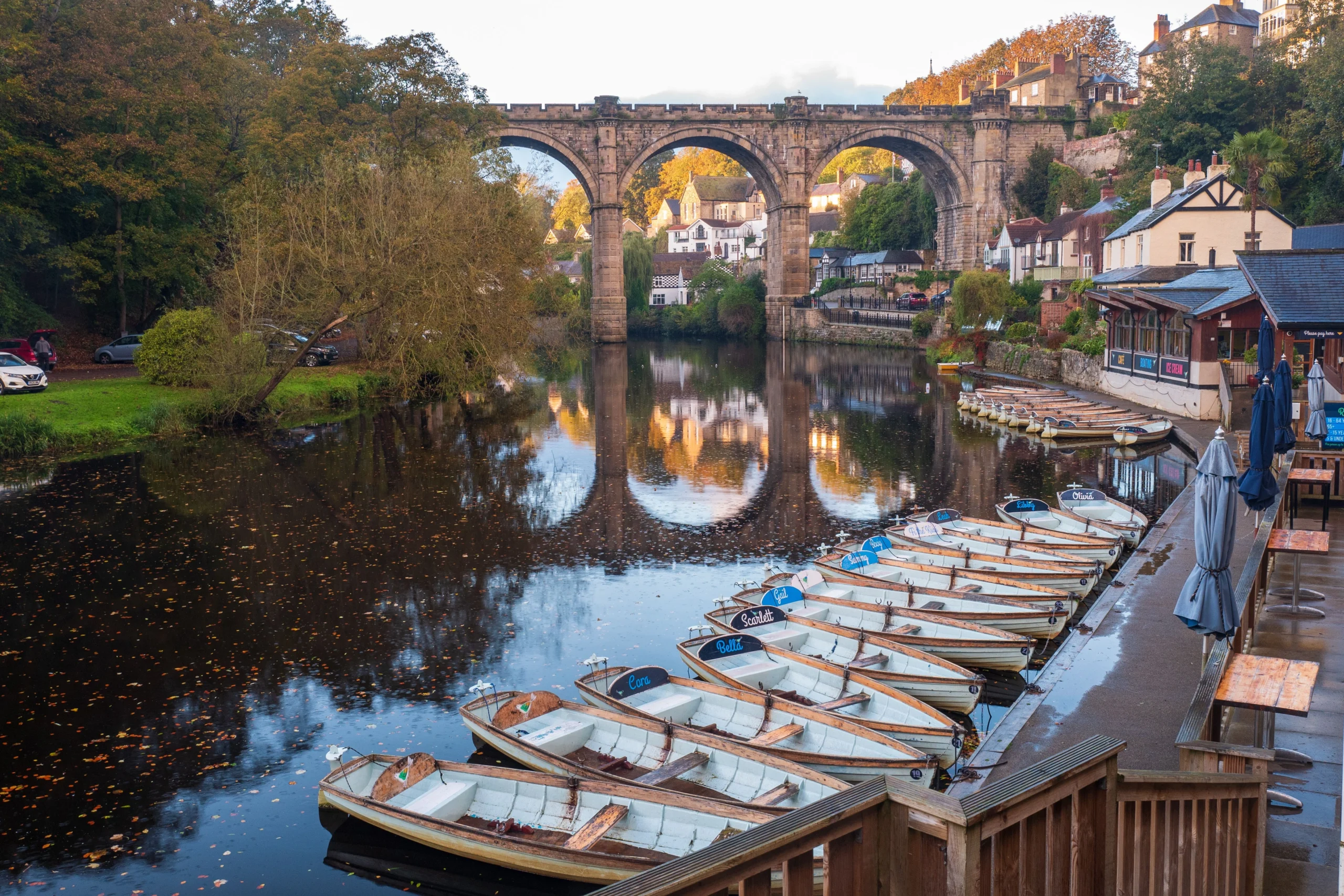
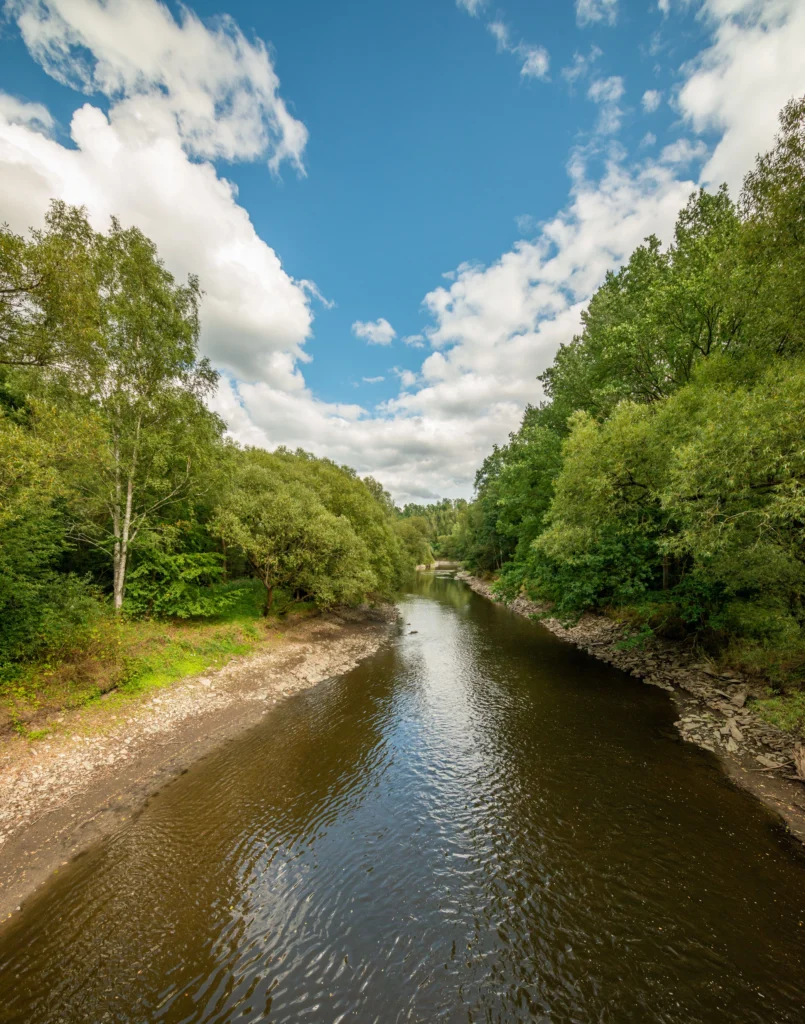
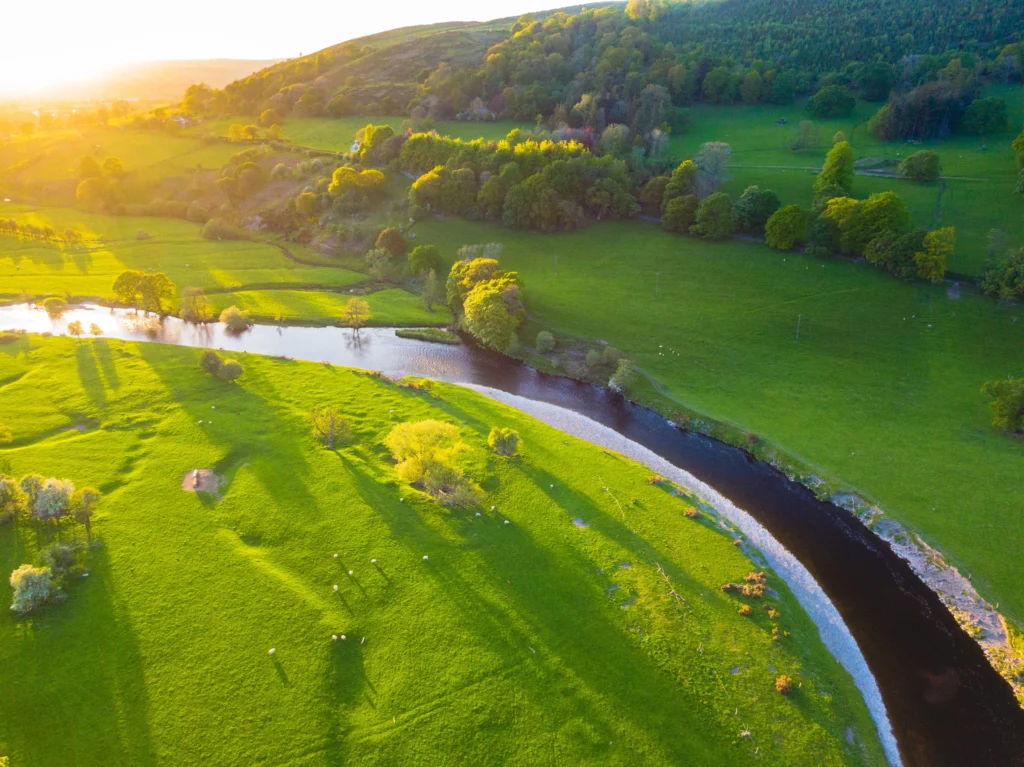
The River Wear curves around Durham’s historic centre, creating scenic walking routes and peaceful viewpoints. The riverside setting gives the city a distinctive atmosphere, particularly when viewed from the historic bridges and paths surrounding the peninsula.
Durham is also home to one of England’s most respected universities, bringing a youthful energy to the city’s historic surroundings. The combination of university traditions, independent businesses, cultural events, and historic architecture gives Durham a lively yet relaxed character.
Durham’s historic centre and surrounding areas each offer a different way to experience the city and county. From medieval landmarks and riverside scenery to peaceful parks and historic villages, these are some of the most interesting places to visit in Durham.
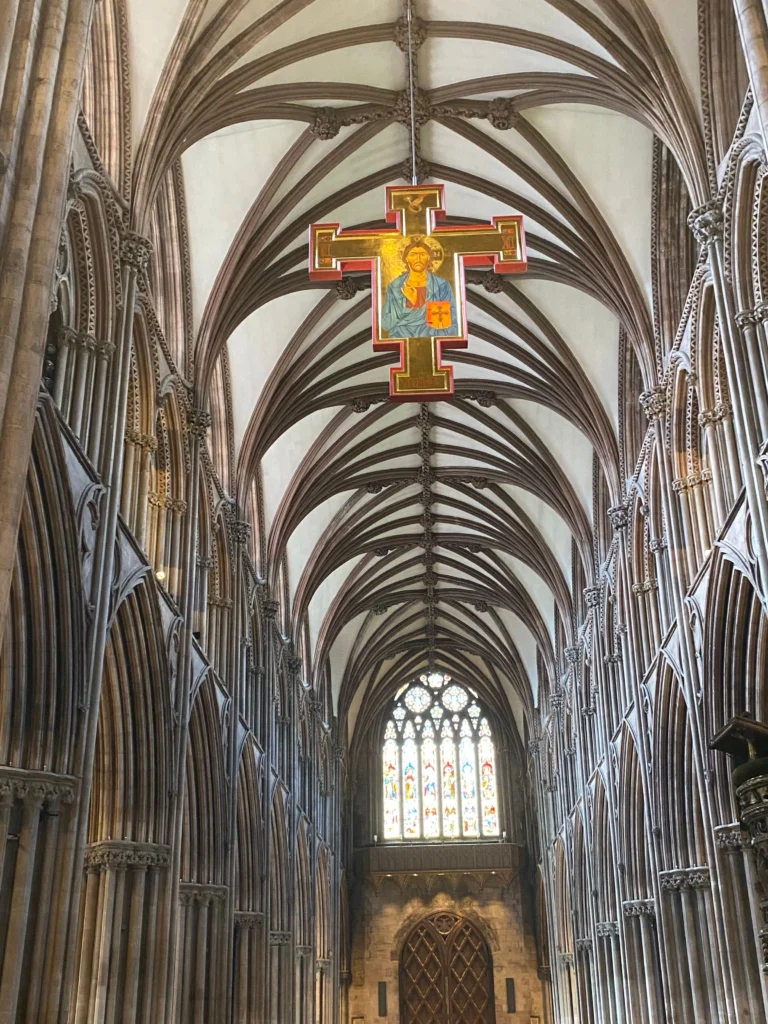
Durham Cathedral is one of the most important Durham attractions and an architectural masterpiece. Built in the Romanesque style, the cathedral has dominated the city skyline for centuries.
Standing beside Durham Cathedral, Durham Castle is another defining landmark of the city. The historic building has played an important role in Durham’s history and is now part of Durham University.
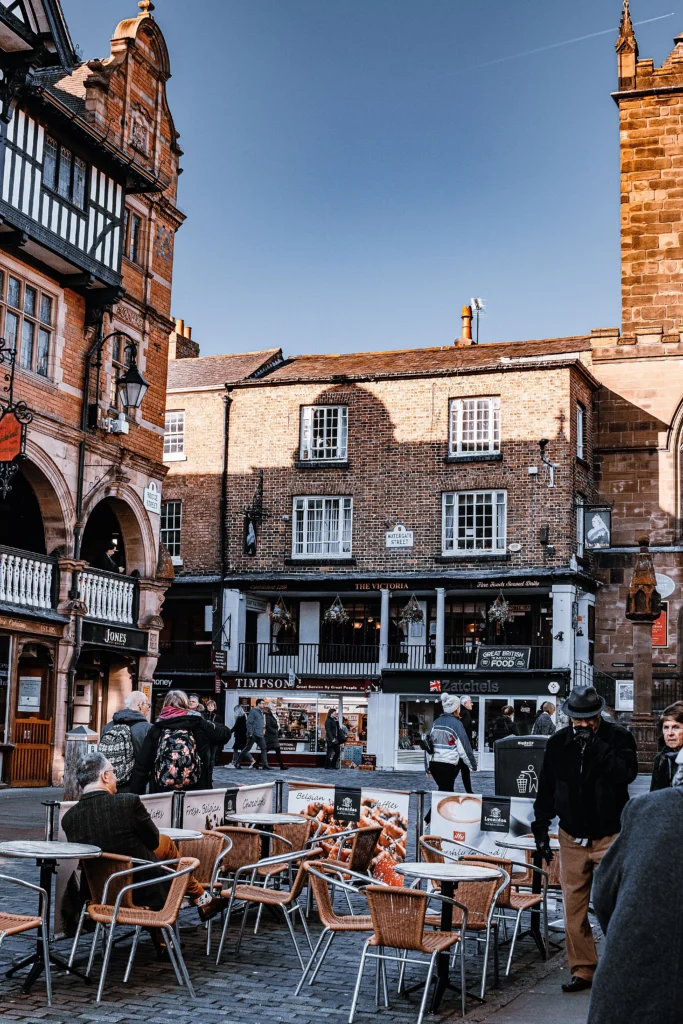
Durham city center is a wonderful place to explore on foot, with narrow streets, historic buildings, independent shops, cafés, restaurants, and traditional pubs.
The River Wear provides some of the most scenic views in Durham. Walking along the riverside allows visitors to see the cathedral and castle from different perspectives while enjoying the peaceful surroundings.
Crook Hall Gardens is a historic garden destination close to Durham city centre. Its landscaped gardens, historic buildings, and seasonal planting provide a peaceful escape from the city’s busy streets
Durham University is an important part of the city’s identity and heritage. Its historic colleges are integrated into the city, giving Durham a distinctive academic atmosphere.
The open-air museum recreates different periods of regional life, with historic buildings, transport, demonstrations, and costumed interpreters. It is one of the most engaging things to do in Durham for families and visitors interested in social history.
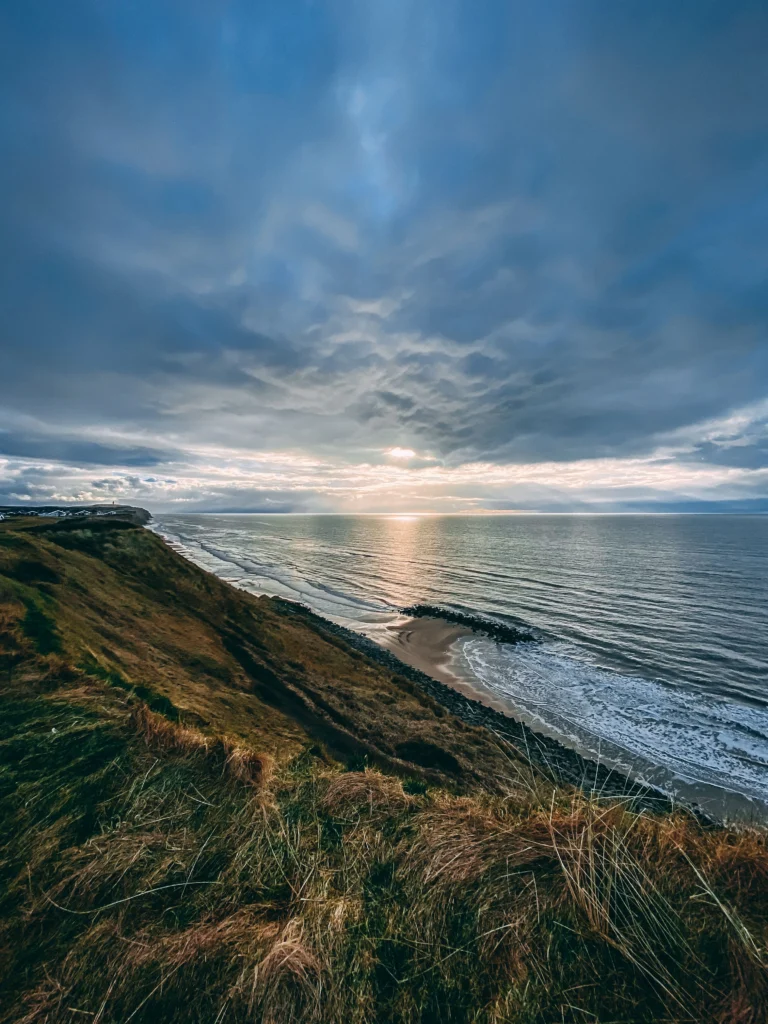
The Durham Coast offers a dramatic contrast to the city’s historic center. Coastal paths, sandy beaches, cliffs, and seaside landscapes provide plenty of opportunities for walking and exploring.
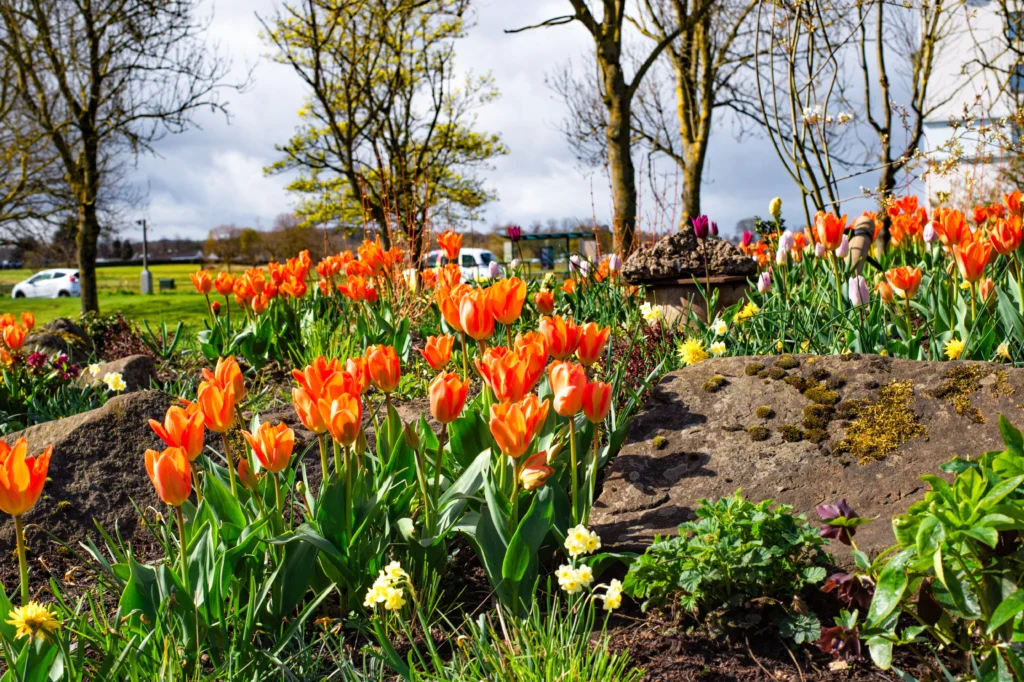
Spring is a beautiful time to explore Durham’s gardens, riverside paths, and surrounding countryside. As flowers begin to appear and the days become longer, visitors can enjoy walks around the River Wear, explore Crook Hall Gardens, and discover the city’s historic landmarks in comfortable conditions.
Summer is ideal for exploring Durham outdoors. Visitors can take longer riverside walks, enjoy the city’s green spaces, explore nearby attractions, and discover the Durham Coast. The longer daylight hours also make it easier to combine city sightseeing with trips into the surrounding countryside
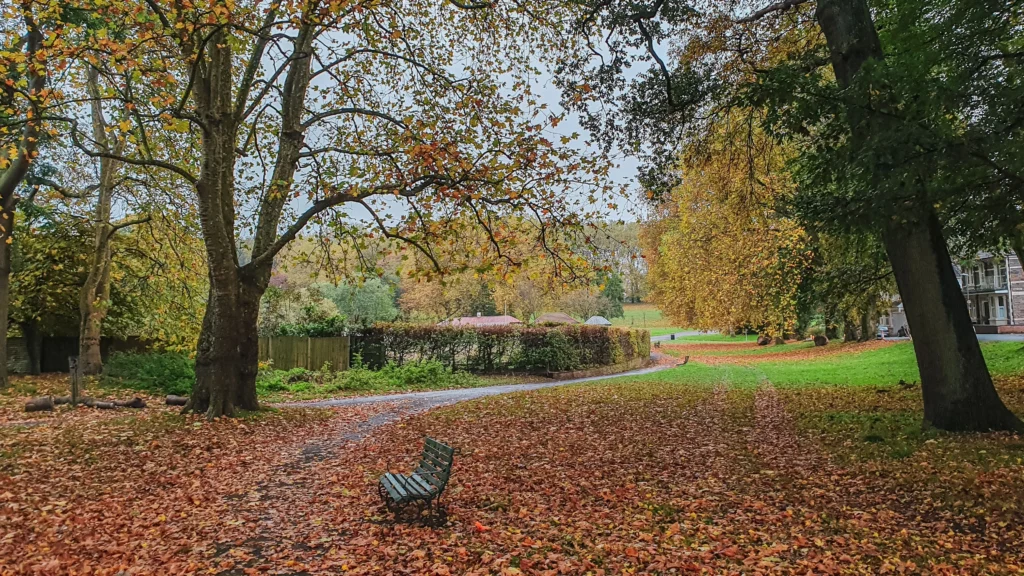
Autumn brings rich colours to Durham’s parks, riverside paths, and surrounding landscapes. It is a wonderful season for scenic walks and photography, while the city’s museums, historic buildings, cafés, and cultural attractions provide plenty of options on cooler days.
Winter gives Durham a particularly atmospheric character. The cathedral and castle look impressive against the colder seasonal landscape, while festive events, Christmas markets, cultural performances, and cosy cafés make the city an enjoyable destination for a winter break.

Newcastle is one of the North East's most vibrant cities, known for its iconic bridges, cultural attractions, shopping, restaurants, and lively nightlife. It is an excellent addition to a Durham visit and can be reached easily by rail.

Sunderland offers a mix of coastal scenery, beaches, museums, and cultural attractions. The city's waterfront and surrounding coastline provide a different experience from Durham's historic centre.
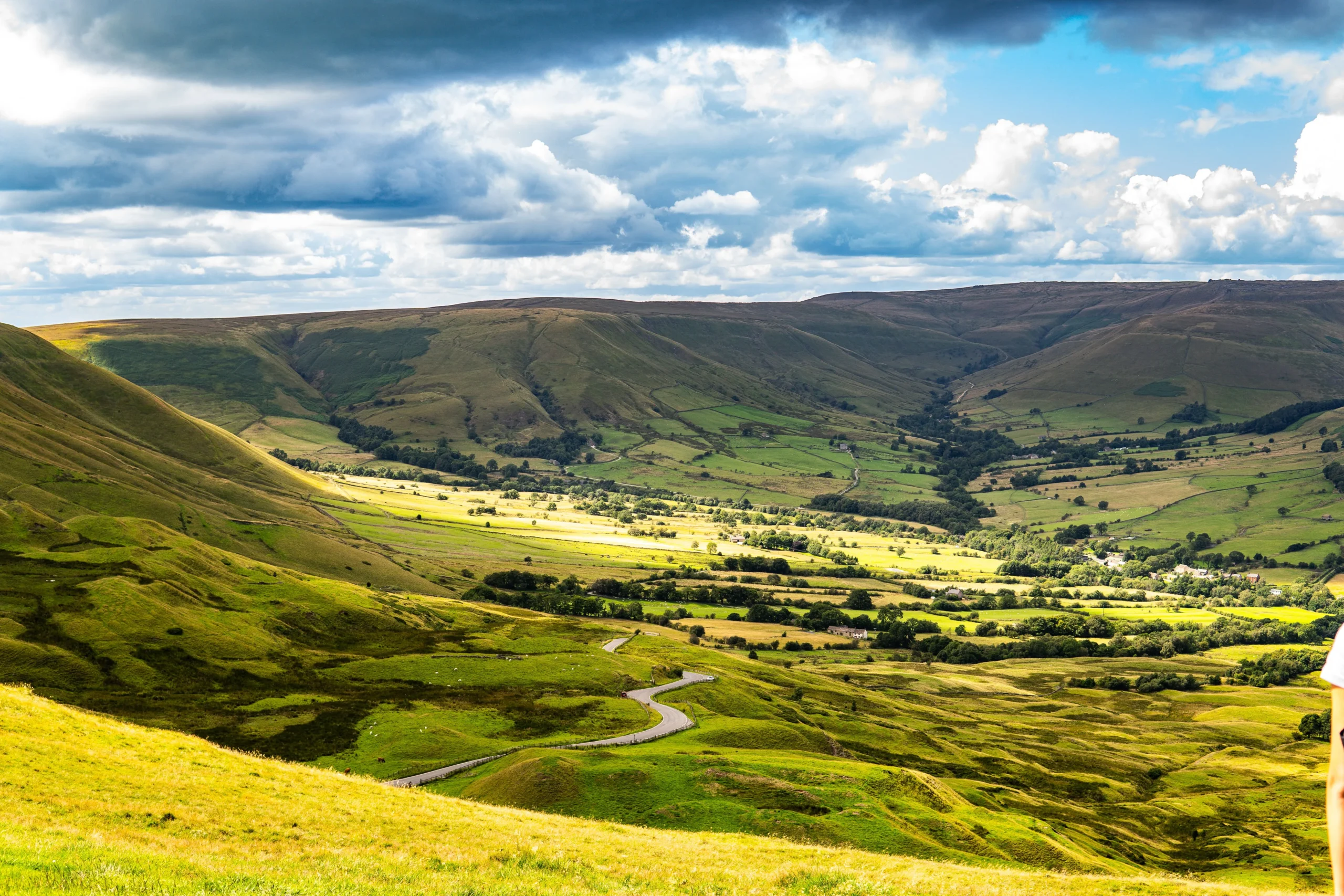
The North Pennines Area of Outstanding Natural Beauty offers dramatic moorland, valleys, waterfalls, and walking routes. It is an excellent destination for visitors looking to experience the natural landscapes surrounding Durham.
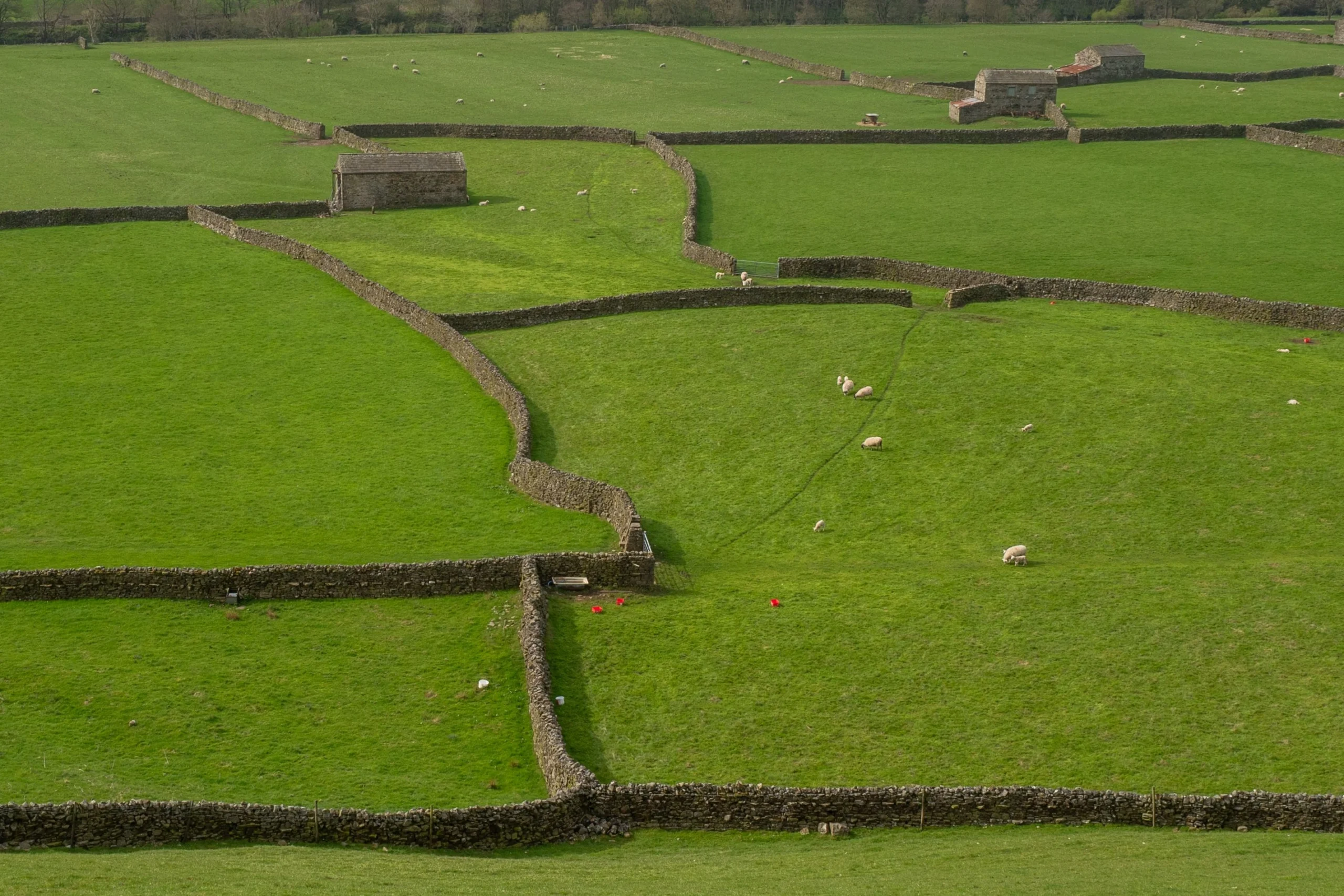
Hadrian's Wall is one of Britain's most significant Roman heritage sites. The ancient frontier stretches across northern England, with historic forts, museums, and walking routes offering fascinating insights into Roman Britain.
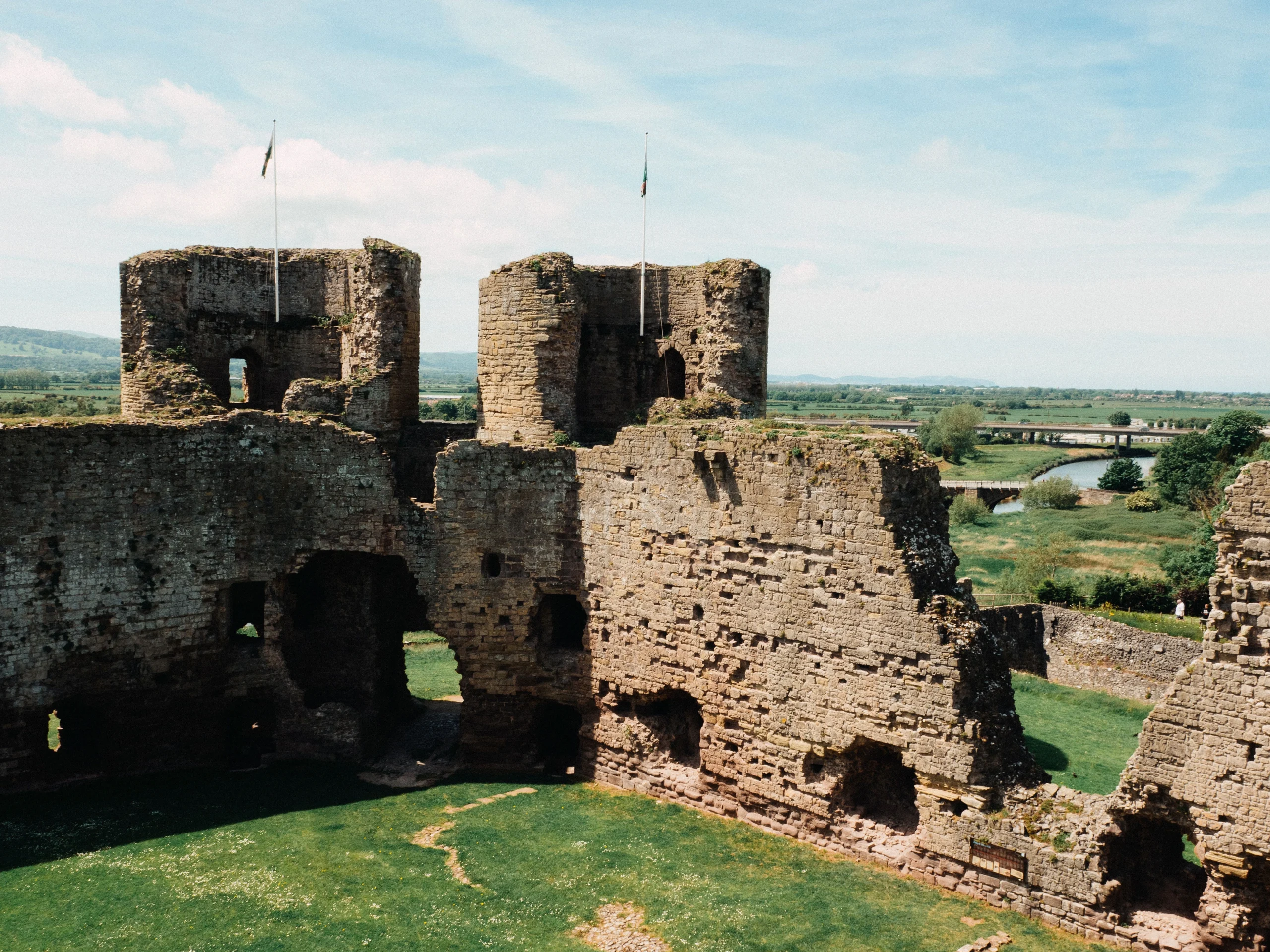
Barnard Castle is a charming market town known for its historic castle, independent shops, and beautiful setting beside the River Tees. It makes a rewarding day trip for visitors exploring County Durham.

Whitby is a historic seaside town on the Yorkshire coast, famous for its dramatic abbey, harbour, maritime heritage, and coastal scenery. Although further away, it is an appealing destination for travellers exploring the wider North East and Yorkshire region.
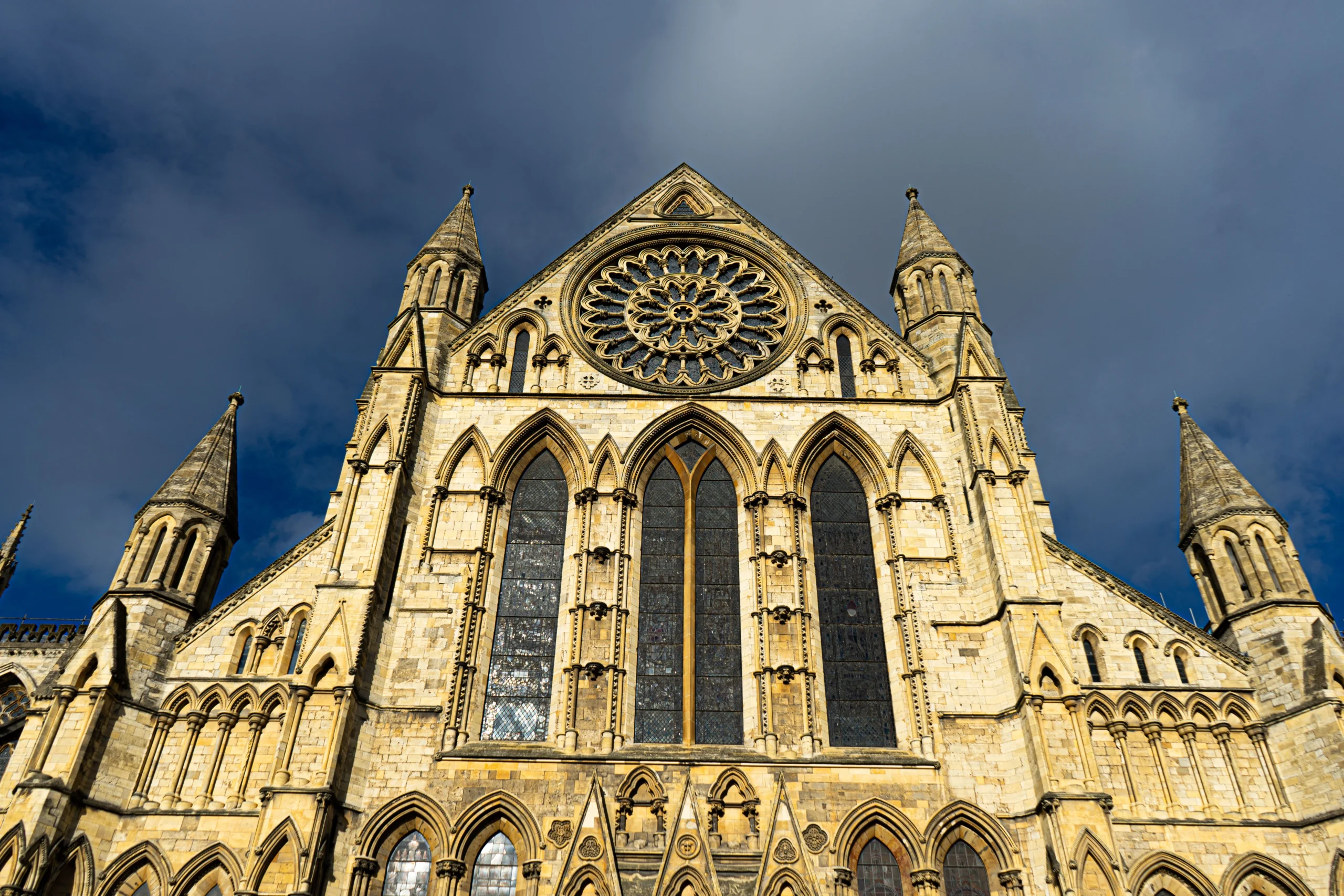
Durham is well connected to other parts of England, making it an accessible destination for a city break. Durham railway station provides direct services to major cities including Newcastle, York, Leeds, and London.
The city can also be reached by road via the A1(M), which connects Durham with the wider North East and major routes across England. Newcastle International Airport is the nearest major international airport and provides connections for visitors travelling from further afield.
Durham city center is compact and many of its main attractions can be explored on foot. Public transport provides convenient connections to destinations further outside the city center and across County Durham.
Driving provides greater flexibility for exploring County Durham and the surrounding countryside. It can be particularly useful for visiting attractions and rural destinations that are not directly served by public transport.
Local bus services connect Durham city center with surrounding towns, villages, and attractions. Buses are particularly useful for reaching destinations outside the central area.
Durham railway station is located close to the city center and offers regular services to destinations across the UK. It is one of the easiest ways to reach Durham for visitors travelling from other cities.
Durham is a destination where centuries of history and spectacular scenery come together. Its cathedral and castle create an unforgettable historic skyline, while the River Wear adds a peaceful natural setting to the heart of the city.
For visitors searching for the best things to do in Durham, the city offers an impressive variety of experiences. You can explore the World Heritage Site, discover the story of the North East at Beamish, walk along the River Wear, visit historic gardens, or venture further into the surrounding countryside.
Whether you’re planning a short city break or a longer exploration of the region, the best places to visit in Durham reveal a destination full of character. With its historic landmarks, cultural attractions, scenic landscapes, and convenient connections to nearby destinations, Durham is an excellent base for discovering the North East of England.
Some of the best things to do in Durham include visiting Durham Cathedral and Durham Castle, walking beside the River Wear, exploring the historic city centre, visiting Crook Hall Gardens, and discovering the region’s history at Beamish, The Living Museum of the North.
The best places to visit in Durham include Durham Cathedral, Durham Castle, Durham city centre, the River Wear, Crook Hall Gardens, Durham University, Beamish, and the Durham Coast.
Popular Durham attractions include Durham Cathedral, Durham Castle, Beamish, Crook Hall Gardens, the historic city centre, and the scenic River Wear. The wider county also offers historic sites, coastal landscapes, and countryside attractions.
Yes, Durham is well worth visiting for its historic cathedral and castle, beautiful riverside setting, compact city center, cultural heritage, and surrounding countryside. Its location also makes it a convenient base for exploring the wider North East.
One or two days is enough to explore many of Durham’s main city attractions, including the cathedral, castle, historic center, and riverside. A longer stay allows you to discover nearby destinations and attractions across County Durham.