



Brighton is a seaside city with a personality all its own. From the lively seafront and famous pier to independent shops, historic buildings, museums and creative neighborhoods, there is plenty to keep visitors busy throughout the year. Whether you are planning a quick day trip, a weekend by the coast or a longer Sussex break, Brighton UK offers a mix of traditional seaside experiences and modern city culture.
The city is easy to explore, with many central sights close together. You can spend the morning around the Royal Pavilion, wander through The Lanes and North Laine, then head towards the seafront for an afternoon by the water. Beyond the center, parks, viewpoints and nearby countryside provide a quieter side of the city.
Brighton offers plenty of options for family days out. The beach and Palace Pier are obvious choices, while the city’s museums and aquarium provide alternatives when you want something indoors.
Families can also explore the Royal Pavilion area, take a walk along the seafront or make a day of visiting one of the parks around Brighton and Hove. For an outdoor adventure beyond the center, the South Downs and Seven Sisters provide opportunities for walking and enjoying the countryside
Brighton feels different from many traditional British seaside resorts. Its historic attractions sit alongside independent businesses, colorful streets, contemporary culture, and a lively social scene. You can enjoy classic seaside activities without spending your entire trip around the beach.
The city makes it easy to combine different types of experiences in a single day. Visit a historic palace, browse independent shops, see local art, walk beside the sea and finish with views across the coast. That variety is one of the biggest reasons Brighton works so well for short breaks.
Brighton’s best areas and attractions each offer something different, so it is worth exploring beyond the obvious seaside highlights. These eight places are a useful starting point when planning your visit.
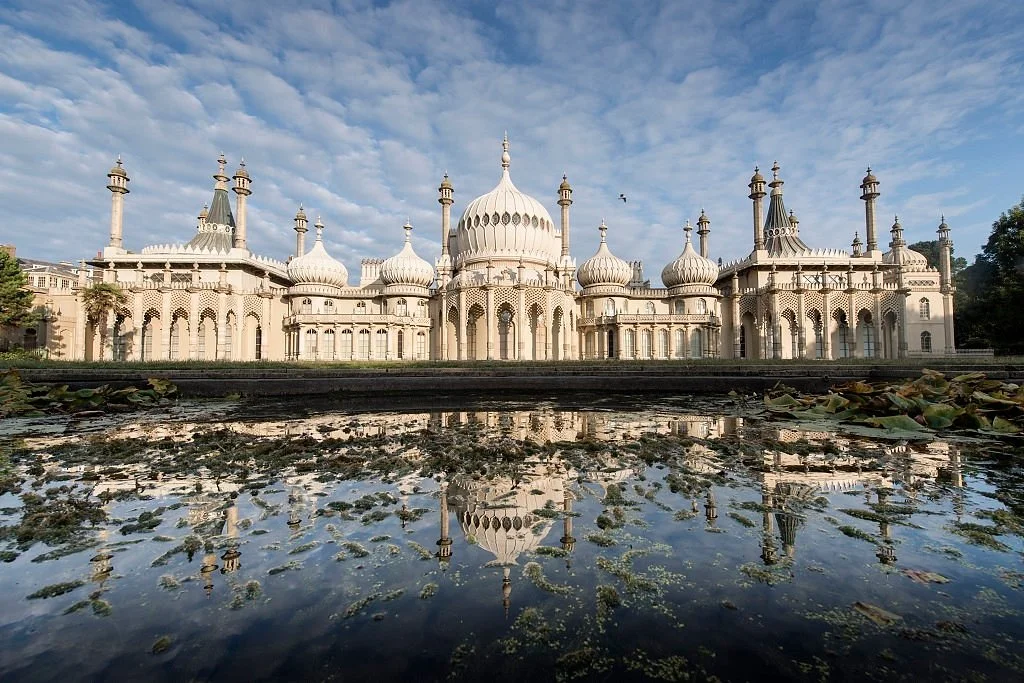
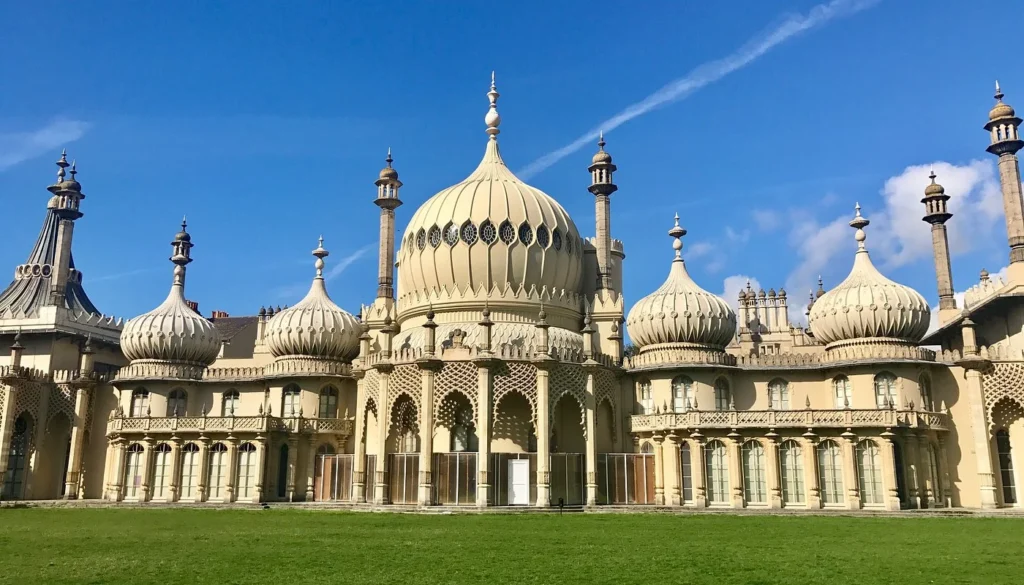
The Royal Pavilion is one of the city’s most recognizable buildings, with an unusual design that stands apart from the surrounding architecture. Inside, visitors can see richly decorated rooms and learn more about the building’s royal history.
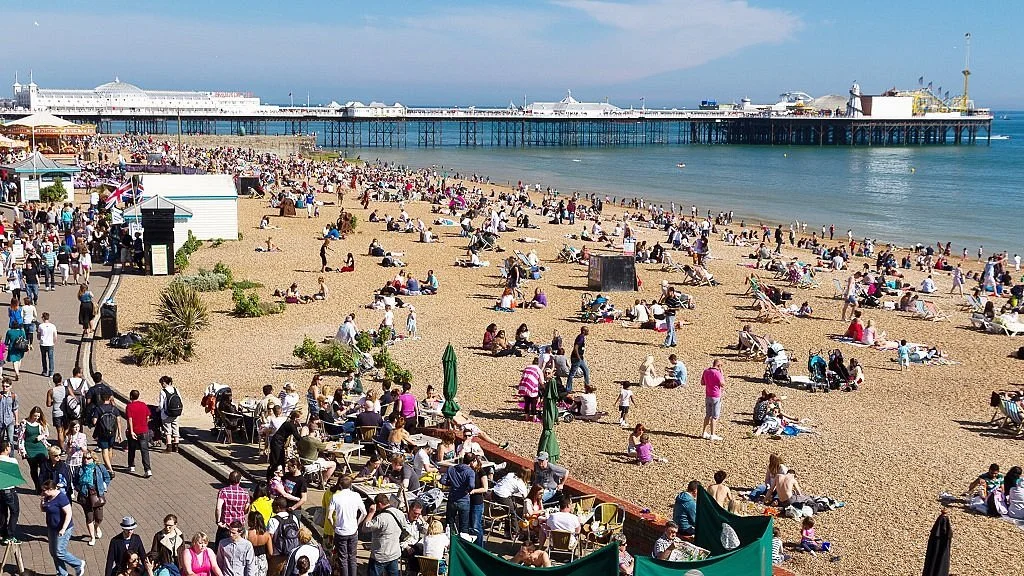
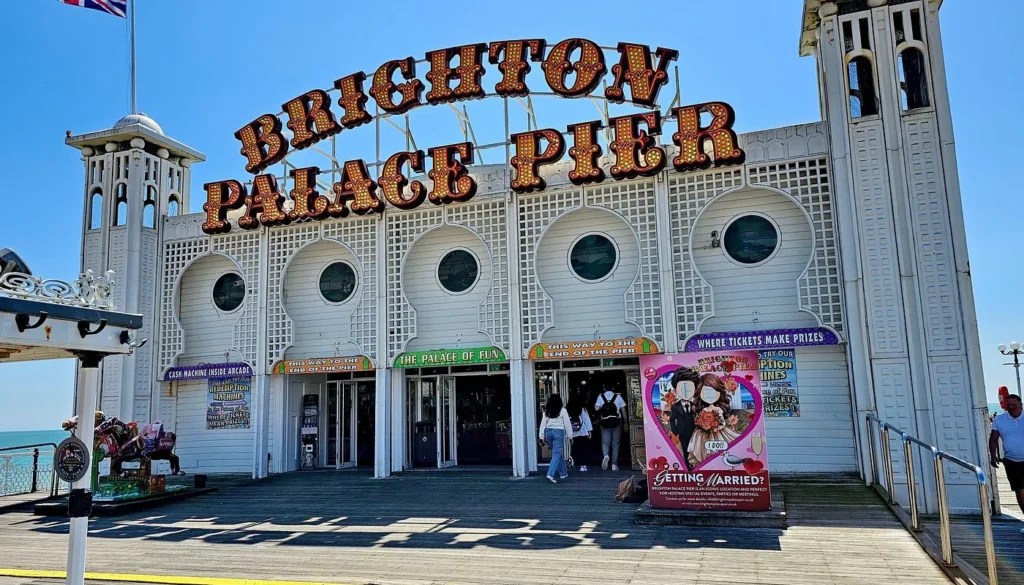
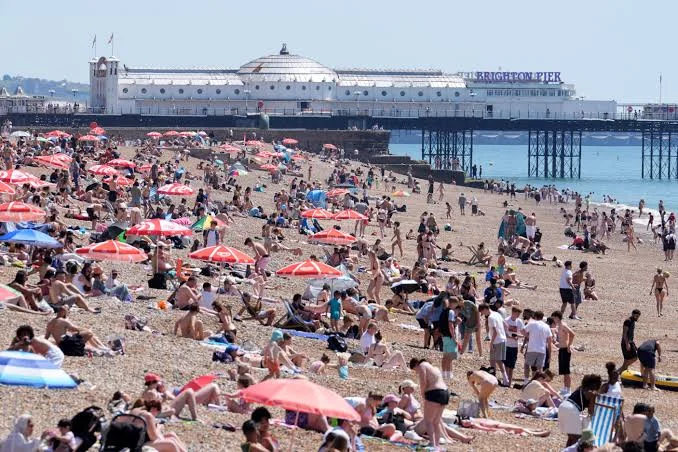
Brighton Palace Pier is a must for anyone who wants a traditional seaside experience. Walk out over the water, enjoy the views, try the amusement rides or simply soak up the atmosphere around one of the city’s best-known landmarks.
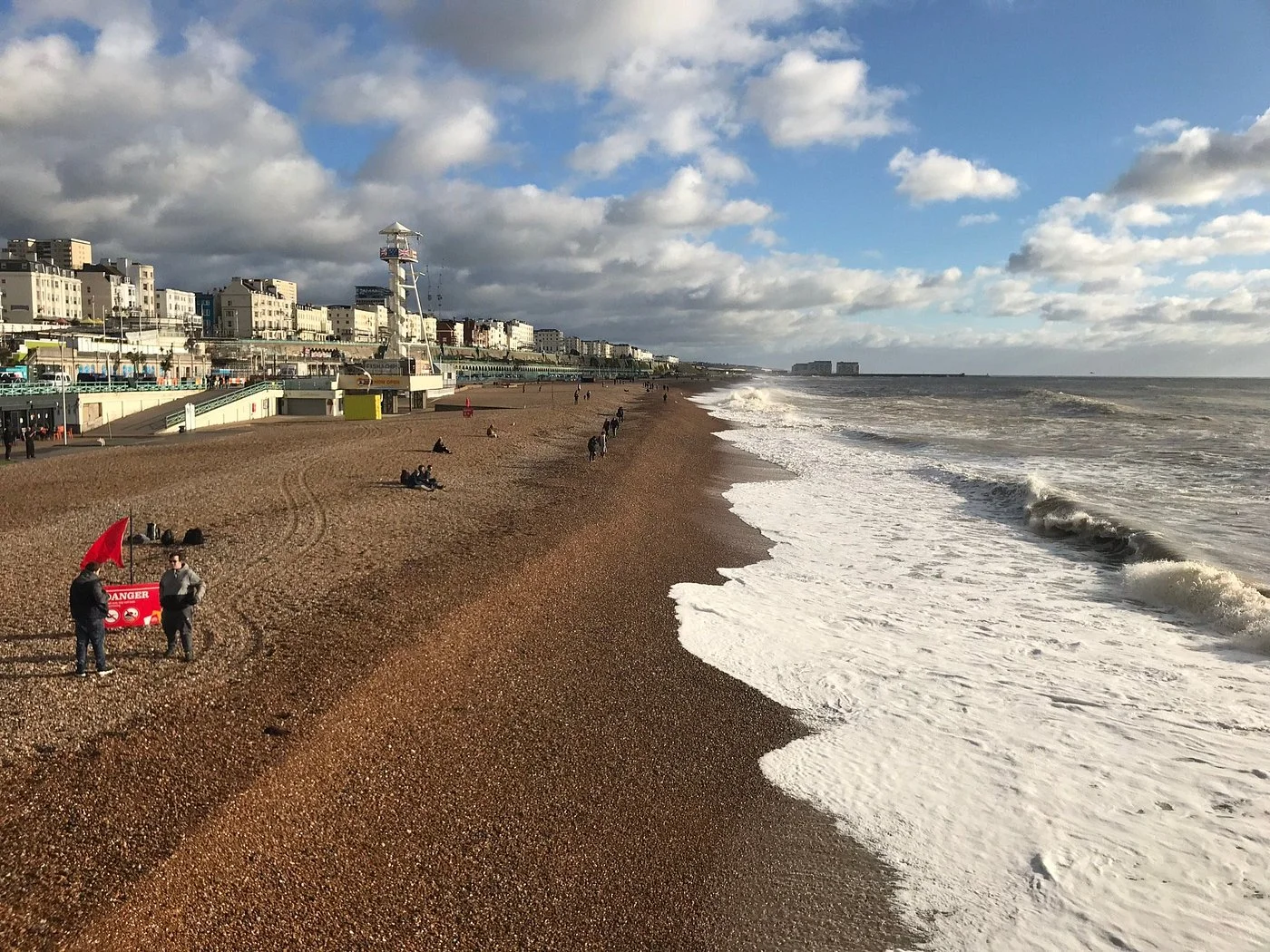
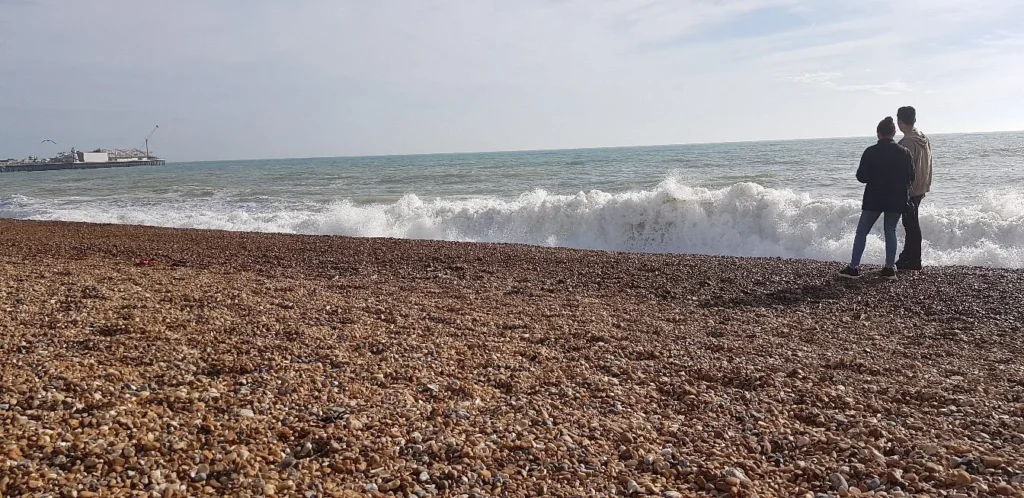
Brighton’s beach provides an easy way to slow down during a busy city break. Take a walk along the seafront, find a spot to sit beside the water or continue along the promenade towards other coastal attractions.
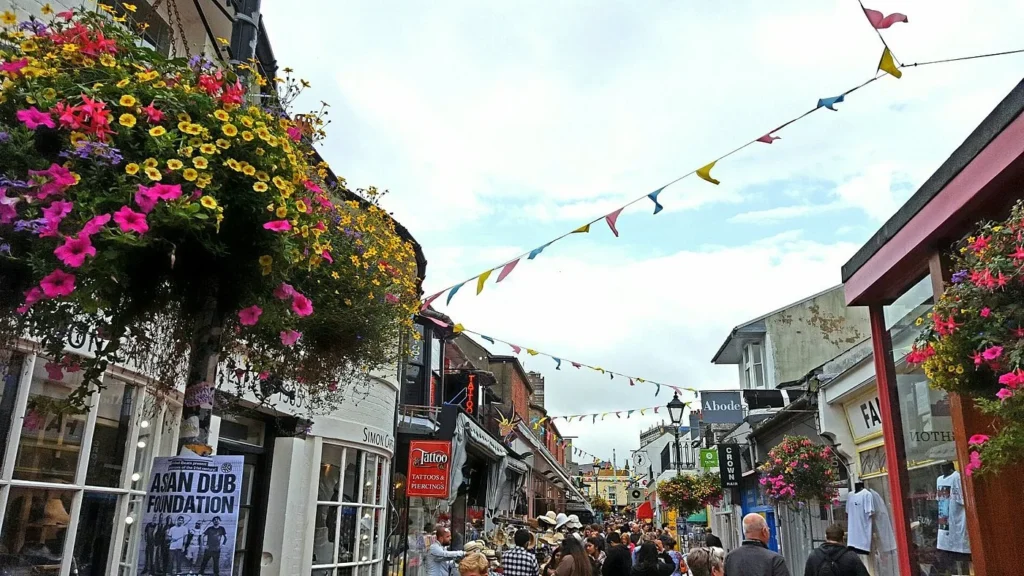
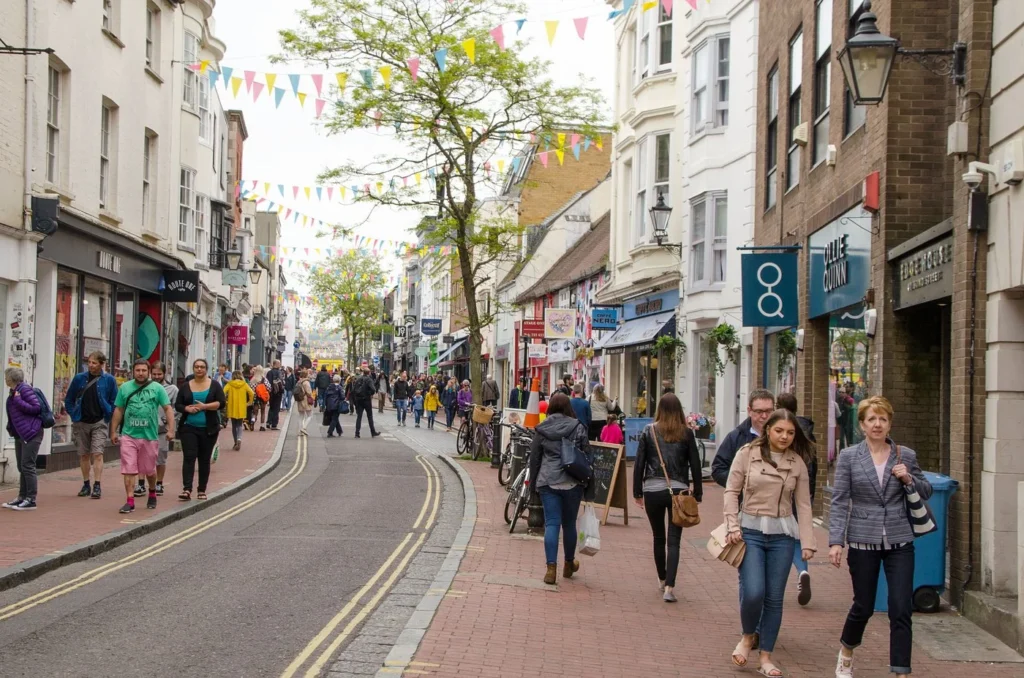
The Lanes are made up of narrow streets and small shopping areas where you can browse jewelry shops, independent retailers, cafés and restaurants. They are particularly enjoyable for visitors who prefer wandering rather than following a fixed sightseeing route.
North Laine has a more colorful and alternative feel, with independent shops, vintage finds, cafés, street art and small businesses. It is a good place to explore when you want to experience a different side of the city.
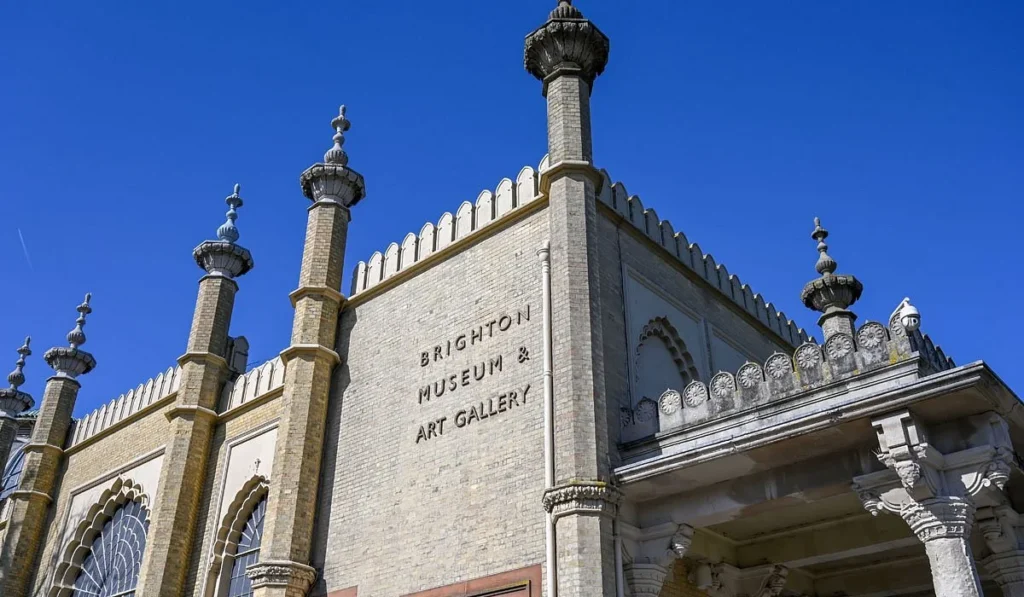
Located close to the Royal Pavilion, Brighton Museum & Art Gallery brings together collections covering art, design, history and Brighton’s development. It is a useful indoor option when the weather turns wet and a good choice for visitors interested in the city’s cultural side.
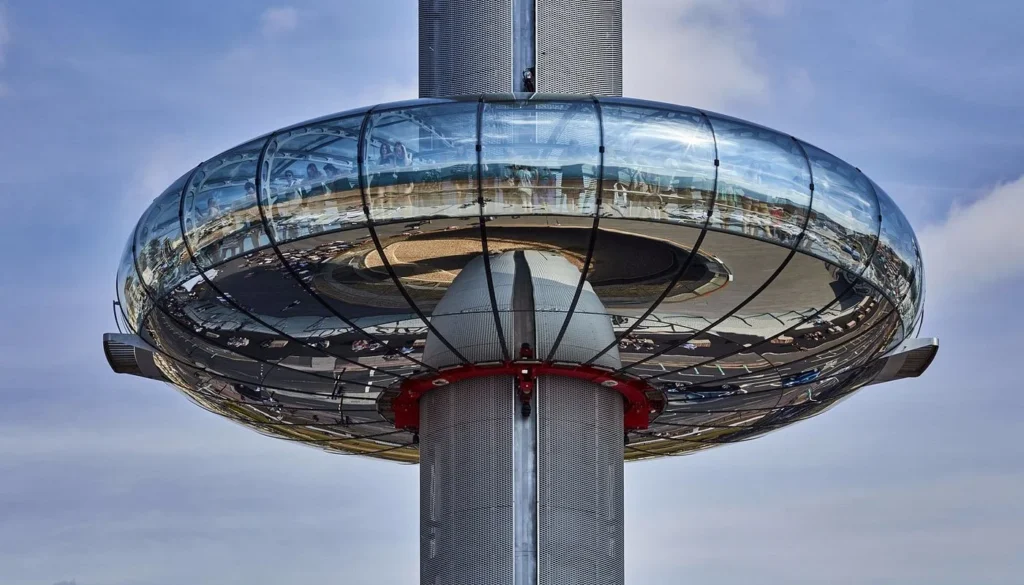
For a wider perspective over the city, Brighton i360 offers elevated views across Brighton, the English Channel and the surrounding coastline. It is particularly appealing if you want to see the city’s relationship with the sea and South Downs from above.
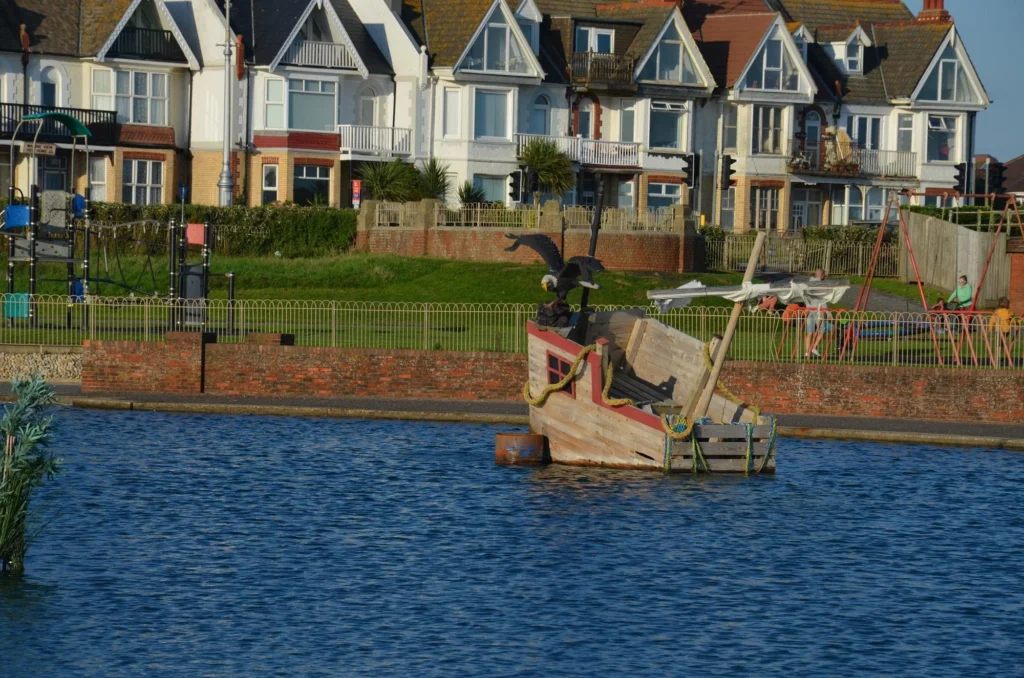
Just west of central Brighton, Hove offers a more relaxed atmosphere with elegant streets, seafront walks and open spaces. It is a good area to include if you want to balance the busier parts of the city with a slower coastal experience.
Spring is a great time to explore Brighton on foot. The temperatures are usually more comfortable for long walks, while parks, gardens and the seafront begin to feel livelier. Combine the Royal Pavilion and central neighborhoods with a walk towards Hove or one of the city’s green spaces.
Summer brings Brighton’s busiest seaside atmosphere. Spend time on the beach, walk along the promenade, visit the pier and explore the Lanes before enjoying the longer evenings. It is also a good season for combining a city visit with trips into the surrounding Sussex countryside.
Autumn gives Brighton a slightly calmer feel. Cooler days are ideal for museums, independent shops, cafés and longer walks along the coast. You can also use the city as a base for exploring nearby countryside and historic towns before returning for an evening in central Brighton.
Winter is a good option for visitors who prefer fewer crowds and more time indoors. Explore museums and historic attractions, browse the city’s independent shops and enjoy the changing character of the seafront. Brighton’s restaurants, cafés and cultural venues also make it well suited to a colder-weather city break.

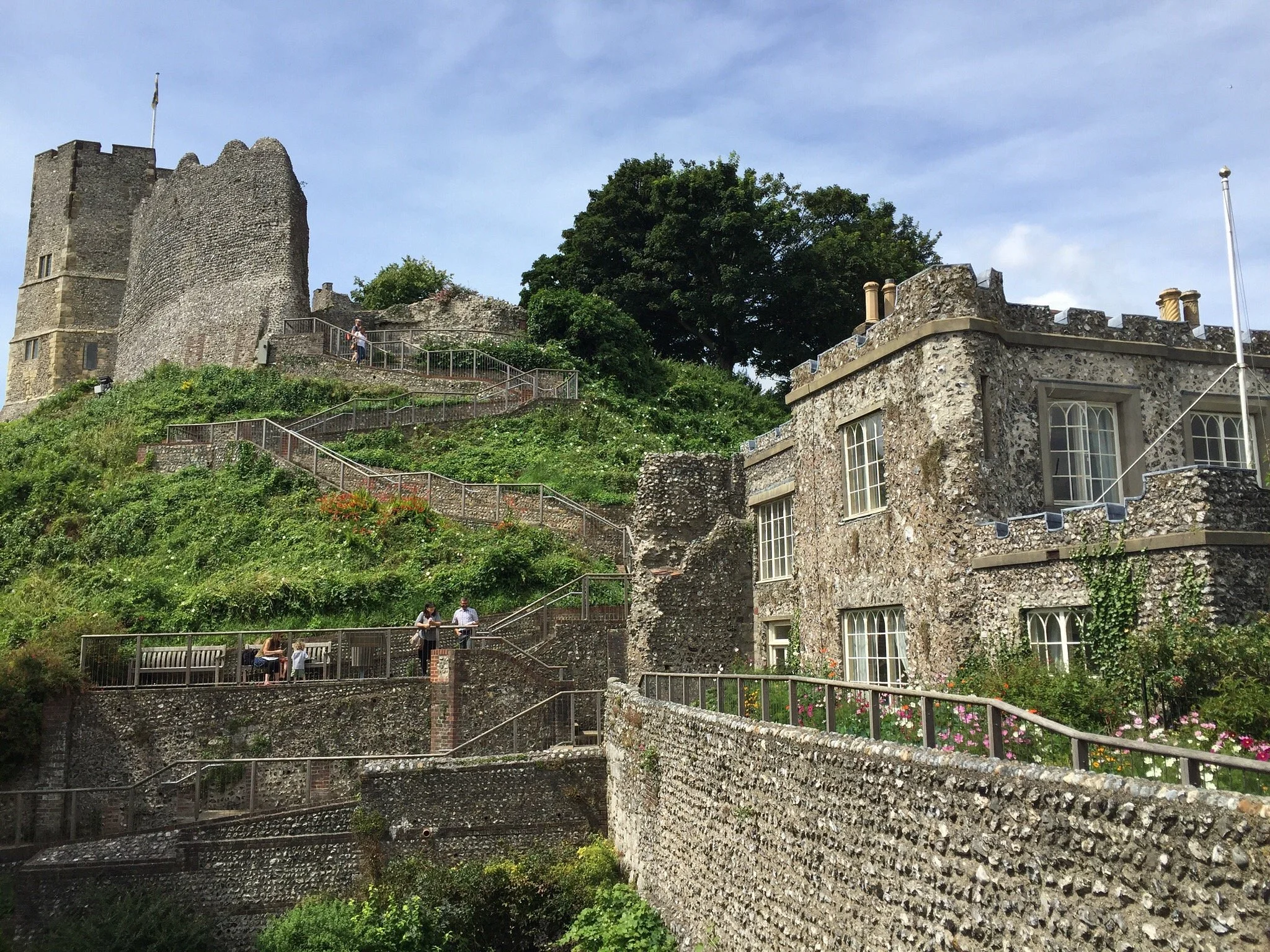
A historic market town with a castle, independent shops and a strong local character. Lewes is an easy addition to a Brighton trip for visitors wanting history and quieter streets.
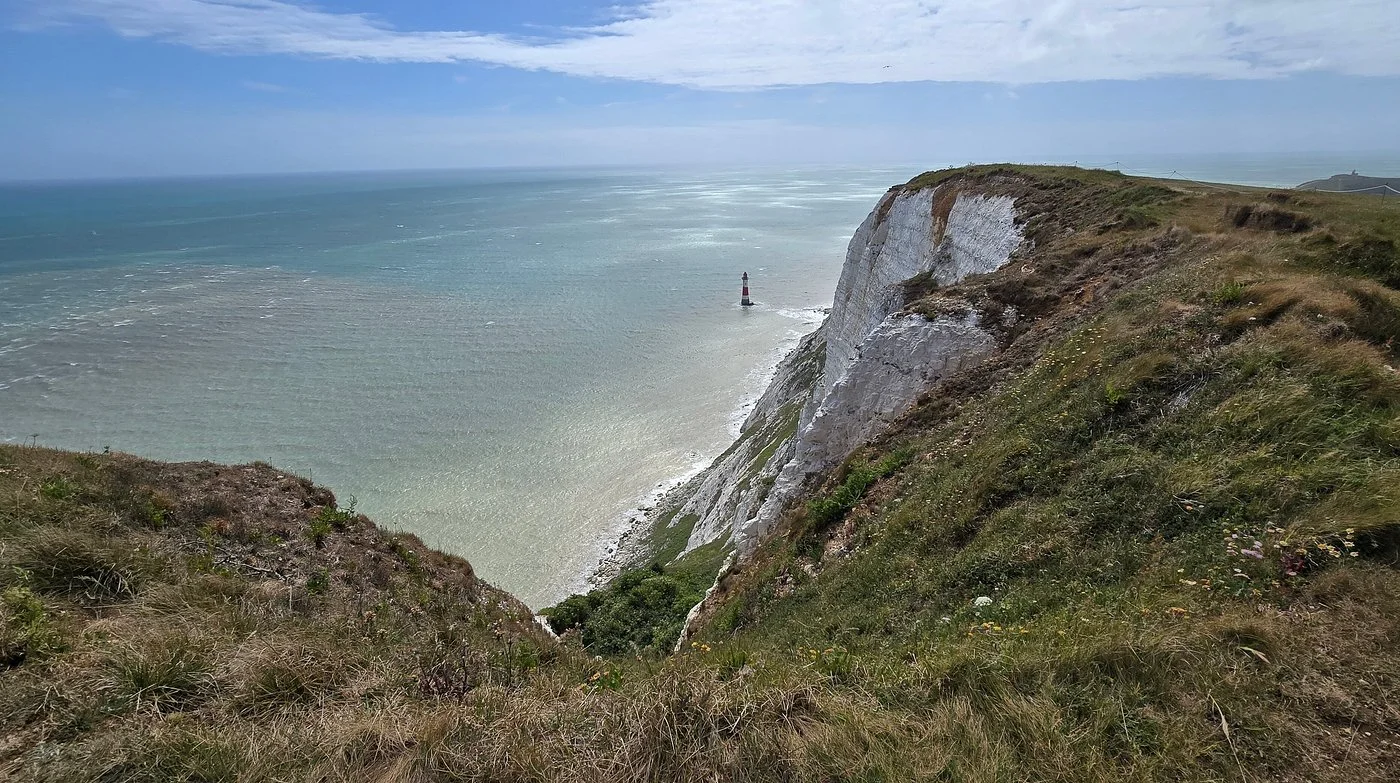
The dramatic chalk cliffs and coastal scenery of Seven Sisters make this one of the most memorable outdoor trips near Brighton. Public transport connections make the area accessible from the city.
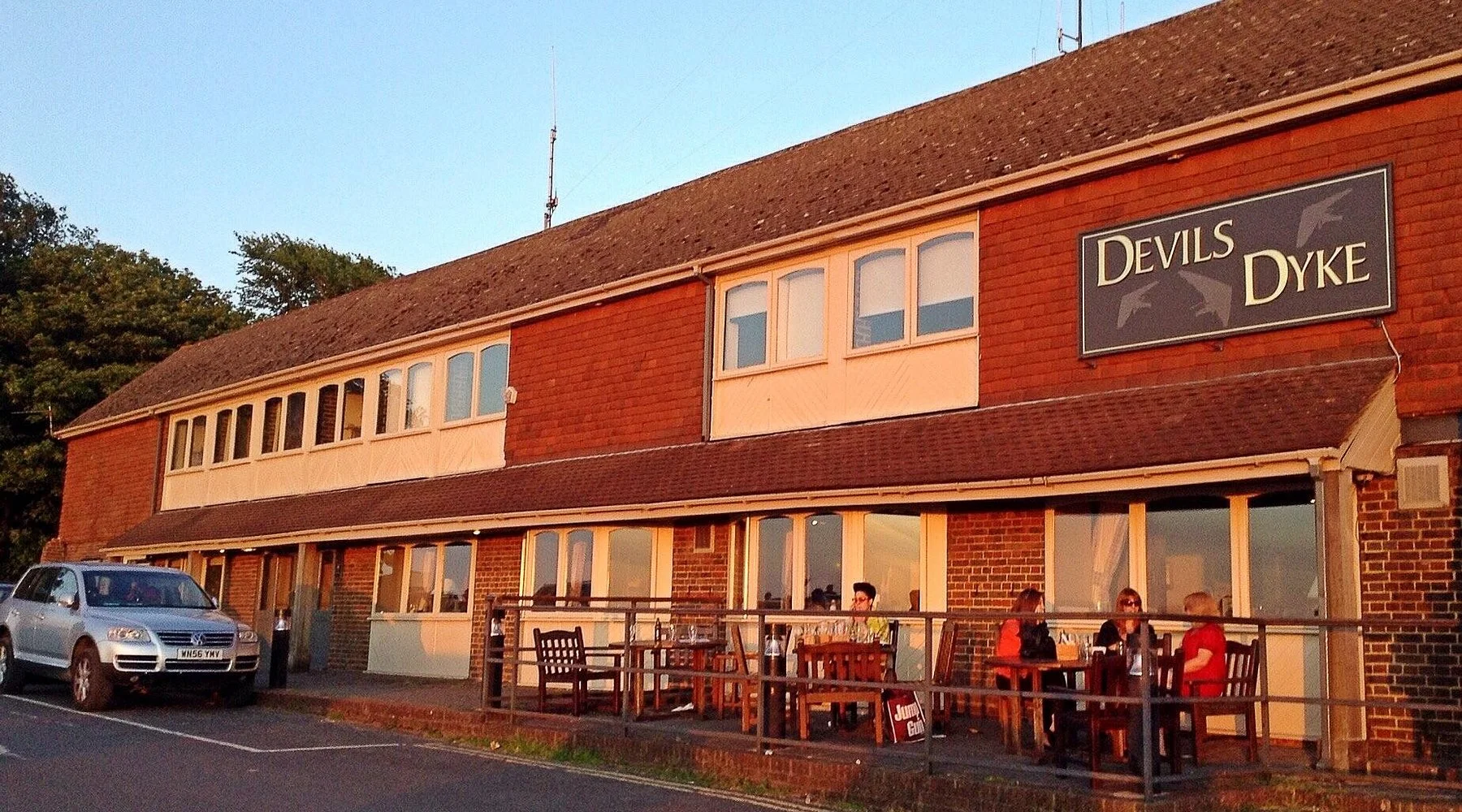
Located in the South Downs, Devil's Dyke offers expansive views across the surrounding countryside. It is a good choice for walking, photography and escaping the city for a few hours.
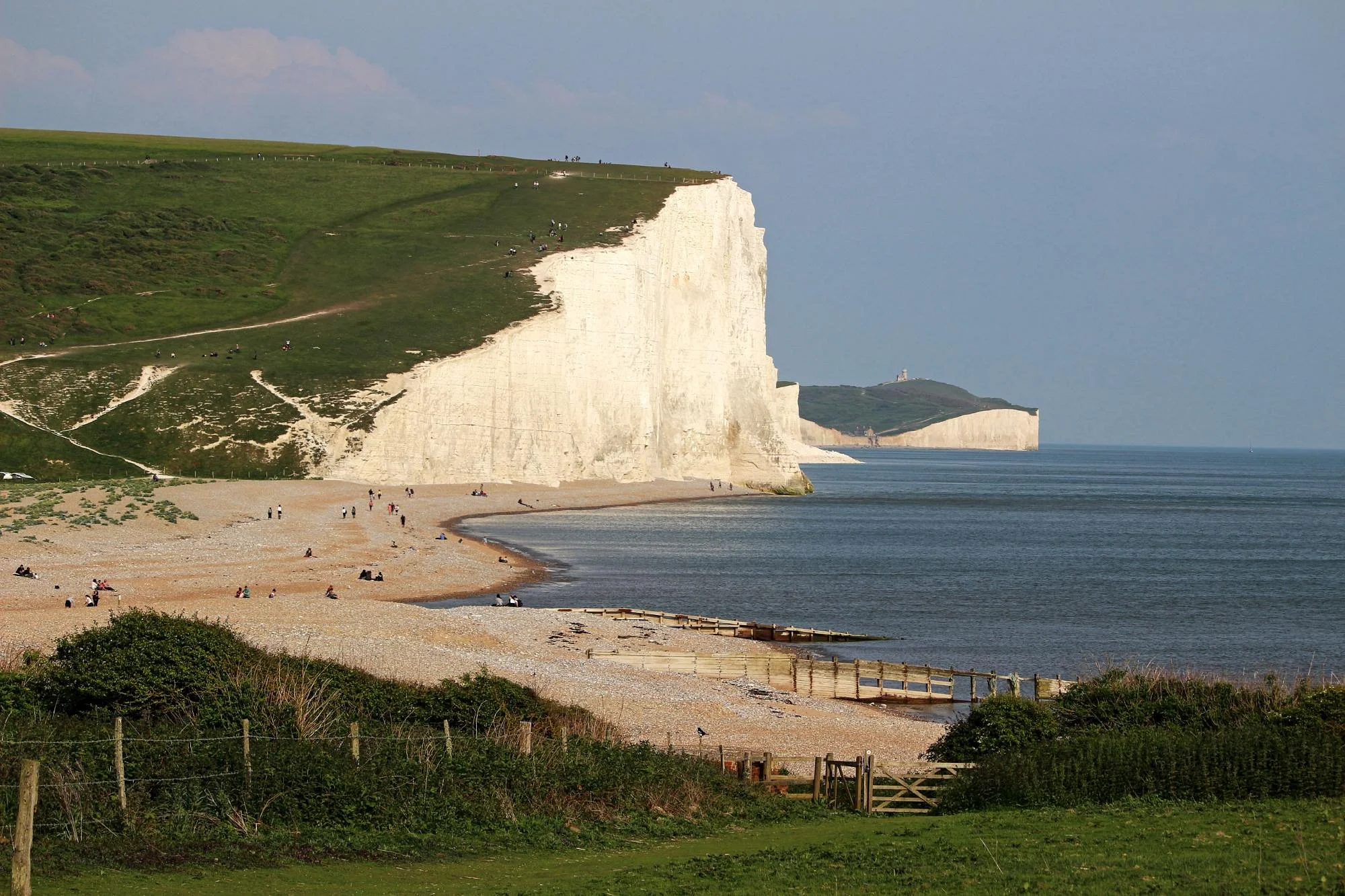
Eastbourne combines a traditional seaside setting with coastal walks, gardens and access to the dramatic landscape around Beachy Head. It makes an enjoyable longer day trip from Brighton.
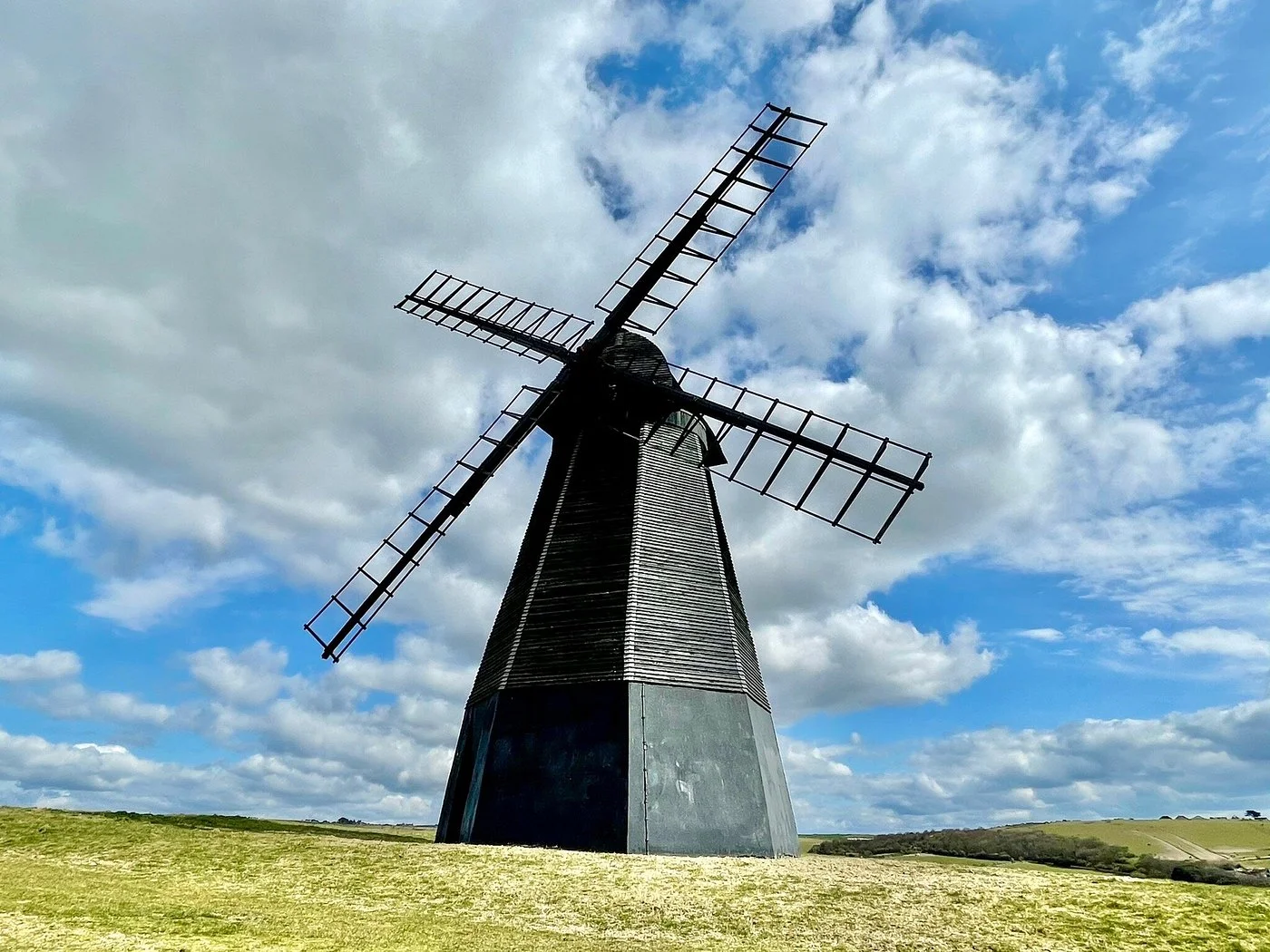
This coastal village east of Brighton offers a quieter alternative to the central seafront. It is a good option for a coastal walk and a slower afternoon away from the city's busiest areas.
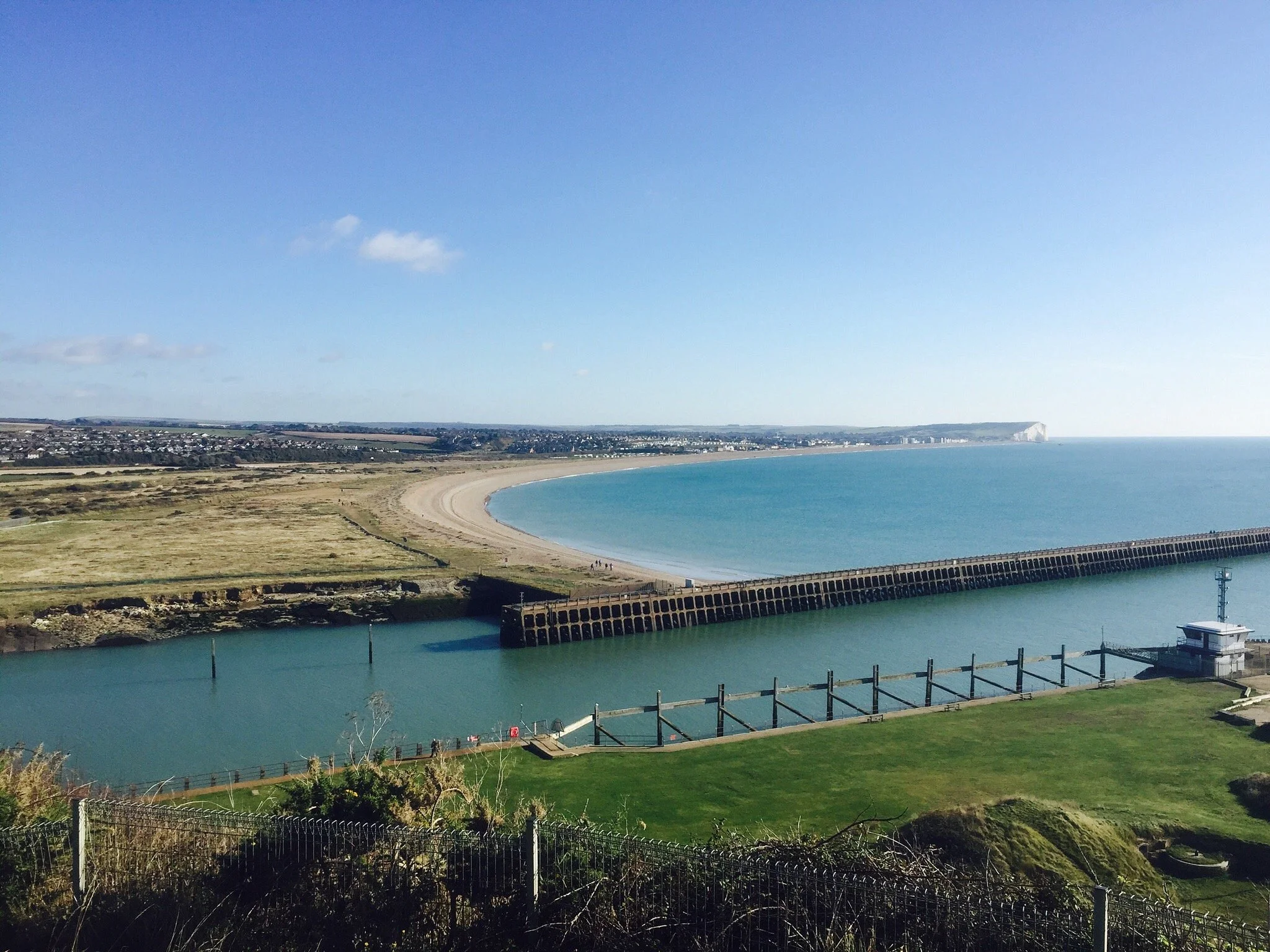
Newhaven sits along the Sussex coast and provides access to coastal scenery and nearby countryside. It can be combined with other stops along the coast for a wider day trip.
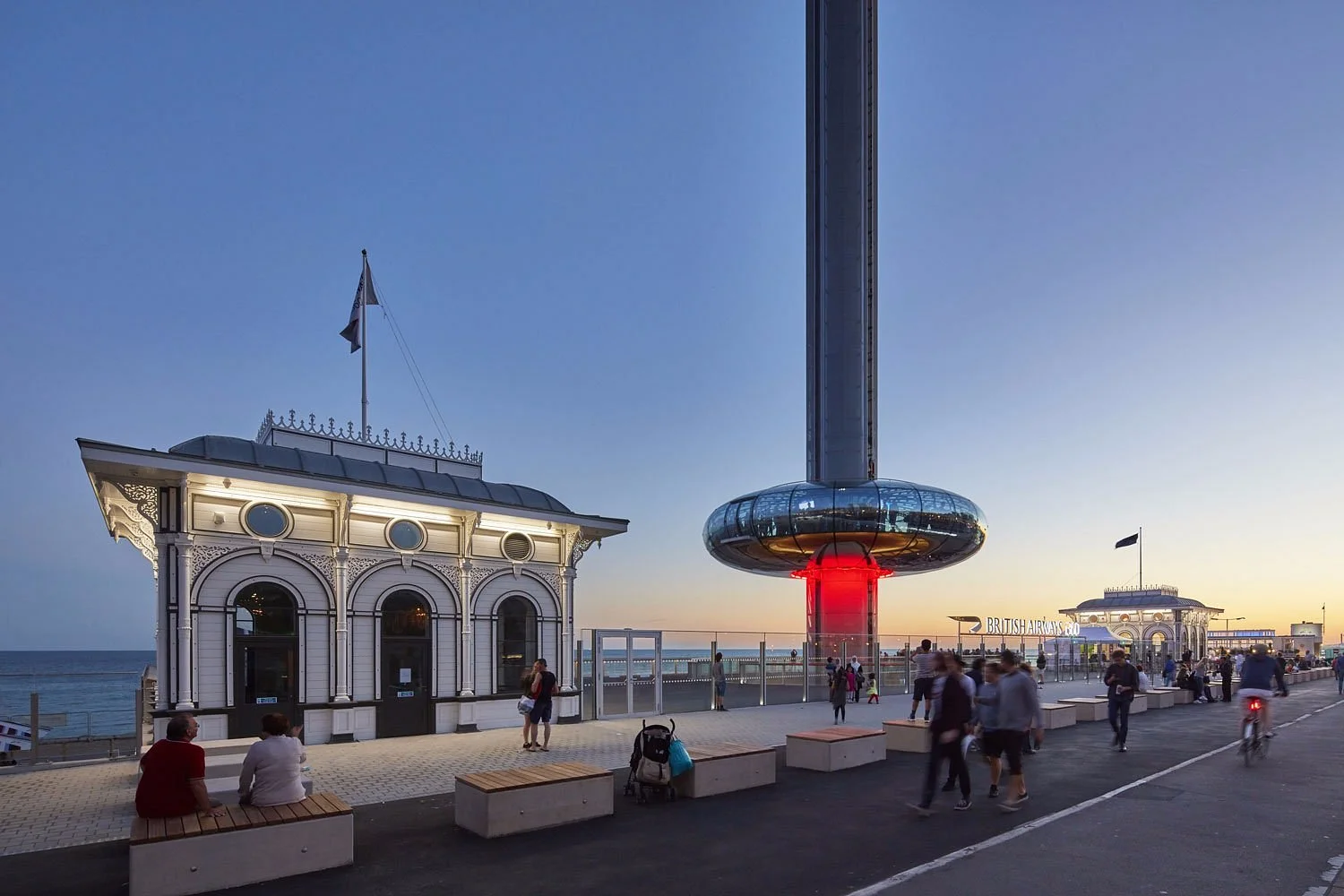
Brighton is one of the easier south-coast cities to reach, particularly by train. Regular rail services connect the city with London and other destinations across Sussex and the wider South East.
For drivers, Brighton can be reached from the wider South East by road, although parking in and around the center can be limited and expensive during busy periods. If you are visiting for a day, checking parking or public transport options before travelling can make the trip easier.
Walking is one of the best ways to experience central Brighton. The Royal Pavilion, The Lanes, North Laine, the seafront and many shops and cafés are within a manageable distance of each other
Local buses provide useful connections across Brighton and Hove and are particularly helpful when travelling beyond the central attractions. They can also be useful for reaching coastal and countryside destinations around the city.
Rail travel is most useful for day trips outside Brighton. Nearby destinations such as Lewes and other Sussex towns can be reached without relying on a car, making the railway a practical option for exploring beyond the city.
Brighton’s appeal comes from how easily its different sides fit together. You can start with historic architecture, move through independent shopping streets, spend an afternoon beside the sea and finish the day surrounded by restaurants, cafés or cultural venues.
The city also gives you plenty of flexibility. A first-time visitor can focus on the famous attractions, while returning visitors can spend more time exploring neighborhoods, coastal walks, museums and nearby Sussex destinations. That combination makes Brighton more than a conventional seaside getaway.
Brighton Railway Station is within walking distance of many central attractions. The Royal Pavilion, for example, is around a 15-minute walk from the station, while the seafront is also easily reached on foot.
Some of the most popular things to do in Brighton include visiting the Royal Pavilion, walking along the seafront, exploring Brighton Palace Pier, browsing The Lanes and North Laine, and visiting local museums and cultural attractions.
Major Brighton attractions include the Royal Pavilion, Brighton Palace Pier, Brighton Beach, The Lanes, Brighton Museum & Art Gallery and Brighton i360. The city also has numerous smaller cultural and independent attractions.
The Royal Pavilion, Palace Pier, Brighton Beach, The Lanes, North Laine and Hove are among the best places to visit in Brighton. Your choice will depend on whether you prefer history, shopping, seaside activities or quieter coastal walks.
Yes. Brighton is well suited to a weekend because many of its main attractions are close together. You can combine sightseeing, shopping, beach time, food and cultural activities without spending most of your trip travelling between locations.
Yes. Central Brighton is particularly easy to explore on foot, while buses provide connections across the wider city. Trains are also useful if you want to visit nearby towns and coastal destinations.