






Plymouth

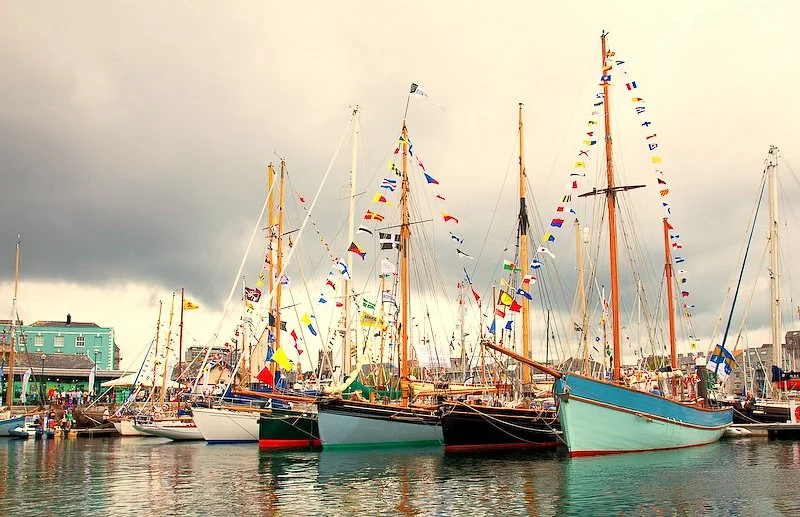
Plymouth is a waterfront city where maritime history, coastal scenery, and modern city life come together. Set beside Plymouth Sound in Devon, it offers historic harbors, open waterfront spaces, museums, cultural attractions, and easy access to both Devon and Cornwall. For anyone planning a trip to Plymouth, the city offers plenty of variety without feeling difficult to explore.

Capital city

Belfast

Currency

GBP

Timezone

GMT (Winter), GMT + 1 (Summer)
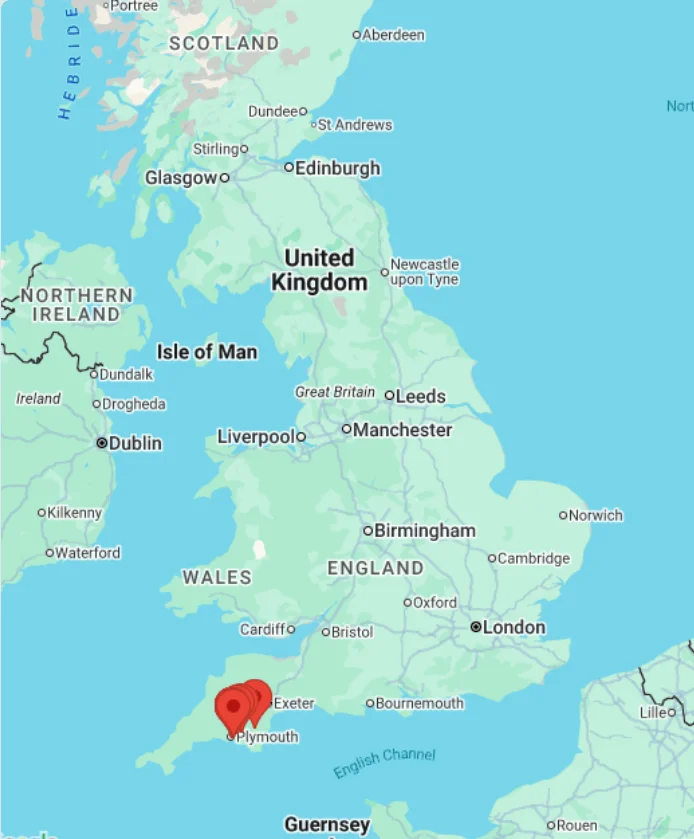
Plymouth map

WHY WE LOVE PLYMOUTH

Plymouth has a strong sense of place. Its connection with the sea is impossible to miss, but the city is much more than a waterfront destination. Historic areas, cultural attractions, green spaces and modern restaurants give different parts of Plymouth their own character.

The city is also a useful base for exploring the wider South West. You can spend one day around the harbour and city center, then head towards Dartmoor, Cornwall or the South Devon coast on another day. That flexibility makes Plymouth Great Britain a practical destination for travellers who want both city experiences and outdoor scenery.

DESTINATIONS IN PLYMOUTH

Plymouth’s attractions are spread across several areas, so it is worth looking beyond a single part of the city. These eight destinations bring together history, culture, waterfront scenery, and some of the most recognizable Plymouth attractions.

Plymouth map

Plymouth Hoe

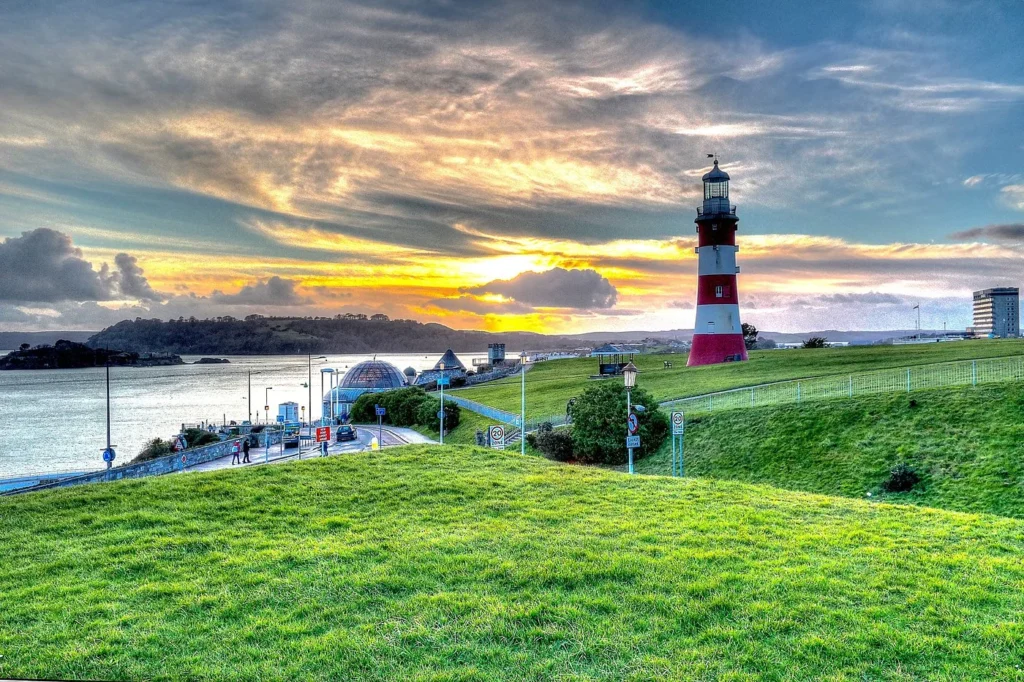
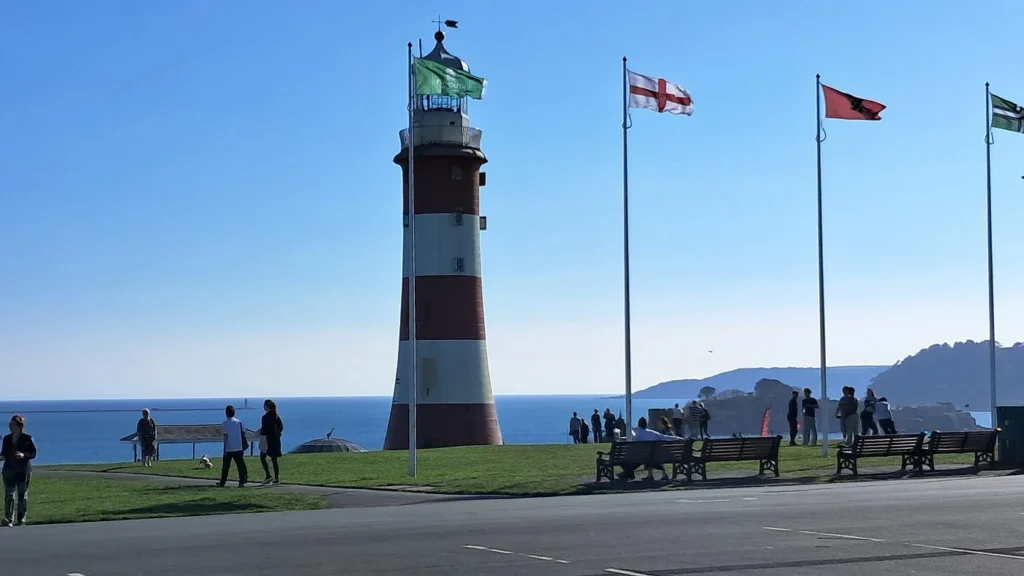
Plymouth Hoe is one of the city’s defining open spaces, offering expansive views across Plymouth Sound. Smeaton’s Tower stands prominently on the Hoe, while the surrounding waterfront makes it a natural place for walking, relaxing, and taking in the coastal setting.

Plymouth Hoe

The Barbican & Sutton Harbour

The Barbican and Sutton Harbour form one of the most atmospheric parts of Plymouth. Cobblestone streets, historic buildings, independent shops, cafés and restaurants surround the harbor, while the Mayflower Steps and National Marine Aquarium are nearby.

Sutton Harbour

The Box

The Box brings art, history, and local stories together in one of Plymouth’s leading cultural spaces. Its collections help explain the city’s development and its relationship with the wider world, making it a useful stop for visitors who want more context behind what they see around Plymouth.

The Box

National Marine Aquarium

The National Marine Aquarium is one of the city’s most popular family attractions and focuses on marine life and ocean conservation. Its location beside Sutton Harbour makes it easy to combine with a walk around the Barbican and waterfront.

National Marine Aquarium

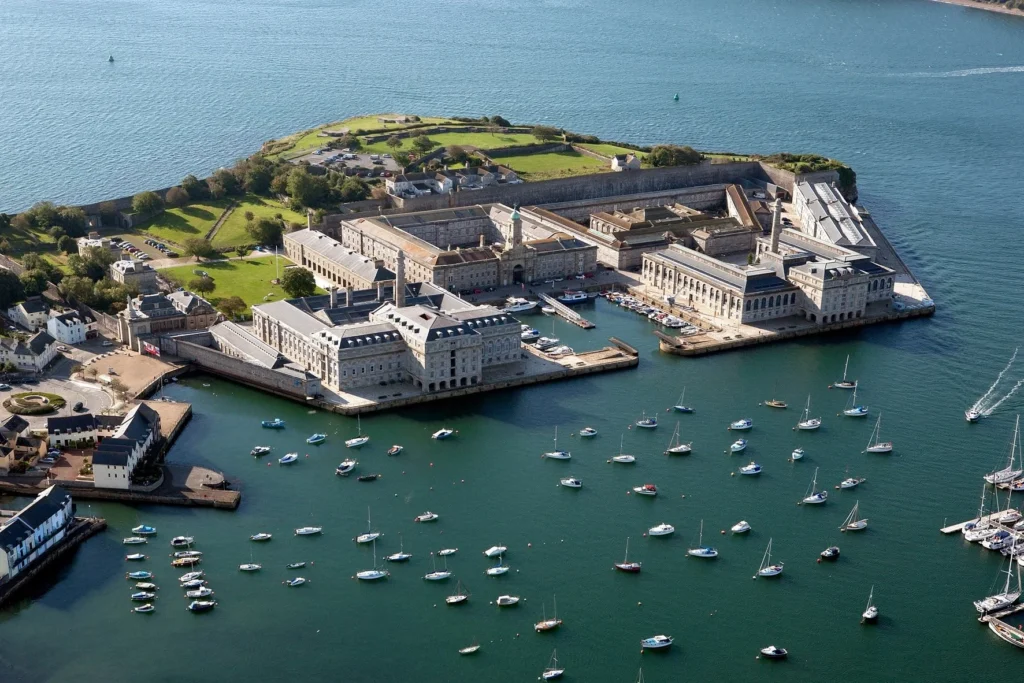
Royal William Yard

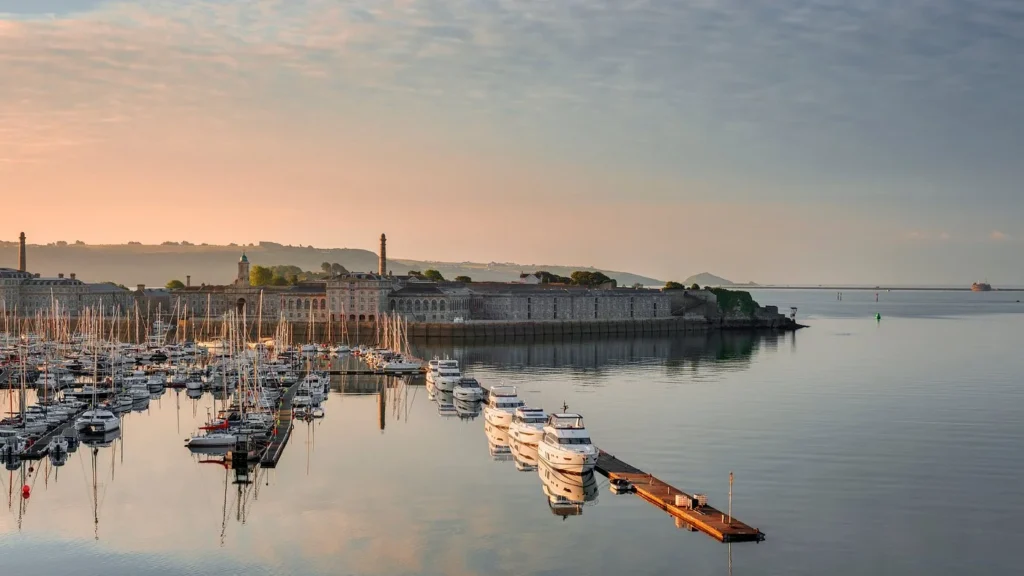
Royal William Yard occupies a former naval victualling site and has been transformed into a lively waterfront destination. Historic military buildings now sit alongside restaurants, cafés, galleries, businesses, and cultural events, creating a very different atmosphere from the old Barbican streets.

Royal William Yard

Mayflower Steps

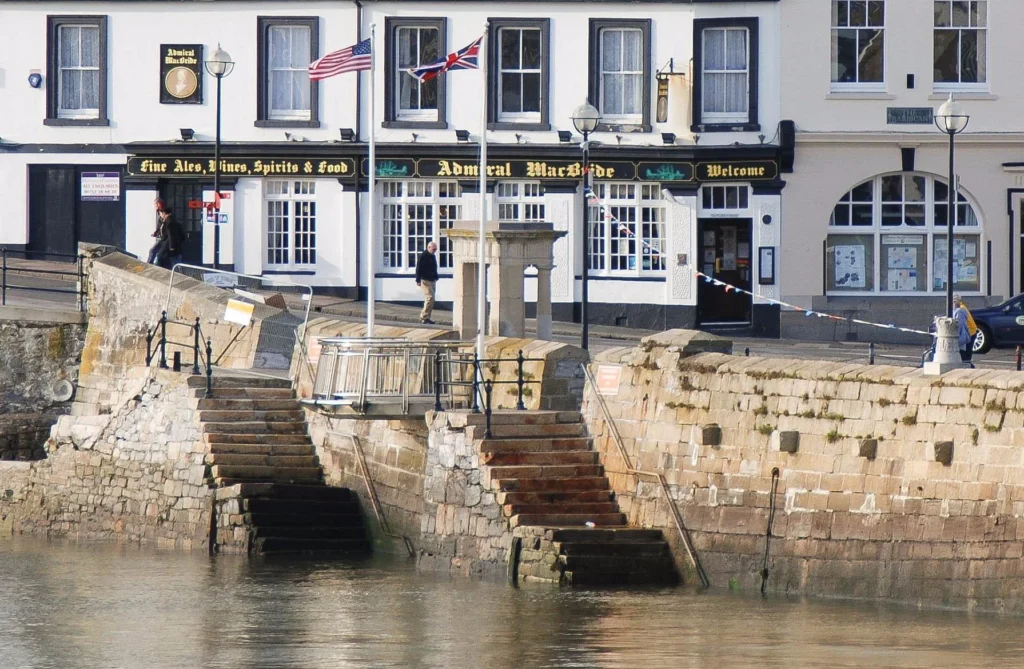
The Mayflower Steps are closely associated with the 1620 voyage of the Mayflower and are located within the historic Barbican area. The nearby museum and waterfront make this a natural stop when exploring Plymouth’s maritime heritage.

Mayflower Steps

Smeaton's Tower

Smeaton’s Tower is one of Plymouth Hoe’s most recognizable landmarks. The former lighthouse provides a strong visual connection between the city and its maritime history, while the surrounding Hoe offers plenty of space for a coastal walk and views across the Sound.

Smeaton's Tower

Central Park

Central Park gives visitors a chance to add some greenery to a city itinerary. Its open spaces and recreational areas provide a useful break from sightseeing around the waterfront and city center, particularly for visitors travelling with family.

Central Park

Featured Things to Do BY SEASON

Drake's Island

Spring is a comfortable season for exploring Plymouth on foot. Start around the Barbican, continue along the waterfront, and spend time on Plymouth Hoe before visiting one of the city’s museums or cultural attractions. The longer days also make it easier to include a coastal walk.

Summer in Plymouth

Summer is when Plymouth’s waterfront really comes into its own. Walk around the harbor, enjoy the views from the Hoe, visit the city’s outdoor spaces, and consider taking a ferry or boat trip across Plymouth Sound. Water links also make it possible to turn a city visit into a wider coastal adventure.

National Marine Aquarium

Autumn is a good time for combining outdoor sightseeing with indoor attractions. Cooler days suit walking around the Barbican and Hoe, while The Box, the National Marine Aquarium, and other cultural venues provide alternatives when the weather changes.

Plymouth Winter

Winter gives Plymouth a quieter atmosphere and more opportunities to focus on museums, historic attractions, restaurants, and cafés. The waterfront remains worth exploring on clear days, while indoor attractions provide plenty of options when the weather is wet or windy.

Explore Nearby Nottingham

Mount Edgcumbe

Mount Edgcumbe

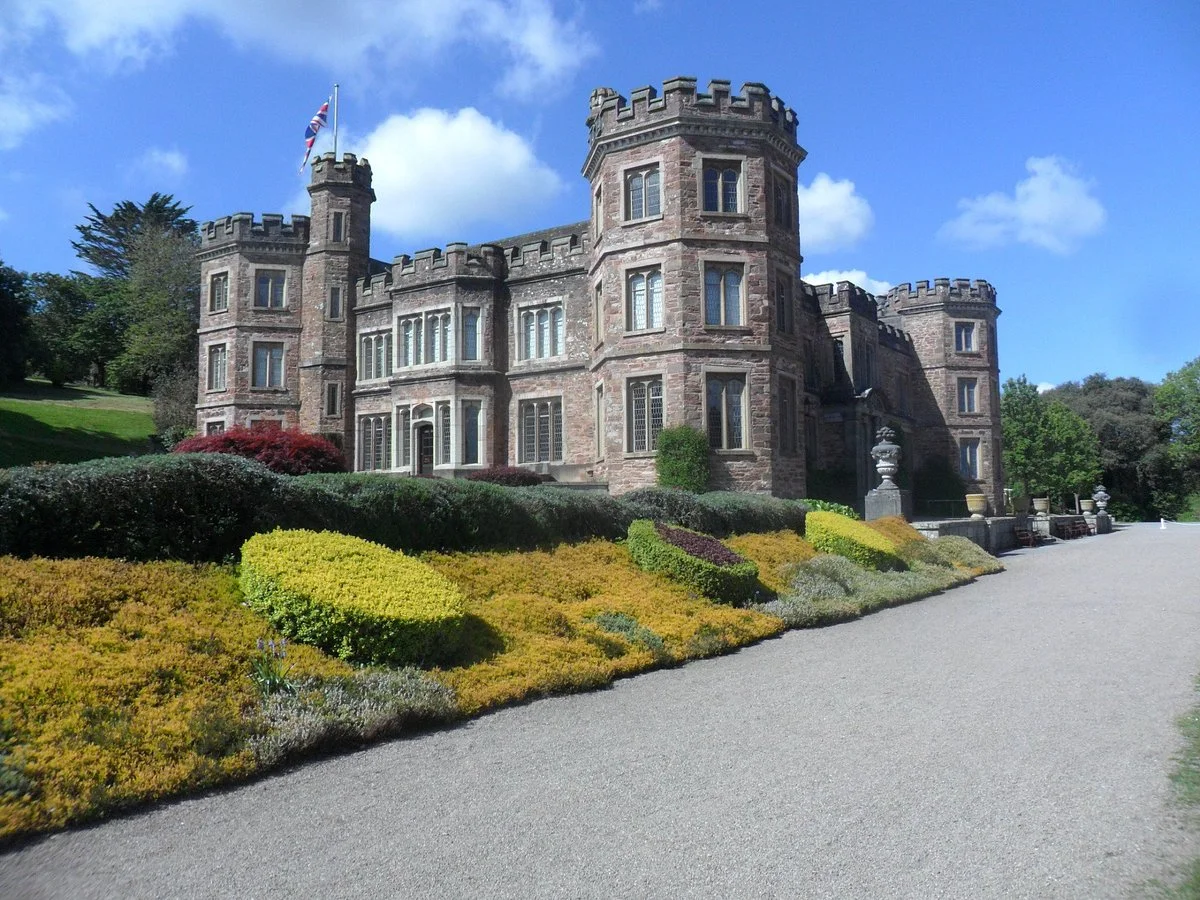
Mount Edgcumbe offers a change from urban Plymouth with parkland, woodland, coastal scenery, and historic surroundings. The area can also be reached by water from Plymouth, adding an enjoyable travel element to the visit.
Cawsand

Cawsand

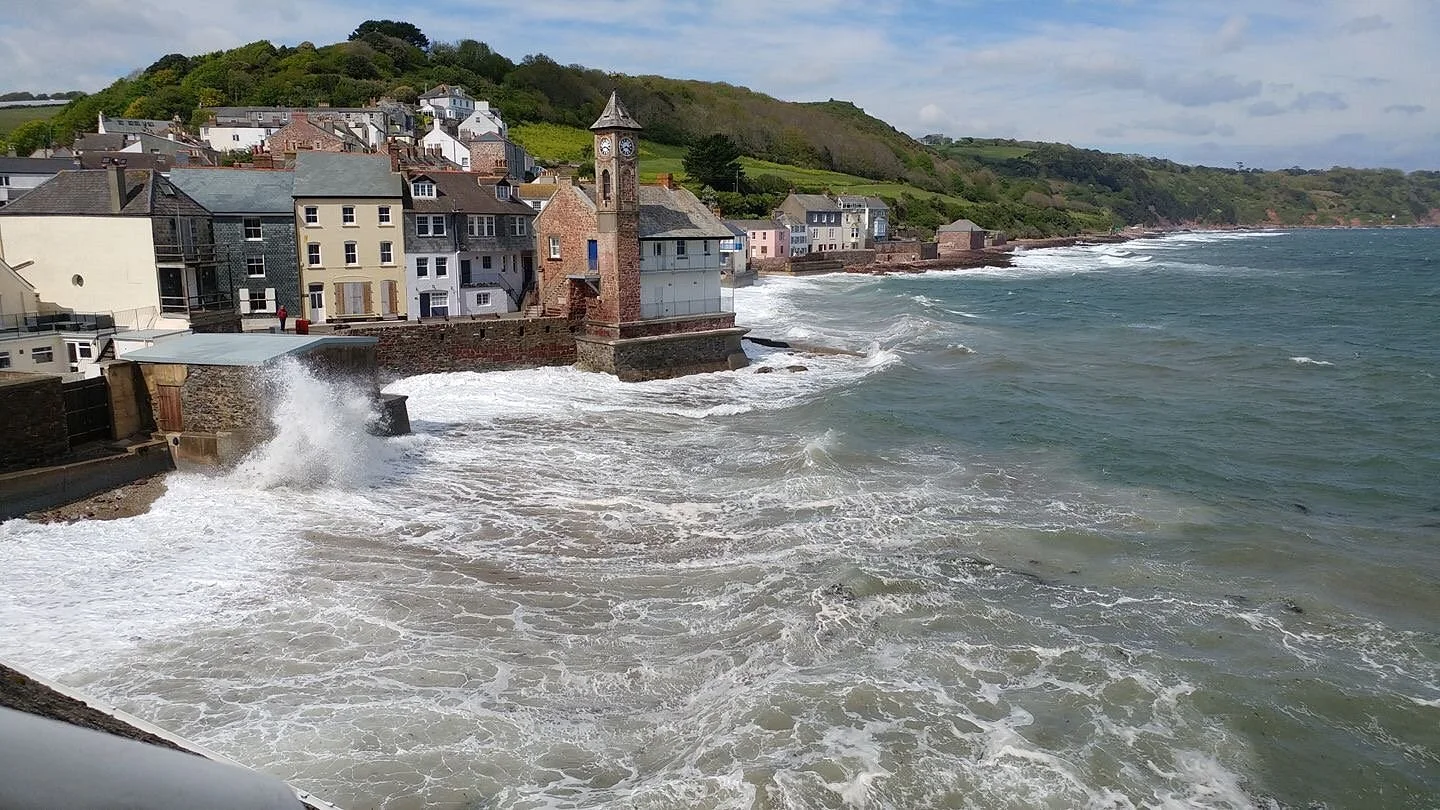
Cawsand is a picturesque coastal destination across the water from Plymouth. Its beach and village atmosphere make it a good choice for a slower day away from the city, particularly during the warmer months.

Dartmoor National Park

Dartmoor National Park

Dartmoor provides a dramatic contrast to Plymouth's waterfront. Open moorland, walking routes, and distinctive landscapes make it a natural choice for travelers who want to add hiking and countryside to a Plymouth itinerary. Plymouth's location makes it a useful gateway to the national park.
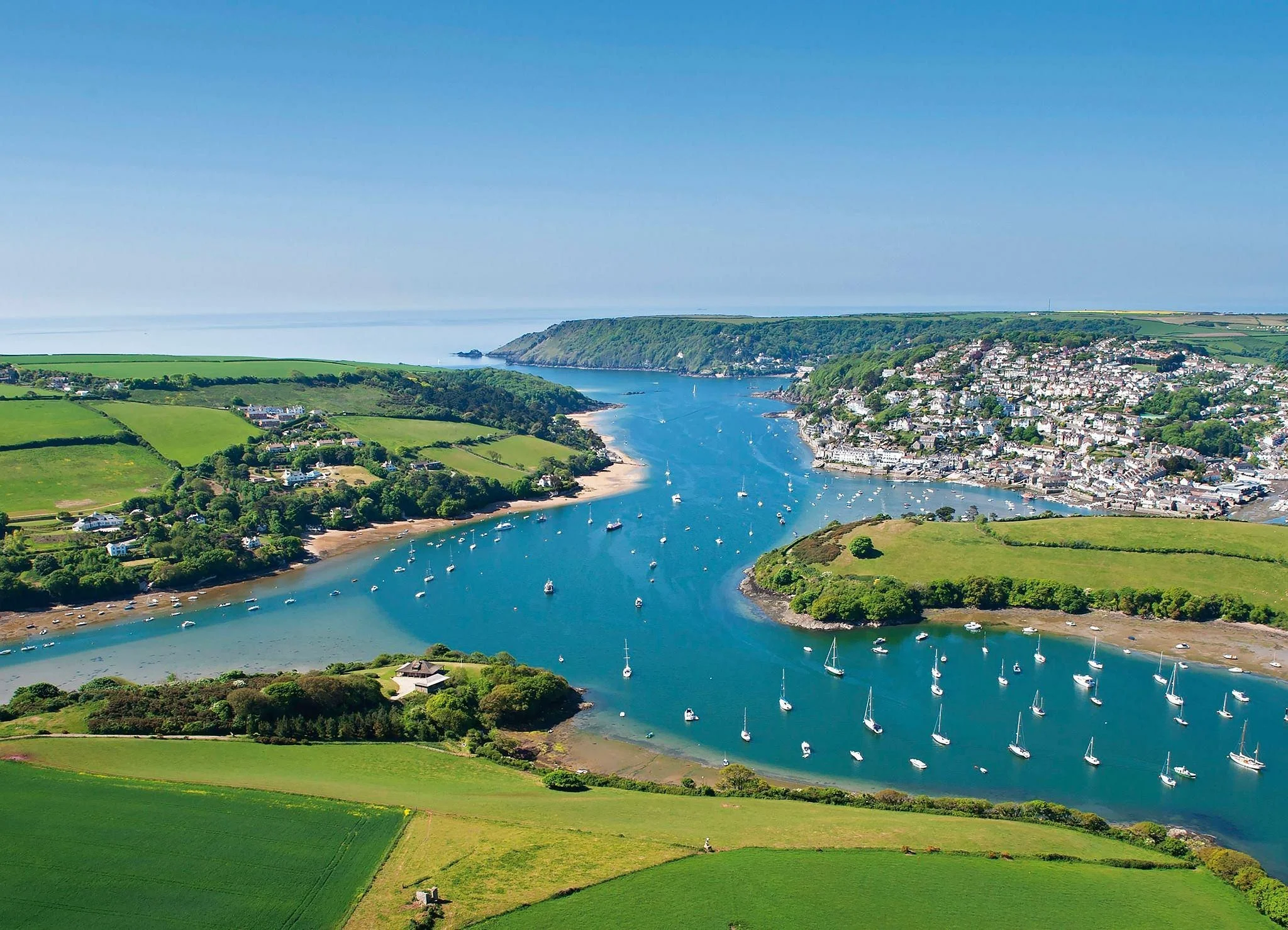
Salcombe

Salcombe

Salcombe combines a scenic harbor with beaches, coastal walks, and a strong seaside atmosphere. It is further from central Plymouth than the other nearby options but makes a rewarding full-day coastal trip.
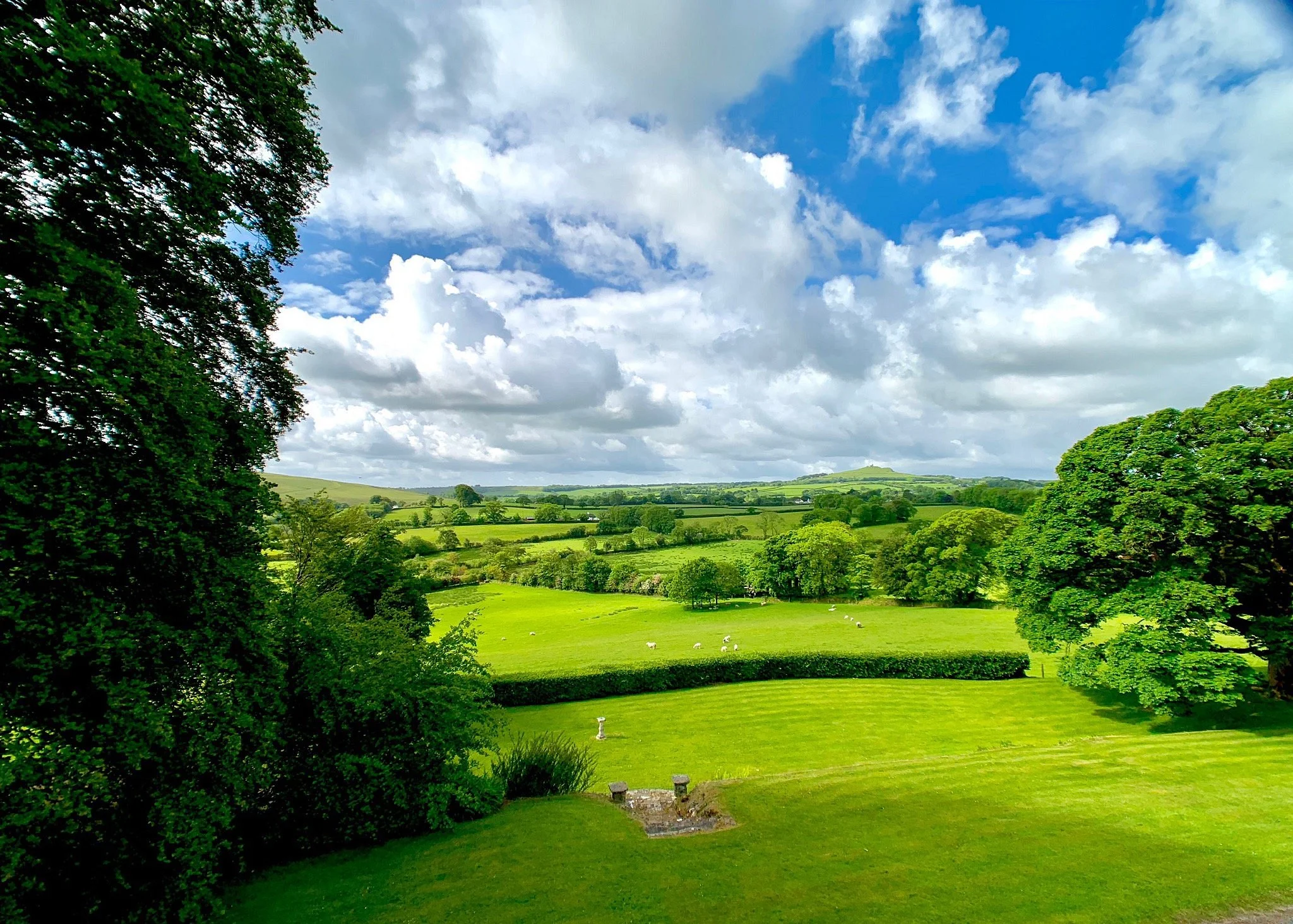
Tavistock

Tavistock

Tavistock offers independent shops, historic buildings, and access to the surrounding countryside. Its position near Dartmoor makes it a useful stop for travellers combining heritage with outdoor exploration.
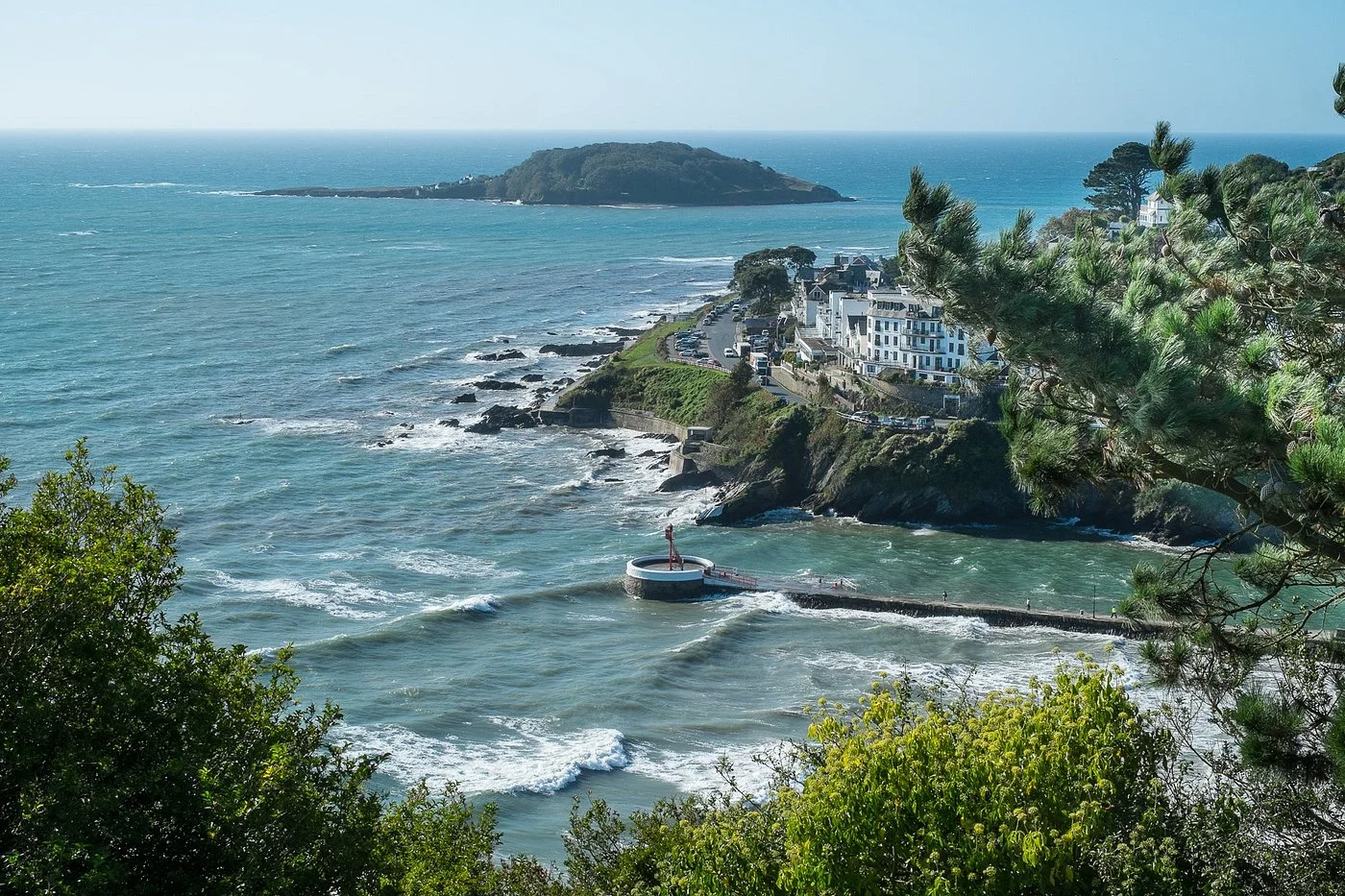
Looe

Looe

Looe brings a classic Cornish seaside atmosphere, with a harbor, narrow streets, and coastal scenery. It works particularly well as part of a wider Cornwall day trip from Plymouth.

GETTING TO PLYMOUTH

Plymouth is connected to the rest of England by rail, road and coach, while ferry services also provide links with France and Spain. The city sits at the end of the A38, which connects with the wider motorway network through the South West.

Getting around

If you are driving, Plymouth can be reached via the M5 and A38. There are multiple city car parks, while park-and-ride services can be useful when spending the day around the center and waterfront.

Plymouth Railway Station

By Foot

Many central things to do in Plymouth can be reached on foot. The city center, Barbican, Sutton Harbour, and Plymouth Hoe can be linked together into a walking itinerary, making walking a practical choice for first-time visitors.

By Bus

Local buses connect the city center with residential areas and attractions beyond the most walkable central districts. Plymouth Citybus is the main local operator, and buses can be particularly useful when visiting places further from the waterfront.

By Ferry

Plymouth's water links are more than just a sightseeing experience. Ferries and water taxis connect areas including the Barbican, Royal William Yard, Mount Batten and destinations across the Tamar, providing an enjoyable alternative to travelling by road.

PLYMOUTH: WHERE MARITIME HISTORY MEETS COASTAL ADVENTURE

Plymouth is at its best when you give yourself time to experience more than its headline attractions. The historic Barbican tells one part of the city’s story, Plymouth Hoe opens the view towards the Sound, and Royal William Yard shows how historic waterfront buildings can take on a completely different role in modern city life.

The surrounding landscape adds another dimension. With Dartmoor nearby and Cornwall accessible across the Tamar, a visit to Plymouth can easily become a wider South West adventure. Whether your interests are history, museums, coastal walks, food or simply being beside the sea, Plymouth gives you several ways to build your own itinerary.

Plymouth

FAQs

What are the best things to do in Plymouth?

Popular things to do in Plymouth include exploring the Barbican, walking around Plymouth Hoe, visiting The Box and National Marine Aquarium, seeing the Mayflower Steps and exploring Royal William Yard

Major Plymouth attractions include Plymouth Hoe, Smeaton’s Tower, the Barbican, the National Marine Aquarium, The Box, Royal William Yard and the Mayflower Steps. The city’s waterfront and nearby coastal areas also offer plenty of outdoor activities.

Yes. Plymouth works well for a weekend because its central attractions can be combined with waterfront walks, museums, historic sites, restaurants, and nearby coastal experiences. With extra time, you can also visit Dartmoor or parts of Cornwall.

Yes. Many central attractions are walkable, while buses connect the wider city. Ferries and water taxis also provide useful links between waterfront areas and nearby destinations.

Summer is particularly useful for visitors who want to make the most of the waterfront and outdoor activities. Spring and autumn can be more comfortable for sightseeing and walking, while winter works well for museums, cultural attractions, and indoor activities.