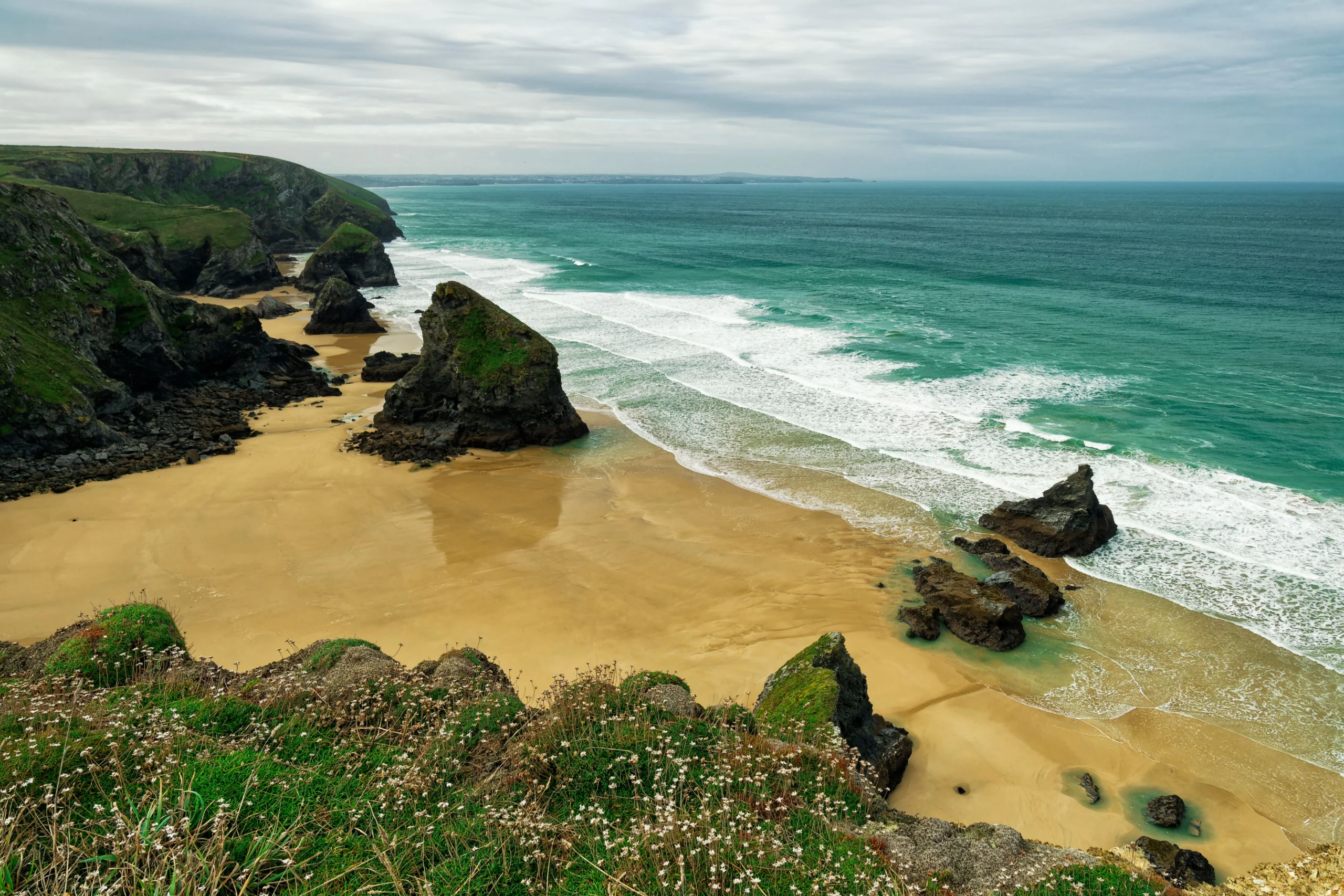





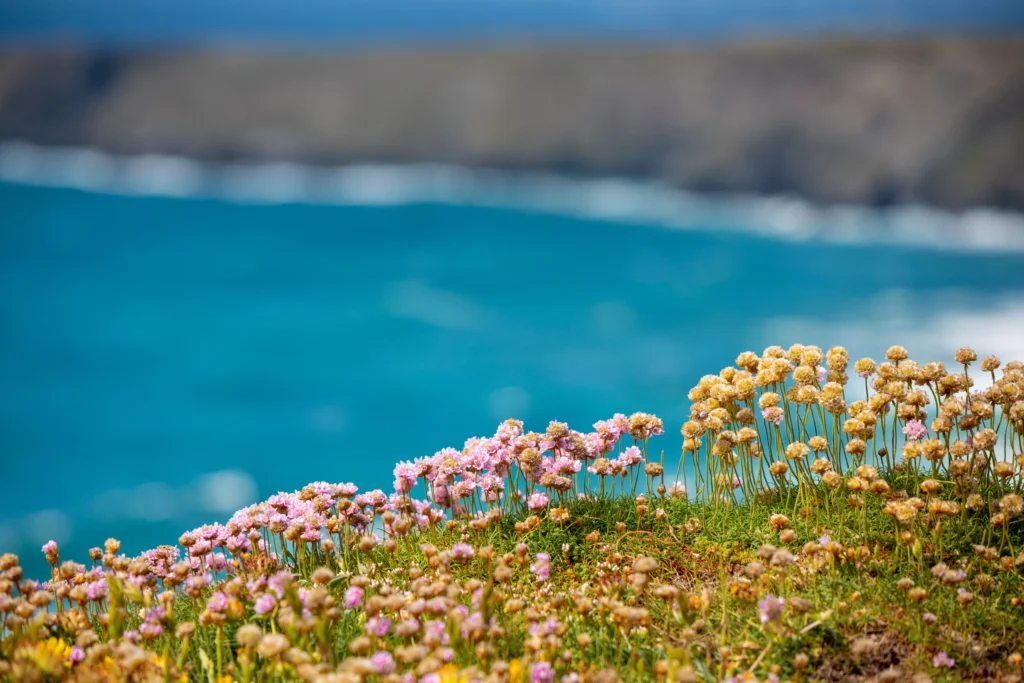

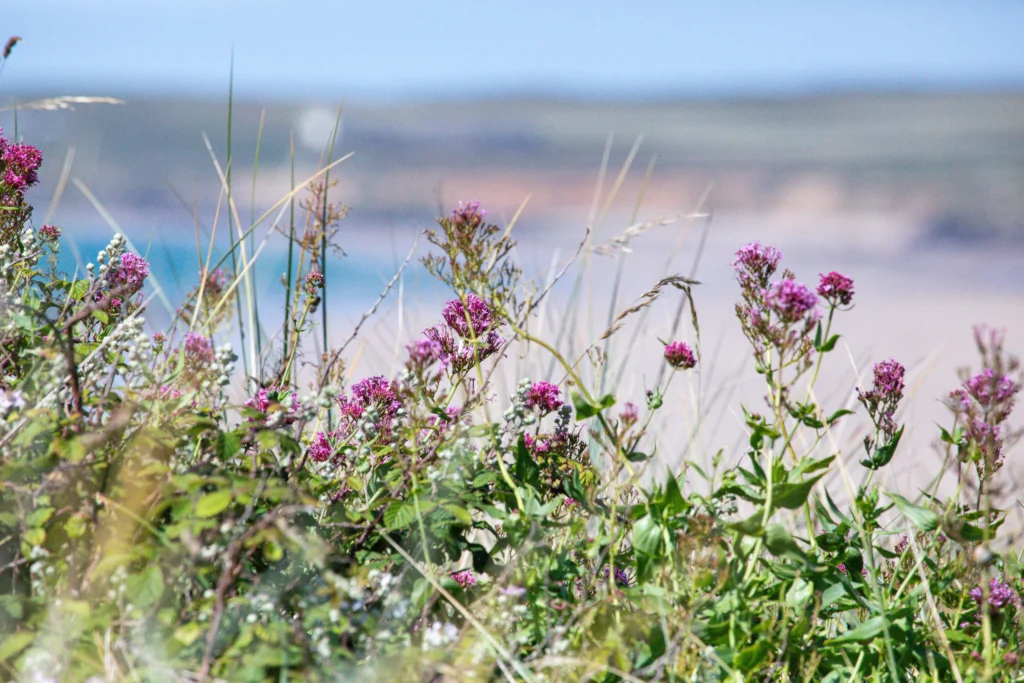


Wild coastlines, golden beaches, dramatic cliffs, and charming seaside towns make Cornwall one of England’s most memorable destinations. Stretching into the Atlantic at the south-western tip of the country, Cornwall UK offers a mix of coastal adventures, historic landmarks, creative culture, and peaceful countryside.
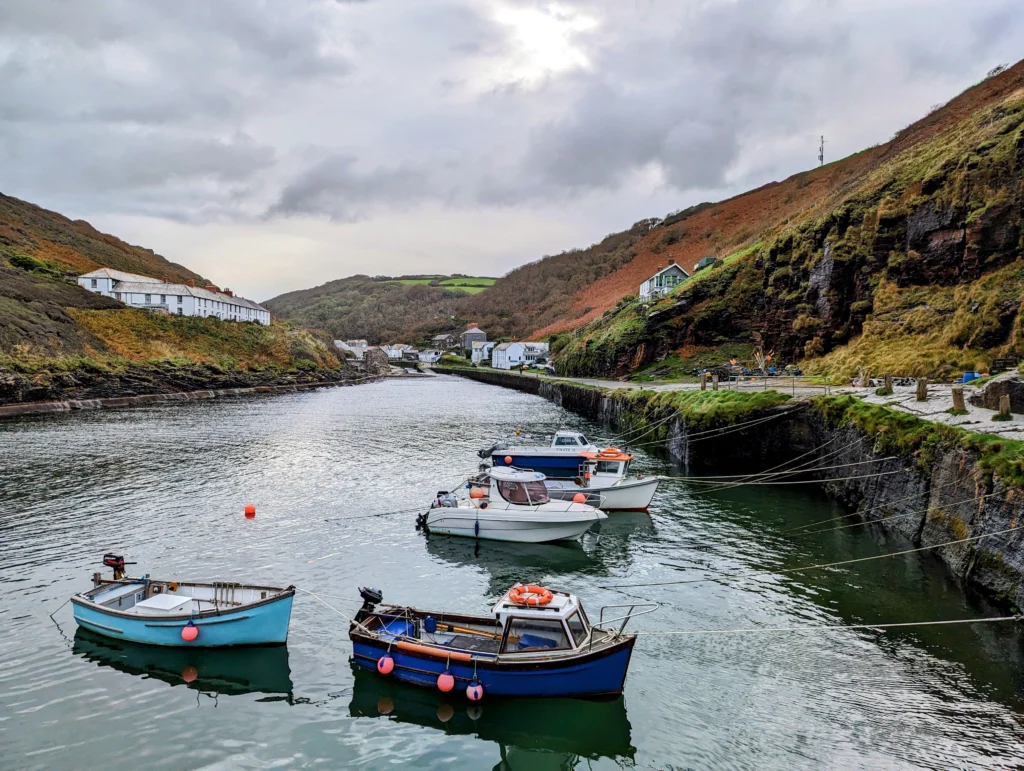
Cornwall is a destination where the landscape is always part of the experience. Its long coastline is dotted with sandy beaches, hidden coves, fishing villages, and dramatic headlands, while inland areas reveal historic estates, gardens, and quiet countryside.
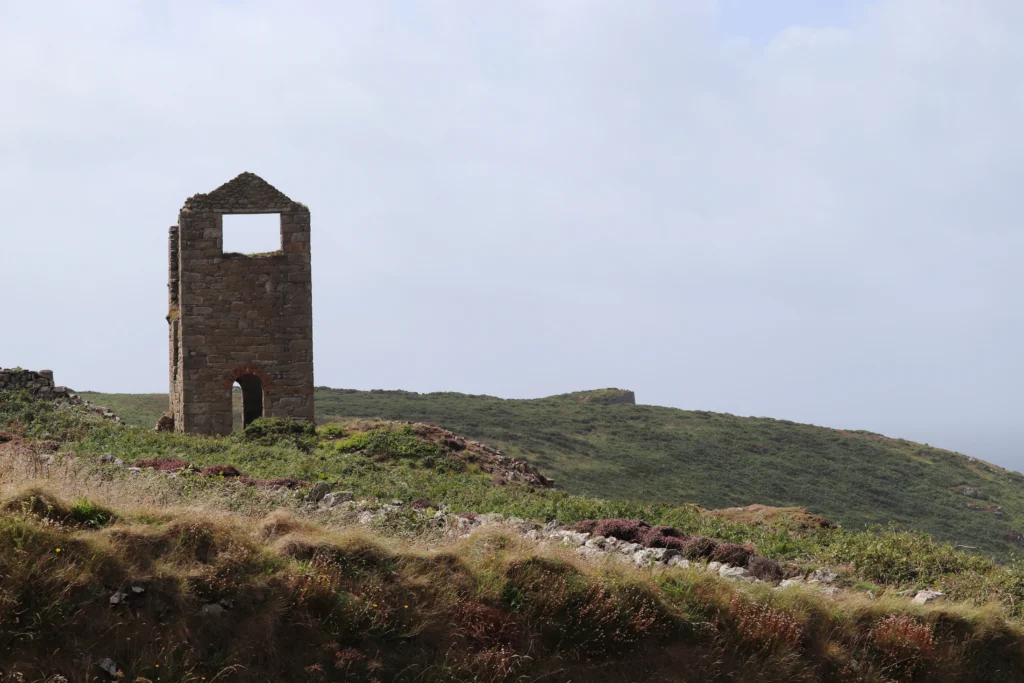
The region’s character comes from its strong connection with the sea and its mining heritage. Former engine houses and historic harbour towns sit alongside modern galleries, independent shops, and some of England’s most celebrated food destinations.
For visitors searching for the best places to visit in Cornwall, the hardest part is choosing where to begin. From St Ives and Padstow to the Lizard Peninsula and the far west, every part of Cornwall offers a different perspective on this distinctive corner of England.
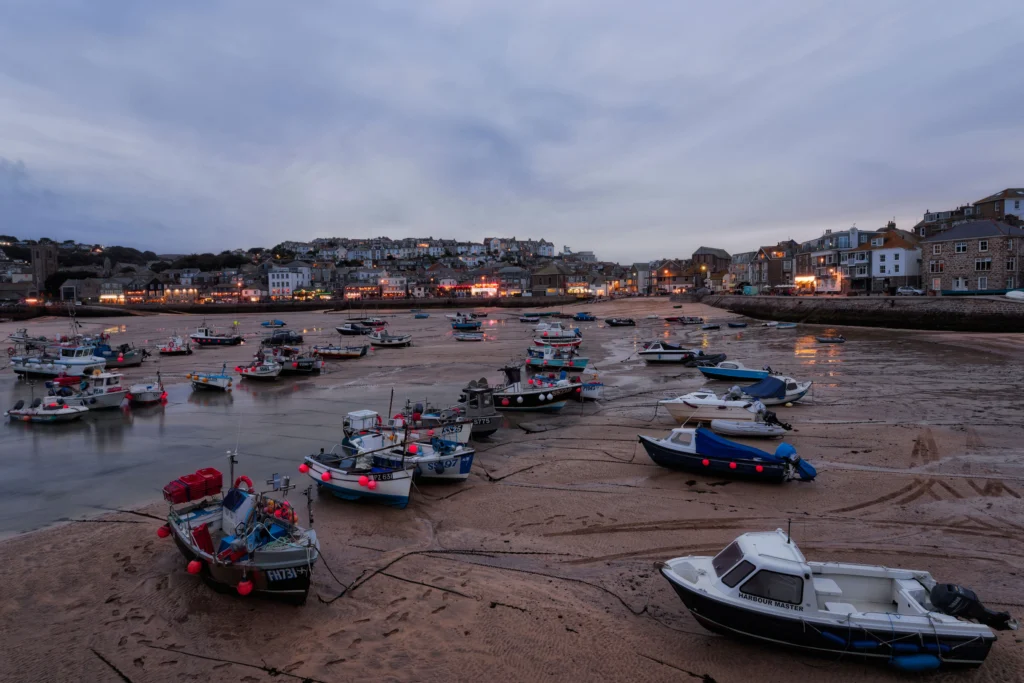
St Ives is one of Cornwall’s most popular destinations, known for its beautiful beaches, artistic heritage, and narrow streets filled with independent shops and galleries. The town is an excellent base for experiencing Cornwall’s creative side while enjoying the scenery of the Atlantic coast.
At the westernmost edge of Cornwall, Land’s End offers dramatic coastal scenery and sweeping views across the Atlantic. The surrounding area is rich in history, with ancient landscapes, traditional villages, and remnants of Cornwall’s mining past creating a memorable setting for exploring the far west.
From historic landmarks and coastal walks to surfing beaches and gardens, Cornwall attractions are spread across the county, offering plenty of ways to experience its landscapes and heritage.
St Michael’s Mount is one of Cornwall’s most iconic landmarks, rising from Mount’s Bay just offshore from the village of Marazion. At low tide, visitors can walk across the causeway to explore the historic island, while boat services operate when the sea covers the path.
The Eden Project is one of Cornwall’s most distinctive visitor attractions. Its enormous biomes house plants from different climates around the world, creating an immersive experience that combines nature, sustainability, and architecture.
St Ives combines some of the most beautiful Cornwall beaches with a thriving artistic culture. Visitors can spend the day swimming and walking along the coast before exploring galleries, cafés, and the town’s charming streets.
Land’s End is famous for its dramatic cliffs and spectacular Atlantic views. Walking along the surrounding coastline offers a chance to experience Cornwall’s rugged scenery at its most impressive.
Perched dramatically on Cornwall’s north coast, Tintagel Castle is closely associated with the legends of King Arthur. The ruins occupy a spectacular coastal setting, connected by a modern footbridge and surrounded by rugged cliffs.
Padstow is a popular harbour town on Cornwall’s north coast, known for its picturesque waterfront, independent shops, and food scene.
The town is also a useful base for exploring nearby beaches and coastal landscapes. A visit to Padstow can easily be combined with a walk or cycle along the Camel Trail.
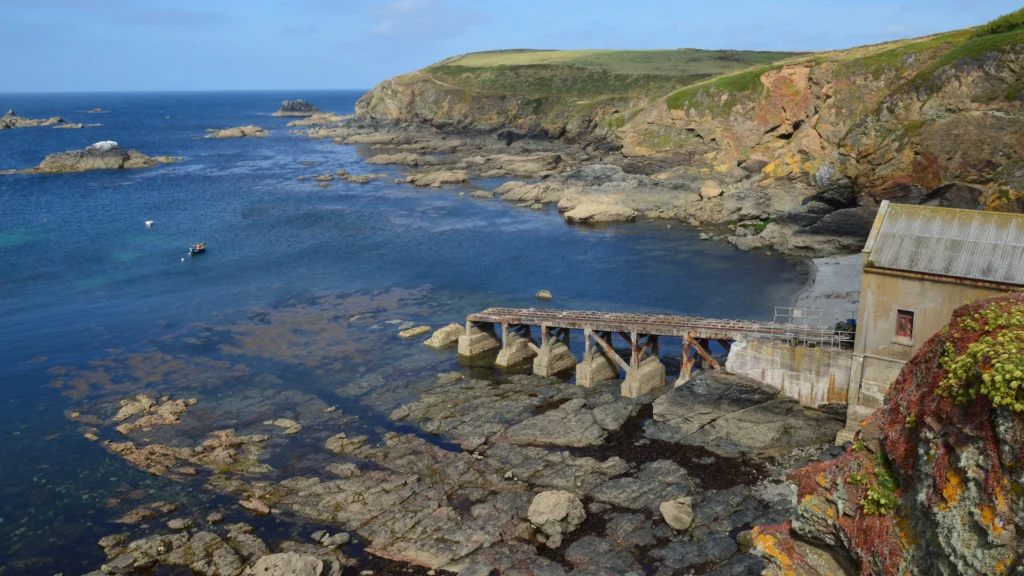
The Lizard Peninsula offers some of the most dramatic coastal scenery in Cornwall. Its rugged cliffs, sandy coves, and distinctive landscape make it ideal for walking and exploring away from the busier tourist centres.
The Lost Gardens of Heligan provide a fascinating glimpse into one of Cornwall’s most remarkable garden restorations. Once hidden and overgrown, the historic gardens have been carefully brought back to life.
Spring brings fresh colour to Cornwall’s gardens and countryside. It is a wonderful time to explore coastal paths, visit historic gardens, and discover quieter corners before the summer season becomes busy.
Summer is the perfect season for experiencing Cornwall beaches. From family-friendly stretches of sand to surf beaches and secluded coves, Cornwall’s coastline offers plenty of opportunities for swimming, surfing, coastal walks, and relaxing beside the sea.
Autumn brings a quieter atmosphere to the Cornish coast. Cooler days and changing light create beautiful conditions for walking, photography, and exploring coastal towns without the busiest summer crowds.
Winter reveals a different side of Cornwall. Dramatic waves, windswept cliffs, cosy cafés, and atmospheric coastal villages make the region an appealing destination for a peaceful seasonal escape.

St Austell is a useful base for exploring the central and south coast of Cornwall, with the Eden Project and several coastal attractions within easy reach.
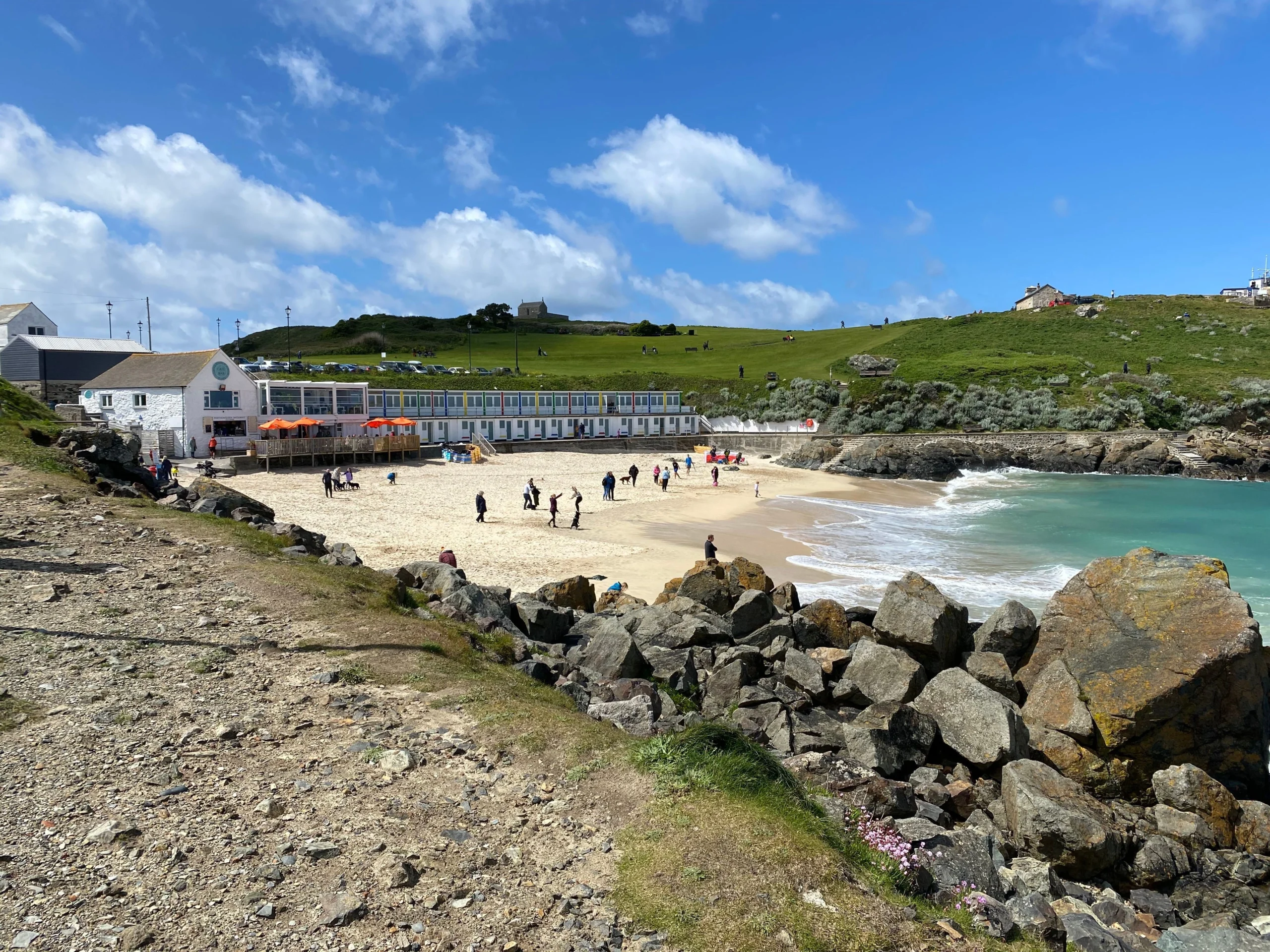
Newquay is one of Cornwall's most popular seaside towns, particularly well known for surfing, beaches, and a lively atmosphere.
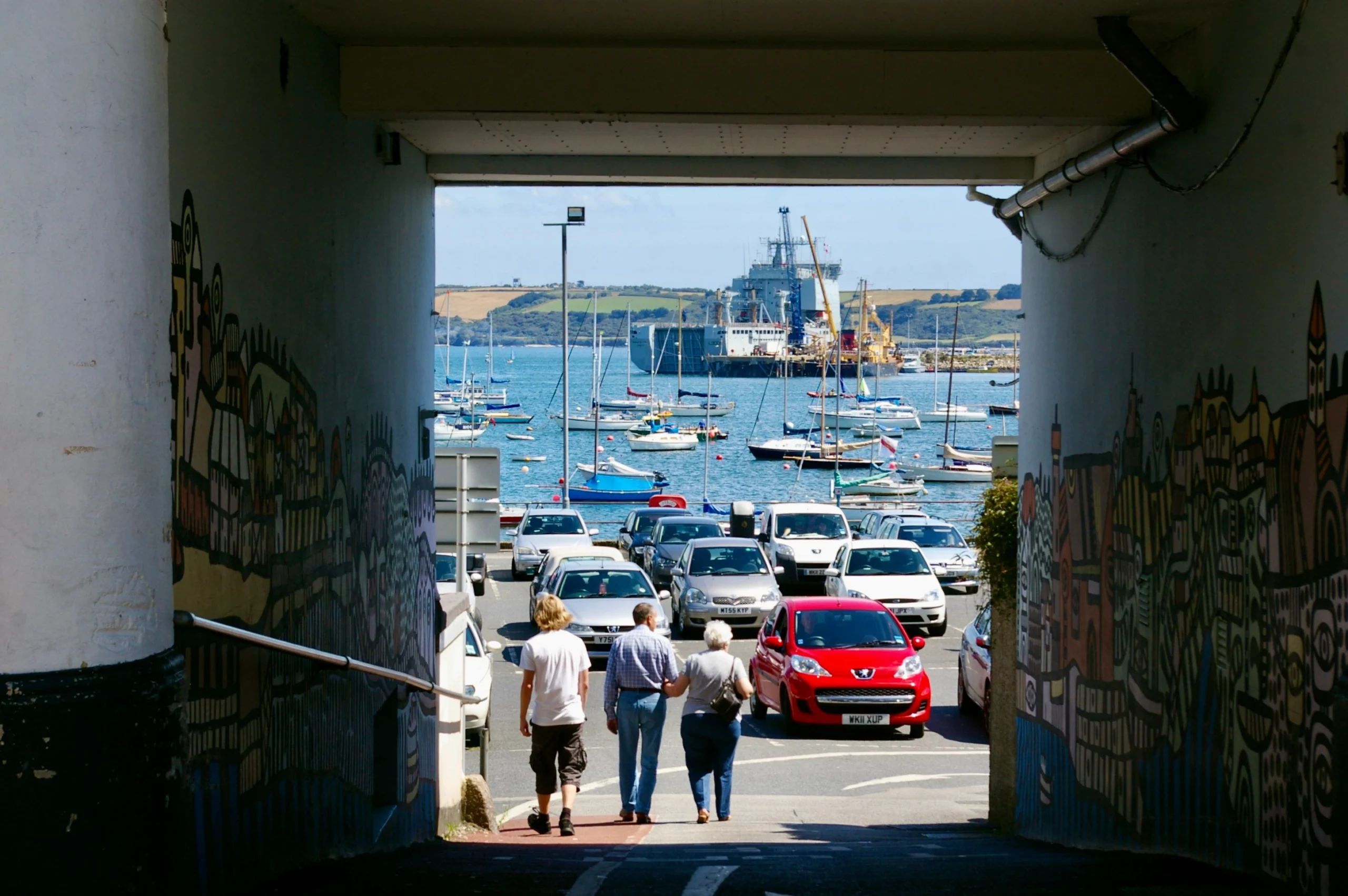
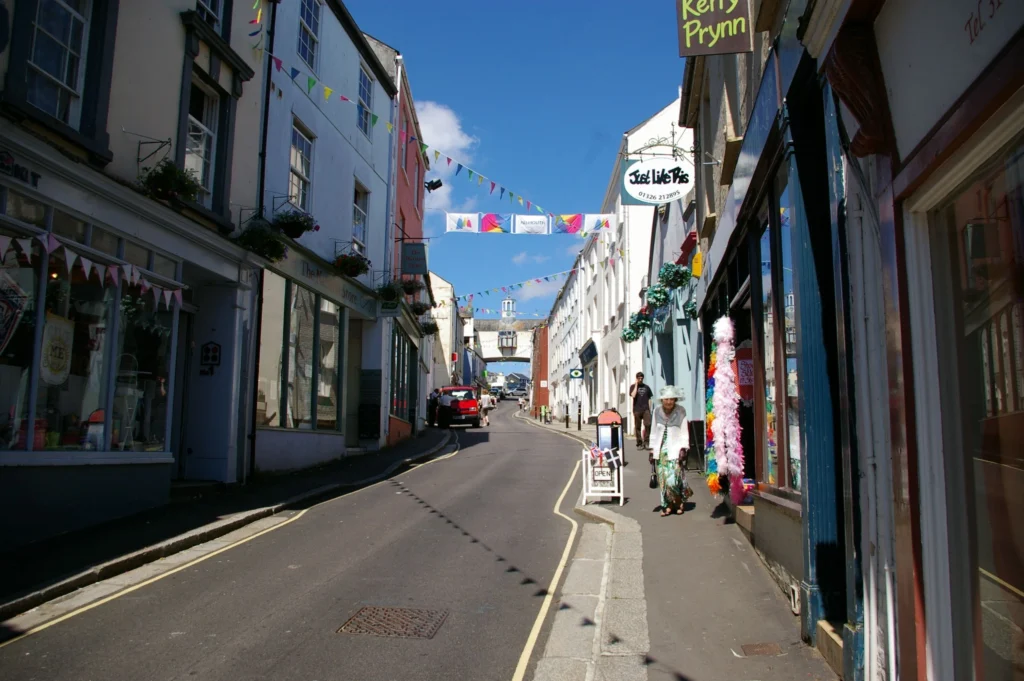
Falmouth combines a historic harbour with maritime heritage, independent shops, and easy access to beautiful coastal scenery.
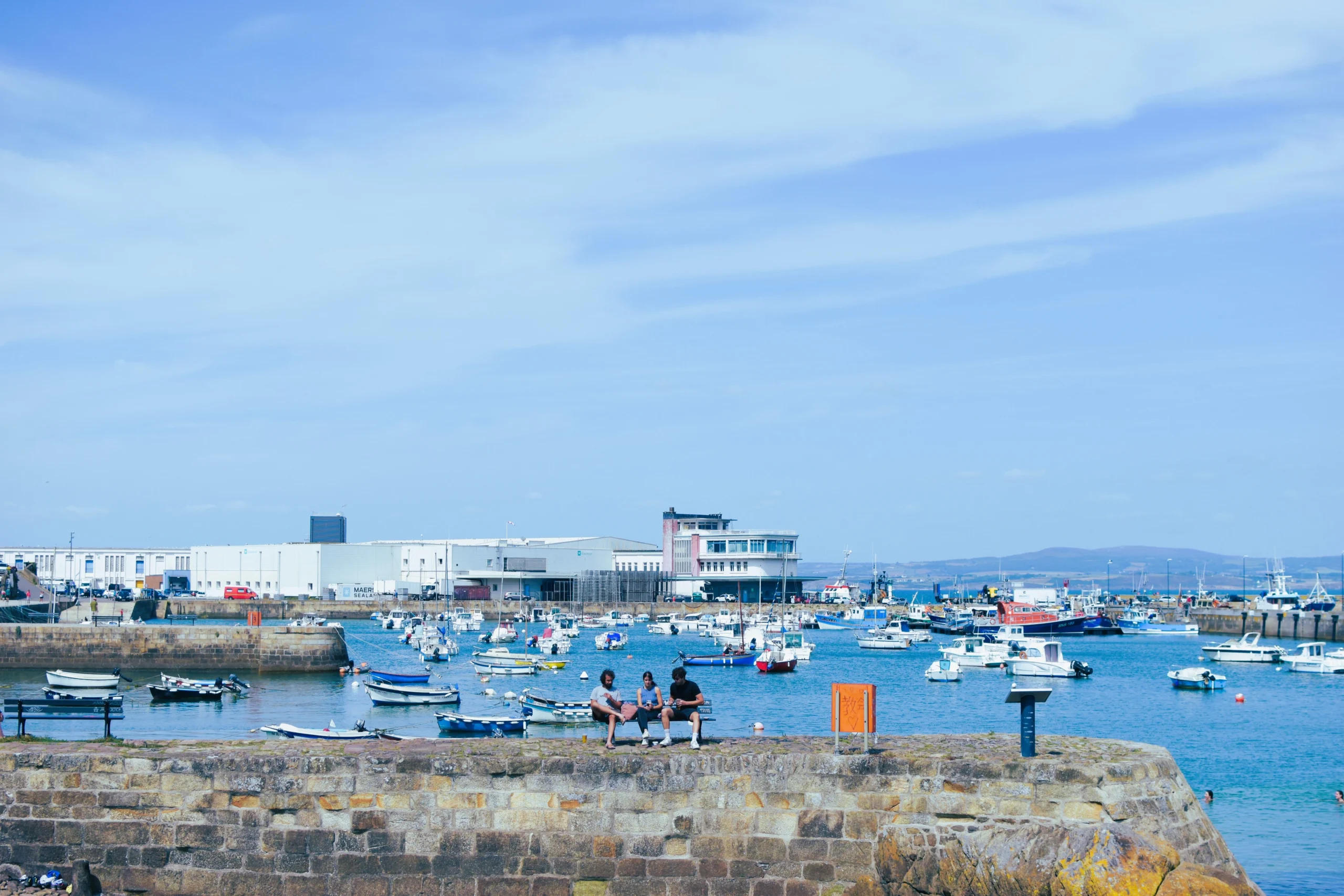
Penzance provides a convenient base for exploring west Cornwall, with easy access to St Michael's Mount, Land's End, and the surrounding coastline.

Truro is Cornwall's only city and offers a mix of historic architecture, shopping, culture, and convenient access to other parts of the county.
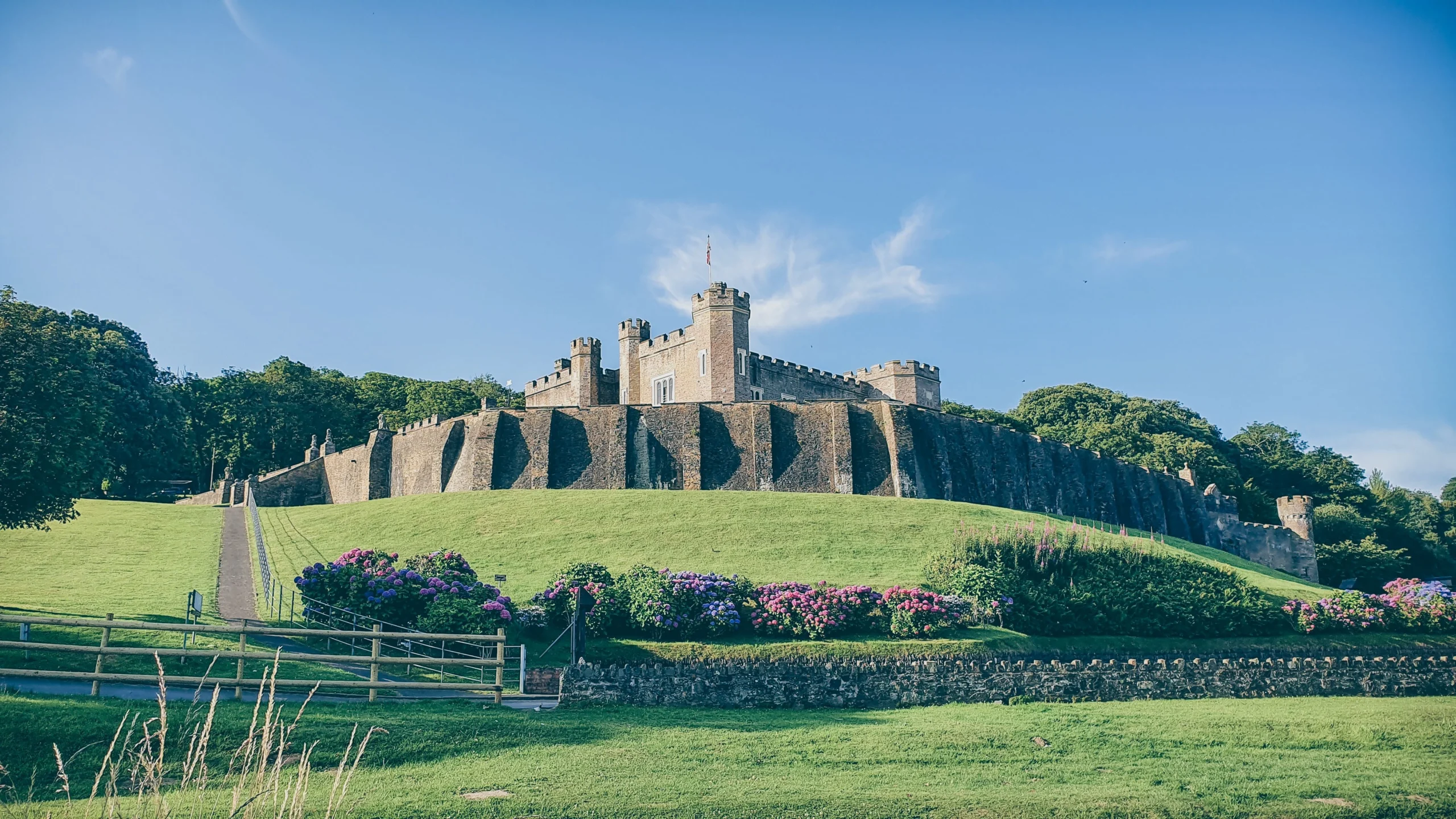
Just beyond Cornwall's eastern border, Devon offers another diverse collection of beaches, countryside, historic towns, and coastal landscapes to explore.

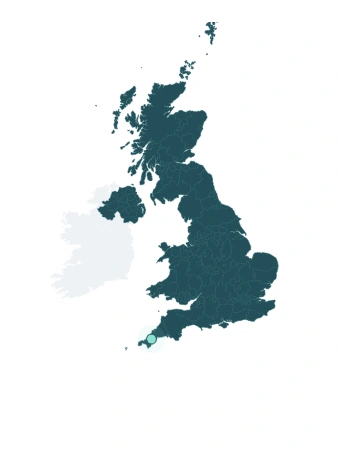
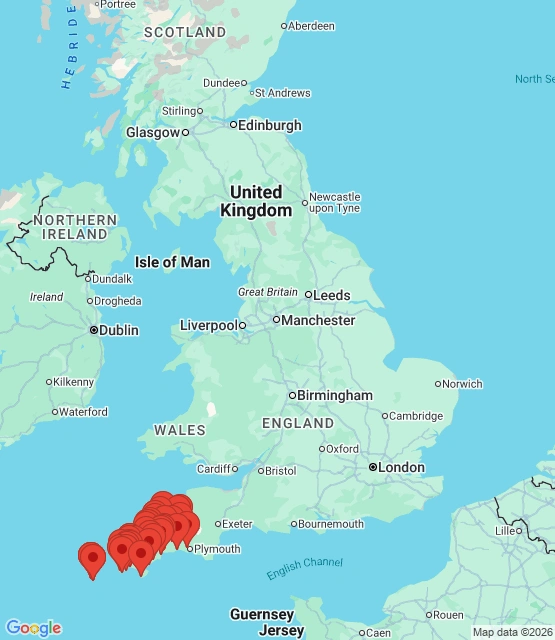
Cornwall is located in the south-west of England and can be reached by road, rail, air, and sea. The journey itself can be part of the experience, with scenic routes leading through the countryside before opening onto the county’s dramatic coastline.
Cornwall is a large region, and having a flexible way to travel can make it easier to explore different beaches, villages, and attractions.
Driving is one of the easiest ways to reach remote beaches, coastal villages, and countryside attractions. It provides greater flexibility, particularly if you want to explore several parts of Cornwall during one trip.
Local bus services connect many towns and villages, making public transport a practical option for visitors who do not want to drive. Routes and timetables vary, so checking services in advance is recommended.
Rail services connect several major Cornish towns and provide scenic journeys along parts of the coast. Trains are particularly useful for travelling between larger destinations such as Truro, St Austell, and Penzance.
Cornwall UK continues to captivate visitors with its remarkable combination of dramatic coastlines, golden beaches, historic landmarks, and distinctive seaside towns. Across its rugged cliffs and peaceful countryside, every destination offers a different experience, from charming fishing villages and lively harbour towns to ancient castles and beautiful gardens.
Whether you’re discovering famous Cornwall attractions or exploring the best places to visit in Cornwall, the region offers a genuine connection to England’s coastal heritage while providing unforgettable experiences for modern travellers. Its spectacular landscapes, welcoming communities, and rich maritime history have earned Cornwall a reputation as one of England’s most beautiful destinations.
Every season reveals a different side of Cornwall, ensuring that no two visits are ever the same. From travellers searching for the best Cornwall beaches to those looking for hidden villages, historic sites, and scenic coastal walks, Cornwall remains a destination that captures the wild beauty and timeless character of England’s south-west.
Some of the best places to visit in Cornwall include St Ives, St Michael’s Mount, Tintagel Castle, Land’s End, Padstow, the Lizard Peninsula, and the Eden Project. The best choice depends on whether you are interested in beaches, history, gardens, food, or coastal scenery.
Popular Cornwall attractions include St Michael’s Mount, the Eden Project, Tintagel Castle, Land’s End, St Ives, and the Lost Gardens of Heligan. Cornwall also has many historic villages, gardens, museums, and coastal landmarks to explore.
Some of the best-known Cornwall beaches include Porthcurno, Fistral Beach, St Ives Bay, Watergate Bay, Perranporth, and Kynance Cove. Each offers a different experience, from surfing and family days out to scenic walks and peaceful coastal escapes.
Yes, Cornwall is worth visiting for its combination of beaches, dramatic coastline, historic attractions, gardens, seaside towns, and distinctive cultural heritage. The region offers enough variety for both short breaks and longer holidays.
The best time to visit Cornwall depends on the type of holiday you want. Summer is popular for beach days and outdoor activities, while spring and autumn offer milder crowds and excellent conditions for exploring gardens and walking the coast.