The Cotswolds is one of the most recognizable countryside destinations in England, known for rolling hills, honey-colored stone buildings, historic market towns, and picturesque villages. From the riverside streets of Bourton-on-the-Water to the quieter lanes of Blockley, there are plenty of beautiful places to explore.
Some Cotswolds villages are famous for their postcard-like scenery, while others offer a quieter experience away from the busiest visitor spots. The region also has historic churches, independent shops, traditional pubs, gardens, walking routes, and countryside views, making it suitable for everything from day trips to longer stays.
If you are planning a countryside escape, these are some of the best Cotswold villages to add to your itinerary.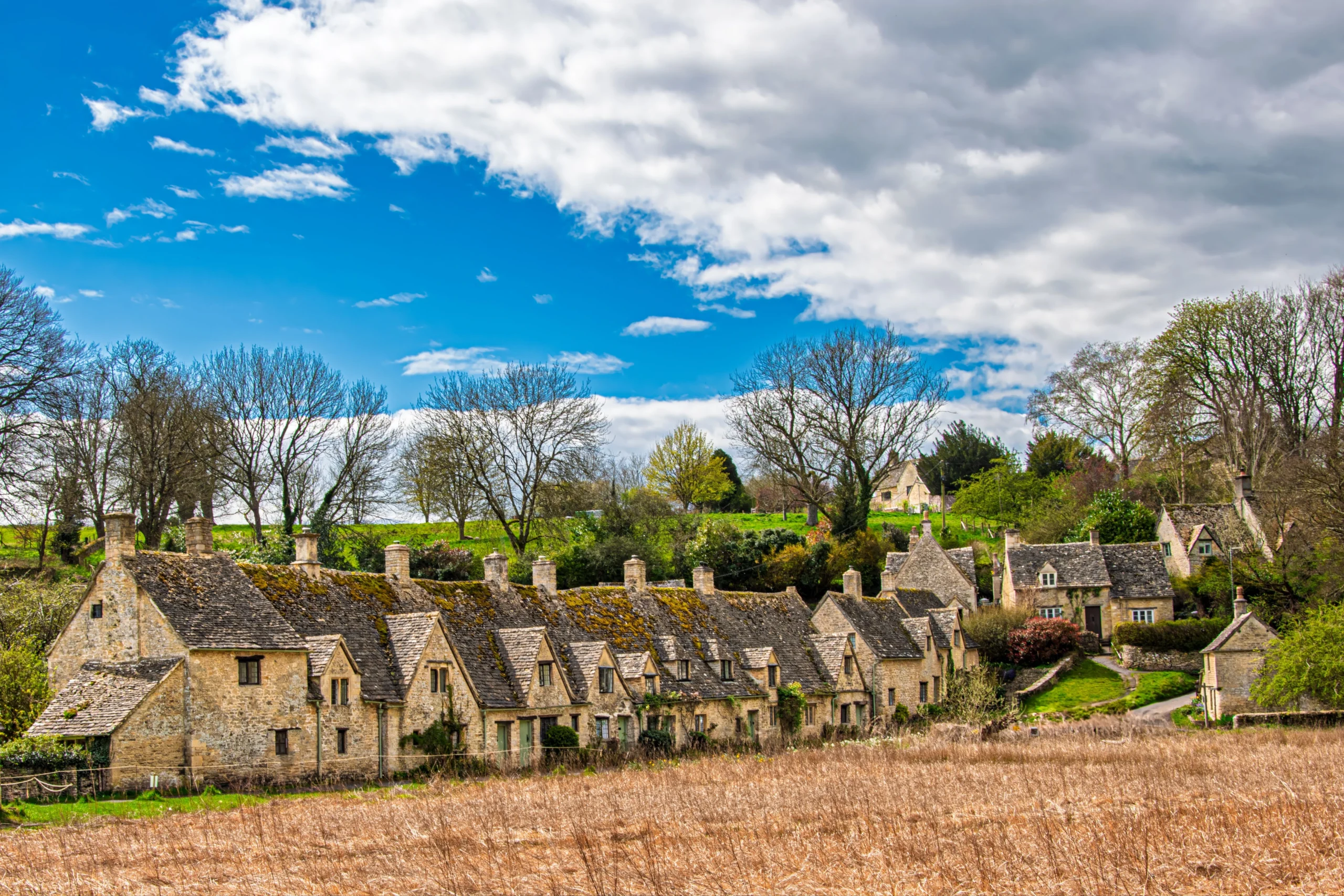
Why Visit the Cotswold Villages?
The appeal of the Cotswolds comes from the combination of architecture, countryside, history, and village life. Many settlements are built from the area’s distinctive limestone, giving streets and cottages a warm golden appearance.
You can spend a morning walking through historic lanes, stop for afternoon tea, visit a local garden, browse independent shops, or head into the surrounding countryside for a walk.
The area also has options beyond the famous villages. The Cotswolds tourism board highlights lesser-known places such as Bourton-on-the-Hill and Naunton alongside better-known destinations including Broadway, Bourton-on-the-Water, Chipping Campden, and Stow-on-the-Wold.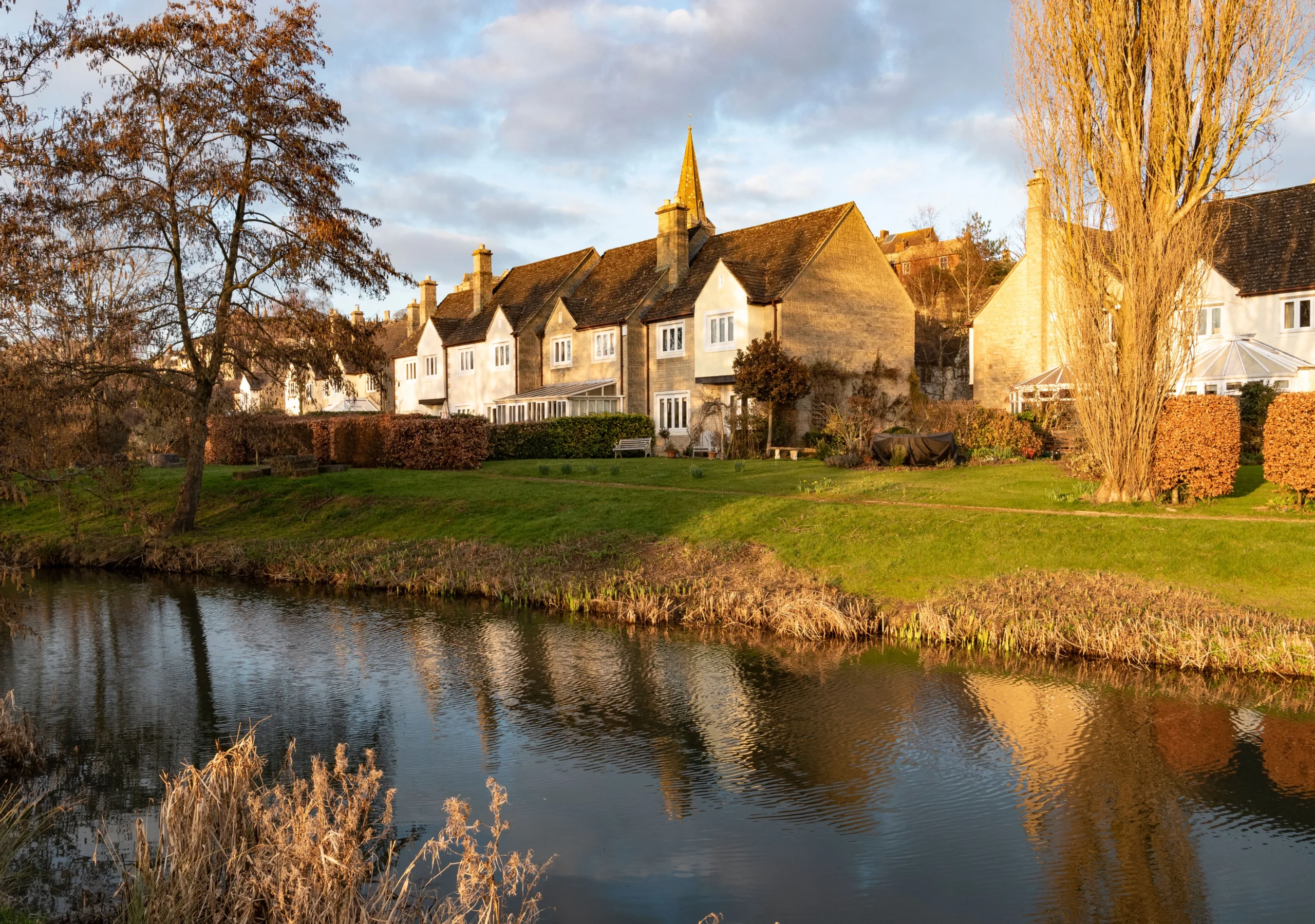
1. Bourton-on-the-Water
Bourton-on-the-Water is one of the most famous Cotswolds villages and is often associated with the River Windrush, which flows through its center beneath a series of small stone bridges.
The village has plenty to do beyond simply walking its attractive streets. Visitors can see the Model Village, explore the Cotswold Motoring Museum, or visit Birdland Park and Gardens.
Because of its popularity, Bourton-on-the-Water can become particularly busy at weekends and during good weather. Visiting outside peak periods or staying overnight can provide a quieter experience.
Best for: First-time visitors, families, riverside walks, and classic Cotswolds scenery.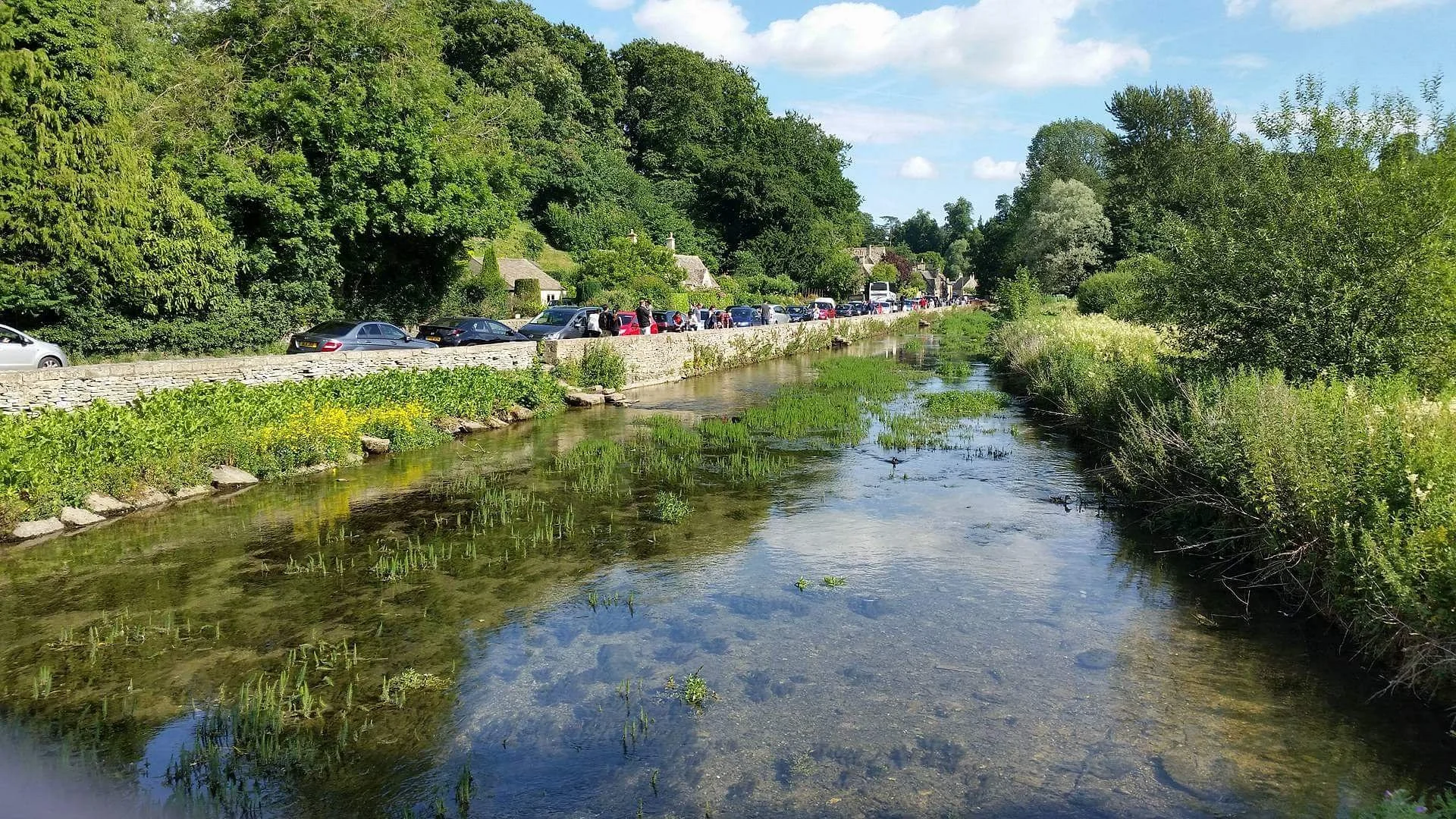
2. Bibury
Bibury is another of the most recognizable villages in the Cotswolds, particularly known for its traditional stone cottages and peaceful riverside setting.
Arlington Row is one of the village’s best-known sights, with its historic cottages creating the kind of scene that attracts photographers and visitors throughout the year.
Bibury works well as part of a wider Cotswolds itinerary because it can be combined with other villages and countryside attractions in the surrounding area.
VisitEngland also identifies Bibury as one of the Cotswolds’ notable villages, alongside Bourton-on-the-Water and Stow-on-the-Wold.
Best for: Photography, historic cottages, riverside scenery, and short visits.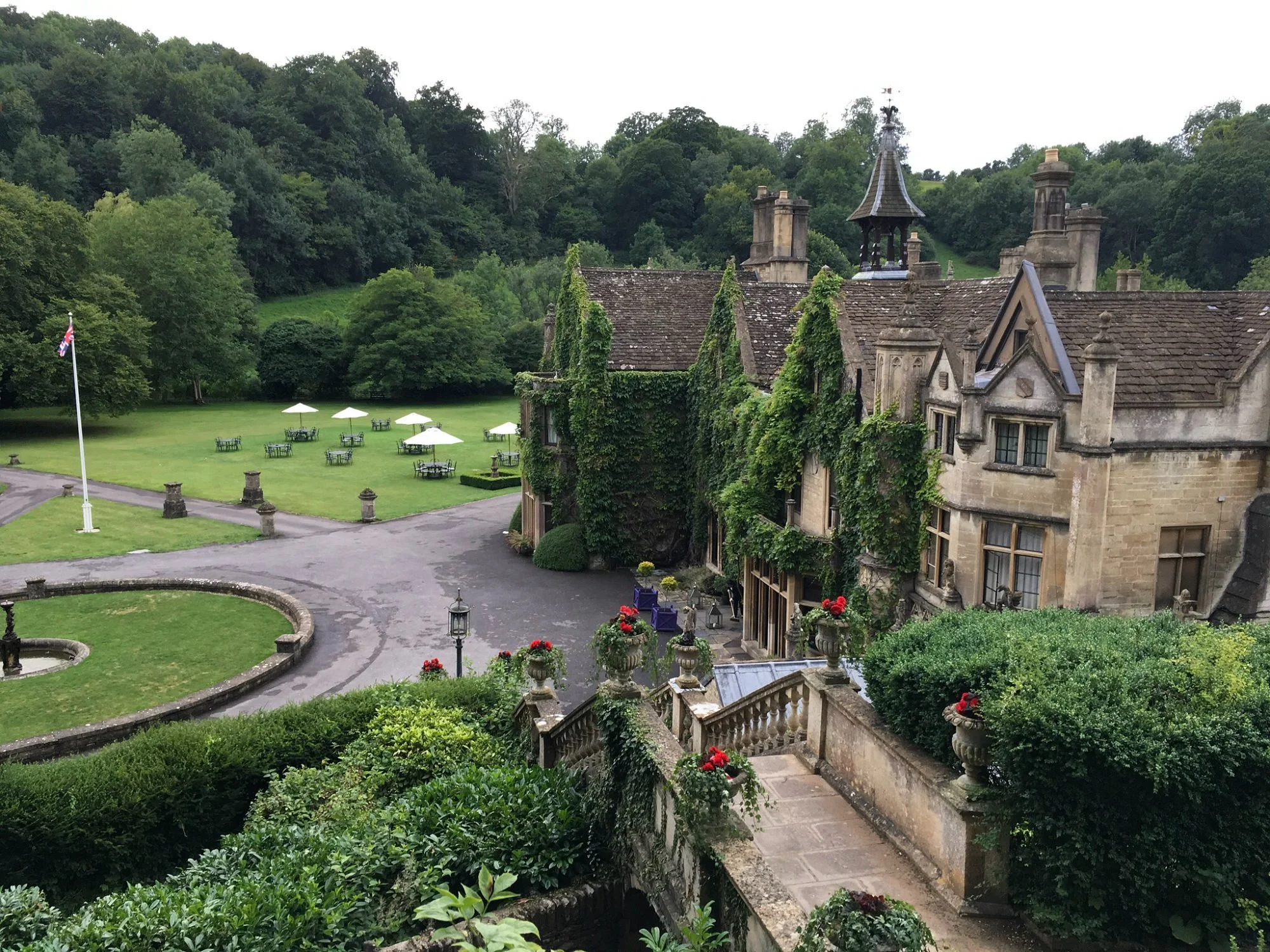
3. Castle Combe
Castle Combe sits in the southern Cotswolds and is widely known for its historic stone buildings and quiet village atmosphere.
The village is compact, making it easy to explore on foot. Its traditional architecture and surrounding countryside make it particularly appealing if your idea of a Cotswolds visit involves scenic walks, photographs, and a slower pace.
Castle Combe is also a useful choice for visitors exploring the southern side of the Cotswolds and nearby Wiltshire attractions.
Best for: Picturesque streets, photography, romantic trips, and countryside walks.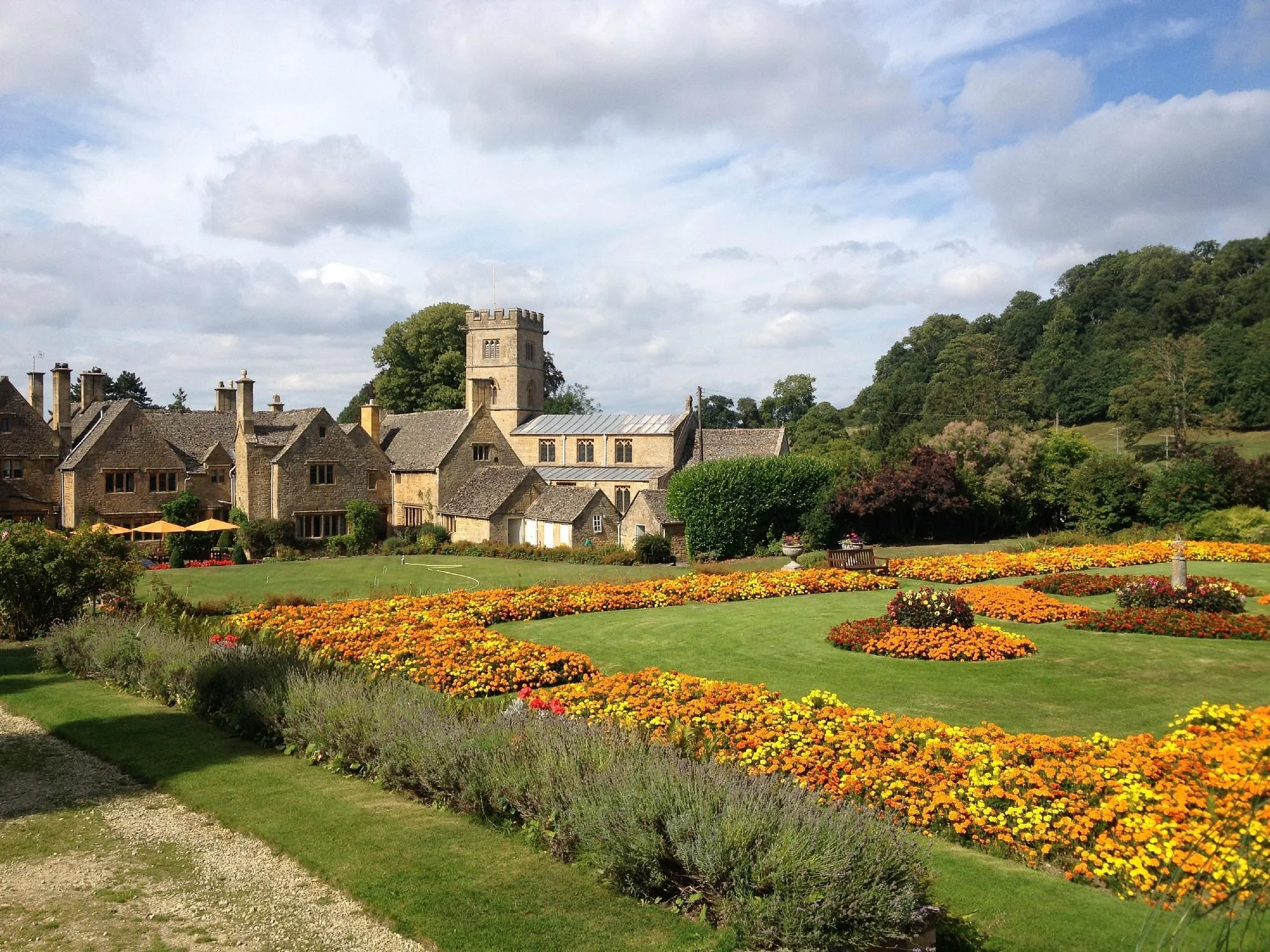
4. Broadway
Broadway is often described as the “Jewel of the Cotswolds” and is one of the most popular destinations in the northern part of the region.
Its wide High Street is lined with honey-colored buildings, independent shops, galleries, cafés, and places to eat. The village is also close to Broadway Tower, which provides panoramic views across the surrounding countryside.
Broadway is particularly good for visitors who want more than a quick village walk, as there are attractions, shopping, food, gardens, and walking opportunities nearby.
Best for: Shopping, food, countryside views, and a full day out.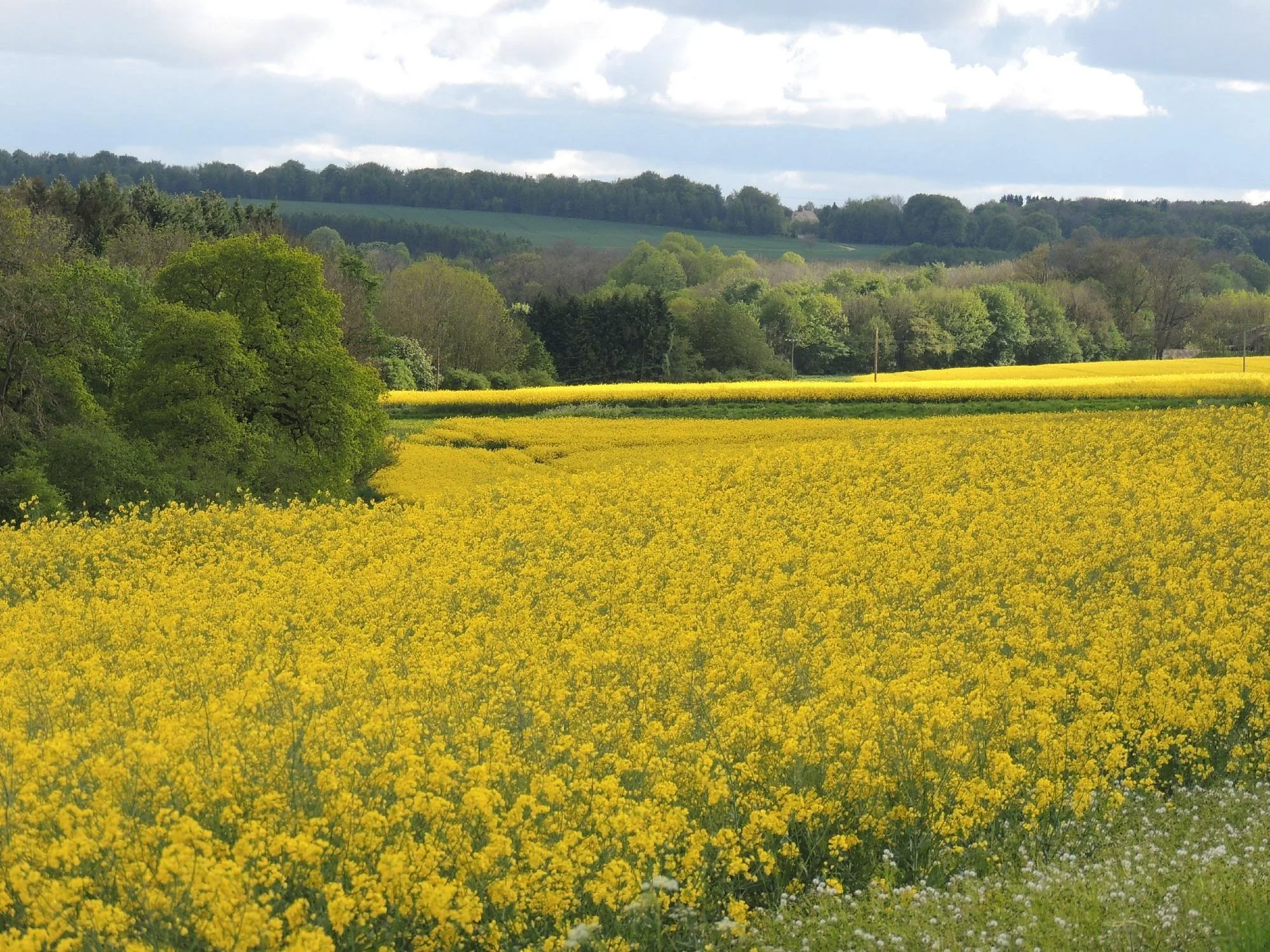
5. Chipping Campden
Chipping Campden is technically a historic market town rather than a village, but it is one of the essential stops when exploring the best Cotswold villages and towns.
The High Street follows the layout of an important medieval trading route, while the Market Hall dates from 1627. The town also has St. James’ Church, independent shops, galleries, cafés, and access to walking routes.
Chipping Campden is particularly useful as a base for exploring the northern Cotswolds. The Cotswold Way also begins or ends here, providing an option for visitors interested in longer walks.
Best for: History, walking, shopping, architecture, and longer stays.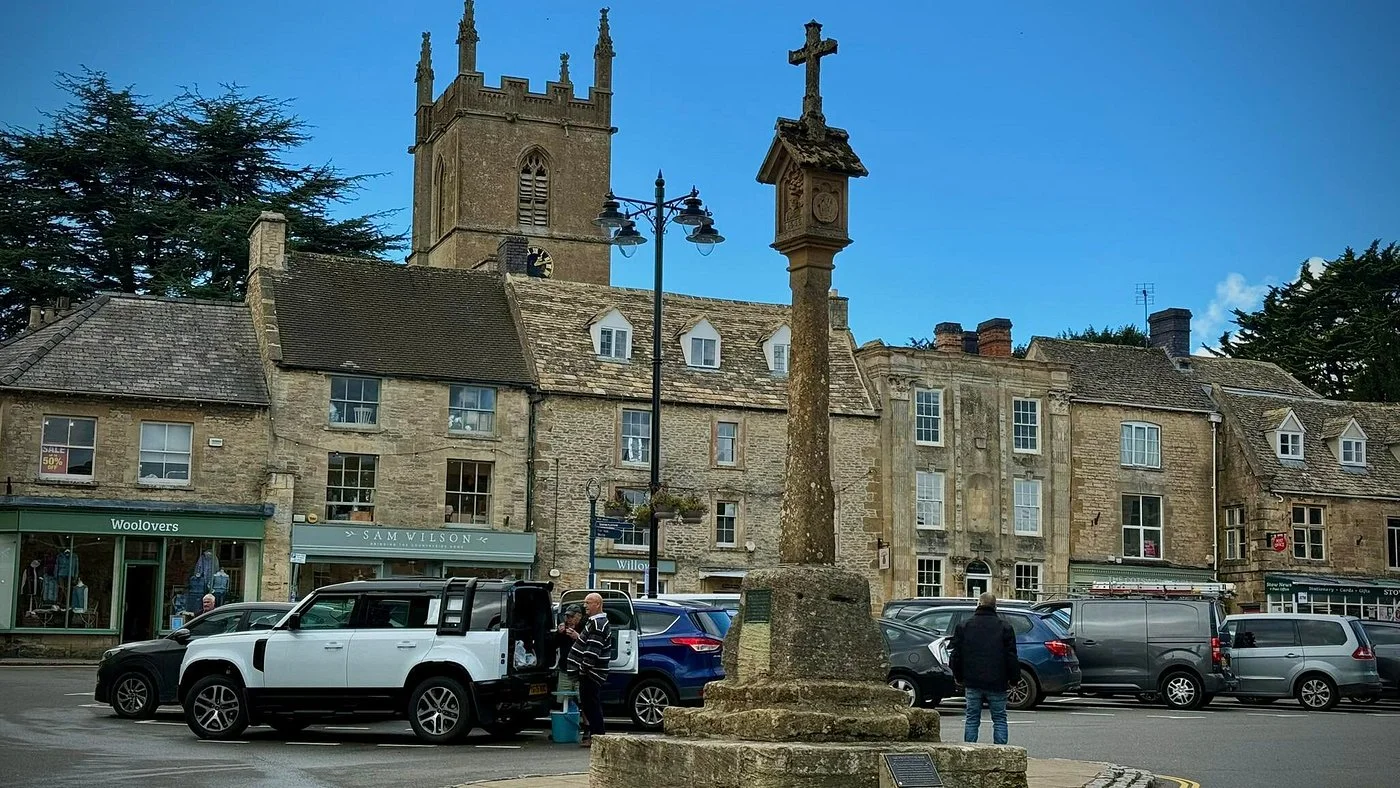
6. Stow-on-the-Wold
Stow-on-the-Wold is a historic market town situated on high ground in the northern Cotswolds.
Its market square, independent shops, traditional pubs, and historic buildings make it a good destination for visitors who want to combine sightseeing with food and shopping.
The town also has a long history connected with trade and travel, having developed around the historic Fosse Way.
Best for: Shopping, pubs, history, and exploring the northern Cotswolds.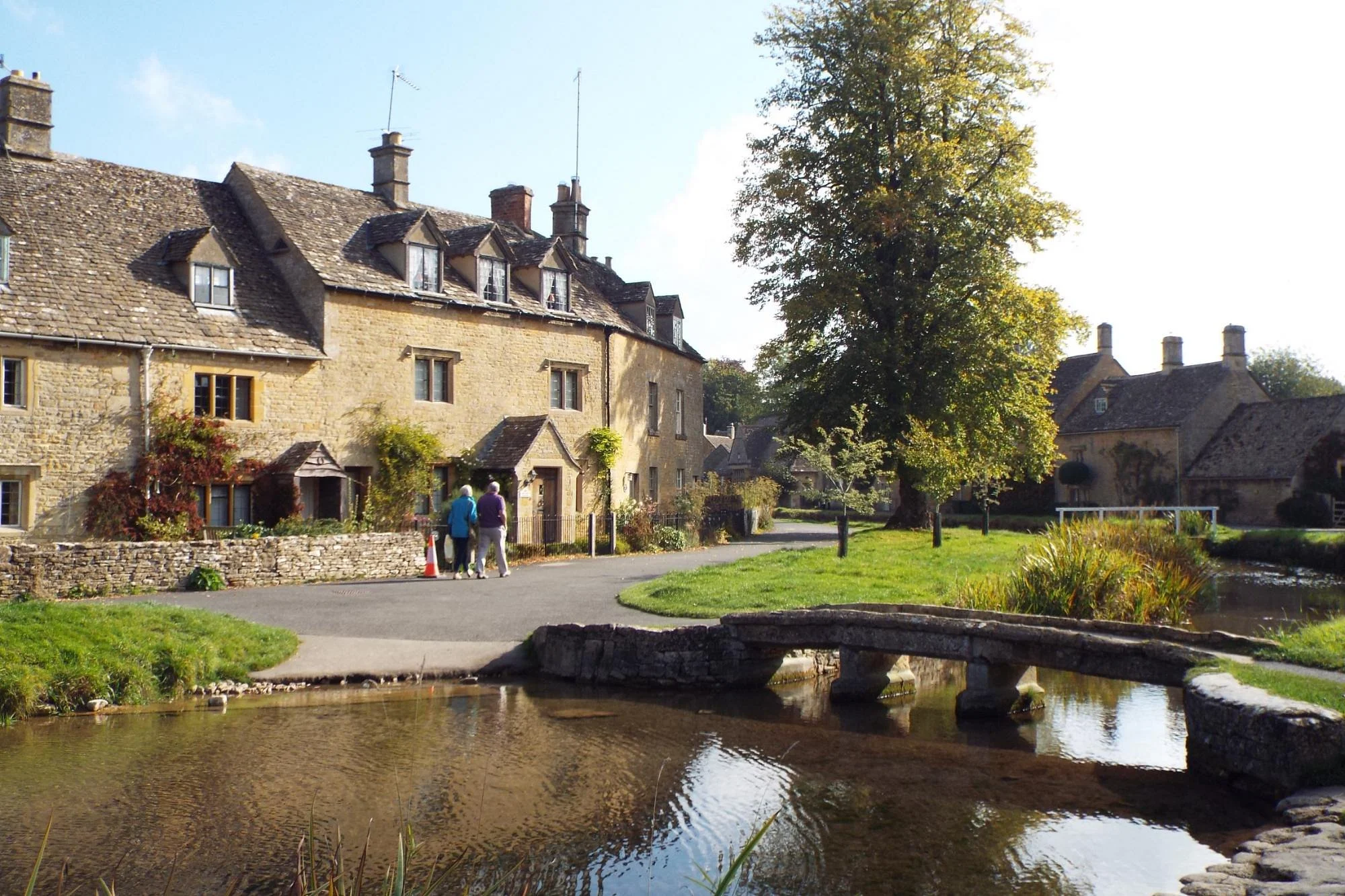
7. Lower Slaughter
Lower Slaughter is one of the quieter and more atmospheric Cotswold villages to visit.
The River Eye runs through the village, passing traditional stone buildings and small bridges. Its peaceful setting makes it particularly appealing for visitors who prefer walking and photography over a busy attraction-filled itinerary.
It can also be visited alongside nearby Upper Slaughter and Bourton-on-the-Water.
Best for: Peaceful walks, photography, and traditional village scenery.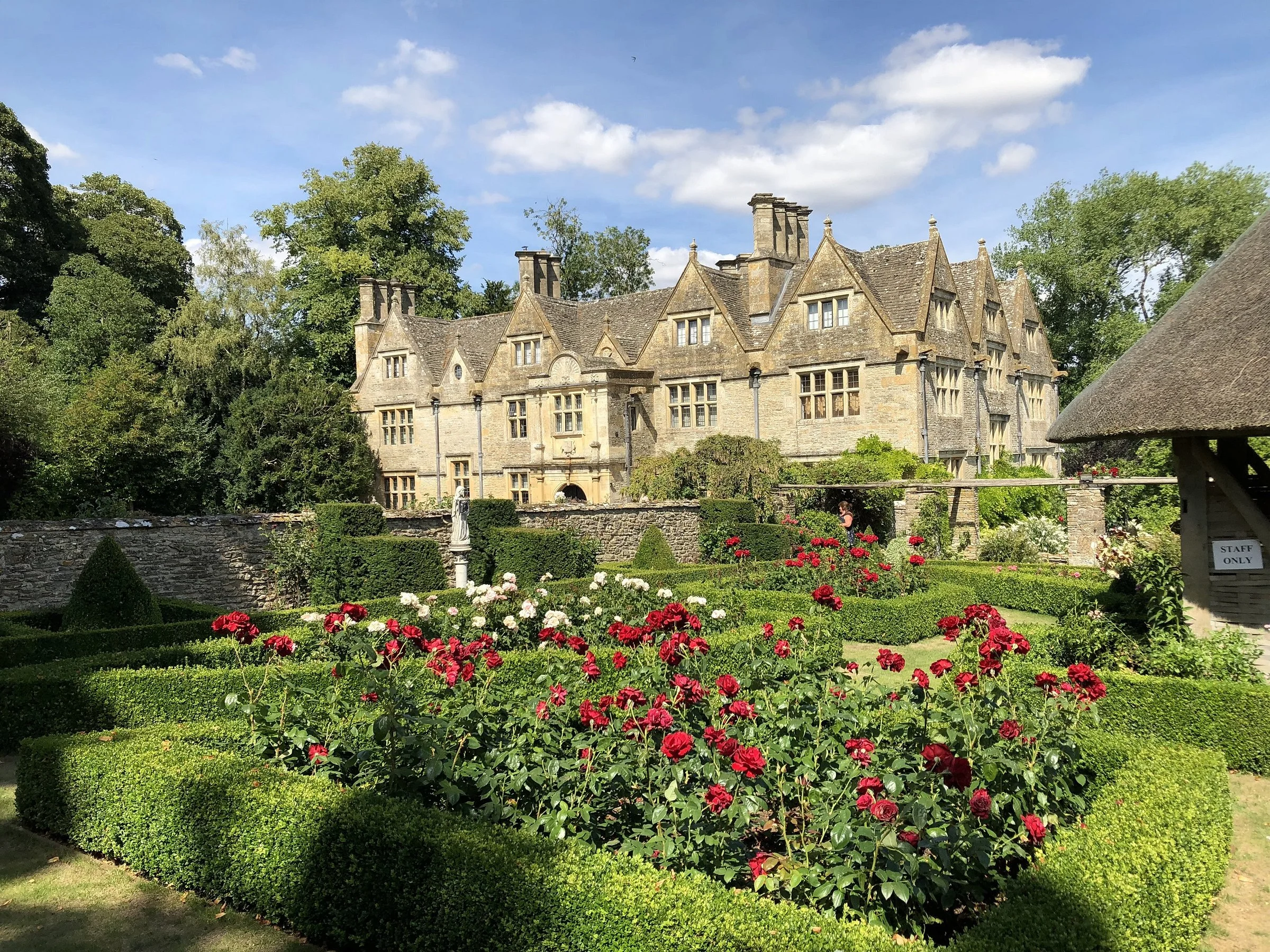
8. Upper Slaughter
Upper Slaughter offers another opportunity to experience a quieter side of the Cotswolds.
The village is surrounded by rolling countryside and traditional stone buildings, with fewer commercial attractions than some of the better-known destinations.
It is a good choice if you want to slow down and explore a village at a relaxed pace rather than spend the day moving between major attractions.
Best for: Quiet escapes, countryside walks, and couples.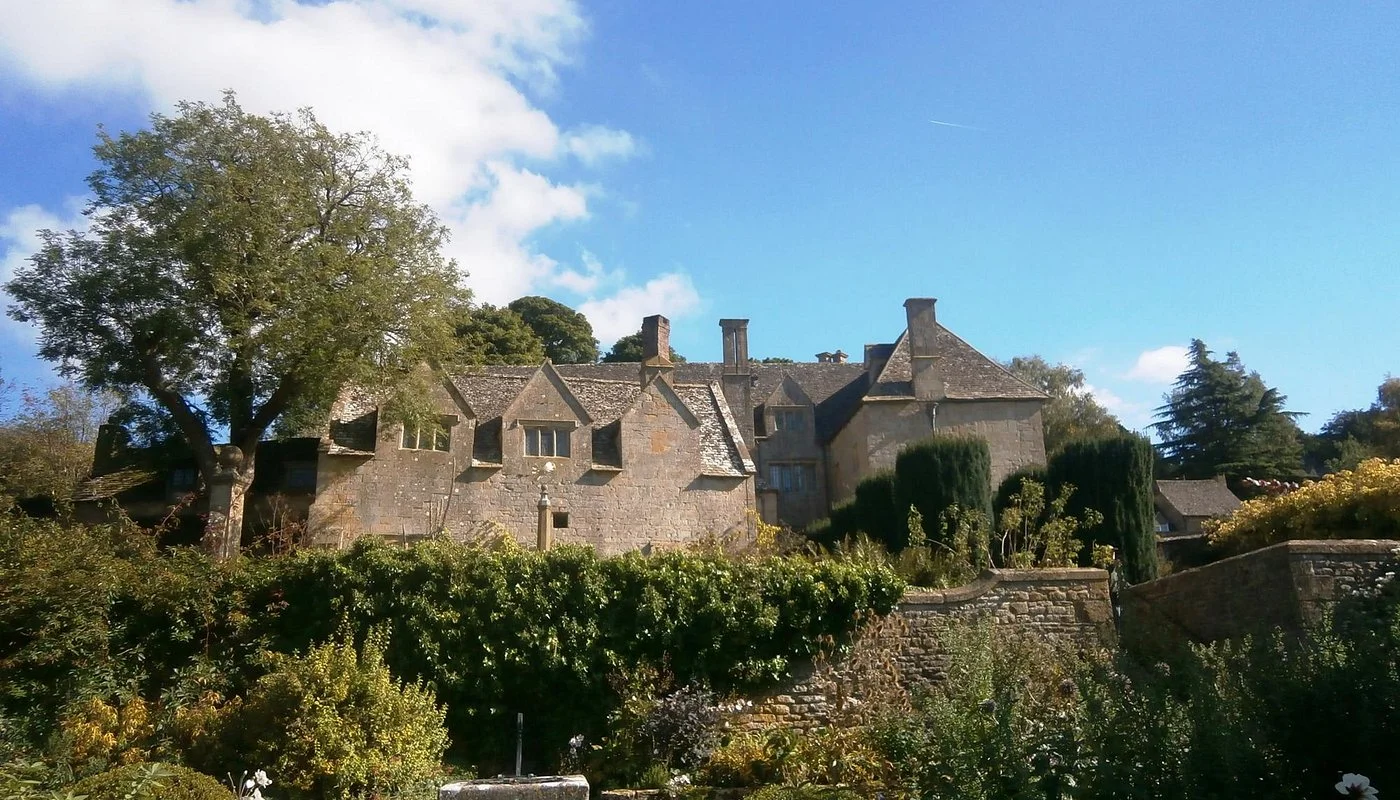
9. Snowshill
Snowshill is a small village surrounded by countryside and is particularly interesting for visitors who want to explore beyond the most famous Cotswold destinations.
One of its main attractions is Snowshill Manor and Garden, which has a distinctive collection and landscaped gardens. The village itself has traditional stone cottages and narrow rural lanes.
VisitEngland specifically highlights Snowshill as one of the quieter Cotswolds villages worth visiting away from the busiest tourist spots.
Best for: Gardens, history, quieter visits, and countryside scenery.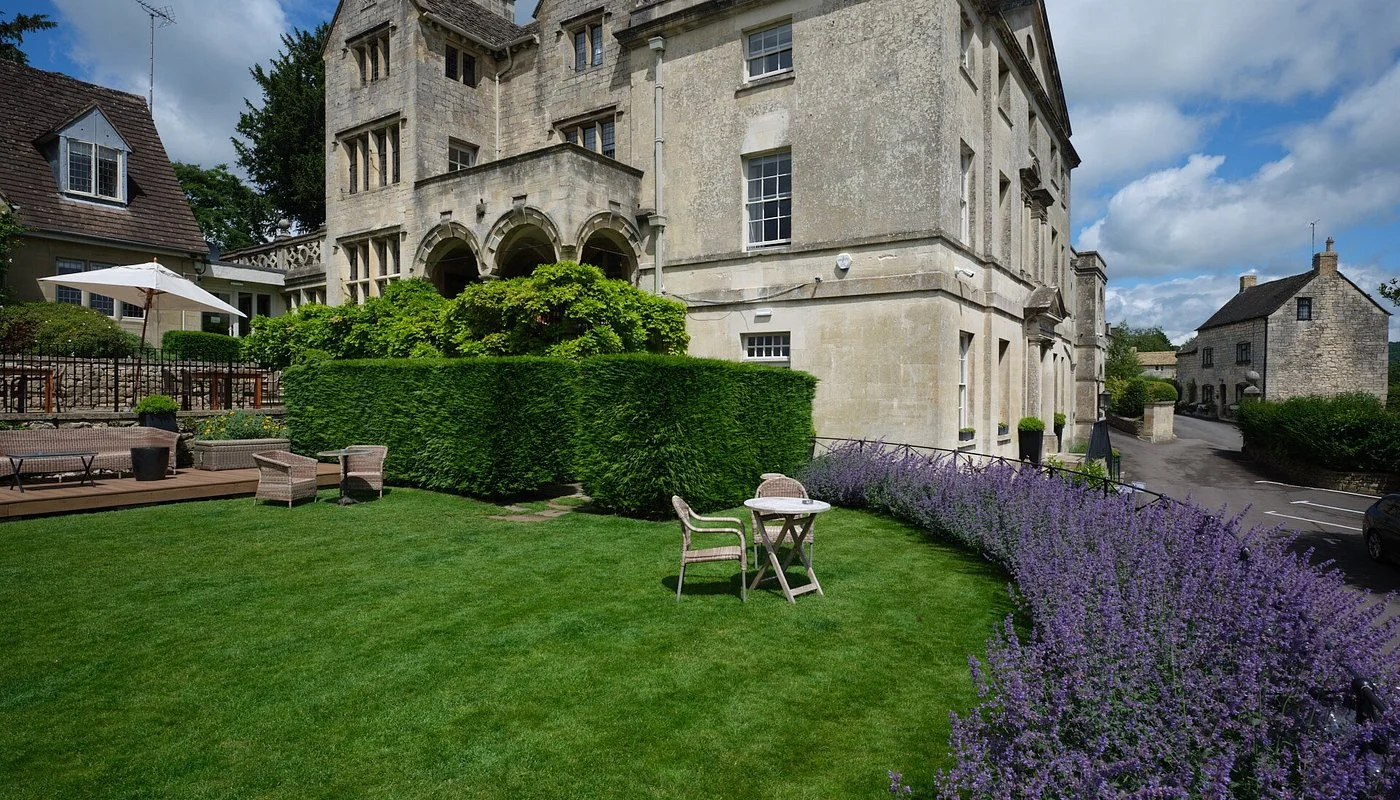
10. Painswick
Painswick sits on a hilltop in the southern Cotswolds and is known for its historic streets, stone buildings, and surrounding countryside.
The village is home to St. Mary’s Church and its famous churchyard, as well as Painswick Rococo Garden. It is also positioned along the Cotswold Way, making it a useful stop for walkers.
Painswick is a good alternative to the more crowded northern villages if you want to combine heritage with walking and countryside views.
Best for: Walkers, gardens, history, and panoramic views.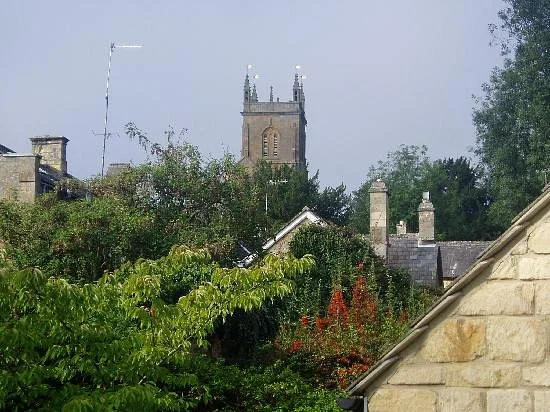
11. Blockley
Blockley is a peaceful village surrounded by rolling hills and farmland in the northern Cotswolds.
Its stone cottages, historic church, quiet streets, and nearby walking routes make it an appealing choice for travellers looking for a slower Cotswolds experience.
Blockley is also close to Chipping Campden, Moreton-in-Marsh, and Broadway, making it practical to include in a wider northern Cotswolds itinerary.
Best for: Quiet countryside escapes, walking, and village atmosphere.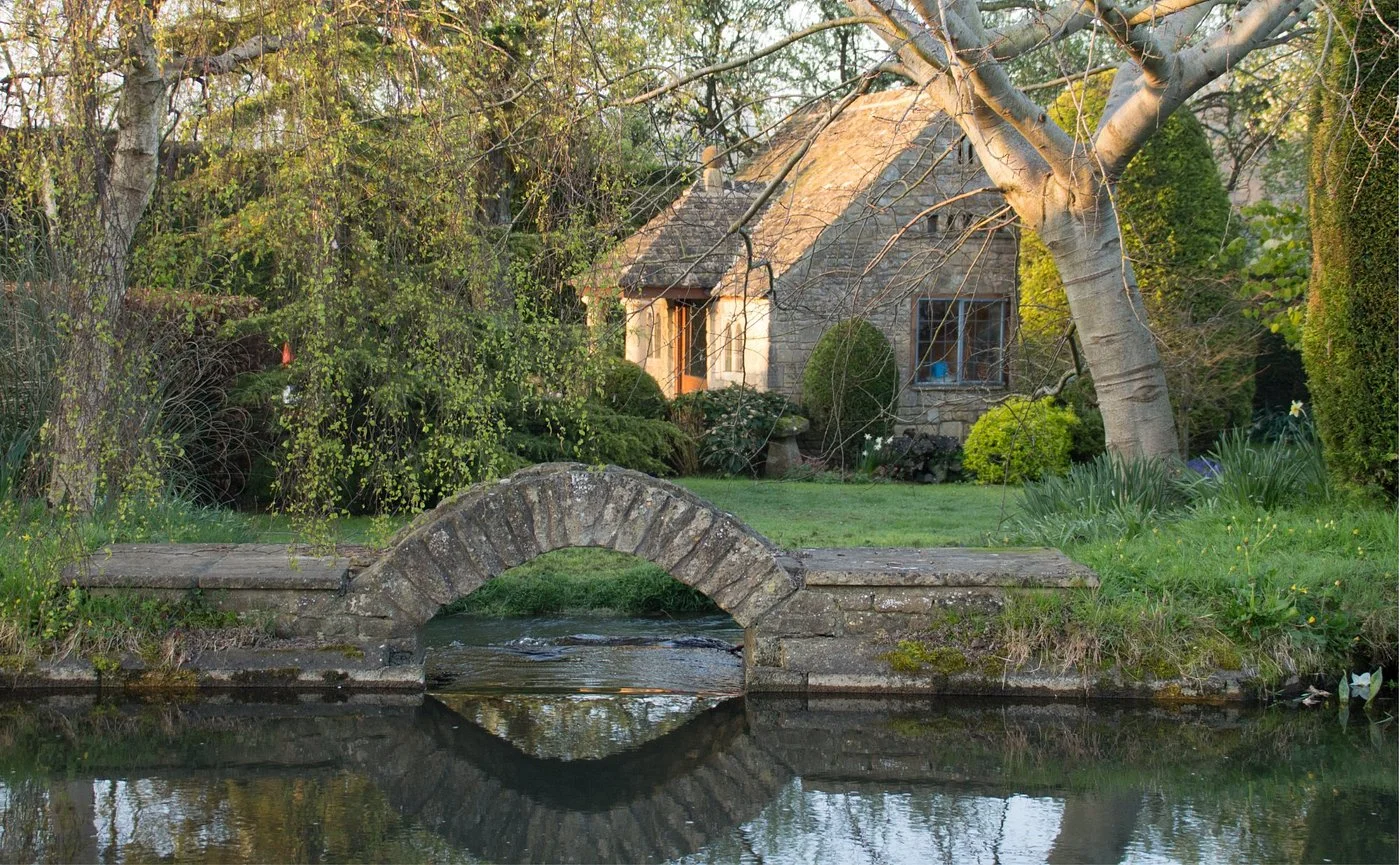
12. Bourton-on-the-Hill
Bourton-on-the-Hill is a smaller village that offers a quieter alternative to nearby tourist hotspots.
It sits among rolling countryside and is close to several well-known northern Cotswolds destinations. Its position makes it useful for travellers who want to explore the area while staying away from some of the busiest streets.
The Cotswolds tourism board specifically lists Bourton-on-the-Hill among the lesser-known villages worth discovering.
Best for: Quiet breaks, walking, and avoiding busy tourist centers.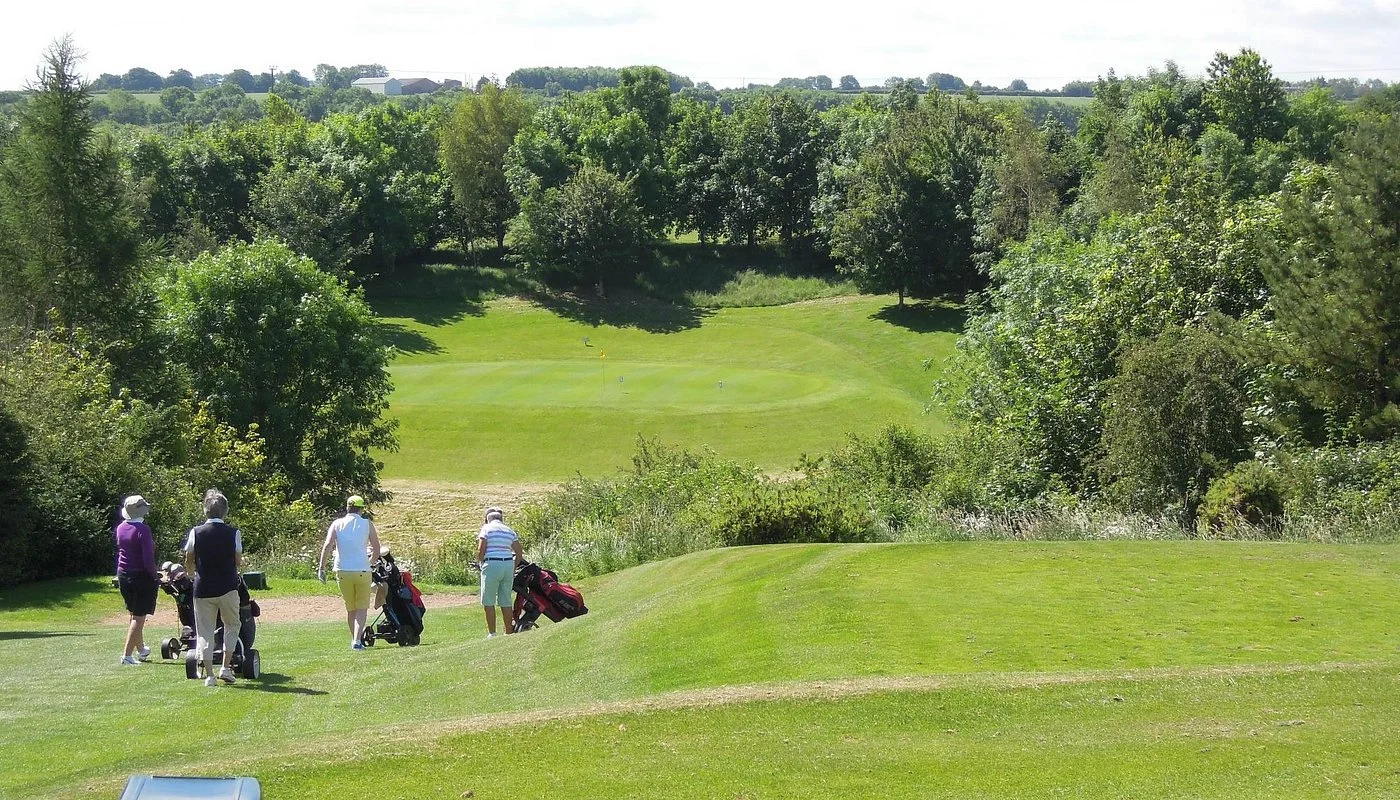
13. Naunton
Naunton is another lesser-known Cotswold village surrounded by countryside.
Its traditional buildings and rural setting give it the character many visitors associate with the region, but it generally feels less commercial than the biggest visitor destinations.
It can be a good addition to a road trip through the northern Cotswolds, particularly if you want to see some of the smaller settlements between the better-known towns and villages.
Best for: Rural scenery, photography, and quieter road trips.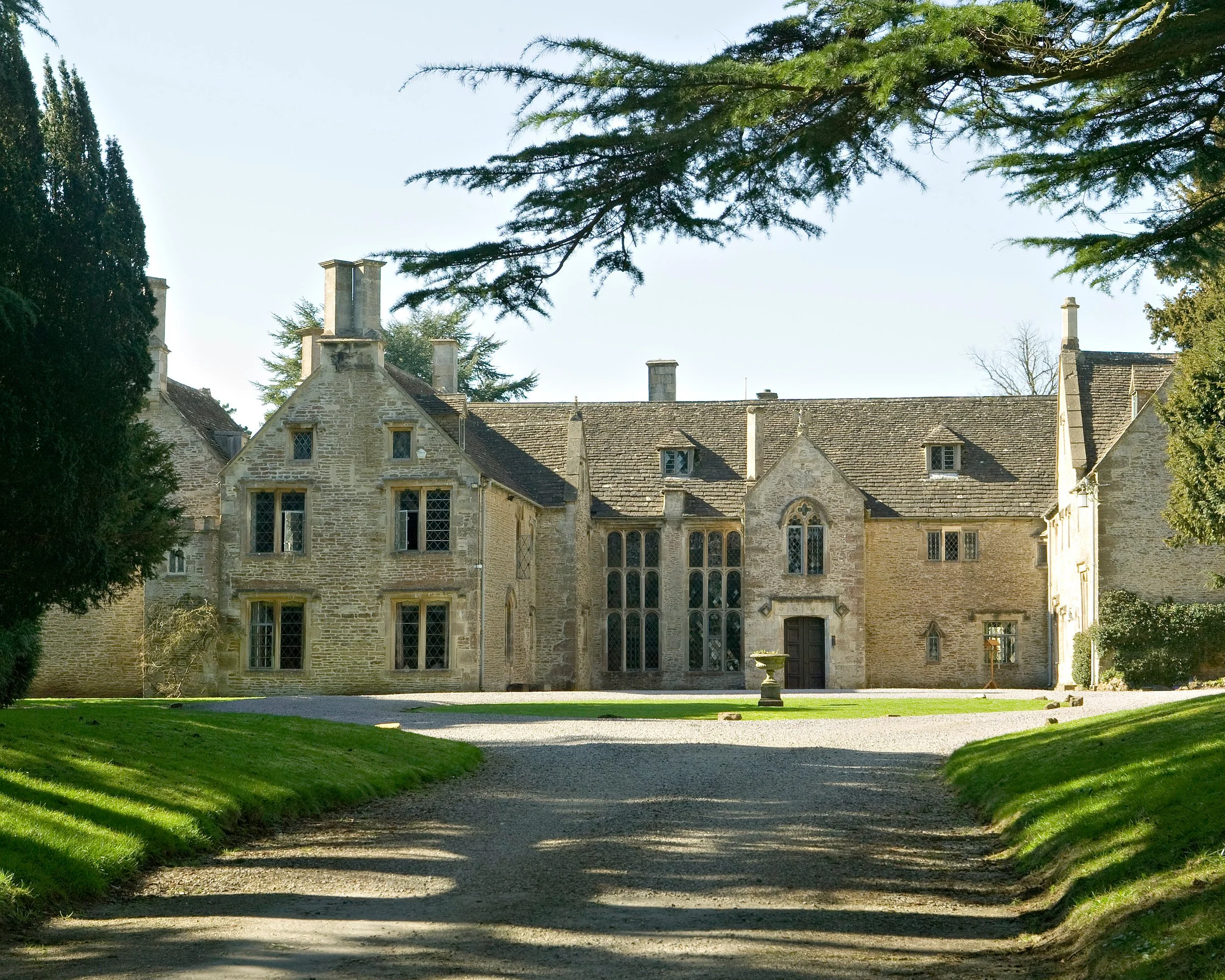
14. Tetbury
Tetbury is a historic market town in the southern Cotswolds with a strong connection to local shopping, antiques, gardens, and countryside.
It provides a different experience from the tiny villages, with more shops and amenities while retaining the historic character associated with the Cotswolds.
Its southern location also makes it useful for combining a Cotswolds trip with destinations around Bath, Bristol, and the wider southwest.
Best for: Shopping, antiques, gardens, and Southern Cotswolds trips.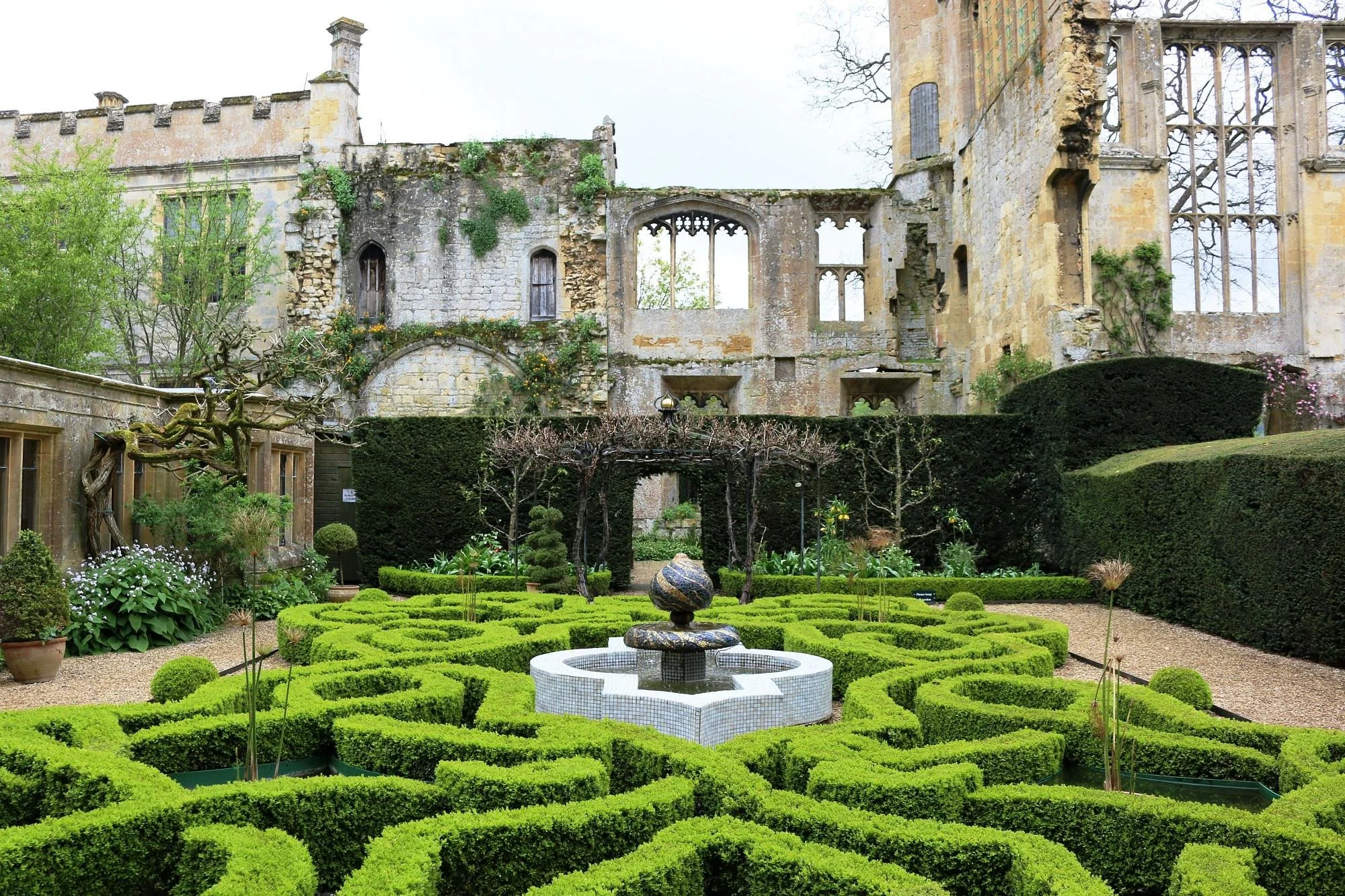
15. Winchcombe
Winchcombe is a historic market town on the edge of the Cotswolds and a useful base for visitors interested in walking and heritage.
The town is known for its historic character and provides access to the surrounding countryside. It can also work well as part of a northern Cotswolds itinerary.
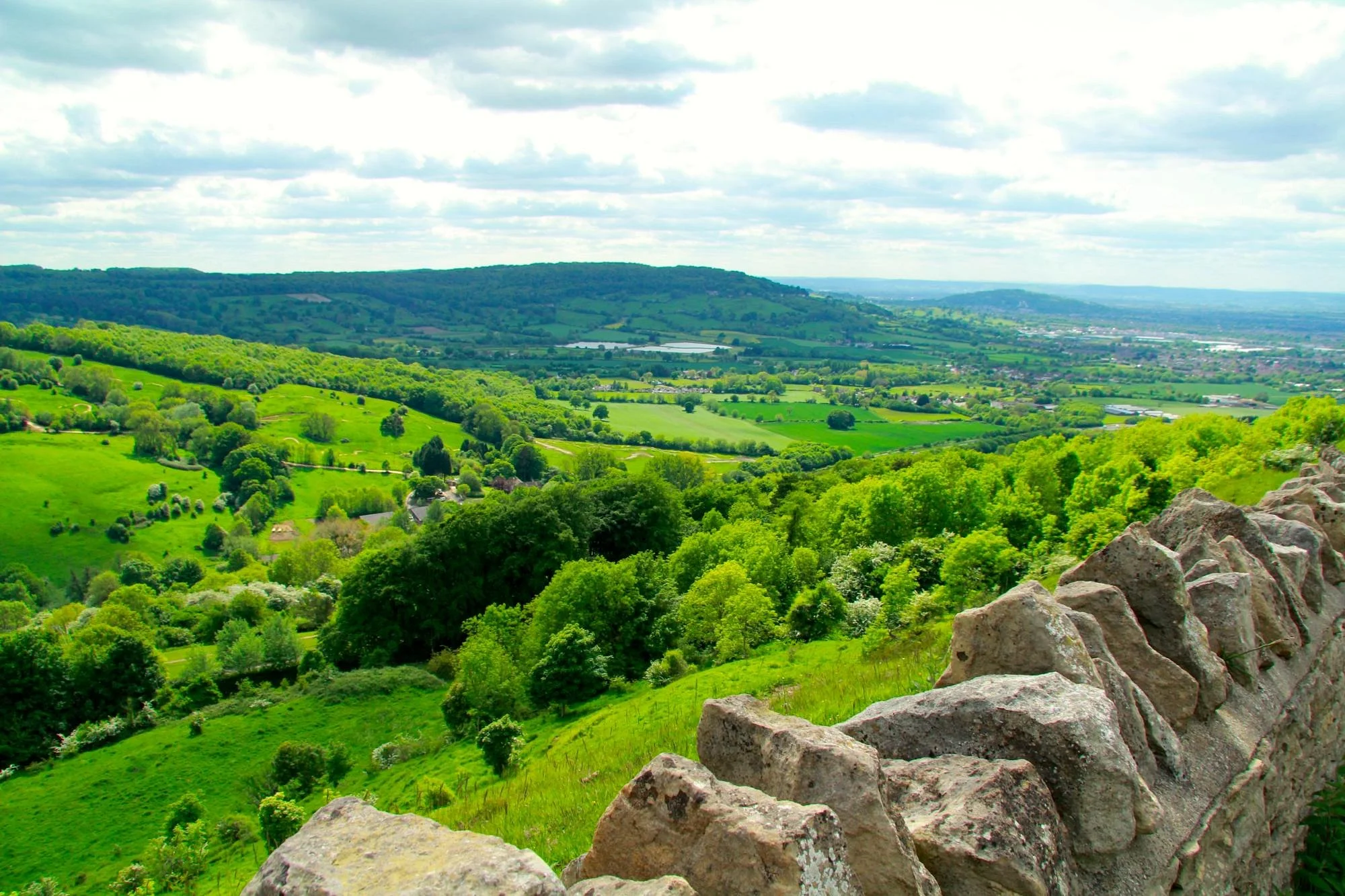
The Cotswolds tourism board describes Winchcombe as a center for walkers and a good base for exploring the rural Cotswolds.
Best for: Walking, history, countryside, and longer stays.
Practical Tips for Visiting the Cotswold Villages
Plan your route before setting out because the villages are spread across a large area. Trying to visit too many in one day can leave you spending more time travelling than exploring.
If you are driving, check parking arrangements before arriving. Popular villages such as Bourton-on-the-Water can become very busy during weekends and good weather.
You do not necessarily need a car for every Cotswolds trip. Some destinations have public transport connections, and organized tours can also be useful. For example, Chipping Campden can be reached from Moreton-in-Marsh by train and bus, with additional bus connections to other nearby destinations.
For a quieter experience, consider visiting outside the busiest summer periods or staying overnight. The villages often feel very different once the main day-trip crowds have left.
Comfortable shoes are also important. Even when a village is compact, combining village streets with countryside walks can quickly add up to several hours on foot.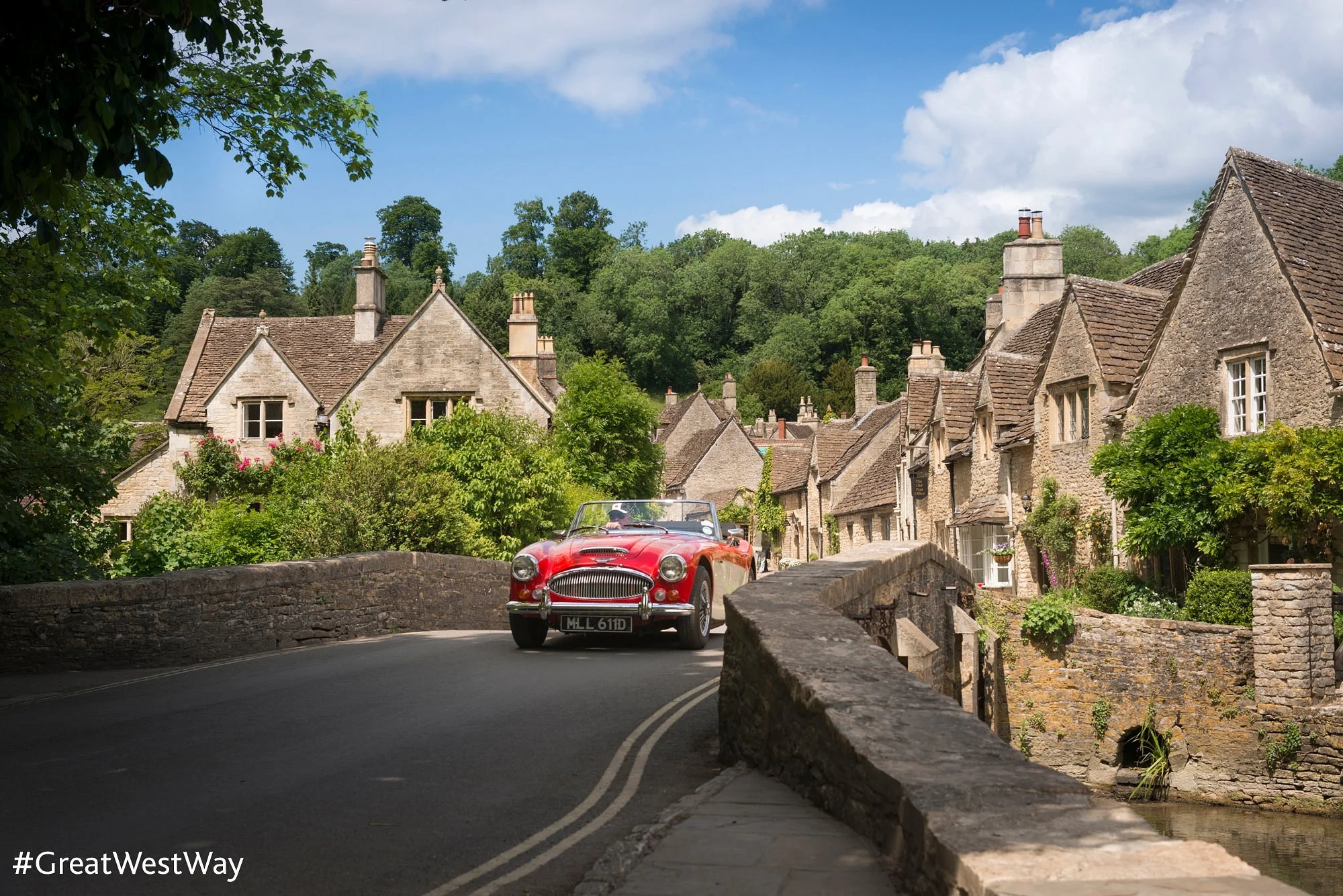
Final Thoughts
The best Cotswold villages combine beautiful stone buildings, historic streets, countryside views, independent shops, traditional pubs, and opportunities to slow down. Famous places such as Bourton-on-the-Water, Bibury, Broadway, and Chipping Campden are popular for good reason, but quieter villages such as Blockley, Naunton, and Bourton-on-the-Hill can make a Cotswolds trip feel more relaxed.
If you are planning more UK adventures, take a look at the best theme parks in UK, best romantic getaways in UK, Best Universities in the UK and best UK road trips. For a shorter escape from the capital, our guide to best weekend trips from London has more ideas.
FAQs
What are the best Cotswold villages?
Some of the best-known Cotswold villages and towns include Bourton-on-the-Water, Bibury, Broadway, Chipping Campden, Stow-on-the-Wold, Castle Combe, Lower Slaughter, and Painswick. The best choice depends on whether you prefer popular sights, shopping, walking, history, or quieter countryside.
What is the prettiest village in the Cotswolds?
There is no single answer because the Cotswolds has many villages with distinctive scenery. Bibury, Bourton-on-the-Water, Castle Combe, Broadway, and the Slaughters are among the places commonly associated with picturesque Cotswold scenery.
Which Cotswold villages are best for a day trip?
Bourton-on-the-Water, Bibury, Broadway, Stow-on-the-Wold, and Chipping Campden can all work well for day trips. Your choice will depend on where you are travelling from and how many villages you want to include.
What are the quietest villages in the Cotswolds?
Smaller villages such as Blockley, Naunton, Bourton-on-the-Hill, and Snowshill can offer a quieter experience than major visitor destinations. Visiting popular villages outside peak periods can also help avoid the largest crowds.
Can you visit the Cotswold villages without a car?
Yes. Some parts of the Cotswolds can be reached by train and bus, while organized tours provide another option. However, public transport coverage varies between villages, so planning your route in advance is important.
How many Cotswold villages can you visit in one day?
Two or three villages can be a more comfortable target for a day trip, depending on their locations and how much time you want to spend in each. Trying to cover too many places can turn the day into a driving itinerary rather than a village experience.