England’s coastline offers far more variety than its reputation for traditional seaside resorts might suggest. From broad golden sands and dramatic Atlantic coves to quiet dunes, sheltered bays and lively surf beaches, there are countless beaches in England to discover.
The best beach depends on the kind of day you want. Cornwall is known for dramatic coves and surfing, Norfolk offers wide sandy shores and open coastal landscapes, while Dorset combines beautiful beaches with spectacular cliffs and Jurassic Coast scenery. Further north, Yorkshire and Northumberland provide wild stretches of coastline with a quieter feel.
Whether you’re planning a family day out, a coastal walking break, a summer swimming trip or a weekend by the sea, England has a beach to suit almost every type of traveler.
The Best Beaches in England at a Glance
Some of the most memorable beaches to consider for an English coastal trip include:
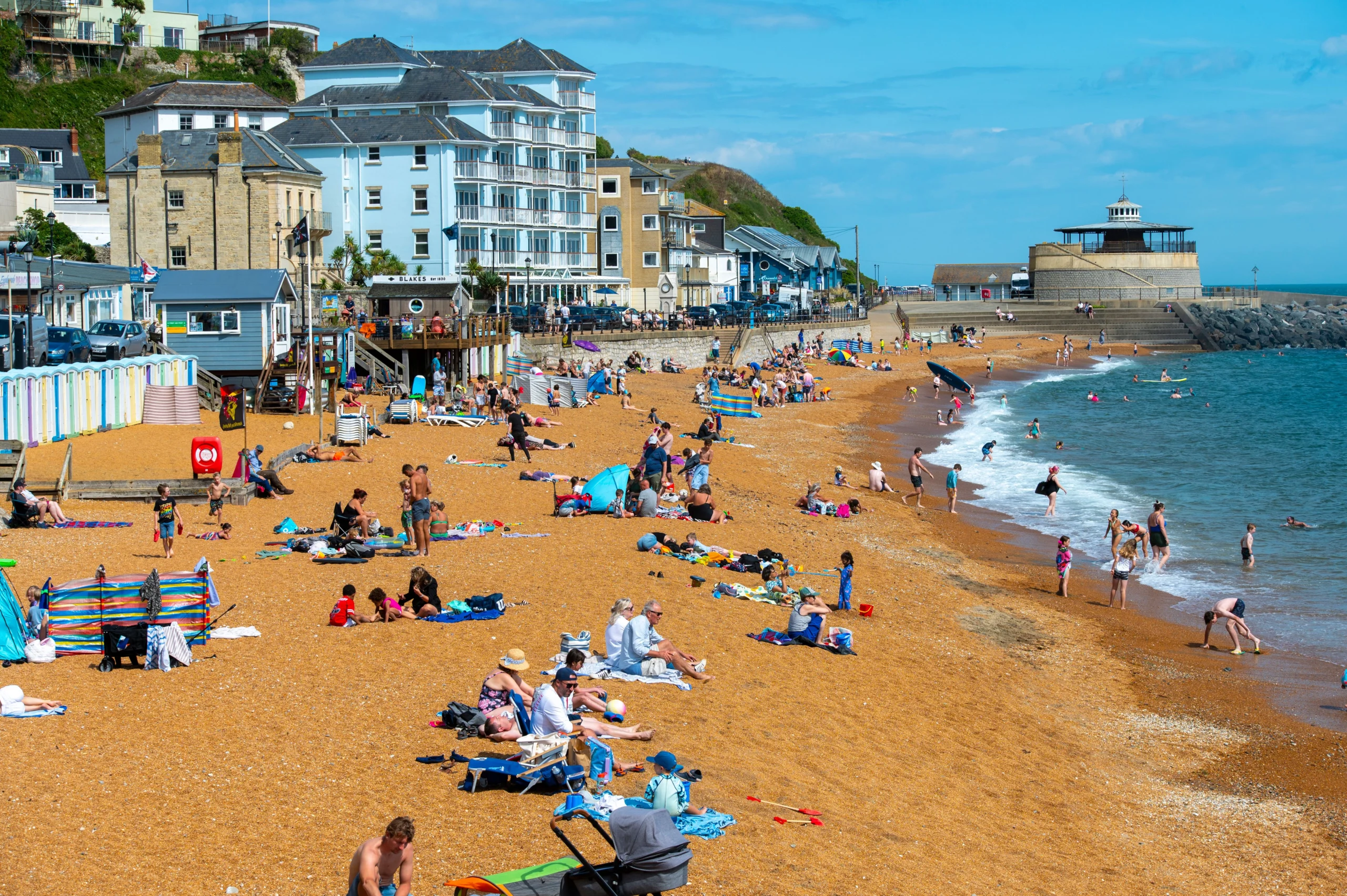
- Weymouth Beach, Dorset – a traditional seaside favourite with golden sand and a lively waterfront
- Durdle Door Beach, Dorset – famous for its natural limestone arch and dramatic Jurassic Coast setting
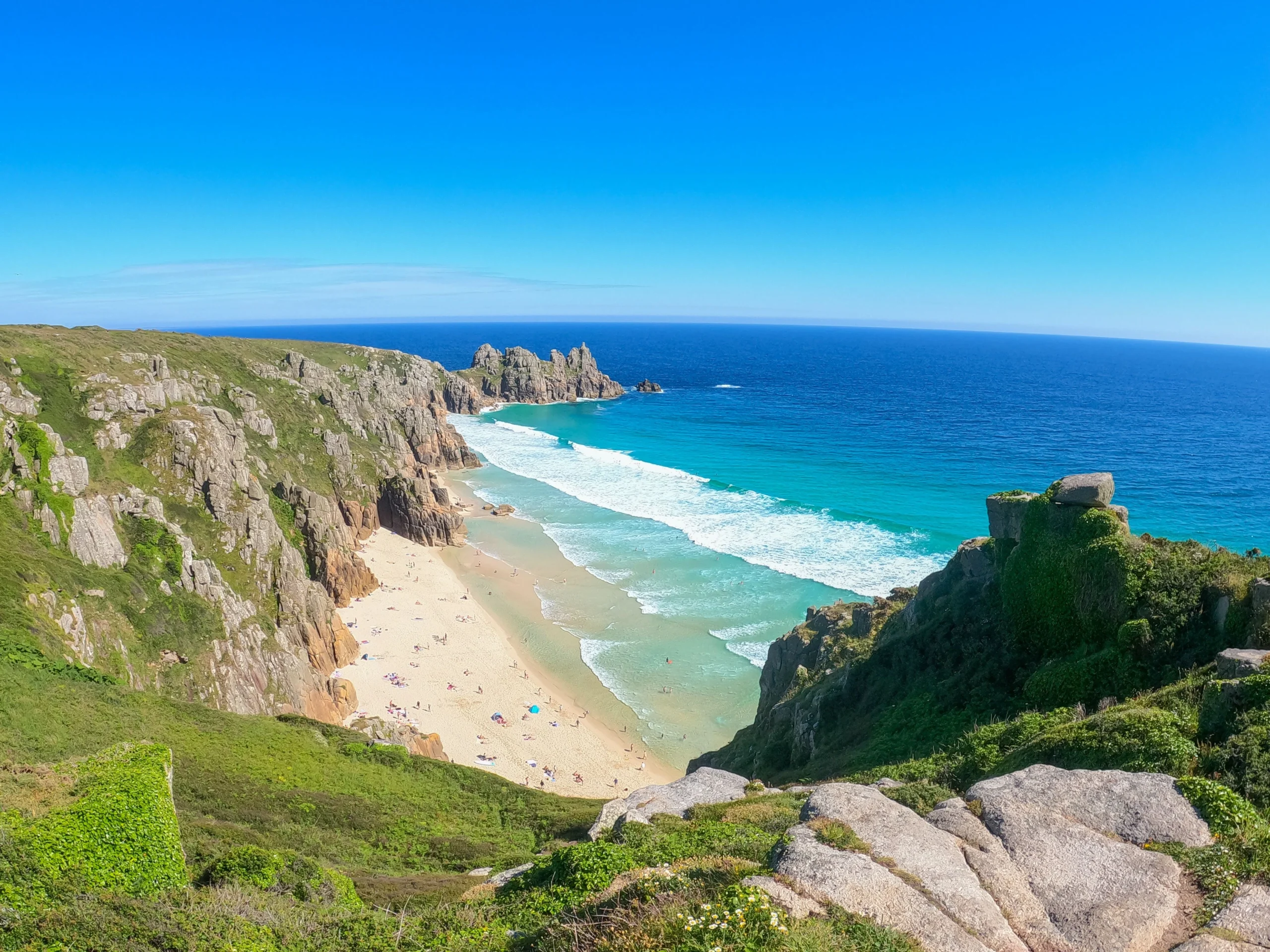
- Porthcurno Beach, Cornwall – turquoise water, soft sand and imposing cliffs
- Fistral Beach, Cornwall – one of England’s best-known surfing beaches
- Kynance Cove, Cornwall – a spectacular tidal cove surrounded by rocky cliffs
- Wells-next-the-Sea Beach, Norfolk – wide sand, colorful beach huts and pine woodland
- Holkham Beach, Norfolk – a vast, open stretch of coastline backed by dunes and woodland
- Saltburn Beach, North Yorkshire – a historic seaside setting with a pier and surfing culture
- Bamburgh Beach, Northumberland – expansive sands overlooked by Bamburgh Castle
- Formby Beach, Merseyside – dunes, pine woodland and a more natural coastal experience
These locations offer very different experiences, which is why there is no single answer to the question of which are the best beaches in England. The ideal choice depends on whether you priorities scenery, swimming, surfing, family facilities, wildlife or peaceful walks.
Beaches in Cornwall
Cornwall is one of the first places that comes to mind when people think about beaches in England. Its long coastline includes hundreds of beaches and coves, ranging from exposed Atlantic surf spots to sheltered southern bays. Visit Cornwall describes the county’s coastline as particularly varied, with the north coast suited to surfing and coastal adventures while the south offers calmer coves and sheltered waters.
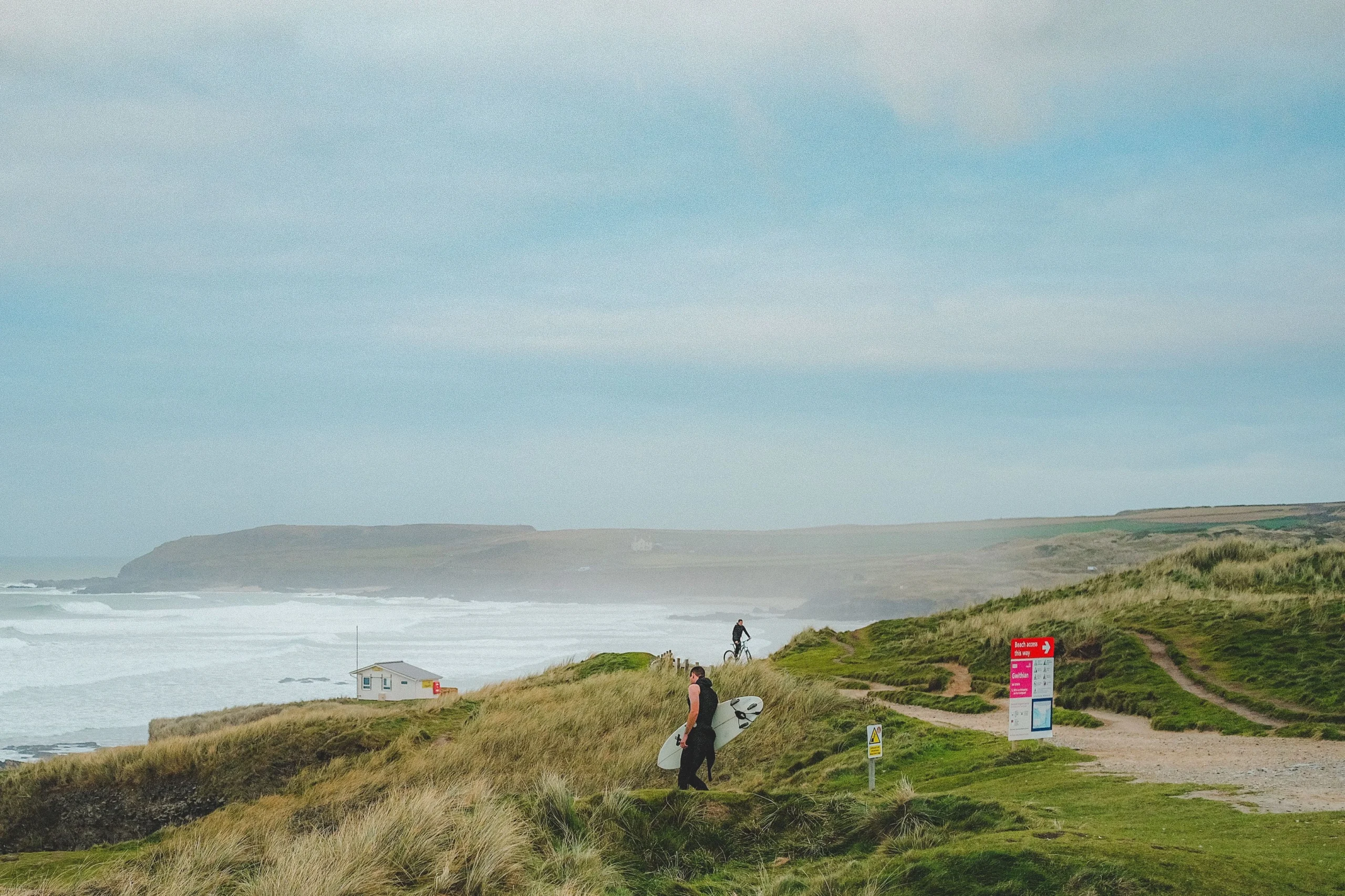
1. Porthcurno Beach
Porthcurno is one of Cornwall’s most striking beaches, with pale sand, clear blue-green water and steep cliffs creating a naturally dramatic setting.
The beach is south-facing and sheltered by high headlands, which can make it feel warmer and calmer during good weather. Coastal paths around Porthcurno also provide excellent views, while the South West Coast Path passes directly behind the beach.
Best for: Scenery, photography, coastal walks and families.
2. Fistral Beach
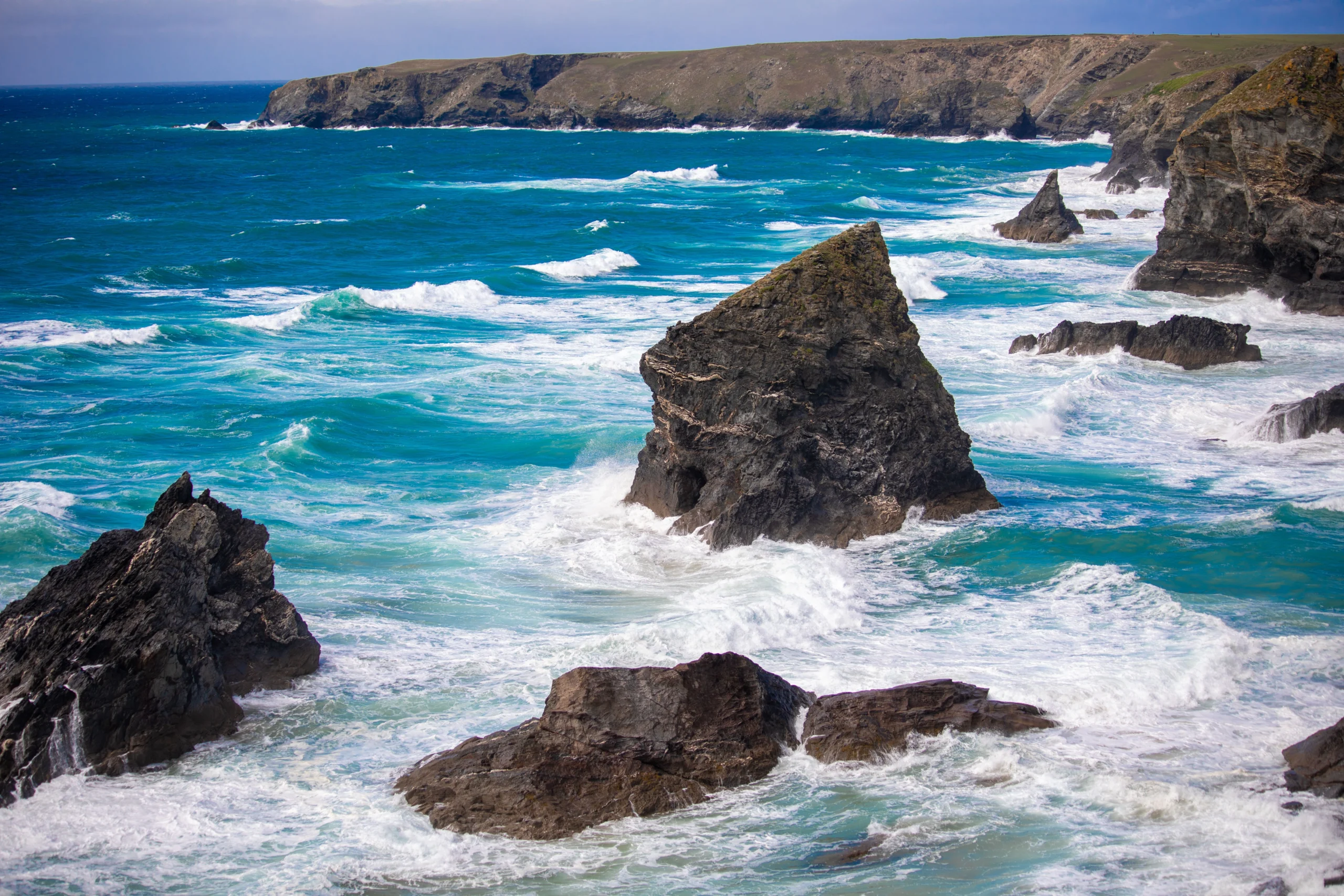
Fistral Beach in Newquay is one of the country’s most recognizable surfing destinations. Its exposed Atlantic position produces the waves that have made Newquay famous among surfers, while the surrounding town provides plenty of places to eat, stay and enjoy a traditional seaside break. Visit Cornwall identifies Fistral as a central part of Newquay’s surfing reputation.
Best for: Surfing, water sports and lively beach holidays.
3. Kynance Cove
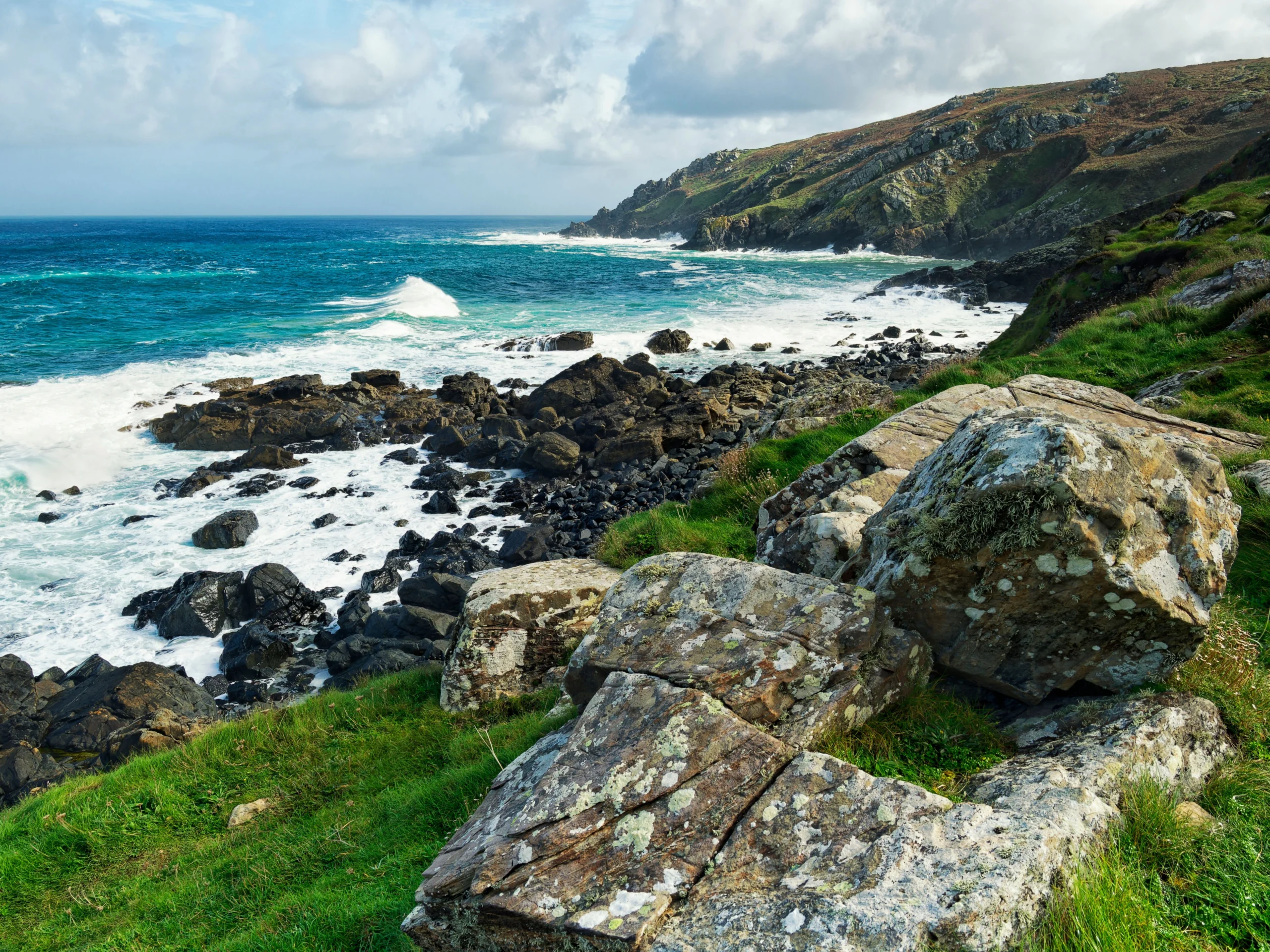
Kynance Cove on the Lizard Peninsula combines dramatic rock formations, pale sand and clear water. At low tide, visitors can explore caves and rock pools, while the South West Coast Path provides elevated views of the cove and surrounding coastline.
The beach is tidal, and the official visitor information advises visitors to keep an eye on conditions because people can become cut off as the tide rises.
Best for: Coastal scenery, photography and exploring at low tide.
4. Sennen Cove
Close to Land’s End, Sennen Cove is another popular west Cornwall beach known for its sandy shore and Atlantic swell. It works well for visitors who want to combine beach time with dramatic coastal scenery and one of the UK’s most famous landscape destinations.
Best for: Surfing, walks and Land’s End day trips.
Beaches in Dorset
Dorset’s coastline is particularly appealing for travelers who want scenery as well as time on the sand. Much of the area forms part of the Jurassic Coast, a World Heritage Site known for its geological significance and dramatic cliffs.
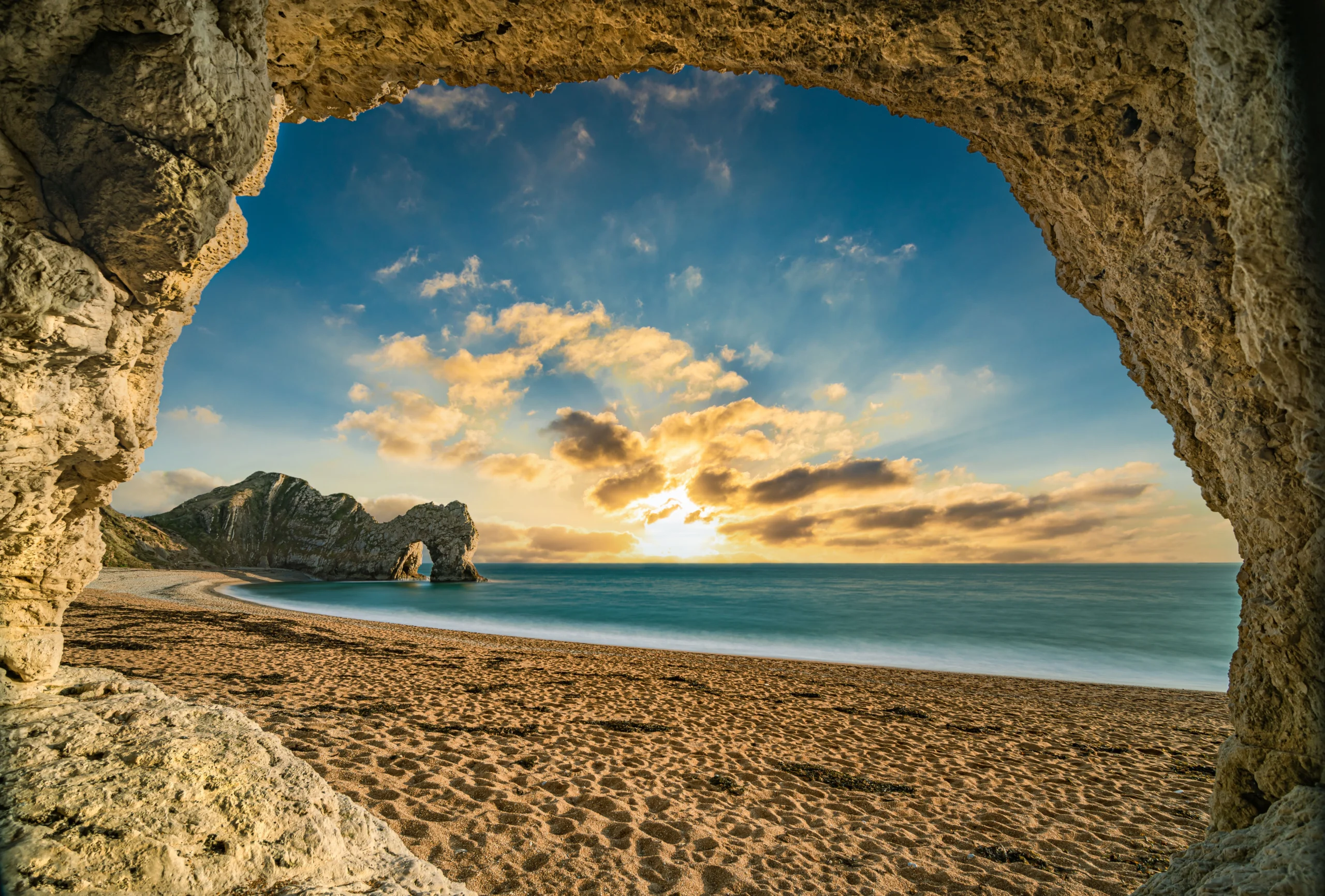
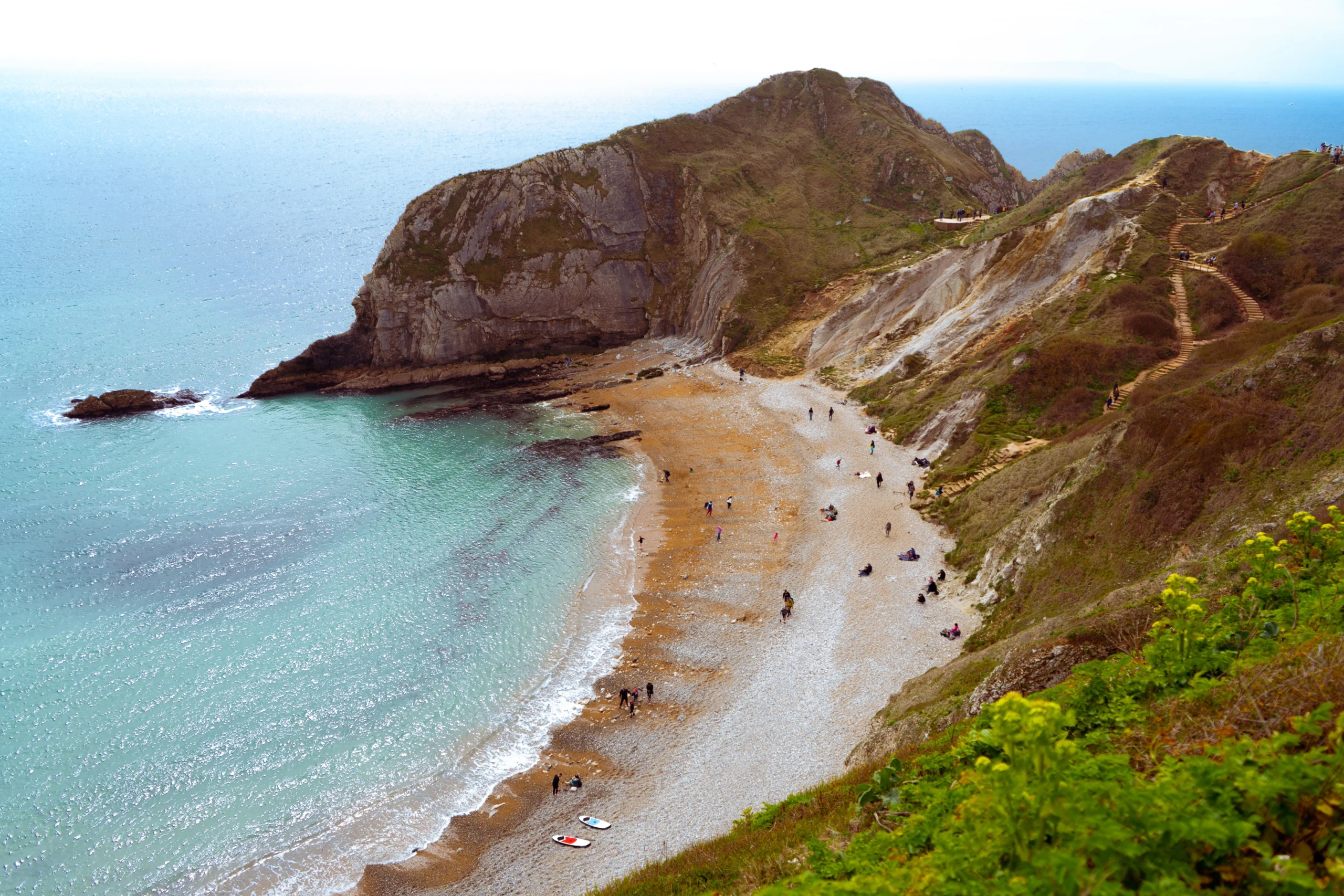
1. Durdle Door Beach
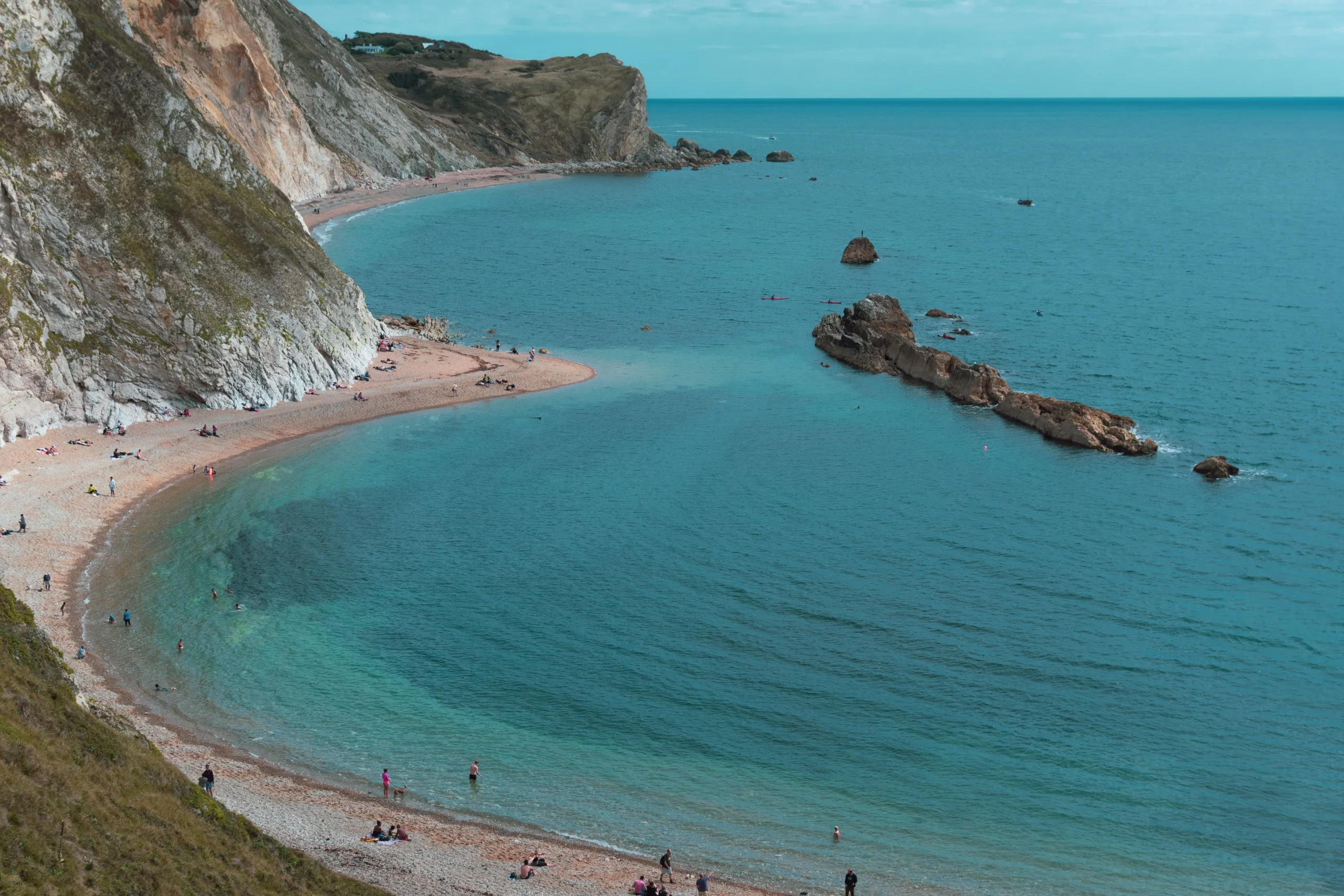
Durdle Door is one of England’s most recognizable coastal landmarks. The natural limestone arch rising from the sea makes the beach instantly recognizable, while the surrounding cliffs create a spectacular backdrop.
The walk down to the beach can be steep, so visitors should consider the route carefully and wear suitable footwear.
Best for: Iconic scenery, photography and coastal walks.
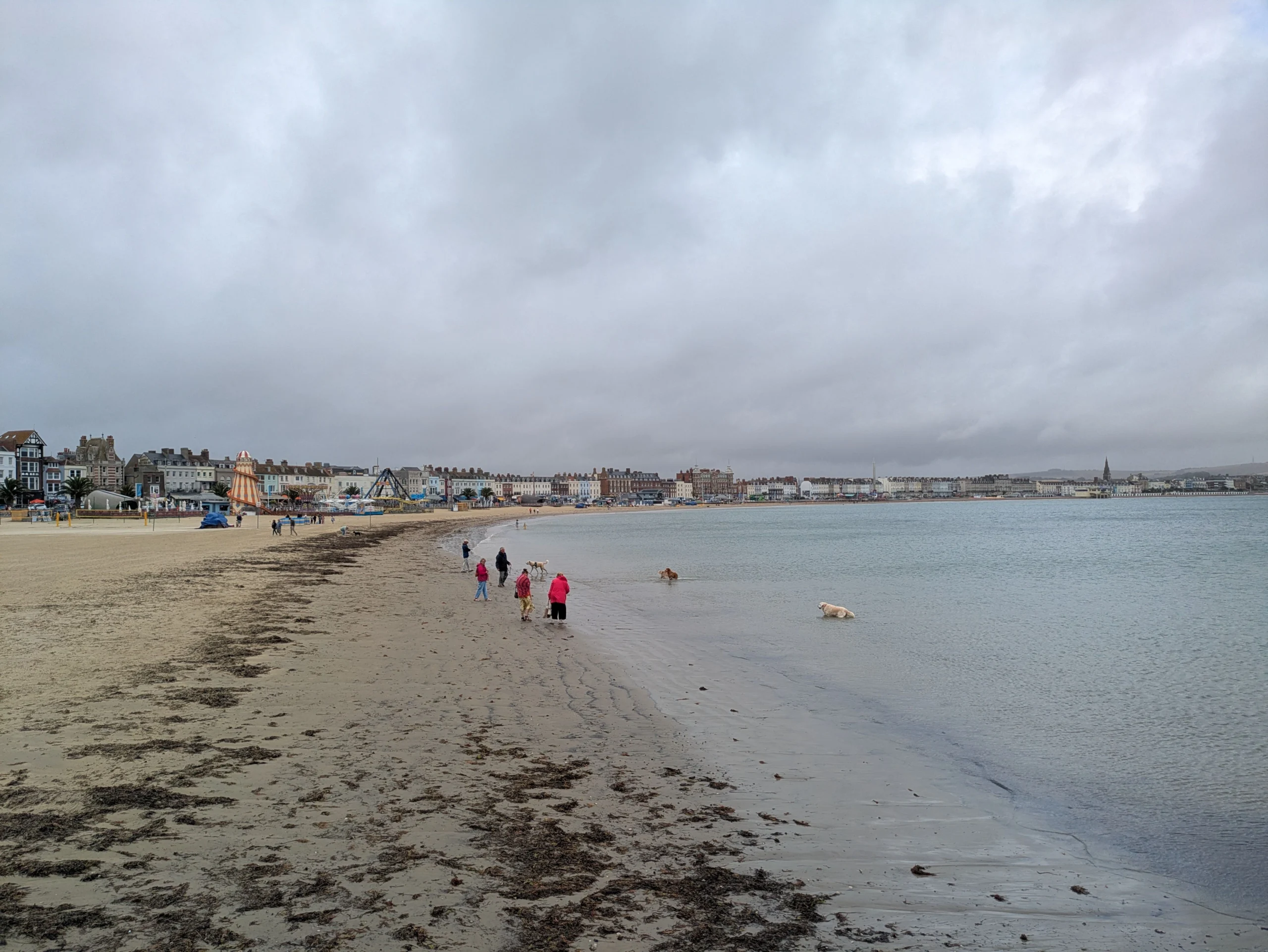
2. Weymouth Beach
Weymouth offers a very different experience. Instead of a remote cove, visitors get a classic seaside resort atmosphere with a broad sandy beach, promenade and plenty of nearby facilities.
It is particularly suitable for families and travelers who prefer to have restaurants, accommodation and other attractions within easy reach.
Best for: Families, traditional seaside holidays and accessible beach days.

3. Studland Bay
Studland Bay offers several miles of sandy coastline backed by dunes and heathland. Its combination of beach, walking routes and nearby countryside makes it a strong option for visitors who want to spend more than a few hours by the sea. Visit England highlights Studland among Dorset’s notable coastal destinations.
Best for: Nature, walking and longer coastal days.
Beaches in Norfolk
Norfolk is one of the most rewarding areas for anyone searching for beaches in Norfolk, England. The county has around 90 miles of coastline, with broad sandy beaches, dunes, salt marshes and traditional seaside towns.
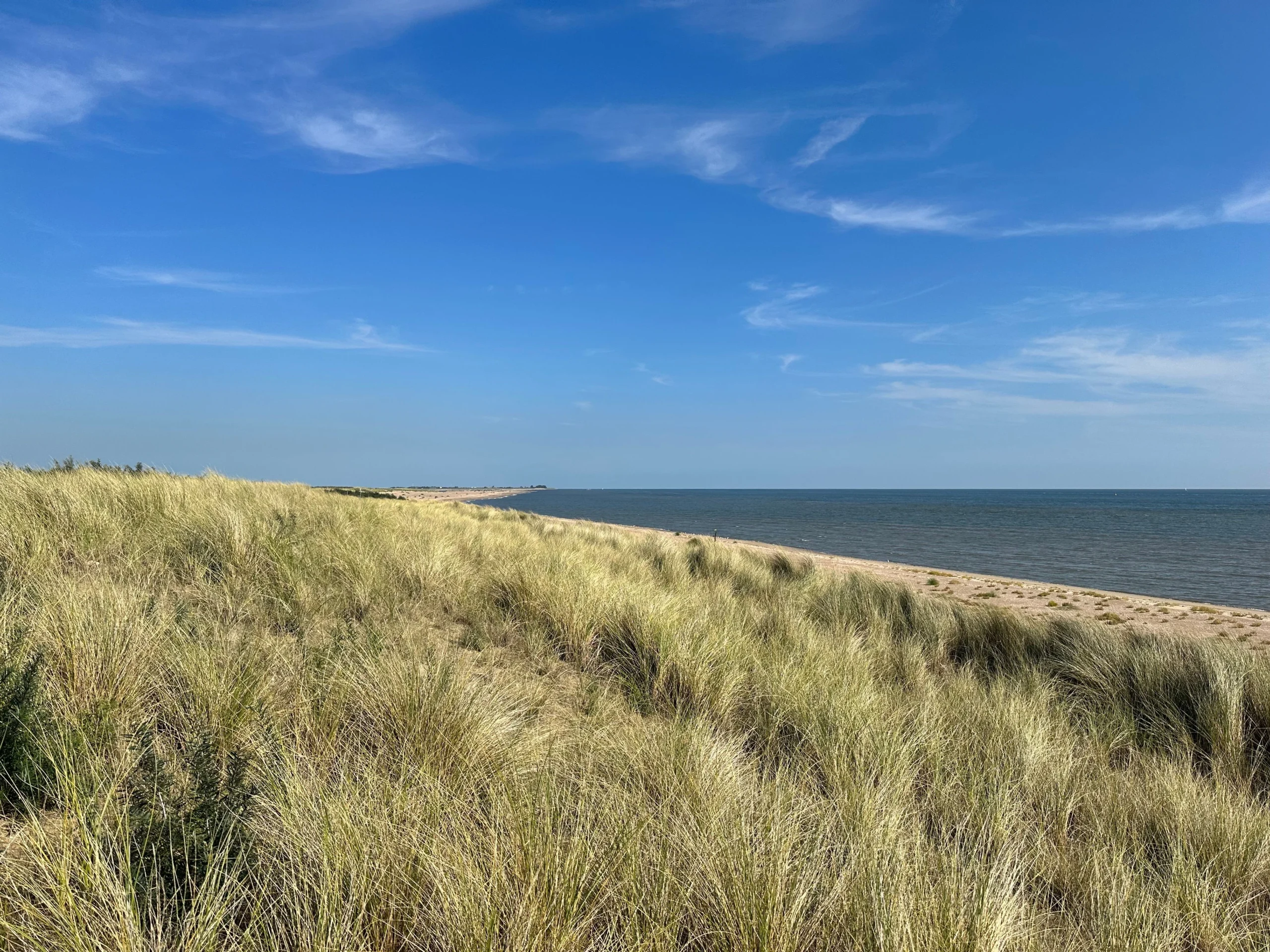
1. Holkham Beach
Holkham Beach is one of the widest and most open beaches on the Royal Norfolk Coast. It is backed by dunes and pine woodland, creating a spacious and natural setting that feels very different from built-up seaside resorts.
Access involves walking through woodland and across low dunes, so comfortable footwear is useful. At low tide, the beach opens into an enormous area of sand.
Best for: Long walks, nature, photography and peaceful beach days.
2. Wells-next-the-Sea Beach
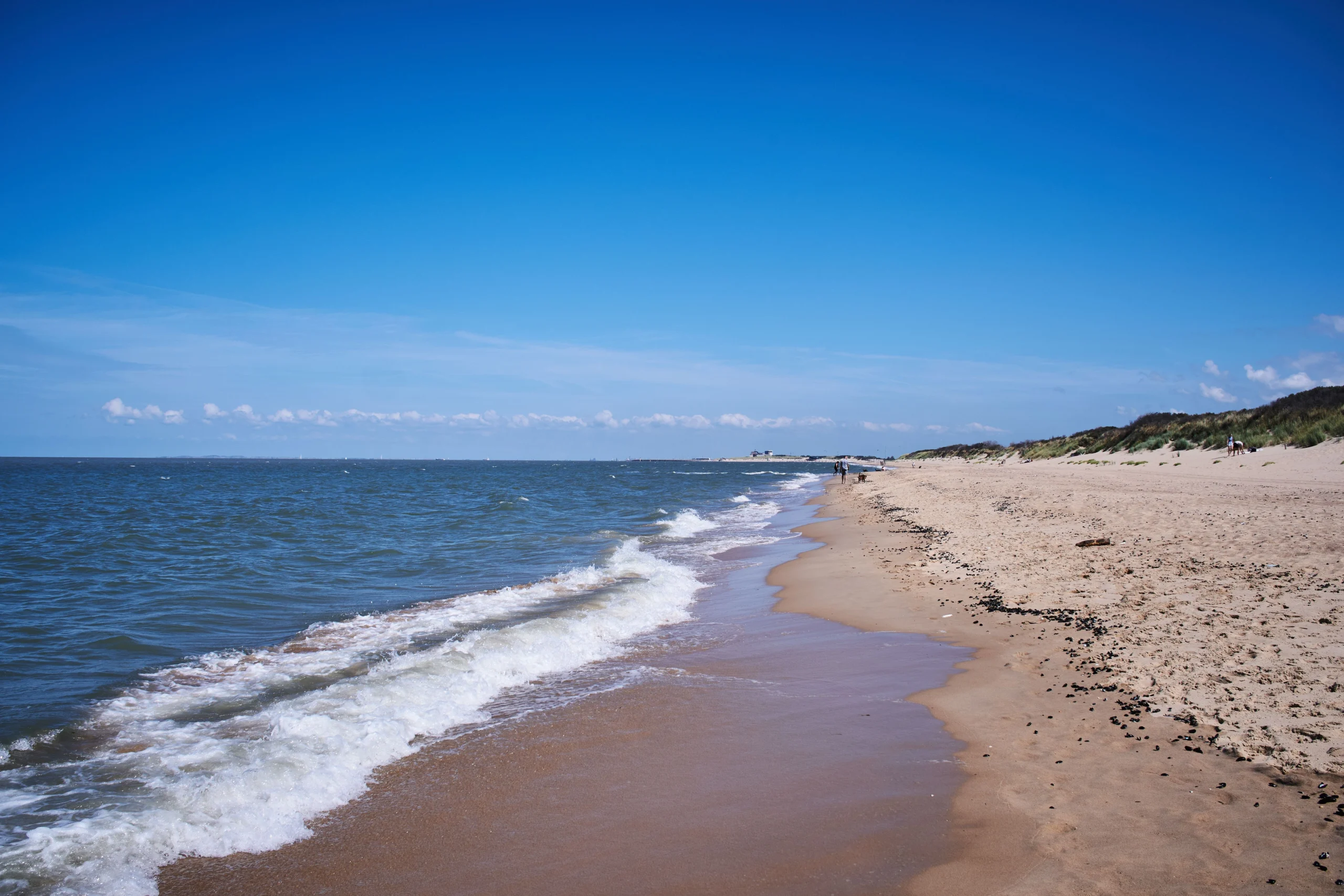
Wells-next-the-Sea is one of the most recognizable beaches on the Norfolk coast, with a wide sandy shoreline backed by pine trees and a distinctive row of colourful beach huts.
At low tide, extensive sand is exposed, making it popular for walks and family outings. The tide can return quickly, so visitors should pay attention to local warnings when exploring further along the shore.
Best for: Families, beach walks and traditional seaside scenery.
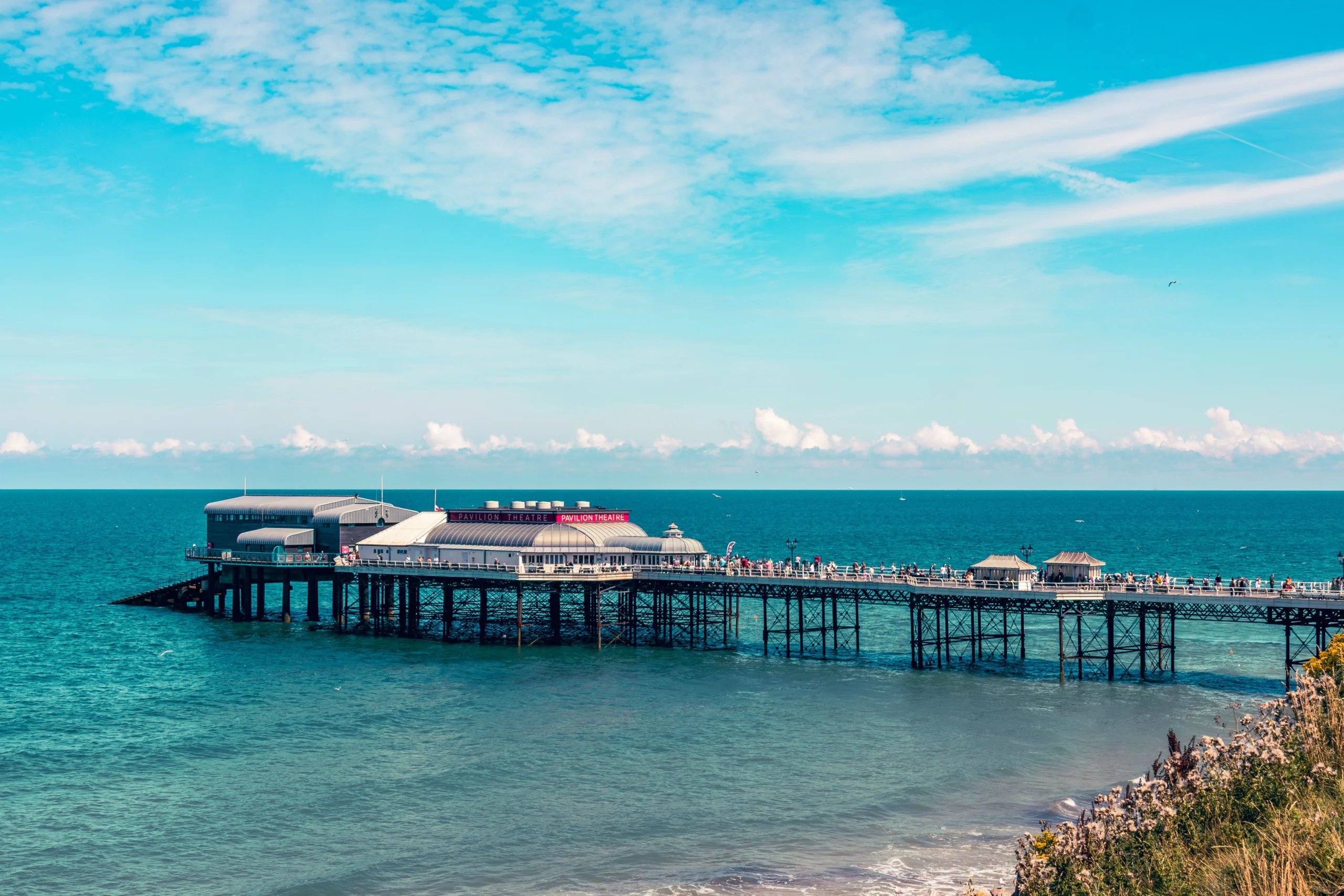
3. Cromer Beach
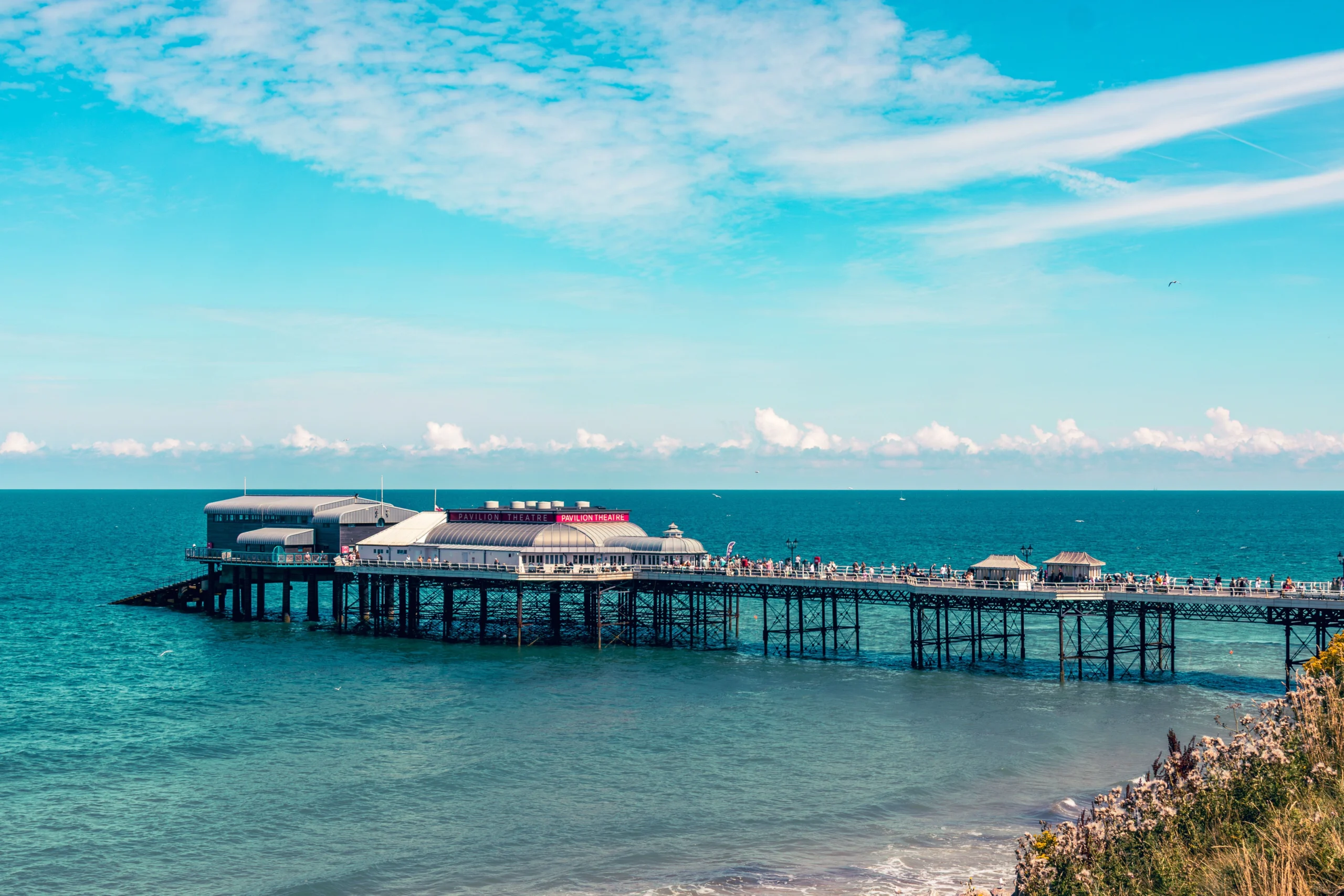
Cromer combines a sandy beach with a classic Victorian seaside setting. Its pier and historic resort atmosphere make it particularly appealing to visitors who want more than a quiet day on the sand.
The area is also known for Cromer crab and its coastal views.
Best for: Traditional seaside trips, food and pier walks.
4. Holme-next-the-Sea Beach
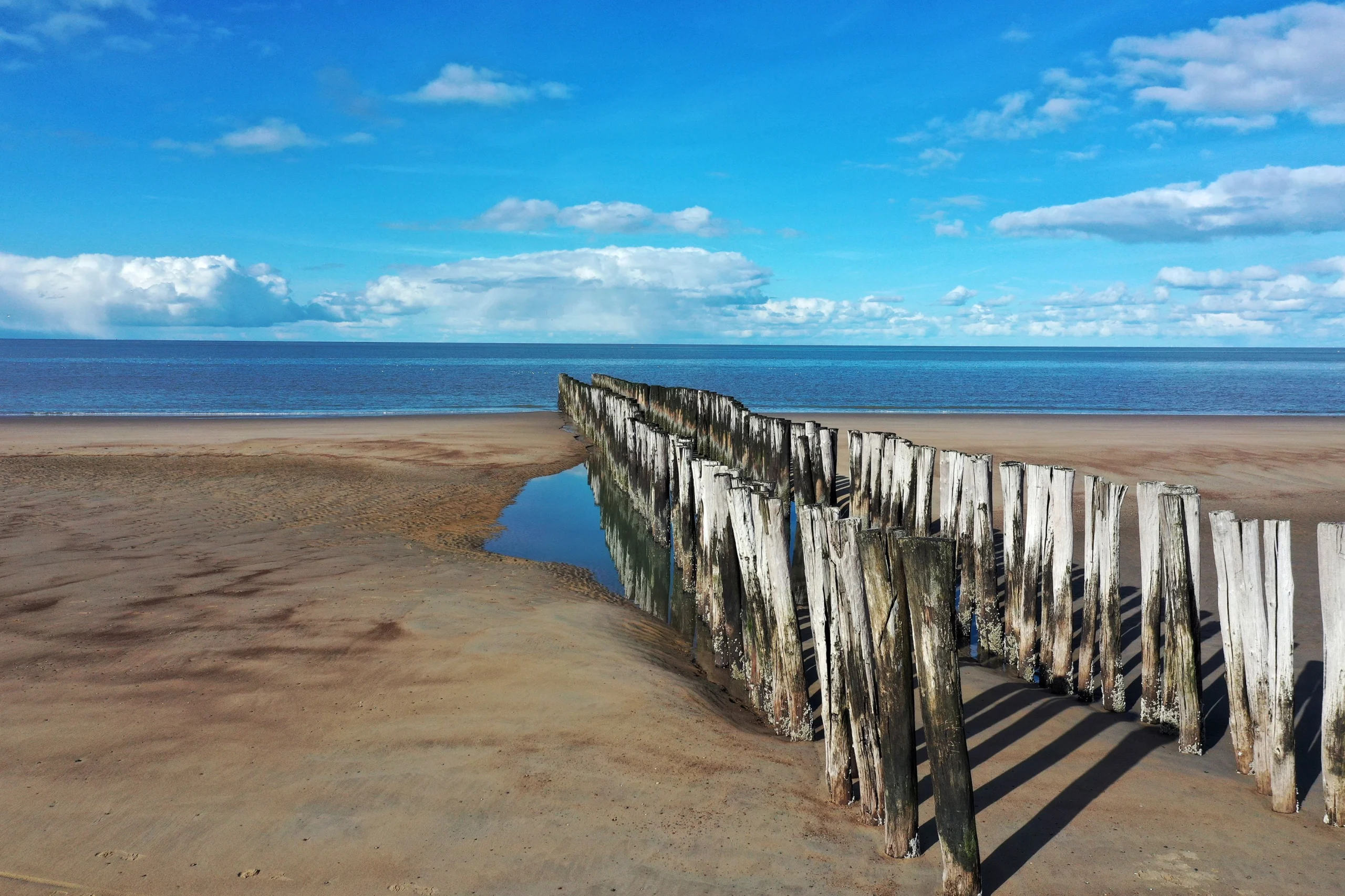
For a quieter experience, Holme-next-the-Sea offers a largely undeveloped coastal landscape backed by dunes and saltmarsh. It sits near Holme Dunes Nature Reserve and can be particularly appealing to wildlife lovers and walkers.
Best for: Wildlife, photography and peaceful coastal walks.
Beaches in Northumberland
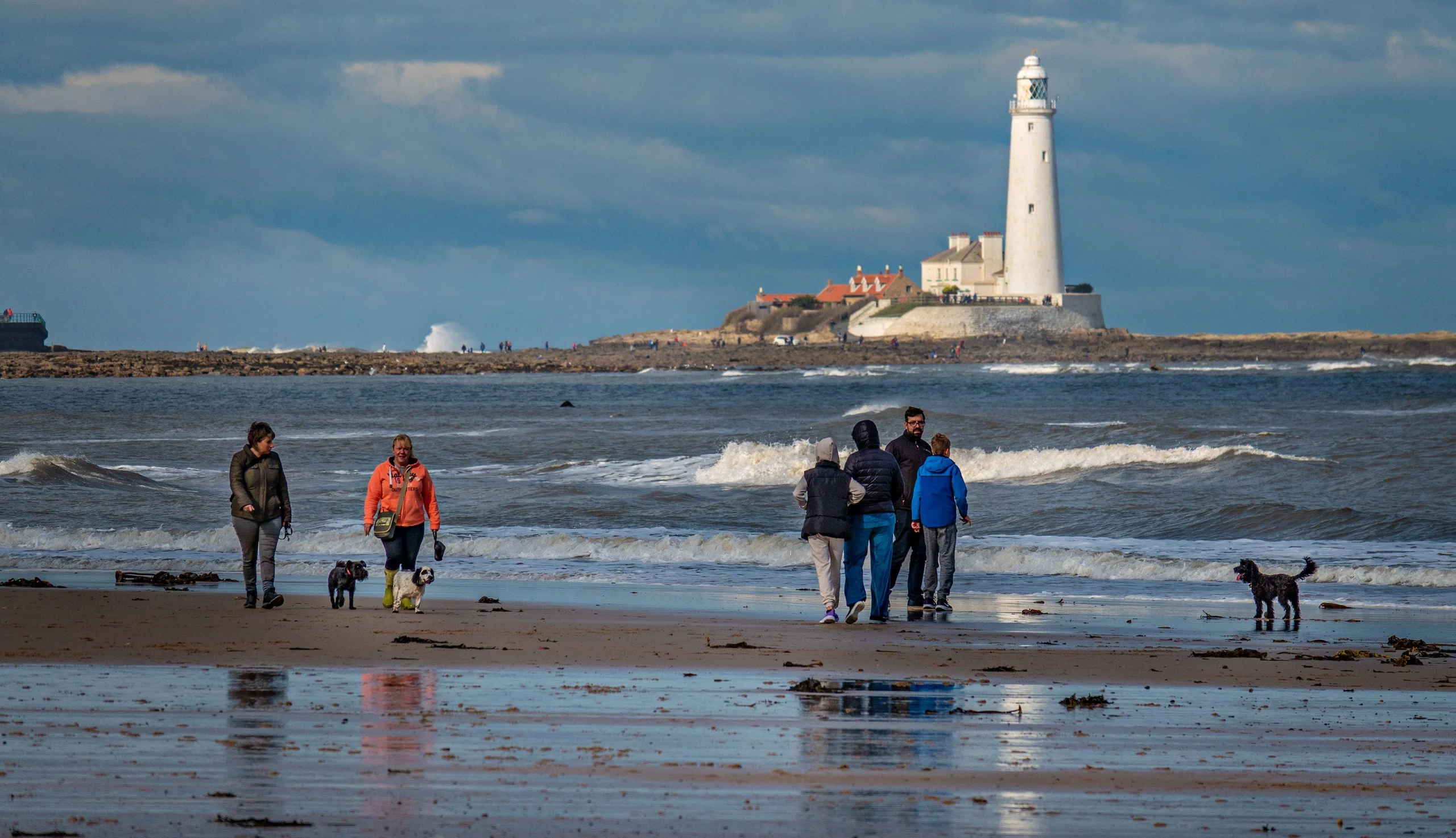
Northumberland’s coastline feels wilder and more spacious than many of the UK’s better-known beach destinations. Wide sands, historic landmarks and quieter stretches of coast make the region ideal for travelers who want scenery without the busiest resort atmosphere.
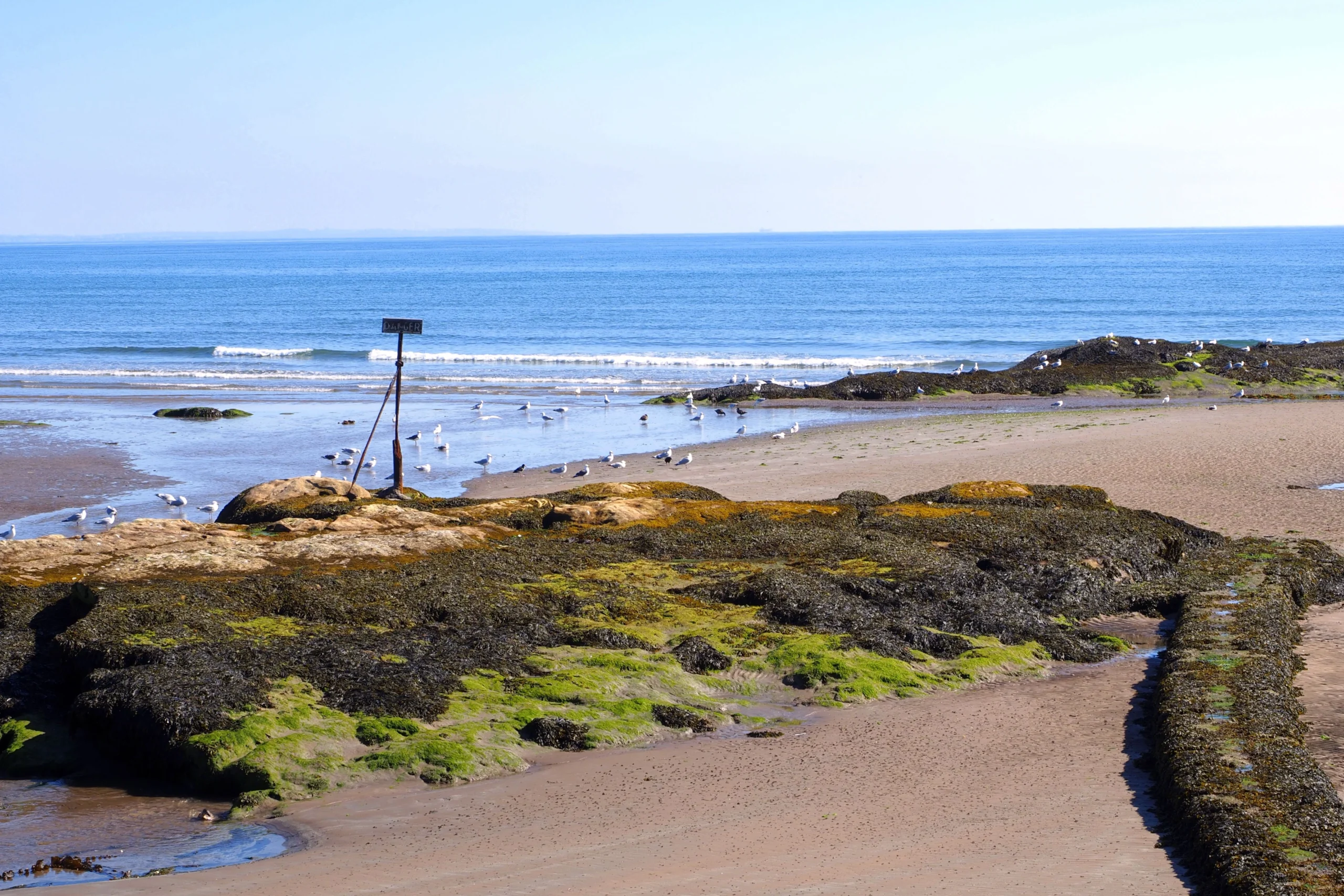
1. Bamburgh Beach
Bamburgh Beach is famous for the enormous stretch of sand that sits beneath Bamburgh Castle. The combination of the castle, dunes and North Sea makes this one of the most distinctive coastal settings in northern England.
It is particularly impressive on clear days when the castle dominates the skyline.
Best for: Photography, history and long beach walks.
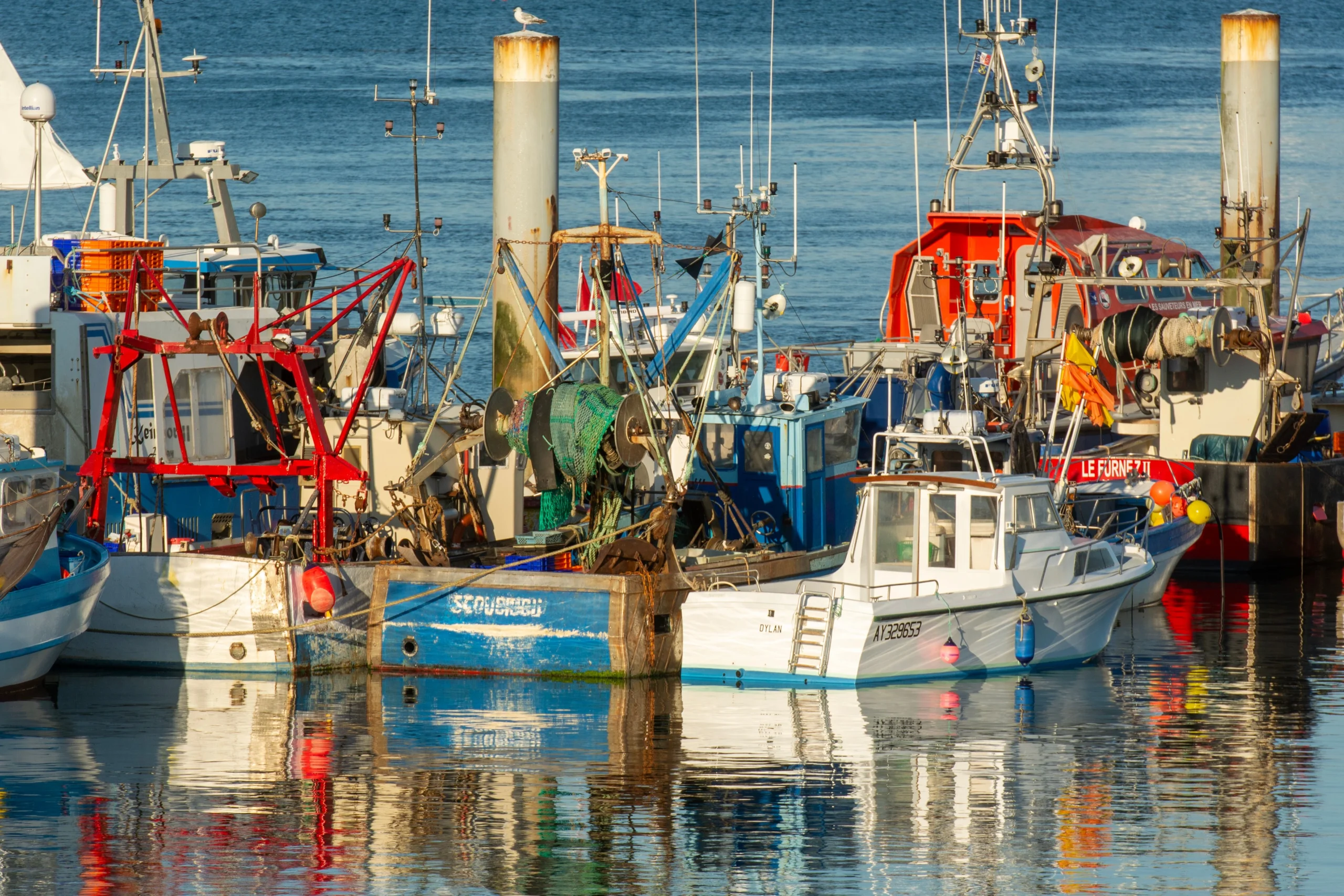
2. Sea-houses
Sea-houses provides a useful base for exploring Northumberland’s coast and nearby beaches. From here, visitors can enjoy sea views, boat trips and easy access to some of the region’s most scenic coastal landscapes.
Visit England lists Sea-houses among England’s coastal hidden gems.
Best for: Coastal exploration, boat trips and Northumberland road trips.
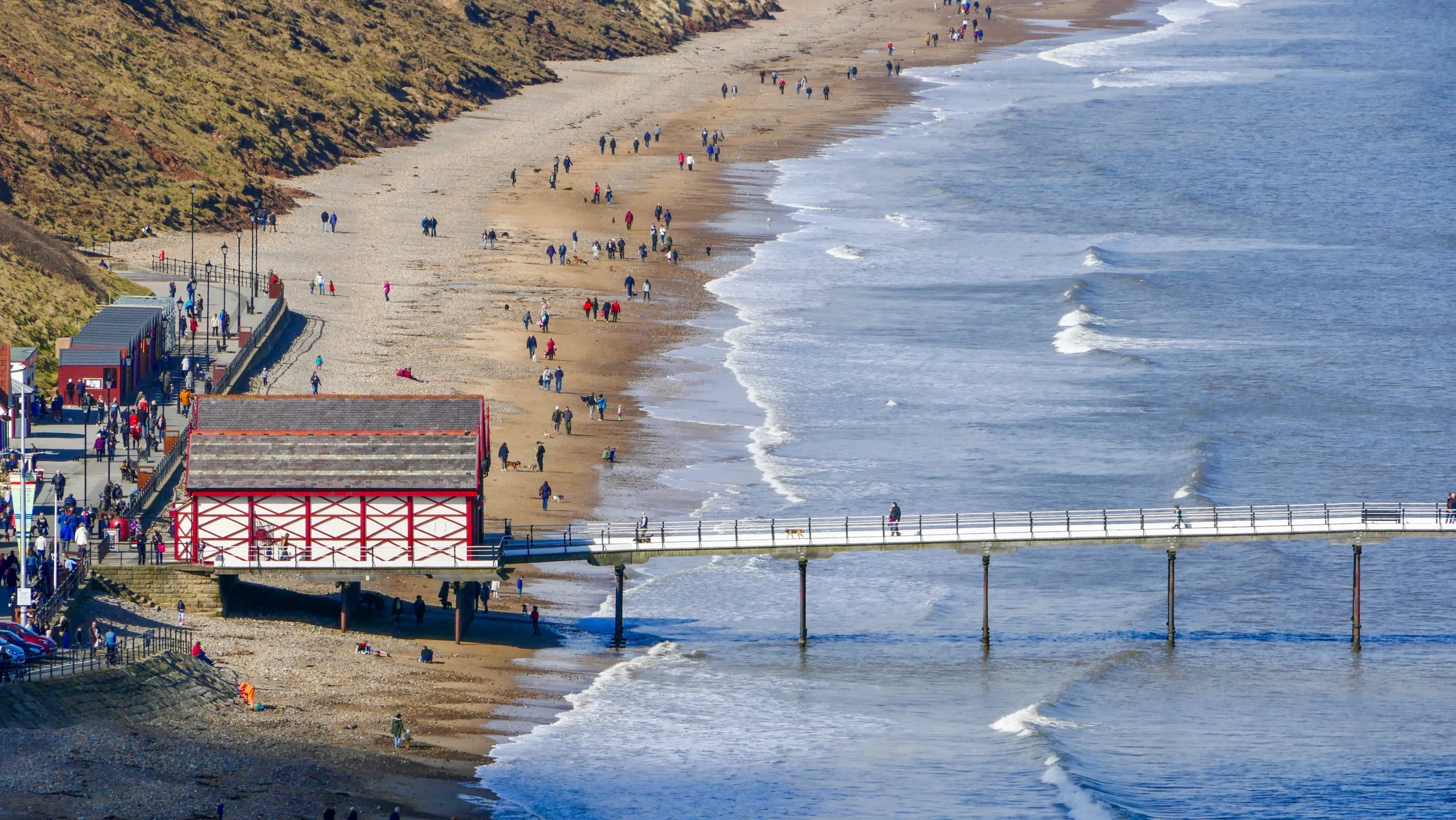
Beaches in North Yorkshire
North Yorkshire offers a mix of traditional seaside towns, sandy beaches and dramatic coastal scenery.

1. Saltburn Beach
Saltburn-by-the-Sea combines a sandy beach with a historic pier, promenade and strong surfing culture. Its Victorian character gives it more of a traditional resort feel than some of England’s remote coastal locations.
The beach is also a good base for exploring the surrounding North Yorkshire coast.
Best for: Surfing, seaside towns and weekend breaks.
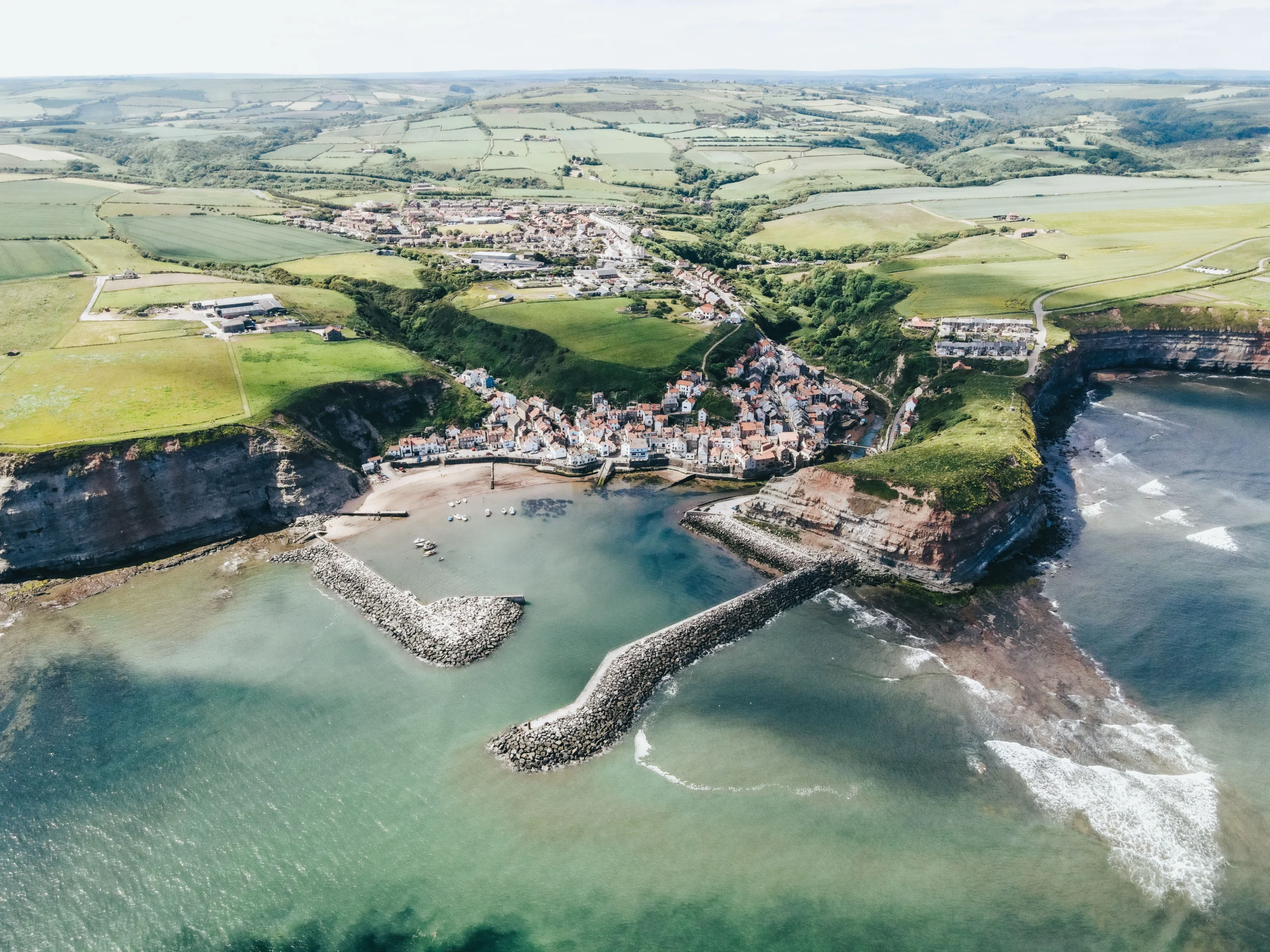
2. Robin Hood’s Bay
Robin Hood’s Bay is a picturesque coastal village known for its narrow streets, historic buildings and dramatic descent towards the sea.
The beach is best experienced as part of a wider coastal walk rather than simply as a conventional sunbathing destination.
Best for: Walking, photography and historic villages.
Beaches in Devon
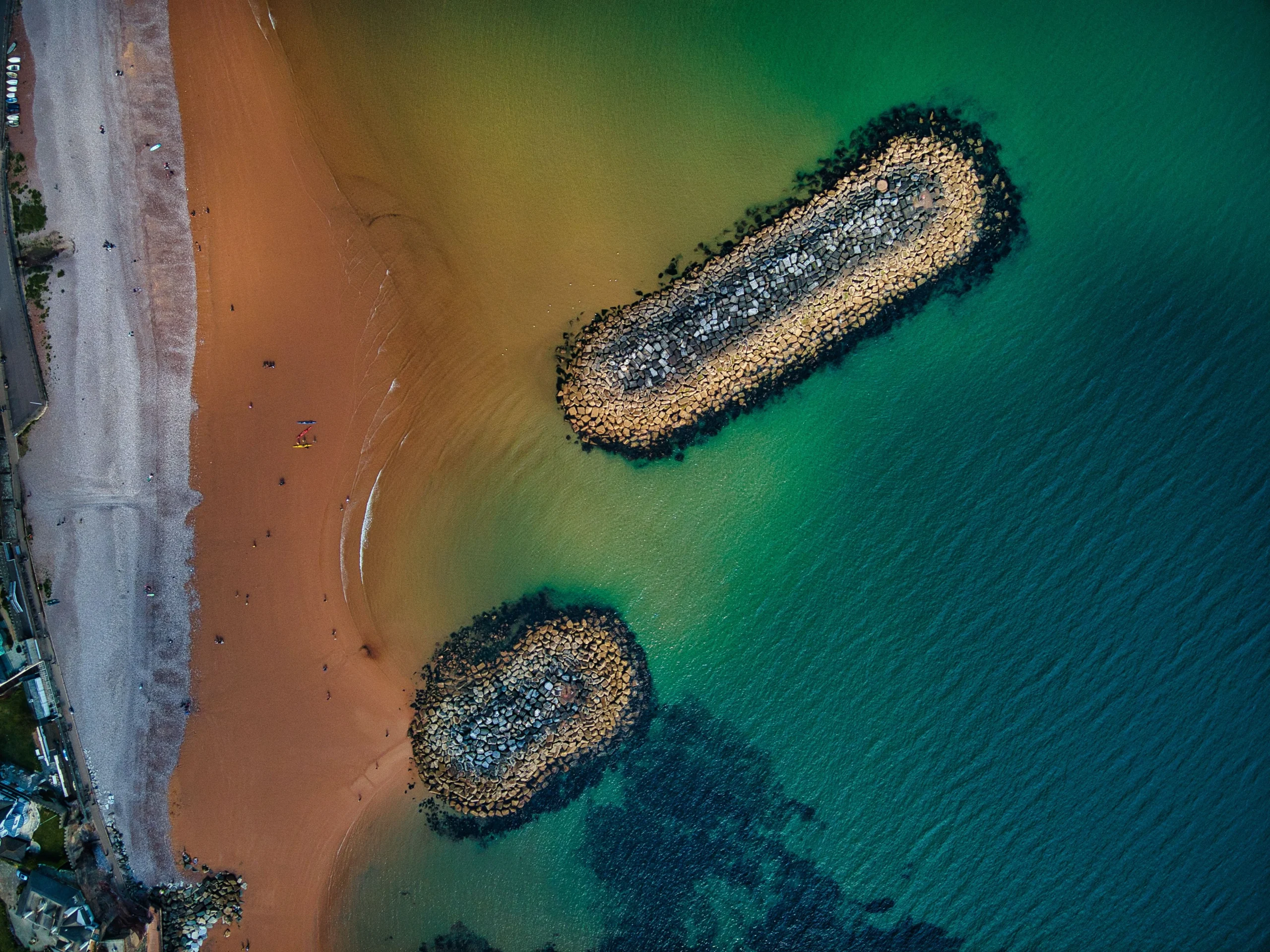
Devon’s coastline offers a broad mixture of sandy beaches, rock pools, surfing locations and sheltered seaside towns. The county works particularly well for road trips because several coastal destinations can be combined with countryside, villages and walking routes.
1. Woolacombe Beach
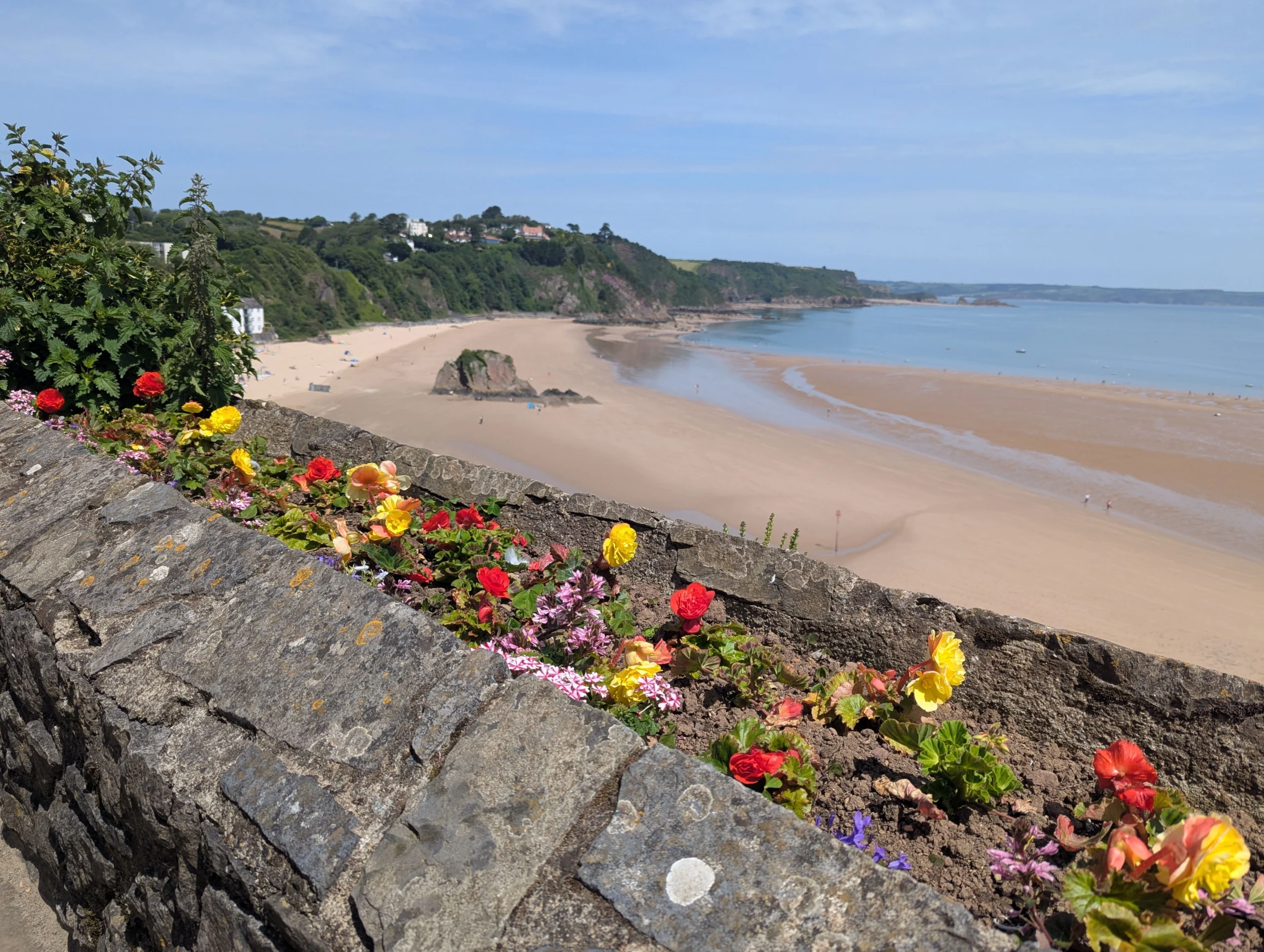
Woolacombe is one of North Devon’s best-known beaches, with a broad sandy shore and a strong reputation for surfing and family holidays.
Its location near the North Devon coast also makes it useful for exploring surrounding beaches and sections of the South West Coast Path. Visit England highlights the region for its combination of beaches, villages and coastal attractions.
Best for: Families, surfing and walking.
2. Salcombe
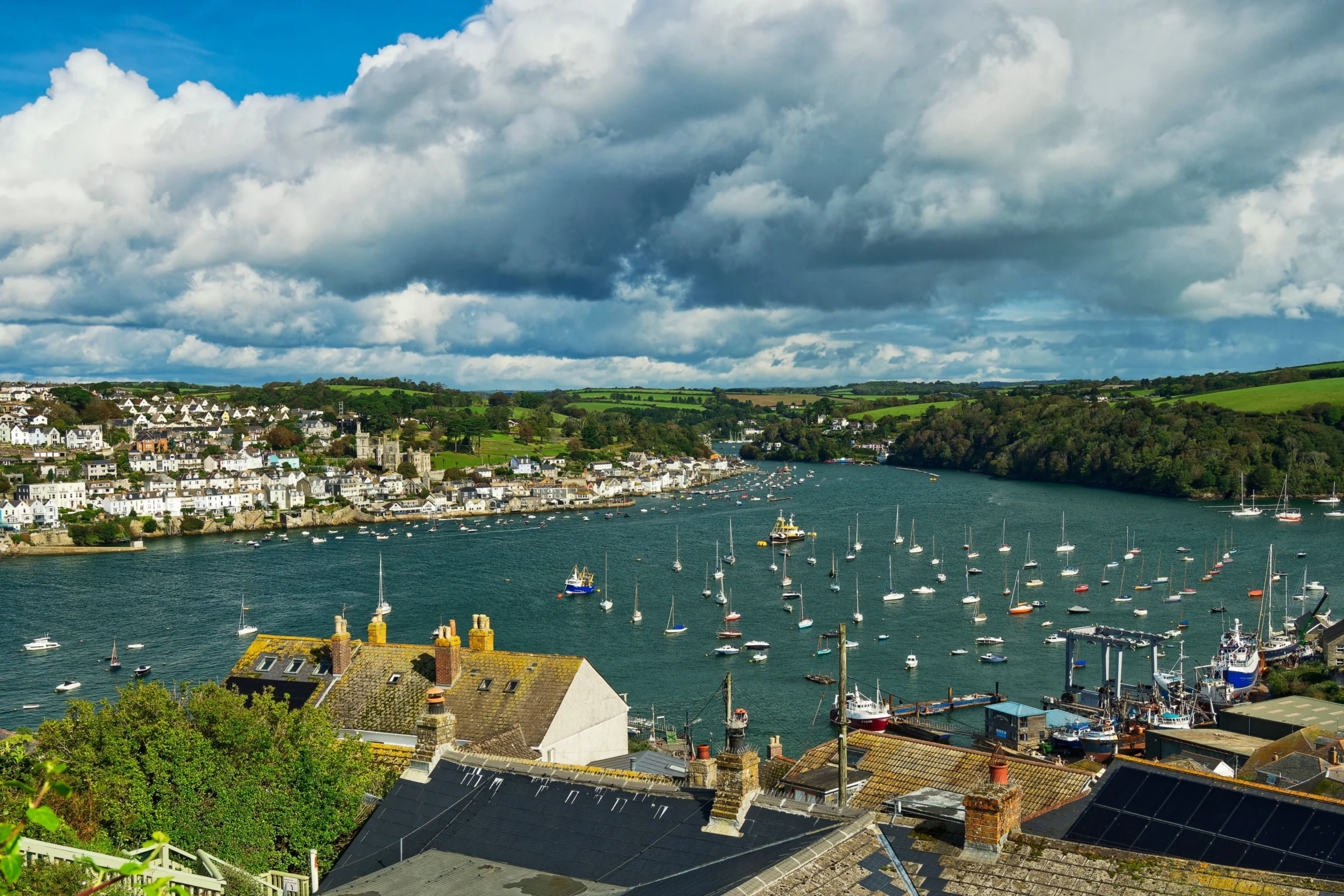
Salcombe is surrounded by a collection of attractive coastal beaches and coves. Rather than functioning as one simple beach destination, the area offers visitors the chance to combine beaches with boating, walking and a picturesque town.
Salcombe is also included among Visit England’s examples of coastal destinations and hidden gems.
Best for: Coastal breaks, boating and couples.
Beaches in East Sussex
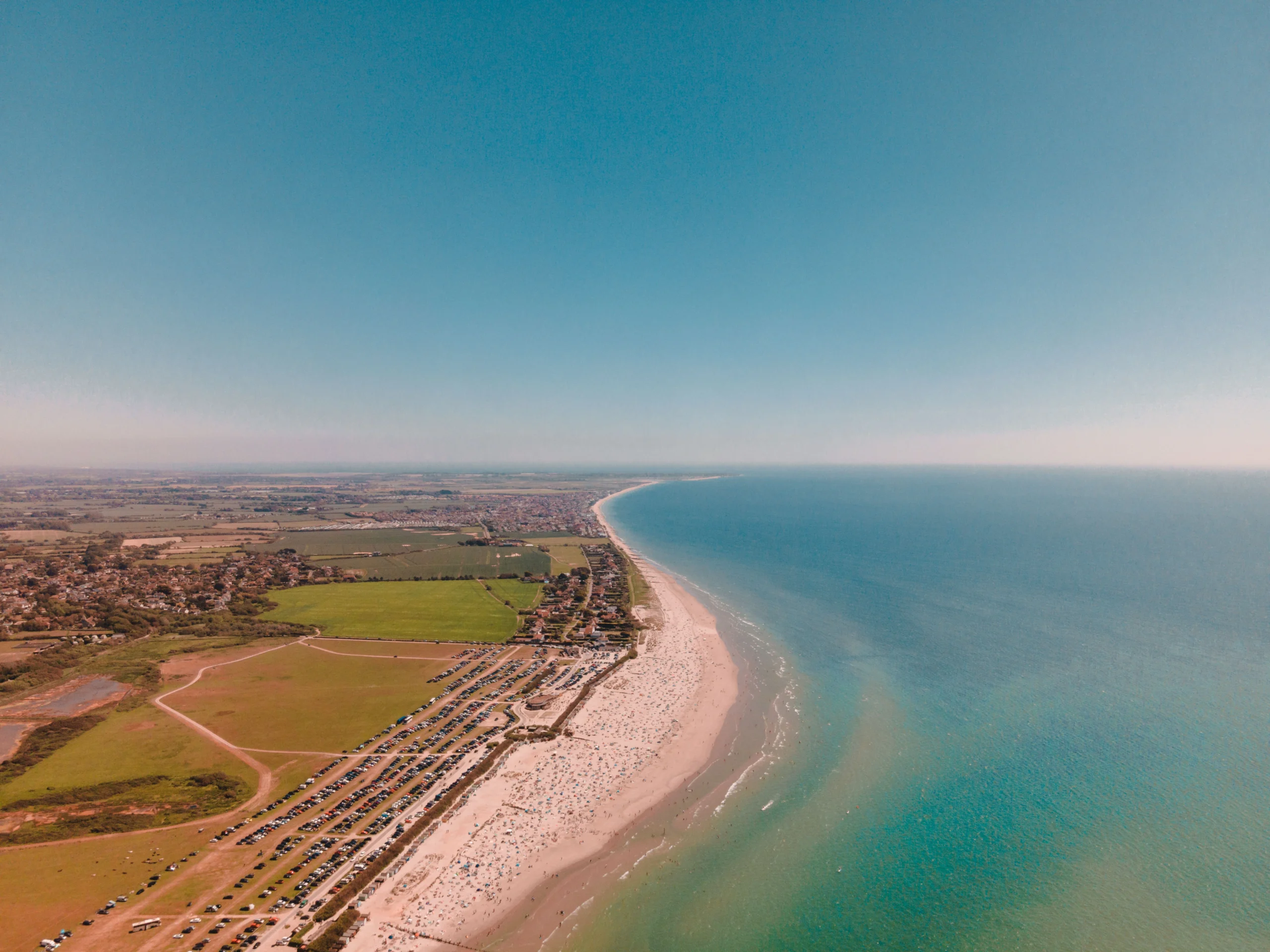
Camber Sands
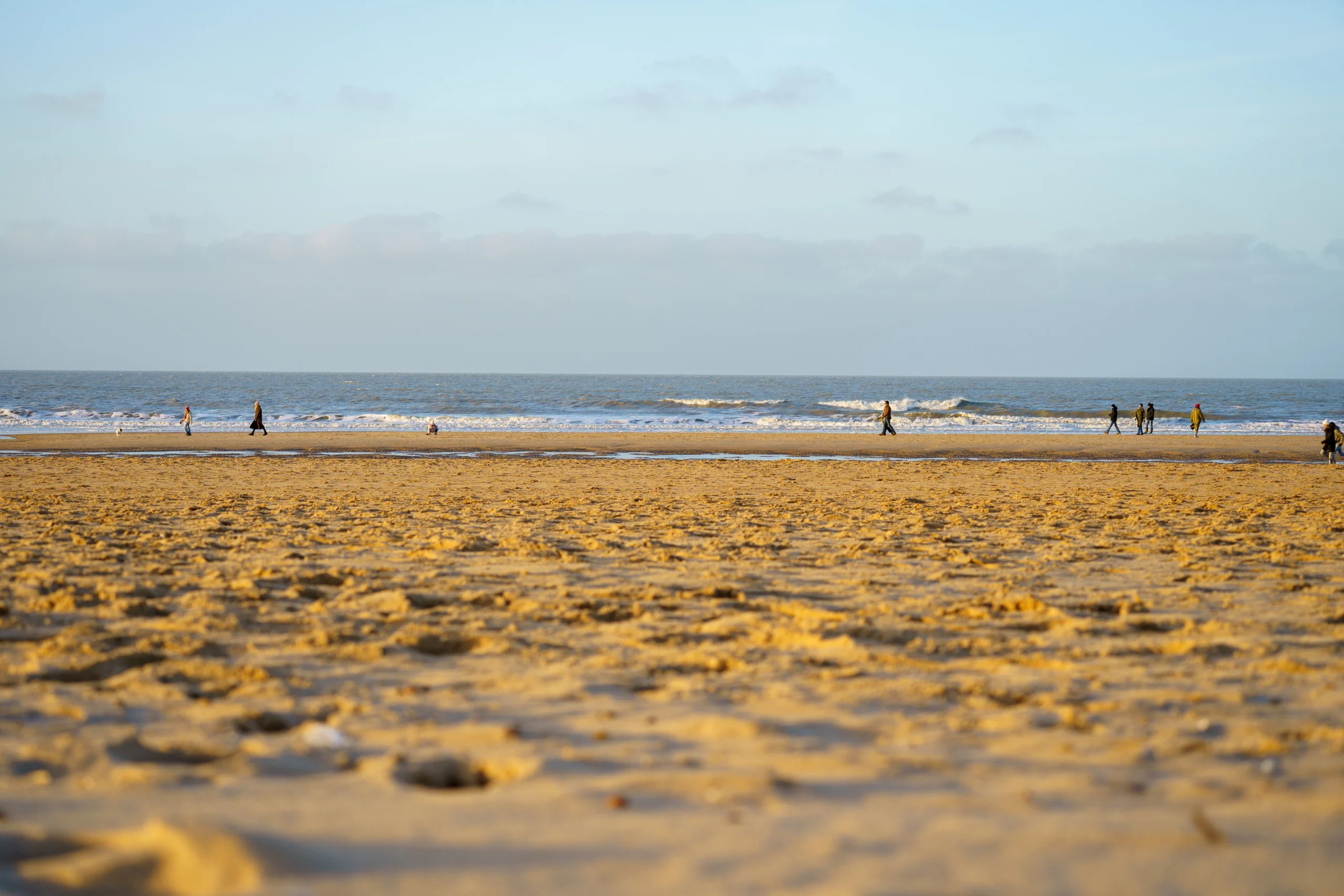
Camber Sands is one of the most distinctive sandy beaches in southeast England, with dunes running along the shoreline.
Its broad sands make it especially popular during warm weather, and the beach is close enough to historic Rye to create an easy combination of seaside and heritage sightseeing.
Best for: Sand dunes, families and day trips.
Beaches in Essex
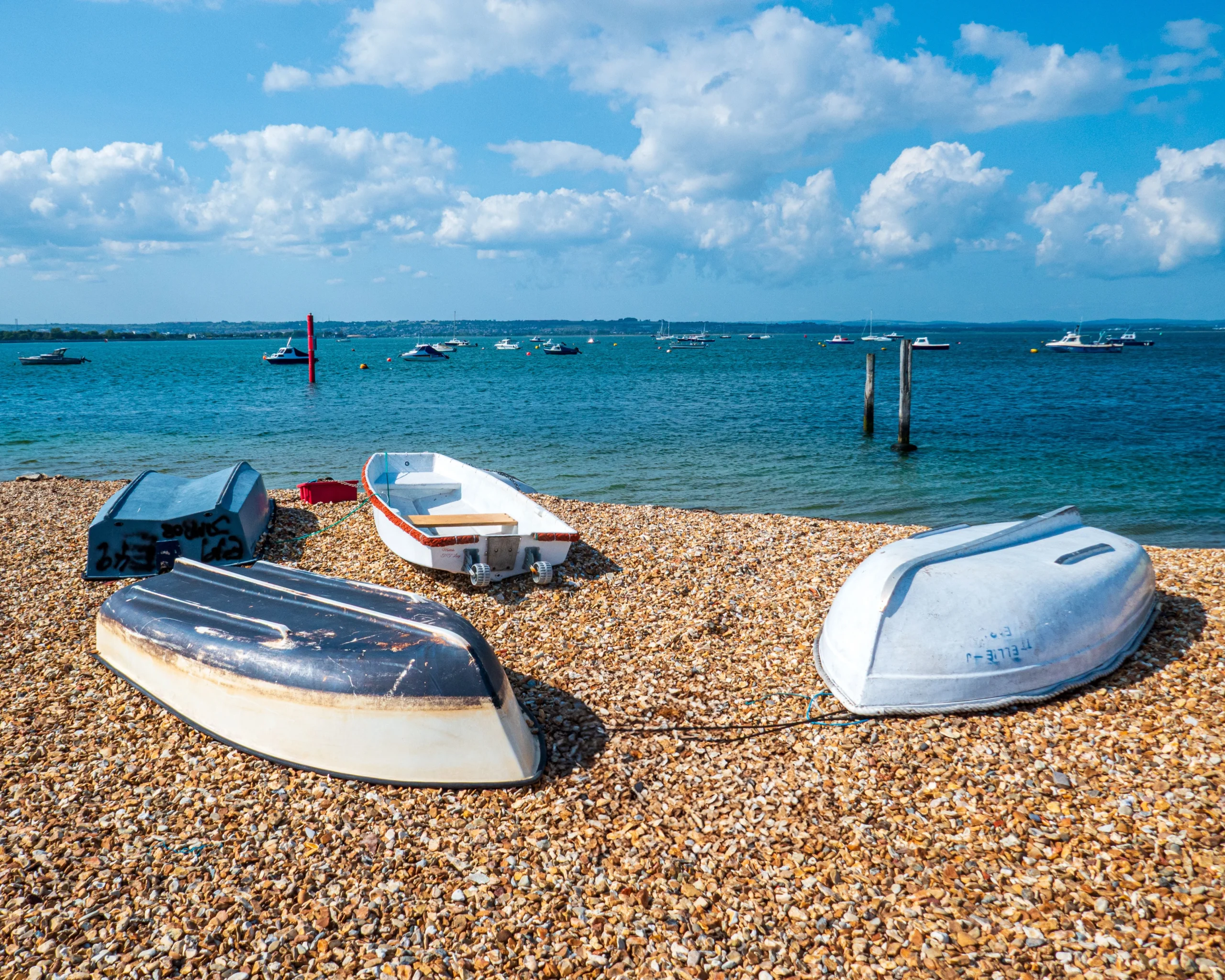
West Mersea Beach
West Mersea offers a quieter coastal experience on the Essex coast, with seafood, marshland and traditional seaside scenery.
It is a good option for travelers looking for an alternative to the busier beach resorts of southern England.
VisitEngland includes West Mersea among its examples of coastal hidden gems.
Best for: Food, relaxed day trips and local coastal character.
Beaches in Merseyside
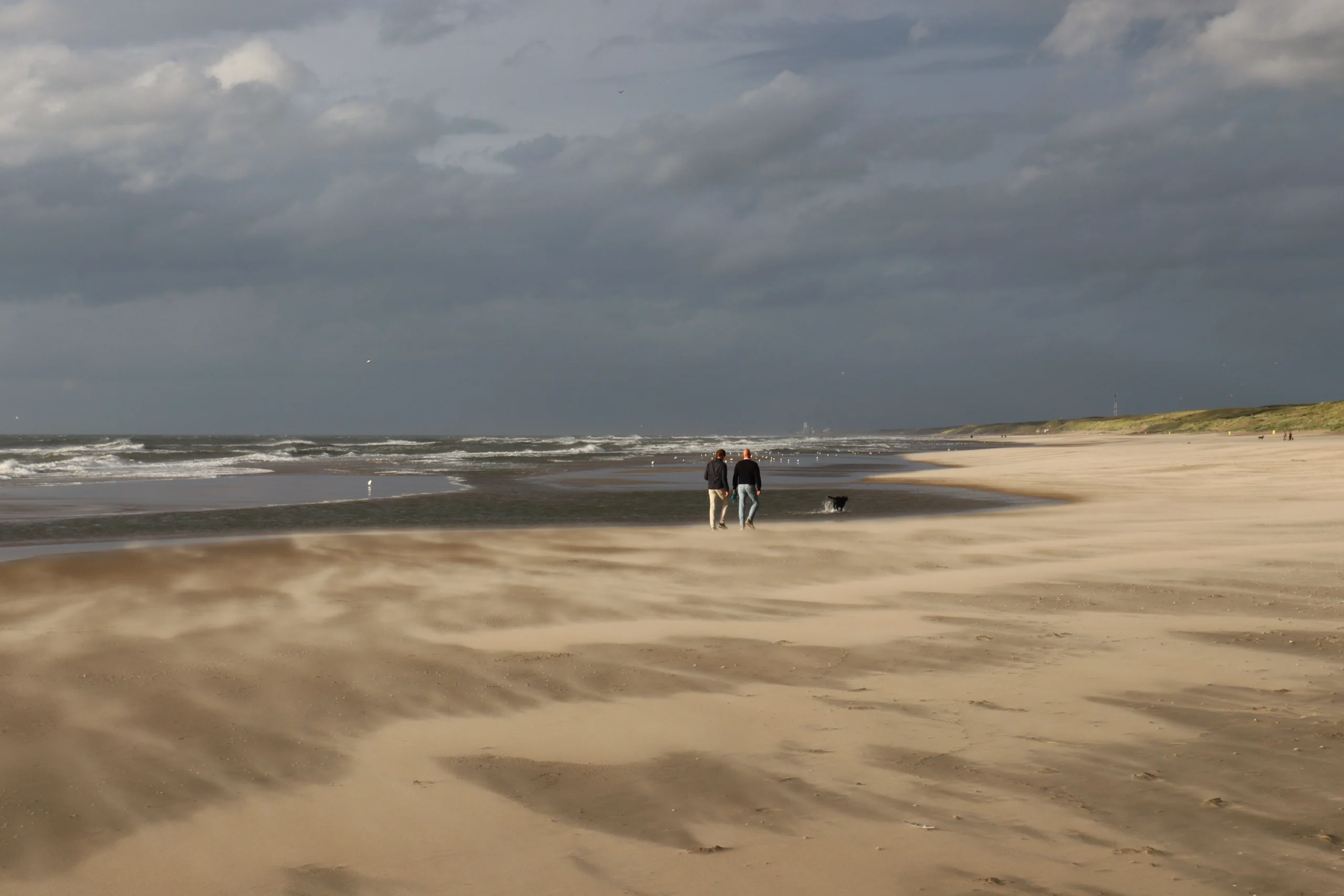
Formby Beach
Formby combines coastline with pine woodland and sand dunes, creating an experience that feels closer to a nature reserve than a traditional resort.
The area is particularly well suited to walking and exploring the landscape, and VisitEngland lists Formby among its coastal hidden gems.
Best for: Nature, walking and photography.
How to Choose the Best Beach in England
Instead of looking for one definitive winner, consider what matters most for your trip.
For surfing: Choose Cornwall or Devon.
For wide sandy beaches: Consider Holkham or Wells-next-the-Sea.
For dramatic scenery: Choose Durdle Door, Porthcurno or Kynance Cove.
For castles and history: Bamburgh is hard to beat.
For a classic seaside resort: Weymouth, Cromer or Saltburn are strong choices.
For nature and quieter walks: Formby or Holme-next-the-Sea are worth considering.
This approach is more useful than simply ranking beaches from first to last because the best beach for a surfer may not be the best beach for a family with young children.
Planning a Beach Trip in England
A little preparation can make a major difference, particularly when visiting remote beaches.
Check whether parking is available before travelling, as smaller coastal destinations can become busy during peak periods. Look at tide times when visiting beaches with caves, tidal coves or wide intertidal areas.
For longer days, pack water, sun protection and suitable footwear. Coastal paths can be uneven, and some beaches require a walk across dunes or down steep paths.
It is also worth checking whether dogs are permitted and whether seasonal restrictions apply. Rules can vary between beaches and may change during the summer months.
Frequently Asked Questions
What are the best beaches in England?
Some of the most impressive beaches in England include Porthcurno and Fistral in Cornwall, Holkham and Wells-next-the-Sea in Norfolk, Durdle Door and Weymouth in Dorset, Bamburgh in Northumberland and Formby in Merseyside.
Where can I find the best beaches in England?
Some of England’s best-known beaches are concentrated along the south and southwest coasts, particularly in Cornwall, Devon and Dorset. Norfolk, Northumberland, Yorkshire, Essex and Merseyside also offer excellent coastal destinations.
What are the best beaches in Norfolk, England?
Holkham Beach and Wells-next-the-Sea are among the best-known beaches in Norfolk. Other coastal options include Cromer, Sheringham and Holme-next-the-Sea. Norfolk’s coastline is known for broad sandy beaches, dunes and traditional seaside towns.
Which beaches in England are best for surfing?
Cornwall and Devon are among the best choices for surfing. Fistral Beach in Newquay is particularly well known, while beaches along the North Devon coast also provide strong surfing conditions.
Which are the most scenic beaches in England?
Porthcurno, Kynance Cove, Durdle Door, Bamburgh and Holkham are strong choices for scenery, with combinations of cliffs, dunes, historic landmarks, unusual rock formations and wide open sands.
Are there family-friendly beaches in England?
Yes. England has many beaches suitable for family days out, including Weymouth, Wells-next-the-Sea, Porthcurno and Woolacombe. Facilities, tides and seasonal conditions vary, so it is sensible to check local information before visiting.
Can you visit English beaches outside summer?
Yes. Many beaches are excellent destinations throughout the year. Autumn and winter can be especially enjoyable for coastal walks, photography and quieter visits, although swimming conditions are generally less suitable and weather can change quickly.
Are beaches in England free to visit?
Many beaches can be accessed without an admission charge, but visitors may need to pay for parking or access to particular facilities. Some sites also have seasonal restrictions or managed access arrangements, so checking local information before travelling is worthwhile.