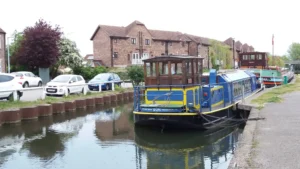
The UNESCO sites in the UK are among the country’s most important places for understanding its history, culture, architecture, landscapes, and scientific achievements. From prehistoric monuments and medieval towns to dramatic natural landscapes and historic industrial sites, these places show just how varied the UK’s heritage can be.
For travelers, exploring the UNESCO World Heritage Sites in the UK offers a different way to experience the country. Instead of simply visiting famous attractions, you can discover places that have been recognized internationally for their outstanding cultural or natural importance.
The UK’s UNESCO heritage includes ancient archaeological sites, historic cities, castles, industrial landscapes, natural scenery, and culturally significant locations. Some can be visited during a day trip, while others work better as part of a longer UK itinerary.
Whether you enjoy history, architecture, nature, science, or photography, there are plenty of UK UNESCO sites worth adding to your travel plans.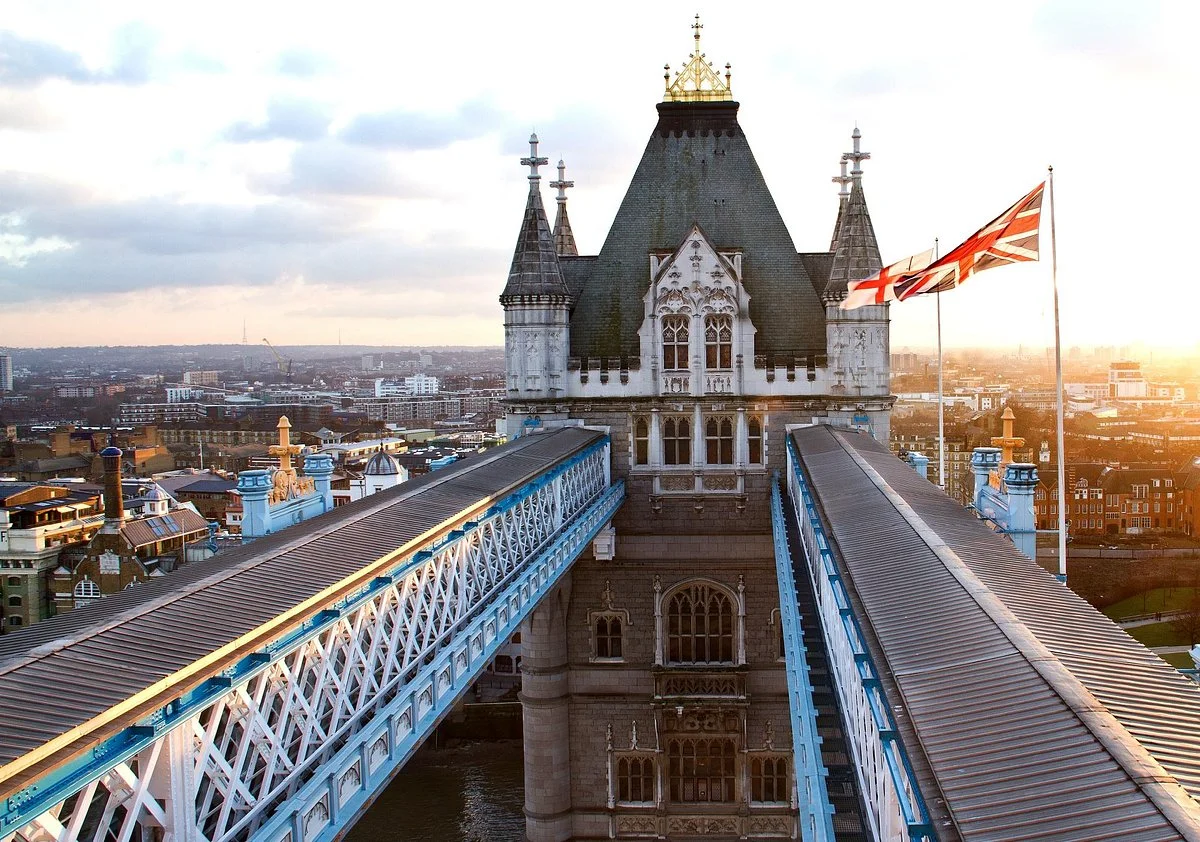
Why Visit UNESCO Sites in the UK?
UNESCO World Heritage status recognizes places considered to have outstanding universal value. That makes these locations particularly interesting for travelers who want to understand more about the places they visit.
The UK’s heritage is also unusually diverse. You can move from prehistoric stone circles to Georgian architecture, from medieval castles to industrial towns, and from historic cities to dramatic natural landscapes.
Another advantage is that many UNESCO sites are located near other attractions. This makes it possible to build a complete day or weekend around a World Heritage location rather than visiting it in isolation.
Before planning your trip, think about what interests you most:
- Ancient history
- Architecture
- Industrial heritage
- Natural landscapes
- Religious history
- Literature and culture
- Archaeology
This will help you decide which UK UNESCO World Heritage sites are most suitable for your itinerary.
UNESCO World Heritage Sites UK
The UK has a wide range of World Heritage properties spread across England, Scotland, Wales, Northern Ireland, and other UK territories. The following destinations offer a useful starting point for exploring some of the country’s most distinctive UNESCO-recognized places.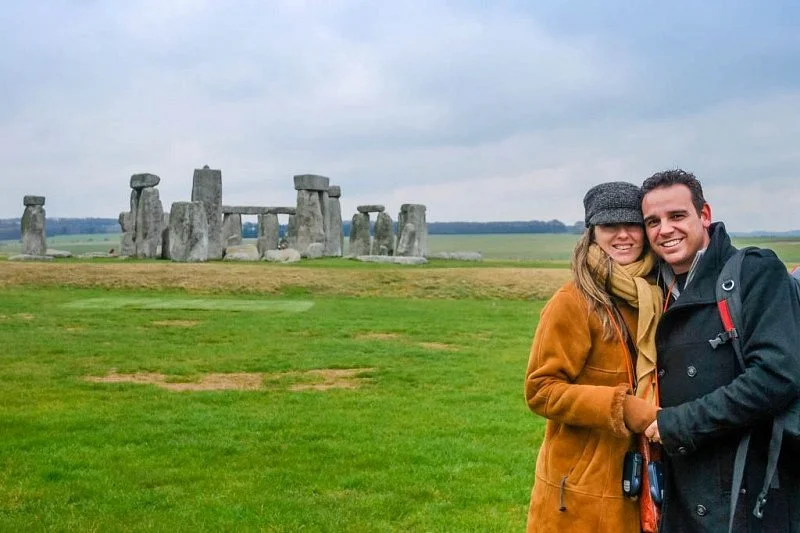
Stonehenge, Avebury and Associated Sites
Best for prehistoric history
Stonehenge is one of the most recognizable prehistoric monuments in the world.
Located on Salisbury Plain, the famous stone circle is part of a wider UNESCO property that also includes Avebury and other prehistoric monuments.
The landscape around Stonehenge is important as much as the monument itself. Ancient burial sites, earthworks, avenues, and other archaeological remains help show how people used this area thousands of years ago.
Avebury provides a very different experience because its stone circle is integrated into a modern village and surrounding countryside.
Best for: history lovers, archaeology enthusiasts, families, and photographers.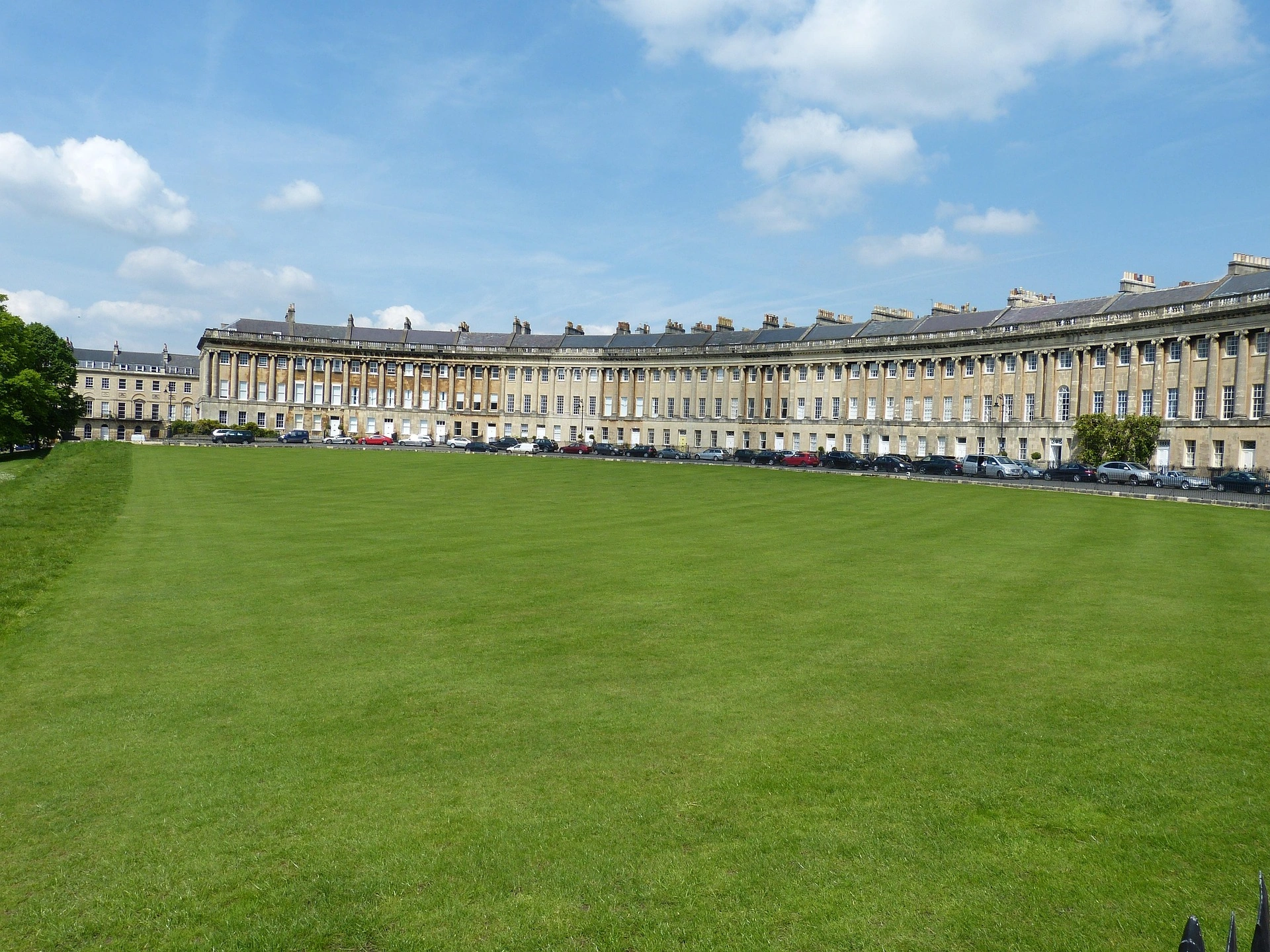
City of Bath
Best for architecture and Roman history
Bath combines Roman heritage with elegant Georgian architecture, making it one of the most distinctive historic cities in England.
The Roman Baths provide a glimpse into the city’s ancient past, while the surrounding streets showcase architecture from a much later period.
Bath is also an enjoyable destination beyond its heritage attractions. Visitors can explore independent shops, cafés, restaurants, parks, and the city’s distinctive streets.
Its compact center makes it practical for a short break or day trip.
Best for: architecture, history, couples, and city breaks.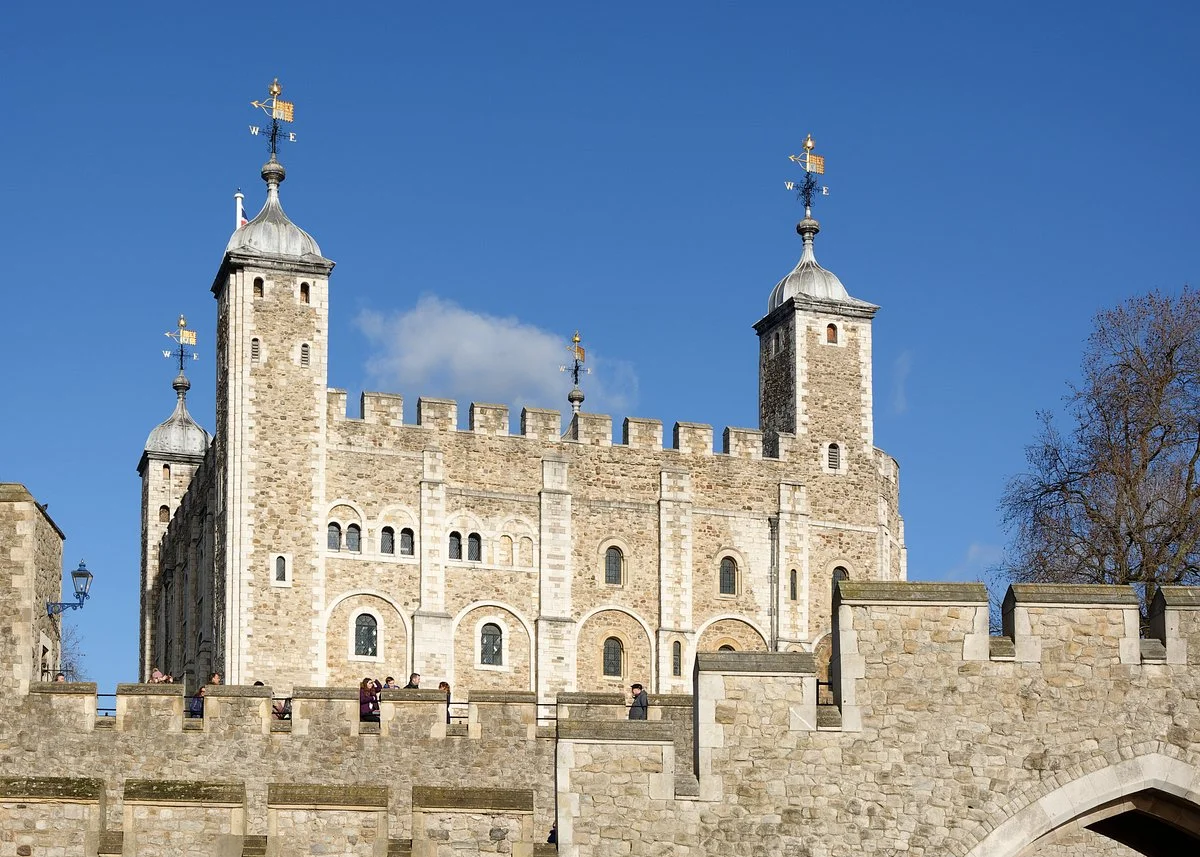
Tower of London
Best for royal and medieval history
The Tower of London has played many different roles throughout English history.
Originally established as a fortress, it later became a royal residence, prison, armory, and treasury. Its long history has left the site with a remarkable collection of stories connected to the monarchy and the development of London.
The Tower is particularly useful for visitors who want to combine a UNESCO visit with other major London attractions.
Best for: royal history, medieval history, families, and first-time London visitors.
City of Edinburgh
Best for historic city experiences
Edinburgh’s Old and New Towns demonstrate two very different periods of urban development.
The medieval Old Town is known for its historic streets and buildings, while the New Town provides an impressive example of planned Georgian architecture.
Together, they create one of the UK’s most interesting historic city environments.
Edinburgh also works well as a base for exploring wider Scotland, making it useful for travellers planning a longer itinerary.
Best for: architecture, history, city breaks, and first-time visitors to Scotland.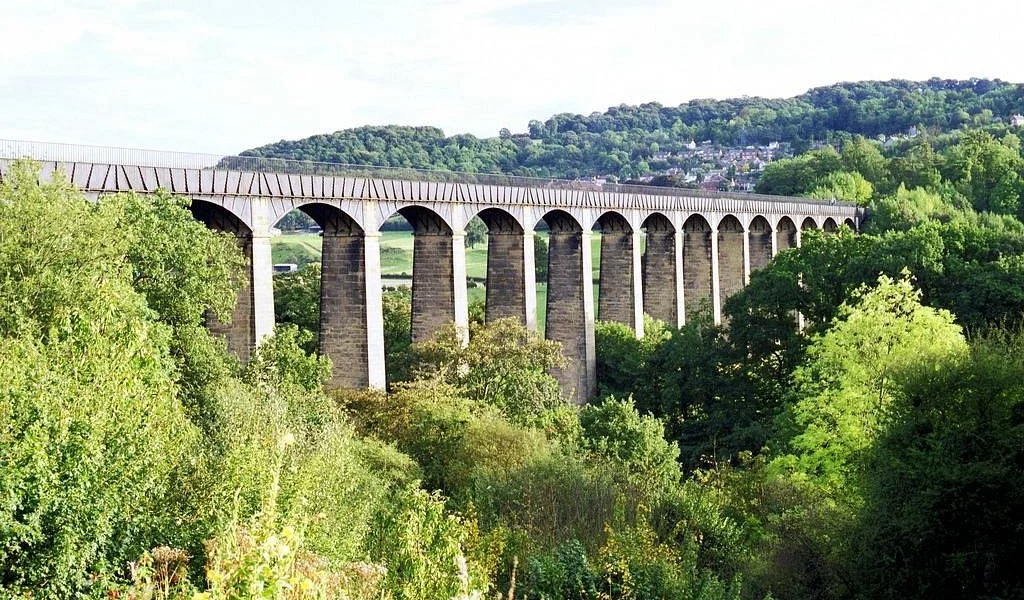
Pontcysyllte Aqueduct and Canal
Best for engineering and outdoor scenery
The Pontcysyllte Aqueduct and Canal in Wales combines impressive engineering with a beautiful surrounding landscape.
The aqueduct carries the canal high above the Dee Valley and demonstrates the ambition of Britain’s Industrial Revolution.
You can experience the site from different perspectives, including walking routes and canal-based activities.
It is a particularly good choice for visitors who enjoy seeing how historic engineering interacts with the landscape.
Best for: engineering, walking, photography, and outdoor trips.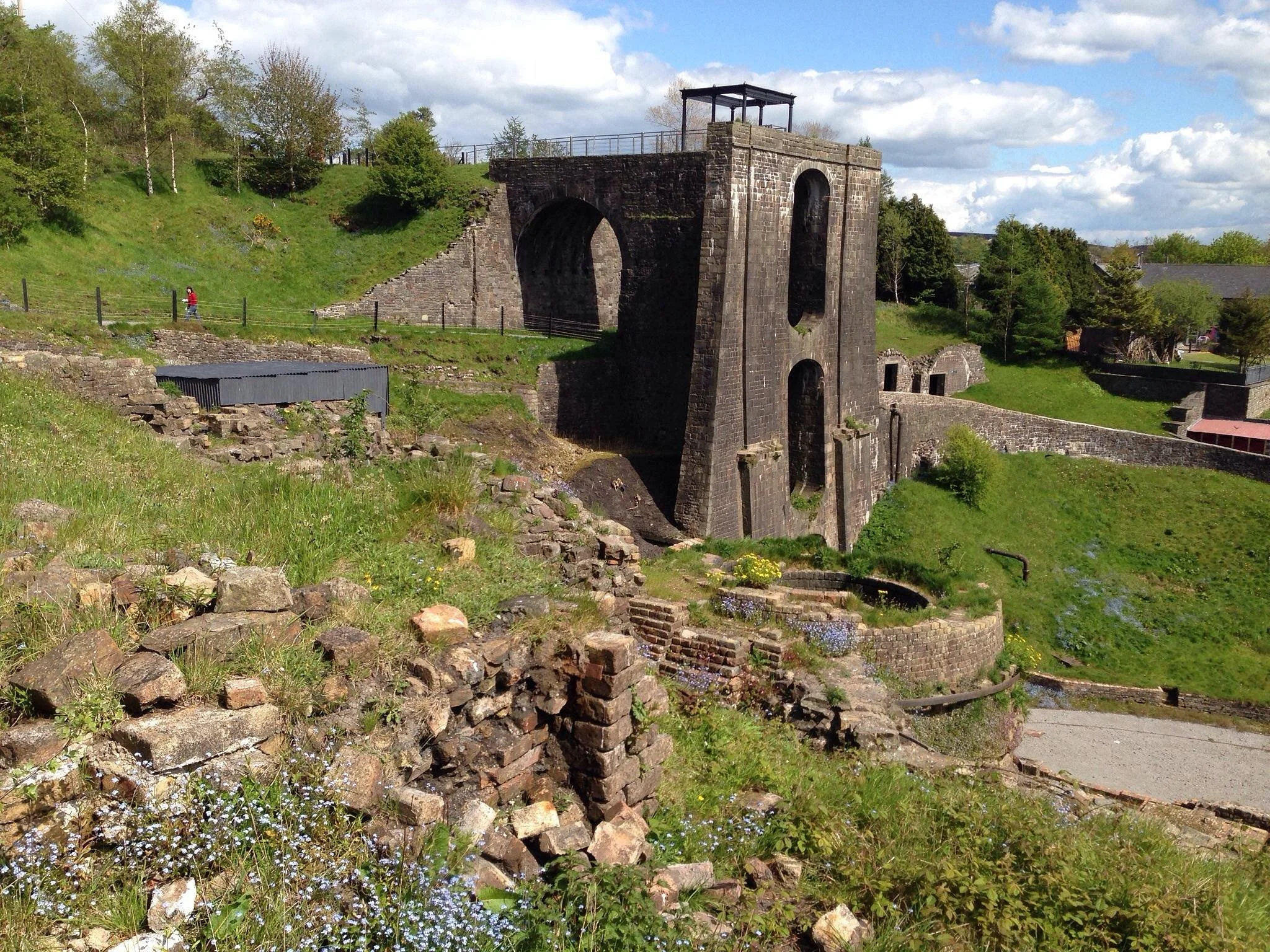
Blaenavon Industrial Landscape
Best for Britain’s industrial heritage
Blaenavon provides an insight into the industrial transformation of Wales.
The landscape contains evidence of iron production, coal mining, transport, and the communities that developed around these industries.
Rather than focusing on one isolated monument, the UNESCO designation covers a wider industrial landscape.
This makes Blaenavon particularly valuable for understanding how industrialization changed both the economy and everyday life.
Best for: industrial history, families, museums, and heritage enthusiasts.
The English Lake District
Best for natural landscapes
The Lake District is one of the UK’s best-known natural destinations and is recognized as a UNESCO World Heritage property for its cultural landscape.
Its lakes, valleys, mountains, villages, farms, and historic connections with writers and artists have helped shape its international importance.
The region is also one of the country’s most popular destinations for walking and outdoor activities.
A visit can range from a gentle lakeside day to a demanding mountain hike.
Best for: walkers, nature lovers, photographers, families, and outdoor adventures.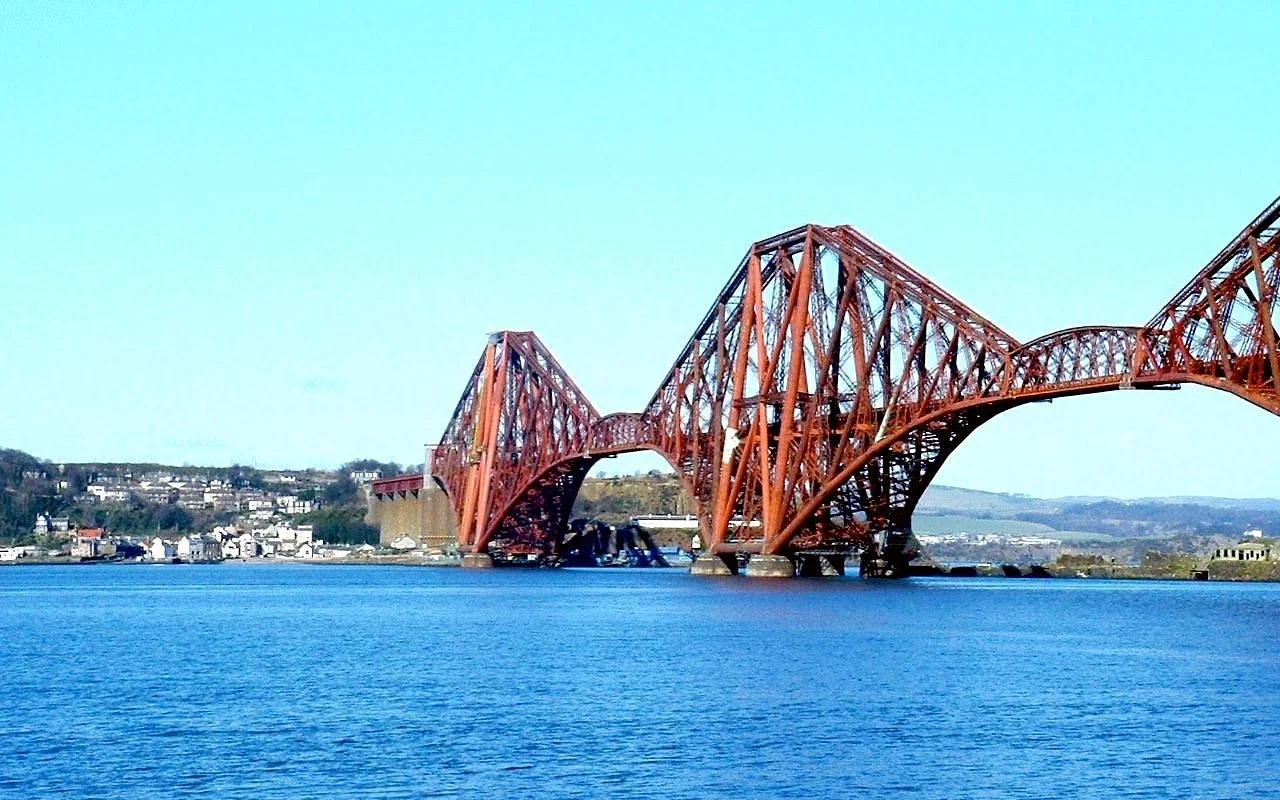
Forth Bridge
Best for engineering and photography
The Forth Bridge is one of Scotland’s most recognizable pieces of engineering.
Its enormous steel structure crosses the Firth of Forth and has become an important part of Scotland’s visual identity.
The bridge is particularly impressive when viewed from nearby shorelines or from the water.
It demonstrates the scale and technical ambition of nineteenth-century railway engineering.
Best for: engineering enthusiasts, photographers, and architecture lovers.
Historic Town of St George and Related Fortifications
Best for exploring Britain’s wider heritage
The historic town of St. George in Bermuda forms part of the UK’s wider UNESCO heritage through its location in a British overseas territory.
Its well-preserved streets and historic fortifications provide a different perspective on British colonial history and maritime heritage.
For travellers interested in the broader story of the United Kingdom and its historical connections overseas, it offers an important contrast to the mainland sites.
Best for: history, architecture, maritime heritage, and longer trips.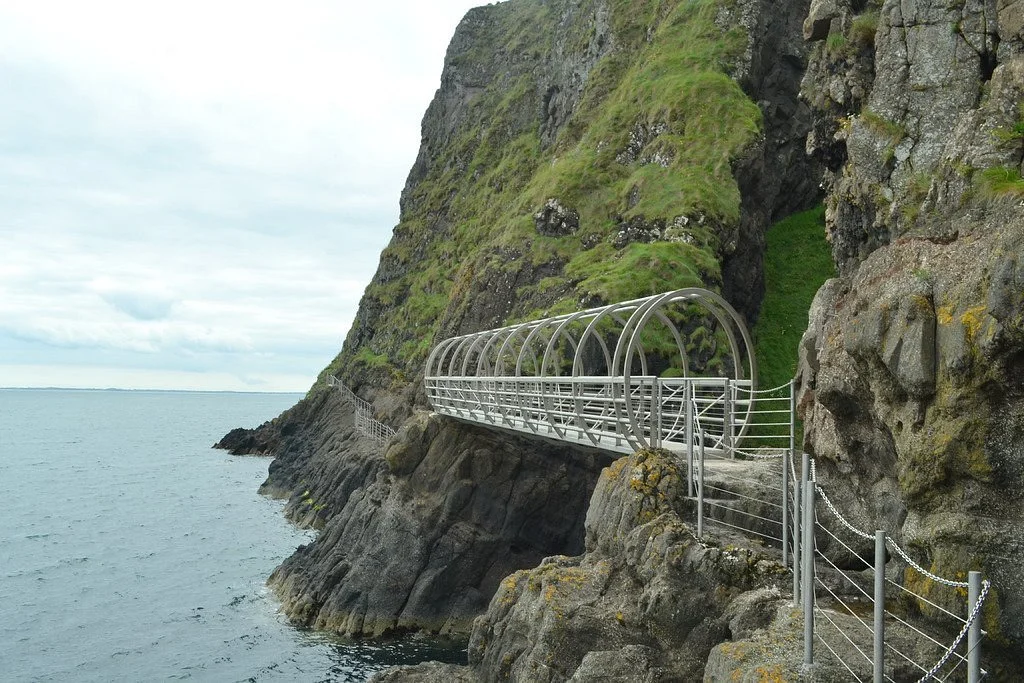
Giant’s Causeway and Causeway Coast
Best for natural scenery
The Giant’s Causeway is one of the most unusual natural landscapes associated with the UK UNESCO sites.
Its famous basalt columns were formed by ancient volcanic activity and create a distinctive coastal landscape.
The surrounding Causeway Coast adds cliffs, beaches, walking routes, and sea views to the experience.
It is an excellent destination for combining UNESCO heritage with outdoor exploration.
Best for: nature lovers, coastal walks, photography, and families.
UNESCO World Heritage Sites UK by Region
The UK’s UNESCO heritage is spread across different parts of the country, so regional planning can help reduce travel time.
England
England contains a wide variety of cultural and natural world heritage properties, including the following:
- Stonehenge, Avebury and Associated Sites
- City of Bath
- Tower of London
- English Lake District
- Maritime Greenwich
- Liverpool – Maritime Mercantile City
These sites show the range of English heritage, from ancient archaeology to industrial and urban history.
Scotland
Scotland’s UNESCO heritage includes important urban, industrial, natural, and archaeological sites.
Edinburgh’s Old and New Towns and the Forth Bridge are two particularly recognizable examples.
Scotland’s UNESCO locations can be combined with wider trips around cities, coastlines, and Highland landscapes.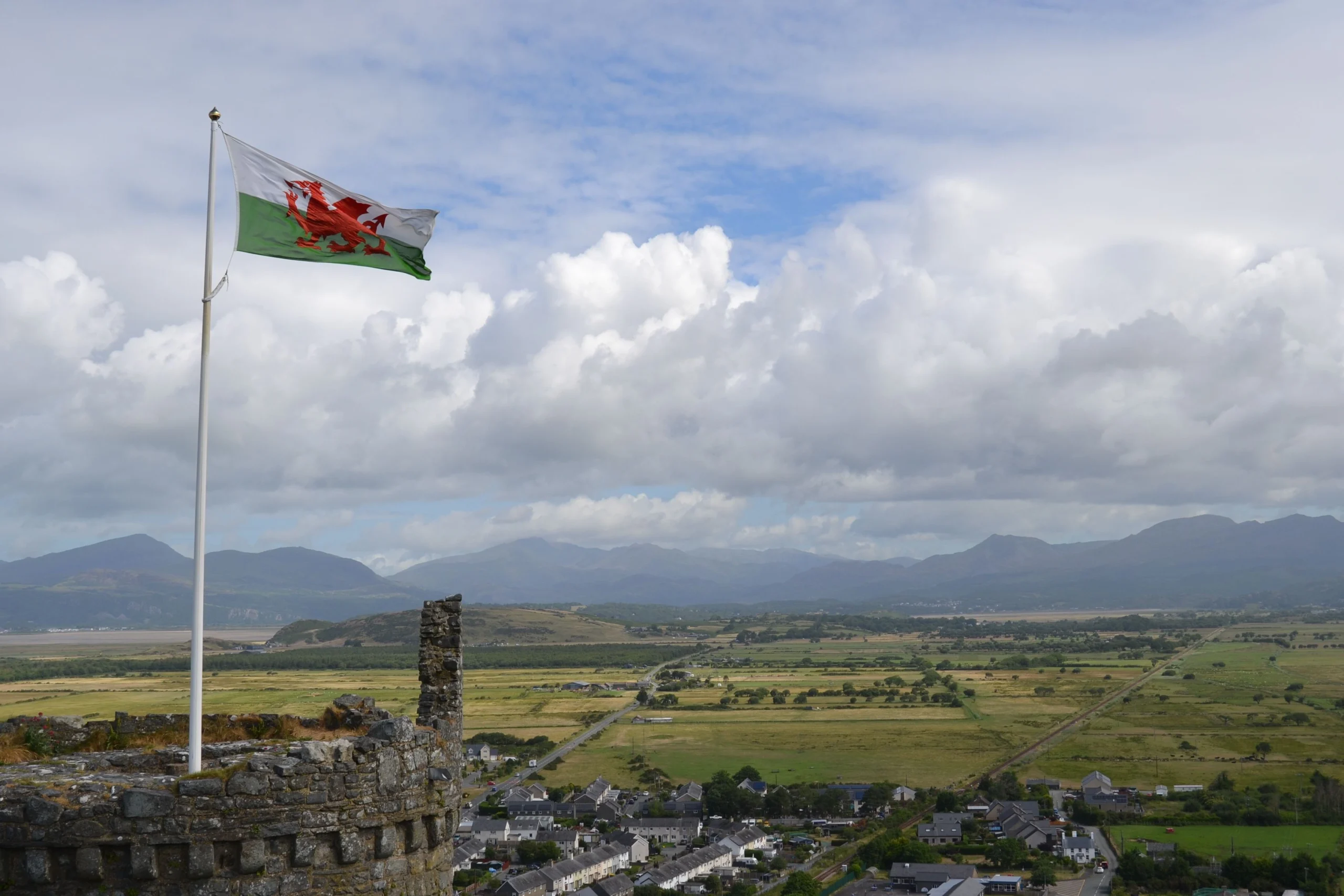
Wales
Wales has several UNESCO World Heritage properties connected with industrial history, castles, and engineering.
Blaenavon and the Pontcysyllte Aqueduct are particularly interesting for visitors who want to explore the country’s industrial past.
The castles and town walls of King Edward in Gwynedd provide another major part of Welsh heritage.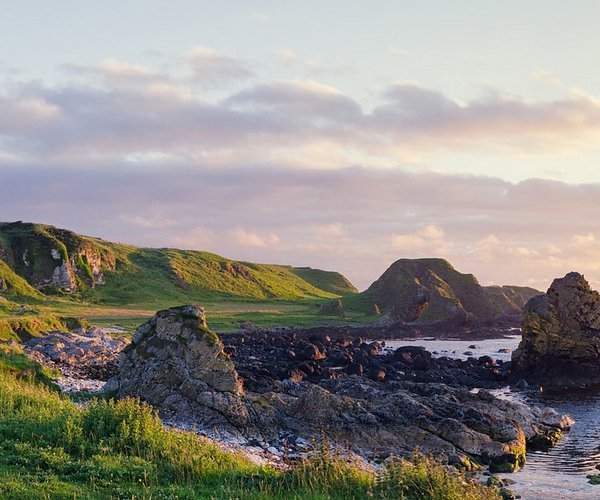
Northern Ireland
The Giant’s Causeway and Causeway Coast are Northern Ireland’s best-known UNESCO World Heritage properties.
Its combination of geological features and dramatic coastline makes it one of the UK’s most visually distinctive heritage destinations.
Are UNESCO Sites Free to Visit?
UNESCO status itself does not determine whether a site charges an entrance fee.
Some locations are freely accessible because they are public landscapes, historic areas, or outdoor sites. Others contain attractions that charge admission.
For example, you may be able to explore parts of a UNESCO-listed landscape without paying, while individual museums, monuments, or visitor attractions within that area may have their own ticket prices.
Always check the current arrangements before traveling.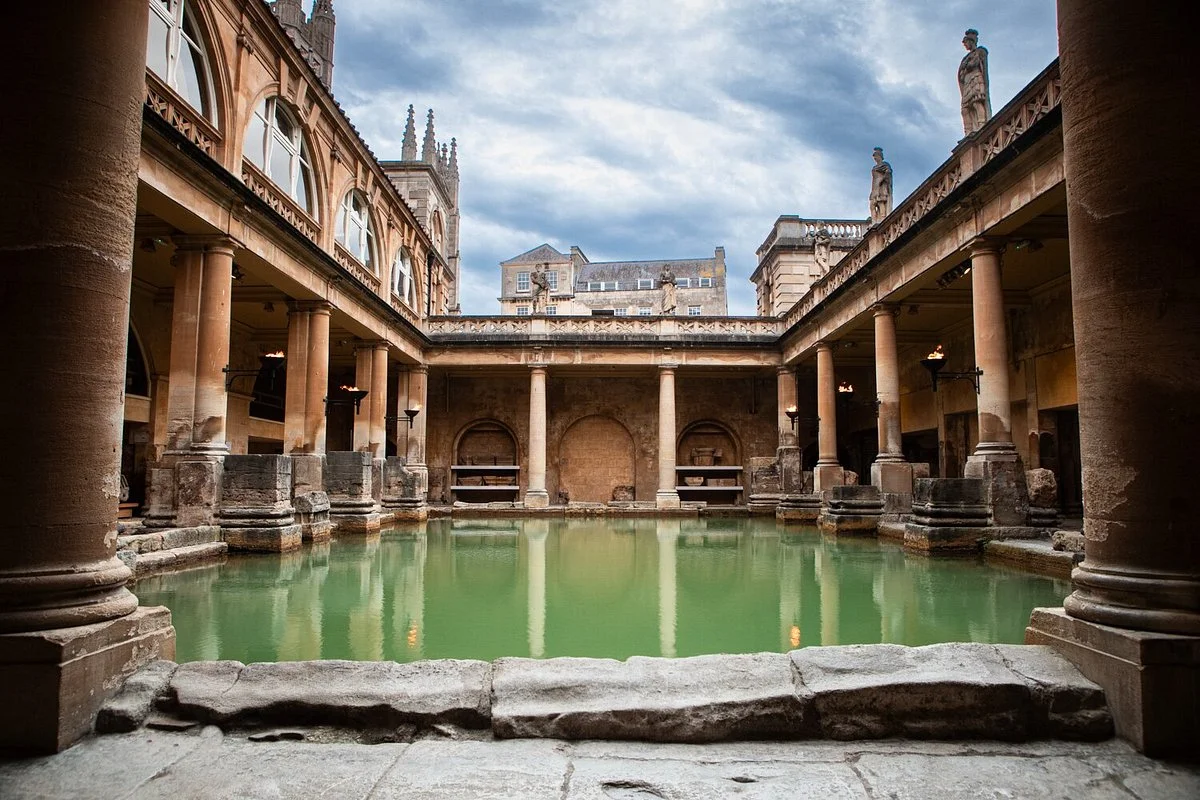
Tips for Visiting UK UNESCO Heritage Sites
Research the Designation
Not every UNESCO designation means exactly the same thing. Check whether you are visiting a World Heritage property or another type of UNESCO-recognized site.
Look Beyond the Main Attraction
Many World Heritage properties cover much more than the landmark that appears in photographs.
Take time to explore the surrounding streets, landscape, buildings, or archaeological features.
Check Travel Times
The UK’s UNESCO properties are spread across the country, so avoid creating an itinerary that involves unnecessary long-distance travel every day.
Book Popular Attractions Ahead
Some individual attractions within UNESCO properties can become busy, particularly during school holidays.
Allow Enough Time
A historic city may require a full day, while a large landscape can justify several days.
Consider Public Transport
Some UNESCO locations are easier to reach by train or bus than others. Check connections before deciding where to stay.
Respect Heritage Sites
Follow local guidance, stay on marked routes where required, and avoid touching or climbing protected monuments.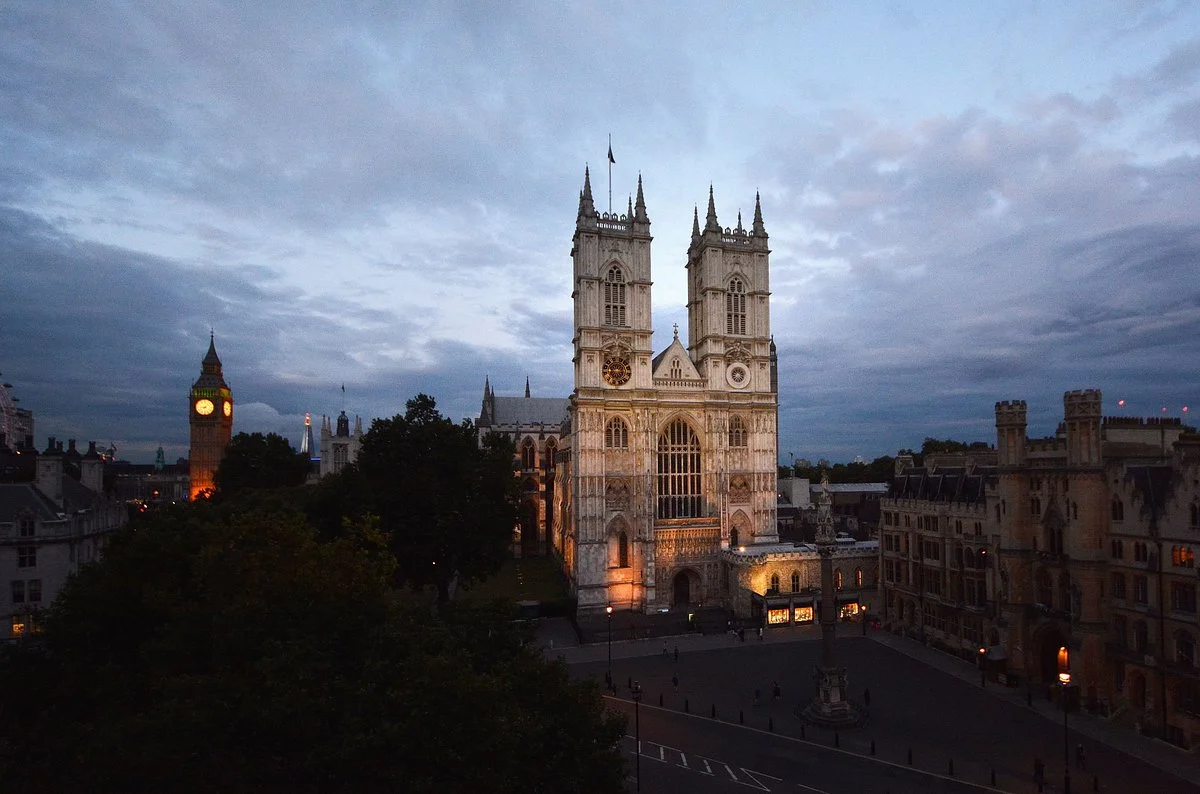
A Simple UNESCO Sites UK Guide
UNESCO Site | Best for | Location |
Stonehenge and Avebury | Prehistoric history | England |
City of Bath | Architecture and Roman history | England |
Tower of London | Royal and medieval history | England |
English Lake District | Nature and walking | England |
City of Edinburgh | Historic architecture | Scotland |
Forth Bridge | Engineering | Scotland |
Pontcysyllte Aqueduct | Industrial engineering | Wales |
Blaenavon | Industrial heritage | Wales |
Giant’s Causeway | Natural scenery | Northern Ireland |
Final Thoughts
The UNESCO sites in the UK offer an excellent way to explore the country through its most significant cultural, historical, architectural, and natural places.
From the prehistoric landscape of Stonehenge to the mountains and lakes of the Lake District, these destinations demonstrate how varied Britain’s heritage really is. You can explore ancient monuments one weekend, historic cities the next, and dramatic coastlines or industrial landscapes after that.
If you’re planning a countryside trip, you can combine this guide with the best places to stay in the Lake District, UK, and use the best hikes in the UK to find ideas for exploring the landscape on foot. For seasonal travel planning, things to do in August can help you build a summer itinerary, while the best waterfalls in the UK are useful if you want to add more natural scenery to your trip.
The UK’s UNESCO heritage is not simply a collection of famous landmarks. Each location tells a different story about the people, landscapes, industries, architecture, and events that shaped the country. Choose a few that match your interests, plan them around nearby destinations, and give yourself enough time to experience more than just the headline attraction.
FAQs
How many UNESCO World Heritage Sites are there in the UK?
The UK has numerous UNESCO World Heritage properties across its different countries and territories. The exact number can change as UNESCO designations are updated, so it is best to check the current UNESCO World Heritage list when planning a trip.
What are the best UNESCO sites in the UK?
Some of the best-known include Stonehenge and Avebury, the Tower of London, the City of Bath, the English Lake District, Edinburgh’s Old and New Towns, the Forth Bridge, Pontcysyllte Aqueduct, and the Giant’s Causeway.
Are UNESCO World Heritage Sites in the UK free to visit?
Some are free to access, while others contain attractions or monuments that charge admission. UNESCO status itself does not determine entrance fees.
What is the oldest UNESCO site in the UK?
Several UK World Heritage properties contain monuments dating back thousands of years. Stonehenge and Avebury are particularly important prehistoric sites, with monuments originating from prehistoric periods.
Which UNESCO sites in the UK are best for families?
Stonehenge, the Tower of London, the English Lake District, and the Giant’s Causeway can all work well for families, depending on the ages and interests of the children.
Can you visit several UK UNESCO sites on one trip?
Yes. Planning by region makes this much easier. London, Edinburgh, northern England, and parts of Wales can each provide opportunities to visit more than one UNESCO property without excessive travel.
What is the difference between a UNESCO site and a World Heritage Site?
UNESCO has several designation programs. A UNESCO World Heritage Site is specifically a cultural, natural, or mixed property recognized for outstanding universal value. Other UNESCO designations cover different types of heritage, culture, education, or natural conservation.