
England has a remarkable variety of landscapes packed into a relatively small country. You can go from quiet stone villages and rolling countryside to dramatic cliffs, sandy beaches, historic cities and peaceful national parks without travelling enormous distances.
That variety is what makes choosing the most beautiful places in England so difficult. Some destinations are memorable because of their scenery, while others stand out because of their architecture, history or atmosphere. There are also places that combine several of these qualities, giving visitors a much richer experience.
If you are searching for places to visit in England, this guide brings together destinations that offer something genuinely distinctive. Some are well-known, while others provide a quieter alternative to the country’s busiest tourist spots.
1. The Cotswolds
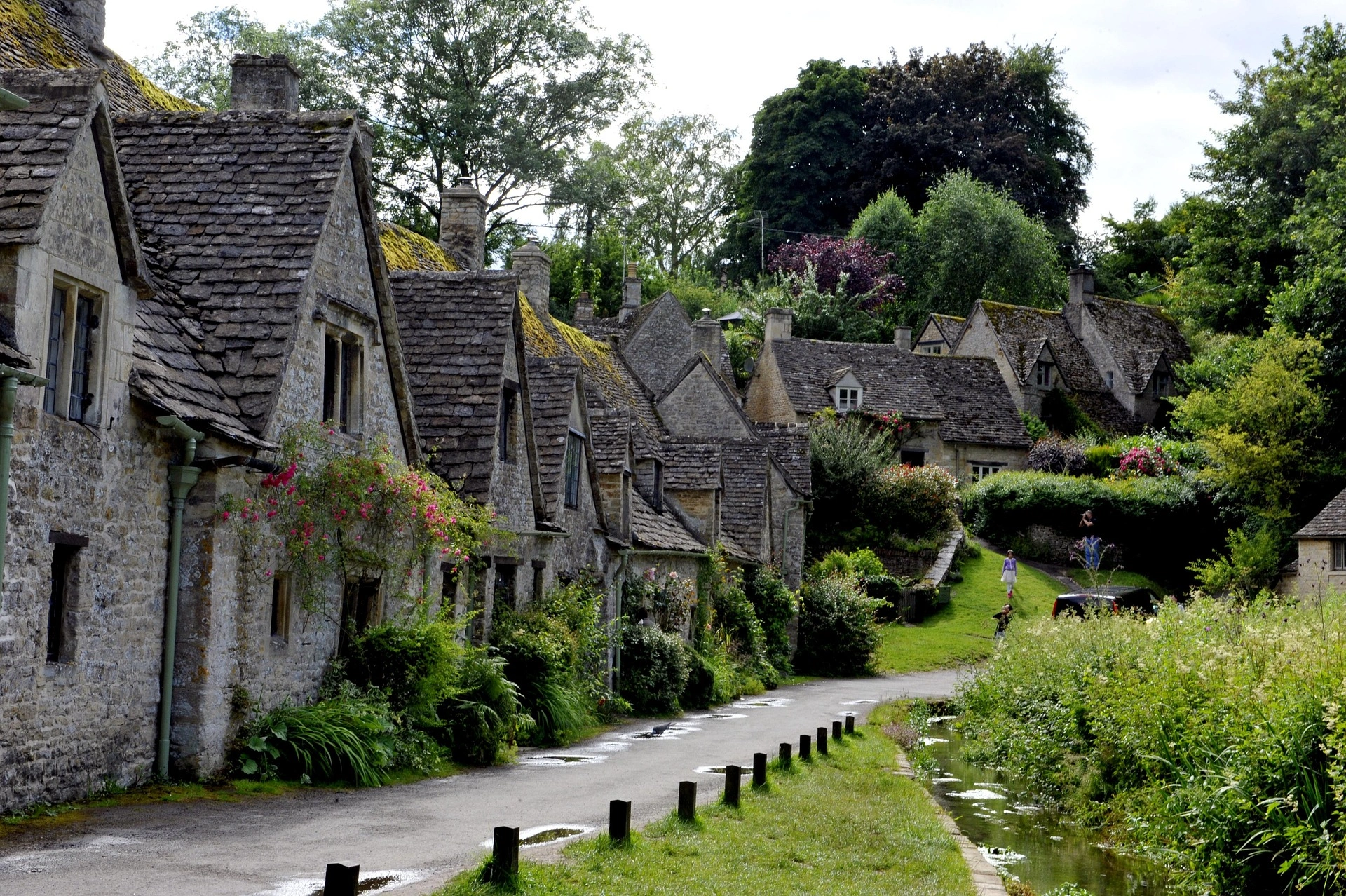
The Cotswolds is perhaps the easiest place to picture when someone describes the traditional English countryside. Its villages are filled with warm-toned stone cottages, small lanes, old churches and quiet squares, while the landscape around them is made up of gentle hills and open fields.
Bourton-on-the-Water, Bibury, Broadway and Stow-on-the-Wold are among the names that attract the most visitors, but part of the area’s appeal comes from simply travelling between them. One village may feel busy and lively, while the next can be almost completely peaceful.
The Cotswolds is especially appealing for travelers who want to slow down for a few days. There is a strong sense of local character here, and the scenery changes subtly from one part of the region to another.
For more ideas, see our guide to Cornwall UK for a very different style of English landscape.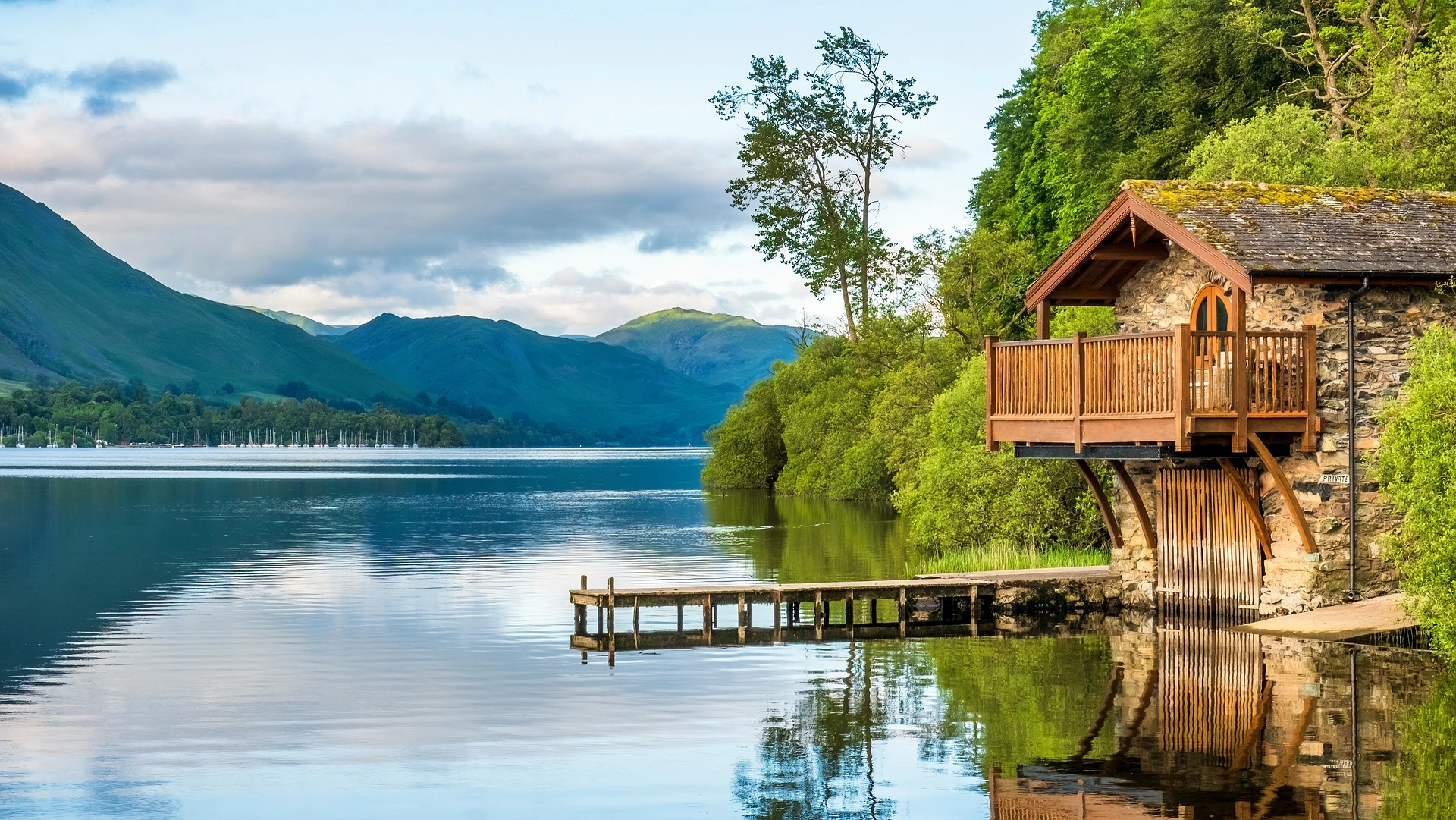
2. The Lake District
The Lake District is ideal for anyone who prefers mountains, water and wide open scenery. The landscape changes quickly as you move through the region, with calm lakes giving way to high fells, wooded valleys and small settlements surrounded by hills.
Windermere is one of the best-known areas, but the region is much bigger than its most famous lake. Ullswater, Keswick, Grasmere and Coniston all offer their own atmosphere and scenery.
One of the best things about the Lake District is that it works for different types of travelers. You can plan an active break around longer walks or keep things relaxed with scenic drives, village visits and time beside the water.
It is a destination where the natural surroundings do most of the talking.
3. Cornwall
Cornwall brings a completely different kind of beauty to the list. Here, the landscape is shaped by the Atlantic, with cliffs, beaches, rocky headlands, fishing villages and coastal paths creating constantly changing views.
St Ives has a strong artistic identity alongside its beach setting, while places such as Padstow and Falmouth combine harbour life with a distinctly Cornish character. Further west, the scenery becomes more rugged and exposed.
The appeal of Cornwall is not limited to summer. The coast can be spectacular in cooler weather too, when large waves and dramatic skies create a very different atmosphere.
For travelers who want a mixture of scenery, history, seaside culture and outdoor exploration, Cornwall is one of the strongest places to visit in England.
4. York
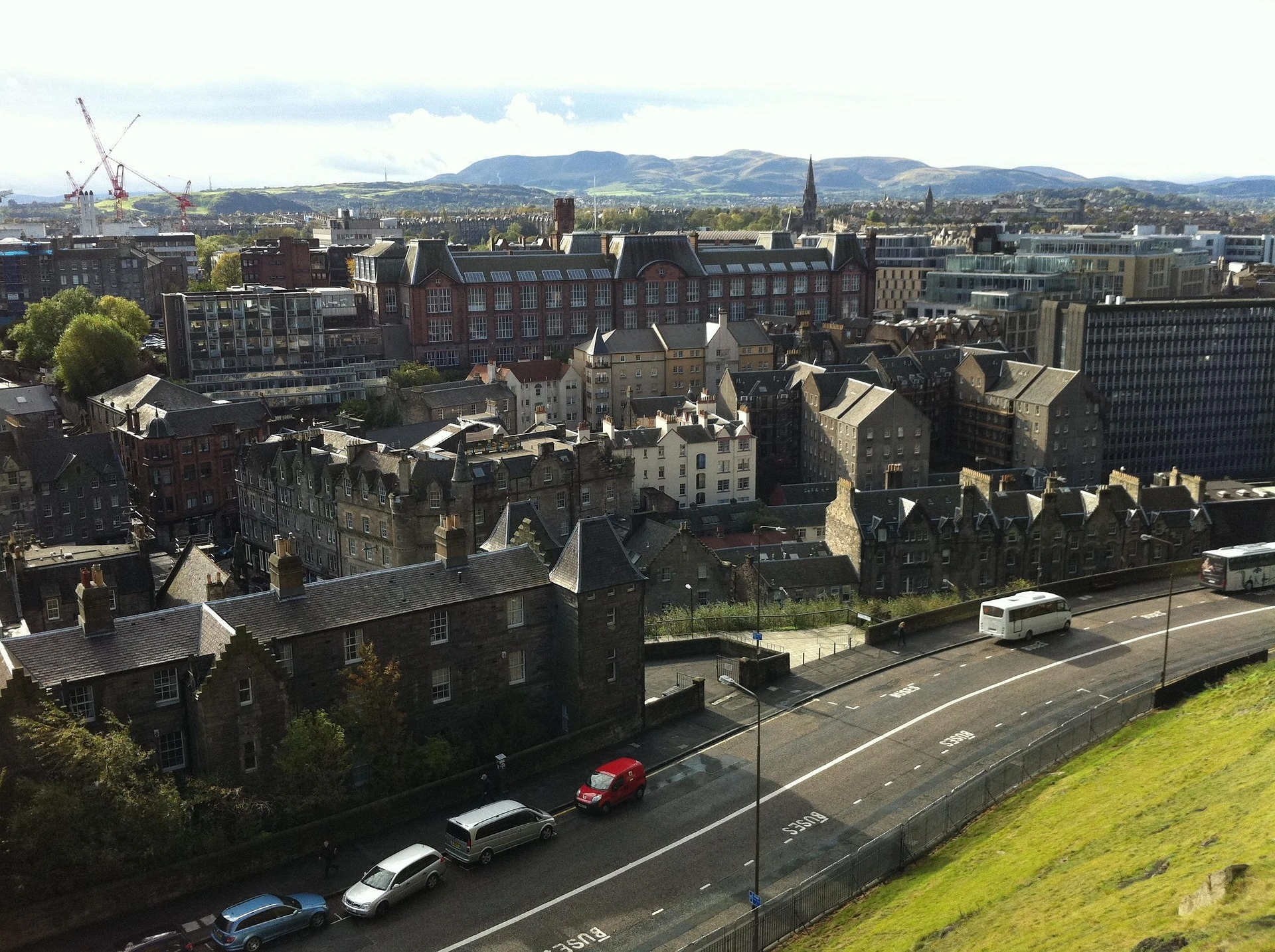
York proves that beautiful destinations do not always need mountains or coastlines. The city has a very different appeal, created by medieval streets, historic buildings, old city walls and an impressive cathedral rising above the center.
The Shambles is one of the best-known streets in the city, but there is much more to see beyond this famous corner. Walking along the walls gives you a different perspective of York, while the river and quieter streets provide a break from the busiest parts of the center.
York is particularly enjoyable for visitors who like to explore on foot. Much of the historic character is found between the major landmarks, so simply wandering around can be part of the experience.
5. Bath
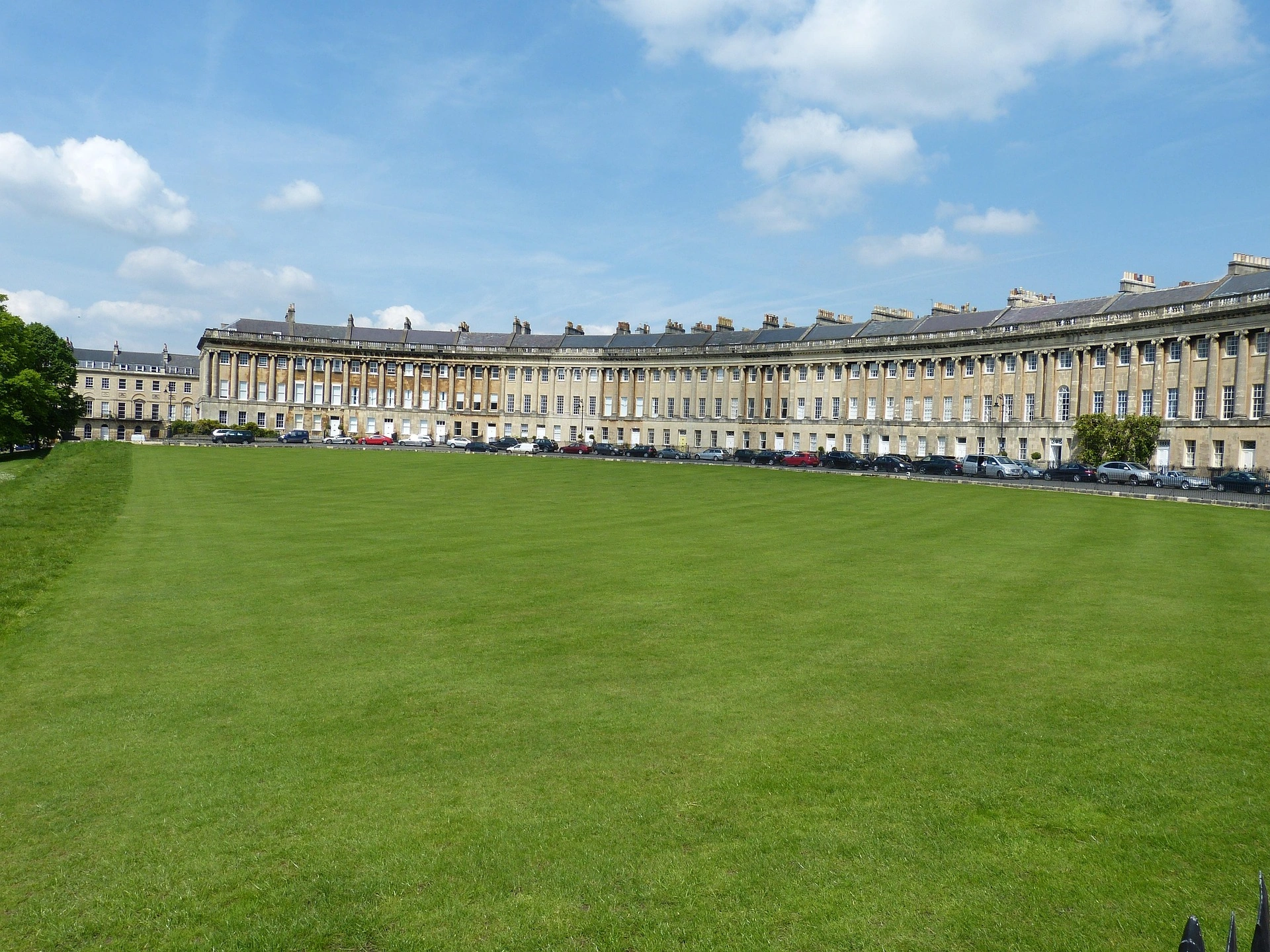
Bath has a polished, elegant appearance that sets it apart from many other English cities. Honey-colored stone buildings line the streets, grand Georgian terraces frame the neighborhoods and historic landmarks appear around almost every corner.
The city feels compact enough to explore without rushing. You can move from the Roman Baths to Bath Abbey, then continue towards the Royal Crescent and the quieter streets around the center.
Bath is also a good example of how England’s beauty can come from architecture as much as landscape. For travelers interested in history, design and historic city life, it is one of the top places to visit in England.
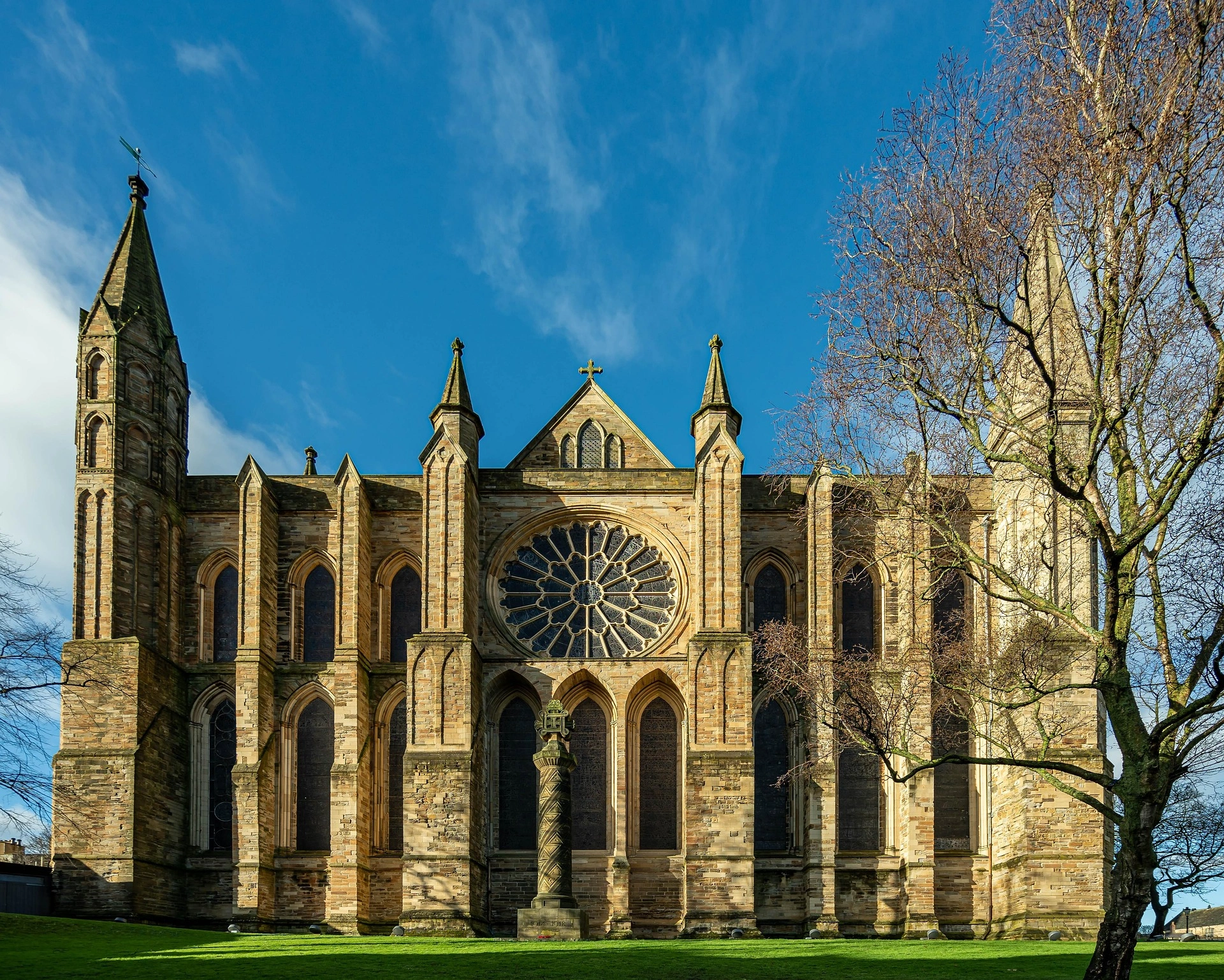
6. Durham
Durham is one of those destinations where the setting makes the architecture even more impressive. The historic center sits above the River Wear, with Durham Cathedral and Durham Castle creating a dramatic focal point.
The river curves around the old city, so viewpoints change as you walk. A street that looks fairly ordinary from one angle can suddenly open up to a remarkable view of the cathedral through the trees.
The city is small enough to explore over a short break but has enough history to keep the experience interesting. Our guide to Durham covers its main attractions, nearby destinations and seasonal experiences in more detail.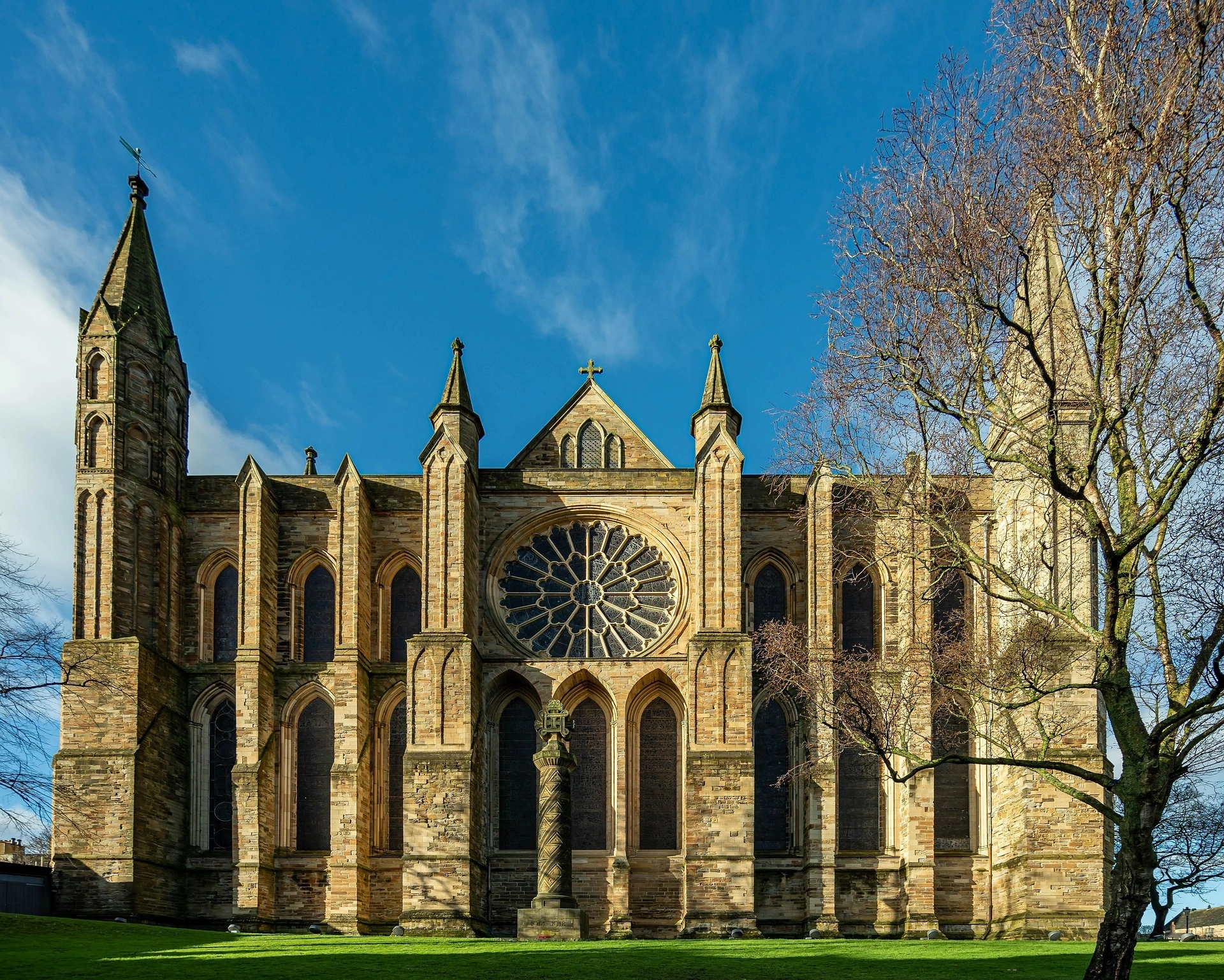
7. Cambridge
Cambridge has a quieter kind of beauty. Its historic colleges, courtyards, bridges and riverside paths create a cityscape that feels carefully preserved without becoming frozen in the past.
The River Cam adds another layer to the experience, especially around the university buildings. Away from the busiest streets, you can find peaceful green spaces and attractive corners that make the city rewarding to explore slowly.
Cambridge is one of the best places to visit in England for people who enjoy architecture and atmosphere rather than a packed list of attractions. The pleasure comes from seeing how the historic university and the modern city fit together.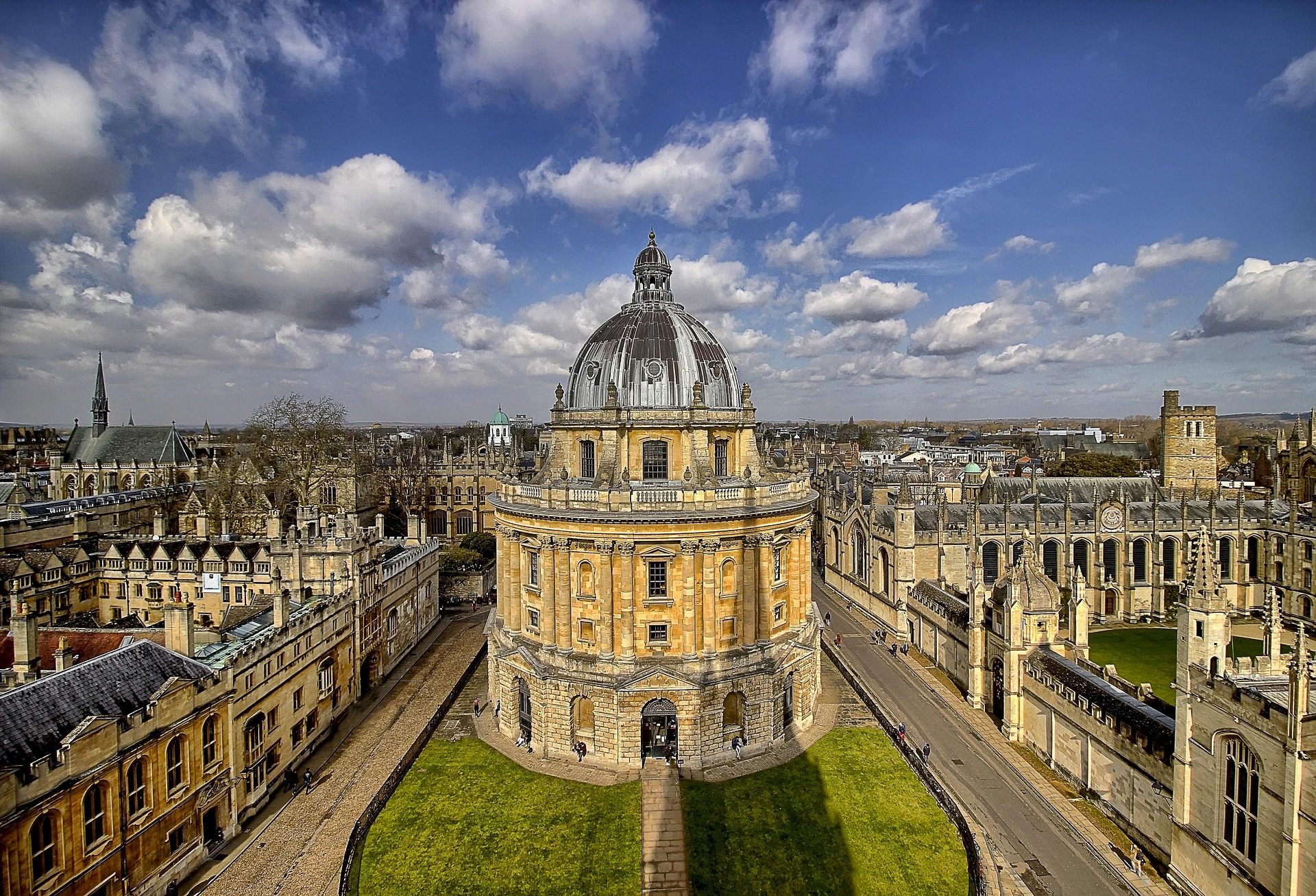
8. Oxford
Oxford shares some qualities with Cambridge but has a more varied visual character. Its colleges are spread through the city rather than feeling concentrated in a single area, which means each walk reveals a different collection of buildings and courtyards.
The area around Radcliffe Square is particularly striking, while the streets beyond the central university buildings introduce bookshops, cafés, markets and everyday city life.
Oxford is also a place where history is woven into ordinary surroundings. You do not need to enter every attraction to appreciate the city; much of its appeal can be seen simply by exploring its streets.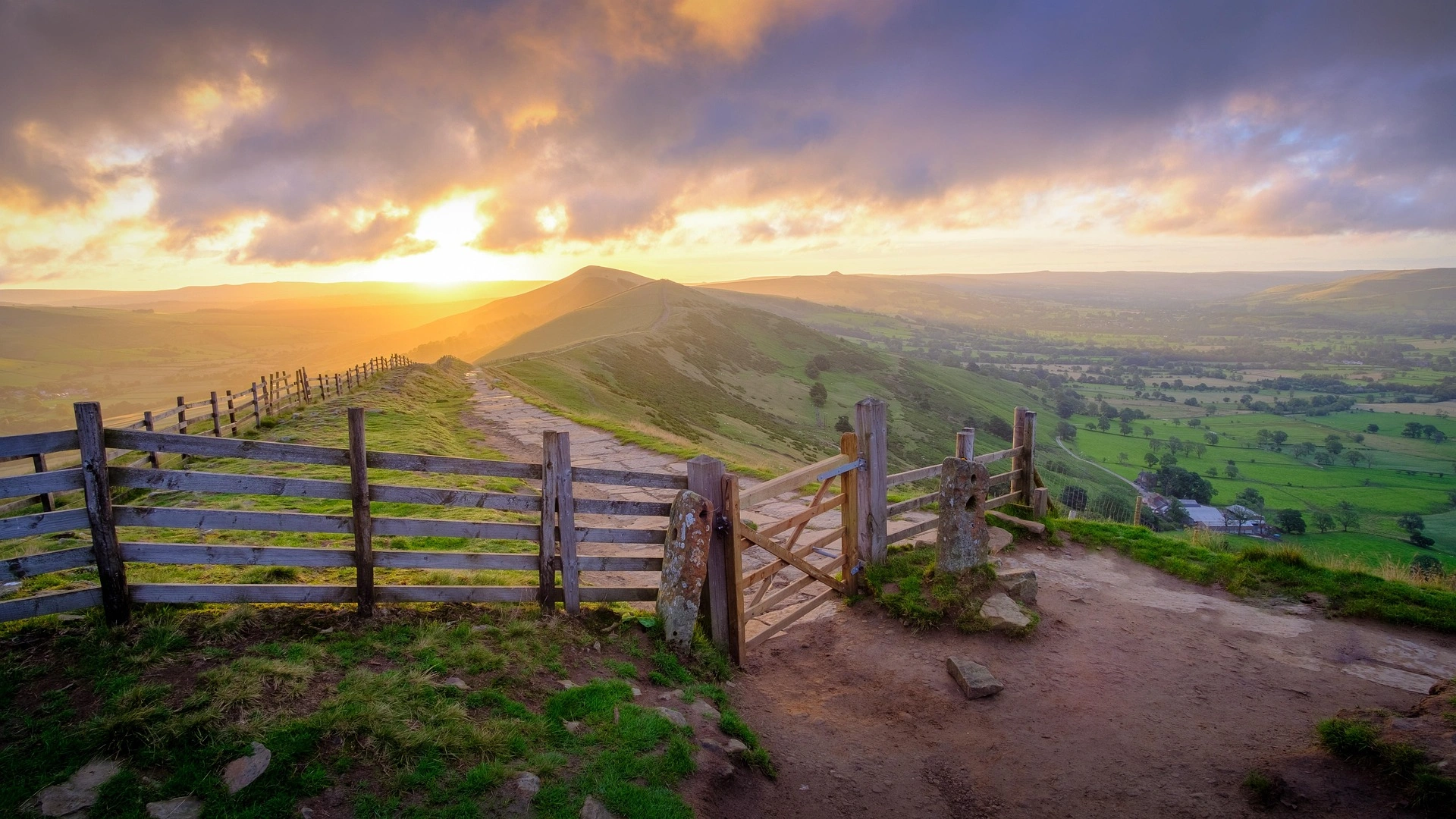
9. The Peak District
The Peak District is a good choice for travelers who want countryside without heading to the far north of England. It offers a mixture of rolling hills, exposed moorland, valleys, stone villages and dramatic viewpoints.
Castleton and Bakewell are two well-known bases, but the wider landscape is what makes the area special. Roads and paths lead through valleys where the scenery can change noticeably over a short distance.
The Peak District is also easy to combine with other northern destinations. A trip here works particularly well with a visit to Manchester, especially if you want to combine city culture with open countryside.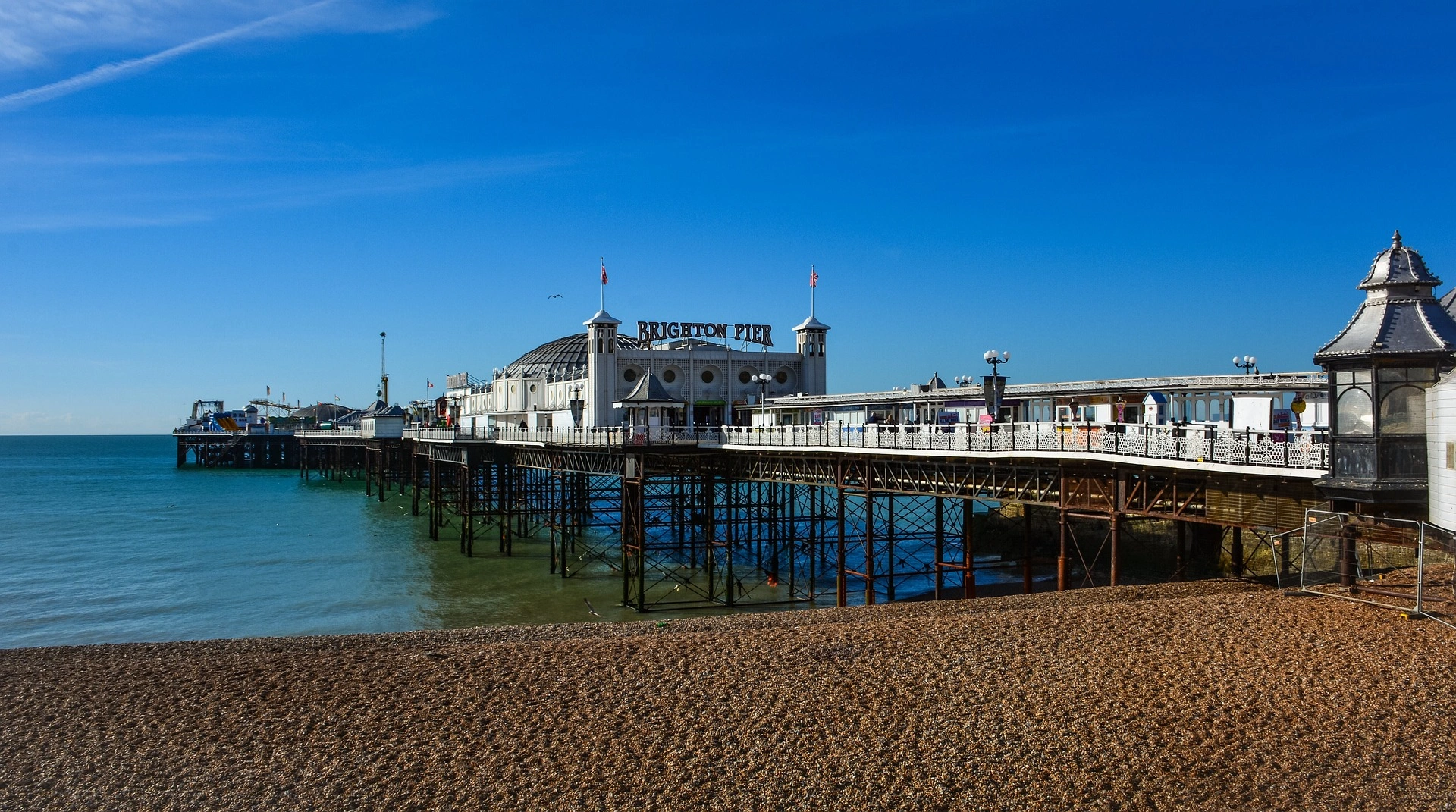
10. Brighton
Brighton brings colour, energy and the sea into the picture. Its beauty is less traditional than that of the Cotswold or Yorkshire, but the combination of coastline, historic architecture and lively streets gives the city a character of its own.
The seafront is an obvious starting point, but some of Brighton’s most interesting areas are further inland. The Lanes are full of narrow streets, independent businesses and unusual details, while other parts of the city have a more residential feel.
Brighton works particularly well for travelers who want a destination that combines scenery with entertainment, culture and a strong sense of personality.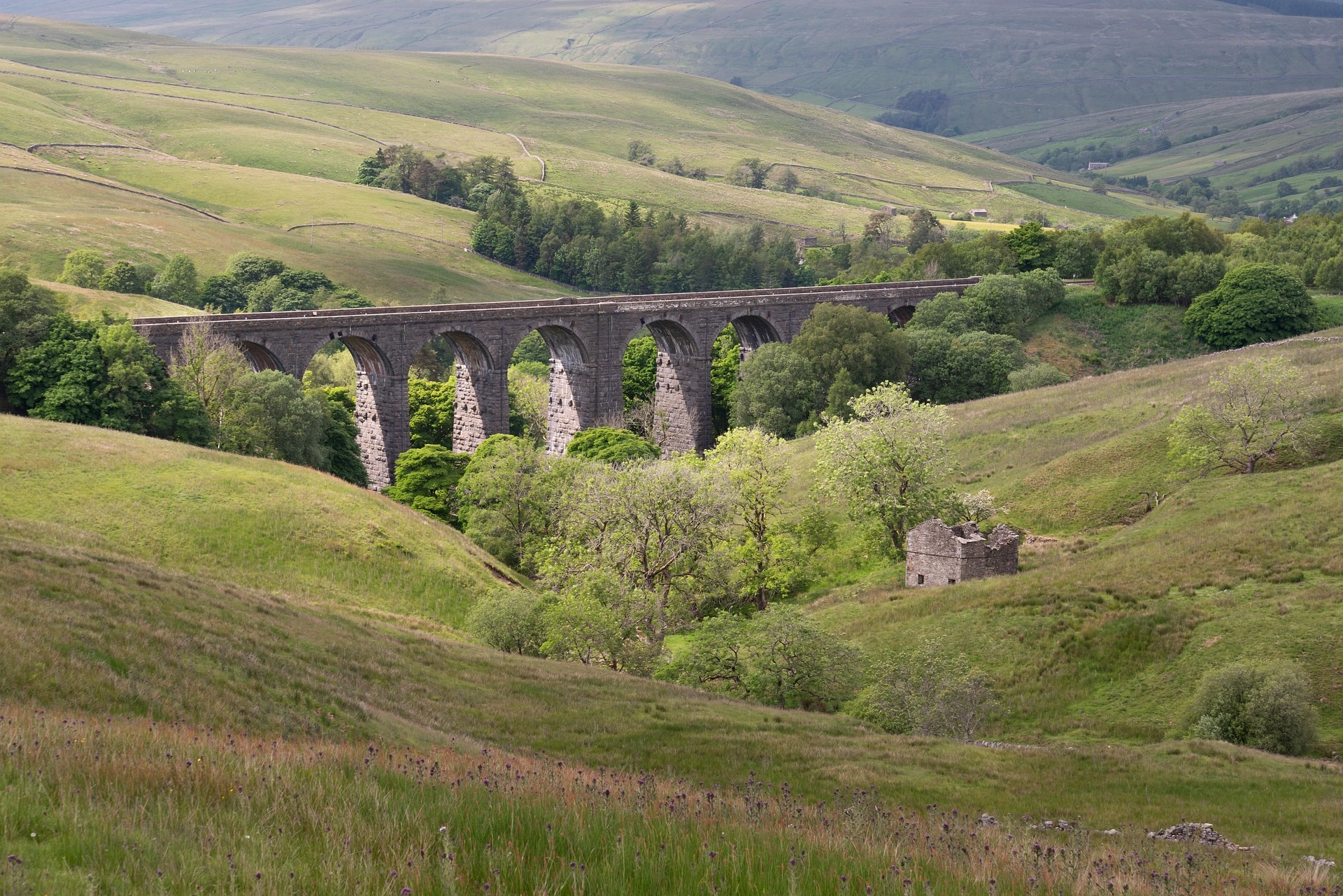
11. The Yorkshire Dales
The Yorkshire Dales has a more open and rugged feel than the Cotswolds. Stone walls divide green fields, valleys stretch between hills and small villages appear among wide areas of countryside.
Malham is one of the most recognisable parts of the region, while towns and villages such as Grassington and Hawes offer useful bases for exploring the wider landscape.
The Dales is especially attractive when you want a destination where the landscape remains the main attraction. It is less about individual landmarks and more about the cumulative effect of hills, valleys, rivers and traditional rural communities.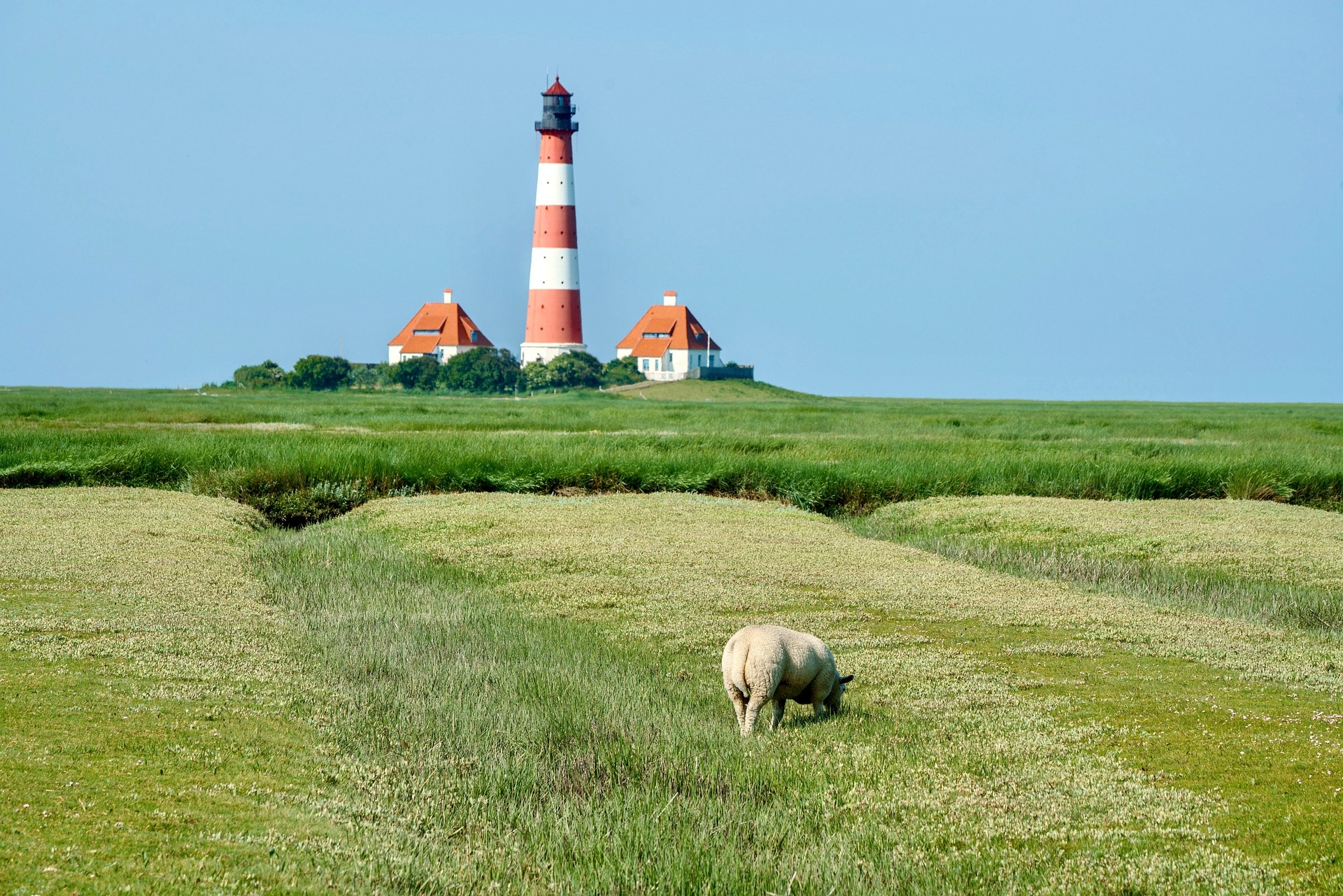
12. North York Moors
North York Moors offers another side of England’s countryside, with broad moorland, wooded valleys and a coastline that feels much wilder than many of the country’s better-known seaside destinations.
The landscape is particularly distinctive when the heather is in bloom, but there is plenty to appreciate throughout the year. Coastal villages, historic railway routes and open views add variety to the experience.
For travelers who want somewhere peaceful and less polished, North York Moors can be a refreshing alternative to England’s most famous beauty spots.
Final Thoughts
England is full of beautiful destinations, and the best ones are not limited to a single type of landscape. From the peaceful villages and rolling hills of the Cotswold to the rugged coastline of Cornwall, the mountains and lakes of the Lake District, and the historic streets of York and Durham, each destination has its own character.
For travelers planning places to visit in England, the choice ultimately comes down to the kind of experience you want. History lovers may prefer cities such as Bath, Oxford or York, while those looking for natural scenery may be drawn to Cornwall, the Yorkshire Dales or the Peak District.
The most beautiful places in England also change with the seasons, giving you a reason to explore different parts of the country throughout the year. Whether you are planning a short break, a scenic road trip or a longer holiday, there is always another beautiful corner of England waiting to be discovered.
FAQs
What are the most beautiful places in England?
Some of the most beautiful places in England include the Cotswold, Lake District, Cornwall, York, Bath, Durham, Cambridge, Oxford, Peak District, Brighton, Yorkshire Dales and North York Moors. Each offers a different combination of scenery, history, architecture or coastal landscapes.
What are the best places to visit in England?
The best places to visit in England depend on what you enjoy. Cornwall and Brighton are strong choices for the coast, the Cotswold and Yorkshire Dales are ideal for countryside, while York, Bath, Oxford and Durham are excellent for historic architecture and city breaks.
What are the top places to visit in England?
Popular top places to visit in England include the Cotswold, Lake District, Cornwall, York, Bath, Oxford, Cambridge, Peak District, Durham and Brighton. These destinations offer a broad mix of natural and cultural experiences.
What are the top ten places to visit in England?
A possible top ten includes the Cotswold, Lake District, Cornwall, York, Bath, Oxford, Cambridge, Peak District, Durham and Brighton. The ideal ranking depends on whether you prefer beaches, countryside, architecture or historic cities.
Which part of England is the most beautiful?
There is no single answer because England’s landscapes are so varied. The south-west is known for its coastline and villages, the north for mountains and dramatic countryside, and historic cities across the country offer another kind of beauty through architecture and heritage.
What is the prettiest countryside in England?
The Cotswold, Lake District, Peak District and Yorkshire Dales are among the most popular countryside destinations. They are very different from one another, so the best choice depends on whether you prefer gentle hills, mountains, valleys or open moorland.
Where can I find beautiful coastal scenery in England?
Cornwall, Brighton, North York Moors and parts of the wider Yorkshire coastline all offer memorable coastal scenery. Cornwall is especially varied, with sandy beaches, cliffs, coves and fishing villages spread across a large area.
Can I visit several beautiful places in England on one trip?
Yes. Regional trips can make it easier to see several destinations without spending too much time on the road. For example, Oxford, Bath and the Cotswold can work well together, while Durham, Yorkshire and northern cities such as Manchester and Liverpool can be combined into a northern England itinerary.