Lincoln

Lincoln

Lincoln is a historic cathedral city in Lincolnshire where Roman remains, medieval streets and modern waterfront life sit within a compact center.

Capital city

Belfast

Currency

GBP

Timezone

GMT (Winter), GMT + 1 (Summer)
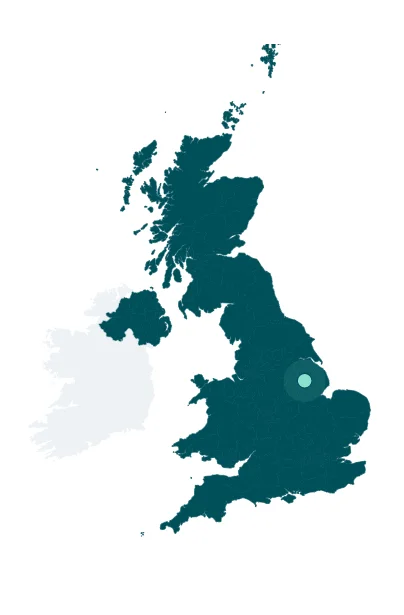
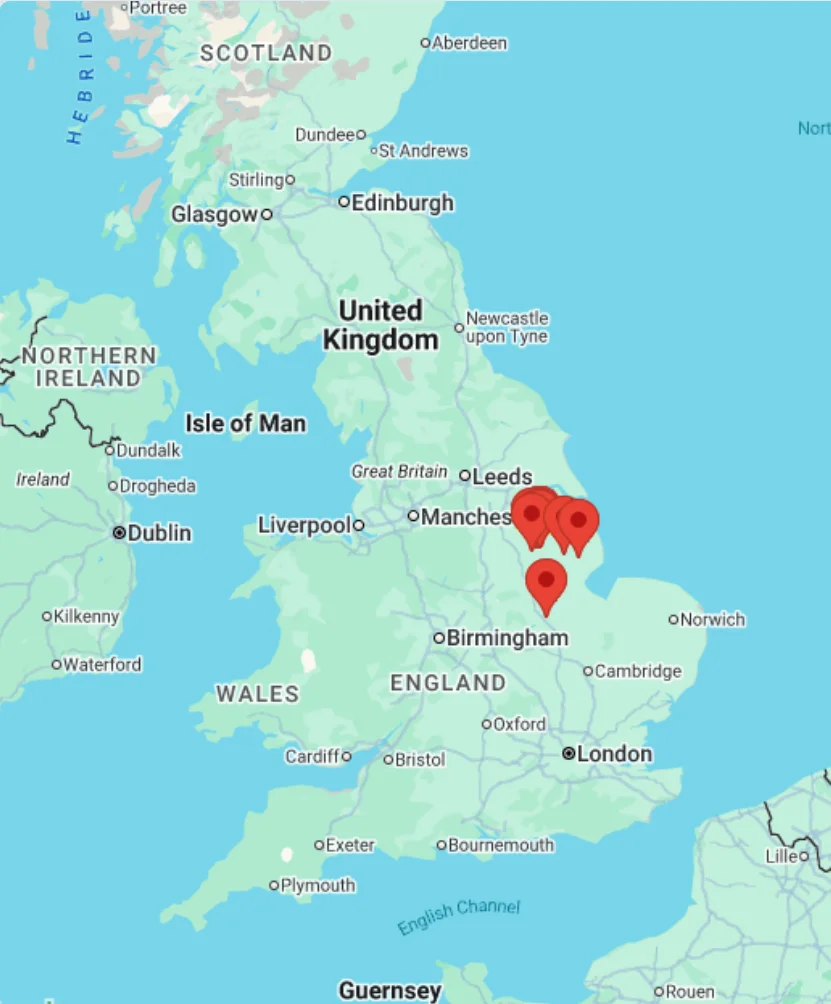
Lincoln Map

WHY WE LOVE Lincoln

Lincoln Cathedral and Lincoln Castle dominate the uphill quarter, while Steep Hill, Bailgate, the Brayford Waterfront and the Cornhill Quarter add shopping, food and city atmosphere.

With major landmarks close together and countryside, villages and heritage sites nearby, Lincoln works well for both a day trip and a longer stay. There are plenty of things to do in Lincoln, whether you are interested in history, architecture, museums, independent shops or simply exploring the city on foot.

Lincoln’s history stretches back through Roman, Viking, Norman and medieval periods, and many of those layers can still be seen around the city.

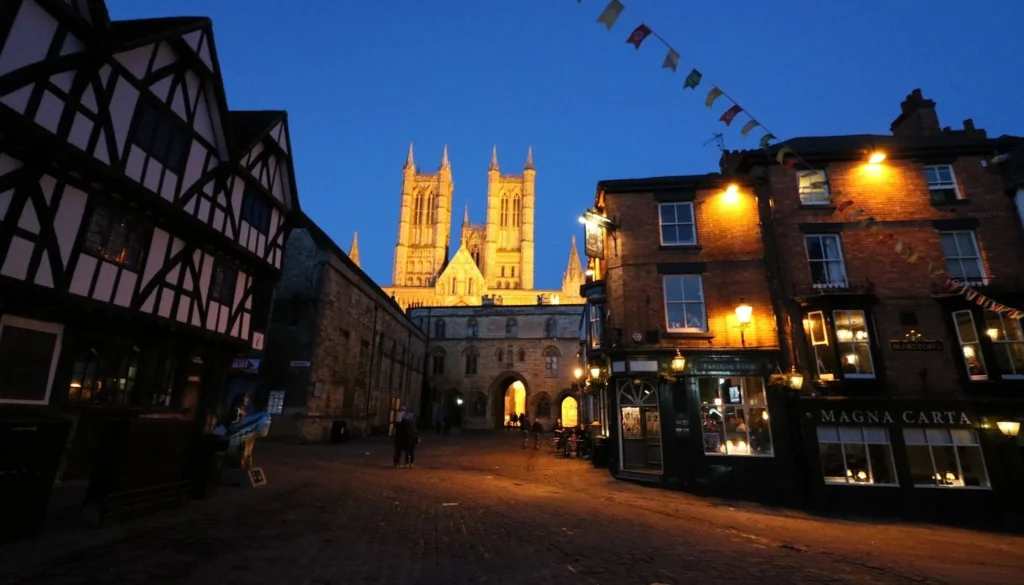
Walk uphill and you can move between Roman gateways, historic streets, Lincoln Cathedral and the Norman castle without travelling far. Steep Hill connects the modern center with the Cathedral Quarter, turning a simple walk through the city into part of the sightseeing experience.

Lincoln is not only about castles and cathedrals. The Brayford Waterfront brings restaurants, university life and waterside walks into the city, while areas such as Bailgate and the Cornhill Quarter provide independent shops, cafes and places to spend time between attractions.

The contrast between the historic uphill quarter and the waterfront gives Lincoln more variety than its compact size might suggest.

DESTINATIONS IN LINCOLN

Lincoln’s compact layout makes it easy to combine several major attractions in one day, particularly around the Cathedral Quarter and city center.

Lincoln Map

Lincoln Cathedral

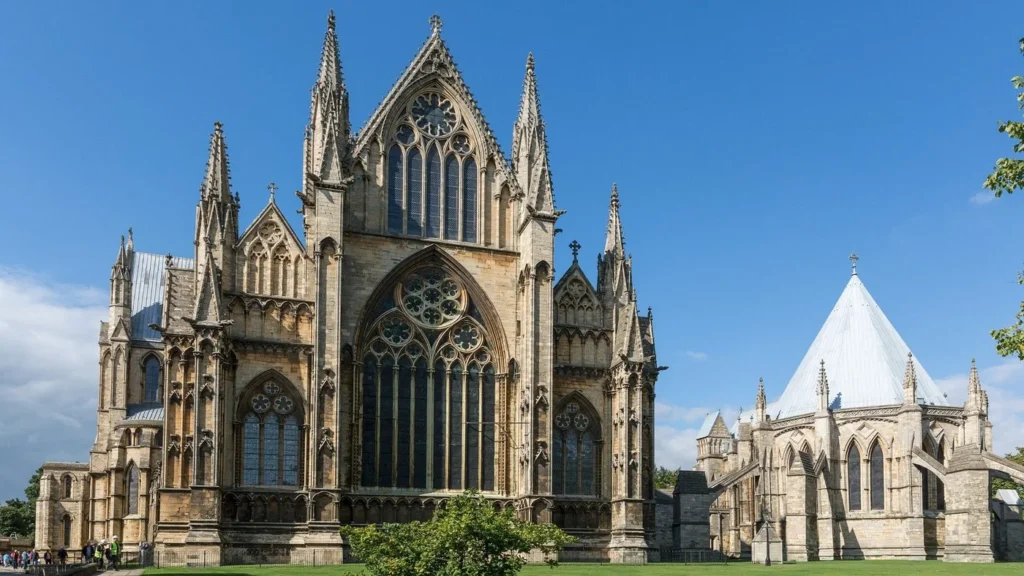
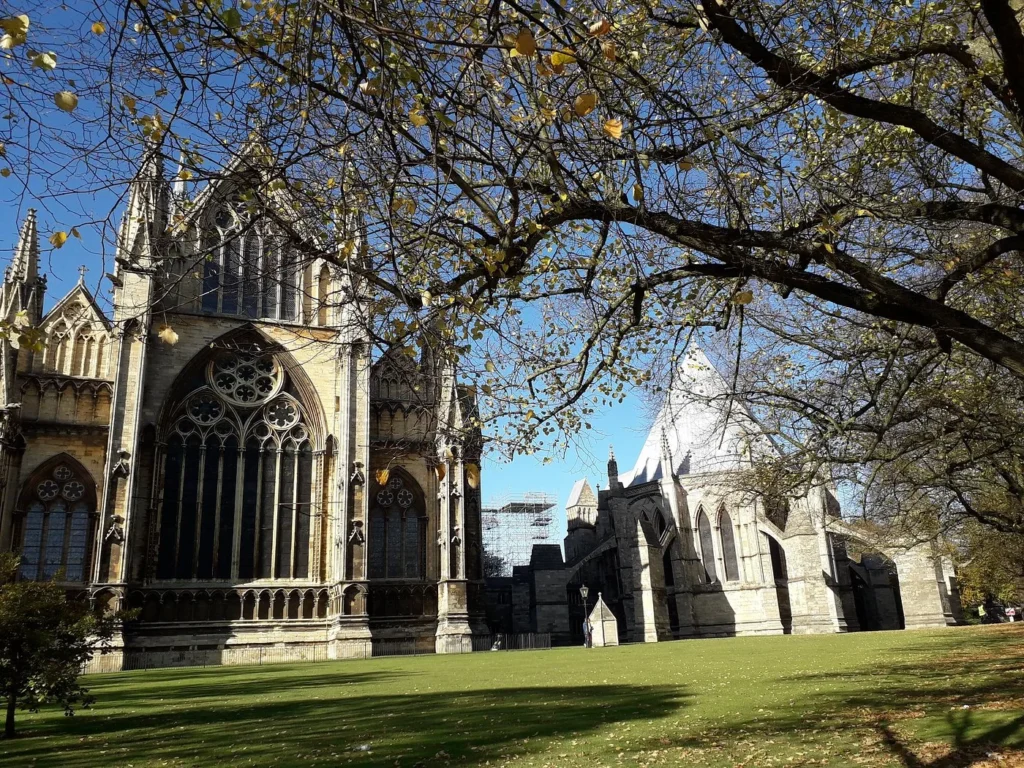
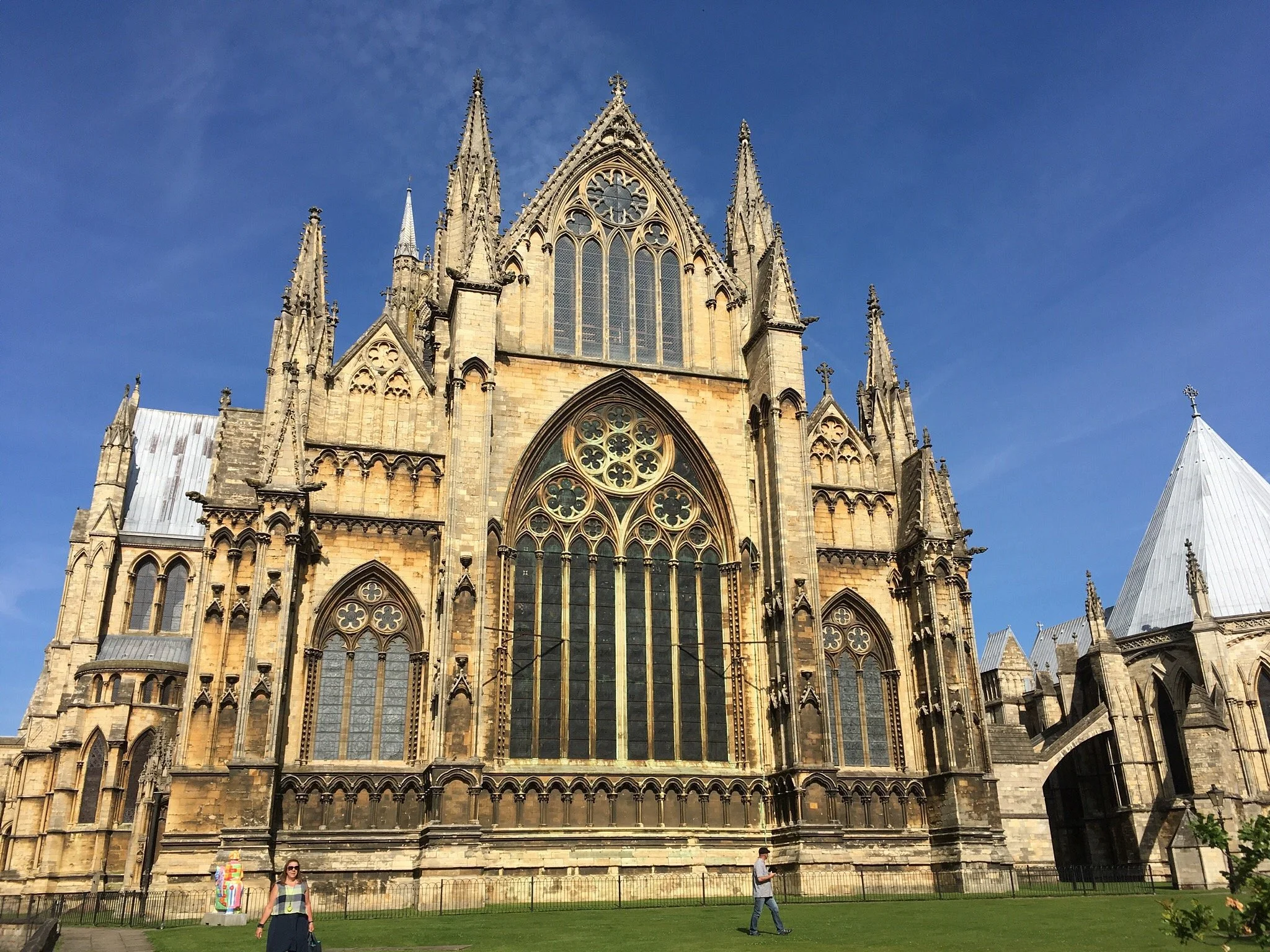
Lincoln Cathedral is the city’s defining landmark and one of the most impressive examples of Gothic architecture in England.

Lincoln Cathedral

Lincoln Castle

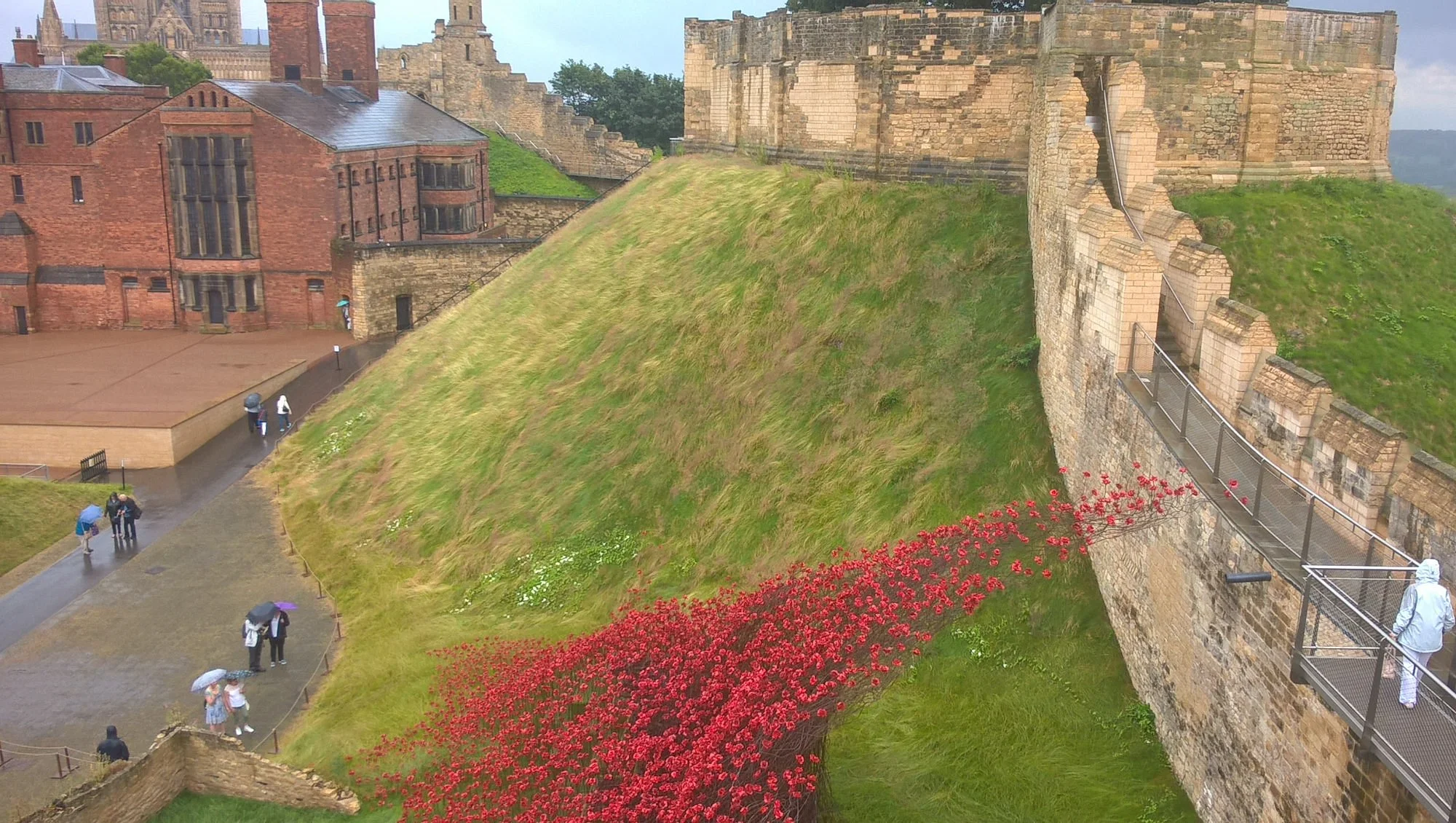
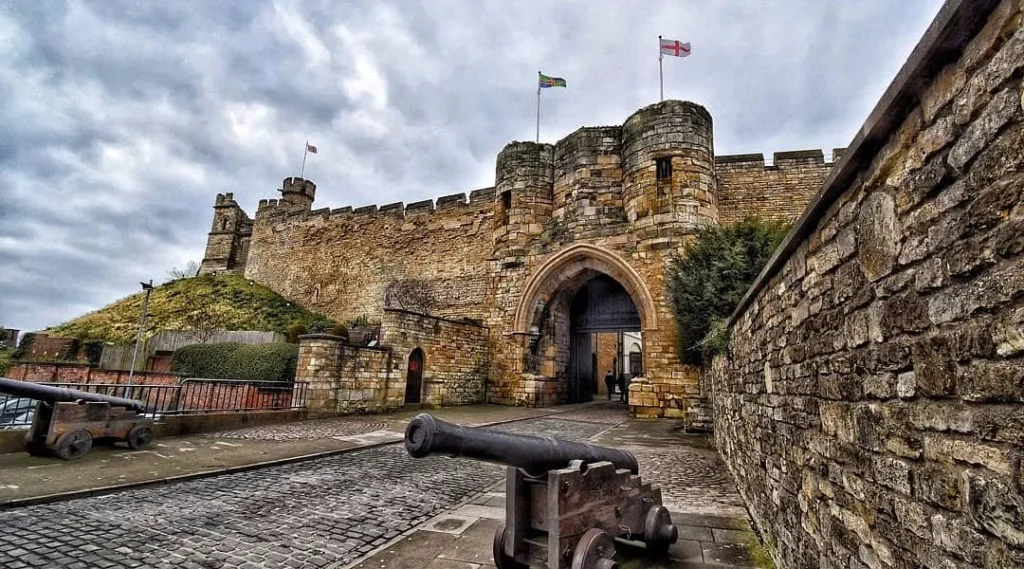
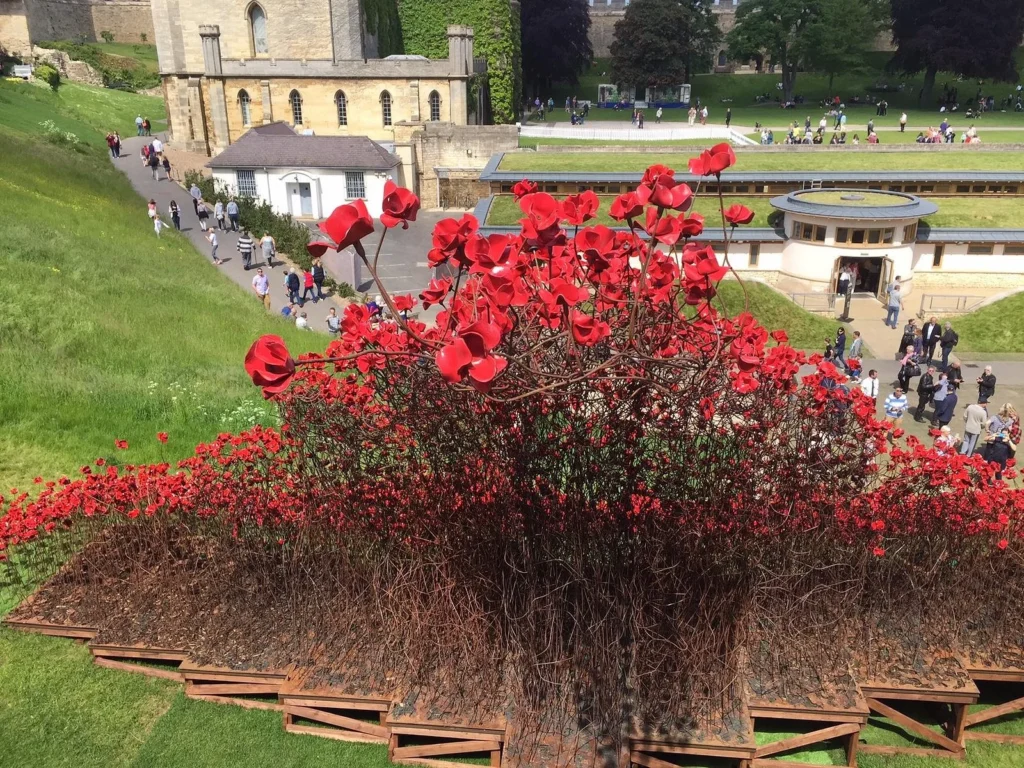
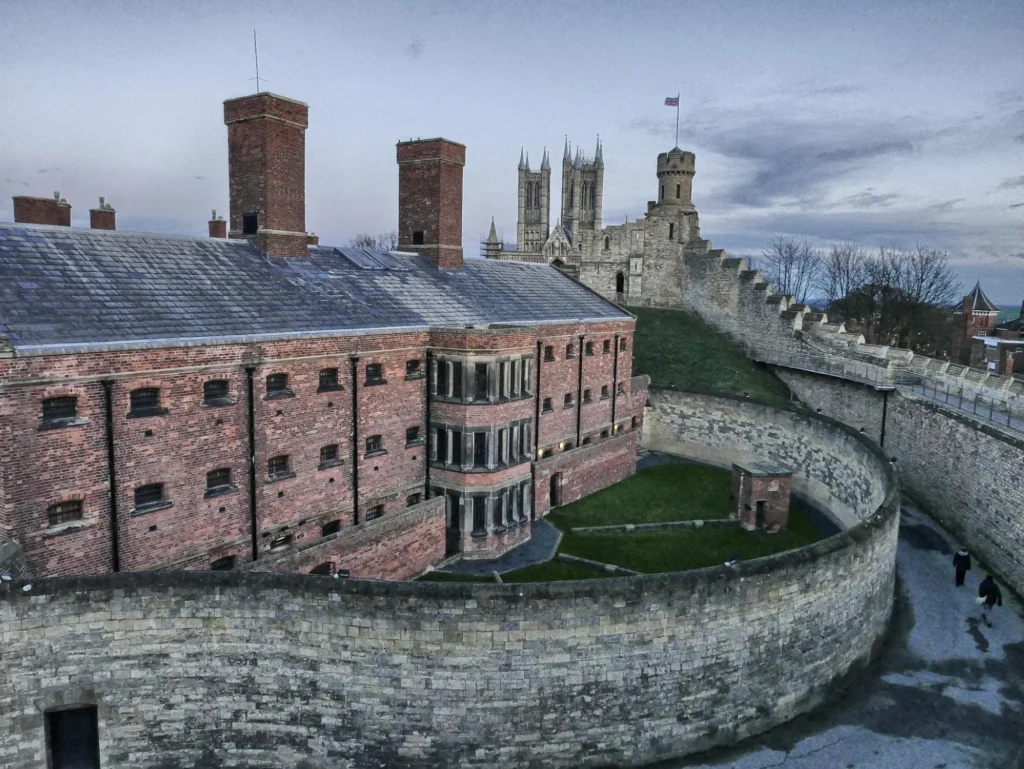
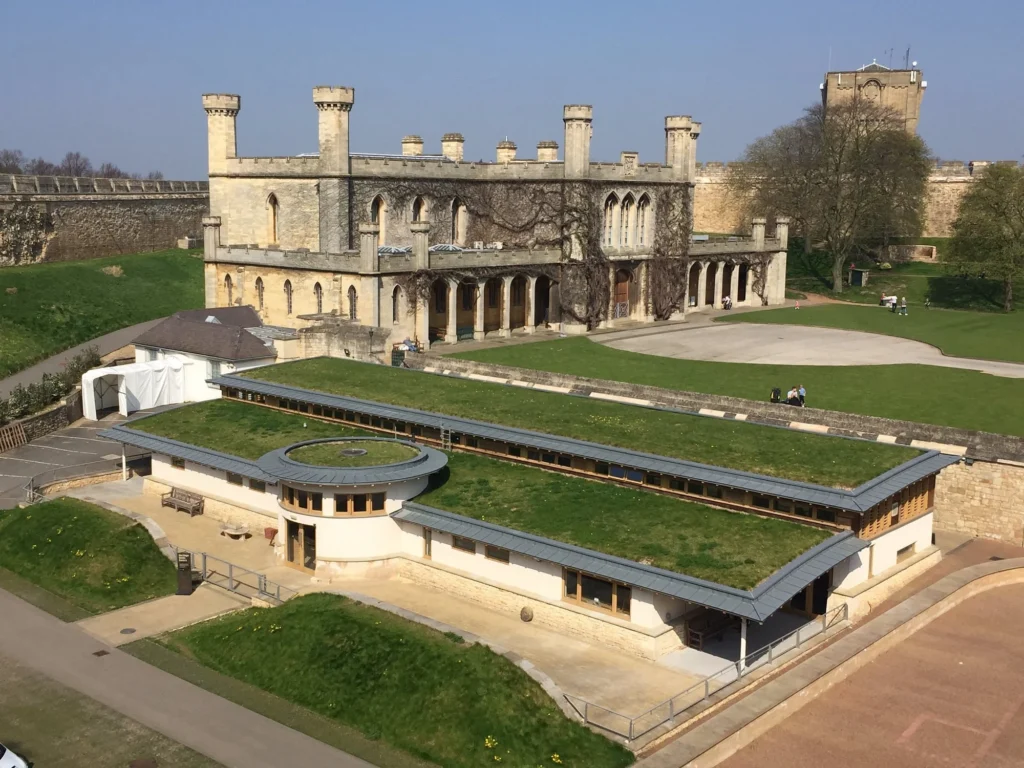
Lincoln Castle stands directly opposite the cathedral and dates back to the Norman period.
Visitors can explore the castle grounds, walk sections of the medieval walls and learn more about the site’s long history.

Lincoln Castle

Steep Hill

Steep Hill connects Lincoln’s lower city center with the Cathedral Quarter.
The cobbled street is lined with historic buildings, independent businesses, cafes and small shops, giving visitors plenty of reasons to stop during the climb.

Steep Hill

Bailgate

Bailgate sits within Lincoln’s historic uphill area and continues the atmosphere of the Cathedral Quarter.
The street contains independent shops, restaurants and historic architecture, with Roman remains and old gateways nearby.

Bailgate

Lincoln Museum and Usher Gallery

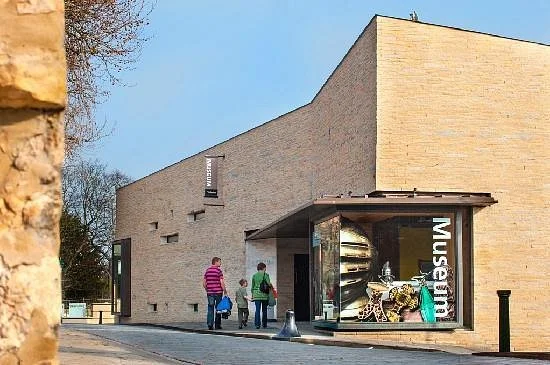
Lincoln Museum and the Usher Gallery provide a useful introduction to the city’s archaeology, history, art and wider cultural story.

Lincoln Museum

Brayford Waterfront

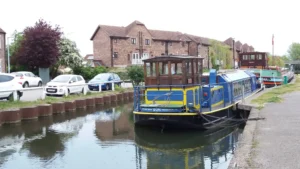
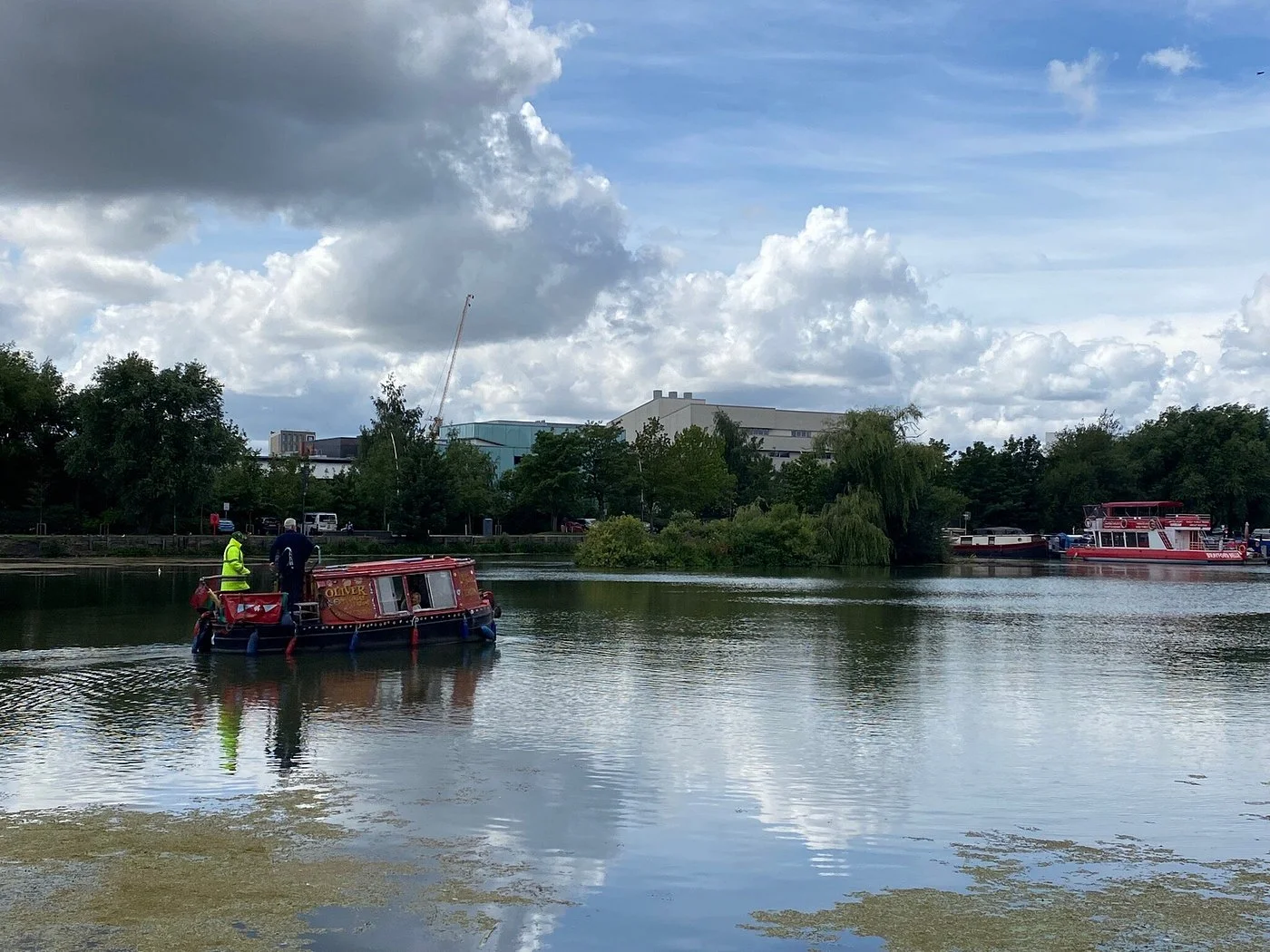
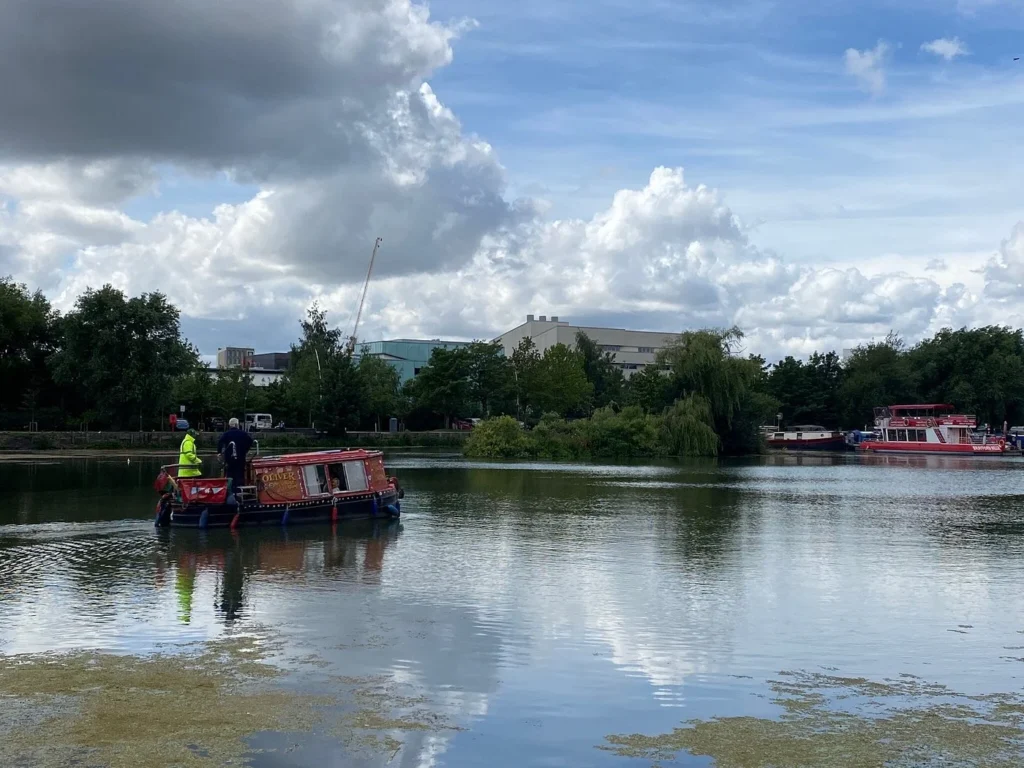
The Brayford Waterfront combines historic waterways with modern city life.
Restaurants and entertainment venues line the water, while the University of Lincoln sits nearby.

Brayford Waterfront

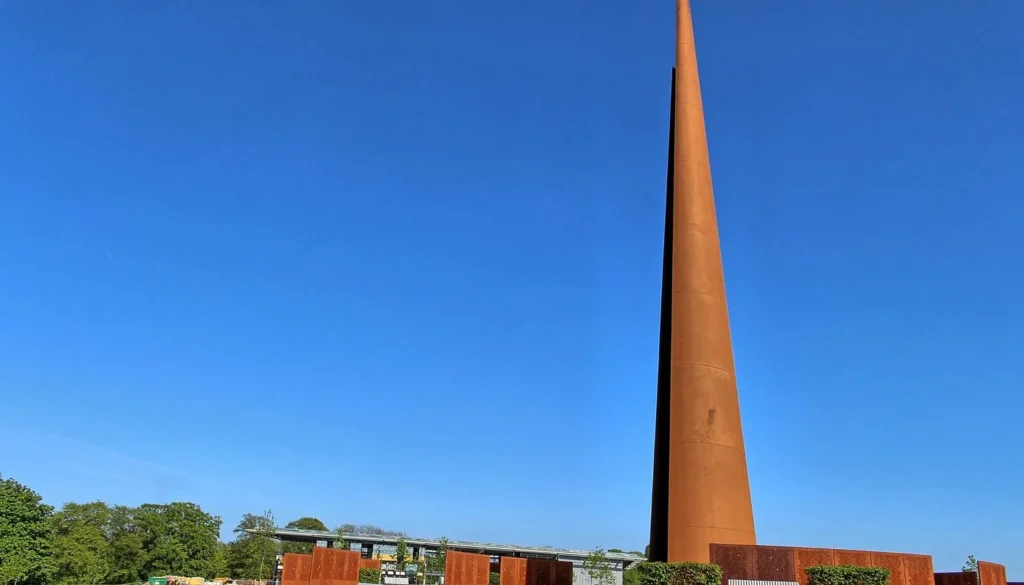
International Bomber Command Center

The International Bomber Command Center explores the history and human impact of Bomber Command during the Second World War.

International Bomber Command Center

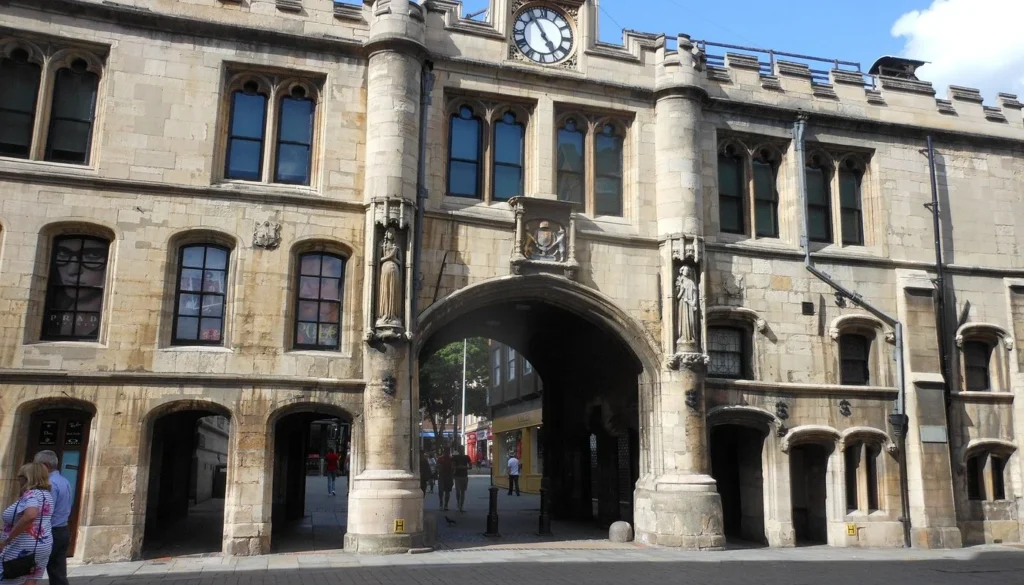
Lincoln Guildhall and Stonebow

The Guildhall and Stonebow form one of the city’s most distinctive historic structures.
Positioned above the High Street, the building has strong links with Lincoln’s civic history and remains an important architectural landmark.

Lincoln Guildhall and Stonebow

Featured Things to Do BY SEASON

Lincoln

Spring is a good time to explore Lincoln on foot before the busiest summer period.
Walk through the Cathedral Quarter, explore Steep Hill and spend time around the city’s green spaces. The Brayford Waterfront also becomes more appealing as the days grow longer.

Lincoln

Summer gives you more time to combine historic sightseeing with outdoor experiences.
Visit the cathedral and castle earlier in the day, then spend the afternoon around the Brayford Waterfront or follow part of Lincoln’s waterways.

Lincoln

Autumn suits Lincoln’s historic atmosphere particularly well.
The Cathedral Quarter, Bailgate and Steep Hill take on a different character as the weather cools, while museums and heritage attractions provide useful indoor options.

Lincoln

Winter works well for Lincoln’s museums, cathedral and castle.
Spend more time inside the city’s major heritage attractions before stopping at cafes, restaurants and independent shops around Bailgate, Steep Hill and the Cornhill Quarter.

Explore Nearby Lincoln

Nettleham

Nettleham

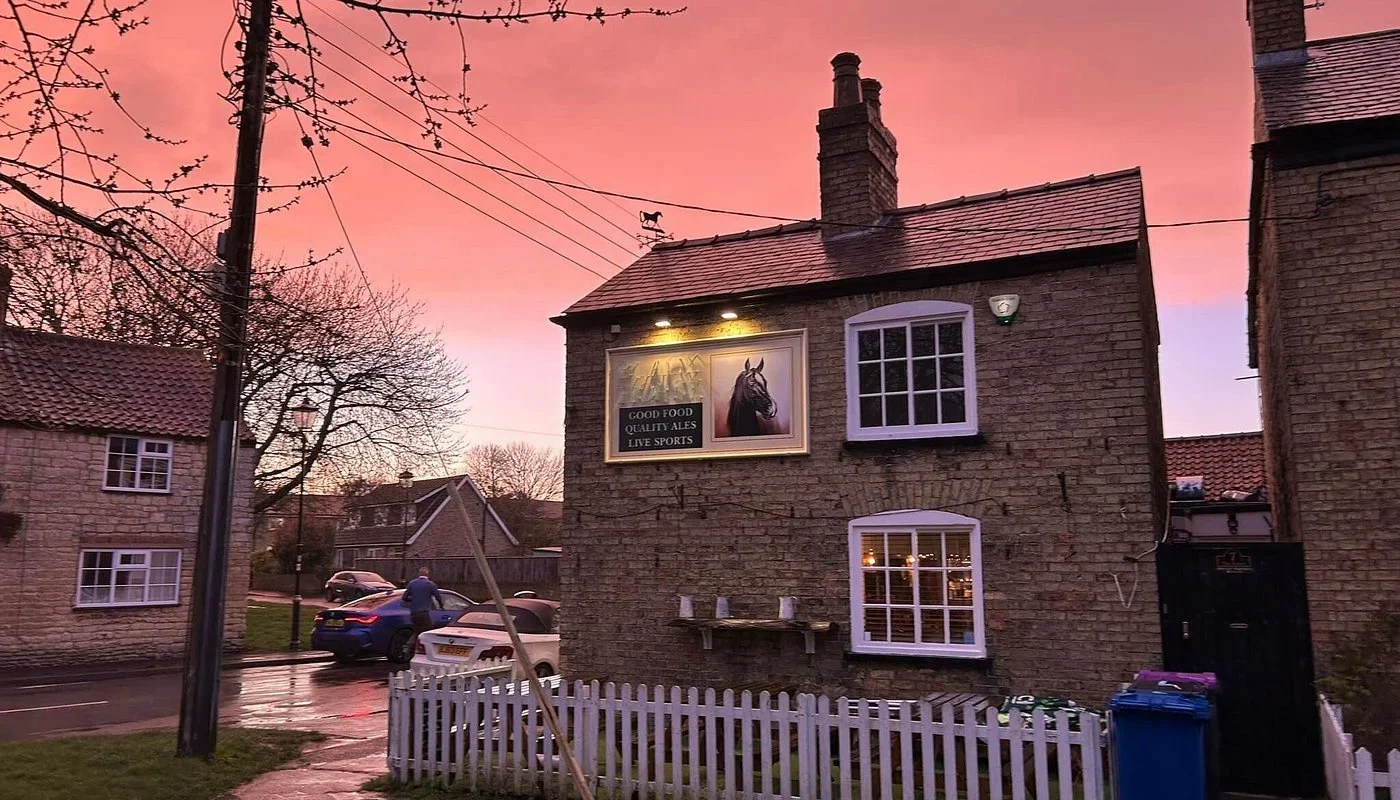
Nettleham Lincoln UK is a village around four miles north of the city and offers a quieter contrast to central Lincoln. Its conservation area includes historic stone buildings, All Saints Church and the Beck running through the village.
Doddington Hall

Doddington Hall

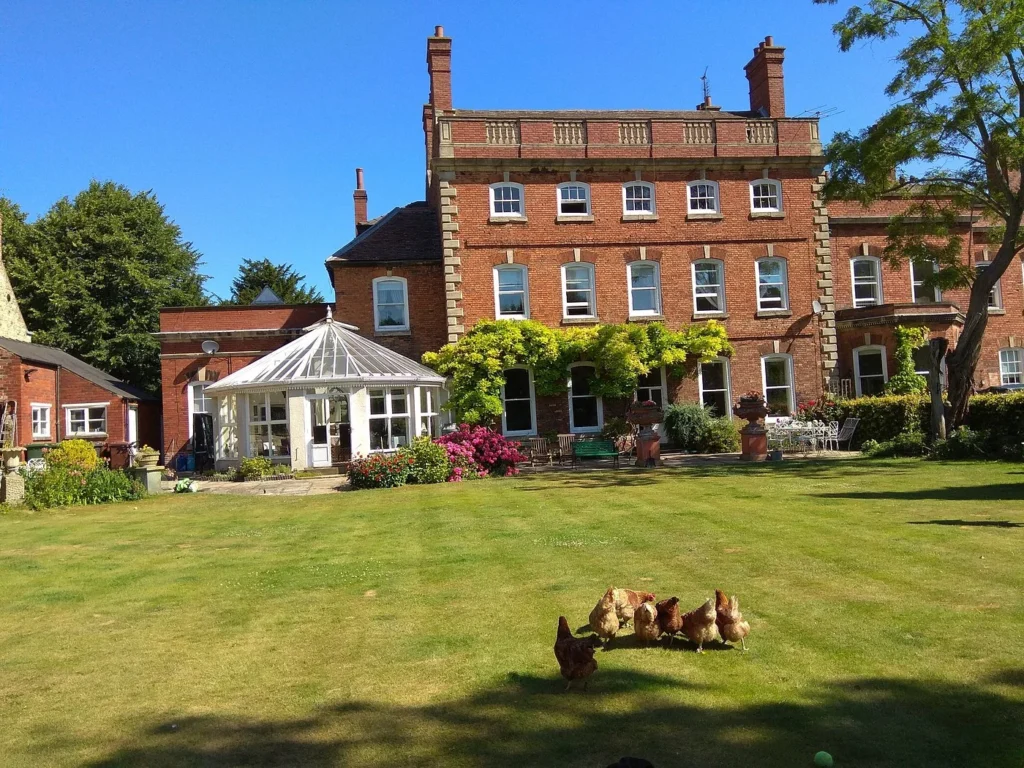
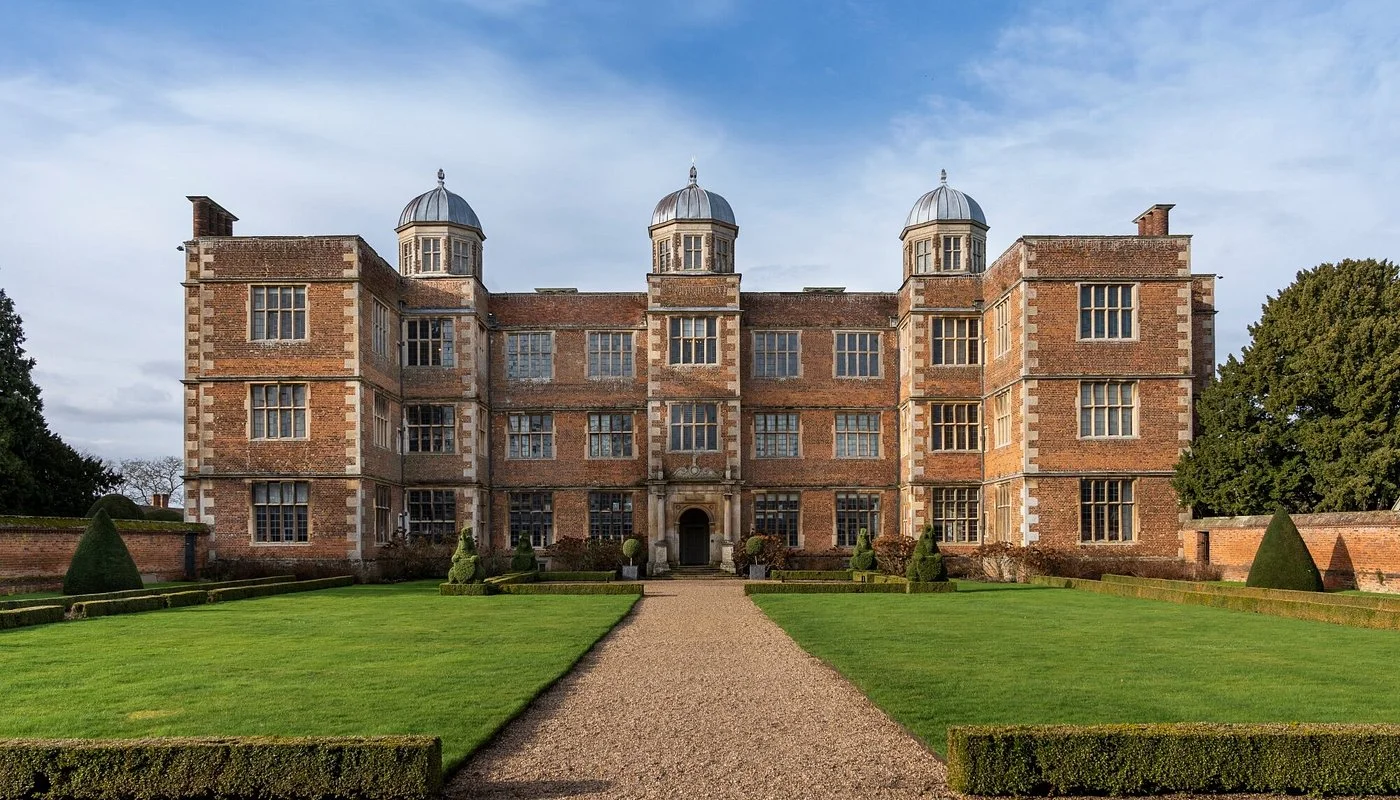
Doddington Hall is a historic country house west of Lincoln with gardens, estate grounds and seasonal events. It makes an easy addition to a Lincoln stay if you want to combine city sightseeing with a traditional English estate.
Whisby Nature Park

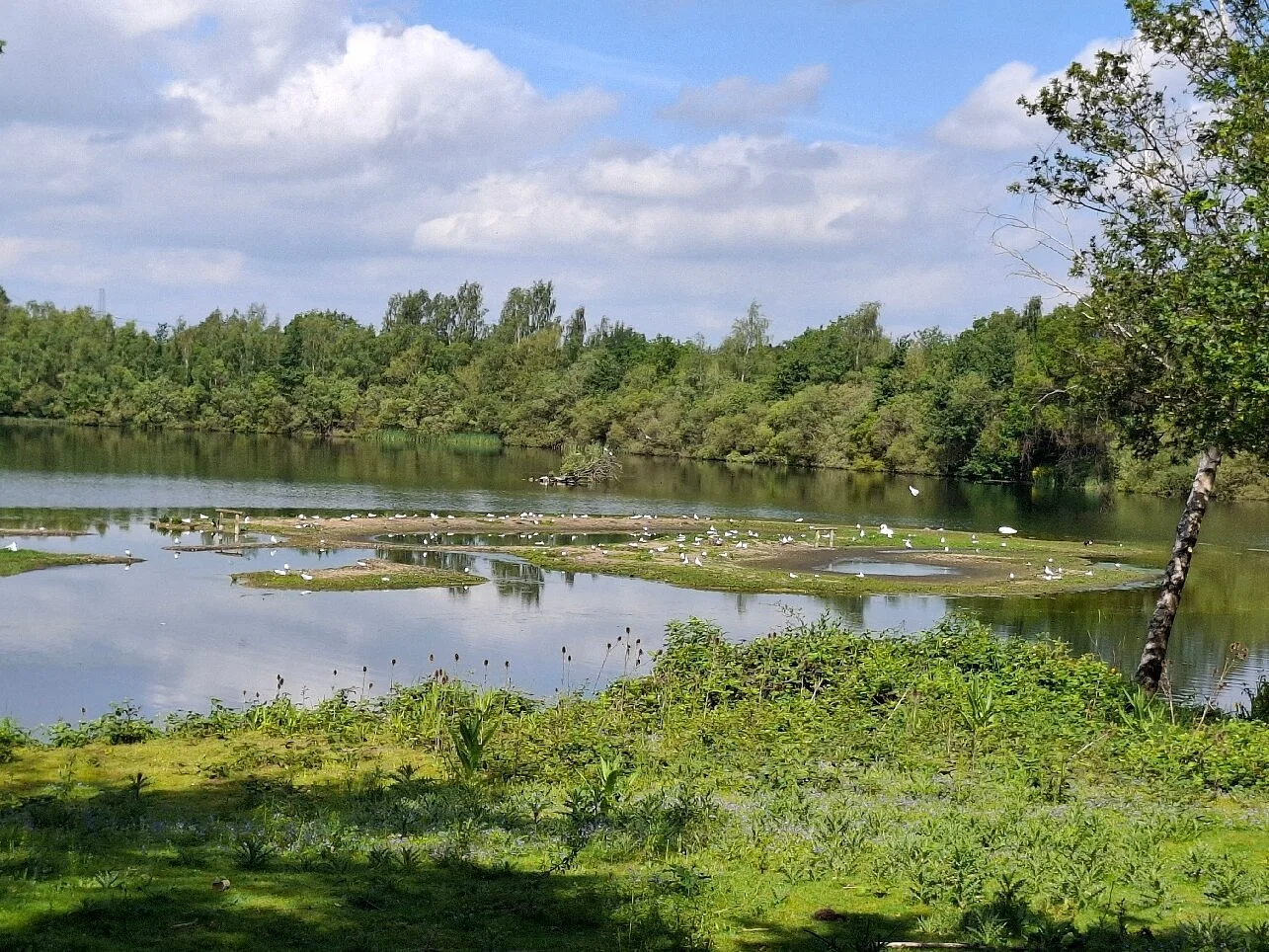
Whisby Nature Park

Whisby Nature Park provides lakes, walking trails and wildlife just outside Lincoln. It is a useful option for families, birdwatchers or anyone who wants a break from museums and historic streets.
Gainsborough

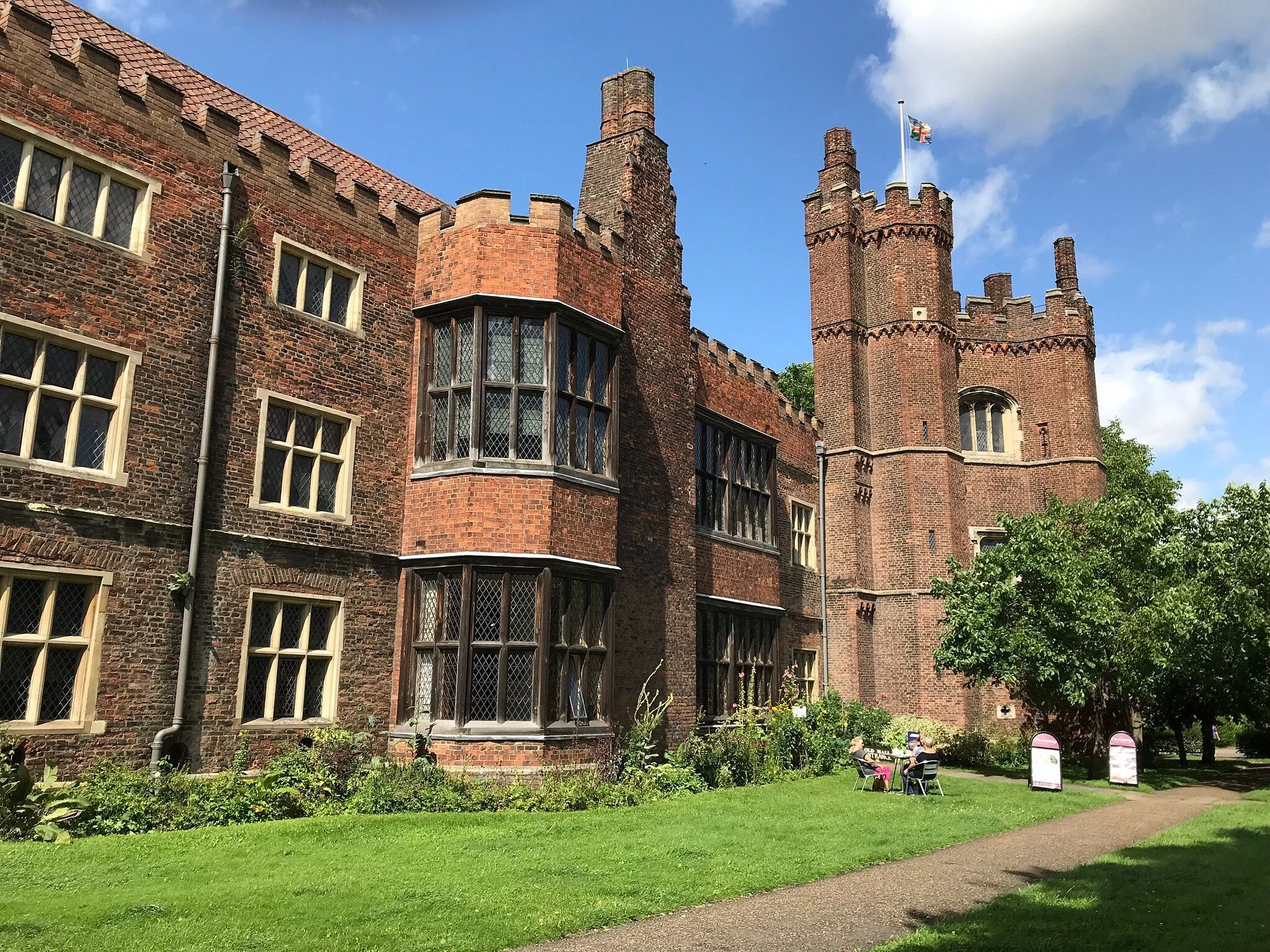
Gainsborough

Gainsborough lies northwest of Lincoln and offers another historic town experience. Gainsborough Old Hall is one of its main heritage attractions, while the town's position beside the River Trent provides a different landscape from Lincoln.

Lincolnshire Wolds

Lincolnshire Wolds

The Lincolnshire Wolds provide rolling countryside, walking routes and small villages east of Lincoln. The area is a good choice when you want more space and scenery than the city itself can provide.
Newark-on-Trent

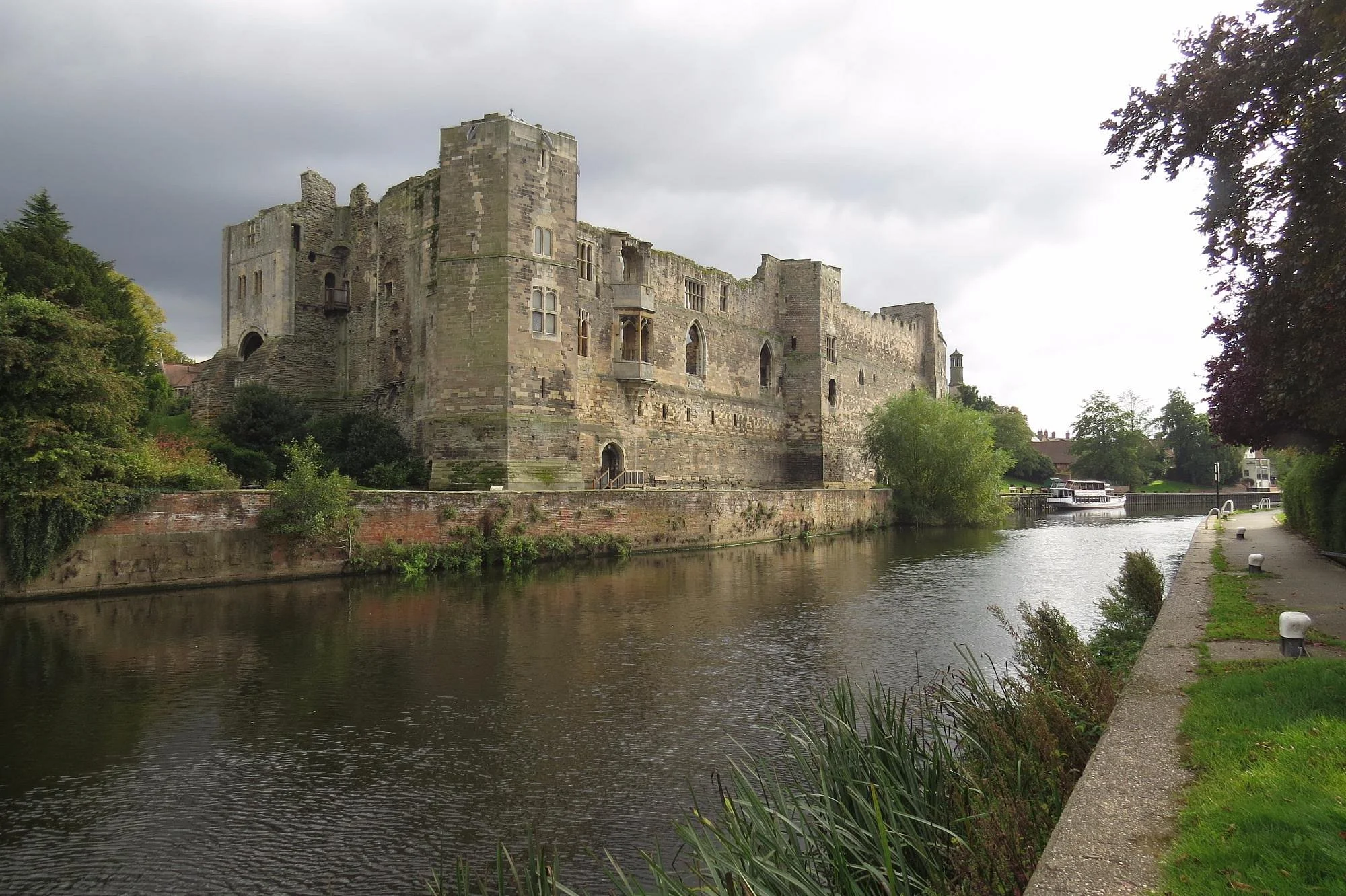
Newark-on-Trent

Newark-on-Trent lies southwest of Lincoln and is known for its market-town character and castle remains beside the River Trent. The town works well as a separate day trip and provides another historic destination within relatively easy reach of Lincoln.
GETTING TO LINCOLN

Lincoln is accessible by road and rail from several major UK cities.

Lincoln Central is the city’s main railway station and places visitors within walking distance of the High Street, Brayford Waterfront and much of the center.

Getting around

Rail services connect Lincoln with destinations across the Midlands, Yorkshire and other parts of England, with direct or connecting routes available from larger cities.

By road, Lincoln can be reached from surrounding areas using routes including the A46, A15 and A57.

Drivers should check city-center parking before travelling, particularly when events are taking place around the historic quarter.

Newark-on-Trent

By Foot

Walking is one of the best ways to experience Lincoln. The lower city, Brayford Waterfront, High Street, Steep Hill and Cathedral Quarter can all be connected on foot.

By Bus

Local buses connect the city center with residential areas, nearby villages and destinations around Lincolnshire. Bus services can also be useful for places such as Nettleham when you want to explore beyond the central attractions without driving.

By Bike

Cycling can be a practical way to explore Lincoln's waterways and flatter parts of the city. Routes around the River Witham and Foss Dyke provide alternatives to the busier central streets.

LINCOLN: WHERE MEDIEVAL LANDMARKS MEET MODERN WATERFRONT LIFE

Lincoln’s character comes from the contrast between its historic uphill quarter and the modern life around the lower city and waterfront.

The cathedral, castle, Roman remains and medieval streets provide the strongest reasons to visit, but areas such as the Brayford, Bailgate and Cornhill Quarter stop the city from feeling like an open-air museum.

Add nearby villages such as Nettleham and easy access to the Lincolnshire countryside, and Lincoln works as both a city-break destination and a base for exploring more of the county.

Lincoln’s history provides plenty of sightseeing, but the city also has activities beyond traditional museums.

Walking the castle walls gives you elevated views, while exploring Steep Hill and Bailgate combines shopping, food and historic architecture.

The Brayford Waterfront is useful for dining and waterside walks, while escape rooms, entertainment venues and seasonal events provide options when you want something more active.

Families can also combine the city’s historic attractions with parks, museums and nearby nature reserves.

This variety means there are enough fun things to do in Lincoln for a weekend without relying entirely on history-focused attractions.

Lincoln

FAQs

What is Lincoln best known for?

Lincoln is best known for Lincoln Cathedral, Lincoln Castle, Steep Hill and its long Roman and medieval history. The city is also known for the Brayford Waterfront and its historic Cathedral Quarter.

Some of the best things to do in Lincoln include visiting Lincoln Cathedral and Lincoln Castle, walking up Steep Hill, exploring Bailgate, visiting Lincoln Museum and spending time around the Brayford Waterfront.

Important things to see in Lincoln include the cathedral, castle, historic city streets, Guildhall and Stonebow, Brayford Waterfront and the International Bomber Command Center.

Yes. Lincoln combines major historic attractions with independent shopping, museums, restaurants, green spaces and a waterfront in a relatively compact city.

Yes. Many of Lincoln’s main attractions are close enough to combine in one day. Staying overnight gives you more time for museums, the waterfront and nearby destinations.

Martin Lee is a UK-based travel writer, explorer, and award-winning travel blogger known for his immersive storytelling and authentic travel experiences. Recognised as a leading voice in modern travel content, he has explored destinations across the world, sharing cultural insights and hidden stories through his blog and media work. As a travel host and storyteller, Martin brings destinations to life with a unique blend of curiosity, depth, and engaging narrative style.

Recent Post

About UK

Official Visitor Guide