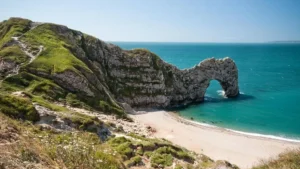
Devon is one of England’s most varied counties, with two coastlines, historic towns, fishing villages, national parks and some of the South West’s best-known beaches. You can spend the morning walking along a rugged coastal path, stop for lunch in a harbour town and finish the day surrounded by open countryside.
The best places to visit in Devon depend on the kind of trip you want. North Devon is known for dramatic coastline and surfing beaches, while South Devon has sheltered bays, colourful towns and the English Riviera. Inland, Dartmoor and Exmoor offer a completely different side of the county.
Here are some of the best places to visit in Devon for a day trip, weekend break or longer stay.
1. Dartmouth
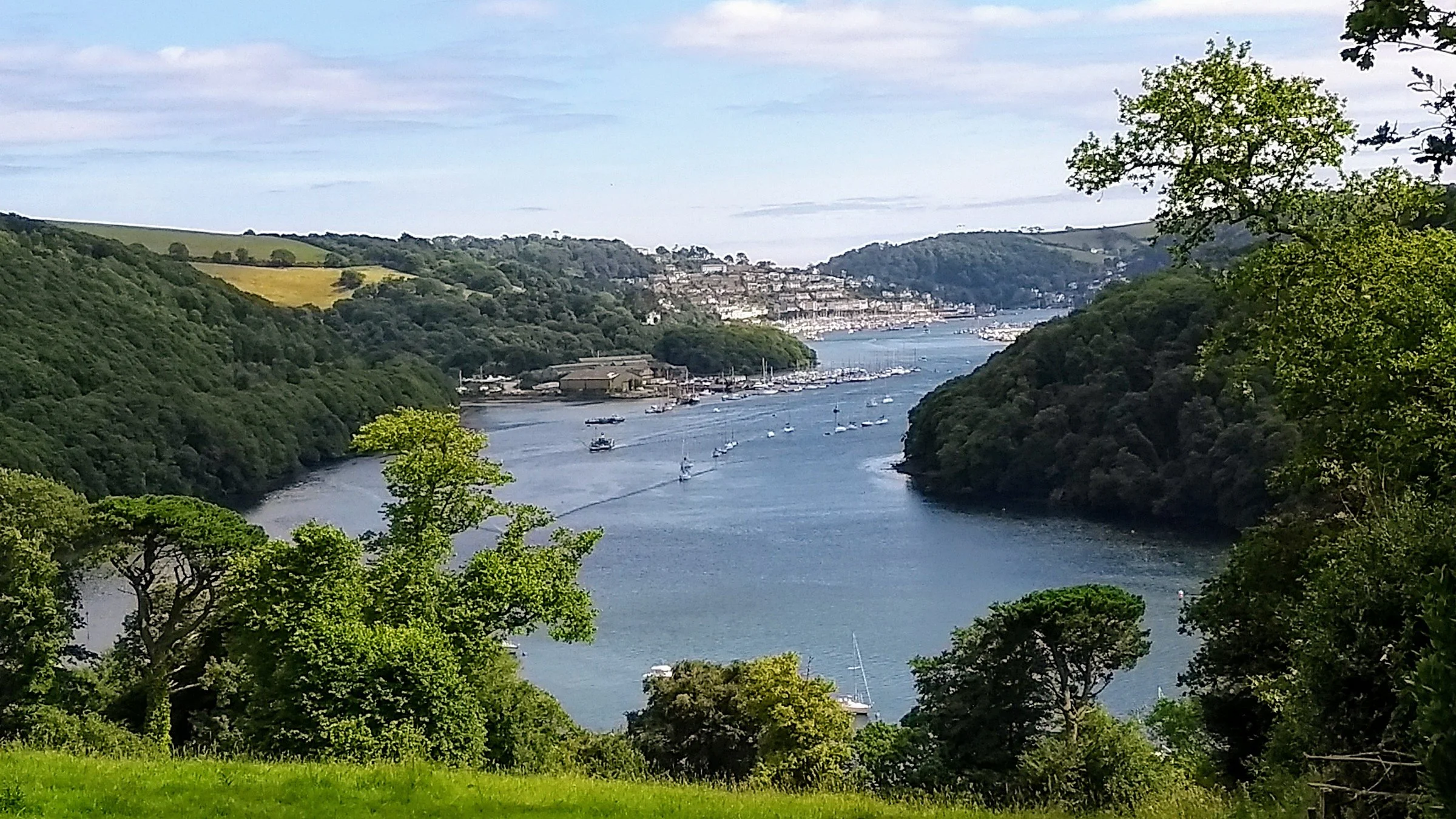
Dartmouth sits beside the River Dart and is one of South Devon’s most attractive waterfront towns. Its steep streets, historic buildings and harbour give it plenty of character, while boats and ferries make the river a major part of a visit.
Walk along the waterfront, explore the town centre or travel towards Dartmouth Castle at the mouth of the river. The town is also a useful base for exploring the wider South Devon coast.
Best for: Harbour views, boat trips and relaxed weekend breaks.

2. Dartmoor National Park
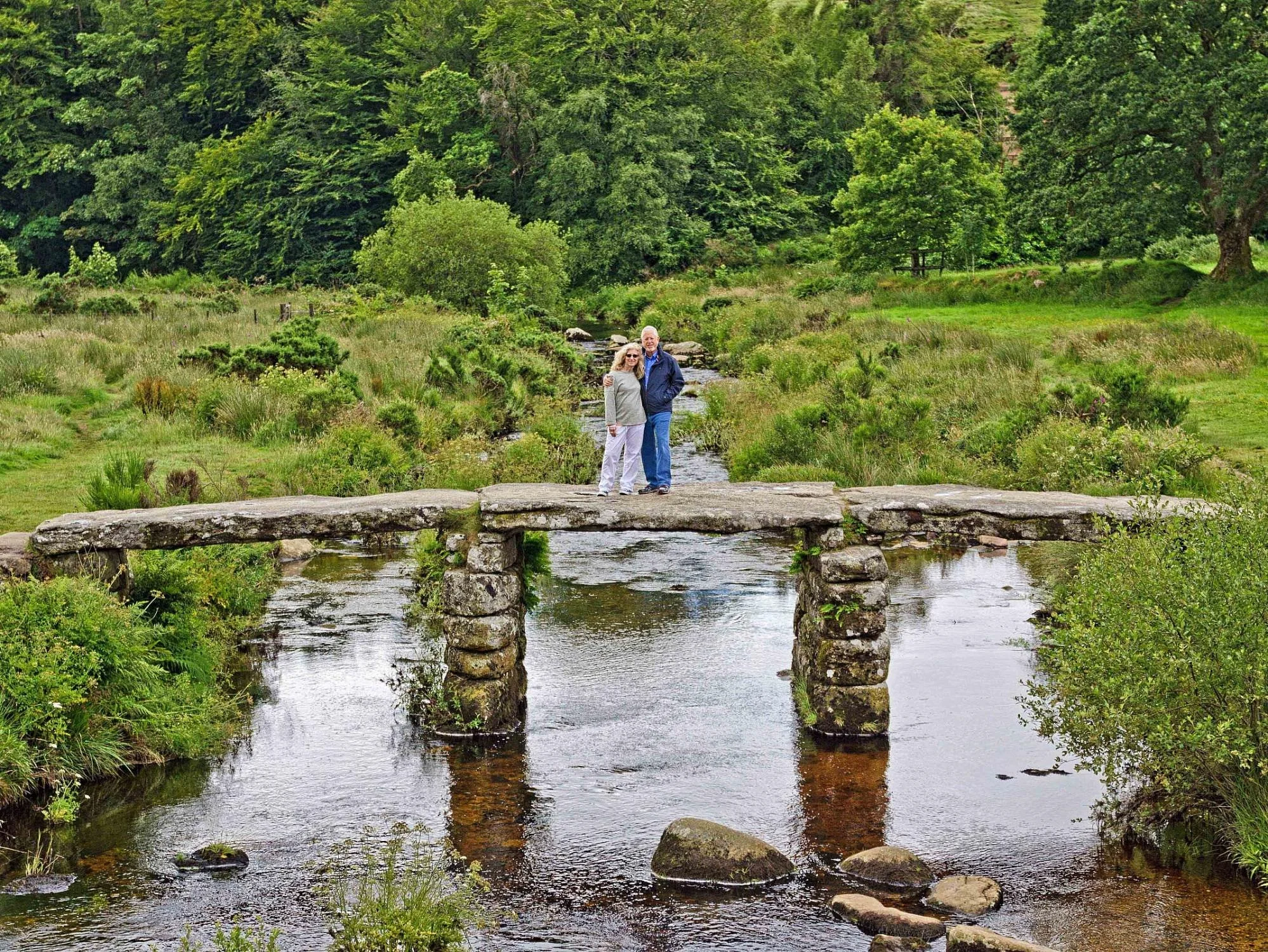
Dartmoor is one of the most distinctive landscapes in Devon. Open moorland, granite tors, wooded valleys and small villages make it particularly popular with walkers and visitors looking for time outdoors.
Places such as Haytor, Widecombe-in-the-Moor and Burrator Reservoir provide good starting points for exploring the national park. Some routes are short and accessible, while others take you deeper into the moor.
Weather conditions can change quickly, so sensible clothing and suitable footwear are worth bringing even on shorter walks.
Best for: Walking, countryside and outdoor adventures.
3. Salcombe
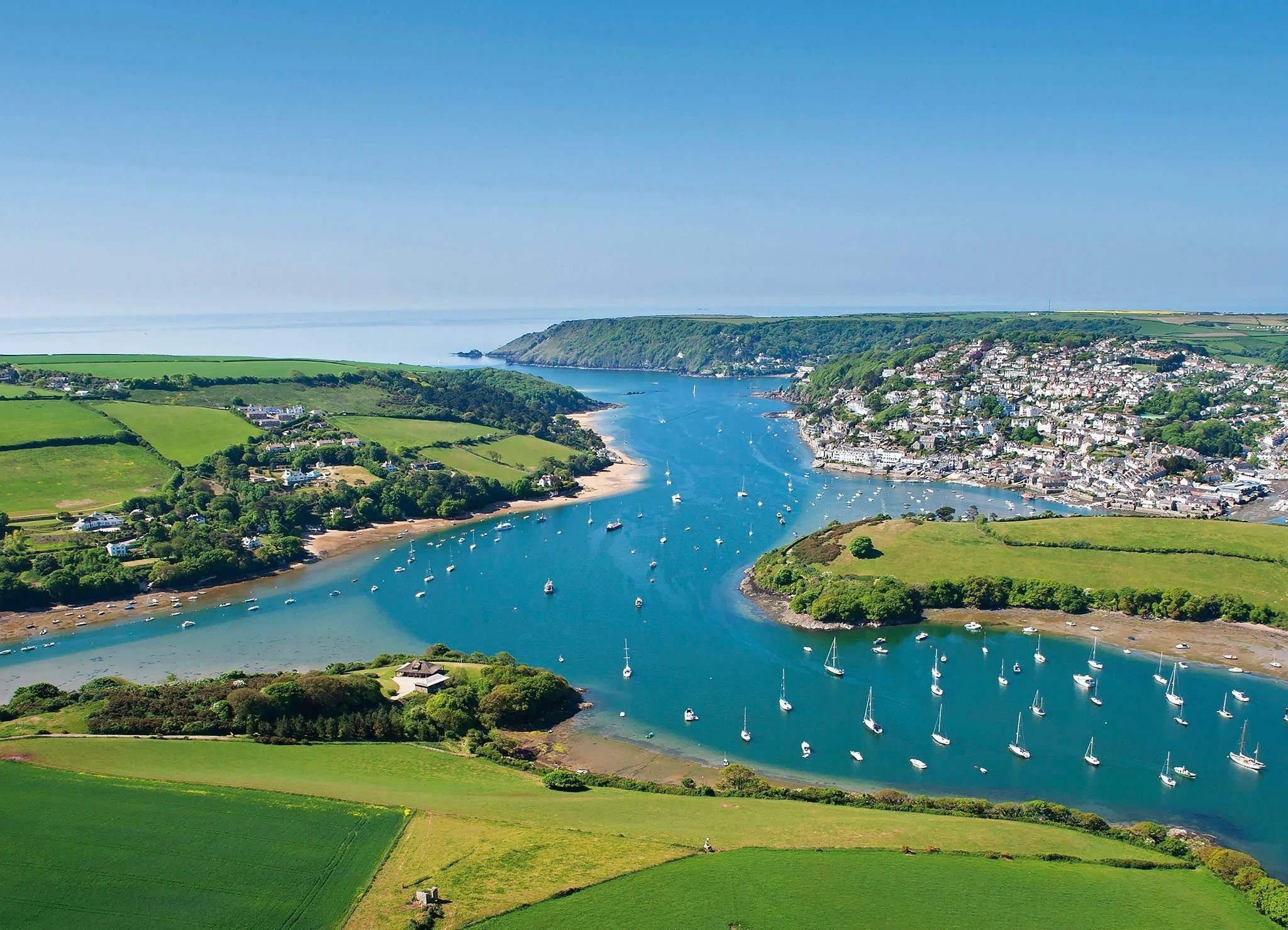
Salcombe is a coastal town on the Kingsbridge Estuary surrounded by beaches, green hills and sheltered water.
The town centre has independent shops, cafes and restaurants, while the waterfront is busy with sailing and boating during warmer months. Nearby beaches and coastal paths make it easy to combine a visit to the town with time outdoors.
Salcombe can become particularly busy during summer, so visiting outside peak weekends can make exploring easier.
Best for: Coastal scenery, sailing and summer breaks.
4. Woolacombe
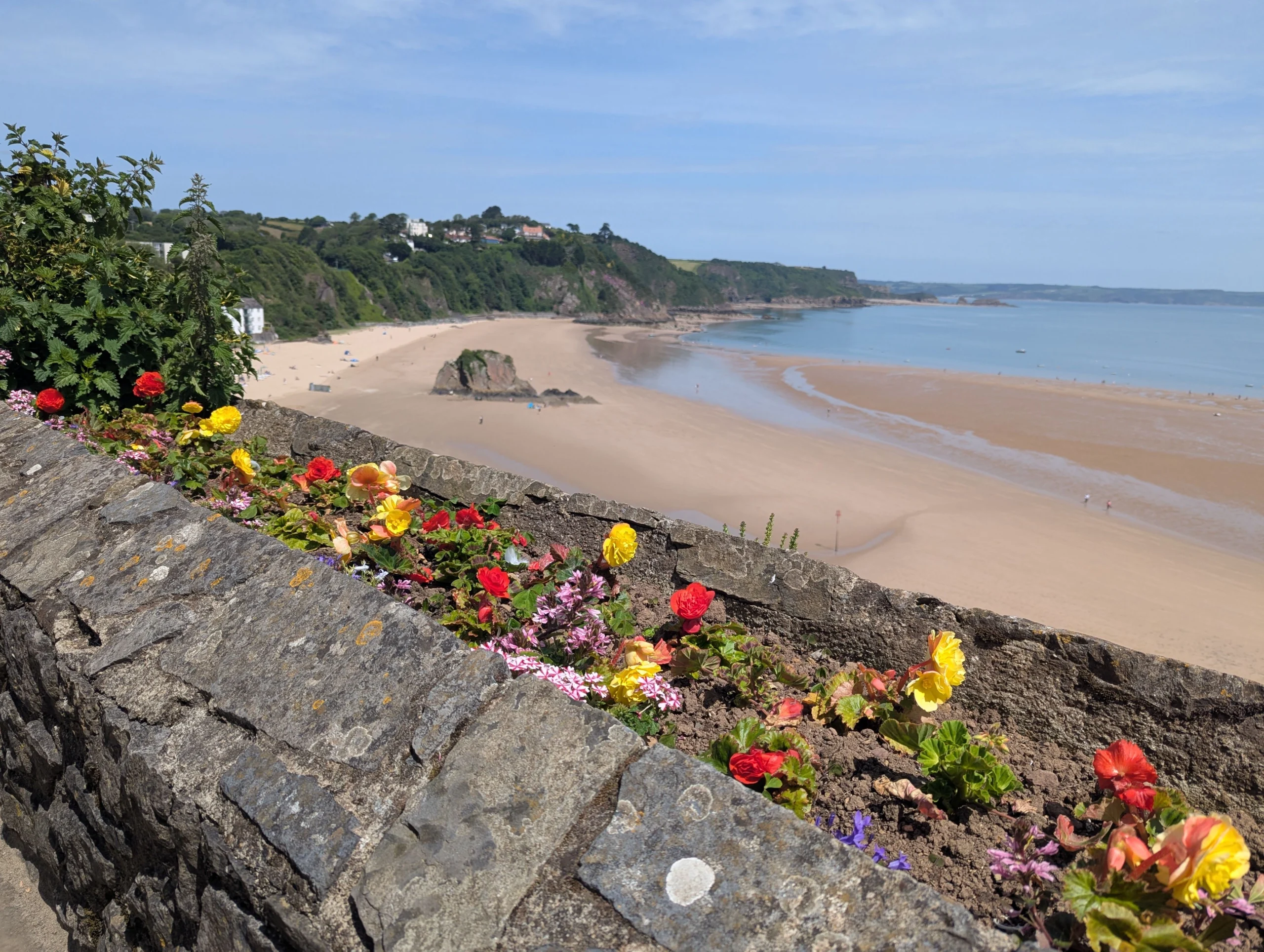
Woolacombe is one of North Devon’s best-known seaside destinations. Its long sandy beach attracts surfers, families and walkers throughout the year.
The South West Coast Path passes through the area, providing opportunities for walks towards nearby headlands and coastal villages. Even outside summer, the wide beach and Atlantic views make Woolacombe worth visiting.
For travellers deciding on the best place to visit in Devon for a traditional beach trip, Woolacombe is one of the strongest options.
Best for: Beaches, surfing and family trips.

5. Exeter
Exeter offers a city break without taking you far from the Devon countryside or coast.
Exeter Cathedral is the city’s best-known landmark, while the historic centre, medieval passages and Exeter Quayside provide plenty to explore on foot. The quayside is particularly good for a slower afternoon beside the River Exe.
The city is also well connected by rail, making it a practical base if you want to visit Devon without relying entirely on a car.
Best for: History, culture and short city breaks.
6. Ilfracombe
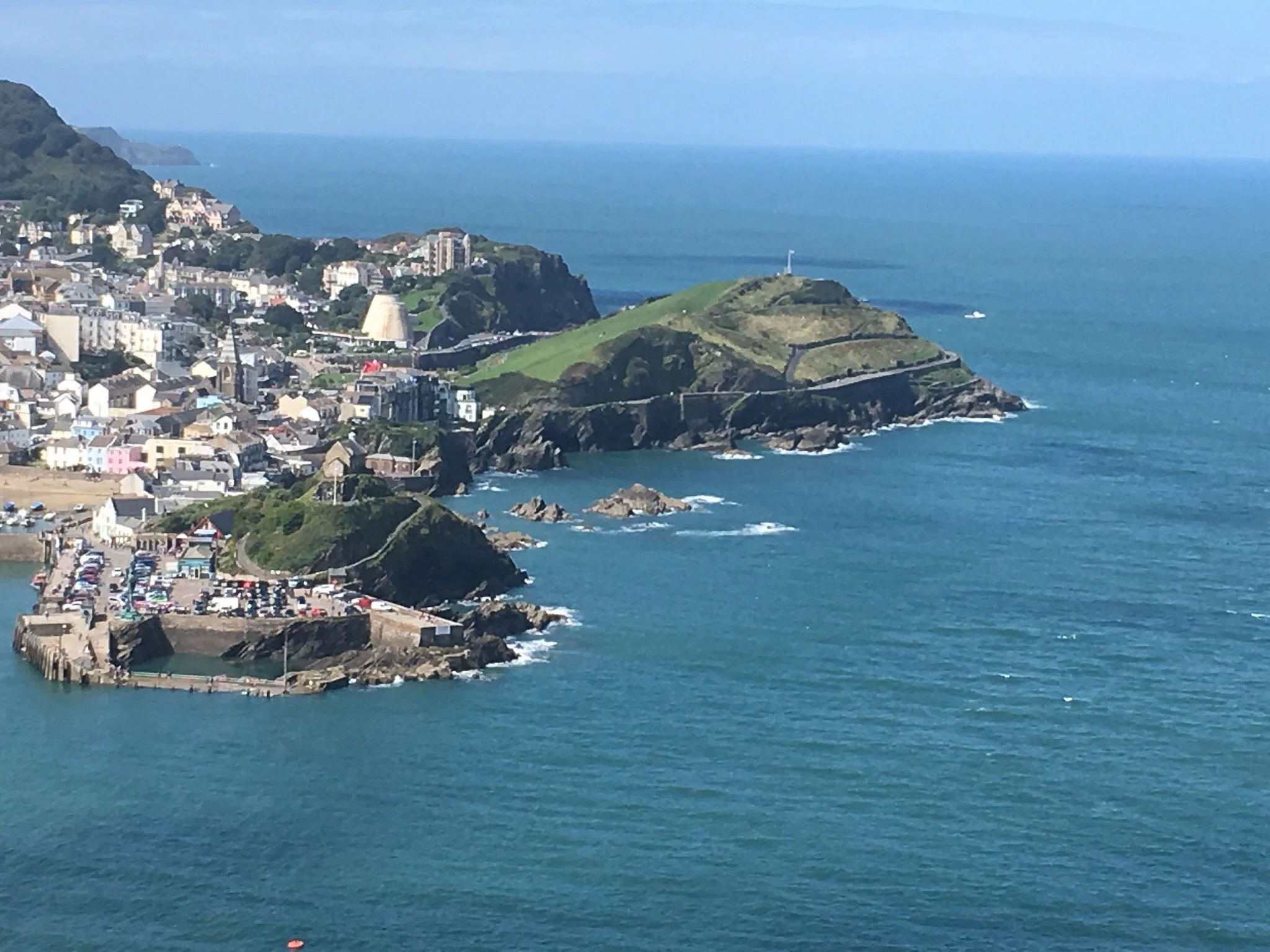
Ilfracombe is a harbour town on the North Devon coast with dramatic cliffs, coastal walks and a lively waterfront.
The harbour is the centre of the town, surrounded by restaurants, galleries and boat-trip operators. Visitors can also walk towards Capstone Hill or explore the coastline around Hillsborough.
Ilfracombe works particularly well as a base for exploring more of North Devon, including nearby beaches and Exmoor.
Best for: Harbour scenery, coastal walks and North Devon trips.
7. Torquay
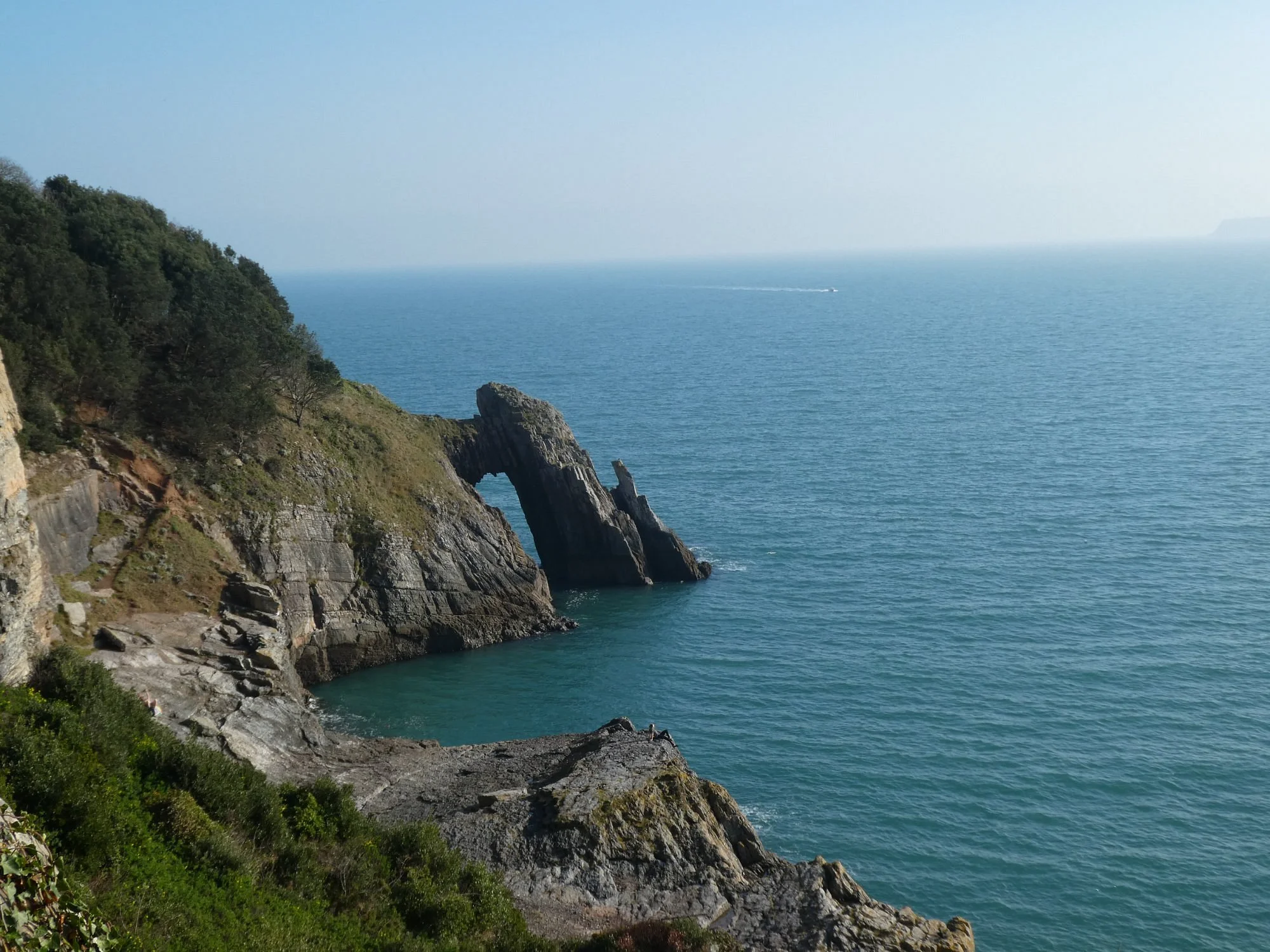
Torquay is one of the main towns on the English Riviera and has been a popular seaside destination for generations.
The marina and waterfront sit at the heart of the town, while beaches, gardens and nearby coastal walks offer plenty of reasons to spend time outdoors. Torquay also works well as a base for visiting Paignton, Brixham and other parts of Tor Bay.
The area has a different atmosphere from North Devon, with more sheltered coastal scenery and a classic resort feel.
Best for: Seaside breaks, families and English Riviera trips.
8. Clovelly
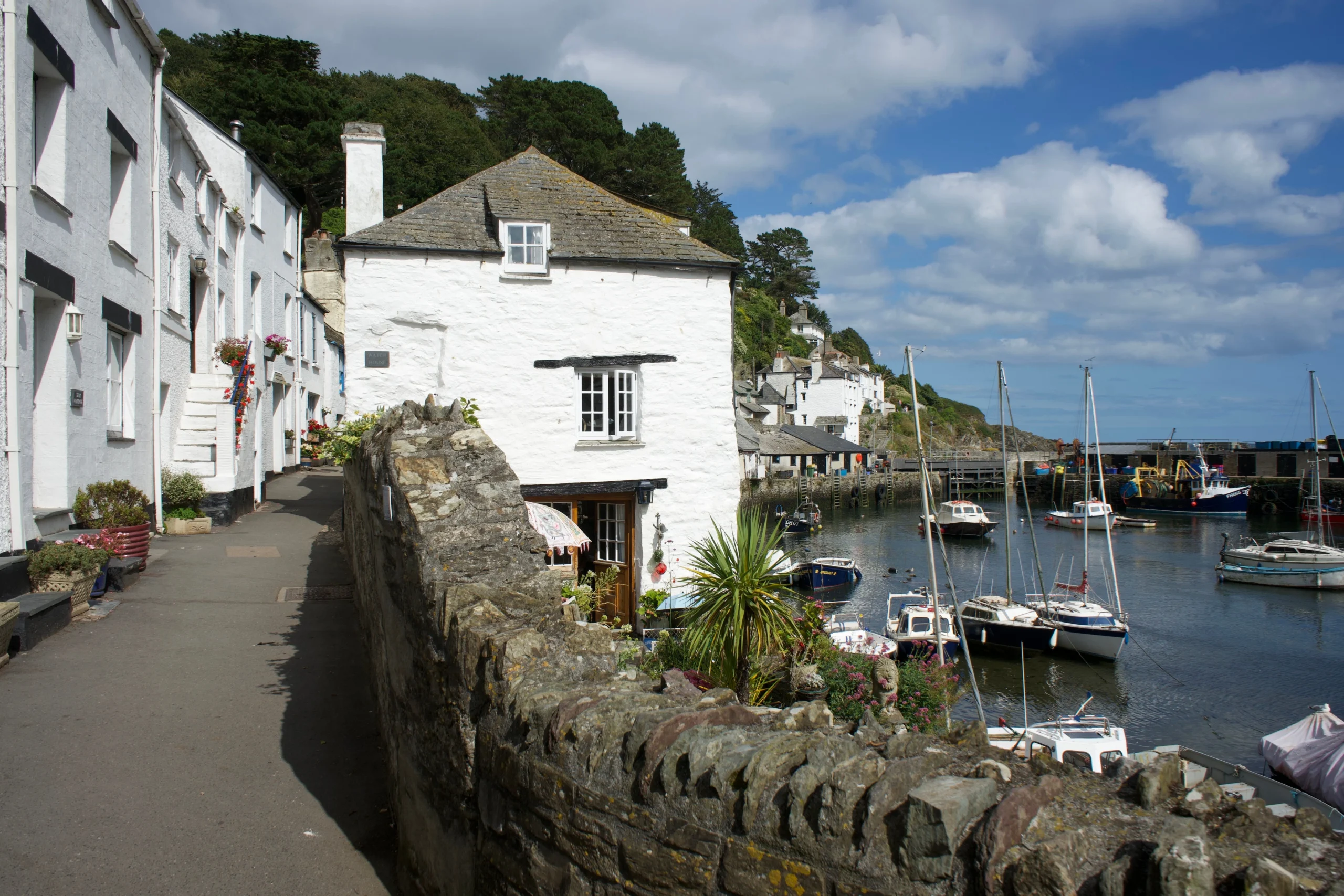
Clovelly is one of Devon’s most distinctive villages. Built on a steep hillside above the coast, it is known for its narrow cobbled streets, traditional cottages and small harbour.
Cars do not travel through the historic village centre, which helps preserve its unusual character. However, the steep route between the upper village and harbour may be challenging for some visitors.
It is smaller than most destinations on this list, making it well suited to a half-day visit while exploring North Devon.
Best for: Historic villages, photography and coastal scenery.

9. Exmoor National Park
Part of Exmoor lies in Devon, giving visitors another excellent option for countryside and walking.
The landscape combines open moorland, wooded valleys and dramatic coastal scenery. The area around Lynmouth and the border with Somerset is particularly attractive.
Exmoor feels quieter than many of Devon’s major seaside resorts, making it a strong choice for travellers who prefer nature and slower-paced trips.
Best for: Hiking, wildlife and peaceful countryside.
10. Brixham
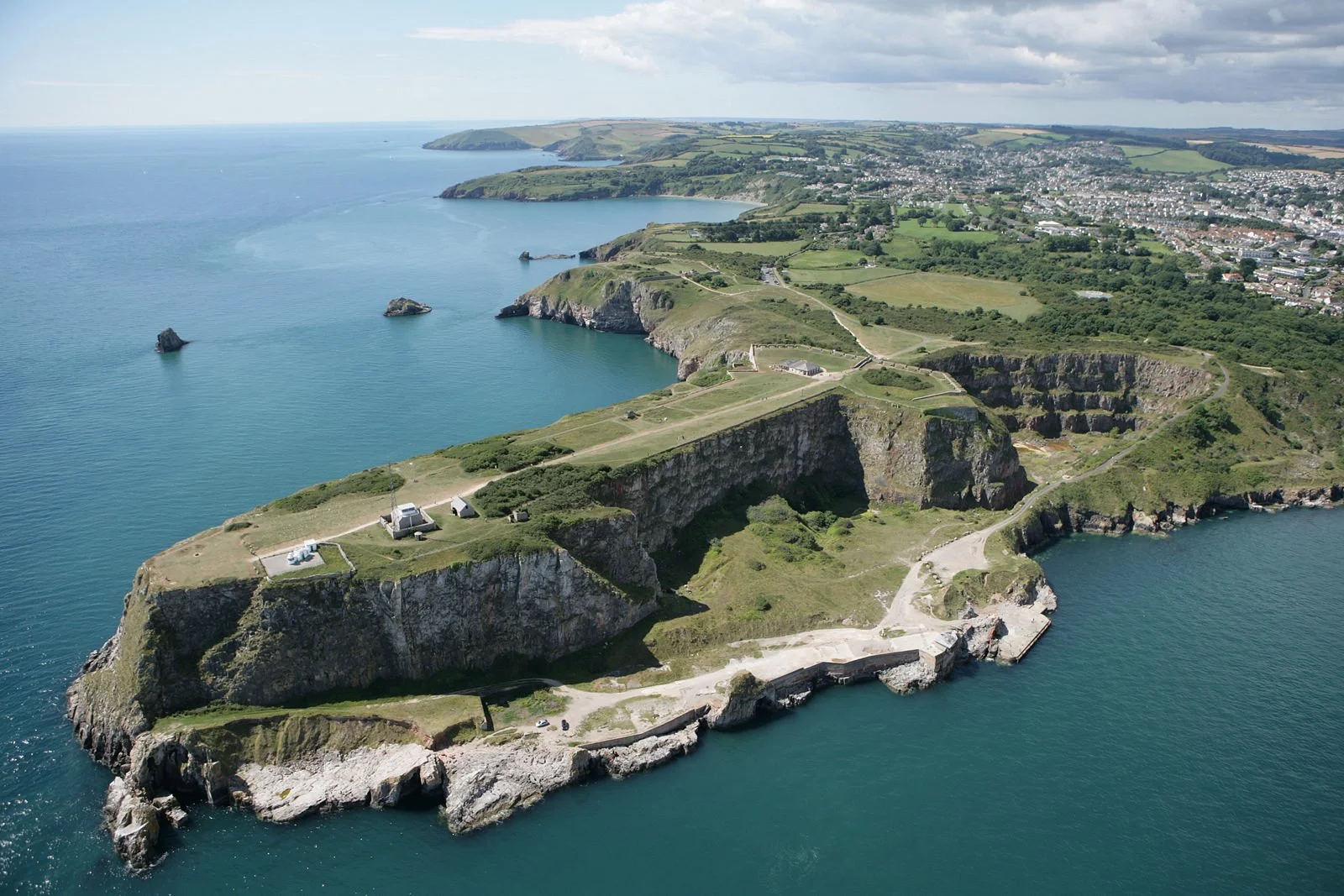
Brixham is a working fishing town on the southern side of Tor Bay.
Its colourful harbour is surrounded by cafes, pubs and seafood restaurants, while the town’s maritime character gives it a different feel from nearby Torquay and Paignton.
You can also walk sections of the South West Coast Path or visit nearby Berry Head for coastal views.
Best for: Seafood, harbour walks and maritime atmosphere.
11. Lynton and Lynmouth
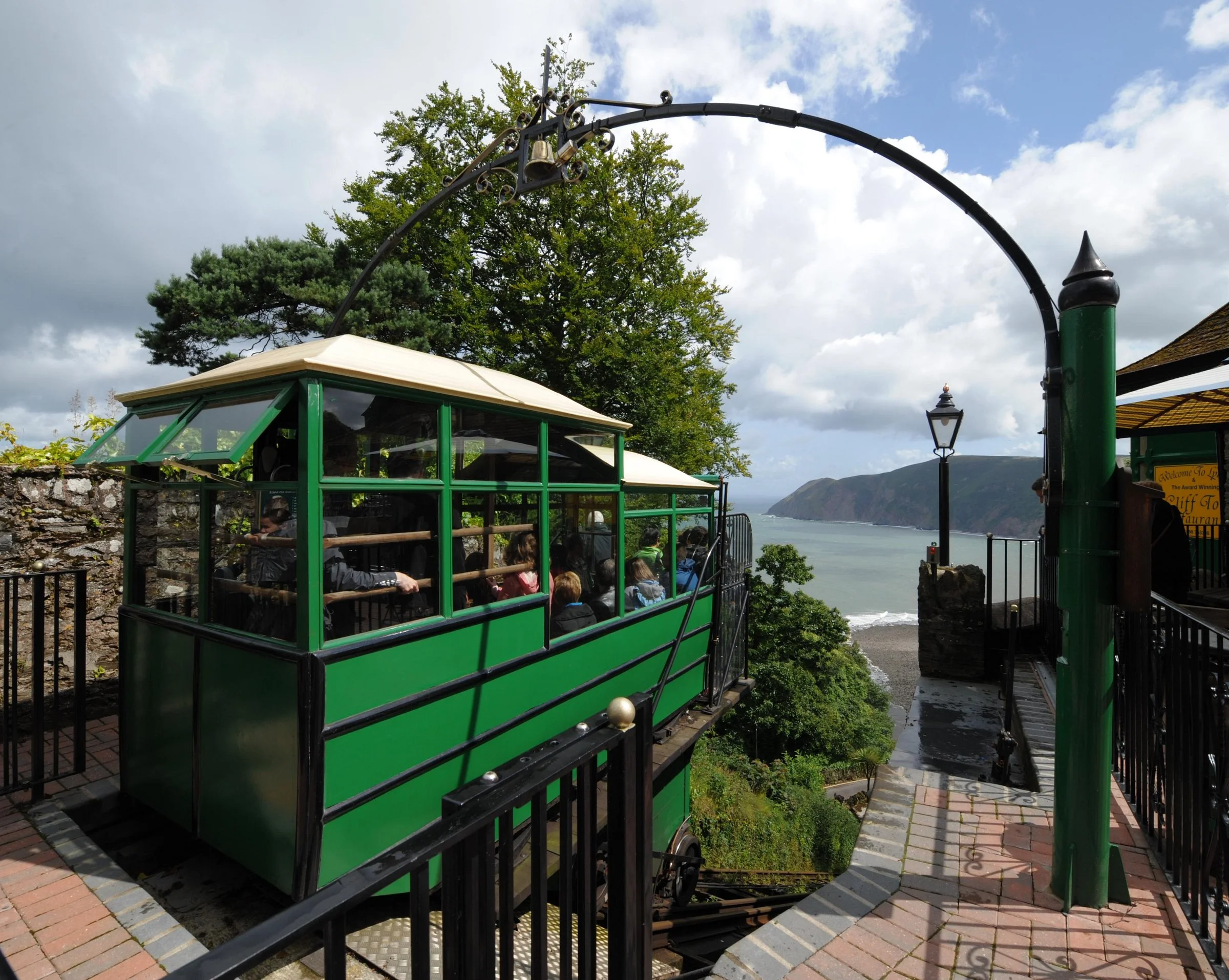
Lynton and Lynmouth are neighbouring settlements on the northern edge of Devon, surrounded by some of the county’s most impressive coastal scenery.
Lynmouth sits beside the water, while Lynton is positioned higher on the cliffs. The historic cliff railway connects the two and is one of the area’s best-known attractions.
The surrounding landscape provides access to Exmoor and several scenic walking routes.
Best for: Scenic views, walking and romantic breaks.
12. Sidmouth
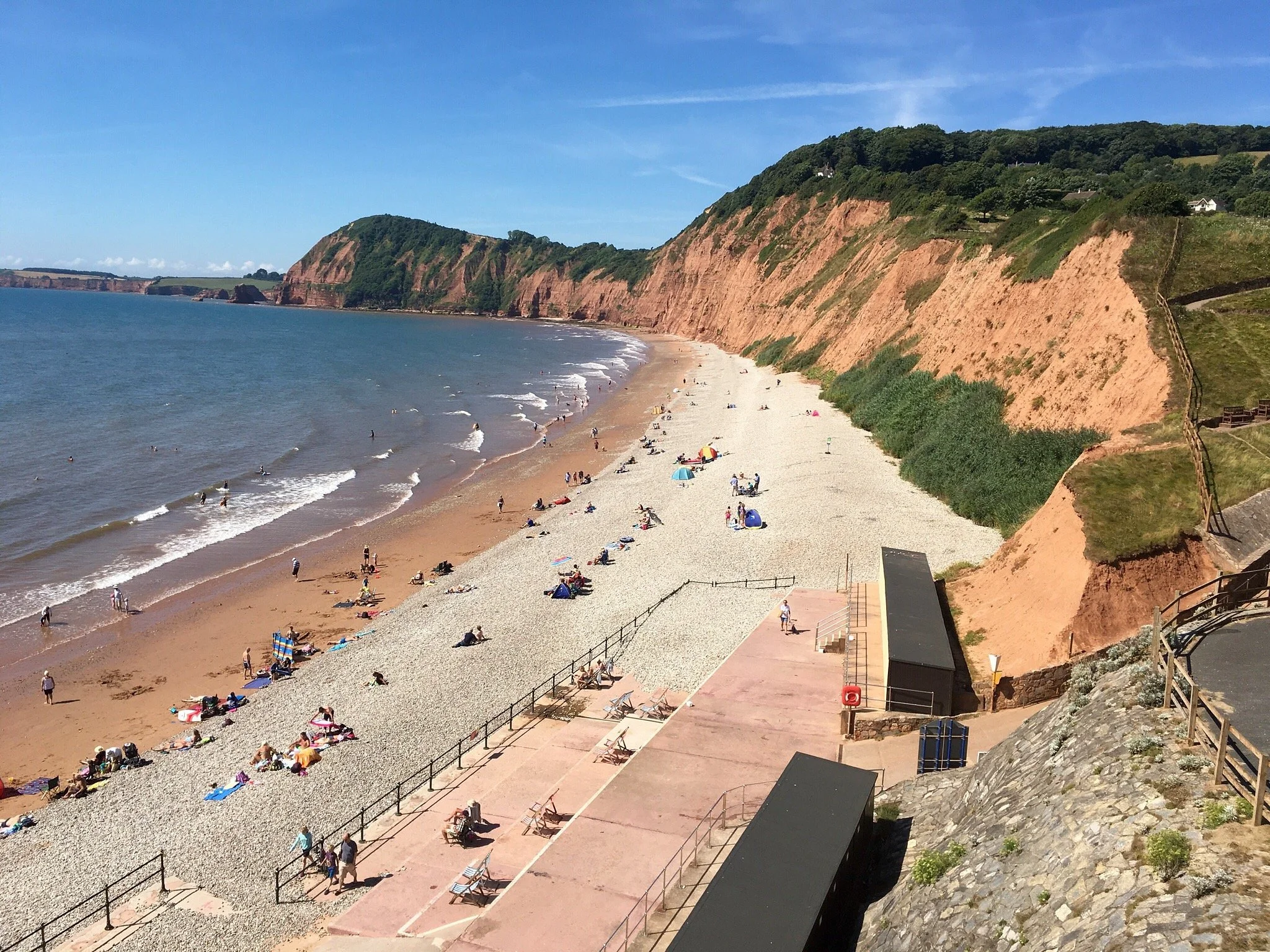
Sidmouth lies on the East Devon coast and offers a quieter alternative to some of the county’s larger seaside resorts.
Red cliffs frame the shoreline, while the promenade, gardens and traditional town centre make it easy to explore at a relaxed pace.
Its position along the Jurassic Coast also makes Sidmouth useful for visitors interested in geology, coastal landscapes and walking.
Best for: Quiet seaside breaks and coastal walks.

Best Places to Visit in North Devon
North Devon is a strong choice if your trip is focused on beaches, surfing and dramatic coastal scenery.
Some of the highlights include:
- Woolacombe
- Ilfracombe
- Clovelly
- Lynton and Lynmouth
- Exmoor
- Croyde
- Saunton
The coastline tends to feel wilder than South Devon, with exposed cliffs, broad beaches and Atlantic surf.
Best Places to Visit in South Devon
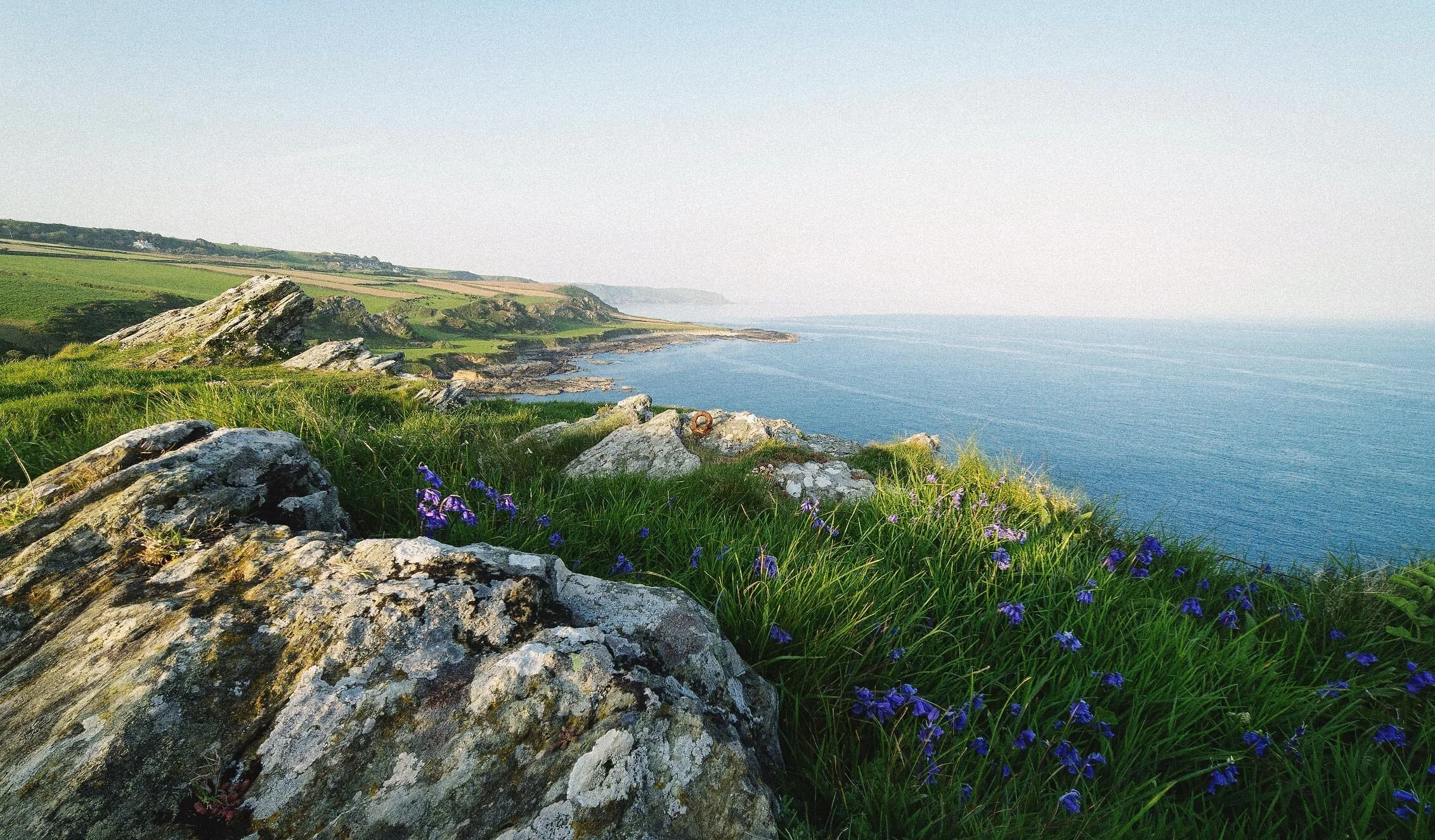
South Devon offers sheltered bays, harbour towns and easy access to the English Riviera.
Popular destinations include:
- Dartmouth
- Salcombe
- Torquay
- Brixham
- Totnes
- Paignton
- Kingsbridge
This part of Devon works particularly well for boating, family seaside holidays and short coastal breaks.
Practical Tips for Visiting Devon
Devon is a large county, and journeys between destinations can take longer than the distance suggests, particularly on rural and coastal roads.
If you are travelling by public transport, Exeter is one of the easiest starting points because of its rail connections. Some coastal towns are also accessible by train or bus, although remote villages and countryside areas are generally easier to reach by car.
During summer and school holidays, popular beaches and coastal towns can become busy. Arriving earlier in the day can make parking and sightseeing easier.
For walking trips, check weather conditions before setting out and take appropriate footwear, particularly on Dartmoor, Exmoor and exposed coastal paths.
Final Thoughts
The best places to visit in Devon range from lively seaside towns and historic cities to quiet fishing villages and open moorland. Dartmouth and Salcombe are ideal for harbour scenery, Woolacombe suits beach trips, while Dartmoor and Exmoor provide some of the county’s best landscapes.
Devon can also form part of a wider UK itinerary. If you want more ideas, explore our guides to day trips from Manchester, the best day trips from Edinburgh, scenic train journeys in UK, and the best places to visit in Yorkshire.
Whether you spend a weekend on the coast or a full week travelling around the county, Devon has enough variety to build a very different trip each time.
FAQs
What are the best places to visit in Devon?
Some of the best places to visit in Devon include Dartmouth, Dartmoor National Park, Salcombe, Woolacombe, Exeter, Ilfracombe, Torquay, Clovelly, Exmoor and Brixham.
What is the best place to visit in Devon for the coast?
Woolacombe is excellent for a wide sandy beach and surfing, while Dartmouth and Salcombe are better for harbour scenery and sheltered South Devon coastline.
Is North Devon or South Devon better?
It depends on your trip. North Devon is particularly good for surfing, dramatic cliffs and larger beaches, while South Devon is known for harbour towns, sheltered bays and the English Riviera.
Where should I visit in Devon for a weekend?
Exeter, Dartmouth, Salcombe, Torquay and Ilfracombe all work well for weekend trips because they combine attractions, places to eat and access to surrounding areas.
Is Devon worth visiting without a car?
Yes, although planning is important. Exeter and several larger towns have useful rail and bus connections, but remote villages, beaches and countryside areas are easier to explore by car.
Can I visit Devon and Cornwall on the same trip?
Yes. Devon and Cornwall border each other and can be combined into a longer South West England itinerary. For a short break, however, focusing on one county usually allows more time for sightseeing and less time travelling.