Planning a trip to the UK? Before you travel, make sure you understand the UK visa requirements, passport rules and whether you need a UK ETA or visitor visa.
The documents you need depend on your nationality, reason for travel and length of stay.
For the most accurate and up-to-date information, always check the official UK government website before booking or travelling.
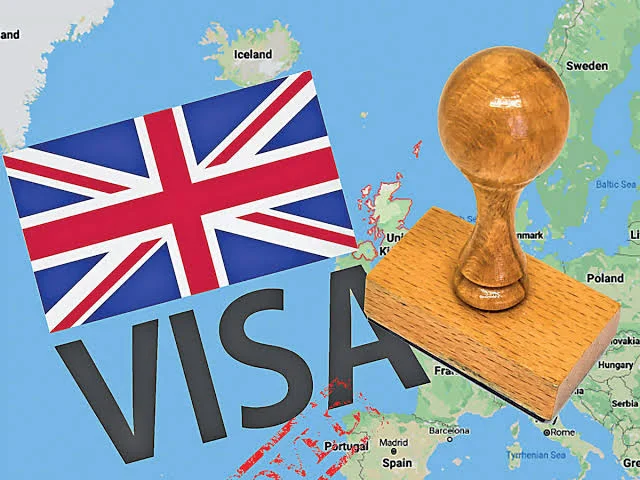
Most people coming to visit Britain and Northern Ireland will need to check whether they require a visa.
Whether or not you need one depends on:
If you need a visa, the main short-stay route is the UK Standard Visitor visa. This visa is commonly used for:
Visitors can usually stay for up to six months.
You can usually apply for a visitor visa up to three months before you travel. A fee applies, and the current Standard Visitor visa fee is £135 for a visit of up to six months.
Official links:
A UK ETA (Electronic Travel Authorisation) is required for many travellers who do not need a visa for a short stay.
An ETA can normally be used for visits of up to six months for:
British and Irish citizens do not normally need an ETA.
Many travellers from Europe, the United States, Canada, Australia and other visa-exempt countries may need an ETA before travelling.
Because eligibility can change, you should always check your nationality through the official UK government service before booking your trip.
Official link:
You can apply for a UK ETA using the official UK ETA app or through the official GOV.UK website.
You will usually need:
The current ETA fee is £20 per application.
Please note that GOV.UK is the only official place to apply. Some other websites may charge extra fees.
Official links:

Some entry requirements changed for EU, EEA and Swiss nationals after Brexit.
Most travellers from the EU, EEA and Switzerland will need a valid passport to enter Britain and Northern Ireland. Many will also need a UK ETA before travelling.
Some visitors may still be able to use a national ID card in limited circumstances, but most travellers should check the current GOV.UK guidance before departure.
Official link:
Visitors from countries such as the United States, Canada and Australia may not need a Standard Visitor visa for a short stay, but many will still need a UK ETA before travelling.
You should always check the official rules for your nationality before booking or travelling.
Official links:
If your nationality is not eligible for visa-free travel or an ETA, you may need to apply for a UK Standard Visitor visa before travelling.
To qualify, you will usually need to show that:
You may also need to provide supporting documents with your application.
Official links:
Most visitors need a valid passport or recognized travel document to enter the UK. Your passport should normally be valid for the full duration of your stay.
Different rules may apply depending on where you are travelling from and your nationality, so always check the official guidance before you travel.
Most travellers from the EU, EEA and Switzerland will need a valid passport to enter Britain and Northern Ireland.
In some limited cases, a national ID card may still be accepted, but most visitors should expect to travel with a passport.
Official link:
Irish citizens do not normally need a visa or ETA to enter the UK.
Different arrangements may also apply to travel within the Common Travel Area, including travel involving Ireland, Jersey, Guernsey and the Isle of Man.
Official link:
Most international travellers outside the EU, EEA and Switzerland will need a valid passport for the whole of their stay in the UK.
Depending on nationality, they may also need a UK ETA or a Standard Visitor visa before travelling.
Official links:
Head to Visit Hull for insider tips from those in the know.
Bath and York rank highest for walkability, with compact historic centres free from heavy traffic. Cambridge’s city centre bans cars entirely in many areas. Edinburgh’s Old Town and New Town connect well on foot, while Oxford’s collegiate layout encourages pedestrian exploration.
Manchester’s Northern Quarter offers live music venues and craft breweries. Newcastle’s Bigg Market and Quayside provide energetic bar scenes. London obviously dominates for variety, but Bristol’s Stokes Croft and Glasgow’s West End deliver distinct local character without capital prices.
Northern English cities like Liverpool, Manchester, and Leeds offer hotel rates 40% lower than London. Glasgow and Cardiff also provide affordable accommodation and dining. University towns like Sheffield and Nottingham maintain reasonable prices due to student populations.
Birmingham’s Balti Triangle claims the UK’s most concentrated curry houses. Manchester’s Ancoats district holds numerous Michelin mentions. Bristol’s harbourside cargo container dining and Edinburgh’s fine dining scene around Stockbridge offer serious culinary credentials.
Edinburgh suits history enthusiasts and festival-goers with its UNESCO architecture and castle. Glasgow offers better value, superior contemporary art venues, and more authentic local character. Edinburgh impresses visually; Glasgow welcomes more warmly. Both are great cities to visit in UK itineraries.
Cotswolds towns like Bibury and Castle Combe feature honey-coloured stone and medieval bridges. York’s Shambles offers timber-framed authenticity. Bath displays uniform Georgian elegance. For coastal charm, Whitby in North Yorkshire combines abbey ruins with harbour views.
York provides 2,000 years of visible history from Roman walls to Viking archaeology. Bath offers intact Roman thermae and Georgian crescents. Durham’s Norman cathedral and castle form a UNESCO ensemble. Chester maintains complete Roman and medieval wall circuits.
Yes, significantly. Expect to pay 30-50% less for accommodation in Manchester, Liverpool, or Leeds. Restaurant bills average 25% lower. Pint prices in Northern pubs remain substantially below London rates. Public transport also costs less, with day passes often half the price.


