

Colchester is a historic city in Essex with more than 2,000 years of history behind it. Once the capital of Roman Britain, the city still has Roman walls, archaeological remains, medieval buildings and museums alongside modern galleries, theatres, restaurants and shopping streets.
Colchester’s past is not confined to one museum or landmark. Roman walls, gates, ruins and archaeological sites appear throughout the city, while the historic center has developed around many of the same areas occupied by earlier settlements.
Colchester is more than a heritage destination. Contemporary art, theatre, independent food and shopping give the city a modern identity, while the nearby countryside and the coast provide an easy change of scenery when you want to leave the center behind.
There are plenty of things to see in Colchester, from Colchester Castle and the Roman Wall to Castle Park, Firstsite and the city’s historic streets. Beyond the center, the surrounding area opens into countryside, coastal landscapes and villages, making Colchester a useful base for exploring more of Essex and East Anglia.
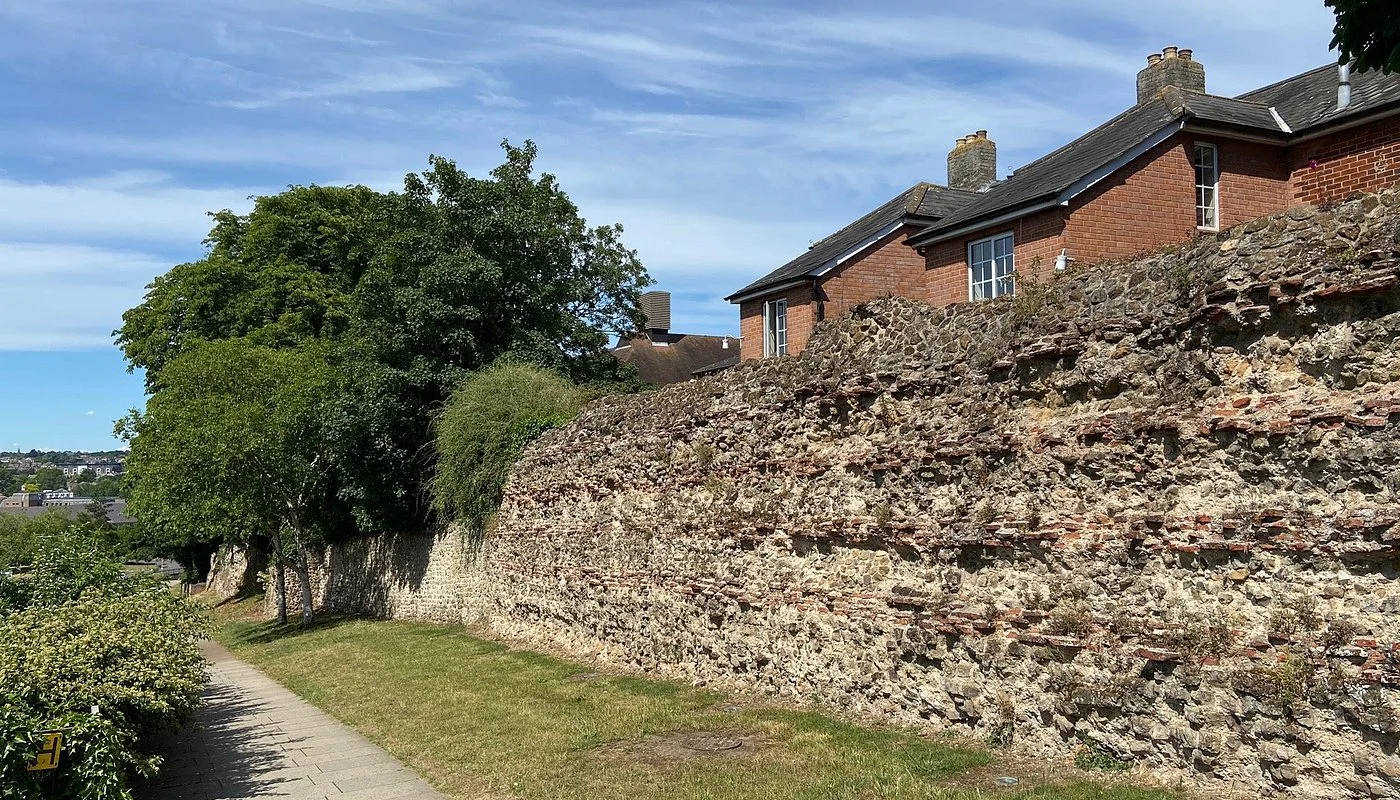
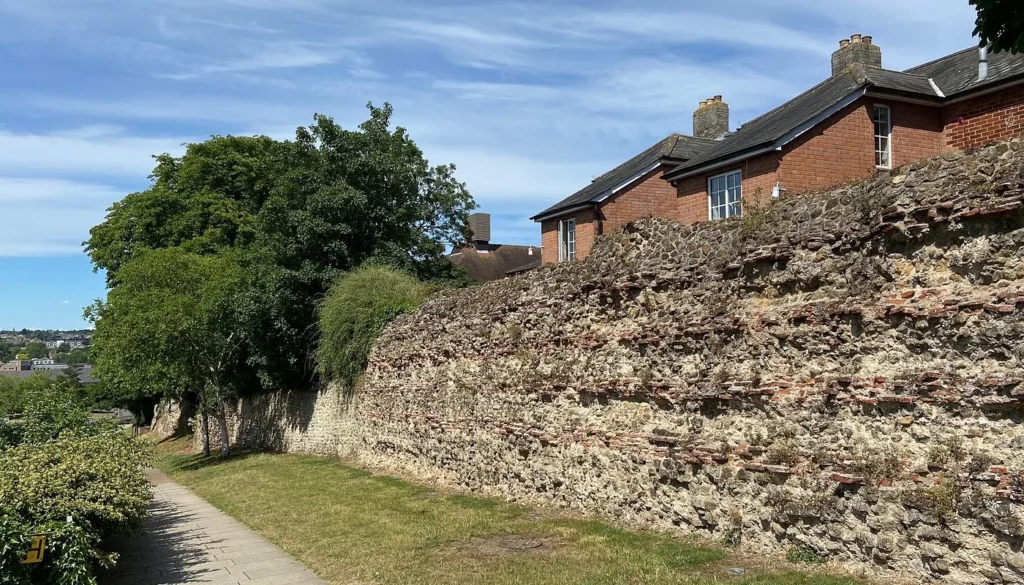
Walking along the surviving Roman Wall is one of the easiest ways to understand Colchester’s ancient layout. Sections of the wall and historic gates remain around the city, creating a self-guided route through different periods of its history.
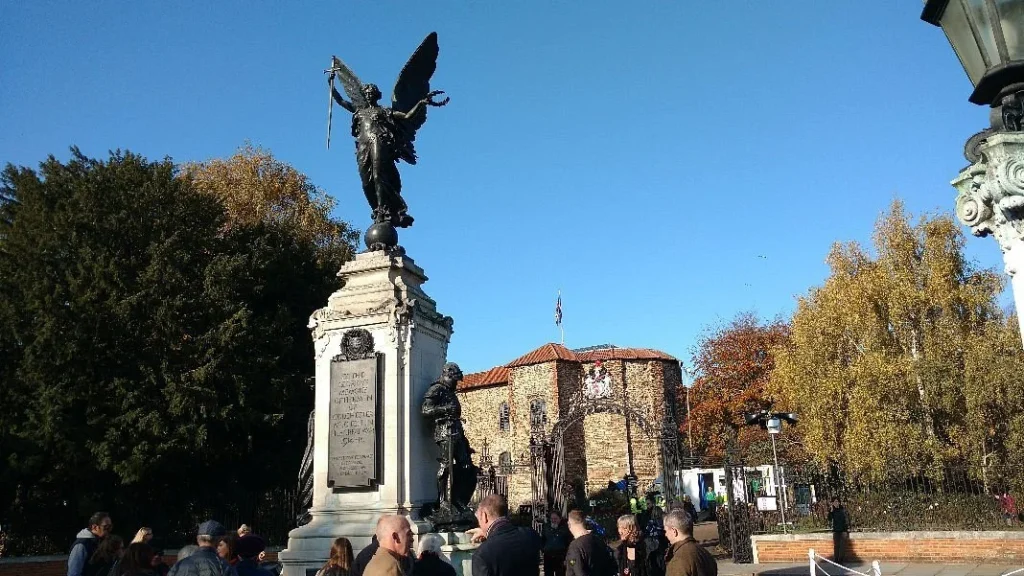
The city center brings many attractions together within a relatively compact area. You can move between Colchester Castle, Castle Park, Roman remains, historic streets, galleries and shopping areas without needing to travel far between them.
The best places to explore range from major Roman and medieval landmarks to museums, parks and contemporary cultural spaces. These eight destinations provide a useful introduction to Colchester, England.
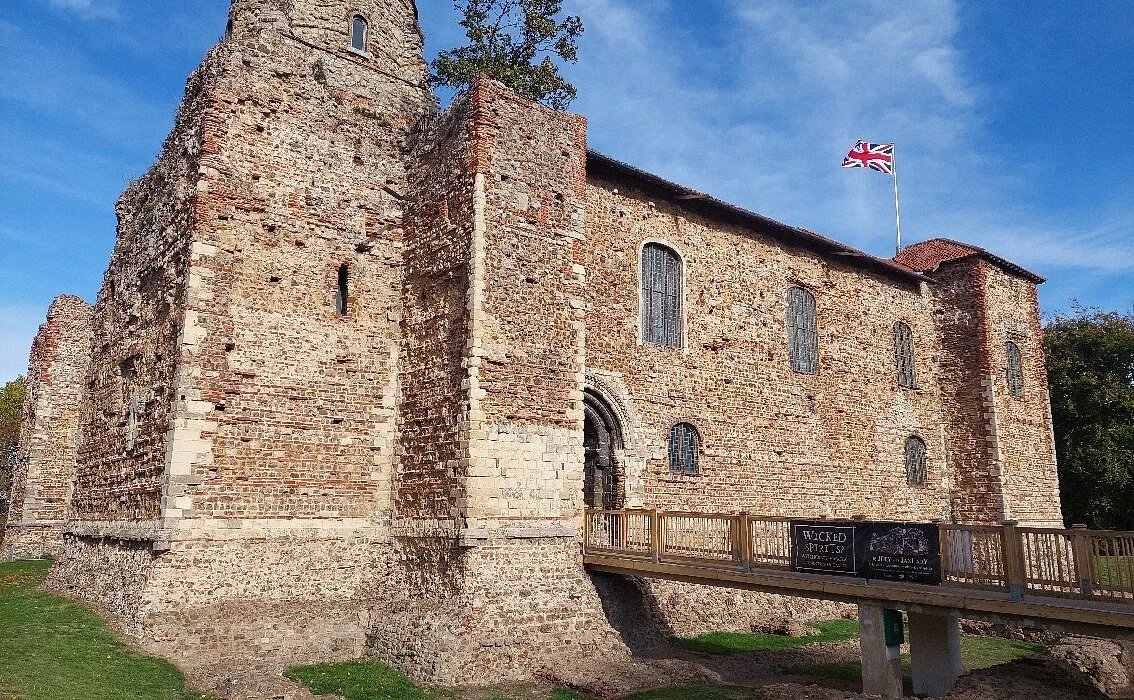
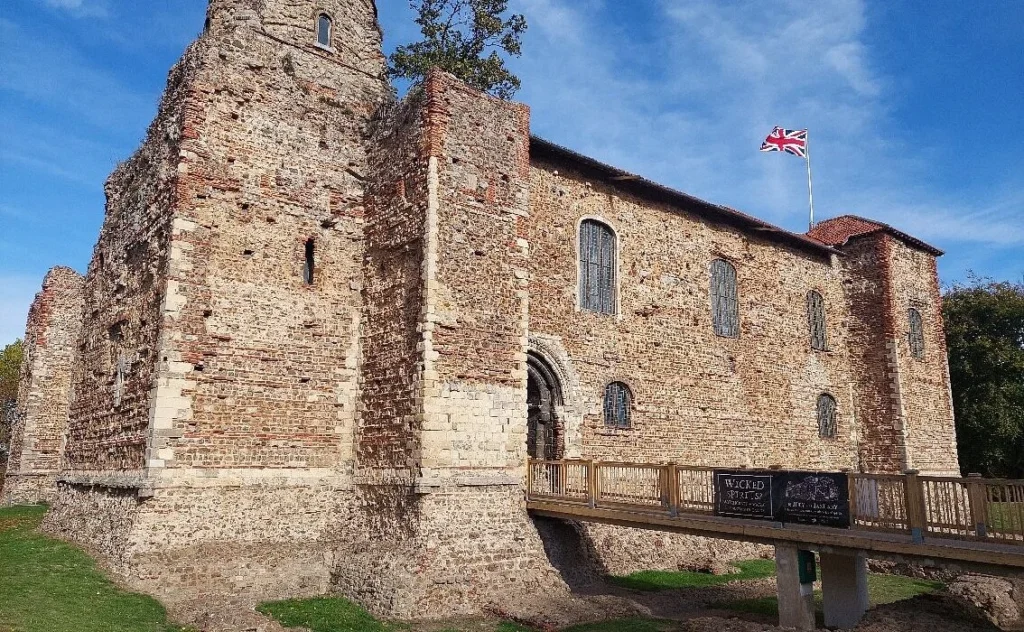
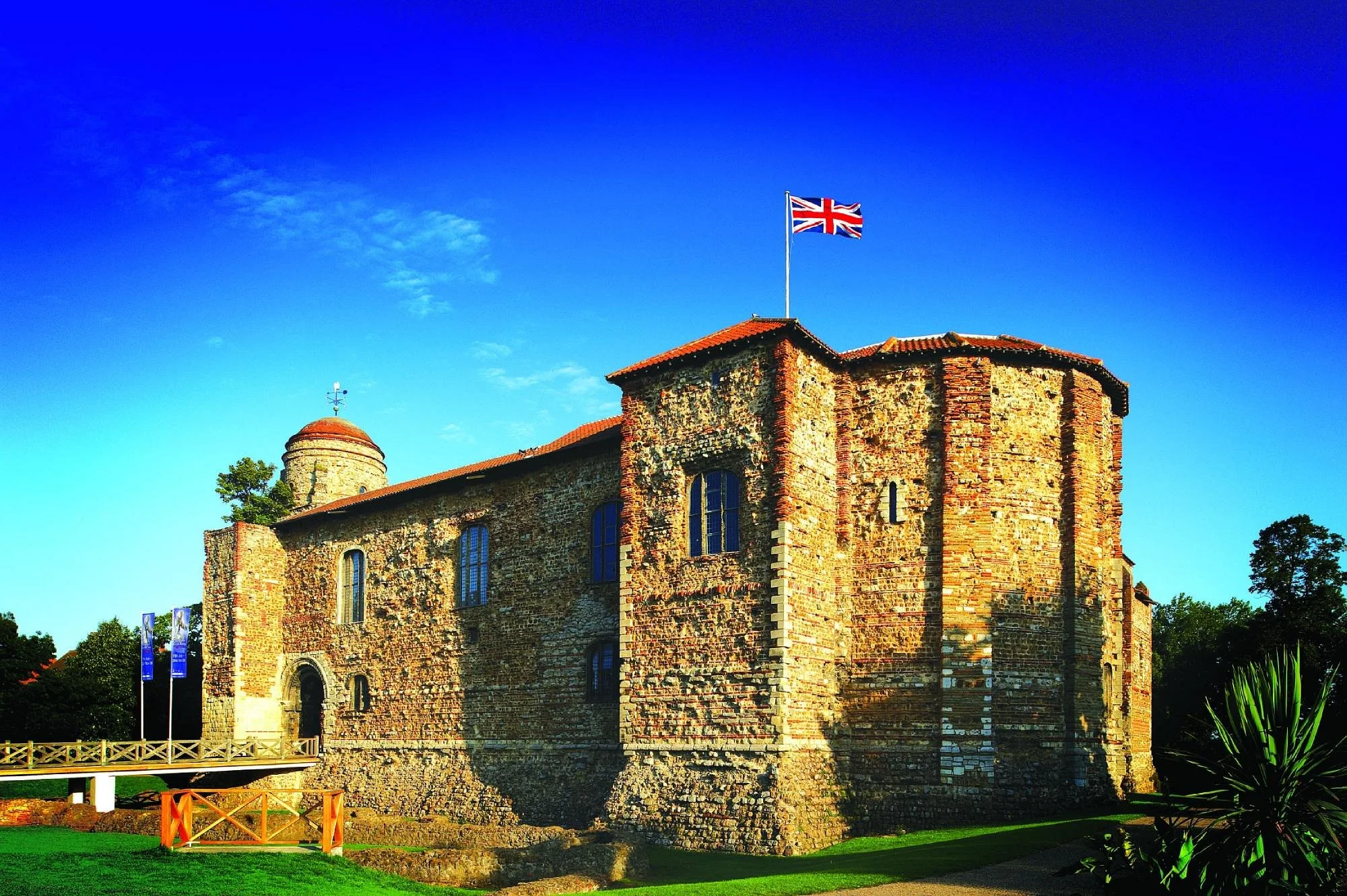
Colchester Castle is one of the city’s defining landmarks and houses the Colchester Castle Museum. Built on the foundations of the Roman Temple of Claudius, the castle brings together archaeological discoveries and objects from different periods of Colchester’s history.
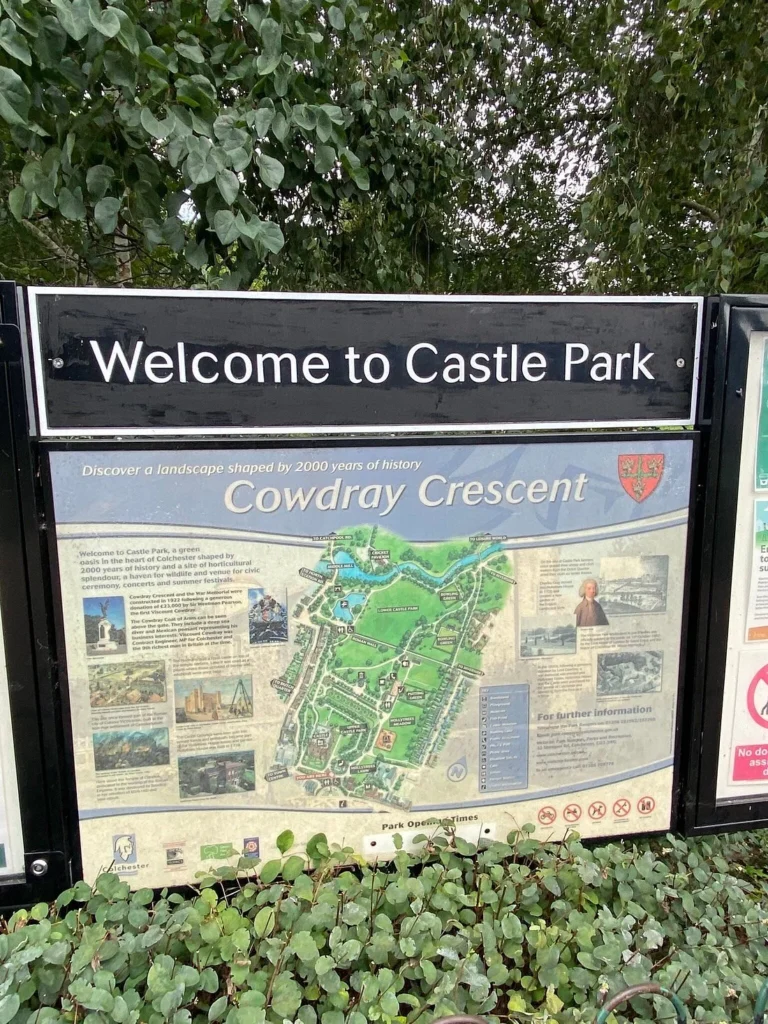
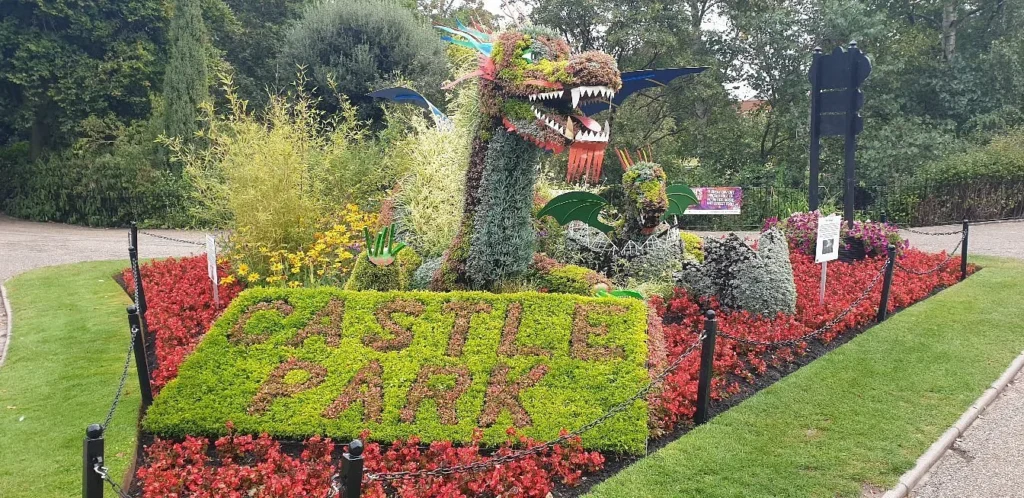
Castle Park is a large green space in the heart of the city, providing a welcome contrast to the busy streets around it. The park surrounds Colchester Castle and includes open lawns, gardens and paths that make it an easy place to combine sightseeing with time outdoors.
Colchester’s Roman Wall is one of the clearest reminders of the city’s importance in Roman Britain. Sections of the defensive wall remain standing around the historic center, and walking beside them gives visitors a chance to see how the ancient city was protected.
Firstsite is Colchester’s contemporary visual arts gallery, housed in a distinctive modern building near the historic center. Its exhibitions and cultural program provide a different perspective on the city and make it a useful stop for visitors interested in modern art.
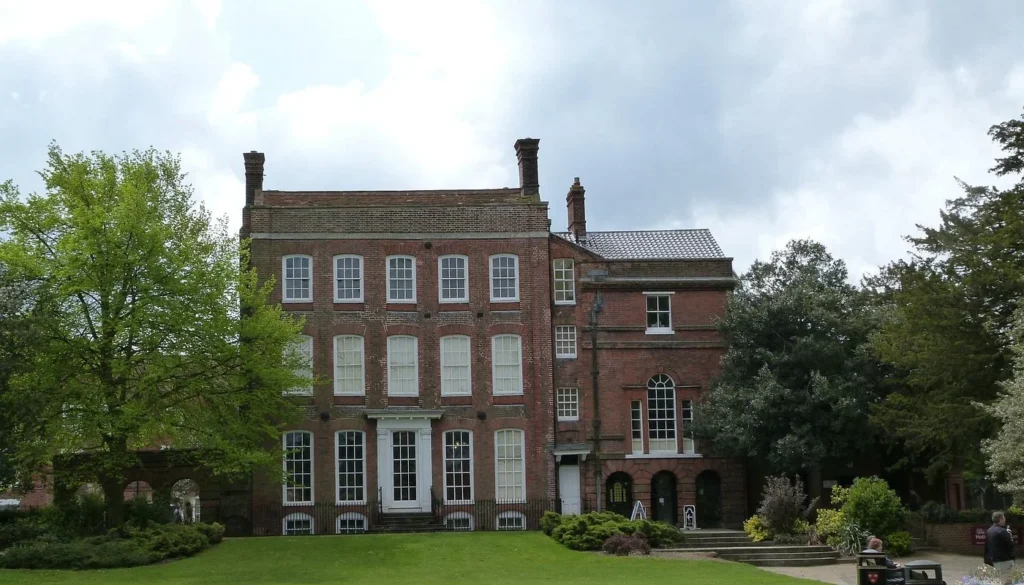
Hollytrees Museum occupies an attractive Georgian townhouse beside Castle Park. Its displays focus on everyday life and social history, helping visitors understand how people lived in Colchester across different periods.
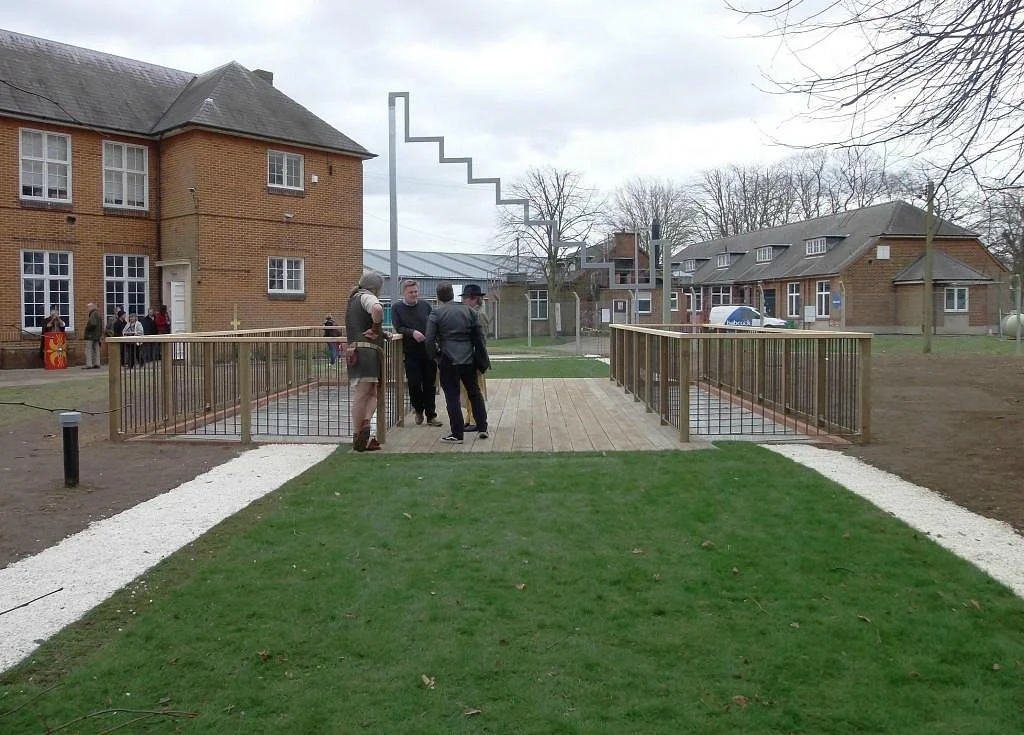
The Roman Circus Visitor Centre explains the remains of Britain’s only known Roman circus. The site provides insight into the entertainment and sporting life of Roman Colchester and adds another layer to the city’s archaeological story.
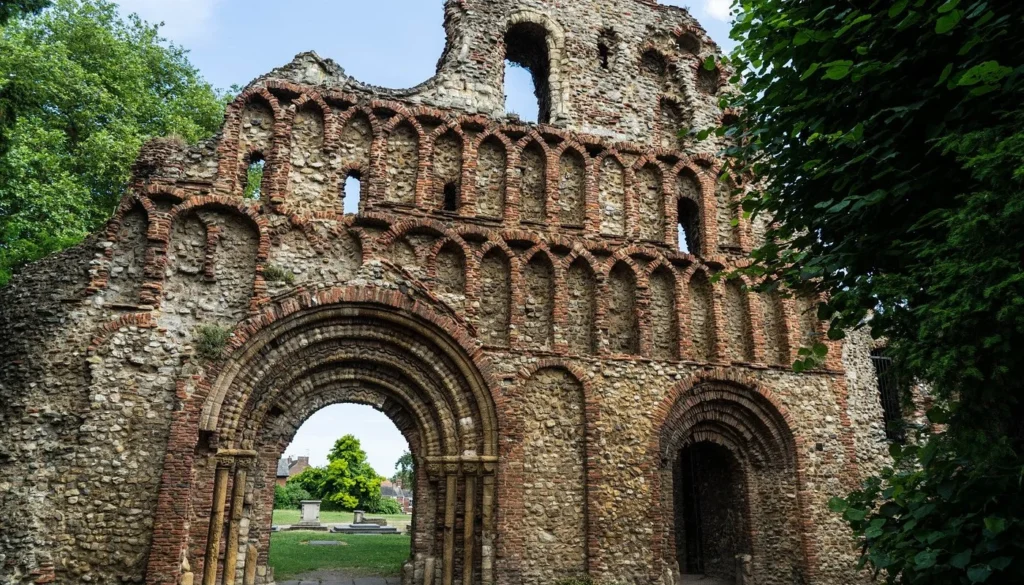
St Botolph’s Priory is a substantial medieval ruin close to the city center. Its surviving arches and stonework provide an atmospheric glimpse into Colchester’s medieval past and make it an interesting stop while exploring the historic area.
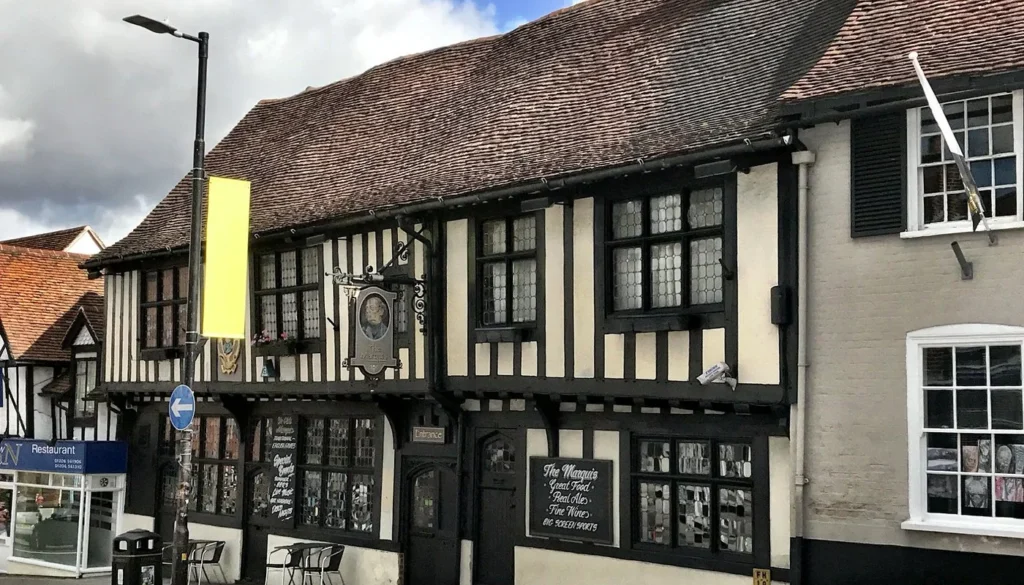
The Dutch Quarter is one of Colchester’s most characterful historic areas, with winding streets and old buildings that reflect the city’s later history. It is a good area for slowing down between major attractions and discovering a quieter side of the city.
Spring is a good time to explore Colchester on foot, particularly around Castle Park and the Roman Wall. Combine outdoor walks with the castle and museums, then continue into the historic streets for independent shops and cafés
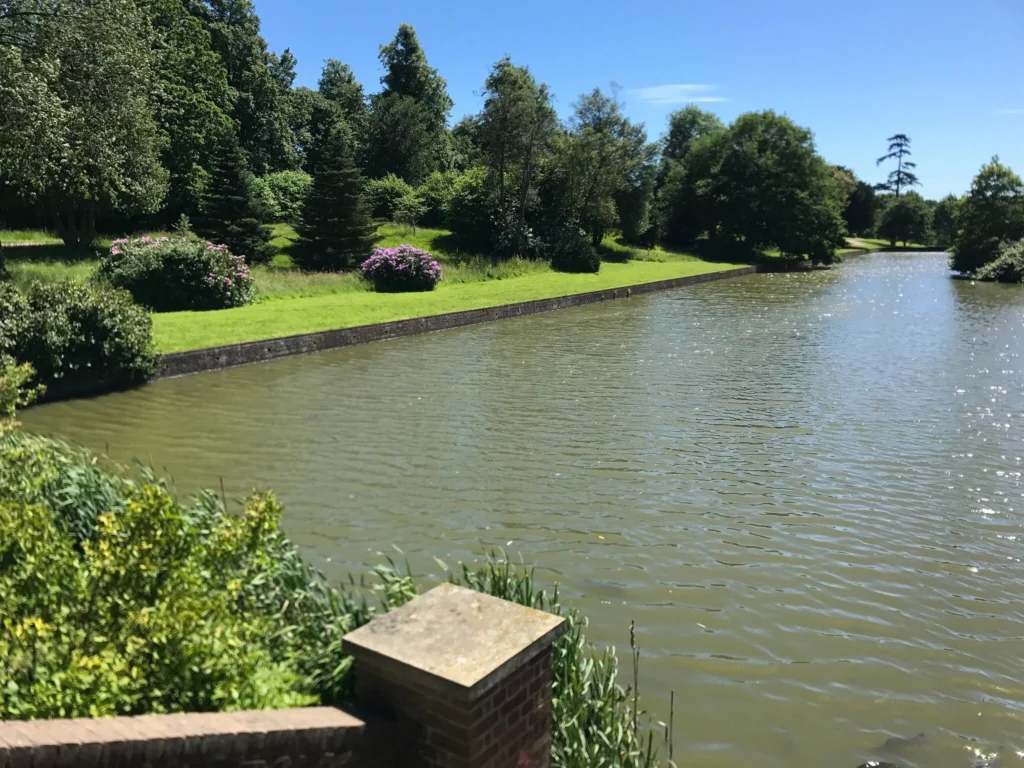
Summer gives you more time to explore beyond the city center. Visit the main historic attractions early, then head towards nearby countryside or the Essex coast for a change of scenery. The longer daylight also makes walking routes around the city more enjoyable.
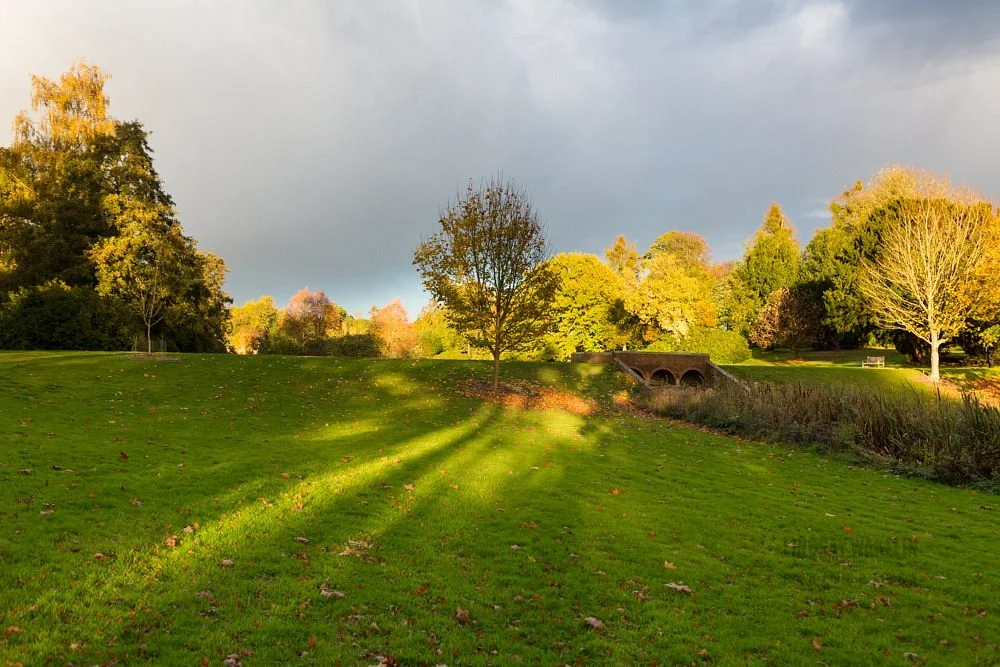
Autumn suits Colchester’s mix of museums, historic buildings and parks. Explore the Roman heritage around the center, spend time in Castle Park and visit Firstsite or another cultural venue when the weather becomes cooler.
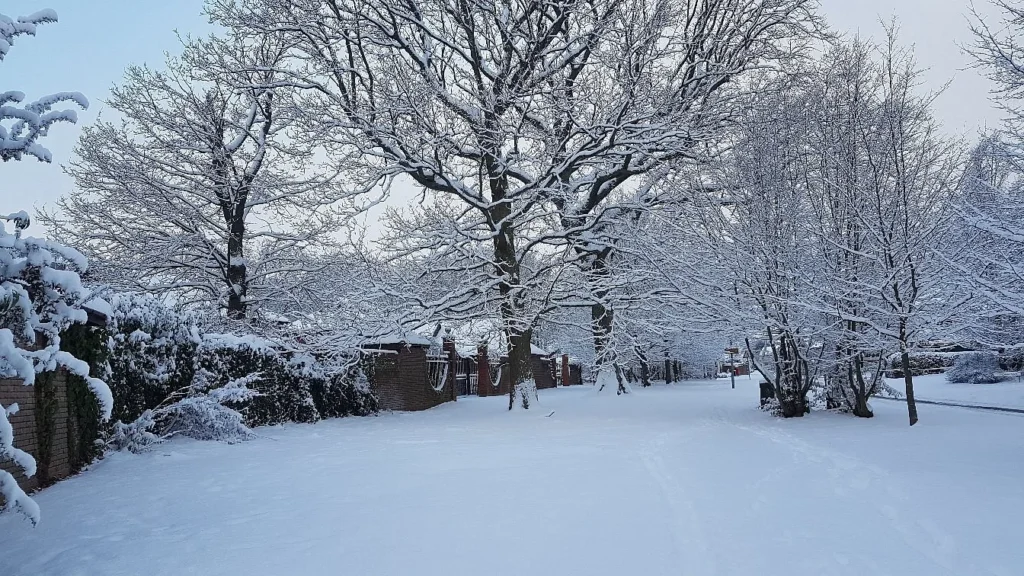
Winter is ideal for focusing on Colchester’s museums, galleries, historic attractions and indoor cultural venues. The compact center makes it possible to combine several sights with cafés, restaurants and shopping without spending much time travelling between them.

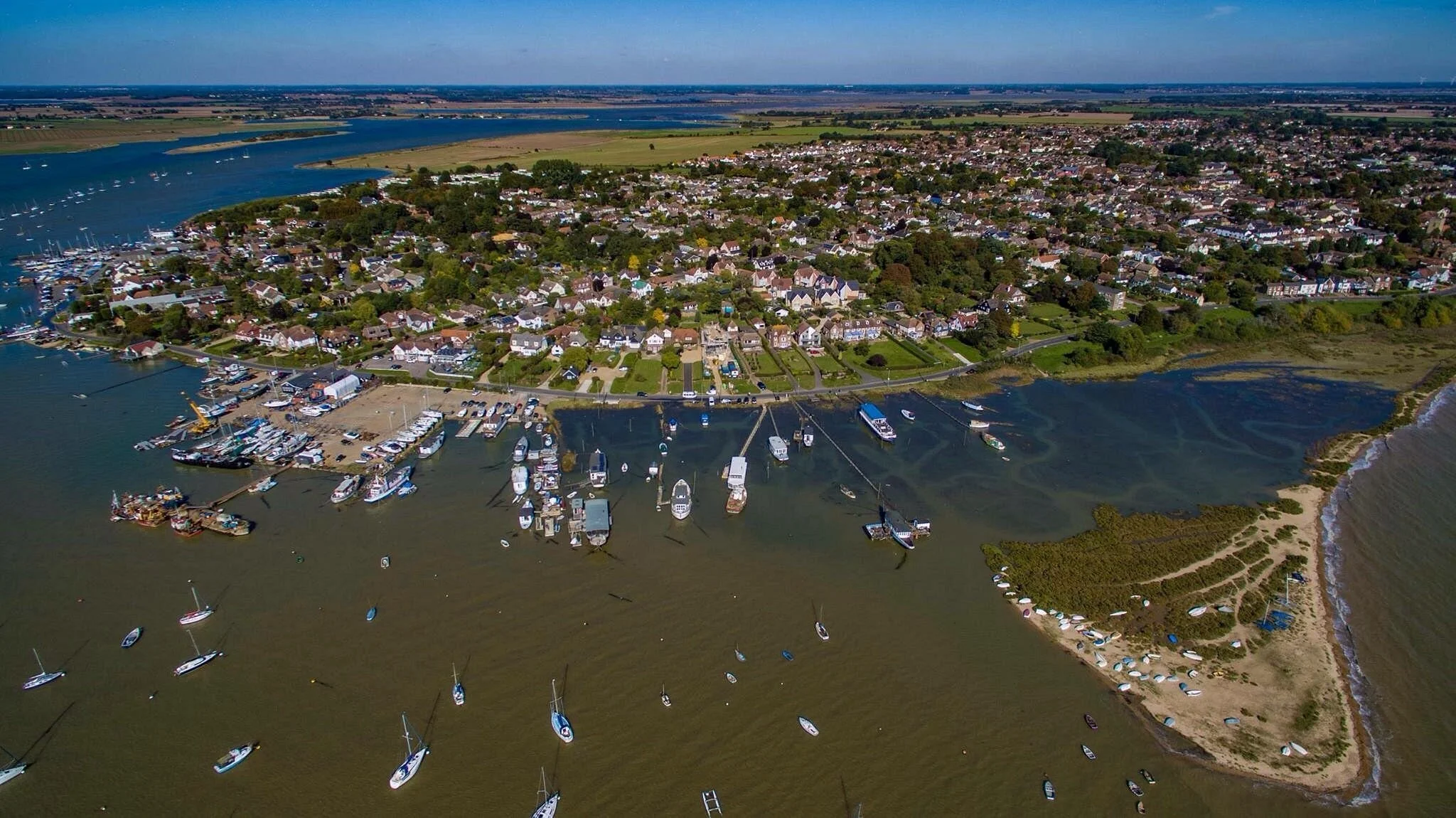
Mersea Island offers a completely different experience from central Colchester, with beaches, coastal walks, seafood and a relaxed island atmosphere. It is particularly appealing when you want to add the coast to a city break.
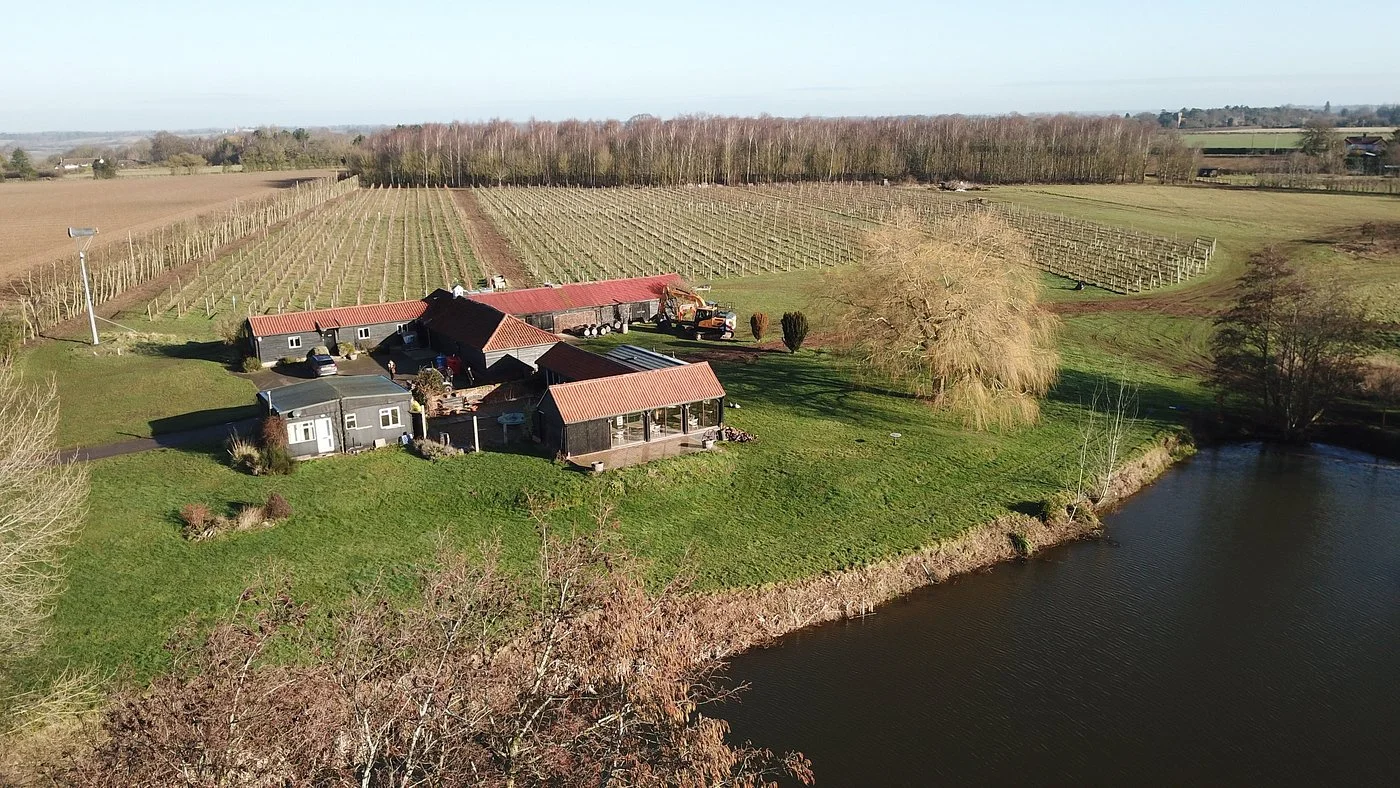
Dedham Vale and Constable Country provide some of the area's most attractive countryside. Rolling landscapes, villages and waterways inspired the painter John Constable and offer plenty of opportunities for walking and scenic drives.
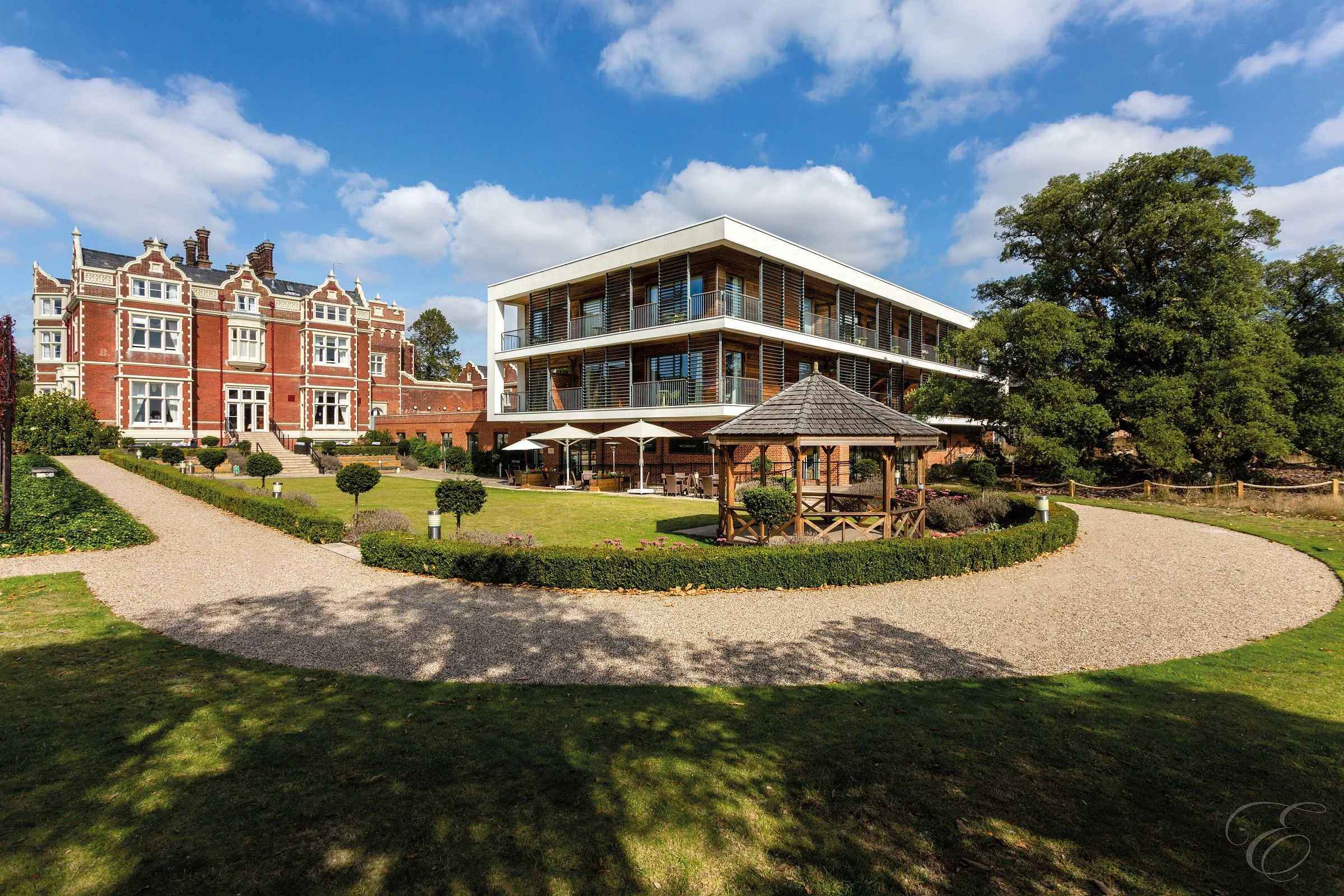
Wivenhoe is a riverside town close to Colchester with historic streets, independent businesses and access to the River Colne. Its quieter atmosphere makes it a pleasant nearby escape.
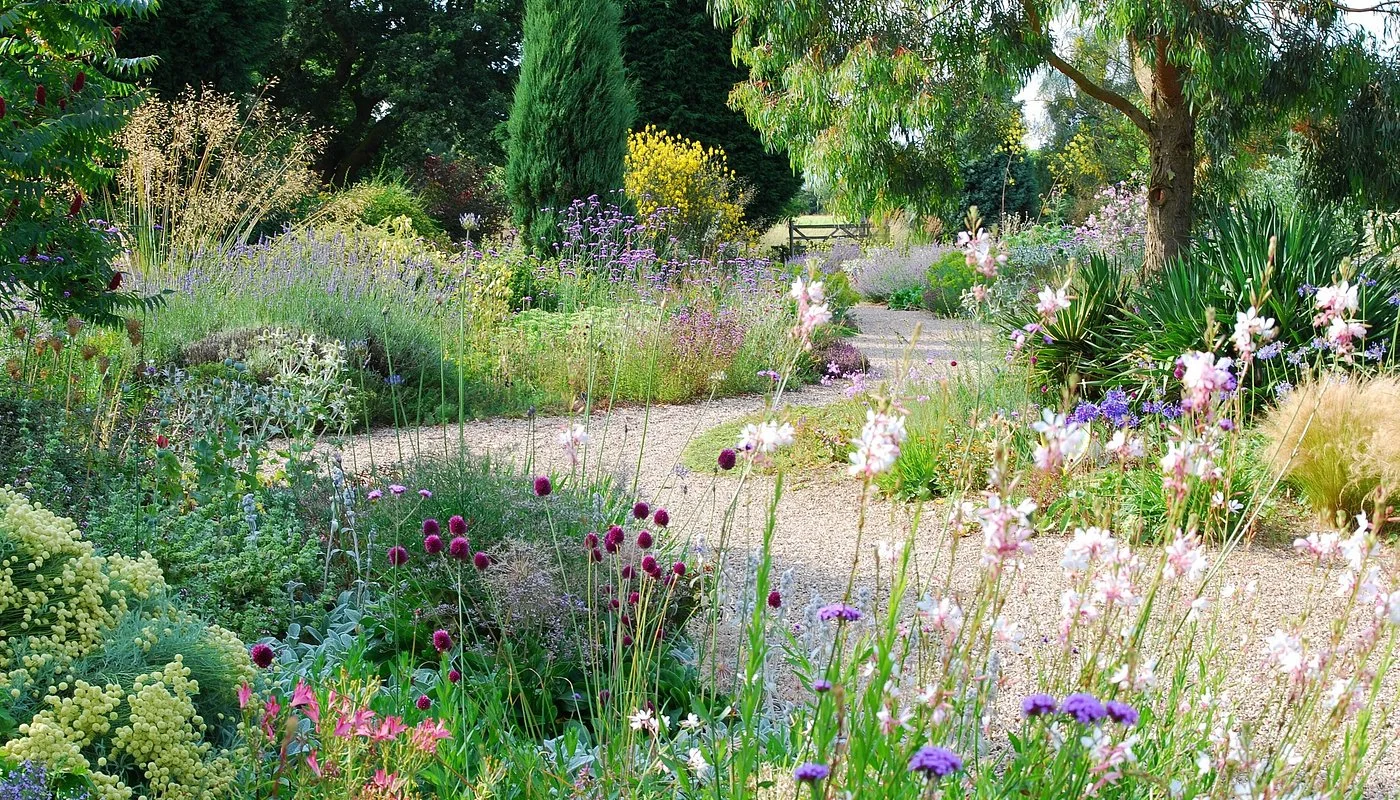
Beth Chatto's Gardens are known for their carefully designed planting and distinctive garden landscapes. The gardens offer a peaceful experience outside the city and are particularly appealing to visitors interested in horticulture.
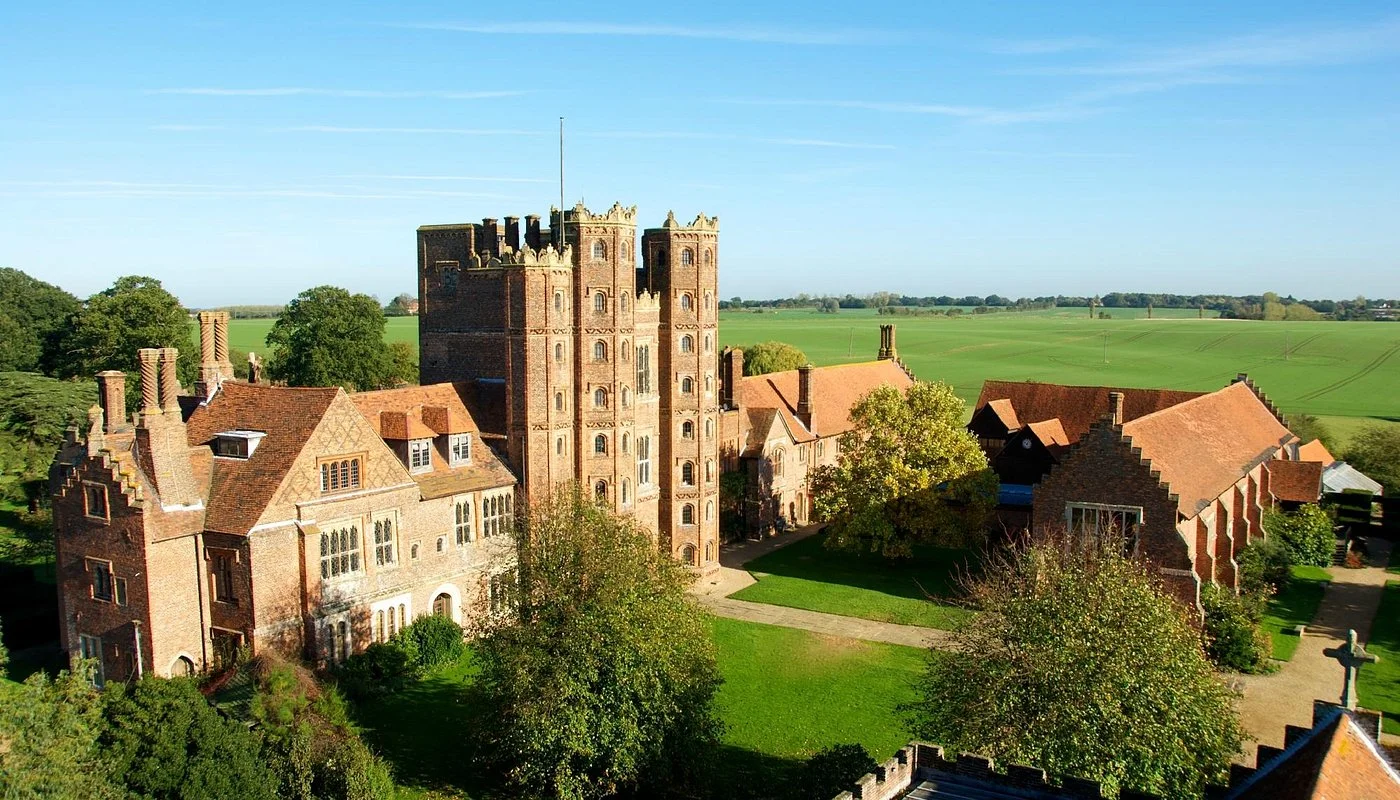
Layer Marney Tower is a striking Tudor property south of Colchester, known for its impressive gatehouse and historic setting. It provides another way to experience the architectural heritage of the wider area.
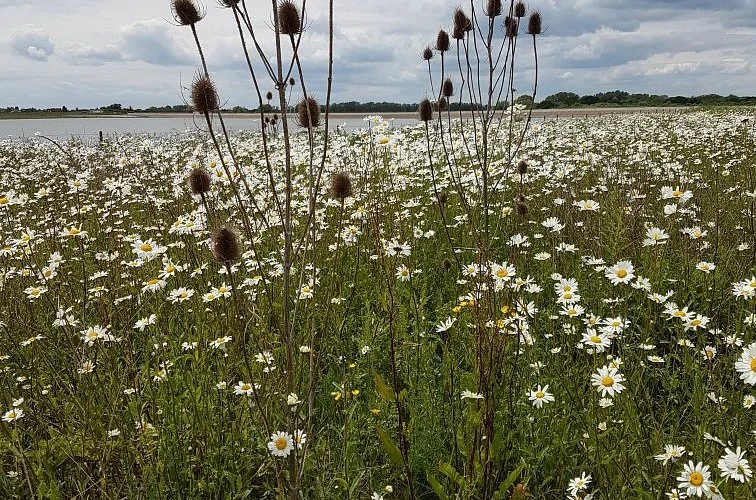
Abberton Reservoir is an important wetland and nature destination near Colchester, particularly well known for birdlife. It offers walking and wildlife-watching opportunities for visitors wanting to experience the area's natural side.
Colchester has strong transport connections and can be reached by train, bus, coach and car. It sits on the main railway route between London Liverpool Street and Norwich, making it convenient for day trips and longer visits.
The city has three railway stations: Colchester, Colchester Town and Hythe. Colchester Town is particularly convenient for the central area, while Colchester station is around a 20-minute walk from the city center.
By road, Colchester is close to the A12, providing connections with London and other parts of Essex and East Anglia. The city is also within reach of Stansted and Southend airports, while Harwich International Port provides ferry connections.
Walking is one of the best ways to explore the historic center. Many of Colchester's main attractions are close together, with the castle, Roman remains, museums, galleries and shopping streets generally requiring only short walks between them.
Local buses connect the city center with surrounding neighborhoods and destinations beyond the central attractions. They are useful for reaching places such as the zoo, nearby villages and other parts of the wider Colchester area.
Cycling is another useful option, particularly if you want to travel beyond the historic center towards the countryside, villages, and nearby attractions. Colchester also provides cycling routes and information for visitors planning to explore by bike.
Colchester’s strongest attraction is the way its history remains part of the modern city. Roman walls and archaeological remains sit alongside shops, galleries and restaurants, while the castle and historic streets provide a direct connection with earlier centuries.
Beyond the center, the landscape changes quickly. Countryside, gardens, wildlife sites and the Essex coast are all within reach, giving visitors the option to combine heritage sightseeing with outdoor experiences.
Colchester offers a different kind of historic city experience. Its Roman foundations are still visible in the walls, streets and archaeological sites, while the castle, medieval ruins and museums reveal how the city developed over many centuries.
For anyone planning a trip and searching for things to see in Colchester, the best approach is to combine the major heritage attractions with time in Castle Park and the surrounding historic streets. Add the Essex coast, Dedham Vale or nearby villages, and Colchester becomes a useful starting point for exploring a much wider part of East Anglia.
Some of the best things to see in Colchester include Colchester Castle, Castle Park, the Roman Wall, St Botolph’s Priory, Firstsite, the Hollytrees Museum and the Roman Circus Visitor Center.
The main attractions include Colchester Castle Museum, Castle Park, Firstsite, the Roman Wall, Colchester Zoological Society, Hollytrees Museum and the Roman Circus Visitor Center.
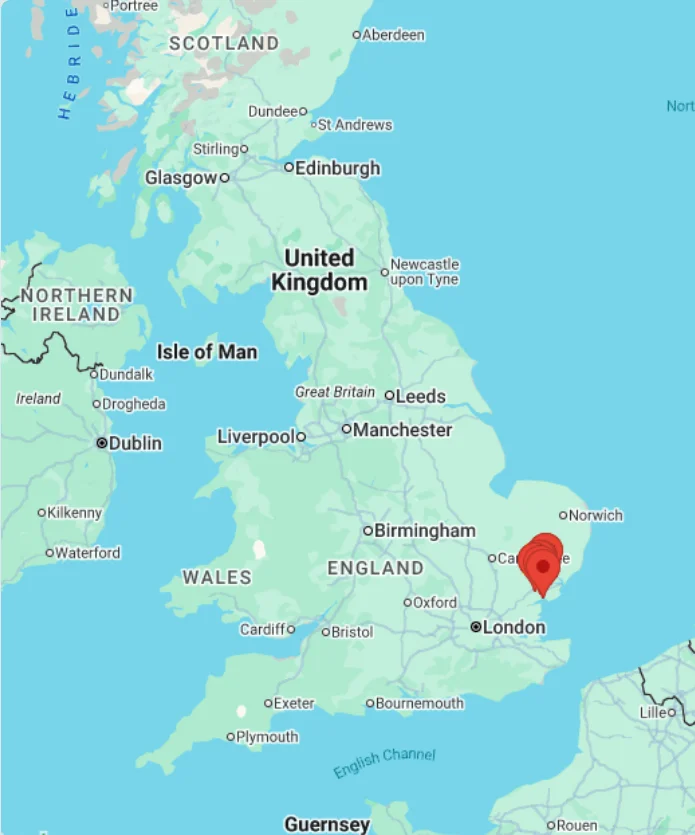
Colchester is in Essex in the East of England, around 50 miles northeast of London. It sits close to the Essex coast and the Suffolk border and provides access to Dedham Vale, Constable Country and other parts of East Anglia.
Yes. The historic city center is relatively compact, and many major attractions are within short walking distance of one another. Buses and trains can be used when travelling beyond the center. Some routes in the city are hilly, so visitors should take this into account when planning longer walks.
Colchester can work well for a weekend, particularly if you combine its Roman and medieval attractions with museums, parks and nearby countryside or coastal destinations. Staying longer also gives you more time to explore places such as Mersea Island and Dedham Vale.