

Bath

Bath is one of England’s most distinctive historic cities, known for its Roman heritage, honey-colored Georgian architecture, and natural thermal springs. Set in Somerset, the city brings together ancient history, elegant streets, museums, gardens, independent shops and modern wellness experiences within a compact area.

Capital city

Belfast

Currency

GBP

Timezone

GMT (Winter), GMT + 1 (Summer)
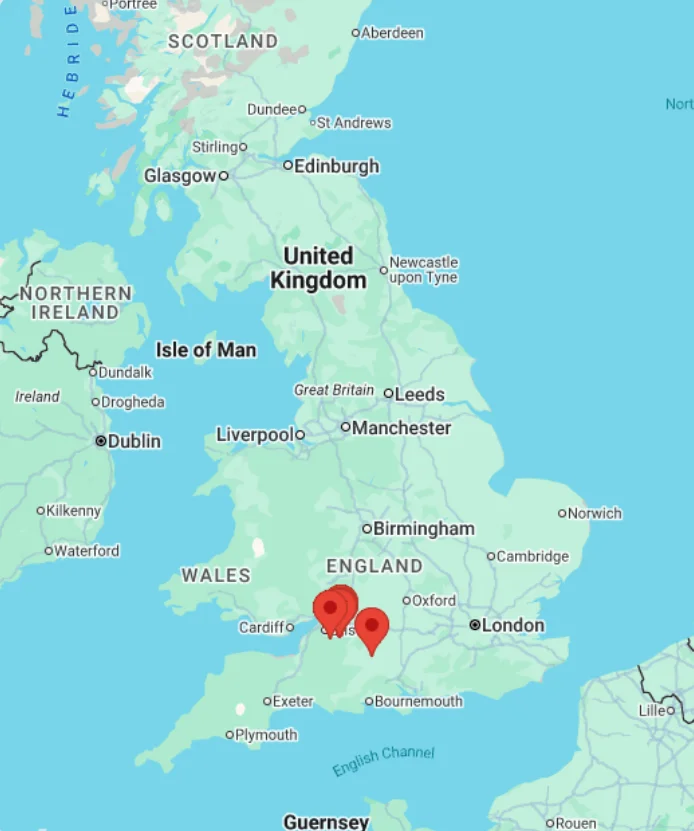
Bath Map

WHY WE LOVE BATH

Bath’s character comes from the way different periods of history sit alongside each other. Roman remains, medieval buildings and grand Georgian terraces are all part of the same cityscape, creating an experience that feels historic without being frozen in the past.

Bath rewards walking rather than rushing from attraction to attraction. You can move from the Roman Baths to Bath Abbey, continue through the Georgian streets towards the Royal Crescent and finish beside the River Avon or in one of the city’s many cafés.

There are plenty of things to do in Bath, whether you are interested in history and architecture, looking for a relaxing spa break or simply want to spend a few days exploring one of the South West’s most atmospheric cities. Its compact center also makes it easy to combine several major sights in one day.

DESTINATIONS IN BATH

Bath’s main sights are concentrated around the historic center, but each area reveals a different part of the city. These are some of the key places to visit in Bath during a first trip.

Bath Map

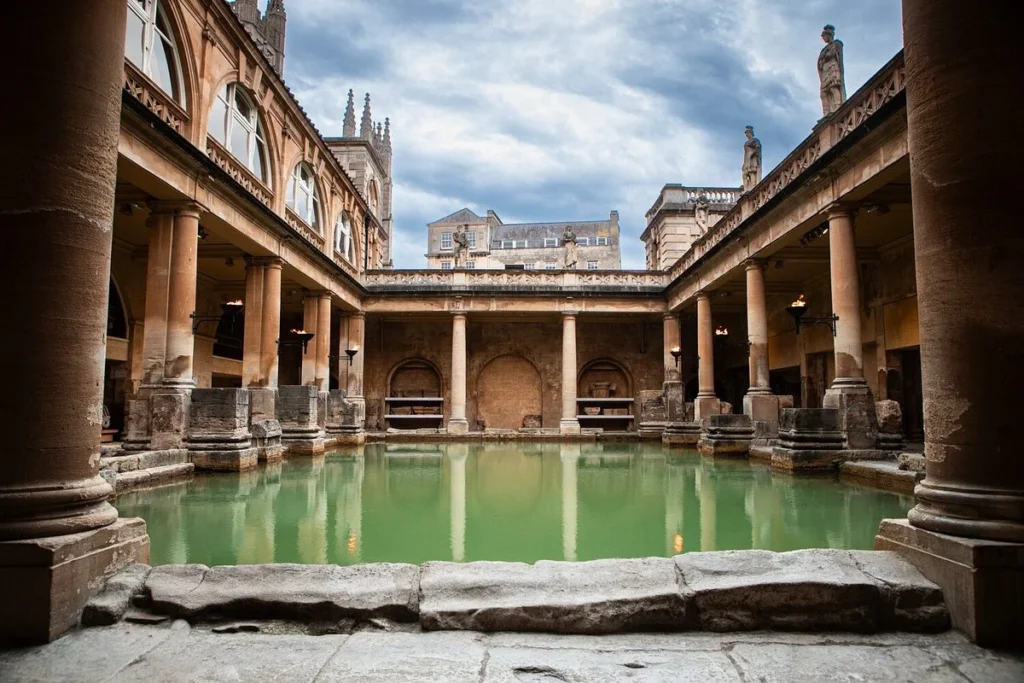
Roman Baths

The Roman Baths are the defining historic attraction in Bath, built around the natural thermal springs that shaped the city’s development. The preserved remains, ancient bathing complex and museum provide an insight into how Roman visitors used the site more than 1,000 years ago.

Roman bath's

Bath Abbey

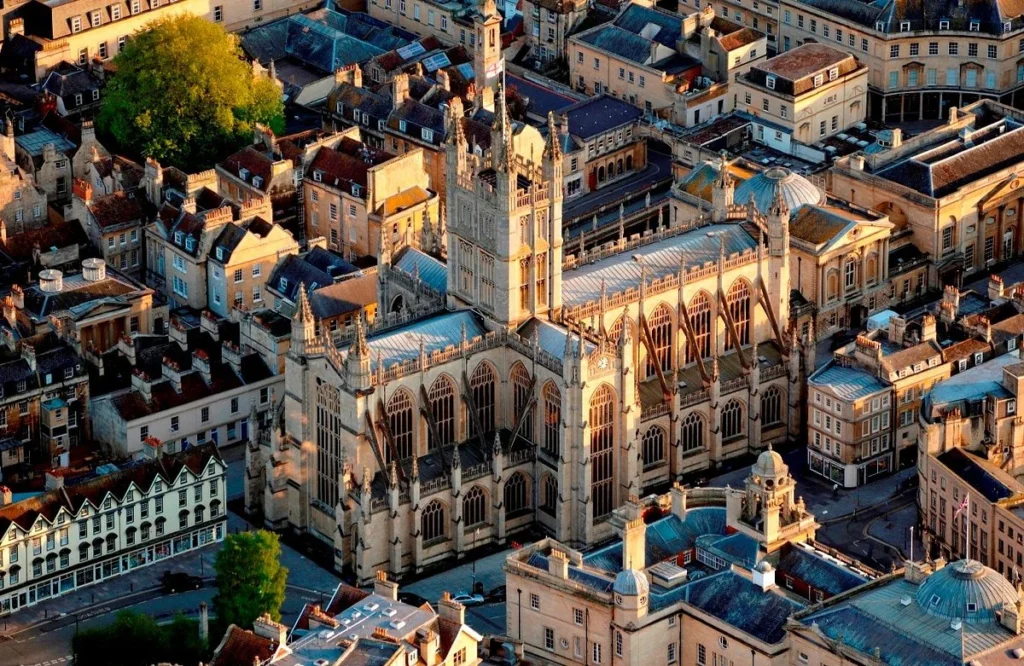
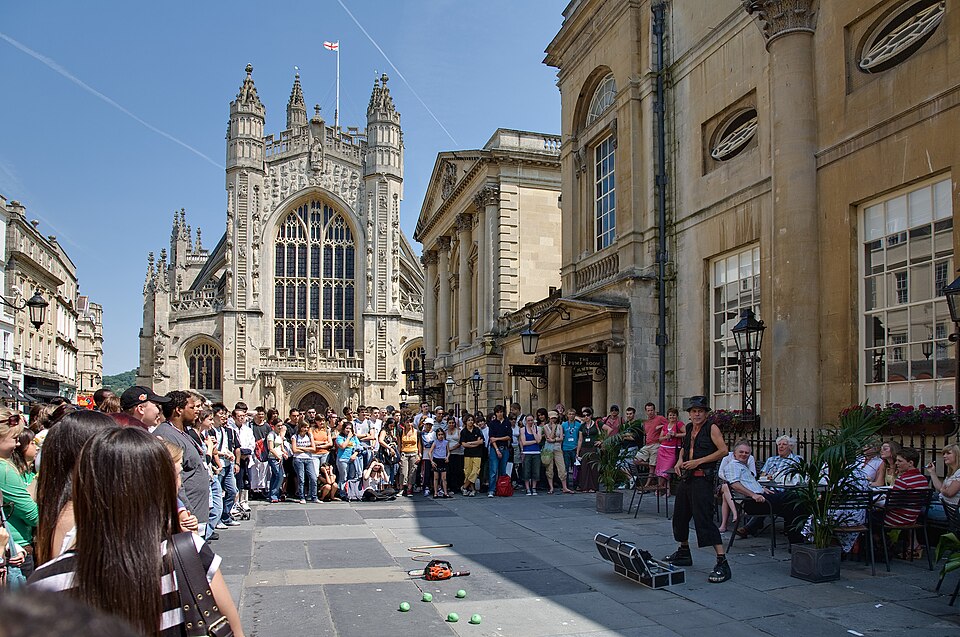
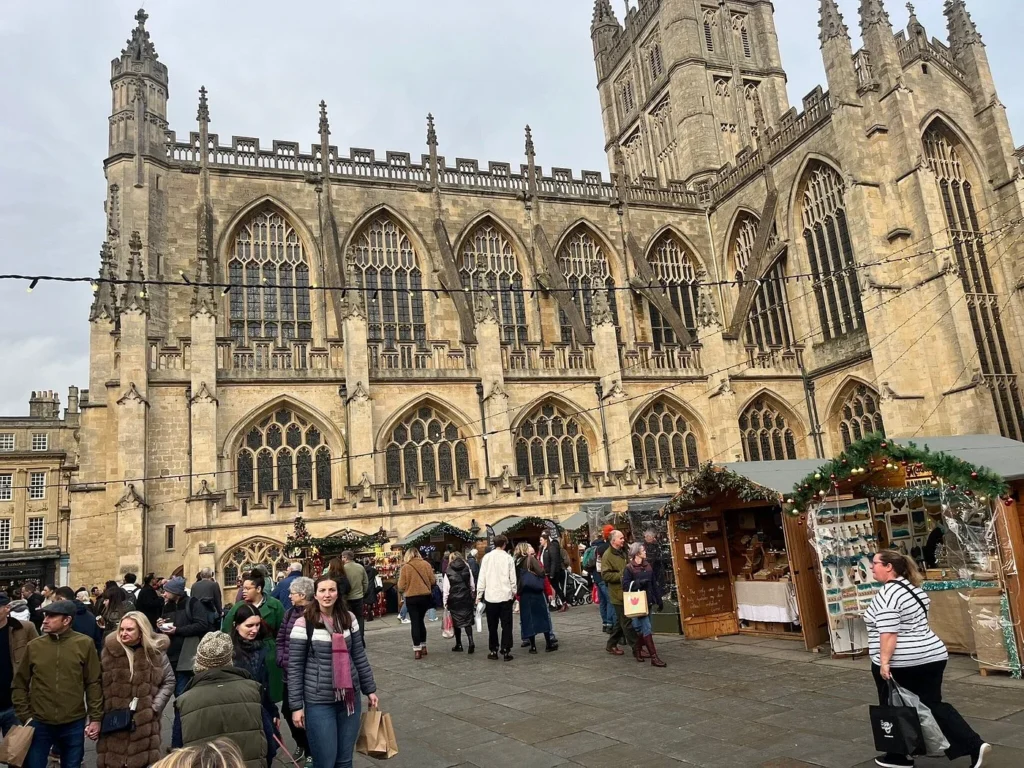
Bath Abbey stands beside the Roman Baths and is one of the city’s most recognizable buildings. Its Gothic architecture, stained glass and fan-vaulted ceiling make it an important stop when exploring the historic center.

Bath Abbey

Royal Crescent

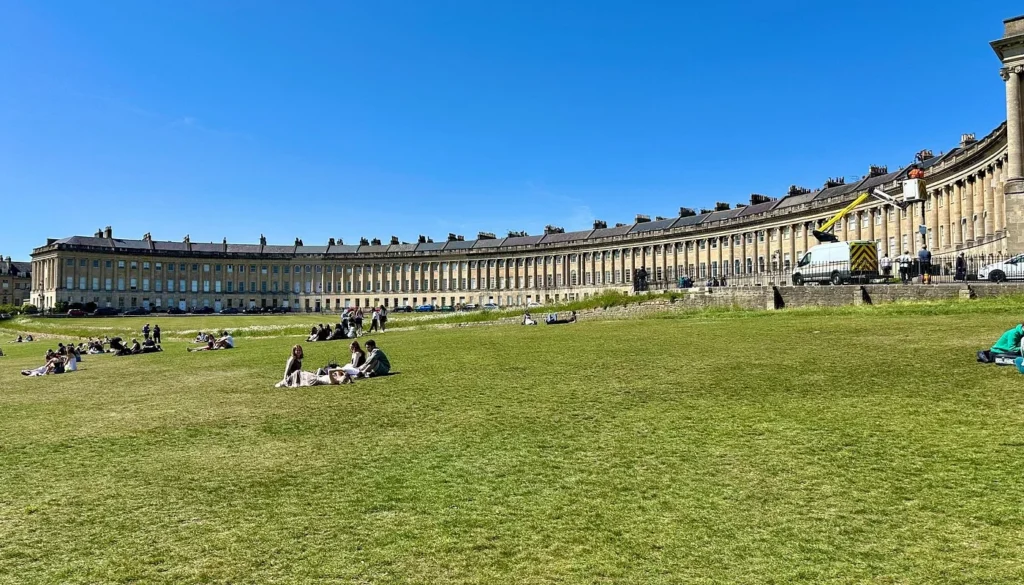
The Royal Crescent is one of Bath’s most famous architectural landmarks, forming a sweeping curve of Georgian townhouses overlooking a broad lawn. Walking around the crescent gives visitors a strong sense of the scale and elegance of 18th-century Bath.

Royal Crescent

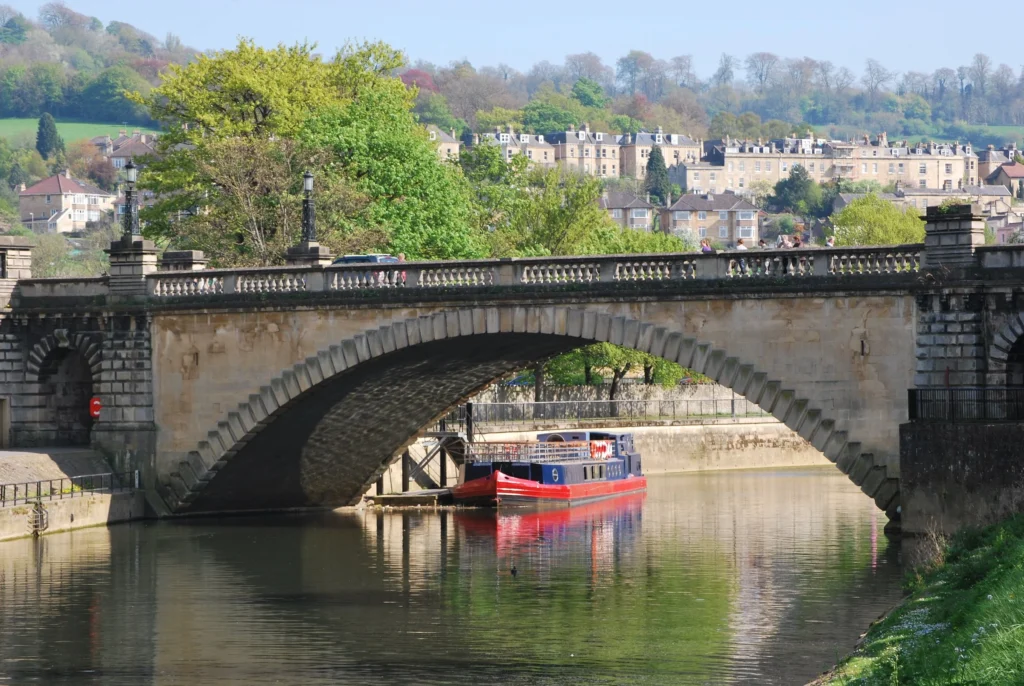
Pulteney Bridge

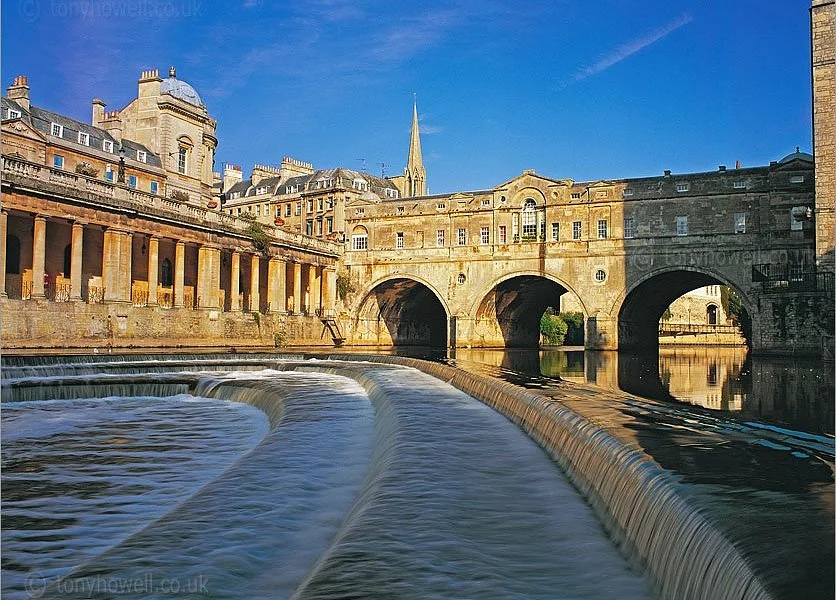
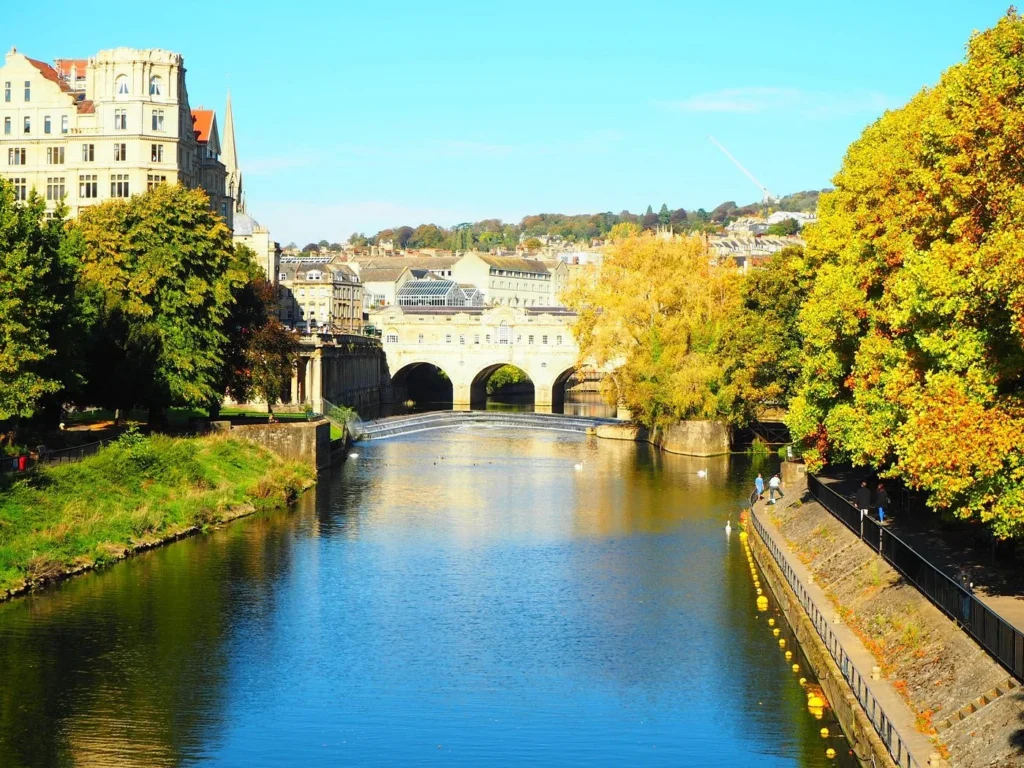
Pulteney Bridge crosses the River Avon and is unusual for having shops built into both sides of the bridge. The view towards the weir below is particularly striking, making this one of the most photographed Bath attractions.

Pulteney Bridge

The Circus

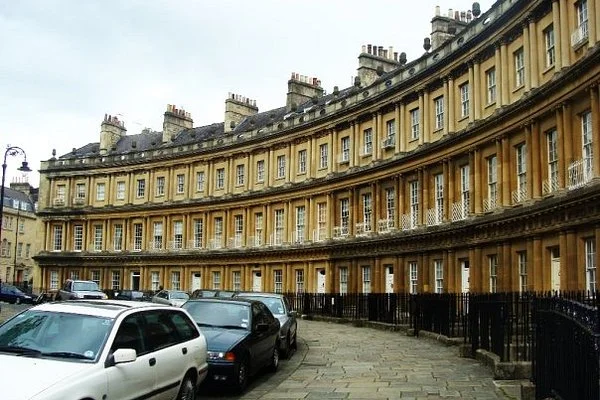
The Circus is another outstanding example of Bath’s Georgian architecture. Its circular arrangement of townhouses creates one of the city’s most distinctive urban spaces and connects naturally with the Royal Crescent through the surrounding historic streets

The Circus

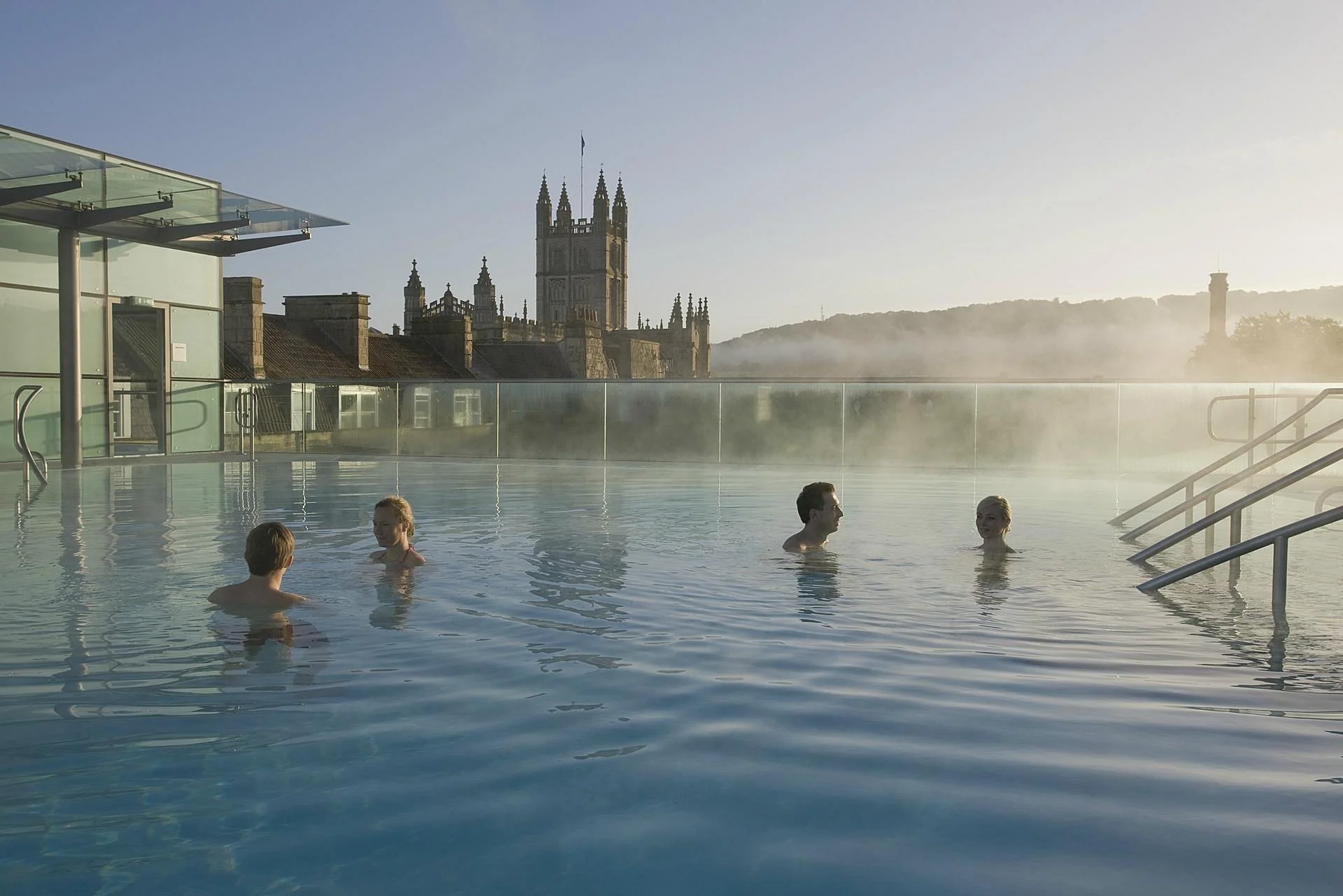
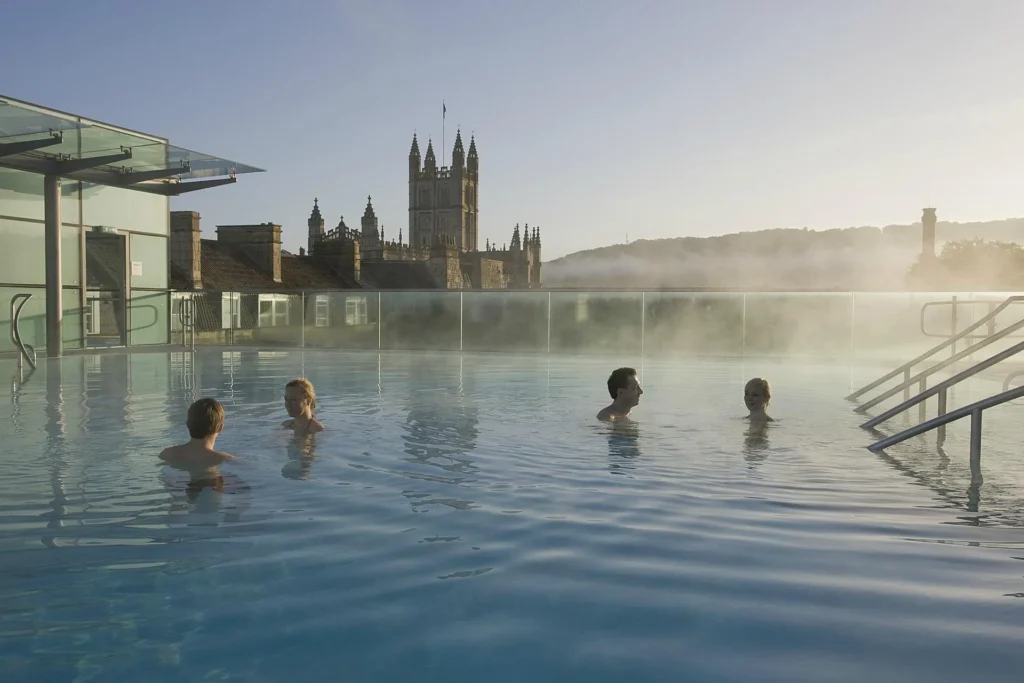
Thermae Bath Spa

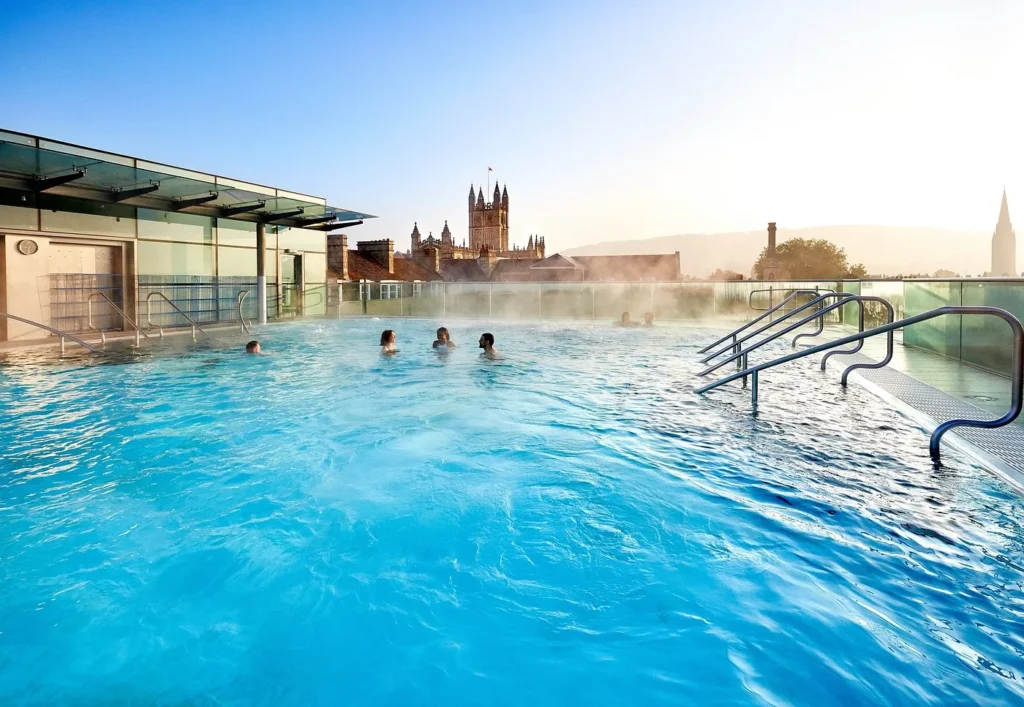
Thermae Bath Spa brings Bath’s ancient relationship with thermal water into a modern setting. Visitors can experience naturally heated mineral-rich waters while enjoying contemporary spa facilities, making it a popular choice for those looking to add relaxation to their city break.

Thermae Bath

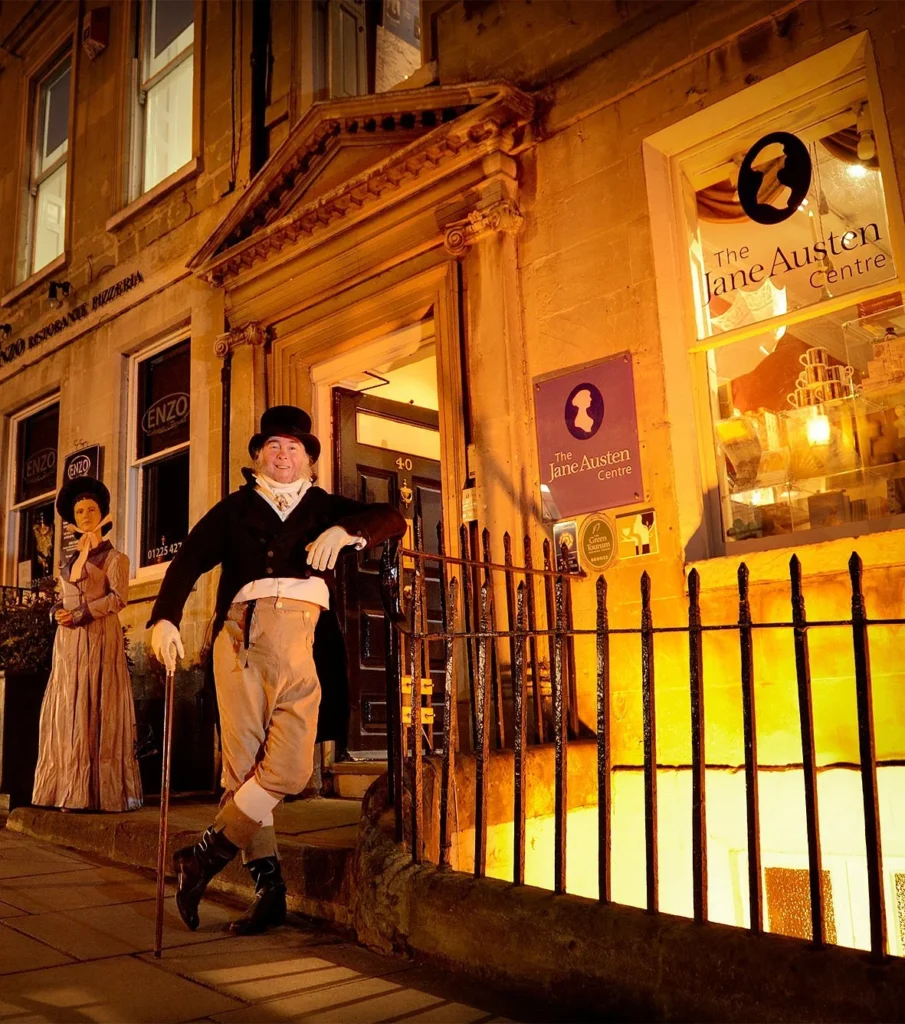
The Jane Austen Centre

The Jane Austen Centre explores the author’s connection with Bath and the influence the city had on her writing. Exhibitions and displays provide context for Austen’s time in Bath and the city’s role in novels such as Persuasion and Northanger Abbey

The Jane Austen Centre

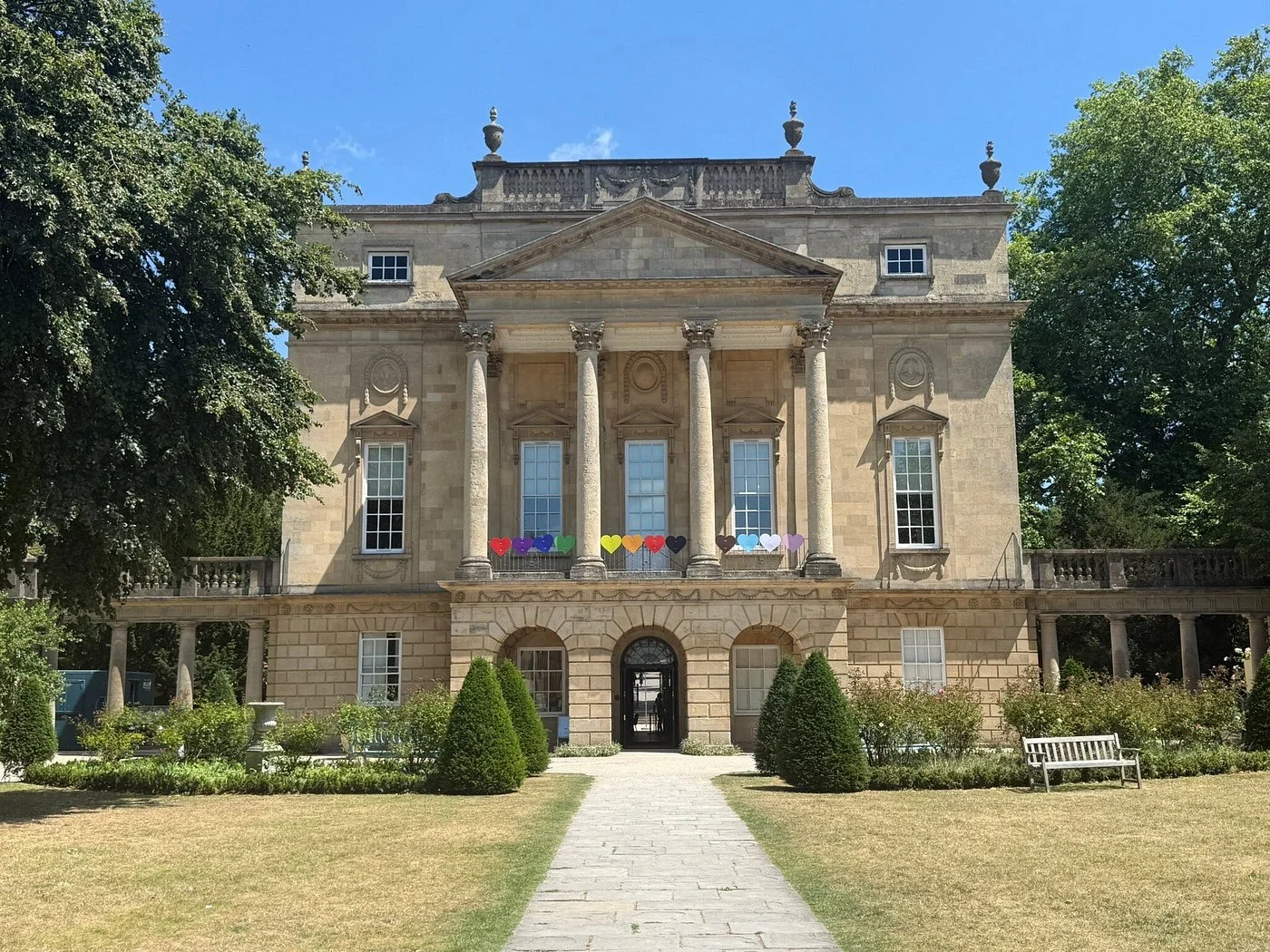
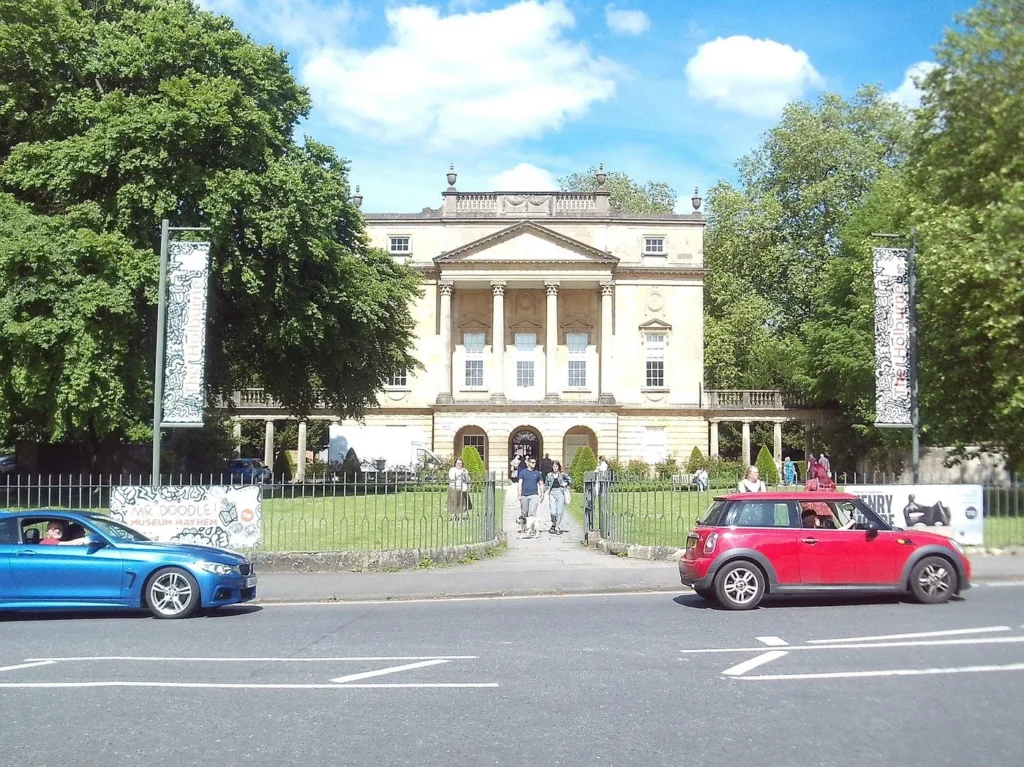
The Holburne Museum

The Holburne Museum houses a collection of fine and decorative art within a historic building at the end of Great Pulteney Street. Its galleries and surrounding gardens provide a quieter cultural experience away from Bath’s busiest central streets.

The Holburne Museum

Featured Things to Do BY SEASON

Bath

Spring is a good time to explore Bath on foot as gardens and green spaces become more inviting. Walk through the historic center, visit the Royal Crescent and continue towards the Holburne Museum and Sydney Gardens.

Thermae Bath

Summer allows more time for outdoor sightseeing and riverside walks. Explore the major historic sights early in the day, then spend time around the River Avon, enjoy Bath’s cafés and gardens, or take a longer walk through the surrounding countryside.

Bath

Autumn brings softer light and changing colors to Bath’s parks and surrounding landscapes. It is an ideal season for combining architecture and museums with walks around the city’s quieter streets and green spaces.

Bath

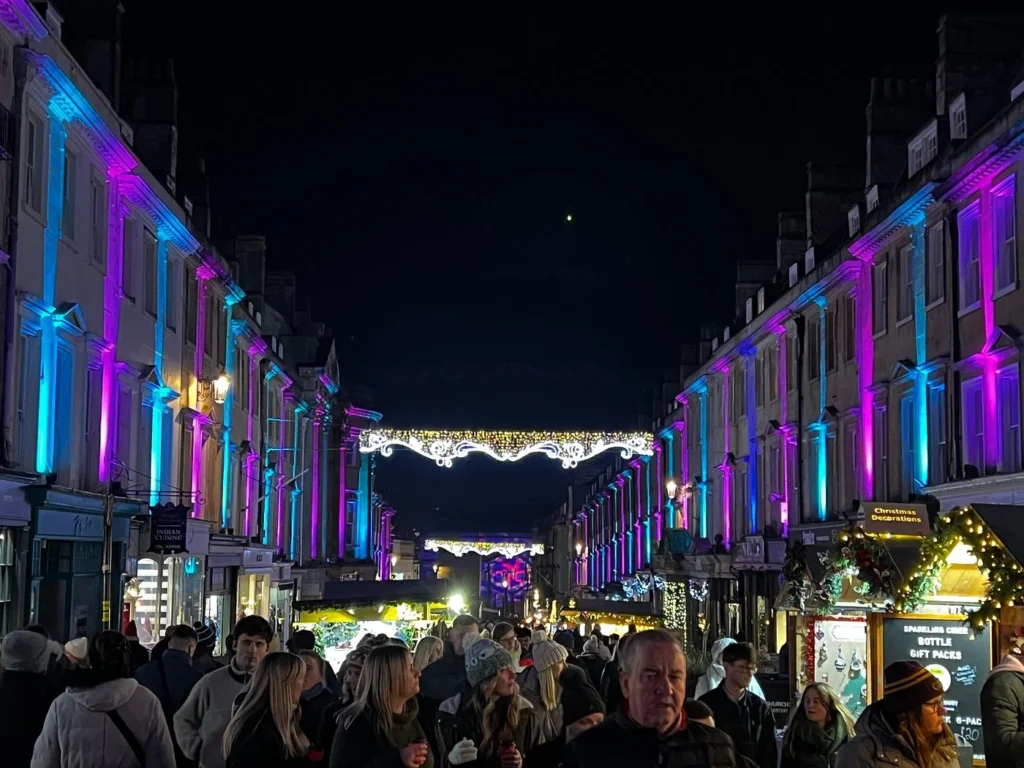
Winter gives Bath a particularly atmospheric feel, especially around the historic center. Spend time in the Roman Baths, Bath Abbey and museums, then warm up in a café or make the most of the city’s thermal spa experience

Explore Nearby Bath

Bradford-on-Avon

Bradford-on-Avon

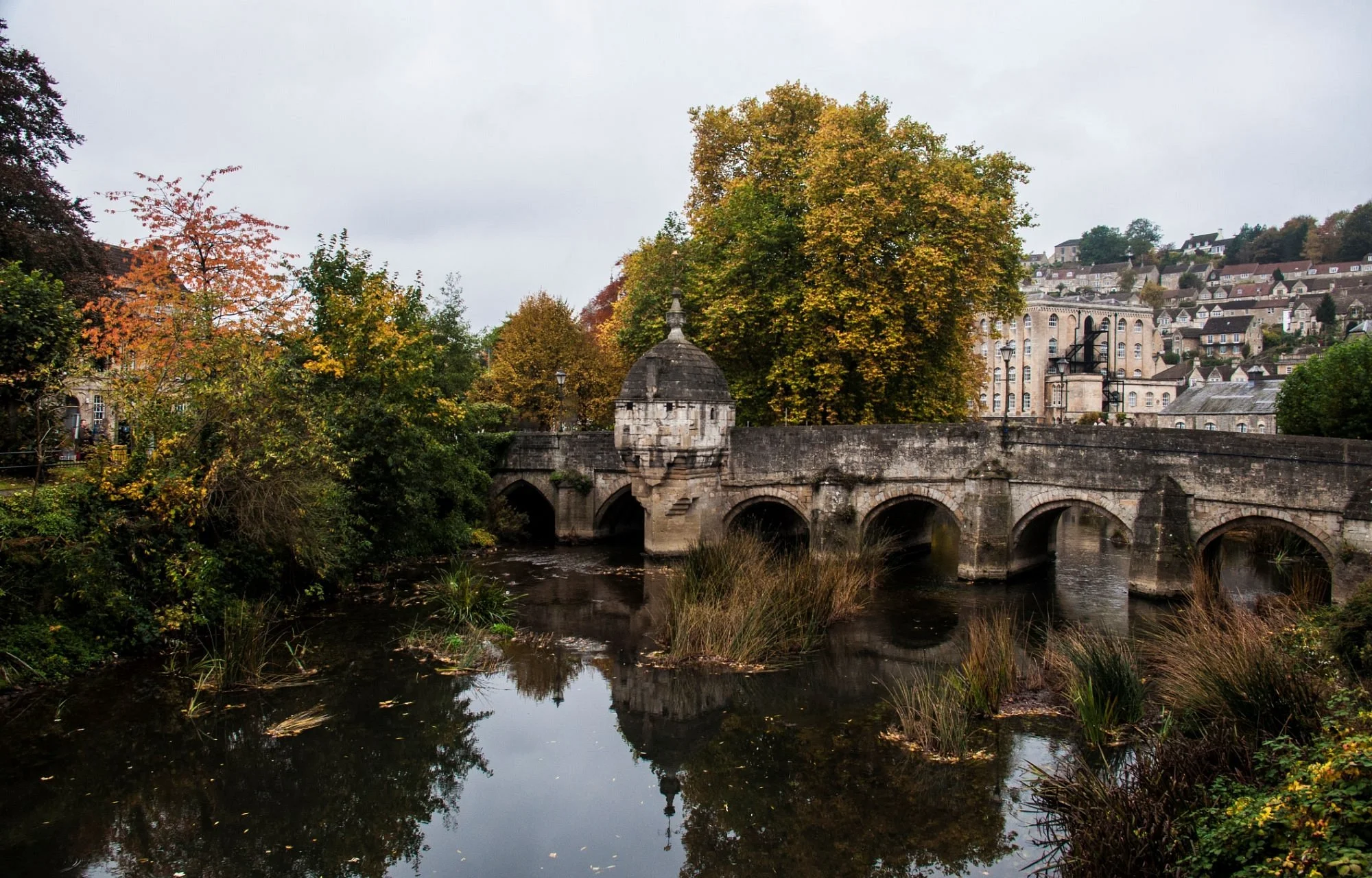
Bradford-on-Avon is a historic riverside town surrounded by the countryside of west Wiltshire. Its stone buildings, old bridge and canal-side setting make it an appealing addition to a Bath itinerary.
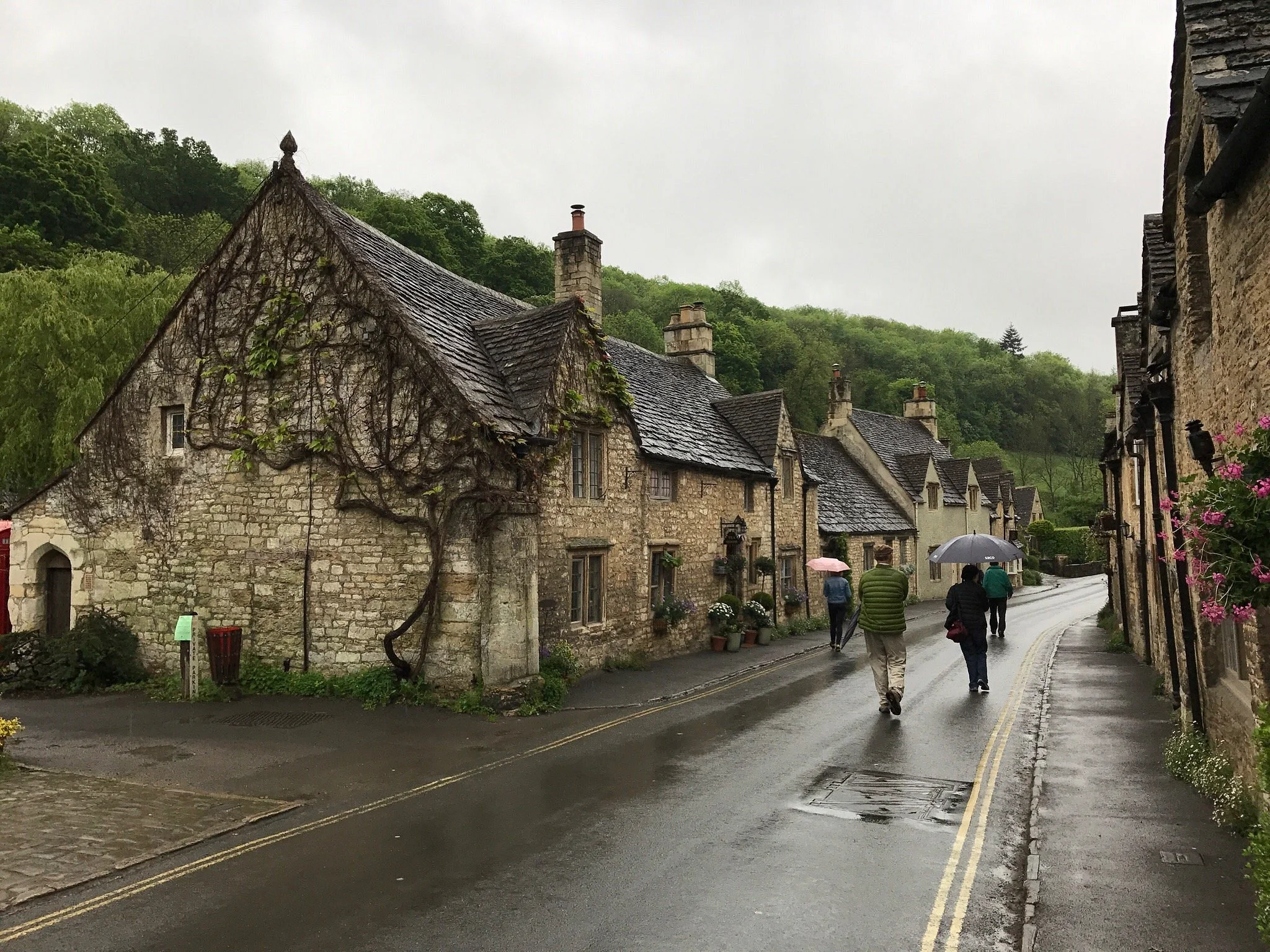
Castle Combe

Castle Combe

Often associated with classic Cotswold village scenery, Castle Combe is known for its stone cottages, narrow streets and rural setting. It offers a peaceful contrast to the busier streets of central Bath
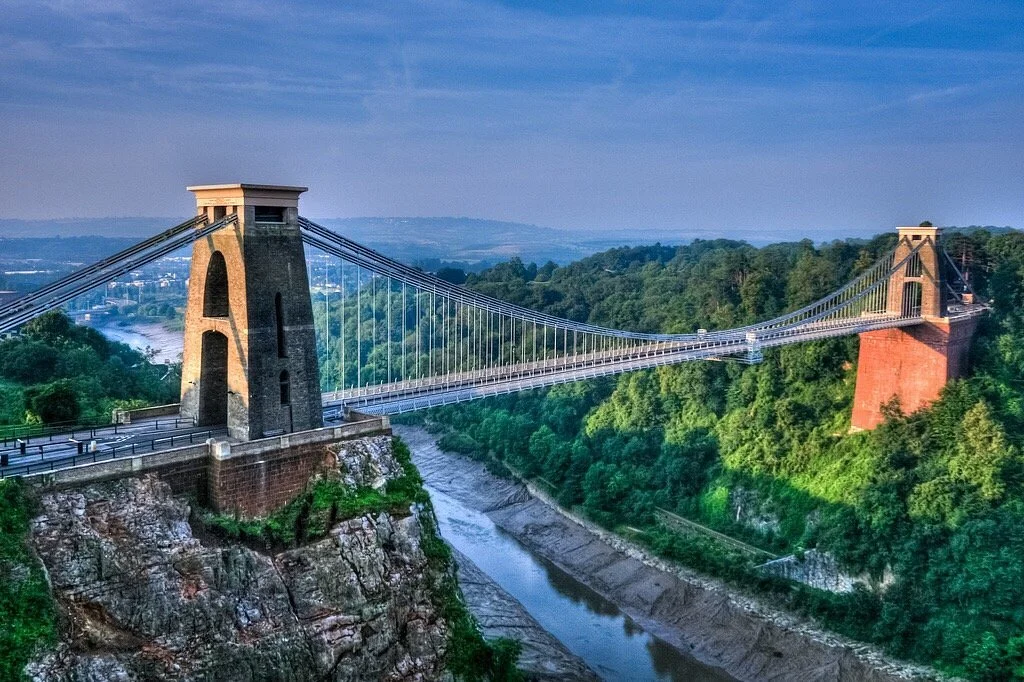
Bristol

Bristol

Bristol is close enough to Bath to combine both cities during a South West trip. Its harborside, museums, street art, independent food scene and historic districts provide a strong contrast with Bath’s Georgian character.
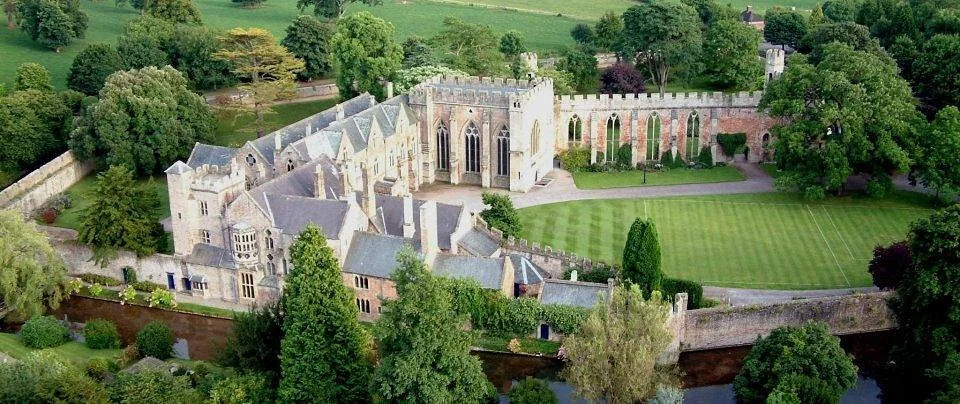
Wells

Wells

Wells is a small cathedral city in Somerset, known for its magnificent cathedral, medieval architecture, and historic Vicar’s Close. It is a useful stop for visitors wanting to experience another side of Somerset’s heritage.
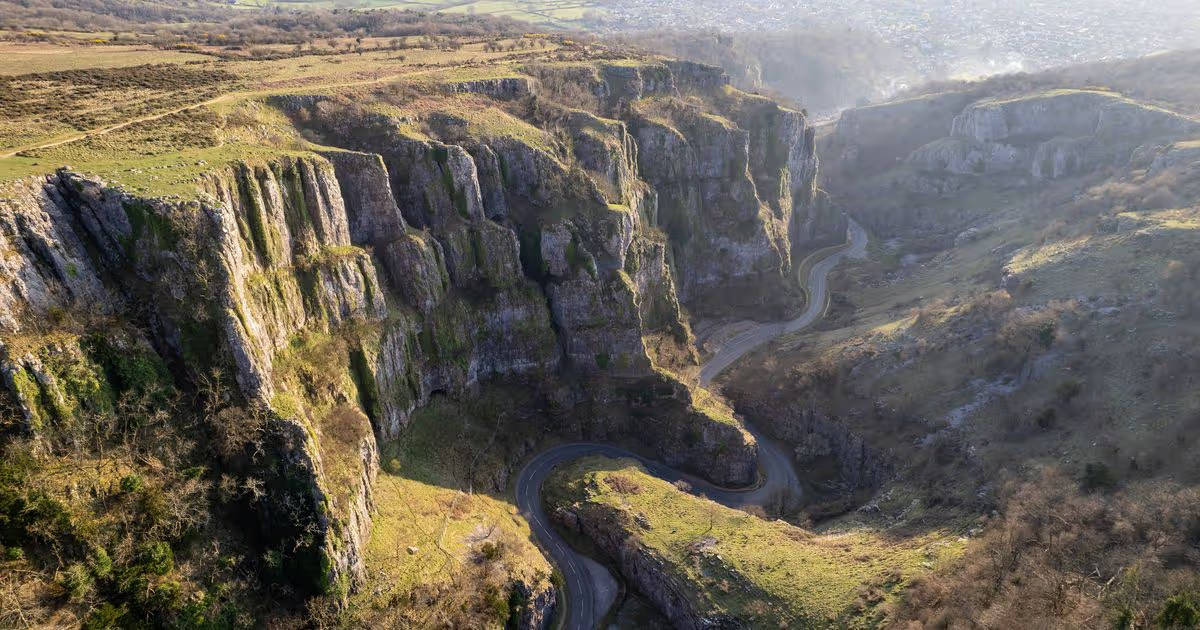
Cheddar Gorge

Cheddar Gorge

Cheddar Gorge offers a dramatic change of scenery, with limestone cliffs, caves and walking routes through the Mendip Hills. It is particularly suited to visitors who want to balance Bath’s urban sightseeing with outdoor landscapes.

lacock, wiltshire

Lacock

Lacock is a historic village with a remarkably preserved appearance, including traditional stone buildings and quiet streets. Its Abbey and village setting make it an interesting day-trip option from Bath.
GETTING TO BATH

Bath is well connected by rail, road and coach. Bath Spa railway station sits close to the city center, making it particularly convenient for visitors arriving by train. Regular services connect Bath with Bristol, London and other destinations across the South West.

Getting around

The city is also accessible from the M4 and M5, while Bristol Airport is relatively close. Coach services provide another option for visitors travelling from London and other UK destinations.

If you are driving, it is worth considering Bath’s Park & Ride services rather than taking a car into the center, particularly during busy periods.

Bath

By Foot

Walking is one of the easiest ways to explore Bath. The city center is compact, and many of the major attractions are within walking distance of one another, including the Roman Baths, Bath Abbey, Pulteney Bridge and the Georgian landmarks

By Bus

Local buses connect the city center with surrounding neighborhoods, villages, and nearby destinations. They are useful when you want to travel beyond the main historic area without relying on a car.

By Bike

Cycling provides another option for exploring Bath and its surrounding areas. There are routes around the city and wider countryside, making bikes useful for visitors who want to travel further than the central attractions.

BATH: WHERE ROMAN HISTORY MEETS GEORGIAN ELEGANCE

Bath’s appeal comes from the layers of history visible throughout the city. Roman remains sit beside a medieval abbey, while Georgian streets lead towards gardens, museums and the River Avon. The thermal springs add another dimension, connecting the city’s ancient past with its modern reputation for relaxation.

Whether you spend your time exploring historic landmarks, admiring architecture, visiting museums or taking a spa break, Bath offers plenty of ways to experience Somerset’s most distinctive city.

Bath combines Roman history, Georgian architecture, and modern well-being in a way few British cities can match. The Roman Baths and Bath Abbey provide an impressive introduction, while the Royal Crescent, Pulteney Bridge and surrounding historic streets reveal the city’s architectural character.

With so many places to visit in Bath Somerset, it is easy to build an itinerary around history, culture, relaxation, or simply enjoying the city at a slower pace. Add nearby countryside and villages to the trip, and Bath becomes an excellent base for seeing more of the South West.

Bath

FAQs

What are the best things to do in Bath?

Some of the best things to do in Bath include visiting the Roman Baths, exploring Bath Abbey, walking around the Royal Crescent and The Circus, seeing Pulteney Bridge, visiting museums and experiencing the city’s thermal spa facilities.

Popular places to visit in Bath include the Roman Baths, Bath Abbey, Royal Crescent, Pulteney Bridge, The Circus, Thermae Bath Spa, the Jane Austen Centre, and the Holburne Museu

The main Bath attractions include the Roman Baths, Bath Abbey, Royal Crescent, Pulteney Bridge, The Circus, Thermae Bath Spa, the Jane Austen Centre, and the Holburne Museum.

Yes. Bath’s historic center is compact and many major attractions can be reached on foot. The city also has bus and rail connections to surrounding towns and villages, making it possible to explore without driving.

Bath is well suited to a weekend because its major historic sights are close together while museums, gardens, shops, restaurants and spa experiences provide plenty of additional things to do. Visitors can also use the city as a base for exploring nearby Somerset and the Cotswolds.