


Somerset is one of England’s most varied counties, combining historic towns, rolling countryside, dramatic landscapes, and a long-standing connection with food, farming, and cider. From the historic streets of Bath and Wells to the landscapes around Cheddar Gorge, the Somerset Levels, and the Quantock Hills, there is plenty to experience across the county.
Somerset has an unusual mix of historic places and open landscapes. You can spend part of the day walking through a medieval city or exploring an ancient abbey before heading into the countryside, where quiet lanes, hills, orchards, and open farmland create a completely different atmosphere.
The variety is what makes Somerset interesting. Bath offers grand Georgian architecture, Wells has its cathedral and medieval character, and Glastonbury brings legends and spirituality, while the Mendip Hills and Somerset coast provide plenty of opportunities for walking and outdoor adventures.
Whether you are planning a countryside escape, a family day out or a longer road trip, there are plenty of things to do in Somerset. The county is especially rewarding when you give yourself time to move between its historic towns, rural landscapes, and coastal areas rather than focusing on one place.
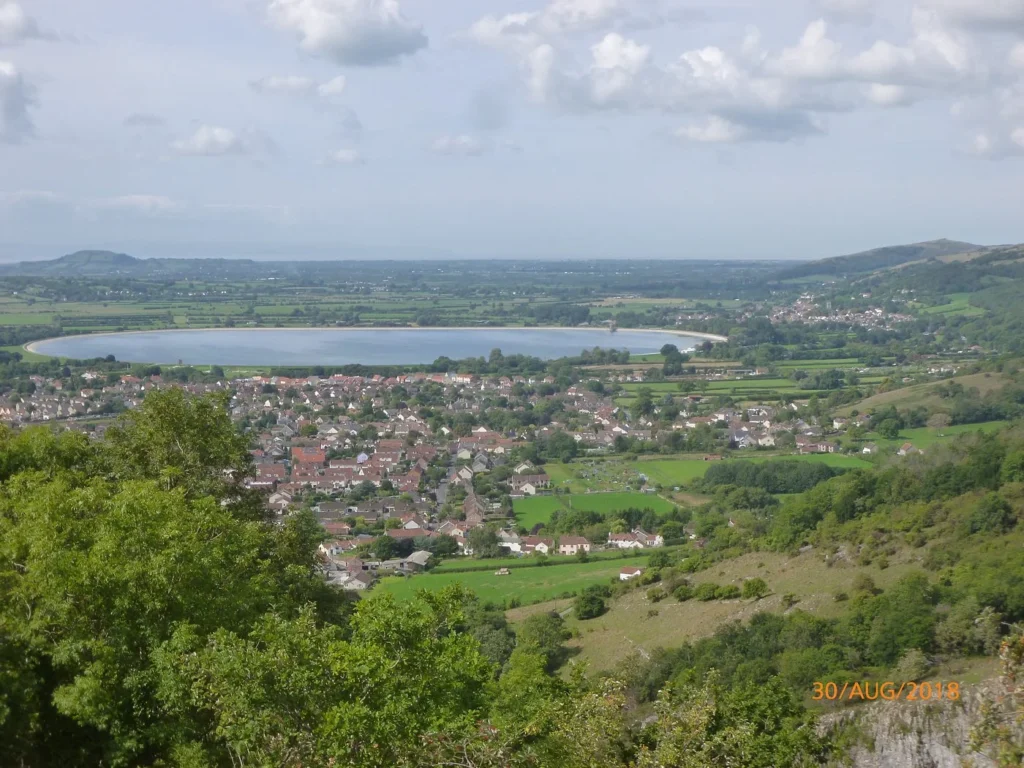
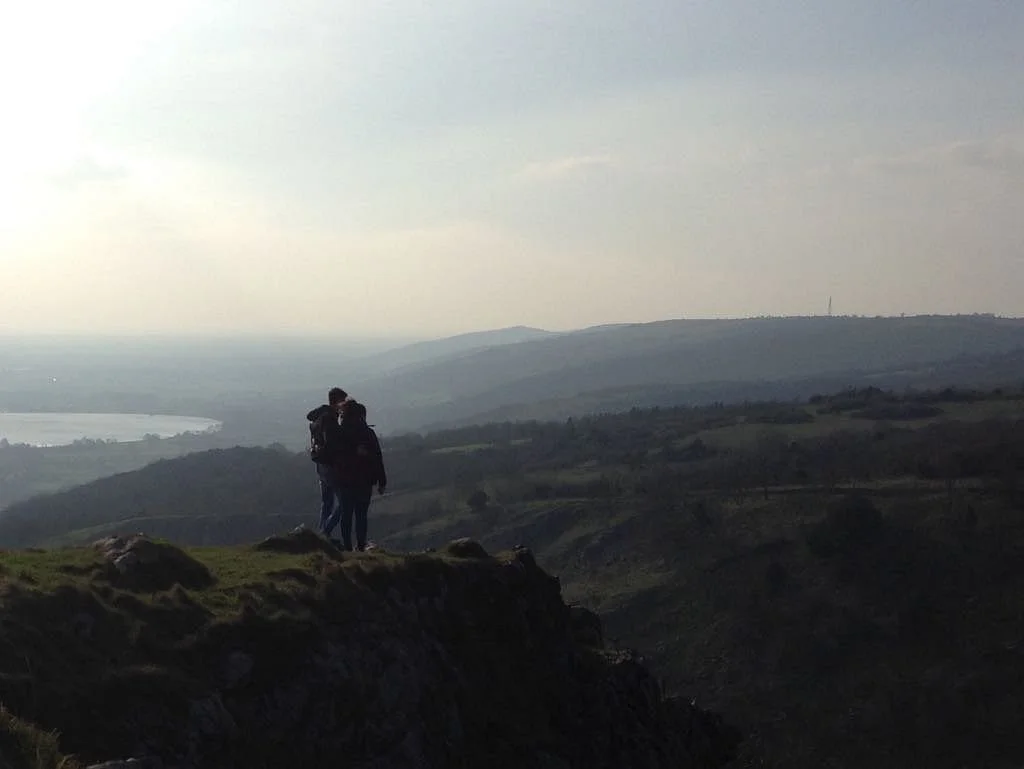
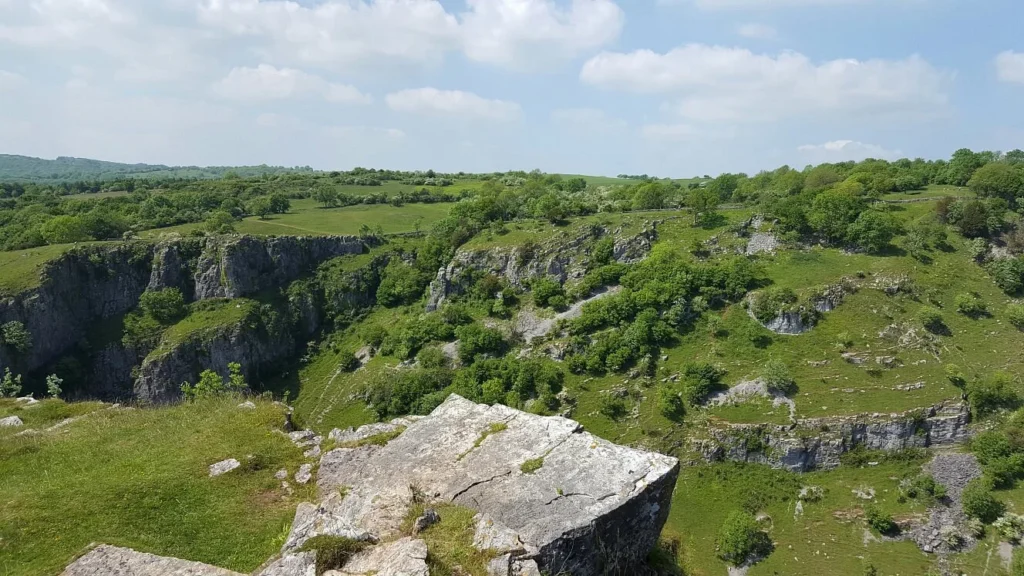
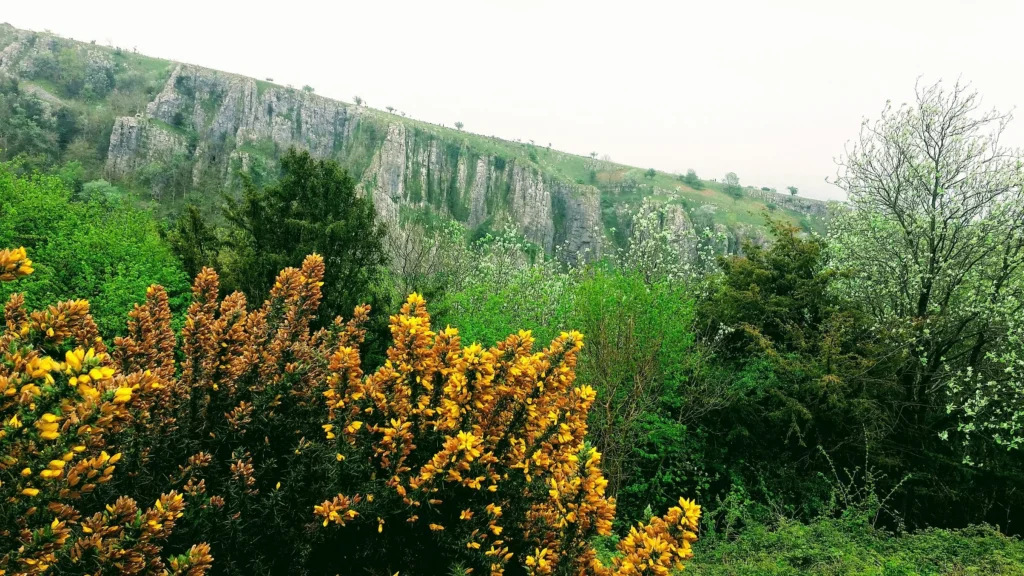
The Mendip Hills provide some of the county’s most dramatic scenery, with limestone landscapes, walking routes, and viewpoints stretching across parts of Somerset. Cheddar Gorge is the best-known highlight, but the surrounding countryside offers plenty of quieter places to explore too.
Somerset is well suited to a road trip because its attractions are spread across different towns and rural areas. Take time to stop in smaller communities, visit local markets, explore historic buildings, and enjoy countryside walks rather than treating the county as a collection of quick stops.
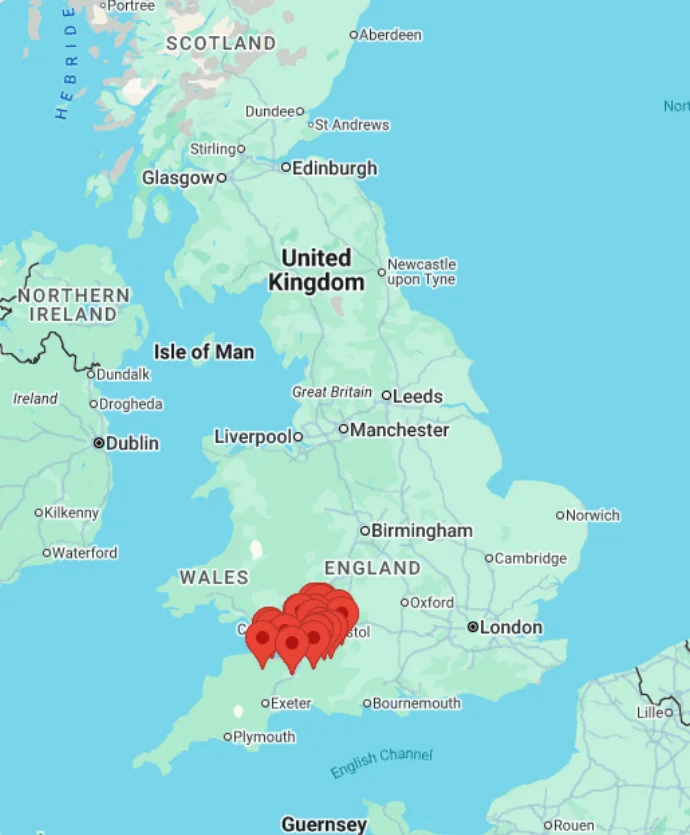
The Somerset towns and countryside destinations each have their own character. Some are known for historic buildings and museums, while others are surrounded by dramatic landscapes, coasts, or rolling farmland. These eight places make a useful starting point for exploring the county.
Bath is one of Somerset’s best-known destinations and a UNESCO World Heritage city, recognized for its Roman history, Georgian architecture, and natural thermal springs. The Roman Baths, Bath Abbey, Royal Crescent, and Pulteney Bridge are among the highlights, while the city’s streets are filled with shops, cafés, and restaurants.
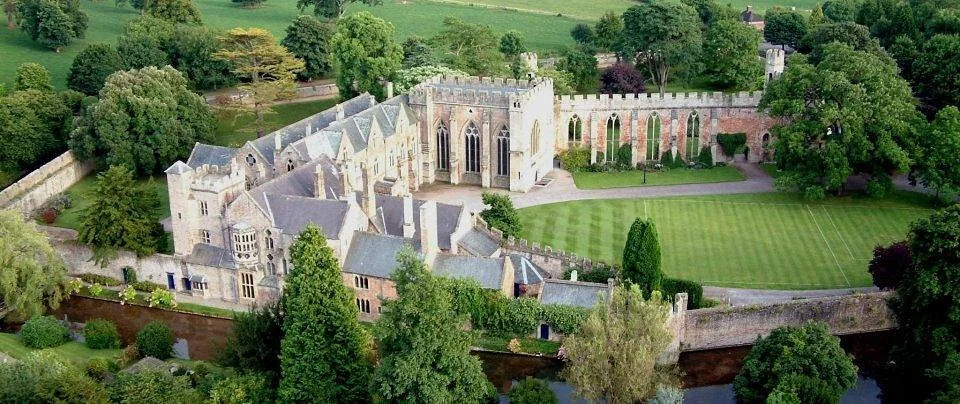
Wells is England’s smallest city and is particularly known for its magnificent cathedral and medieval architecture. Explore the cathedral precinct, walk through the historic Vicar’s Close and spend time around the Market Place before using Wells as a base for exploring the surrounding Mendip countryside.
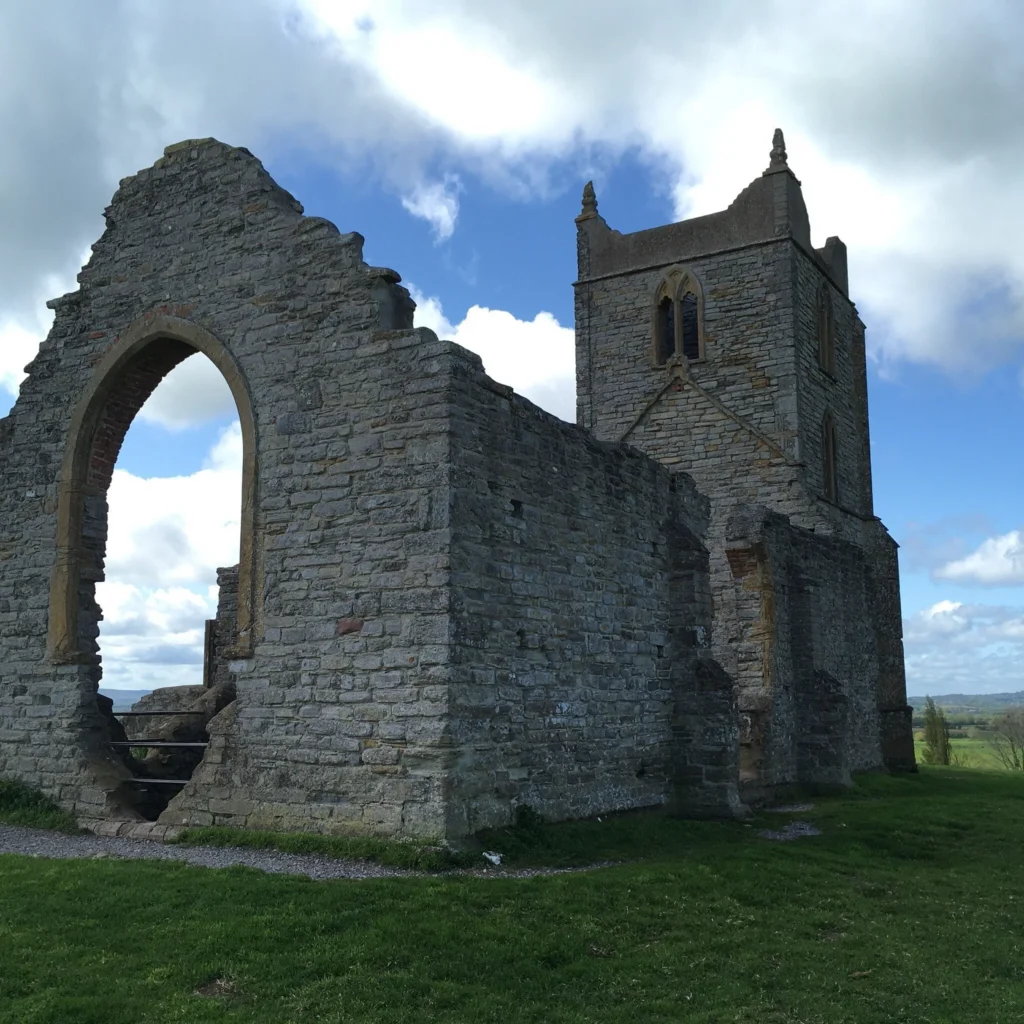
Glastonbury is one of Somerset’s most distinctive towns, with a strong connection to legend, history, and spirituality. Glastonbury Abbey and Glastonbury Tor are its major landmarks, while the town center has independent shops, cafés, and a noticeably alternative character.
Taunton is Somerset’s county town and a useful base for exploring the western and central parts of the county. The town has a long history, with Taunton Castle and the Museum of Somerset providing an introduction to the area’s past. The River Tone and nearby countryside also create opportunities for relaxed walks
Frome combines historic streets with a lively independent scene. Its old center is filled with character, including steep streets, historic buildings, small shops, and cafés. The town is also well placed for exploring eastern Somerset and nearby countryside.
Minehead is one of Somerset’s main seaside towns, sitting between the coast and the hills of Exmoor. Its seafront, harbor, and surrounding countryside make it a useful base for coastal walks, while the town also provides easy access to nearby villages and Exmoor landscapes.
Bridgwater has a strong connection to Somerset’s trading and maritime history. Its historic center, docks, and riverside setting reflect its former importance as a port, while events such as Bridgwater Carnival give the town a distinctive local identity.
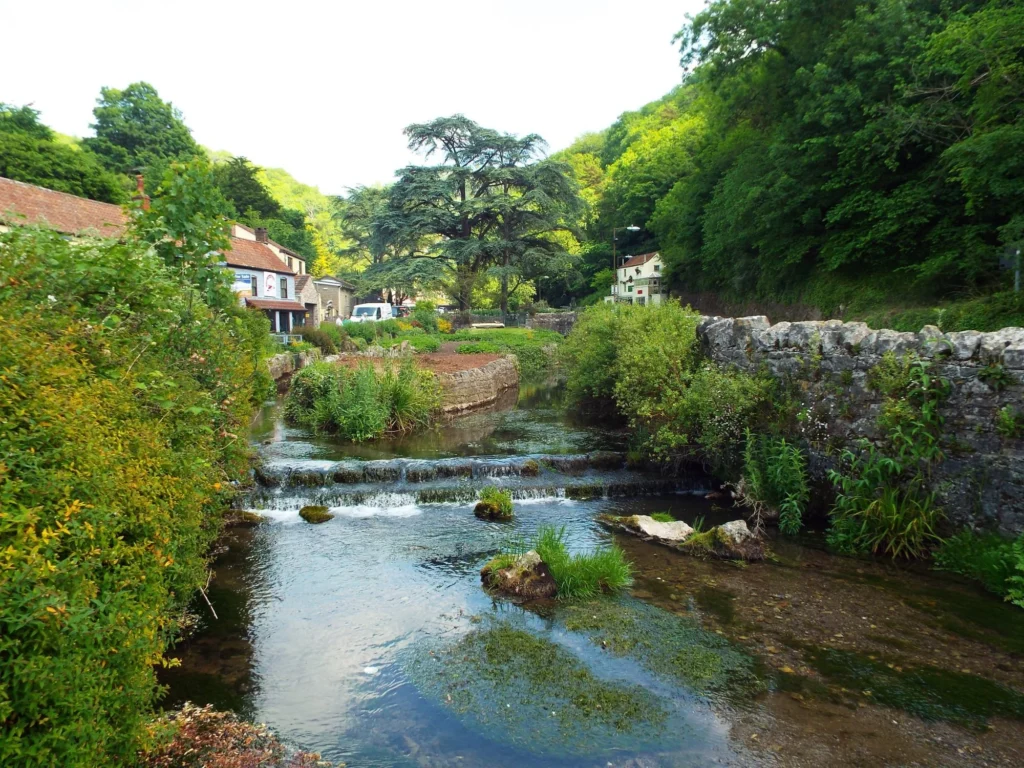
Cheddar is best known for Cheddar Gorge, one of the county’s most recognizable natural attractions. The village itself is also worth exploring, with local food producers, caves, and walking routes nearby. It is a good base for experiencing the Mendip Hills and some of the county’s most striking scenery.
Spring is a great time to explore Somerset’s countryside before the busiest summer period. Walk through the Mendip Hills, visit gardens and historic towns, or explore the Somerset Levels when the landscape is beginning to fill with new growth.
Summer is ideal for combining outdoor activities with visits to Somerset’s towns and coast. Spend a morning exploring Bath or Wells, then head into the countryside for a walk, or travel towards Minehead and the Somerset coast for a change of scenery.
Autumn brings warmer colors to Somerset’s countryside and is a particularly appealing time for scenic drives and walking. The county’s orchards, wooded hills, and rural lanes take on a different character, while towns and historic attractions remain good options when the weather changes.
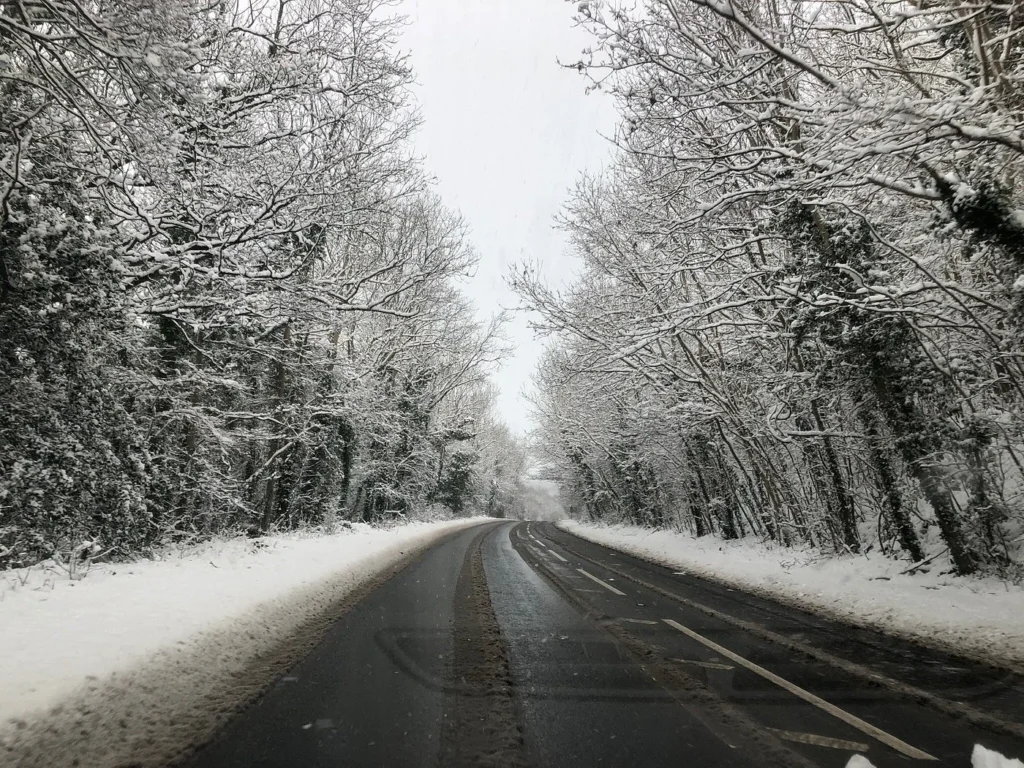
Winter is well suited to exploring Somerset’s historic towns, museums, and indoor attractions. Bath is particularly atmospheric during the colder months, while Wells, Glastonbury, and Taunton offer independent shops, cafés, and historic sights that can be combined with shorter countryside walks.

Exmoor extends into Somerset and offers a completely different landscape of open moorland, wooded valleys, cliffs, and coastal scenery. Minehead provides one of the main gateways into the Somerset side of the national park.
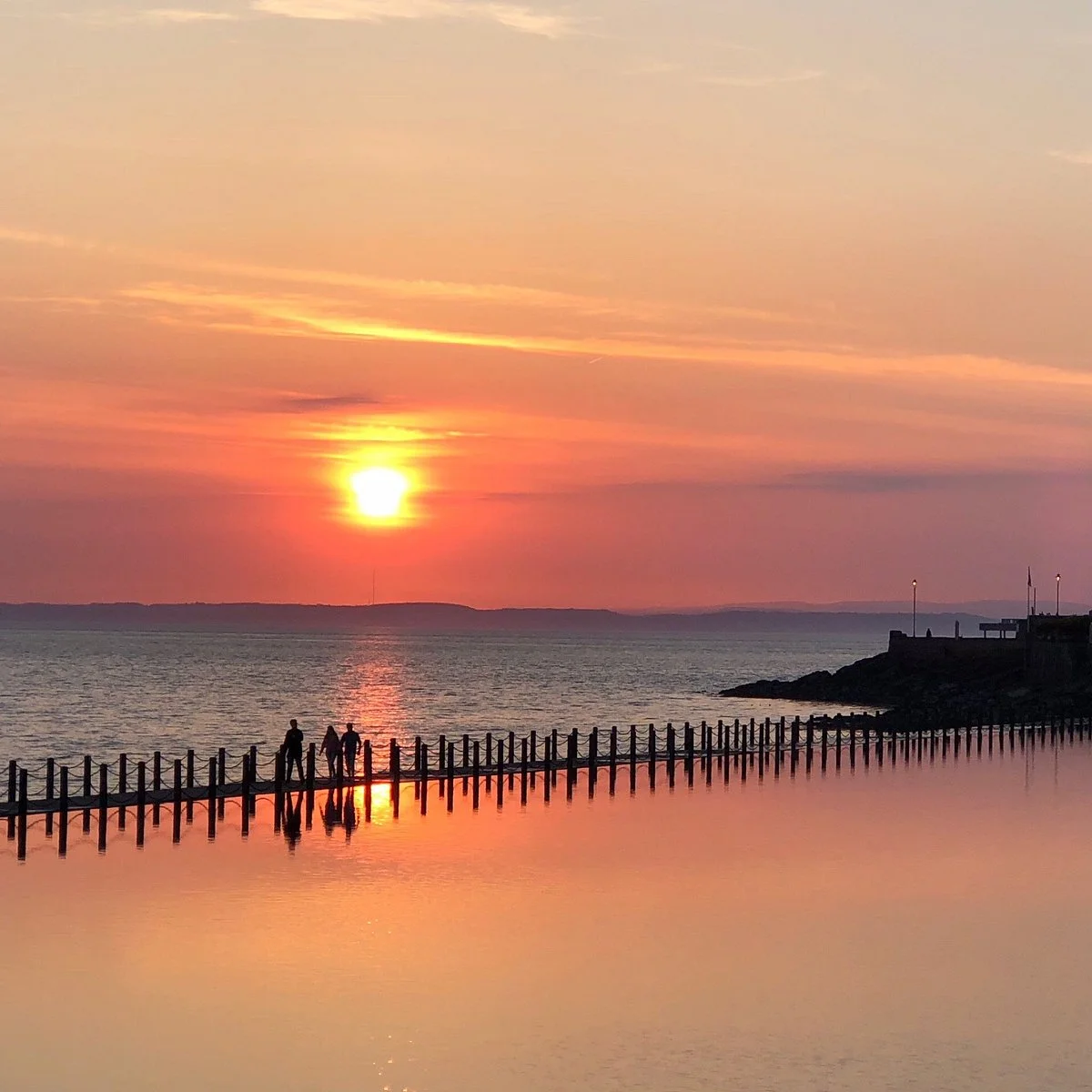
Weston-super-Mare is a traditional seaside destination on the northern edge of Somerset, with a long sandy beach, promenade, and town center. It is an easy choice when you want to add a classic British seaside experience to a Somerset trip.
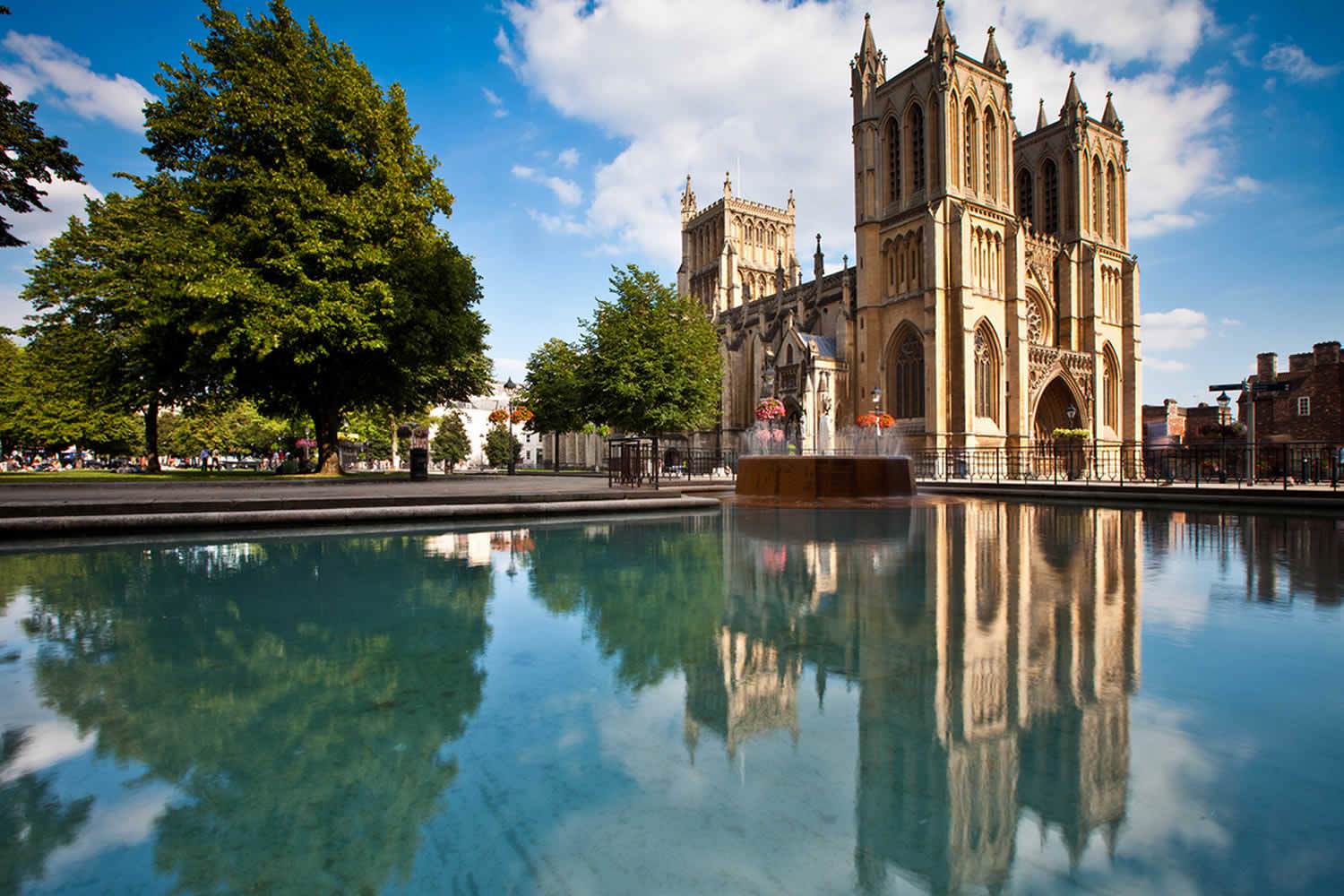
Bristol sits just beyond northern Somerset and makes a natural addition to a wider Southwest itinerary. Its harborside, museums, historic streets, and cultural attractions provide a contrast to Somerset's rural destinations.
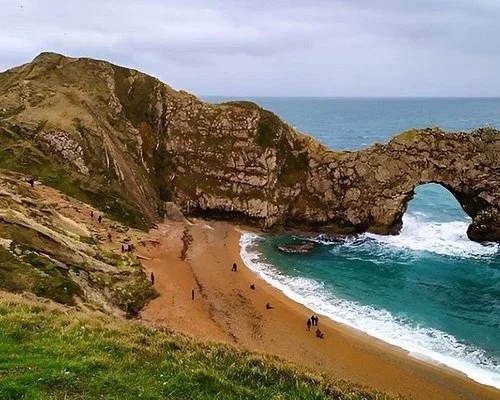
The Dorset coast is within reach of eastern Somerset and offers dramatic coastal scenery, beaches, and historic seaside towns. It works particularly well as an extension to a longer Southwest road trip.
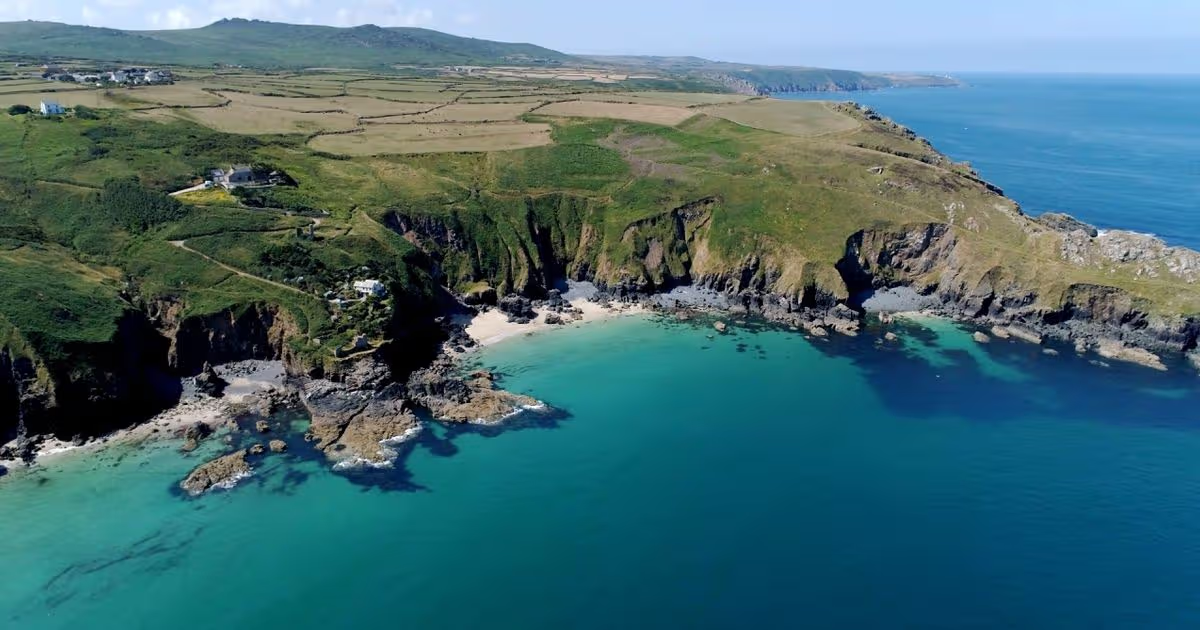
Western Somerset connects naturally with neighboring Devon, making it possible to continue towards destinations such as the North Devon coast or Exeter. The change from Somerset's countryside to Devon's coastal and rural landscapes creates a varied, longer trip.
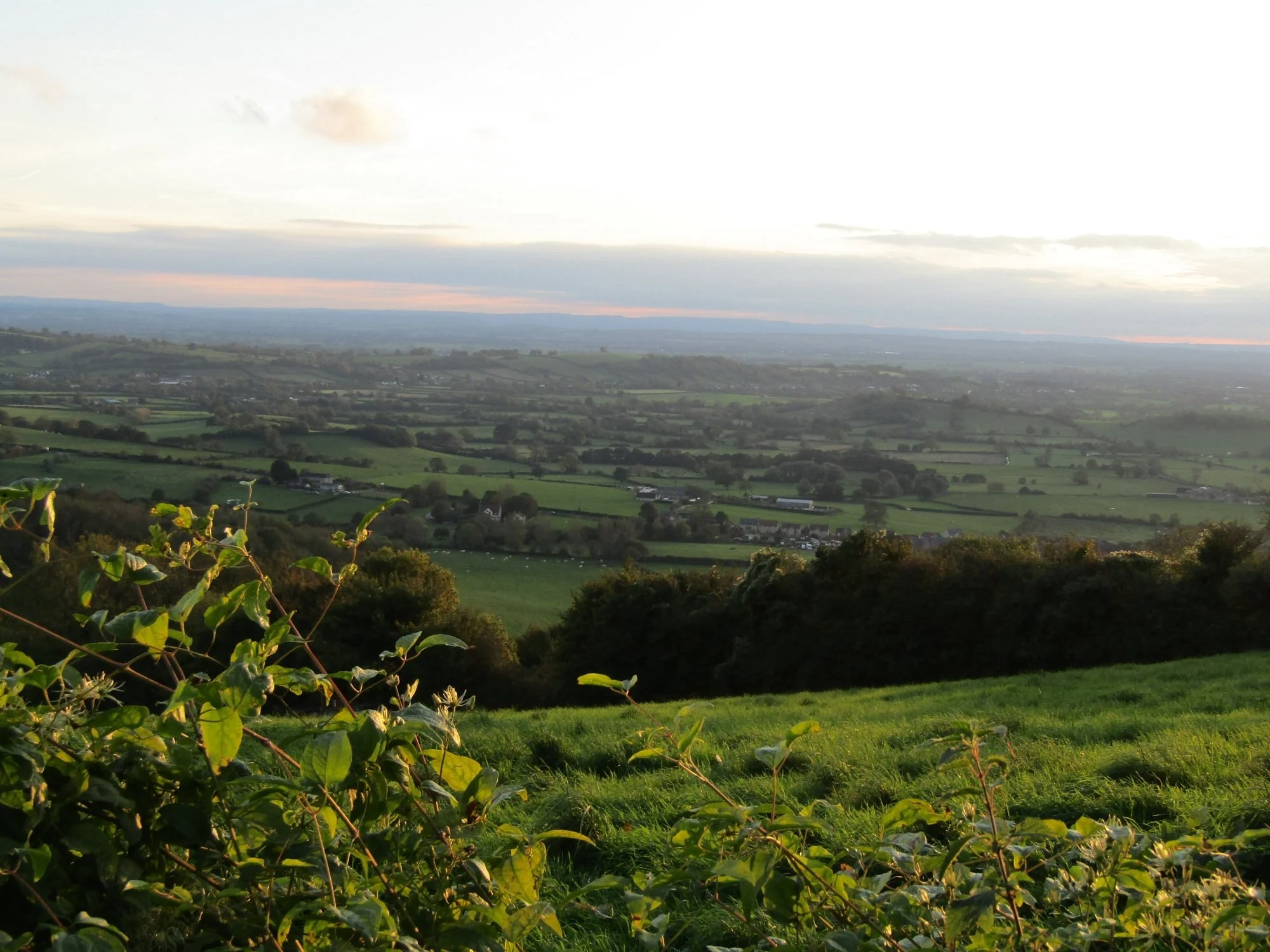
The Mendip Hills provide one of the easiest ways to experience Somerset's countryside without travelling far from major towns. Walking routes, limestone landscapes, and views across the surrounding area make the hills a useful addition to almost any Somerset itinerary.
Somerset is accessible from several parts of England by road and rail. The M5 provides the main north-south road connection through the county, while major routes connect towns such as Bath, Taunton, and Bridgwater with nearby cities and regions.
Rail services provide connections to destinations including Bath, Taunton, Frome, and other towns, making some parts of Somerset practical for visitors travelling without a car.
For a wider Somerset trip, however, driving can make it easier to reach smaller villages, rural attractions, countryside walks, and coastal destinations that are less directly connected by public transport.
Walking and cycling are excellent ways to experience Somerset's quieter landscapes. Town centers can often be explored on foot, while the Mendip Hills, Quantocks, Somerset Levels, and coastal areas offer routes for visitors who want to spend more time outdoors.
Trains and local buses are useful for connecting larger towns and cities. Bath, Taunton, Wells, and other key destinations can form part of a public-transport itinerary, although rural connections may require more planning.
A car gives you the greatest flexibility for exploring Somerset because many of the county's villages, countryside attractions, and walking areas are spread across rural locations. It is particularly useful if you want to combine several different parts of the county in one trip.
Somerset is the kind of destination where the journey between places can be just as interesting as the attractions themselves. Historic cities lead into rolling countryside, limestone hills give way to wetlands, and rural villages sit within reach of a varied coastline.
From the Roman heritage of Bath and the cathedral city of Wells to Glastonbury’s legends, Cheddar’s dramatic landscape, and the coast around Minehead, Somerset offers enough variety for a short break or a much longer exploration.
Somerset offers far more than a collection of individual attractions. Its appeal comes from the way historic cities, characterful towns, countryside, and coast fit together. You can explore Roman history in Bath: see the medieval architecture of Wells, walk around Glastonbury, experience the landscape of Cheddar Gorge, and continue towards the coast or Exmoor.
With so many different landscapes and places to visit in Somerset, the county works equally well for a relaxed weekend, a countryside escape, or a longer South West road trip.
Some of the best things to do in Somerset include visiting Bath and Wells, exploring Glastonbury, walking around Cheddar Gorge, discovering the Mendip Hills, visiting historic towns, and enjoying the county’s countryside and coast
Popular places to visit in Somerset include Bath, Wells, Glastonbury, Cheddar, Taunton, Frome, and Minehead. The county’s countryside, coast, and villages also provide plenty of additional places to explore.
Bath, Wells, Glastonbury, Frome, Taunton, Minehead, and Bridgwater are among the Somerset towns and cities worth including in a trip. Each offers a different combination of history, culture, scenery, or coastal experiences.
Some of the most memorable Somerset things to see include Bath’s Georgian architecture, Wells Cathedral, Glastonbury Tor, Cheddar Gorge, the Somerset Levels, the Quantock Hills, and the coast around Minehead.
Yes, although the experience depends on where you want to go. Larger towns such as Bath, Taunton, and Wells can be reached by public transport, while some rural attractions and villages are easier to access by car.