
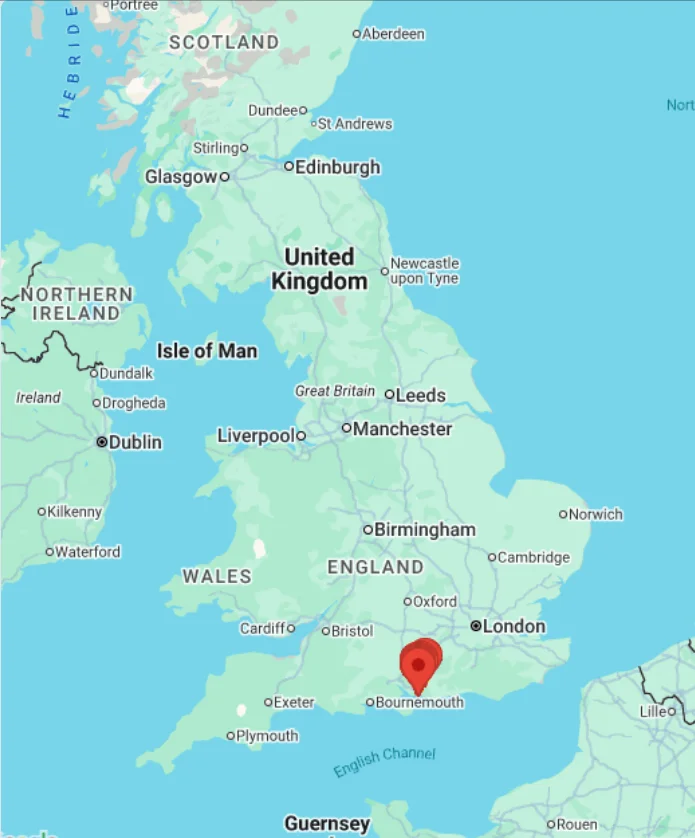




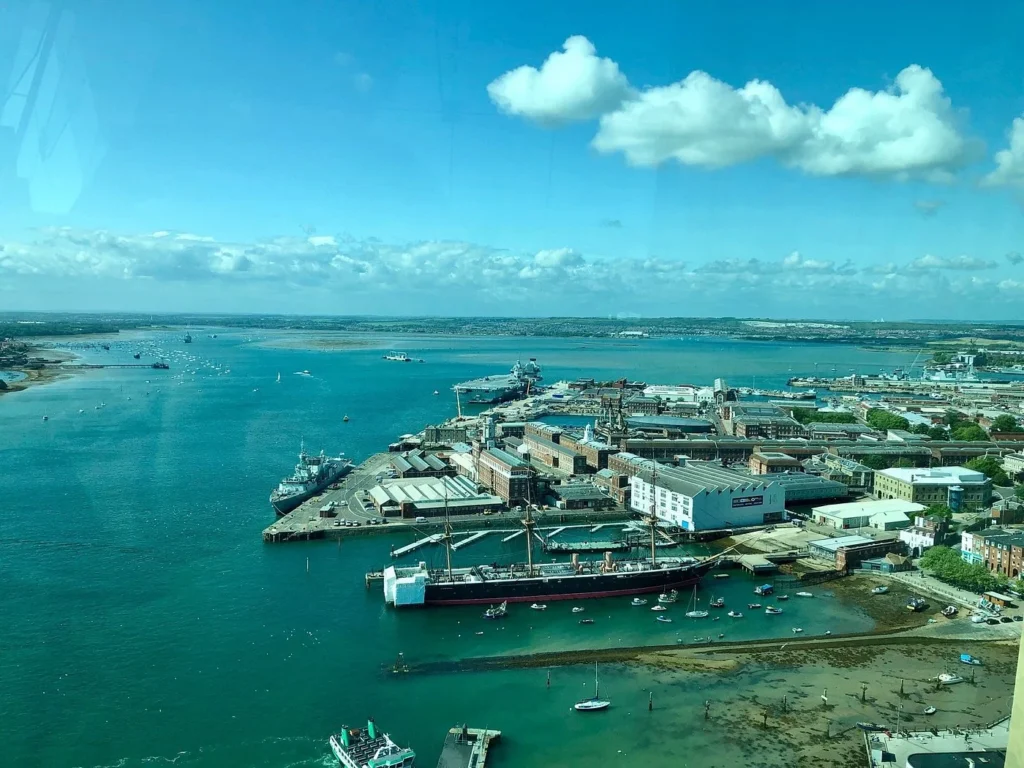
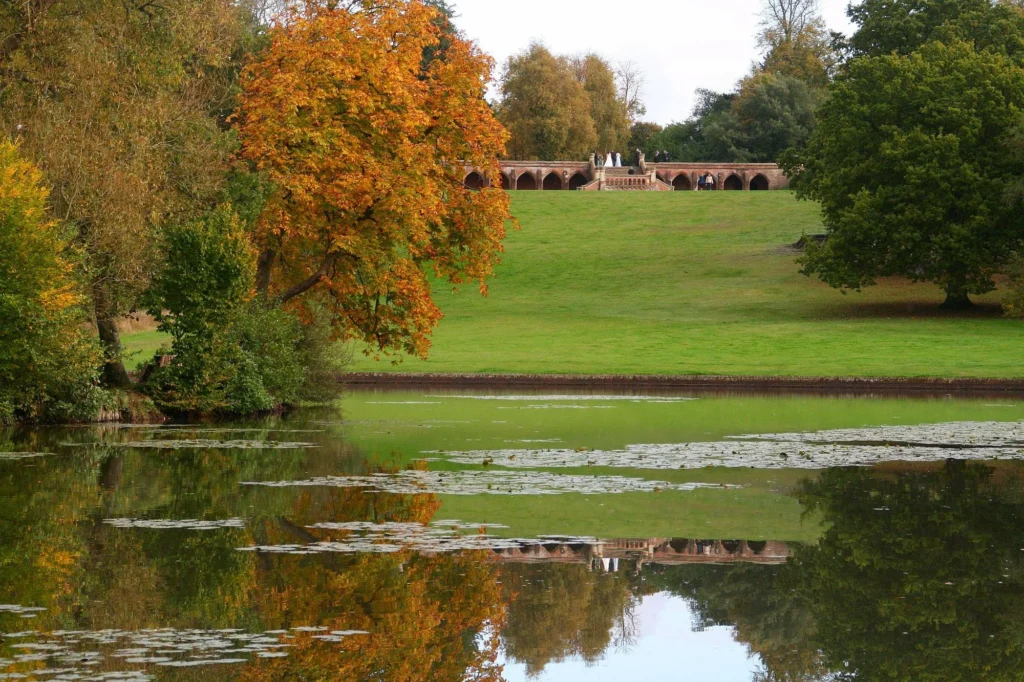


Portsmouth is a historic waterfront city on England’s south coast, known for its naval heritage, harbour views, and lively seafront. From the historic ships and museums of Portsmouth Historic Dockyard to the open spaces of Southsea, the city brings together maritime history, shopping, culture, and coastal walks in a compact area.
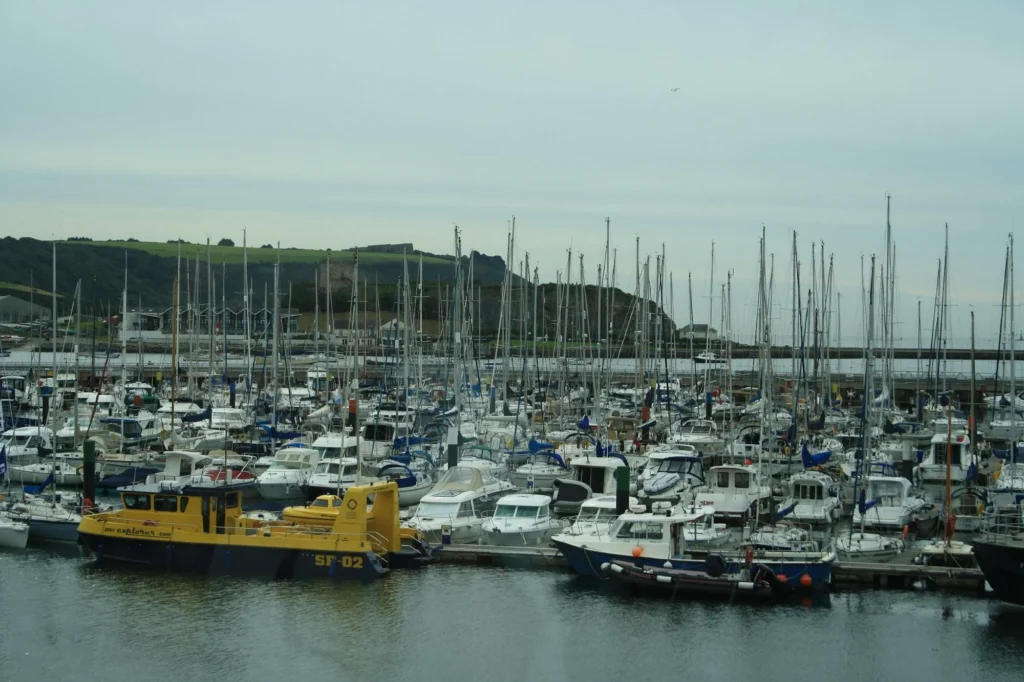
Portsmouth’s waterfront shapes almost every part of the visitor experience. The harbor, seafront, and historic dockyard are all closely connected, giving the city a strong sense of place. You can spend the morning exploring historic ships before walking towards Old Portsmouth or Southsea for sea views and coastal scenery.
Portsmouth has played an important role in Britain’s naval and military history for centuries. The Historic Dockyard, Southsea Castle, the D-Day Story, and the old fortifications around Old Portsmouth make it possible to experience that history through buildings, objects, ships, and exhibitions rather than simply reading about it.
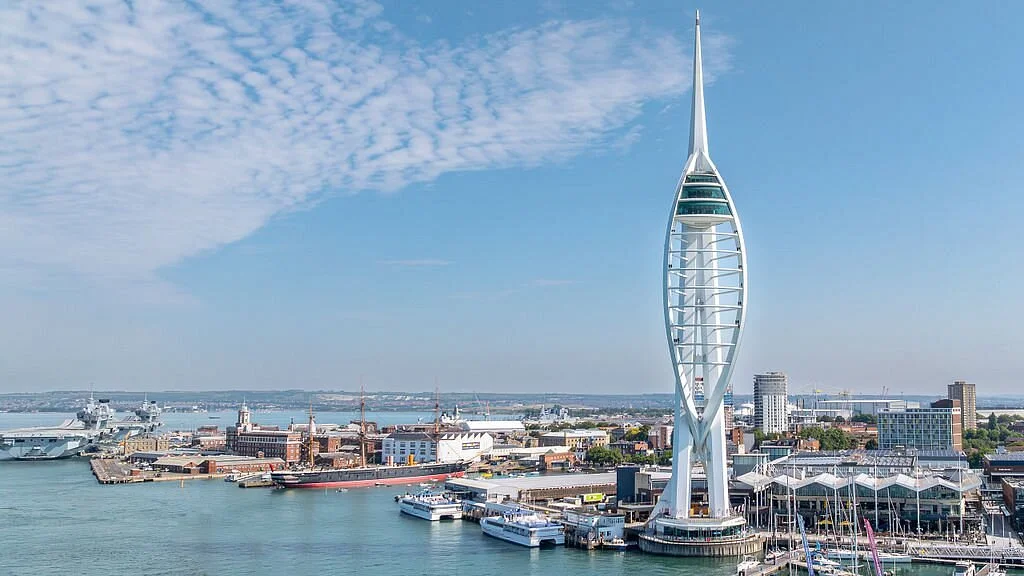
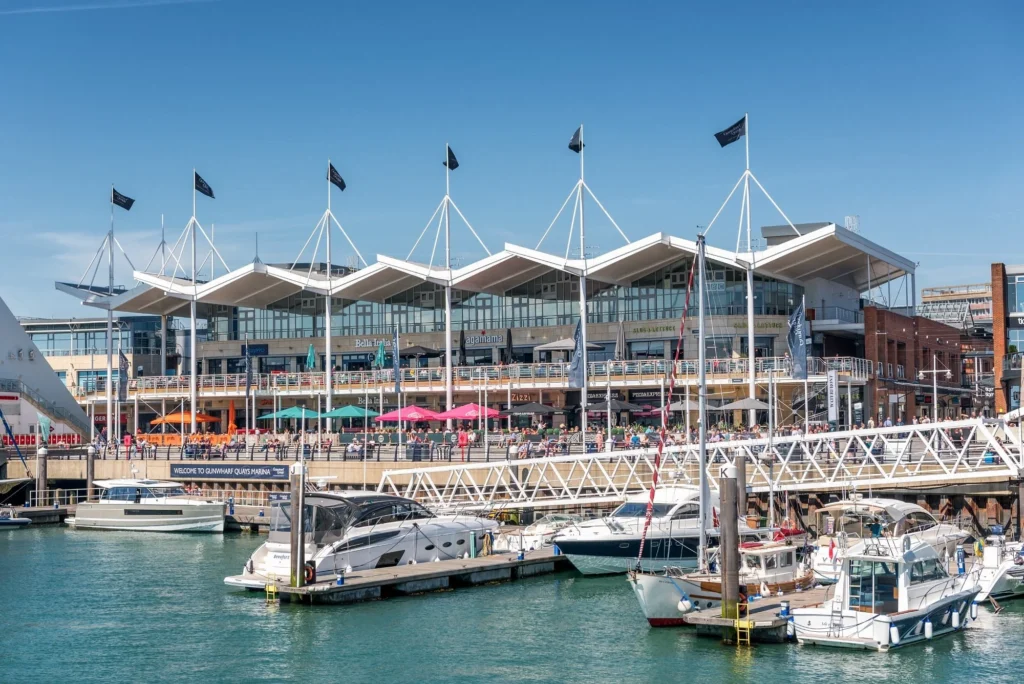
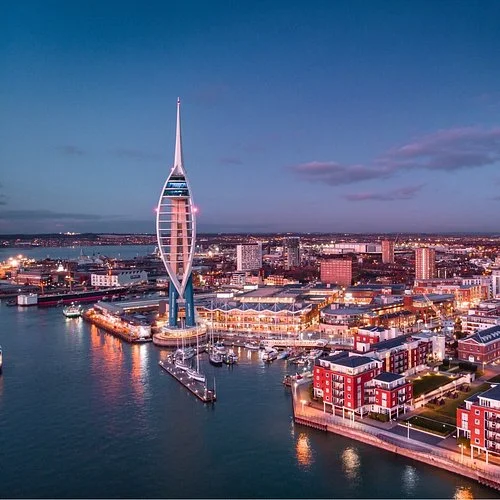
Start with the waterfront at Gunwharf Quays, where shopping, restaurants, and harbor views come together beneath the distinctive Spinnaker Tower. Head upwards for wide views across Portsmouth, the Solent, and the surrounding coastline, then return to the waterfront for food or shopping.
The route between Old Portsmouth and Southsea combines historic streets, waterfront views, open seafront spaces, and coastal landmarks. The Millennium Promenade provides an easy way to experience several parts of the city on foot, with the route extending from the Historic Dockyard towards Southsea Castle.
Portsmouth is compact enough to explore several areas in one visit, but each part of the city offers something different. These are some of the key places to include when planning your itinerary.
The Historic Dockyard is one of the city’s major attractions, bringing together some of Portsmouth’s most important naval stories. HMS Victory, HMS Warrior, and the Mary Rose Museum provide a fascinating look at different periods of maritime history, while the National Museum of the Royal Navy adds further context.
Gunwharf Quays combines waterfront shopping, restaurants, and entertainment with views across Portsmouth Harbour. Its outlet stores make it popular with shoppers, while the location also provides an easy starting point for exploring the Spinnaker Tower and nearby Old Portsmouth.
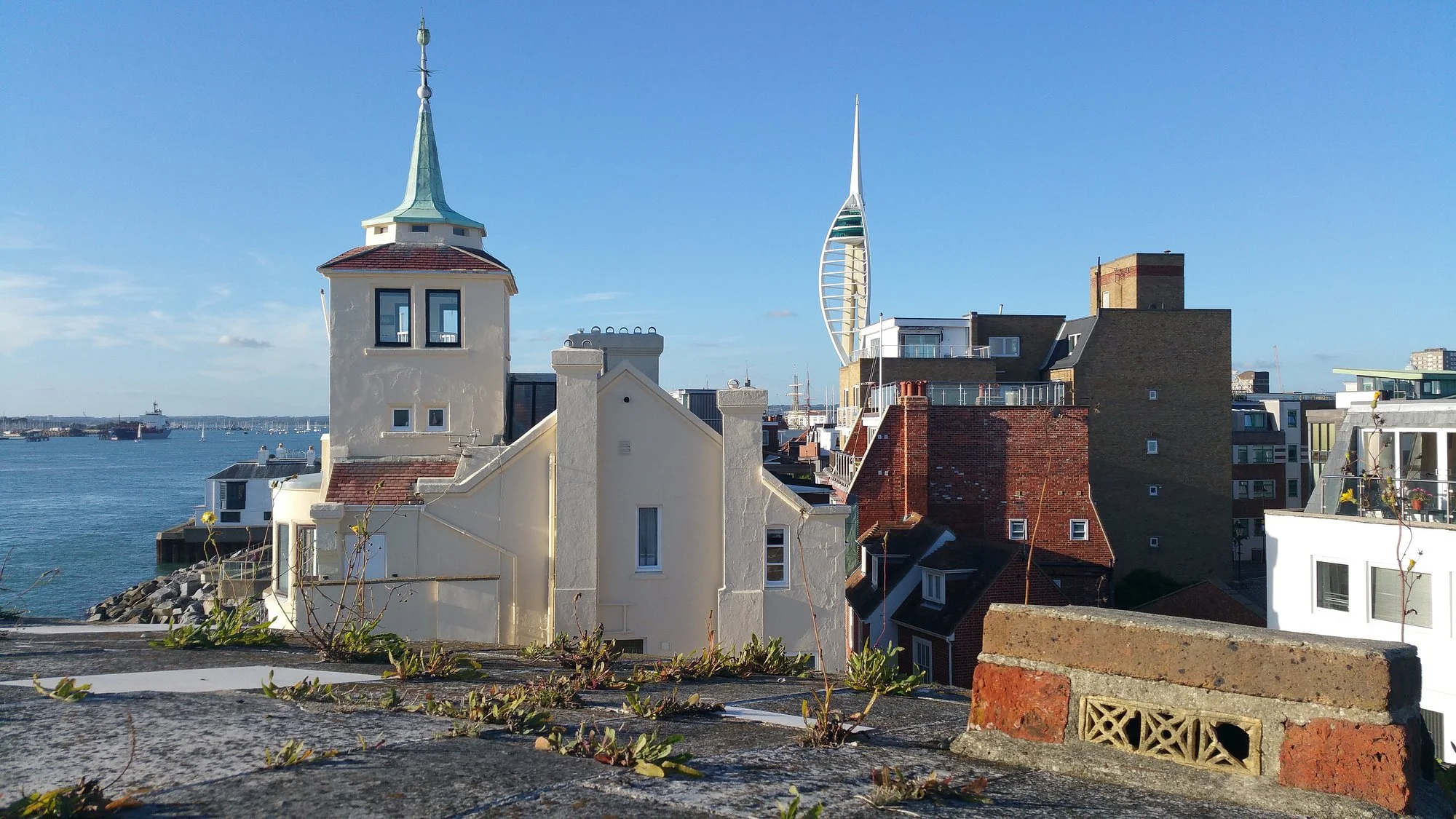
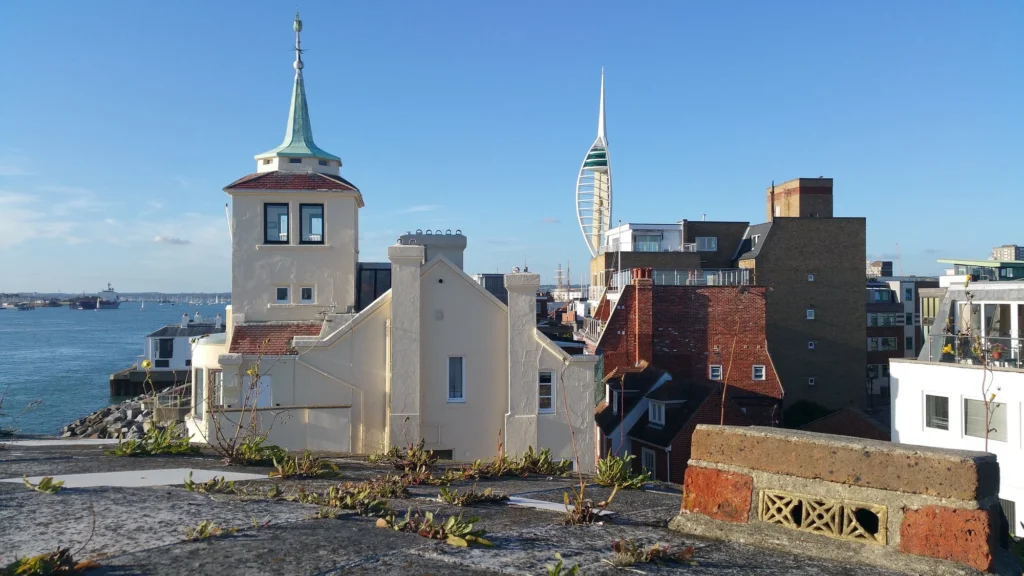
Old Portsmouth is where historic streets meet the harbor. Walk around the old fortifications, explore the waterfront, and see landmarks such as the Round Tower and Square Tower. The area also has independent places to eat and a more traditional atmosphere than the modern waterfront developments.
Southsea is the city’s best-known coastal district, stretching along the seafront with open green spaces, cafés, entertainment, and historic attractions. It is a good area for combining a relaxed seaside walk with visits to Southsea Castle and The D-Day Story.
Standing beside Portsmouth Harbour, Spinnaker Tower is one of the city’s most recognizable landmarks. Its viewing decks provide elevated views over Portsmouth, the Solent, and the surrounding region, making it one of the most memorable Portsmouth attractions for first-time visitors.
The D-Day Story in Southsea explores Portsmouth’s role in the preparations for the Allied invasion of Normandy. Exhibitions, personal stories, and military objects help explain the scale of the operation and the experiences of those involved.
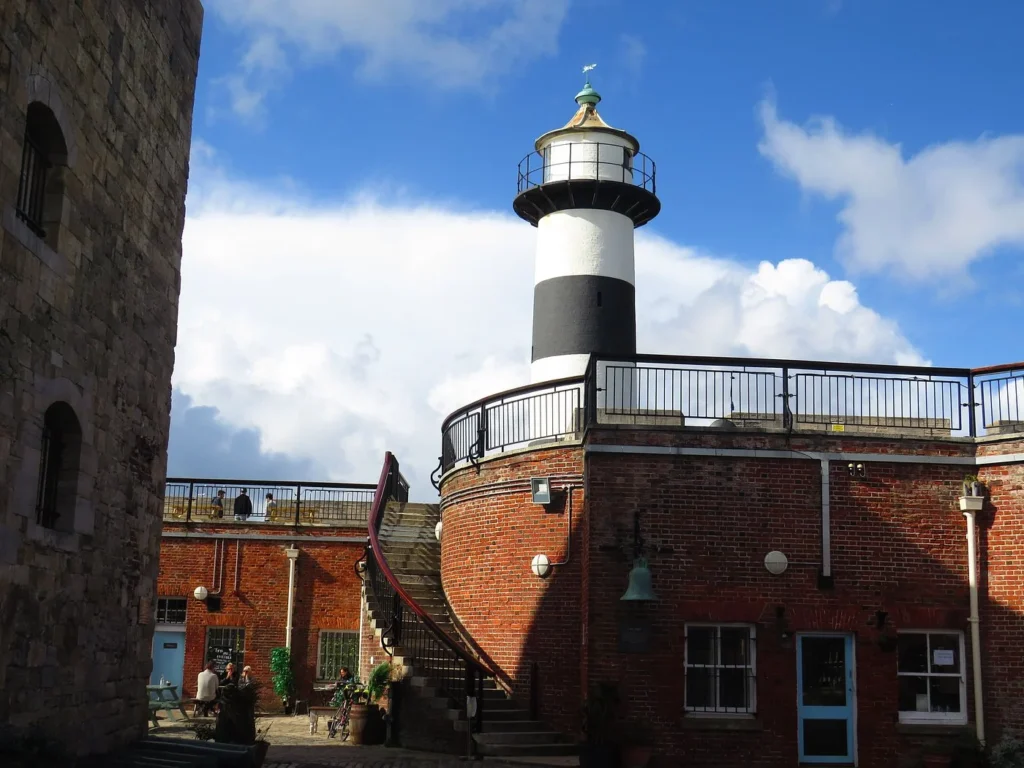
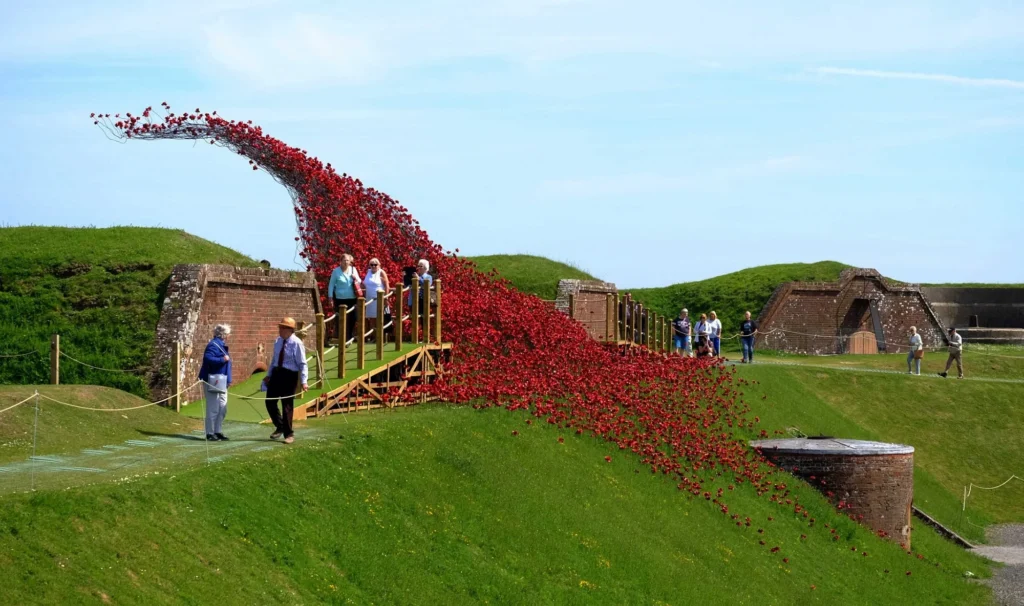
Built during the reign of Henry VIII, Southsea Castle occupies a prominent position beside the Solent. Its historic setting makes it an interesting stop while exploring the seafront, particularly when combined with a walk along Southsea Common and the surrounding coastal area.
Portsmouth Museum and Art Gallery explores the city through its collections, local history and cultural displays. It is particularly useful for visitors who want to understand Portsmouth beyond its naval attractions, with exhibitions covering different aspects of the city’s identity and heritage.
Spring is a good time to explore Portsmouth on foot as the weather becomes milder and the waterfront becomes more enjoyable for longer walks. Follow the route through Old Portsmouth, visit the Historic Dockyard and continue towards Southsea for a mixture of history and coastal scenery.
Summer brings Portsmouth’s seafront to life. Spend time around Southsea, enjoy the open spaces beside the coast, visit the harbor, and take advantage of the city’s outdoor activities. Longer daylight hours also make it easier to combine several attractions in one day.
Autumn suits visitors interested in museums, historic buildings, and quieter waterfront walks. Explore the Historic Dockyard, The D-Day Story, and Old Portsmouth, then finish the day around Gunwharf Quays for food or an evening by the harbor.
Winter is a good option for focusing on Portsmouth’s indoor attractions and maritime history. Museums, the Historic Dockyard, shopping at Gunwharf Quays, and the city’s restaurants provide plenty to do when temperatures drop or the weather turns wet.

Just outside Portsmouth, Portchester Castle combines Roman origins with a medieval castle and views across Portsmouth Harbour. It offers a very different historical experience from the city's naval attractions.
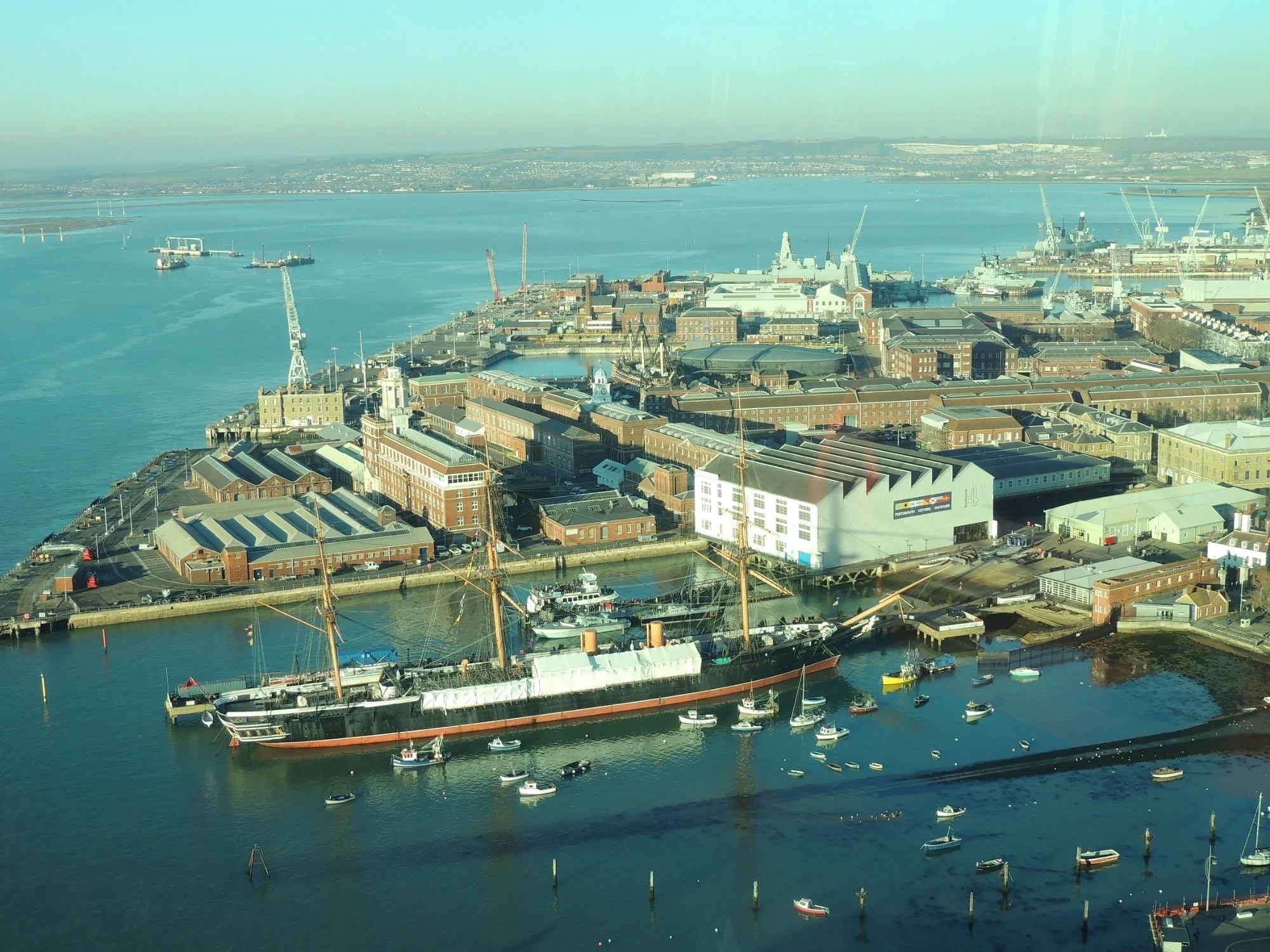
Across Portsmouth Harbour, Gosport offers waterfront walks, maritime heritage, and a quieter coastal atmosphere. The short ferry journey also makes it an easy addition to a Portsmouth itinerary.
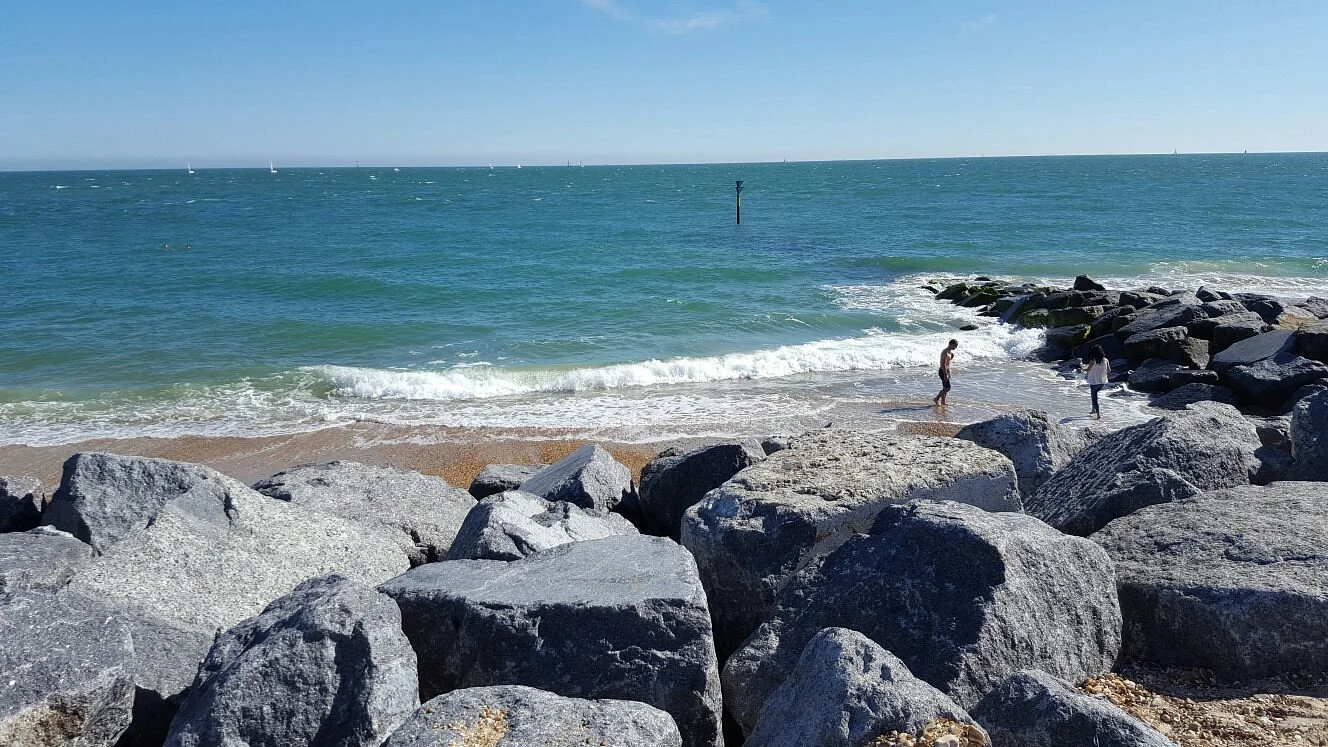
Hayling Island is a useful choice for visitors wanting more open coastline and outdoor activities. Its beaches and watersports make it particularly appealing during warmer months.

Chichester combines historic architecture, cultural attractions, and access to the wider Sussex coast. Its compact center makes it easy to explore as a day trip from Portsmouth.

The South Downs provide a change of scenery from the waterfront, with rolling countryside, walking routes and viewpoints across Hampshire and Sussex. It is a good nearby option for combining a Portsmouth city visit with a countryside day.

The Isle of Wight sits just across the Solent and can be reached by ferry from the Portsmouth area. Its beaches, coastal landscapes, and seaside towns make it a natural extension to a south-coast trip.
Portsmouth is well connected by train, road, coach and ferry. Direct rail services connect the city with London and other parts of southern England, while Portsmouth also has several railway stations serving different parts of the city.
If you are driving, Portsmouth can be reached from the wider south coast and London via the major road network. Coaches provide another option for visitors travelling on a budget.
Ferries and other passenger services also connect Portsmouth with destinations across the Solent and beyond. This makes the city particularly convenient for travellers combining a mainland visit with the Isle of Wight.
Walking is one of the easiest ways to experience central Portsmouth. The city is relatively flat and compact, with major attractions around the Historic Dockyard, Gunwharf Quays, and Old Portsmouth and Southsea connected by walkable routes.
Local buses connect the main parts of Portsmouth and are useful when you want to travel between the city center, Southsea, and areas further away. They can also reduce the amount of walking needed during a longer sightseeing day.
Ferry services are particularly useful around Portsmouth Harbour and the Solent. They provide practical connections to places such as Gosport and the Isle of Wight while also offering a different perspective of the waterfront.
Portsmouth stands out because its history is not separated from its landscape. Historic ships sit beside a working waterfront, old fortifications overlook the Solent, and modern attractions share the same coastline as centuries-old landmarks.
Whether your priority is history, museums, shopping, seaside walks, or coastal views, Portsmouth gives you plenty of ways to build a varied itinerary without travelling far between attractions.
Portsmouth offers a distinctive mix of maritime heritage, coastal scenery, and modern waterfront experiences. From the historic ships of the dockyard to the streets of Old Portsmouth and the open seafront of Southsea, there are plenty of places to visit in Portsmouth for different types of travellers. Its compact layout, strong transport connections, and nearby coastal destinations also make it a practical base for exploring more of Hampshire and the south coast.
Some of the best things to do in Portsmouth include visiting Portsmouth Historic Dockyard, exploring the Mary Rose Museum, seeing Spinnaker Tower, walking around Old Portsmouth, visiting Southsea Castle and spending time along Southsea seafront.
Major Portsmouth attractions include Portsmouth Historic Dockyard, Spinnaker Tower, Gunwharf Quays, The D-Day Story, Southsea Castle, the Mary Rose Museum and Portsmouth Museum and Art Gallery.
Yes. Central Portsmouth is compact and relatively flat, with many major attractions within walking distance of each other. Buses and ferry services provide additional options for reaching places further away.
The best places to visit in Portsmouth include the Historic Dockyard, Gunwharf Quays, Old Portsmouth, Southsea, Spinnaker Tower, Southsea Castle and The D-Day Story.
Portsmouth works well for a weekend because its attractions cover several interests, from naval history and museums to shopping, restaurants, and the coast. Its compact layout also makes it possible to visit several major sights without spending much time travelling between them.