




Aberdeen is a coastal Scottish city with a character shaped by stone architecture, maritime history, and its connection to the North Sea. Often called the Granite City, it has a distinctive appearance, while its beaches, parks, museums, and nearby countryside give visitors plenty of reasons to stay beyond a quick stop.
Aberdeen feels different from many Scottish cities. Its granite buildings give the center a consistent character, while the coastline and surrounding landscapes add plenty of variety.
There are plenty of things to do in Aberdeen, from wandering through the historic streets around Old Aberdeen to spending time beside the sea. The city also works well as a base for exploring the wider northeast of Scotland, with castles, coastal villages, and scenic landscapes within reach.
Aberdeen is an excellent choice for travellers who want a Scottish city break with something different from the usual experience. Its granite architecture gives the city a memorable identity, while the beach, harbor, parks, and historic areas create plenty of variety.
Aberdeen’s architecture is one of its defining features. Granite buildings catch the changing light throughout the day, giving streets around the center a striking appearance. Exploring on foot is one of the simplest ways to appreciate the city’s details.
The beach is close to the center, so it is easy to combine sightseeing with some time outdoors. Add parks, museums, and historic areas to the mix, and Aberdeen offers a city break that does not feel limited to indoor attractions.
From historic university buildings to coastal walks and cultural attractions, these are some of the best places to visit in Aberdeen.
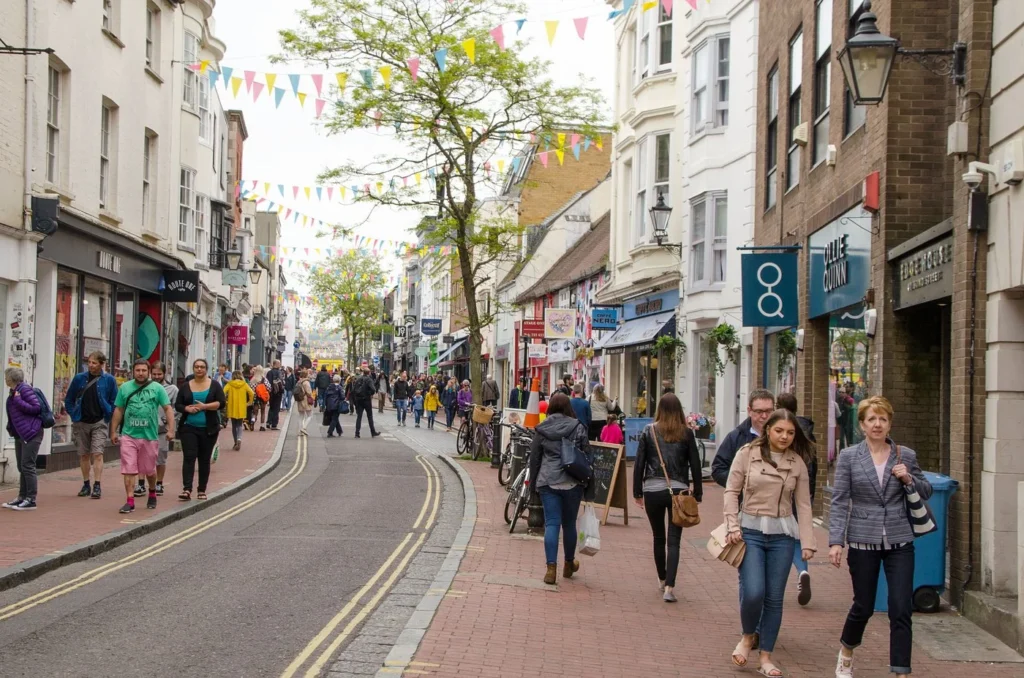
The city center is a natural starting point for exploring Aberdeen. Walk among the granite architecture, browse independent businesses and shops, and stop for food before continuing towards the city’s historic and cultural attractions.
Old Aberdeen has a quieter character than the modern center. Historic buildings, cobbled areas, and the University of Aberdeen create an attractive setting for a relaxed walk
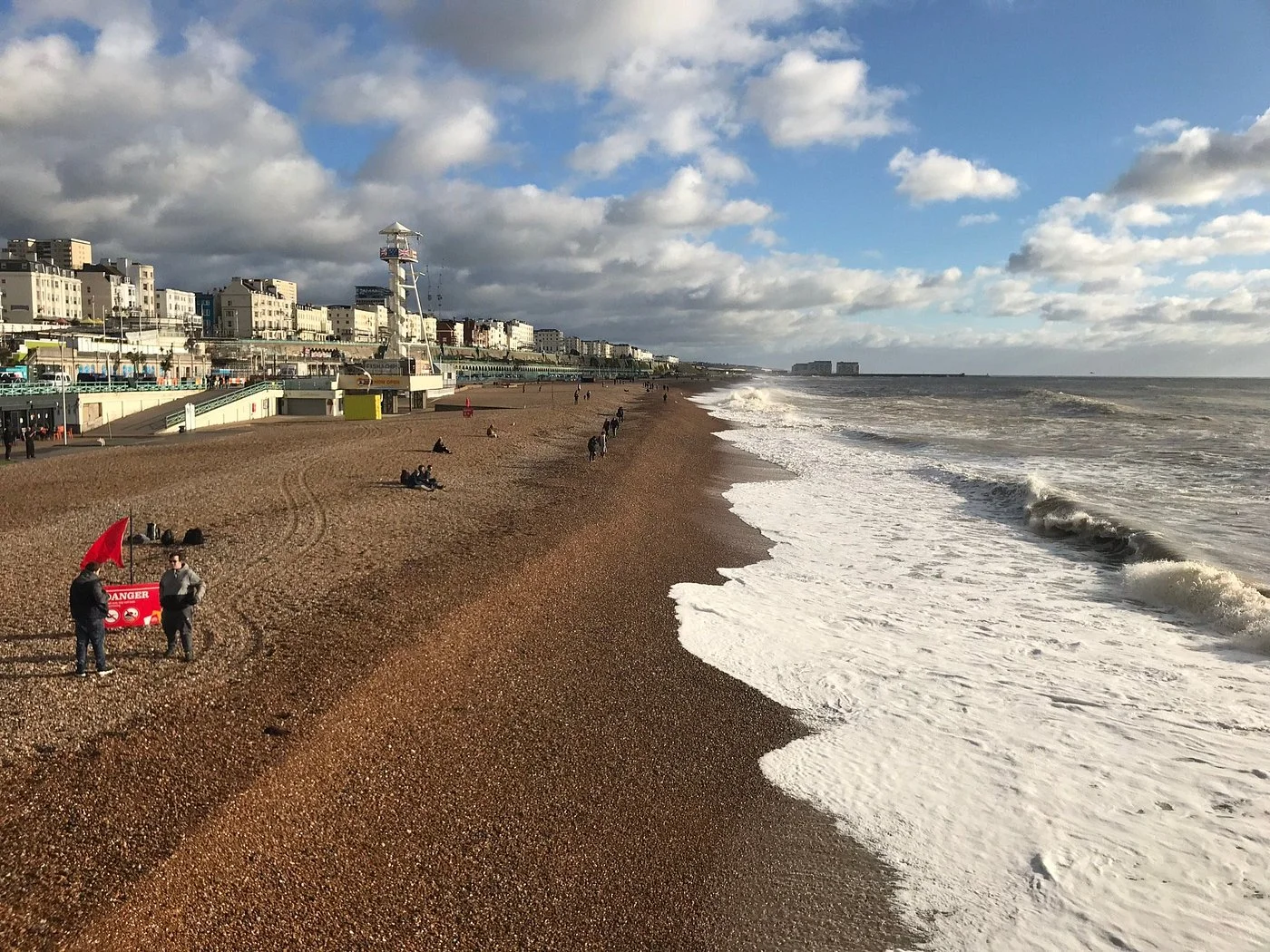
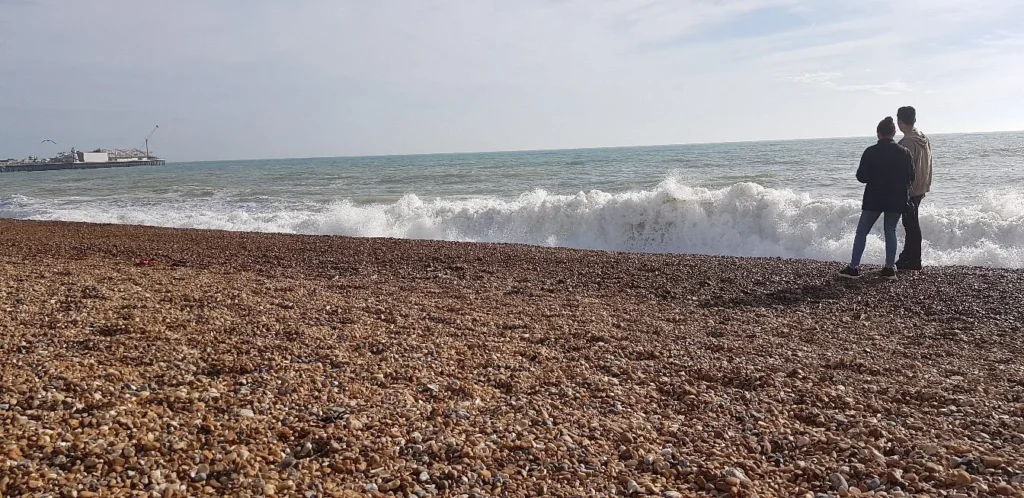
Aberdeen Beach gives the city a strong coastal identity. The promenade is a pleasant place for a walk, while the open views across the North Sea provide a welcome change from the urban streets.
Marischal College is an architectural highlight in the center. Its dramatic granite exterior reflects the city’s architectural identity and makes it one of the most recognizable buildings to see while exploring Aberdeen.
Aberdeen’s relationship with the North Sea is an important part of its story. The Maritime Museum explores this connection and provides context for the city’s development as a port and maritime center.
Duthie Park is a good place to take a break from sightseeing. Its landscaped areas, open spaces, and gardens provide an easy escape when you want a slower afternoon.
Seaton Park offers another opportunity to experience Aberdeen outdoors. The park’s open spaces and riverside setting make it a pleasant addition to a visit to nearby Old Aberdeen.
Footdee, locally known as Fittie, is a distinctive historic fishing community close to Aberdeen Harbour. Its small cottages, lanes, and unusual details make it one of the city’s most memorable areas to explore
Spring is a good time to combine historic sightseeing with parks and coastal walks. Explore Old Aberdeen, spend time at Duthie Park, and head towards the beach when the weather is bright.
Summer allows you to fit more into an Aberdeen itinerary. Explore the center in the morning, visit the beach or Footdee later in the day, and use the longer evenings for walks and local dining.
Autumn is well suited to exploring Aberdeen’s historic areas, museums, and parks. The cooler weather also makes longer city walks more comfortable
Winter is a good opportunity to explore Aberdeen’s museums, historic buildings, and independent businesses. The Maritime Museum is particularly useful when you want an indoor attraction between walks around the center.

Stonehaven is an excellent addition to an Aberdeen trip. Its harbor, coastline and nearby Dunnottar Castle create a memorable day out.

Perched on cliffs south of Stonehaven, Dunnottar Castle offers spectacular coastal scenery alongside its fascinating history.

Balmedie provides a quieter coastal experience north of Aberdeen, with dunes and a long sandy beach offering plenty of space for walking.

Banchory sits within the landscape of Royal Deeside and provides access to woodland, riverside scenery and countryside attractions.

Braemar offers a very different experience from Aberdeen, with Highland landscapes, outdoor activities and historic connections. It is particularly appealing for visitors wanting to venture further into the countryside.

Ellon is a useful stop for exploring the area north of Aberdeen, with the River Ythan and surrounding countryside providing opportunities for relaxed outdoor time.
Aberdeen is well connected to other parts of Scotland and the wider UK. Aberdeen railway station provides rail connections to major Scottish cities, while road routes make the city accessible from across the northeast.
Aberdeen International Airport also provides connections for visitors travelling from further away. Once in the city, many central attractions can be reached without a car.
Many central attractions in Aberdeen are close enough to combine into a walking route. Exploring on foot is particularly useful around the city center, Old Aberdeen and Footdee
Local buses provide practical connections around Aberdeen and to areas beyond the central streets. They are useful for reaching destinations such as Duthie Park and other parts of the city.
A car gives you greater freedom to explore beyond Aberdeen. It is particularly useful for trips towards Stonehaven, Dunnottar Castle, Royal Deeside and the wider Aberdeenshire coastline.
Aberdeen’s appeal comes from the contrast between its built environment and its coastal setting. The city’s granite architecture gives it a strong visual identity, while the beach, harbour and surrounding countryside keep the experience connected to the outdoors.
It is also a city that works well as a starting point. You can spend a day exploring its historic streets and museums, then use another day to discover castles, beaches and villages around Aberdeenshire.
Aberdeen has plenty to offer families, particularly when you combine attractions with outdoor spaces. Aberdeen Beach provides room for a relaxed coastal day, while Duthie Park and Seaton Park are useful for letting children enjoy some open space.
The Maritime Museum can add an educational element to a family itinerary, while Footdee and the city’s historic areas provide interesting places to explore together.
A good family day in Aberdeen does not need to involve lots of attractions. Combining one museum or historic stop with a park or beach can make the day more enjoyable and less rushed.
Aberdeen is best known for its distinctive granite architecture, maritime heritage, North Sea connections and coastal setting.
Some of the best things to do in Aberdeen include exploring Old Aberdeen, visiting the Maritime Museum, seeing Marischal College, walking around Footdee, spending time at Aberdeen Beach and visiting Duthie Park.
Yes. The attractions in Aberdeen range from museums and historic buildings to parks, coastal areas and distinctive neighborhoods.
Yes. The central areas are suitable for walking, and local buses connect the city with attractions further away. A car becomes more useful if you plan to explore Aberdeenshire.
Popular places to visit in Aberdeen include the city center, Old Aberdeen, Aberdeen Beach, Footdee, Duthie Park, Seaton Park and the Maritime Museum.