

Chester is a city where history and modern life come together in a surprisingly compact setting. Roman remains, medieval streets, distinctive shopping areas and riverside walks all sit close to cafés, restaurants, museums and independent businesses.
Chester has a strong sense of identity that becomes obvious as soon as you start exploring. The city’s Roman foundations, historic walls and medieval architecture give it plenty of character, while its shops, restaurants, cultural venues and green spaces make it feel like a lively modern city.
It is also an easy destination to explore at your own pace. You can spend the morning around the historic center, take a break for lunch, visit a museum in the afternoon and finish the day with a walk beside the River Dee.
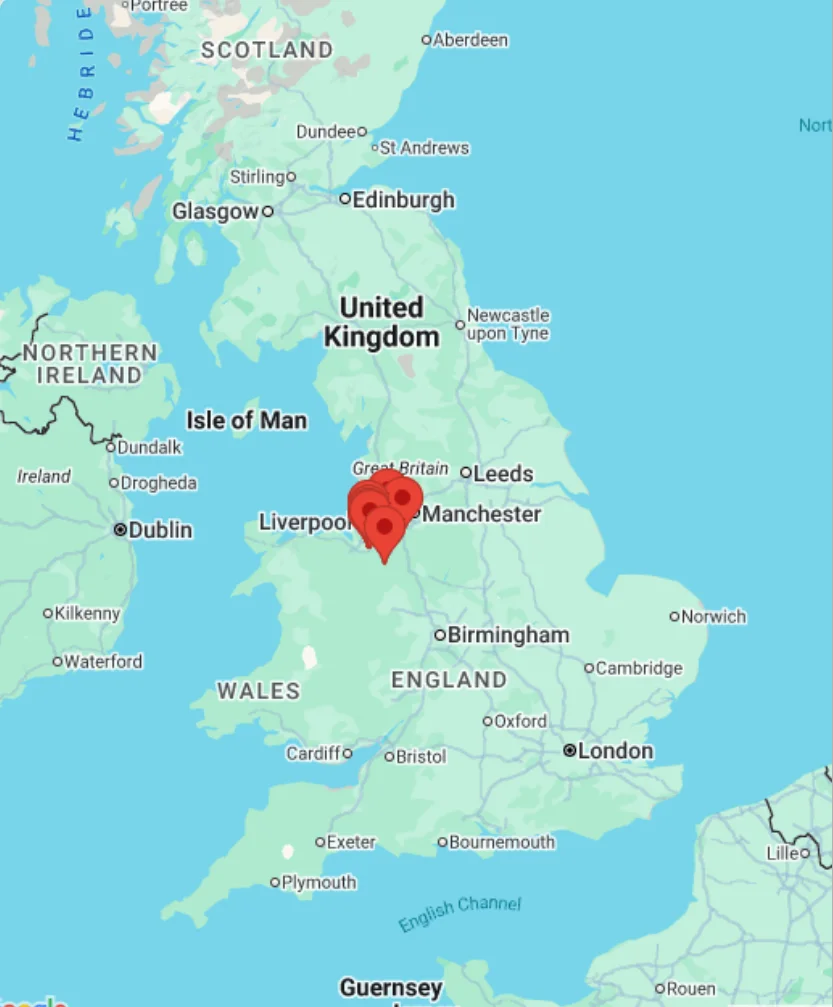
For visitors using city as a base, its location is another advantage. Cheshire, North Wales and several major North West destinations are all within reach, making it useful for a wider UK itinerary.
Chester’s Roman past is one of the most interesting parts of its story. The remains found around the city give visitors a chance to see how an ancient settlement has influenced the modern destination.
The Roman Amphitheatre and historic city walls are good starting points for discovering this side of city.
History may be one of Chester’s biggest attractions, but it is not the only reason to visit. The River Dee, Grosvenor Park, independent shops, restaurants, museums and Chester Zoo give visitors plenty of different experiences to choose from.
city’s central area is compact enough to explore comfortably, but several places stand out for their different atmospheres and experiences. These eight destinations offer a mixture of history, culture, shopping, wildlife and outdoor space.
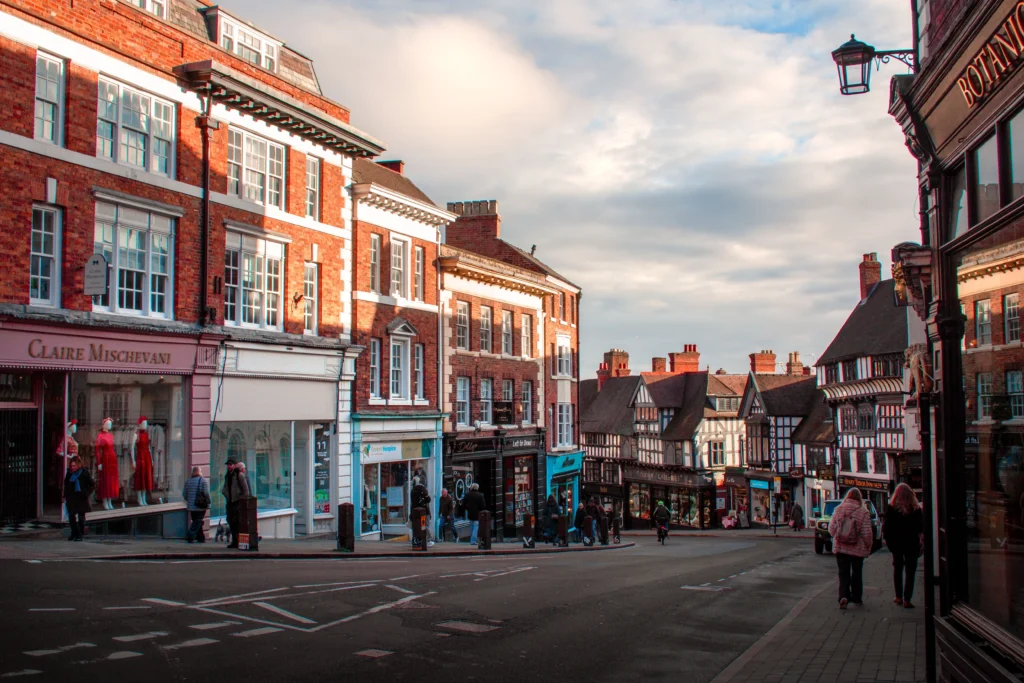
Chester city center brings together many of the attractions visitors come to see. Historic streets, shops, cafés, restaurants and major landmarks are all within a manageable distance, making it a practical starting point for your first day.
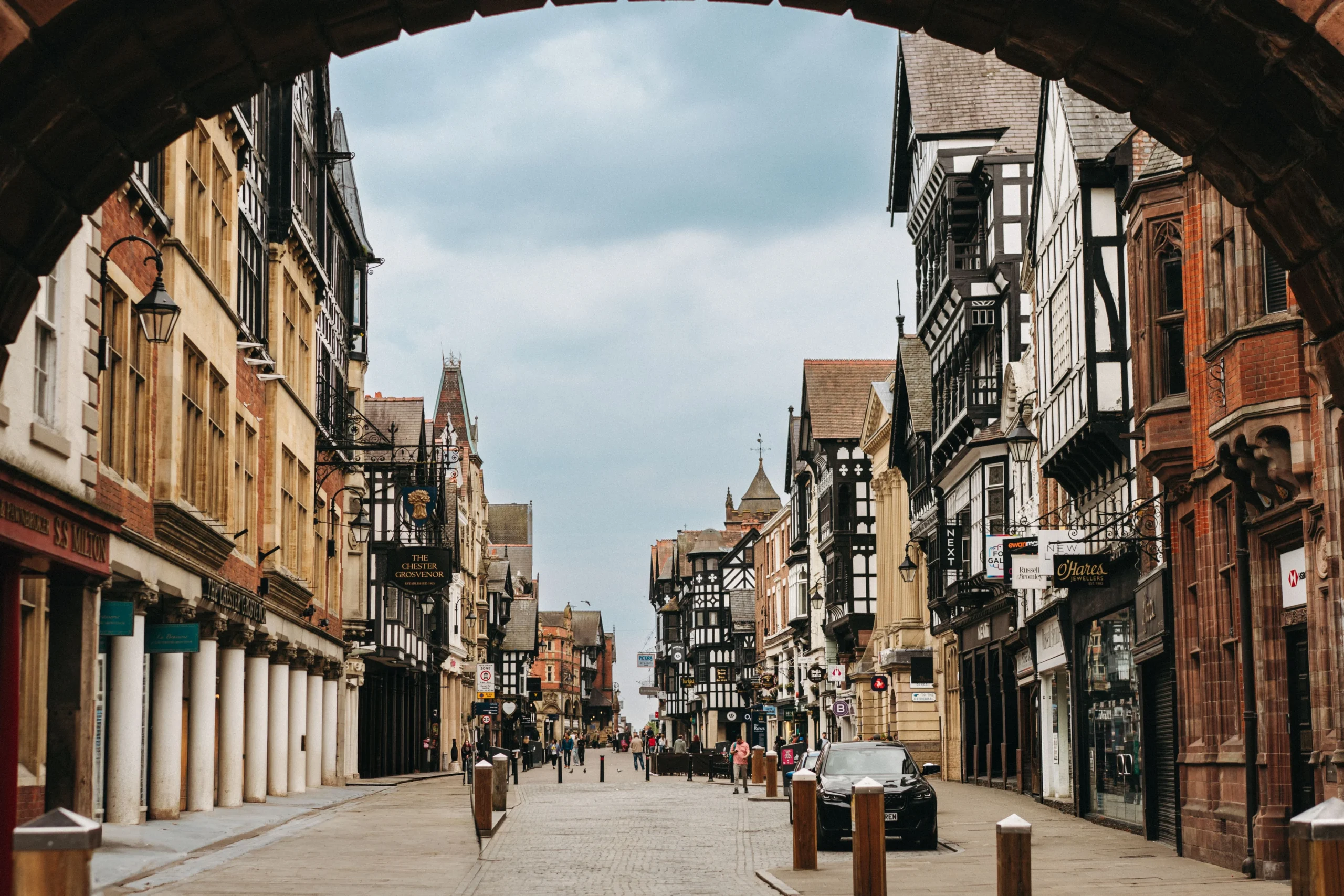
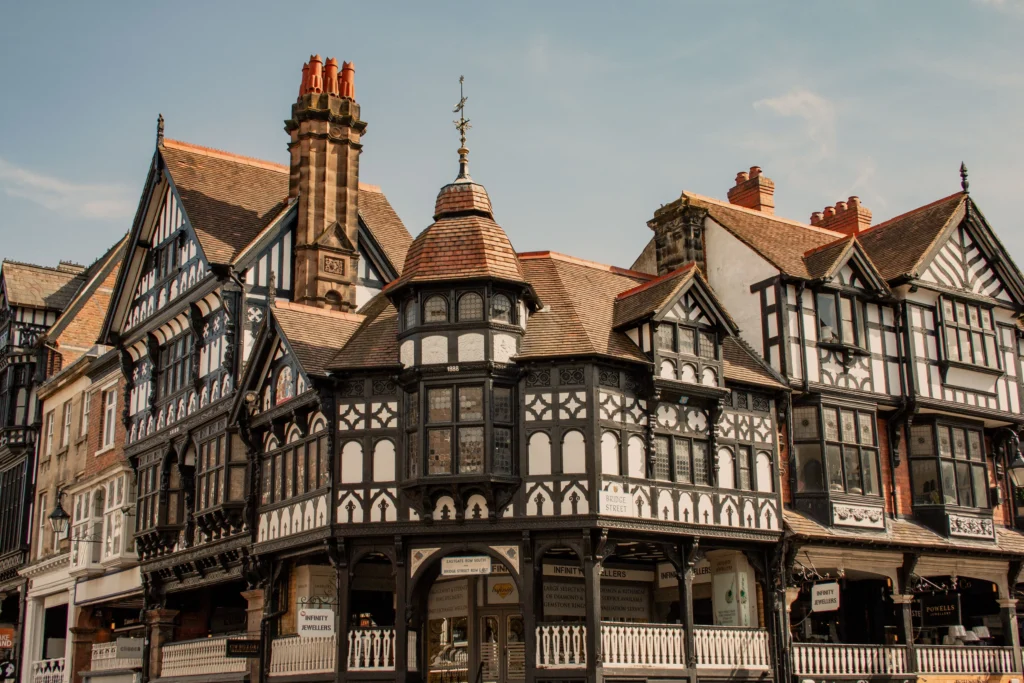
The Rows are one of the city’s most recognisable features. Their unusual two-level layout gives the central shopping streets a character you will not find in most other English cities.
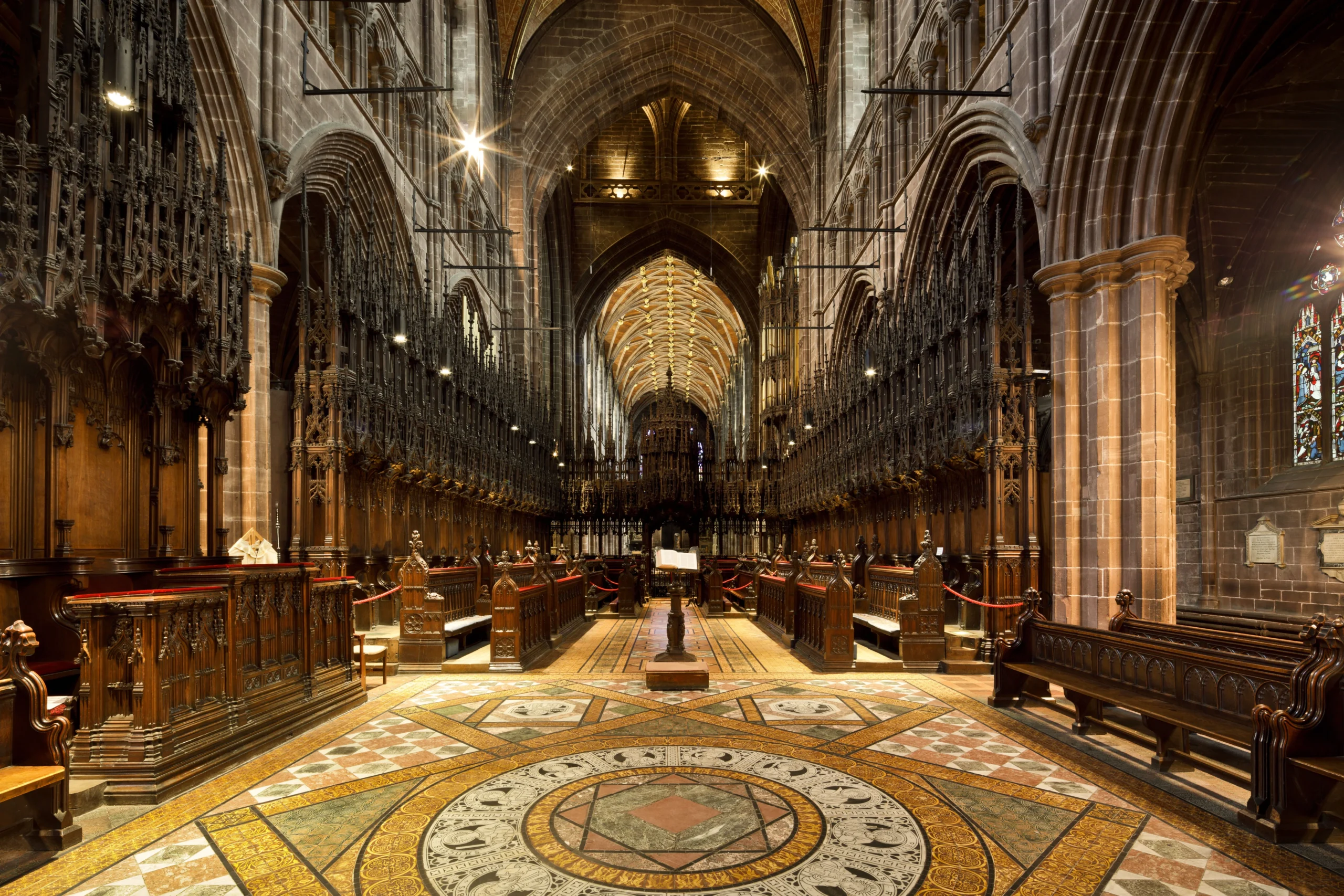
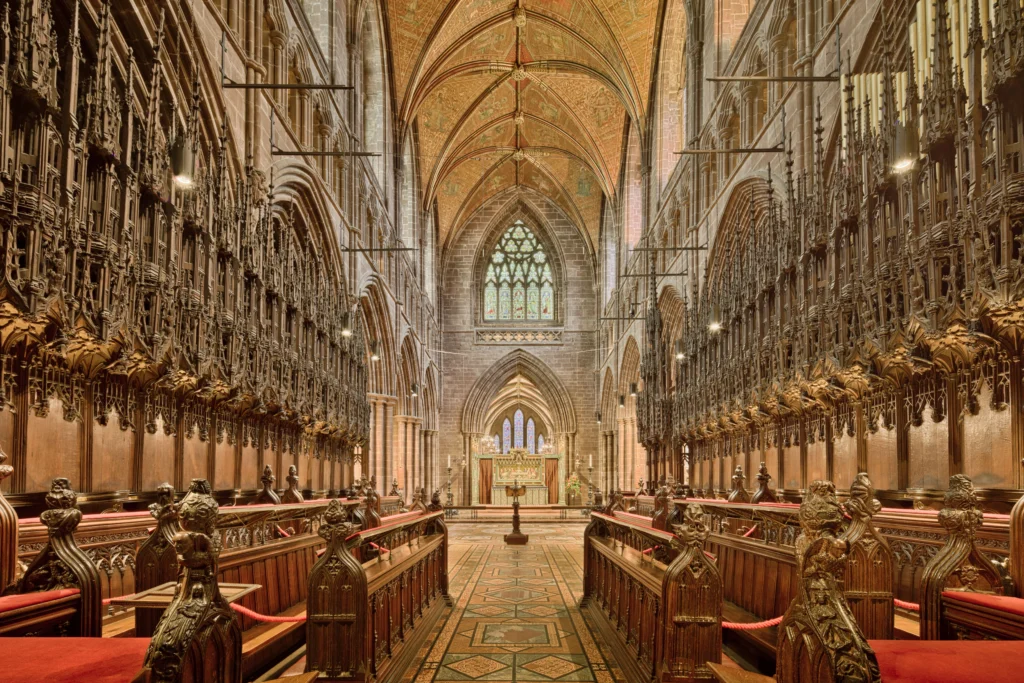
Chester Cathedral adds another important layer to the city’s history. Its architecture, interior details and peaceful atmosphere make it worth including in a central walking route, even if you are only visiting city for a day.
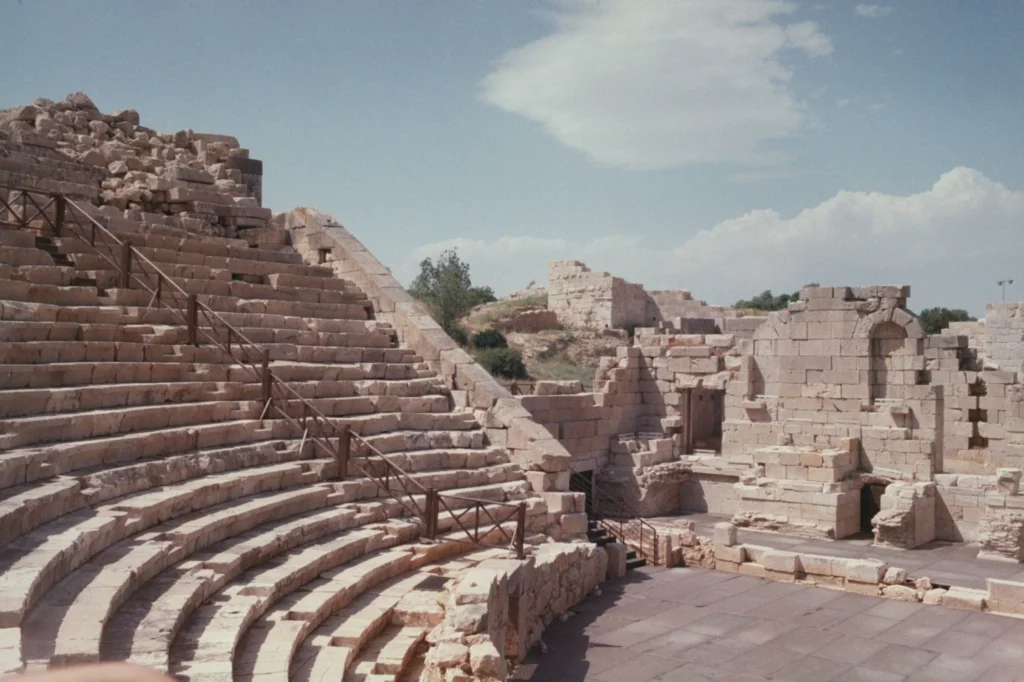
The Roman Amphitheatre provides an opportunity to see part of the city’s Roman heritage in an open setting. It works particularly well as part of a wider walking route around it’s historic center.
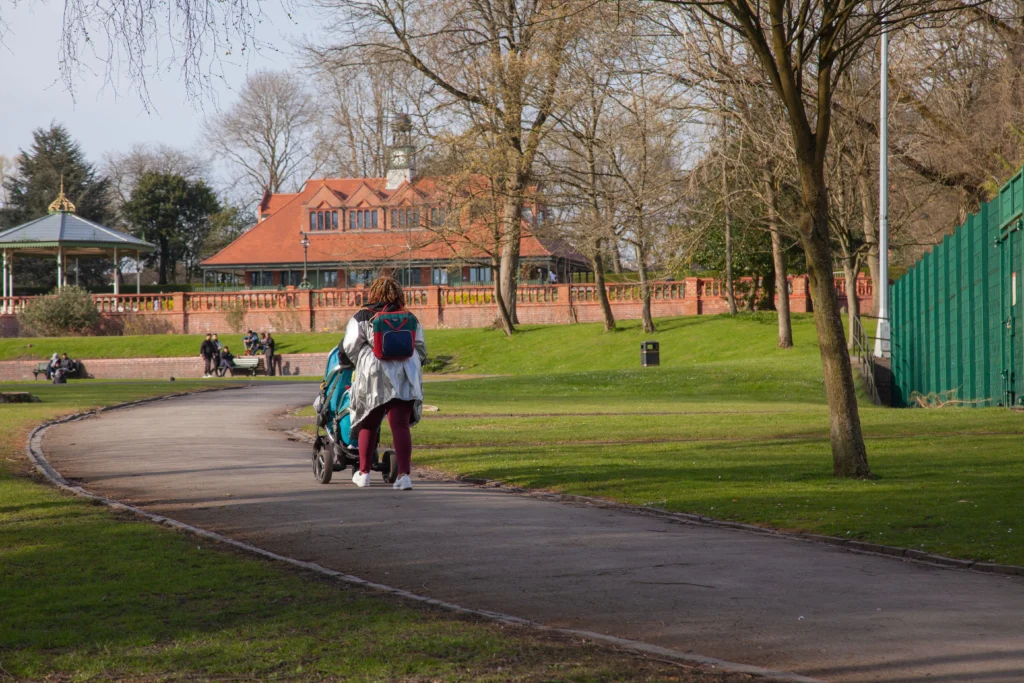
Grosvenor Park gives visitors somewhere to slow down after exploring the main attractions. It is suitable for a quiet walk, picnic or family break and is close enough to the center to add without changing your whole itinerary.
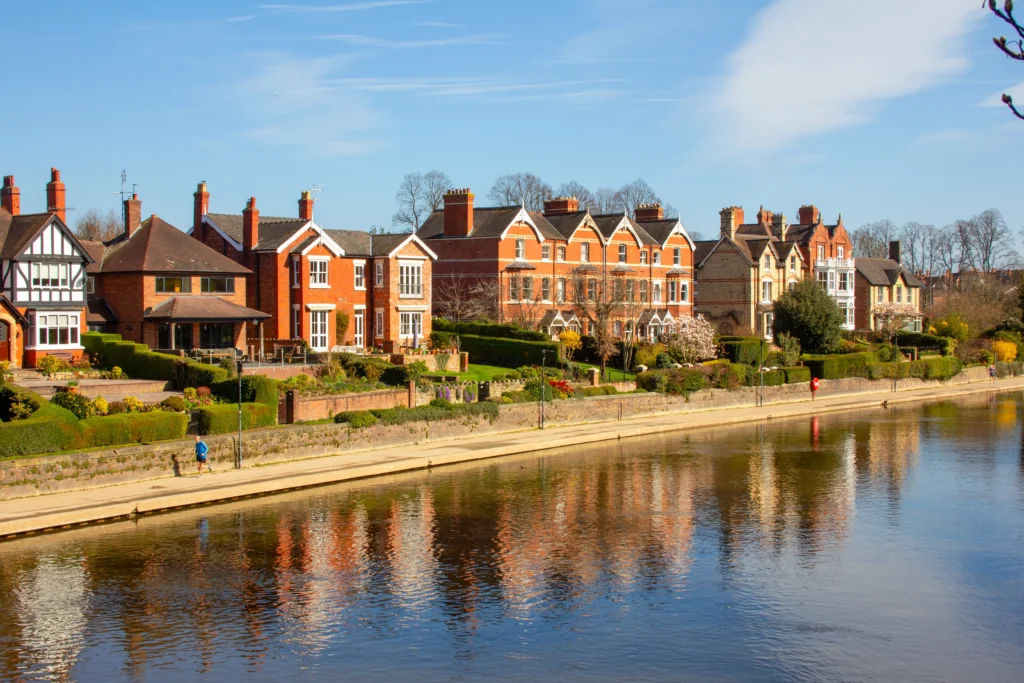
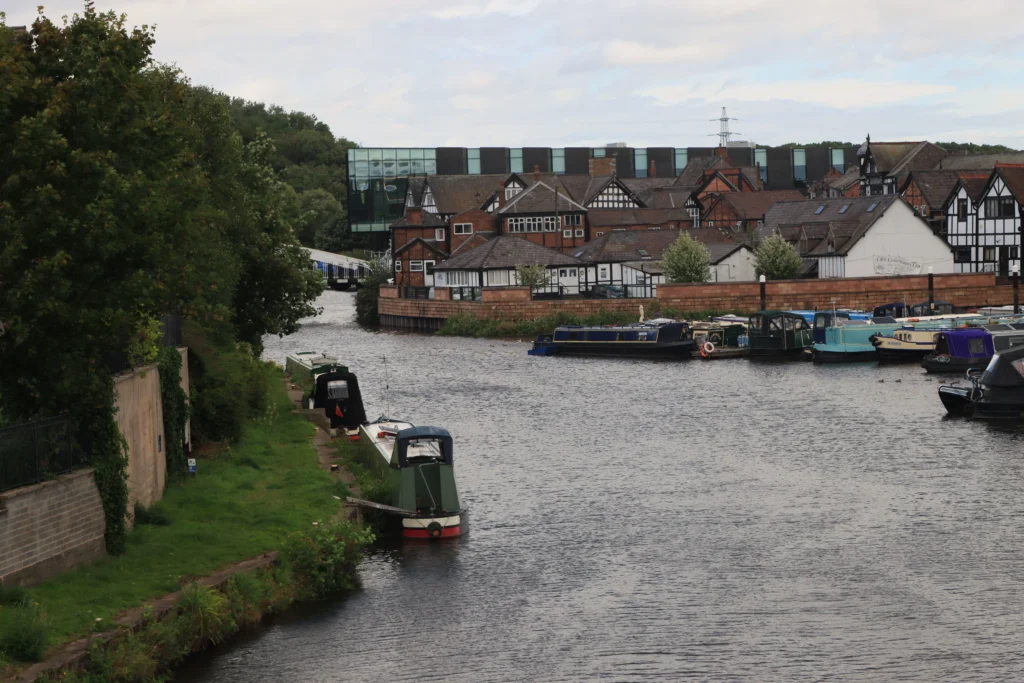
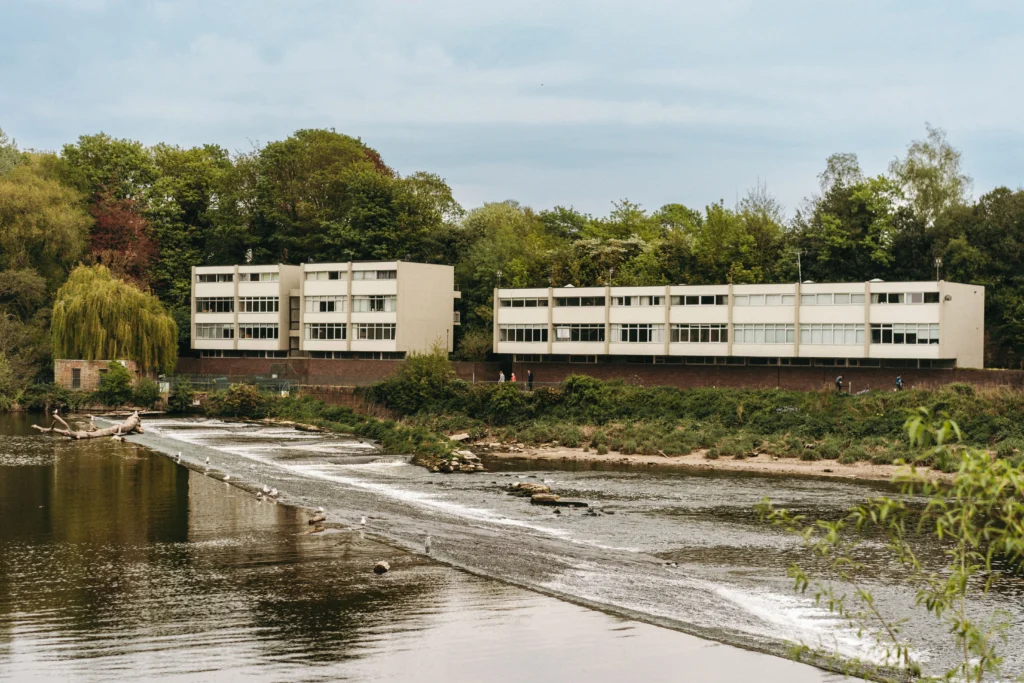
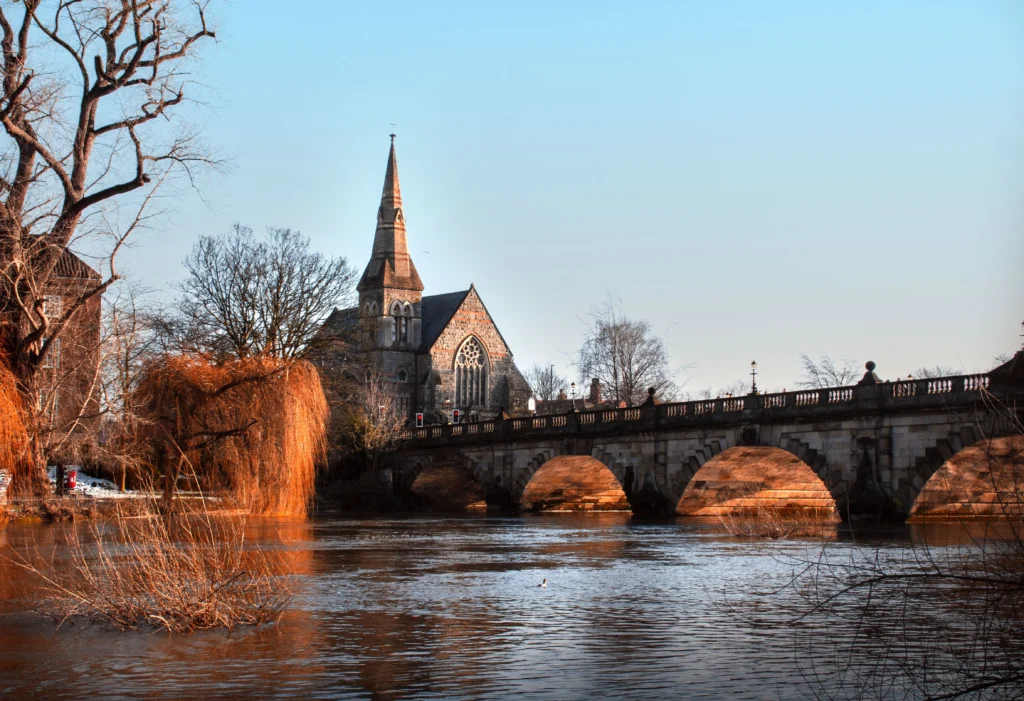
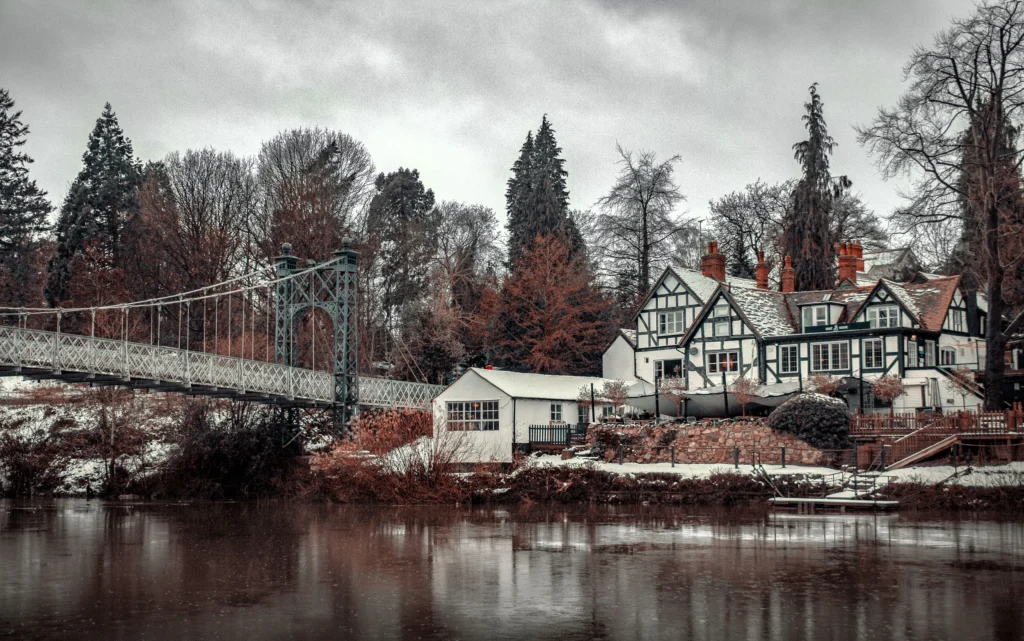
The River Dee provides a calmer setting away from the busiest streets. Walk beside the water, take a break on the riverside or look into boat trips if you want to experience the city from another perspective.
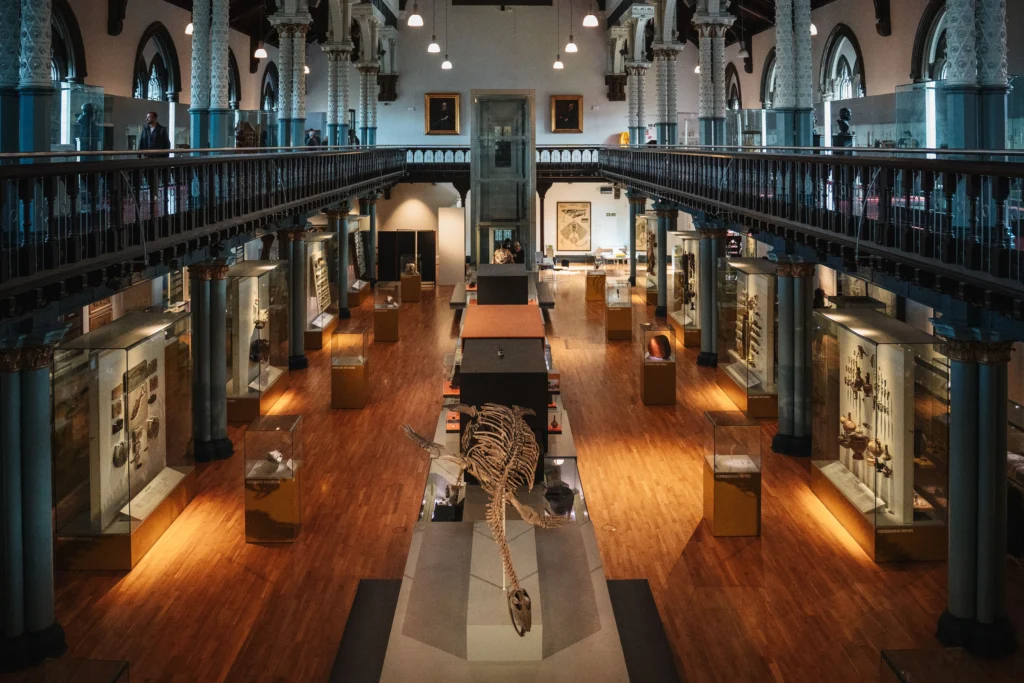
Grosvenor Museum is a useful stop for anyone interested in understanding more about the city’s history and local life. Its collections add context to the Roman and historic sights you see around city.
With its extensive collection of animals and focus on conservation, it is especially appealing to families but can also be a worthwhile day out for adults.
Spring is a comfortable time to explore it’s historic areas and green spaces. Longer daylight hours make it easier to combine the city walls, central attractions and riverside into one relaxed day.
Summer gives you more opportunities to enjoy city’s parks, river and outdoor attractions. You can spend the daytime sightseeing before finding somewhere along the River Dee or in the city center for an evening meal.
Autumn brings a slower feel to the city and is well suited to visitors who want to combine historic attractions with museums, cafés and shopping.
Winter is a good opportunity to focus on indoor attractions, shopping and the city’s historic center. You can keep outdoor walks shorter and leave more time for cafés, restaurants and museums.

Liverpool offers a completely different city experience, with its waterfront, music heritage, museums, restaurants and football culture. It can be combined with Chester for a wider North West itinerary.
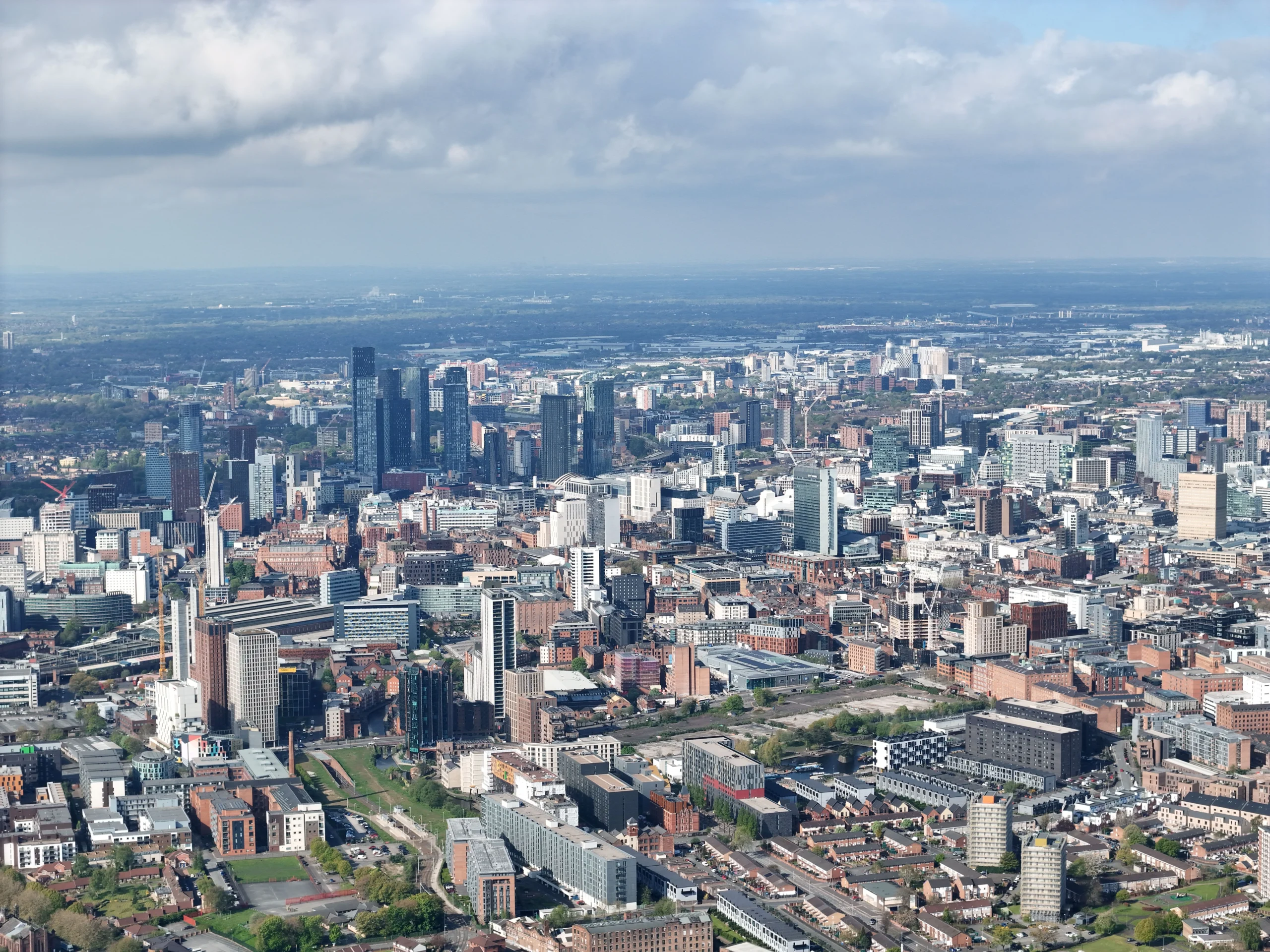
Manchester is another major destination within reach of city. Its shopping, restaurants, museums, music venues and sporting attractions make it a natural addition to a longer trip.
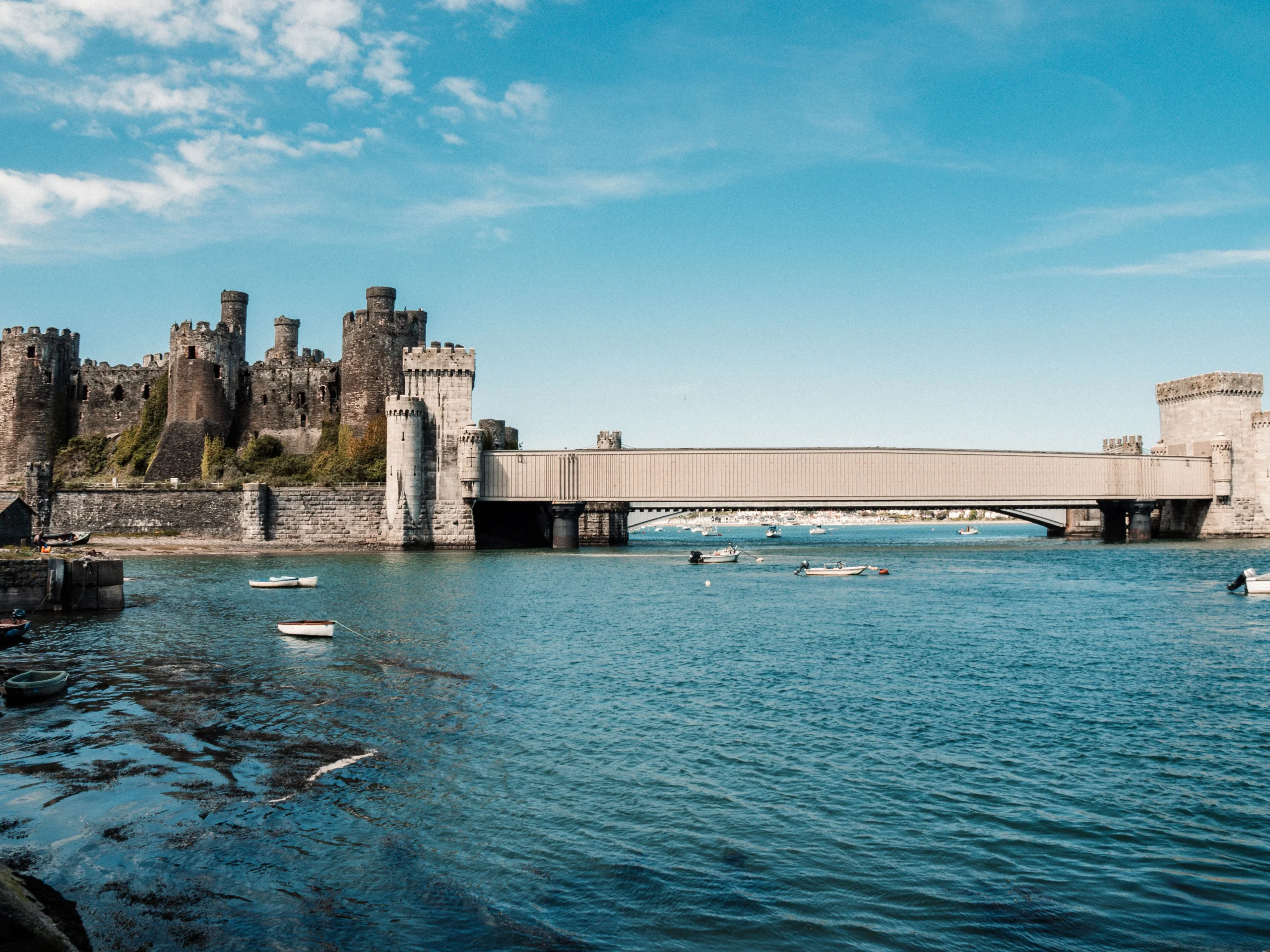
It's location close to the Welsh border makes it a convenient starting point for exploring North Wales. You can continue towards historic towns, countryside and coastal areas depending on your itinerary.

Delamere Forest provides a change of scenery if you want to spend some time outdoors. Woodland walks and open spaces make it a useful option for visitors who want a break from city sightseeing.
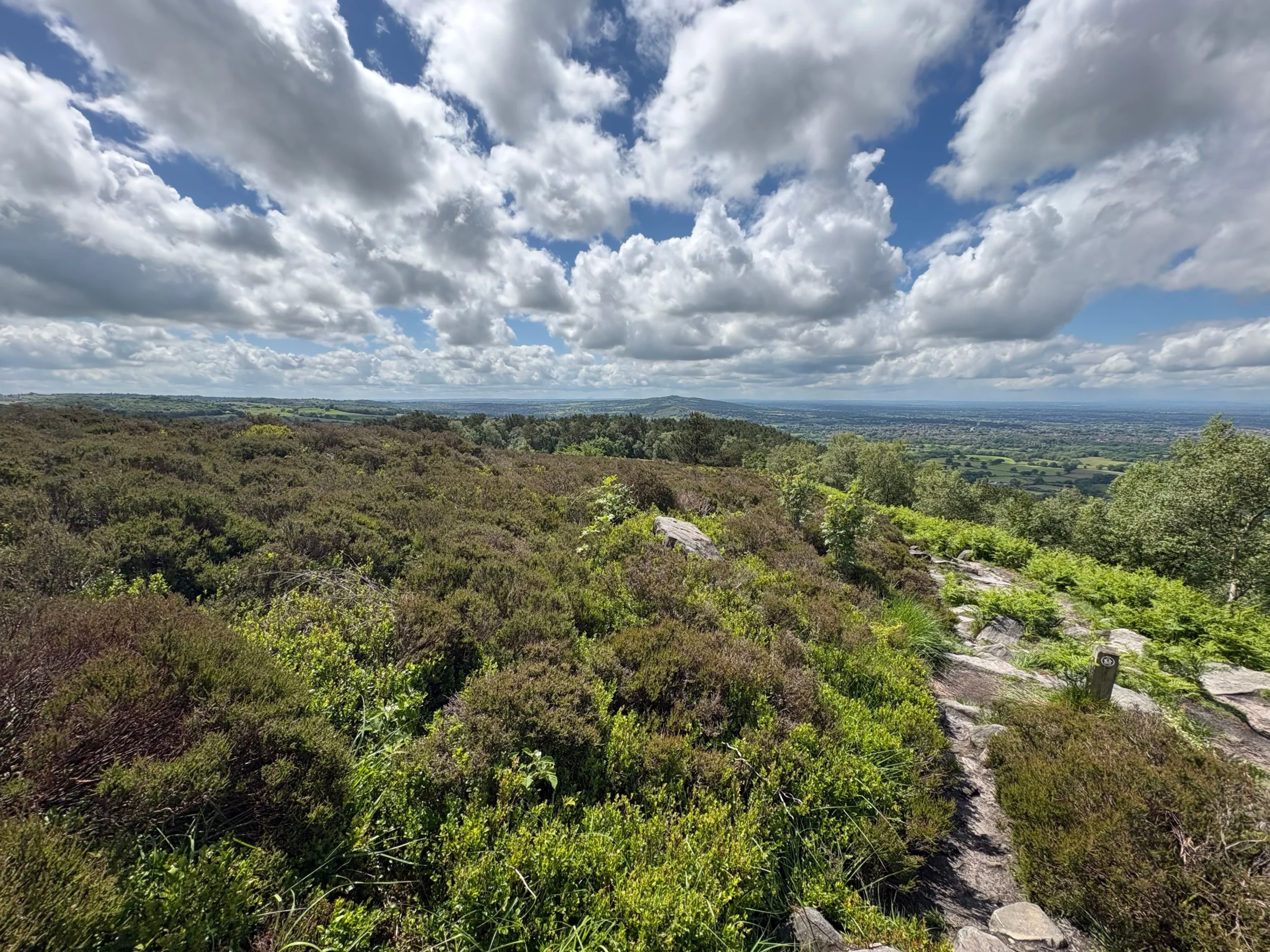
The countryside surrounding city offers a quieter side of the region, with villages, rural landscapes and walking opportunities. It is particularly easy to explore if you are travelling by car.
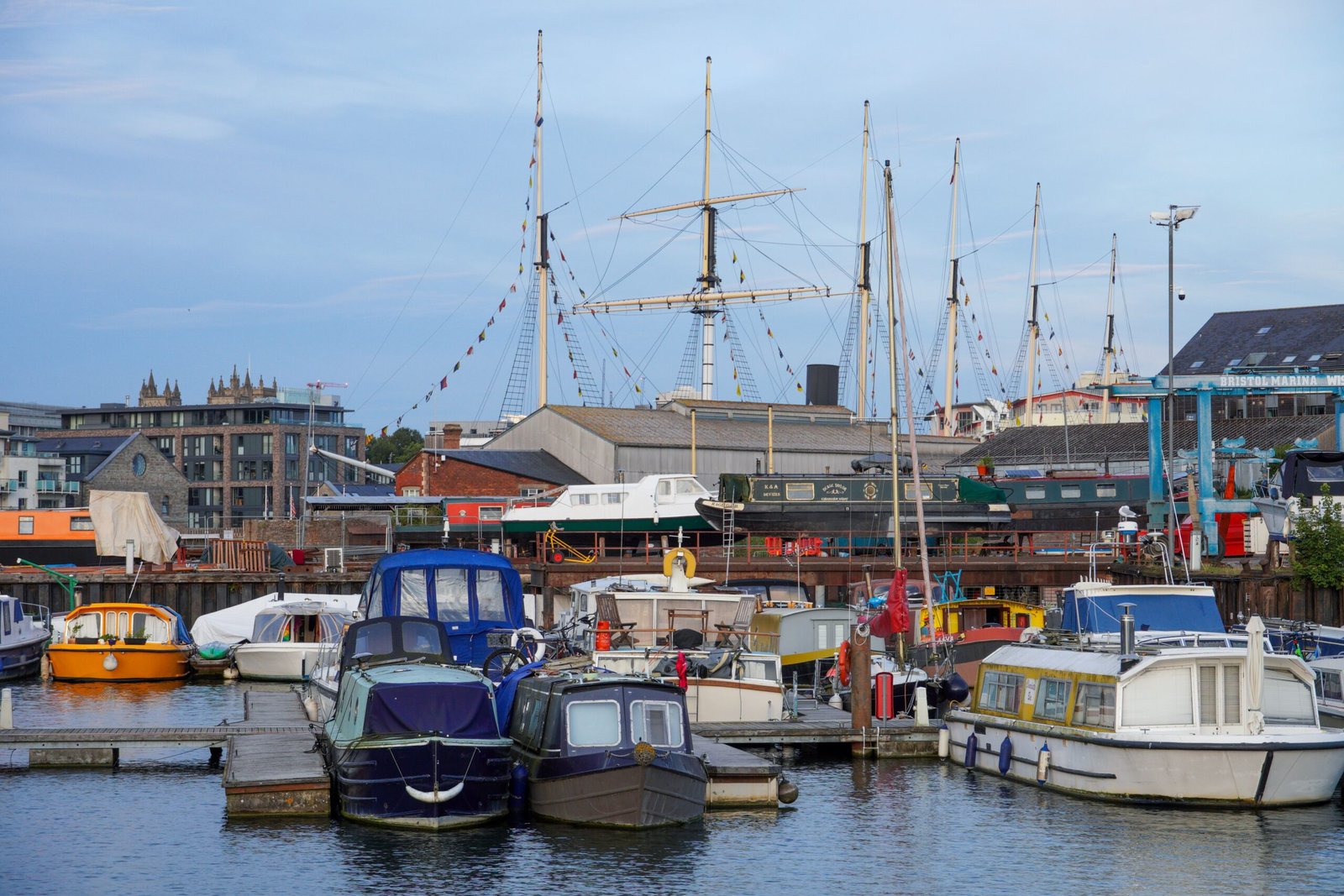
Ellesmere Port provides another nearby option for visitors interested in exploring more of the Cheshire area. It can be added to a wider itinerary alongside this city and other destinations around the region.
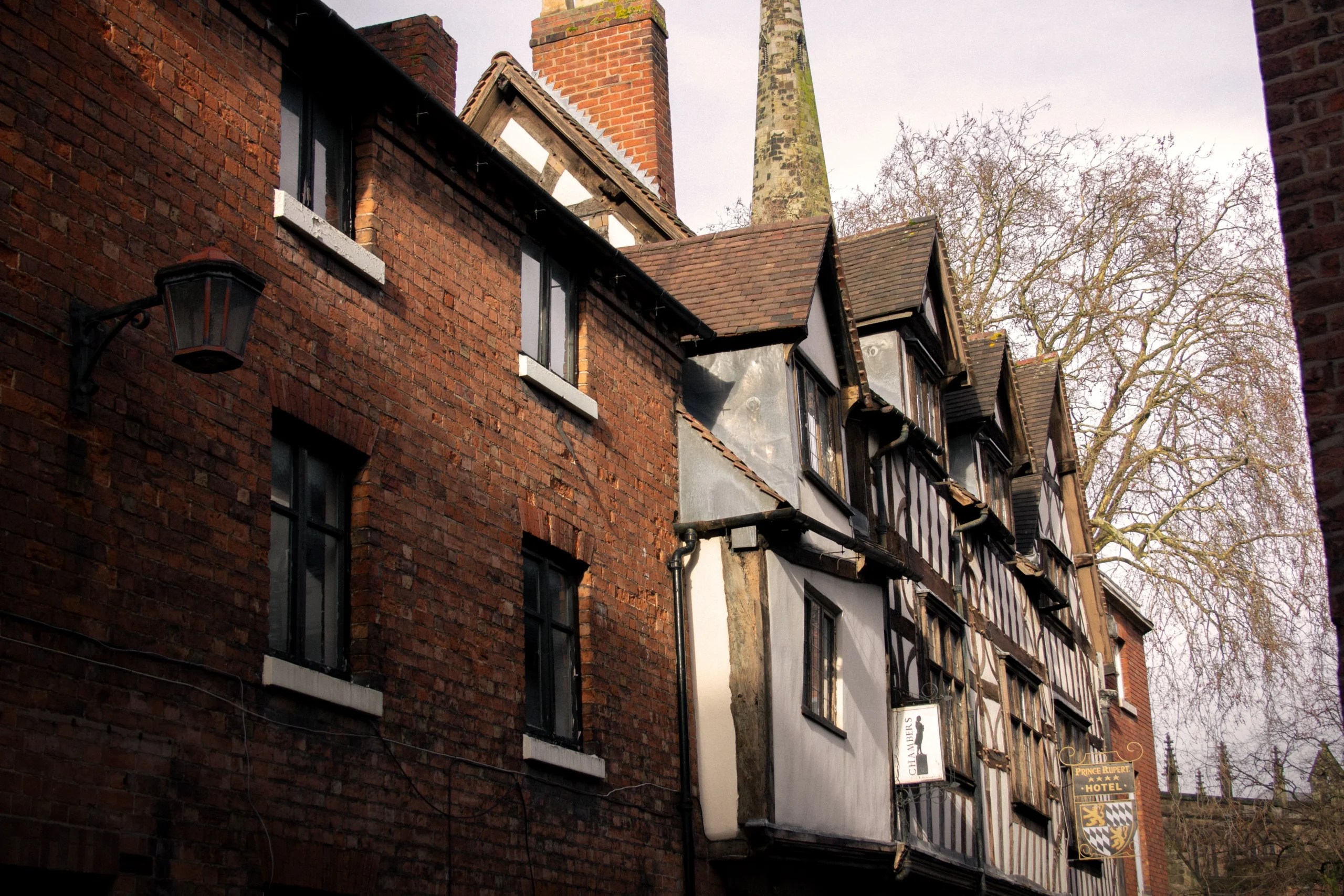
City is well connected and makes a practical destination for visitors travelling around the North West, Cheshire and North Wales.
Once you reach the historic center, walking is usually the easiest way to see the main attractions. For destinations further away, buses, taxis and other local transport options provide additional flexibility.
A car gives you greater flexibility if you want to combine Chester with the Cheshire countryside, North Wales or nearby towns and attractions.
Local buses connect Chester city center with surrounding areas and attractions. They are particularly useful when your itinerary extends beyond the main historic district.
Chester railway station provides convenient connections with several major destinations, making rail travel a practical option for day trips and weekend breaks.
City is easy to associate with Roman walls and historic buildings, but spending more time here reveals a much broader destination.
The city brings together ancient history, medieval architecture, shopping, museums, parks and riverside spaces within a relatively manageable area. You can explore the Roman side of city in the morning, browse The Rows after lunch and spend the evening enjoying food or entertainment in the city center.
That variety makes it suitable for different types of visitors. Families can combine the zoo with parks and attractions, history lovers can follow the city’s Roman and medieval story, while couples and solo travellers can create a slower itinerary around food, shopping, walks and culture.
For visitors with more time, It’s location also makes it useful as a starting point for exploring Cheshire, North Wales and other parts of the North West.
Yes. Chester offers a combination of Roman history, medieval architecture, shopping, museums, green spaces and riverside attractions. It works particularly well for a day trip or weekend break.
Some of the best things to do in Chester include walking around the historic city walls, exploring The Rows, visiting Chester Cathedral, seeing the Roman Amphitheatre, spending time beside the River Dee and visiting Chester Zoo.
Chester England is known for its Roman heritage, historic walls, medieval Rows, cathedral and distinctive architecture. The city’s location near the Welsh border also makes it a useful base for exploring the wider region.
Yes. Many of the main attractions are located around the historic center, making walking a convenient way to explore. Attractions outside the center can be reached using local transport.
One day is enough to experience several of the main attractions, but two days allows you to explore at a more relaxed pace and add places such as Chester Zoo or nearby destinations.