


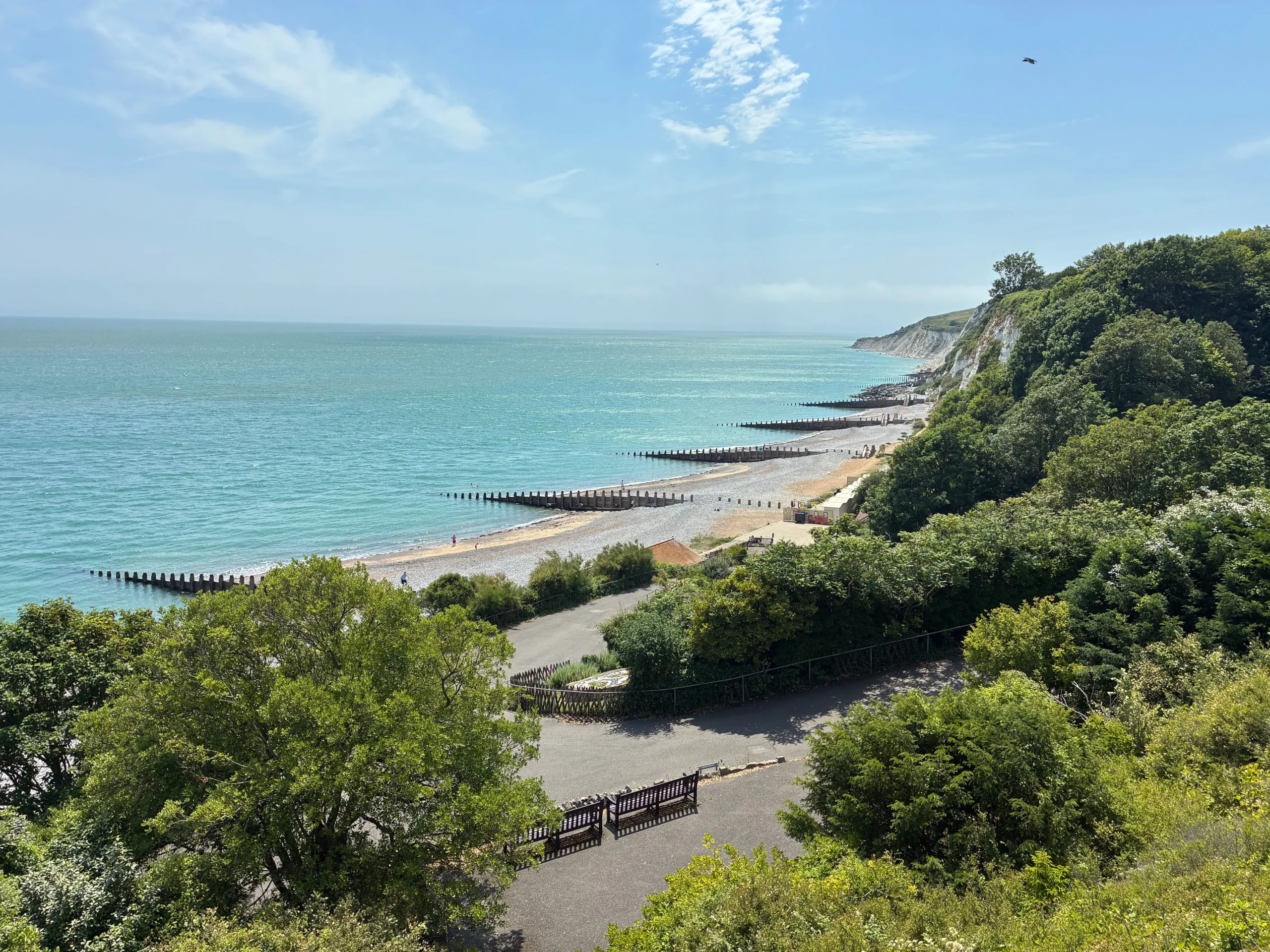


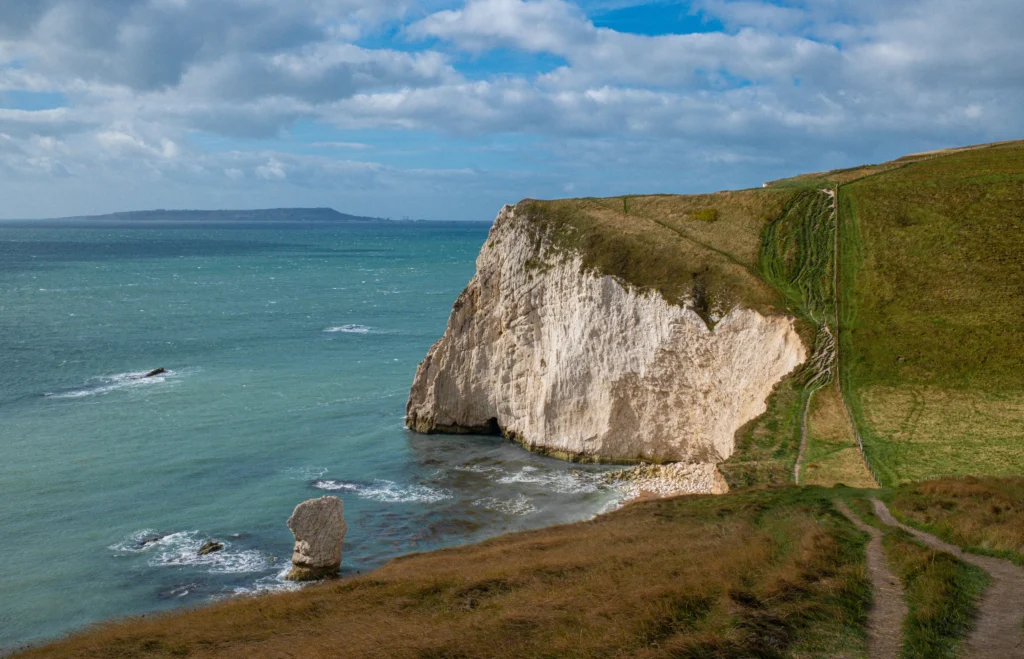


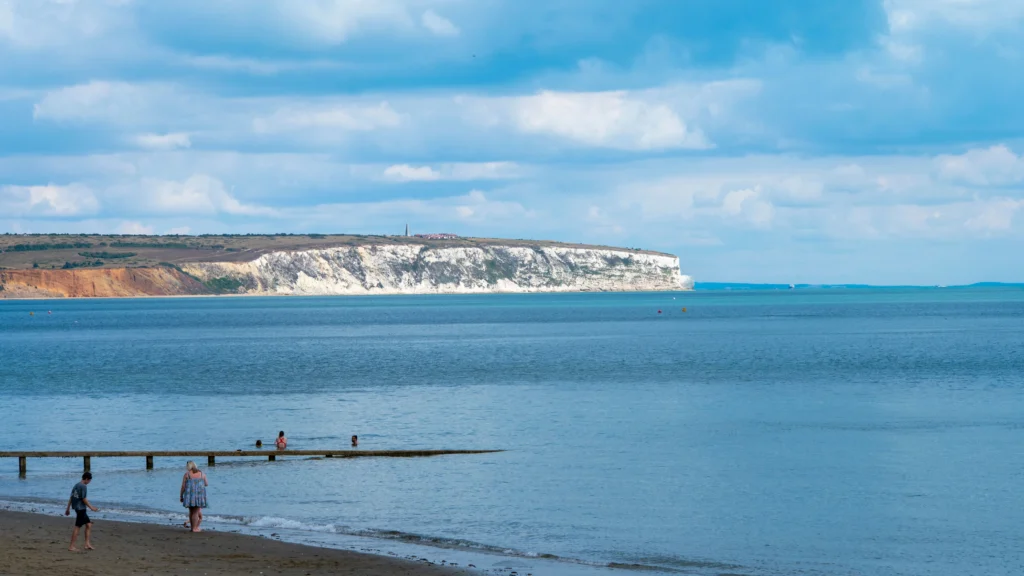


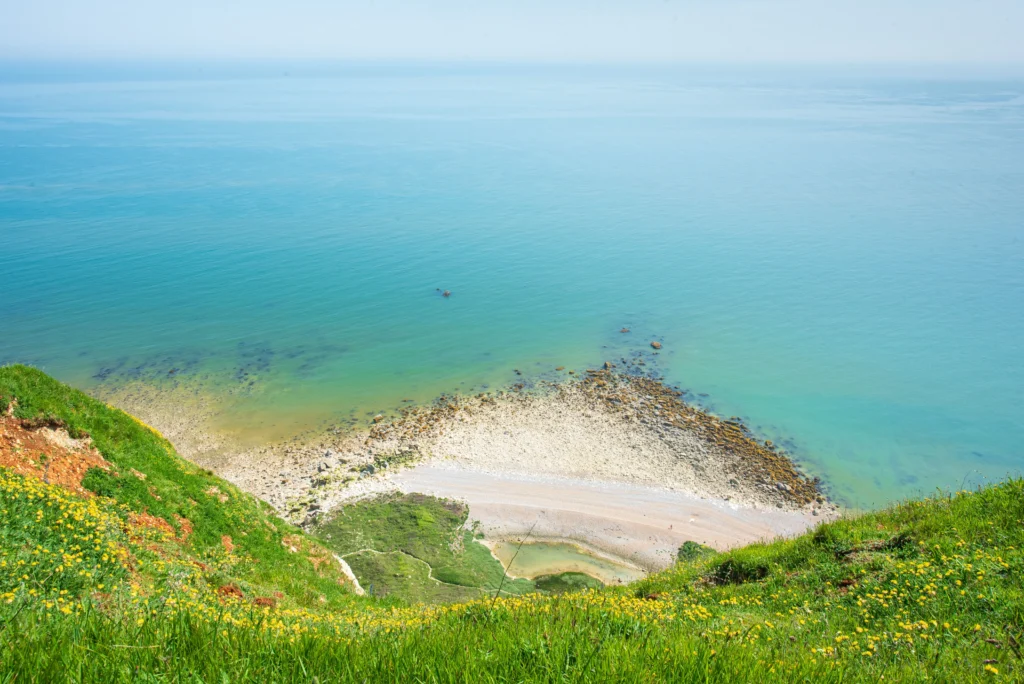

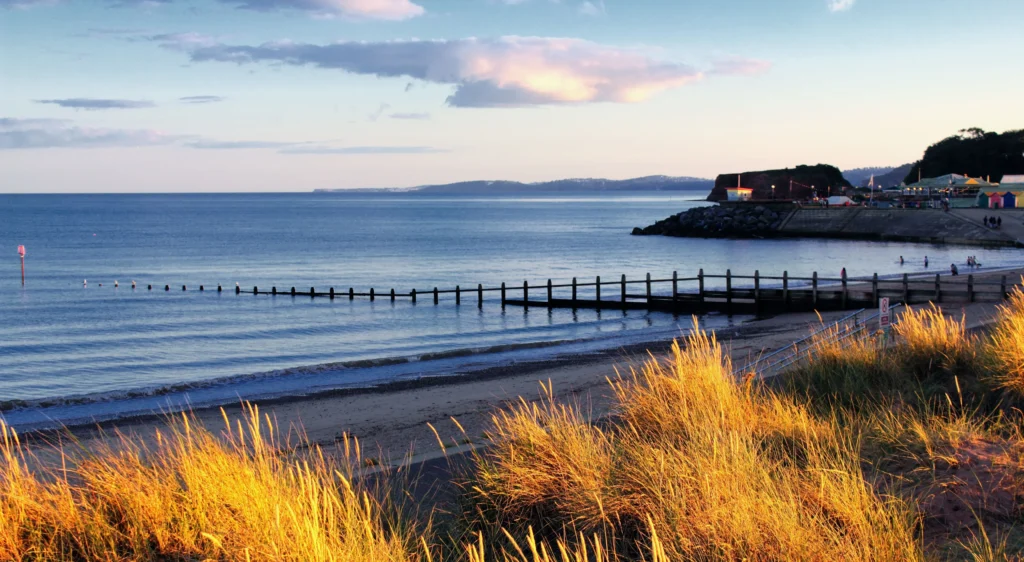
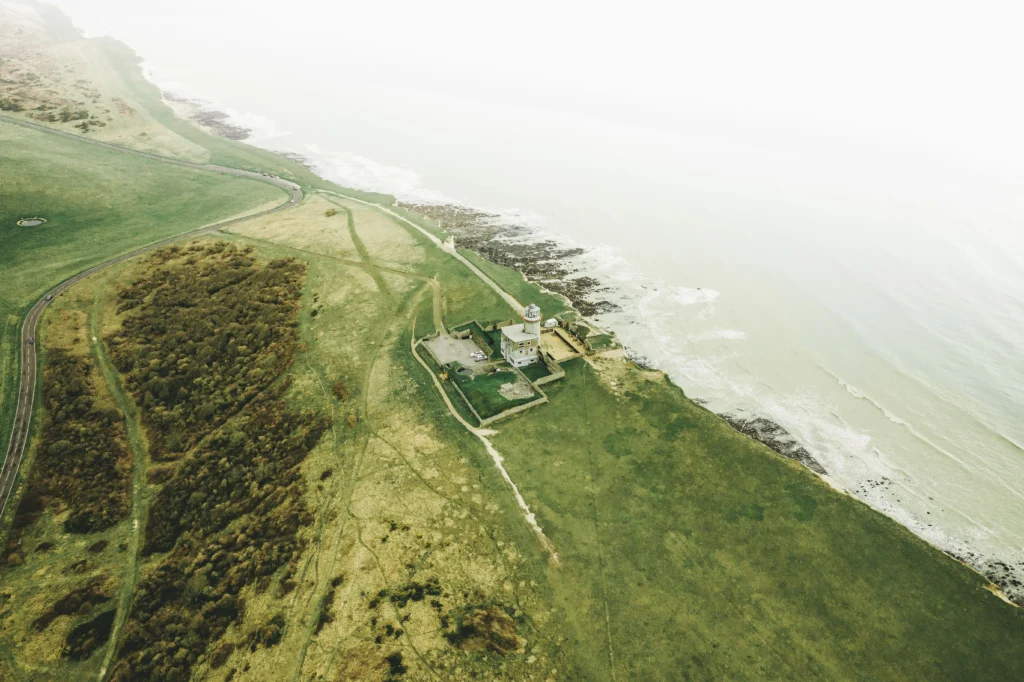

Golden beaches, dramatic chalk cliffs, charming seaside towns, and miles of scenic countryside make the Isle of Wight one of England’s most rewarding coastal destinations. Located just off the south coast, the island offers a unique combination of natural beauty, historic landmarks, outdoor adventures, and traditional seaside charm that attracts visitors throughout the year.
The Isle of Wight offers something that feels increasingly rare a slower pace of life surrounded by beautiful landscapes. Its coastline is lined with sandy beaches, dramatic cliffs, hidden coves, and traditional seaside towns, while inland you’ll discover rolling countryside, historic villages, ancient castles, and peaceful walking trails.
The island is equally famous for its natural beauty and fascinating history. Victorian royal residences, prehistoric fossil discoveries, maritime heritage, and charming harbors sit alongside modern cafés, independent shops, and award-winning attractions.
For visitors looking to experience one of England’s finest island destinations, the Isle of Wight offers the perfect balance of relaxation, adventure, and discovery.
The western side of the island is home to some of its most spectacular scenery. The famous Needles rock formations, Alum Bay’s colorful cliffs, and the breathtaking Tennyson Trail offer unforgettable coastal views that have become symbols of the Isle of Wight.
Shanklin combines traditional seaside charm with one of the island’s most attractive beaches. Nearby attractions including Shanklin Chine, Sandown Bay, and peaceful coastal walks make this area an excellent base for exploring the eastern side of the island.
From dramatic coastal landmarks and royal residences to sandy beaches and scenic walking trails, the Isle of Wight is packed with attractions that showcase its natural beauty and fascinating history.
The Needles are the Isle of Wight’s most famous landmark and one of England’s most recognizable coastal sights. These towering white chalk stacks rise from the sea at the island’s western tip, creating spectacular views that attract visitors throughout the year.
Osborne House was Queen Victoria’s favorite holiday residence and remains one of the Isle of Wight’s most important historic attractions.Visitors can explore beautifully preserved royal apartments, magnificent gardens, and the private beach where the royal family spent their summers.
Shanklin is one of the island’s most popular seaside towns, combining a beautiful sandy beach with a charming Old Village filled with traditional cottages, independent shops, and welcoming cafés.
Standing proudly in the center of the island, Carisbrooke Castle has watched over the Isle of Wight for more than 800 years. Visitors can climb the castle walls, explore historic rooms, discover the museum, and meet the famous resident donkeys that still operate the traditional water wheel.
Crook Hall Gardens is a historic garden destination close to Durham city centre. Its landscaped gardens, historic buildings, and seasonal planting provide a peaceful escape from the city’s busy streets
Alum Bay is famous for its colorful sand cliffs, crystal-clear waters, and spectacular coastal scenery. Families enjoy the chairlift, beach activities, boat excursions, and the opportunity to create decorative souvenirs using the naturally colored sands that have made the bay famous around the world.
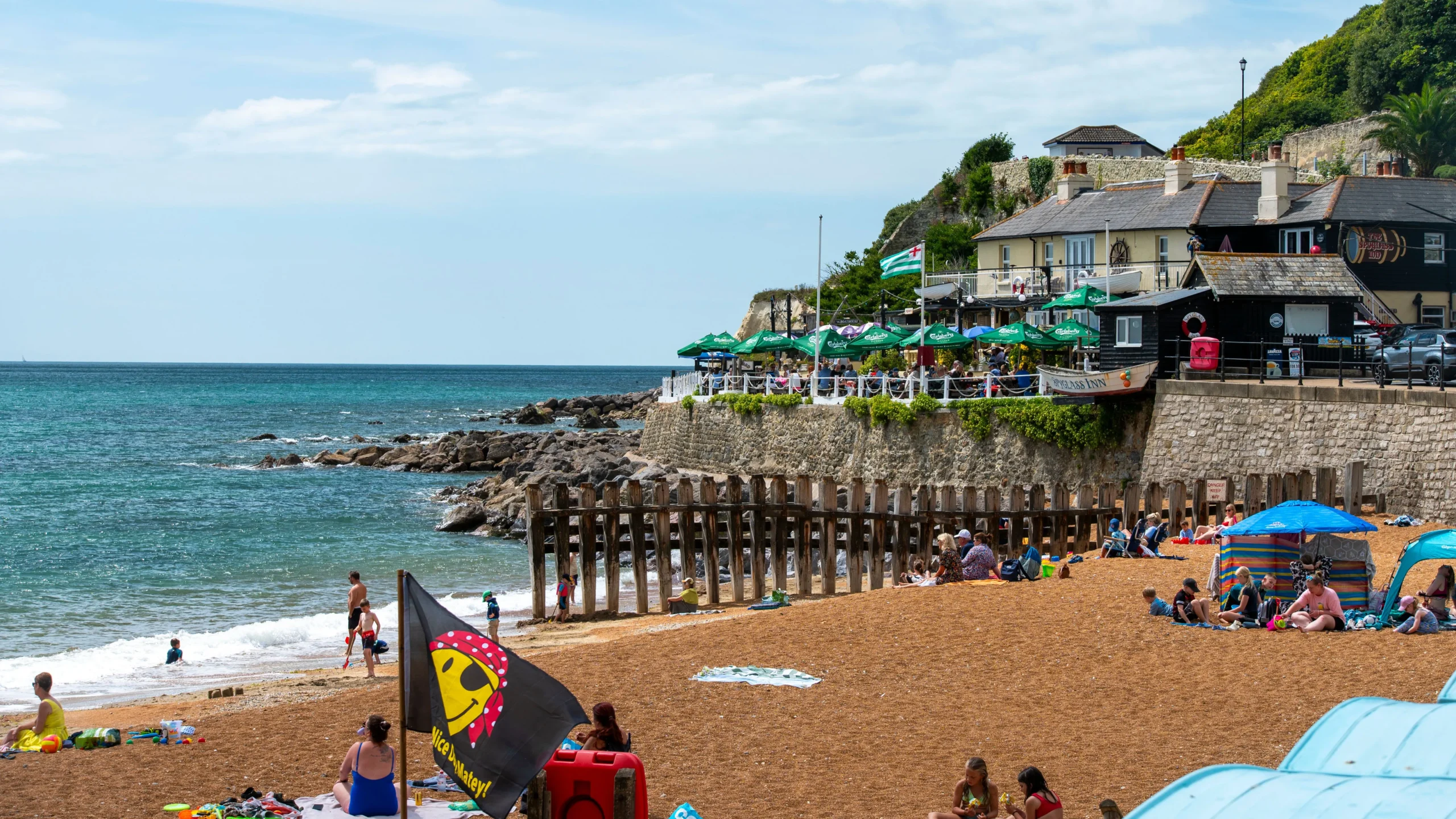
Sheltered beneath steep cliffs on the island’s southern coast, Ventnor enjoys one of the warmest microclimates in England. Its attractive beach, botanical garden, independent restaurants, and relaxed atmosphere make it a favorite destination.
Cowes is internationally known for sailing and hosts the famous Cowes Week regatta each summer. Beyond its maritime reputation, visitors will discover attractive waterfront walks, boutique shopping, seafood restaurants, art galleries, and one of the island’s liveliest harbors.
Spring transforms the island with blooming gardens, fresh coastal scenery, and pleasant temperatures perfect for walking the Tennyson Trail or exploring quiet villages before the busy summer season begins.
Summer is the ideal time to experience the island’s coastline. Shanklin, Sandown, Compton Bay, and Ventnor become popular for swimming, paddleboarding, beach walks, and relaxing beside the sea while enjoying long daylight hours.
Autumn brings cooler temperatures and fewer visitors, making it one of the best seasons for coastal walks, photography, cycling, and exploring historic attractions without the busiest crowds.
Winter offers a peaceful atmosphere across the island. Dramatic coastal views, quiet beaches, cozy pubs, and scenic countryside create the perfect setting for a relaxing seasonal escape away from the mainland.

Ryde combines one of the island's longest sandy beaches with Victorian architecture, lively shopping streets, and the historic Ryde Pier, making it one of the best places to begin exploring the Isle of Wight.

Located in the heart of the island, Newport offers museums, historic buildings, independent shopping, and convenient access to many of the Isle of Wight's most popular attractions.

Freshwater is surrounded by some of the island's most dramatic coastal scenery, including Freshwater Bay, Tennyson Down, and several spectacular walking trails.

Yarmouth is a picturesque harbor town known for its historic pier, waterfront restaurants, and relaxed atmosphere. It also provides convenient ferry connections to mainland England.

Just across the Solent, Portsmouth makes an excellent extension to an Isle of Wight vacation. Visitors can explore the Historic Dockyard, Spinnaker Tower, and a variety of museums celebrating Britain's naval history.Just across the Solent, Portsmouth makes an excellent extension to an Isle of Wight vacation. Visitors can explore the Historic Dockyard, Spinnaker Tower, and a variety of museums celebrating Britain's naval history.

Located a short distance from the ferry terminals, the New Forest offers ancient woodlands, open heathland, free-roaming ponies, and charming villages, making it a popular destination before or after visiting the island.
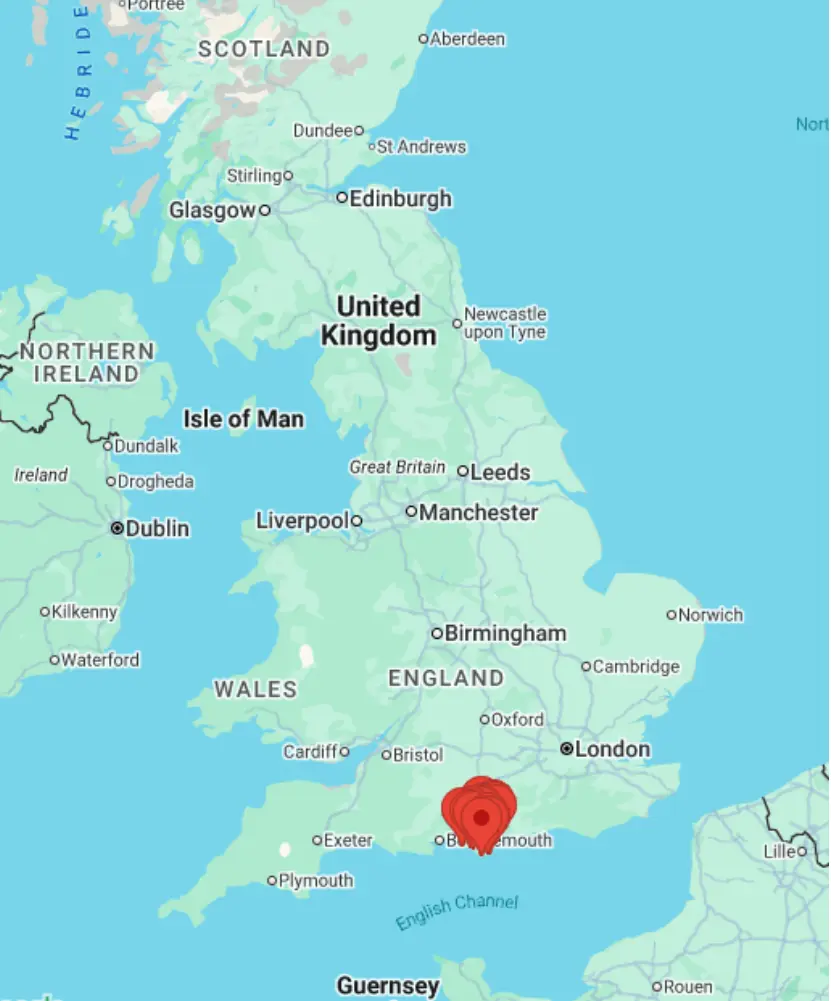
The Isle of Wight is located off England’s south coast and is easily reached by ferry from Portsmouth, Southampton, and Lymington. Although separated from the mainland by the Solent, traveling to the island is straightforward and forms part of the overall experience.
Regular ferry services carry both foot passengers and vehicles throughout the year, while high-speed passenger catamarans provide quick connections from Portsmouth to Ryde.
Visitors traveling by rail can reach the ferry terminals from London and many other major cities before continuing to the island. Those driving can easily connect to the ferry ports via England’s motorway network.
The Isle of Wight is compact enough to explore comfortably while still offering plenty of variety across its coastline and countryside.
Driving is one of the easiest ways to discover remote beaches, picturesque villages, scenic viewpoints, and attractions spread across the island. Having a car provides maximum flexibility, especially for visitors planning to explore several different regions.
Southern Vectis operates an extensive bus network connecting major towns, beaches, and attractions across the island. Public transportation is reliable and offers an excellent alternative for visitors who choose not to drive.
Vehicle ferries and passenger ferries operate regularly between different mainland ports and the Isle of Wight, making travel convenient throughout the year.
The Isle of Wight is a destination that offers far more than beautiful beaches. From the iconic cliffs of The Needles and the royal history of Osborne House to charming seaside towns, scenic walking trails, and peaceful countryside, every part of the island has something unique to discover.
Whether you’re planning a family vacation, a romantic coastal escape, or an outdoor adventure, the Isle of Wight delivers unforgettable experiences throughout every season. Explore historic landmarks, enjoy fresh local seafood, relax beside the sea, and uncover hidden corners that make this island one of England’s most loved destinations.
Start planning your journey today and discover why the Isle of Wight continues to be one of the UK’s most memorable places to visit.
Some of the best Things to do on the Isle of Wight include visiting The Needles, Osborne House, Carisbrooke Castle, Shanklin, Alum Bay, Cowes, Ventnor, and Dinosaur Isle.
Popular attractions include The Needles, Osborne House, Carisbrooke Castle, Shanklin Chine, Alum Bay, Dinosaur Isle, Ventnor Botanic Garden, and the island’s spectacular coastal walking trails.
Yes. The Isle of Wight is one of England’s most rewarding island destinations, offering beautiful beaches, dramatic coastal scenery, historic landmarks, outdoor adventures, and charming seaside towns.
Summer is ideal for beaches and outdoor activities, while spring and autumn provide quieter conditions for walking, sightseeing, and exploring the island’s natural beauty.
A stay of three to four days allows visitors to experience the island’s main attractions, while five to seven days provides enough time to explore different coastal towns, walking trails, and hidden beaches at a relaxed pace.