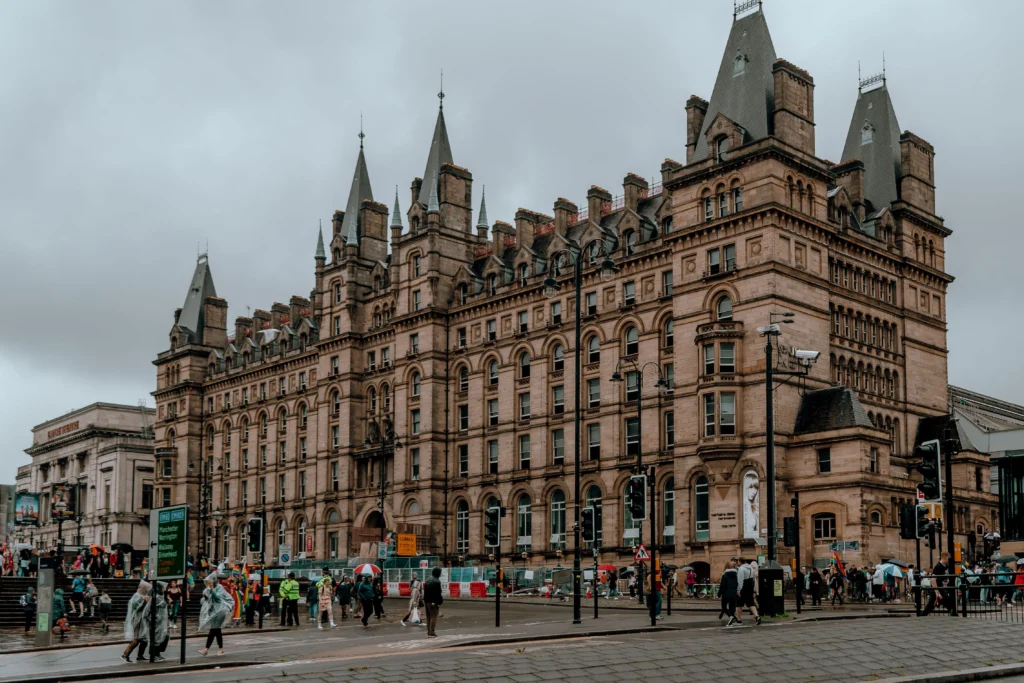
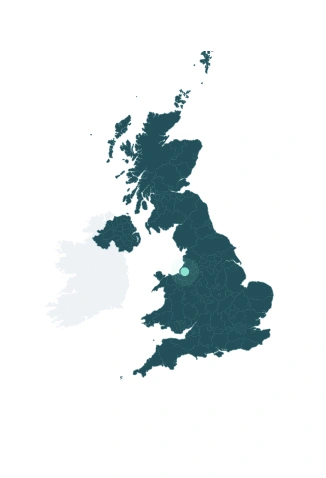
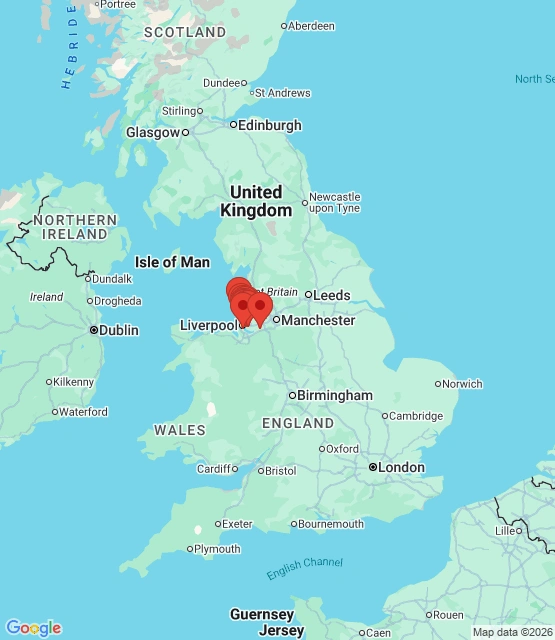
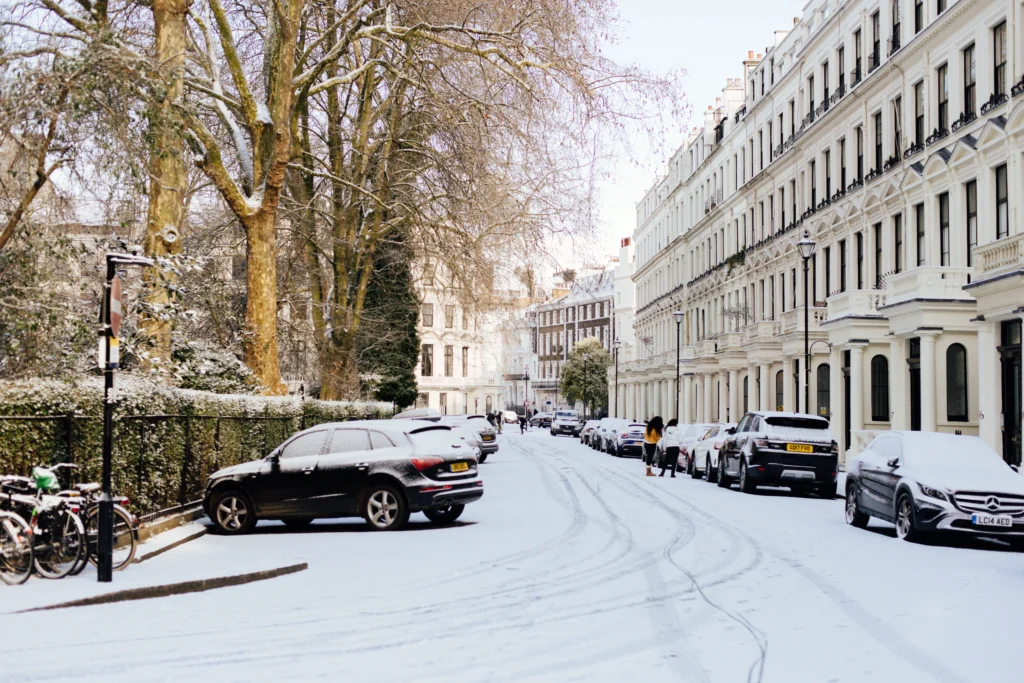
Liverpool is a city of music, maritime heritage, football, and unforgettable cultural experiences. Set beside the River Mersey in north-west England, the city has a distinctive character shaped by its waterfront, historic architecture, creative energy, and strong connections with the wider world.
Liverpool has a unique ability to combine a fascinating past with a creative and energetic present. Its historic waterfront tells the story of the city’s maritime importance, while its music heritage, football culture, museums, galleries, and independent businesses give it a distinctly modern identity.
The city has also made an extraordinary contribution to popular culture. Liverpool is internationally famous as the birthplace of The Beatles, while its two major football clubs have helped make the city one of the most recognisable sporting destinations in England.
For anyone looking for things to do in Liverpool, the city offers an impressive range of experiences within a relatively compact area. You can explore historic docks in the morning, discover world-class museums in the afternoon, and enjoy live music, theatre, or a meal in one of the city’s lively neighbourhoods in the evening.
Liverpool’s relationship with the sea has shaped its history for centuries. The city’s waterfront was once one of the world’s busiest ports, connecting Liverpool with destinations across the globe.
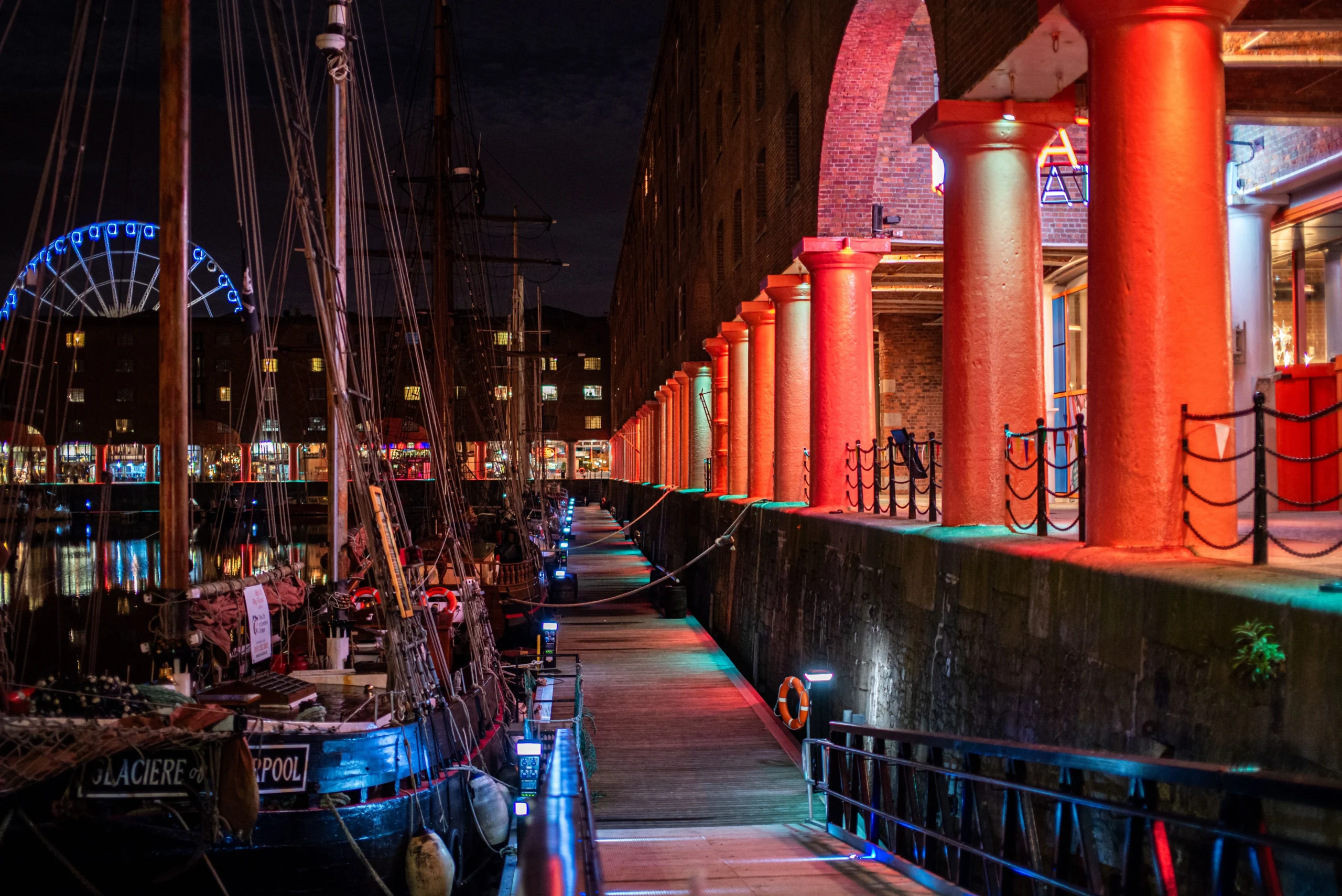
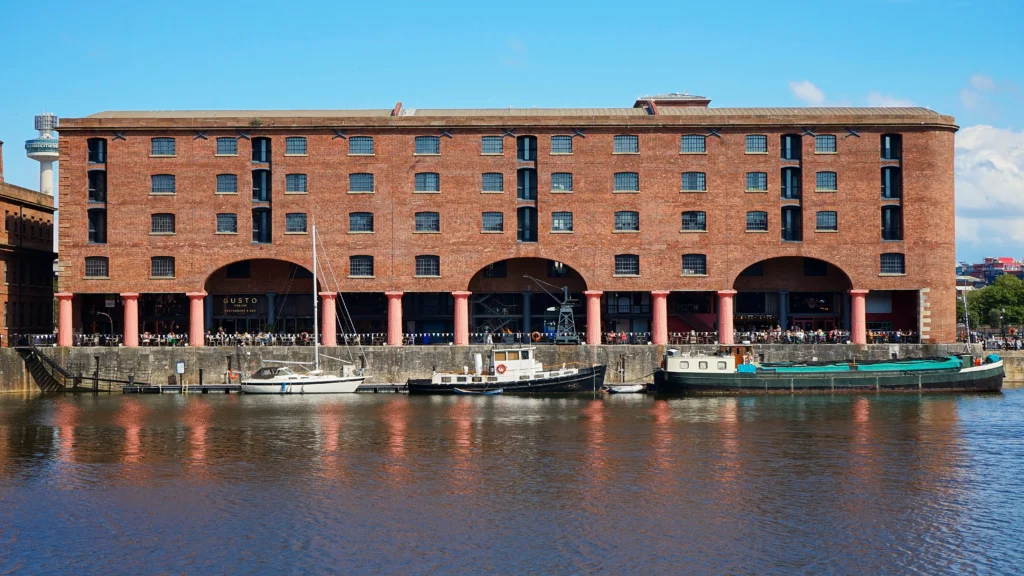
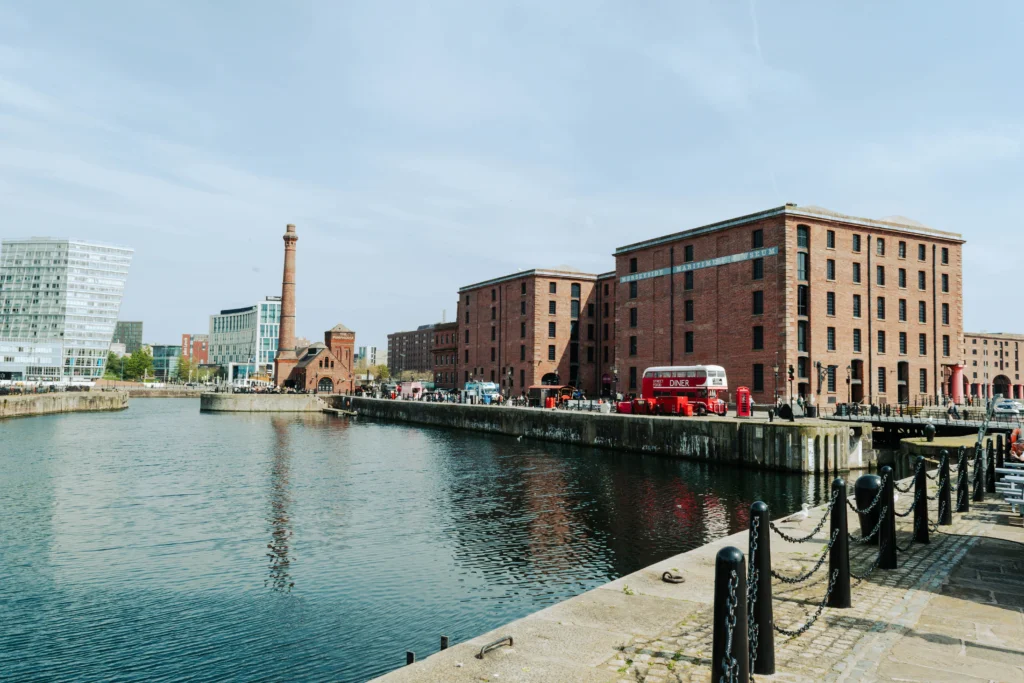
Today, the waterfront combines historic architecture with cultural attractions and open public spaces. The Royal Albert Dock is at the heart of this heritage, offering visitors a chance to explore museums, galleries, restaurants, and waterfront views in one of the city’s most atmospheric areas.
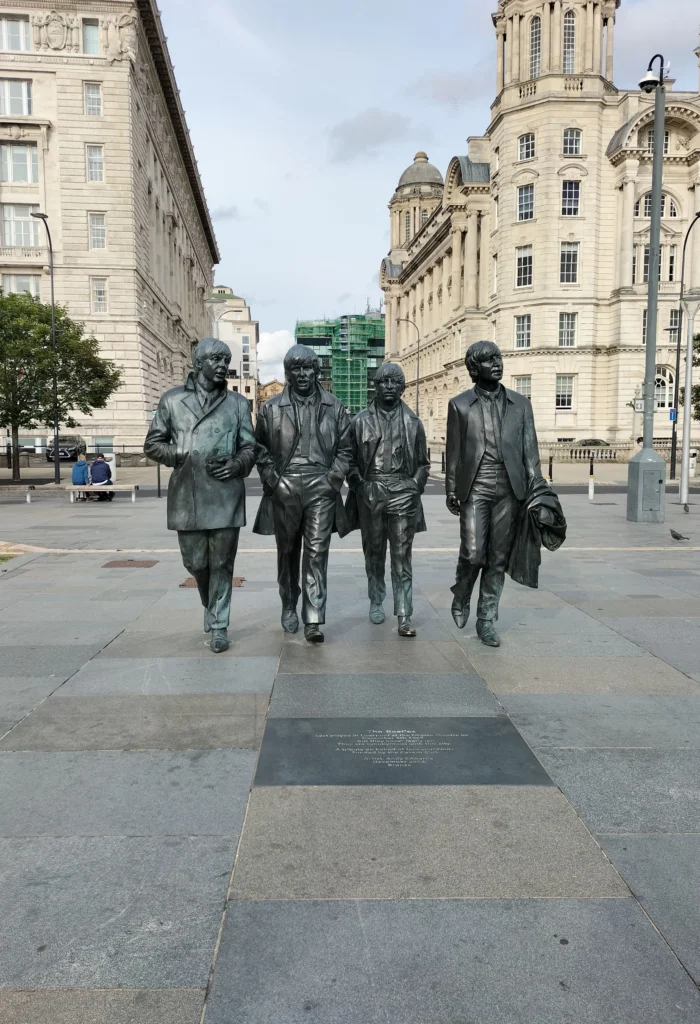
Liverpool’s cultural influence extends far beyond its maritime history. The city is famous around the world for its music heritage, particularly its connection with The Beatles.
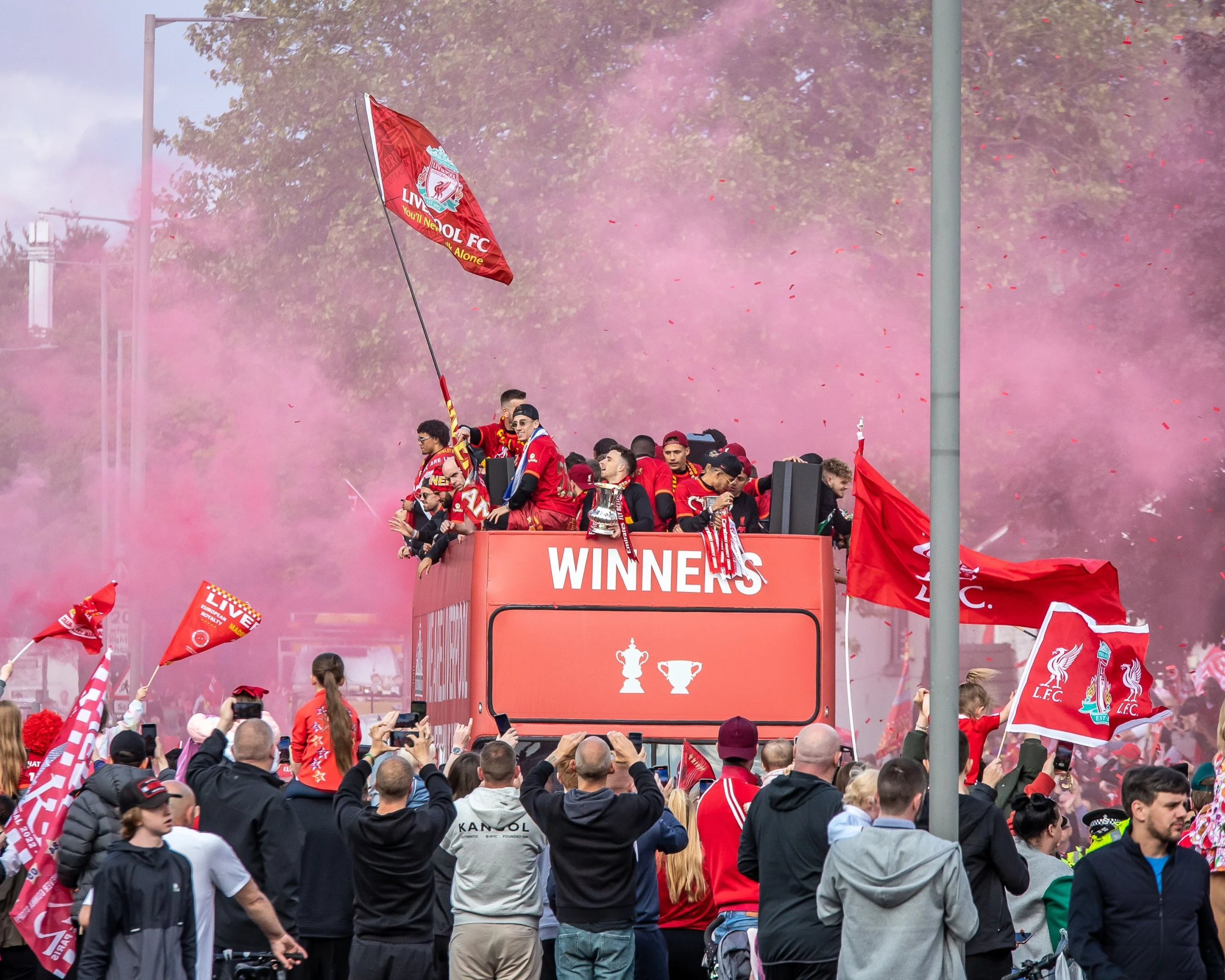
Football is another essential part of Liverpool’s identity, with Anfield and Goodison Park representing a long-standing sporting tradition. Alongside music and football, the city has a thriving arts scene, impressive museums, and a lively programme of cultural events.
Liverpool’s neighbourhoods and landmarks each reveal a different side of the city. From its historic waterfront and cultural quarters to creative streets and iconic football districts, these are some of the most interesting places to visit in Liverpool.
Royal Albert Dock is one of Liverpool’s most recognizable waterfront areas and a natural starting point for exploring the city.
Liverpool city centre is filled with historic buildings, shopping streets, restaurants, cafés, and cultural attractions.Visitors can explore Liverpool ONE, admire the architecture around St George’s Quarter, or walk between some of the city’s most important landmarks
Liverpool’s connection with The Beatles is an important part of the city’s global identity. Around the city, visitors can discover locations associated with the band’s story and explore attractions dedicated to their music.
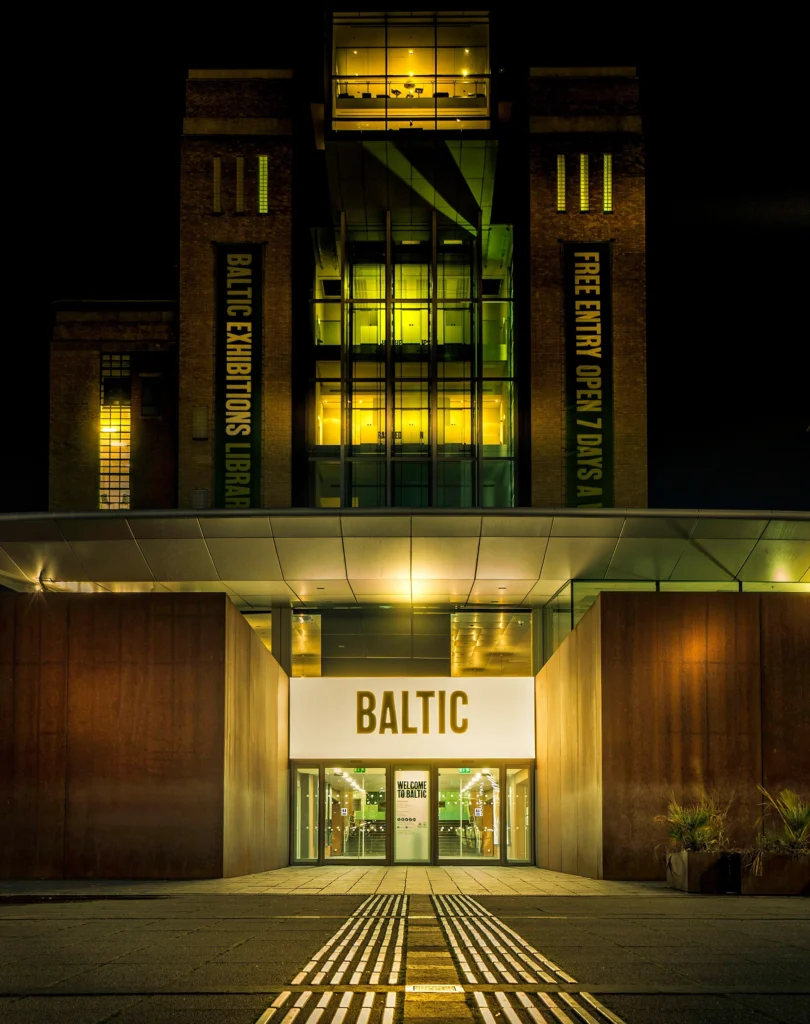
The Baltic Triangle is one of Liverpool’s most creative and energetic neighbourhoods. Former industrial buildings have been transformed into independent venues, restaurants, bars, studios, and cultural spaces.
The Cavern Quarter is closely connected with Liverpool’s music history and remains one of the liveliest areas in the city.
Visitors can discover the famous Cavern Club, enjoy live music, and explore the surrounding streets filled with bars, restaurants, and entertainment venues.
Anfield is home to Liverpool Football Club and an essential destination for football fans visiting the city.
Visitors can experience the atmosphere surrounding the stadium, take a stadium tour, or explore the club’s history. Even for those who are not attending a match, the area provides an insight into the passion that football inspires across Liverpool.
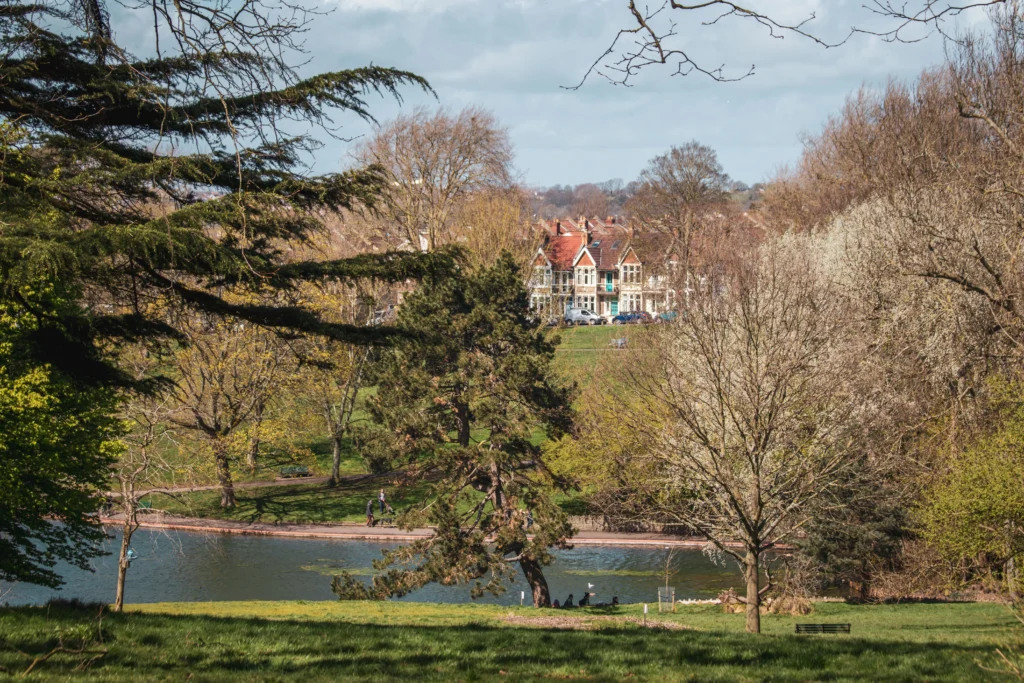
Sefton Park provides a peaceful escape from the busy city centre. The large landscaped park features open green spaces, walking routes, and the distinctive Palm House.
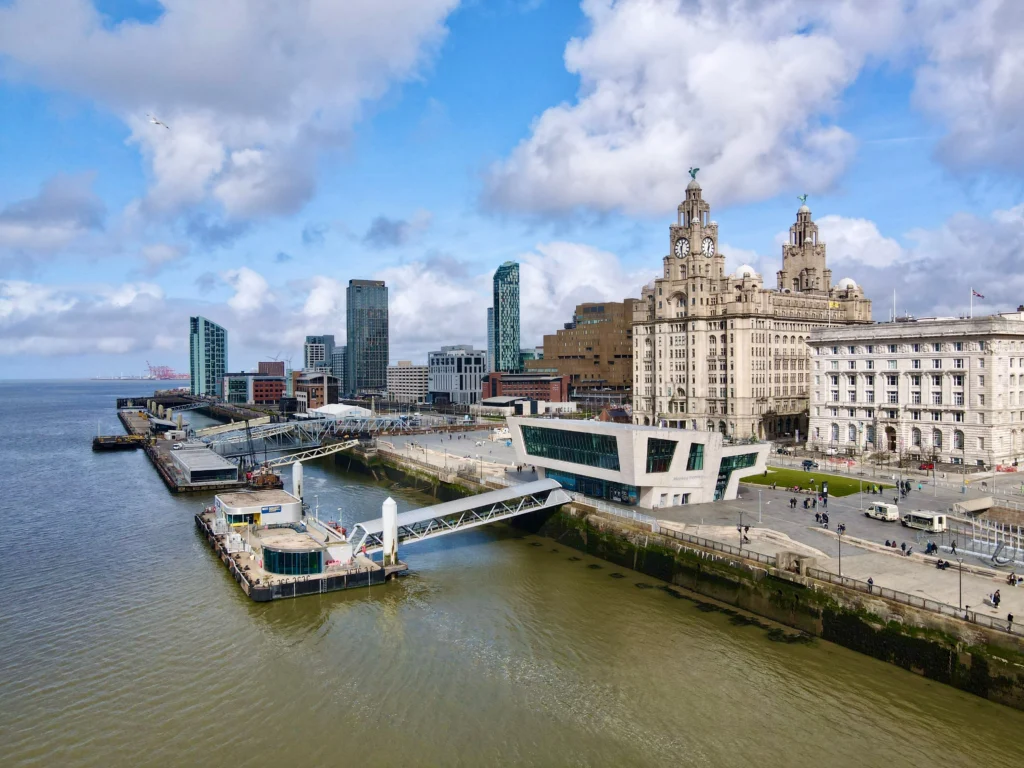
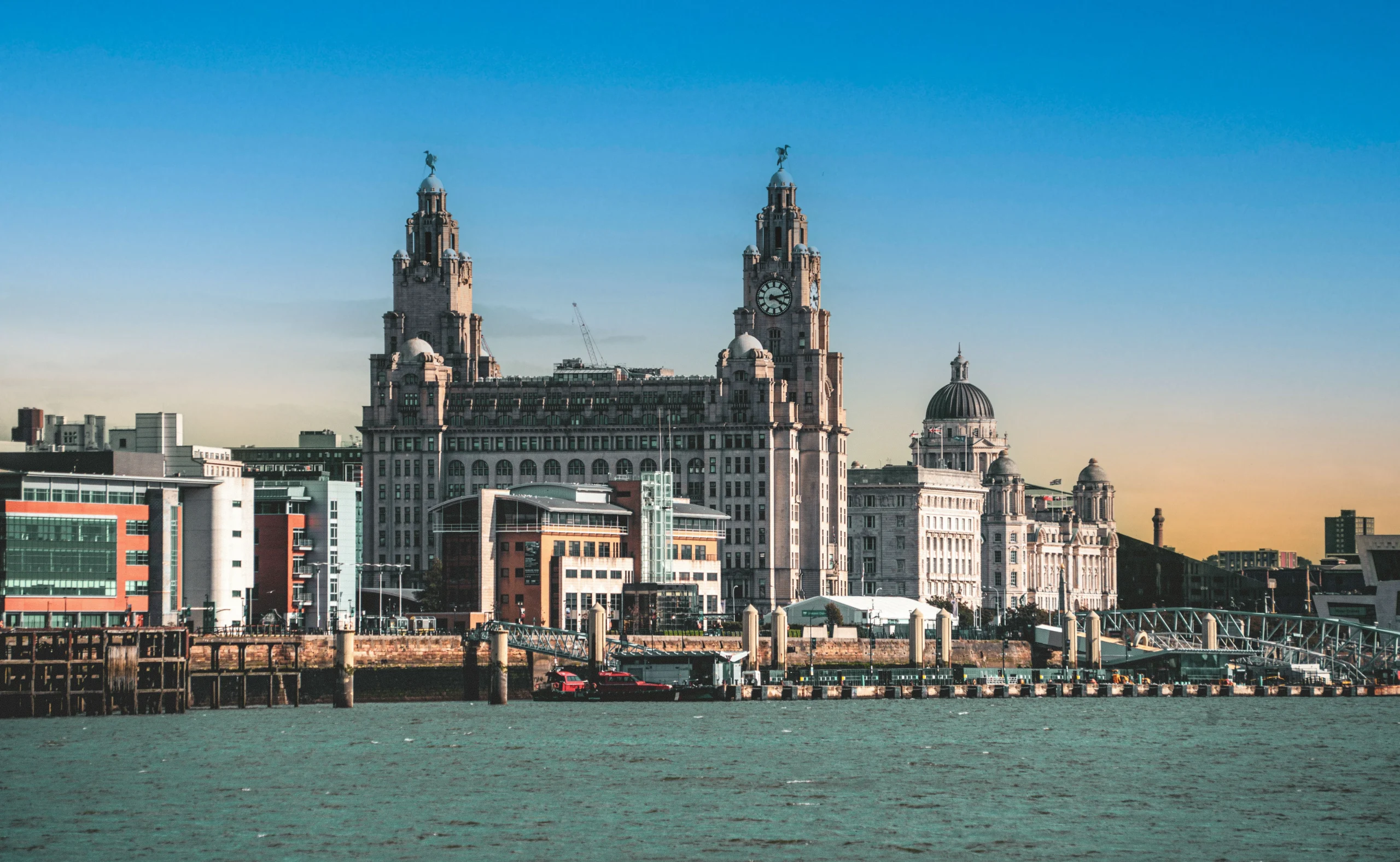
Liverpool’s waterfront stretches along the River Mersey and offers some of the city’s most memorable views.
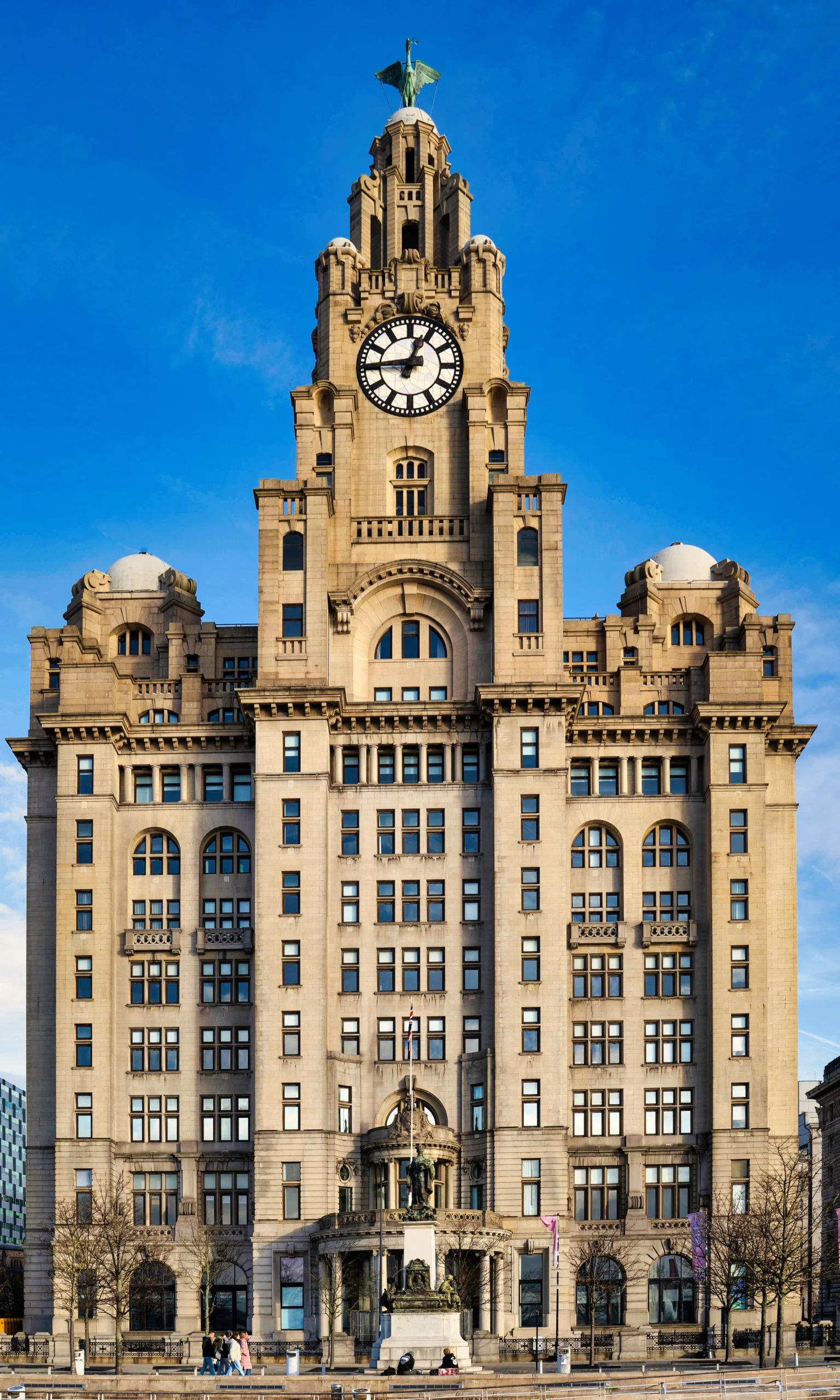
Visitors can walk beside the river, admire the Three Graces, explore nearby museums, or take a river cruise
Spring is an excellent time to explore Liverpool’s parks, waterfront, and outdoor spaces. As the days become longer, visitors can enjoy walks around Sefton Park, explore the city’s neighbourhoods, and discover seasonal cultural events.
Summer brings a lively atmosphere to the city, with longer days and plenty of opportunities to enjoy the waterfront. It is a great season for river cruises, outdoor events, walking tours, and exploring Liverpool’s many restaurants and cultural attractions
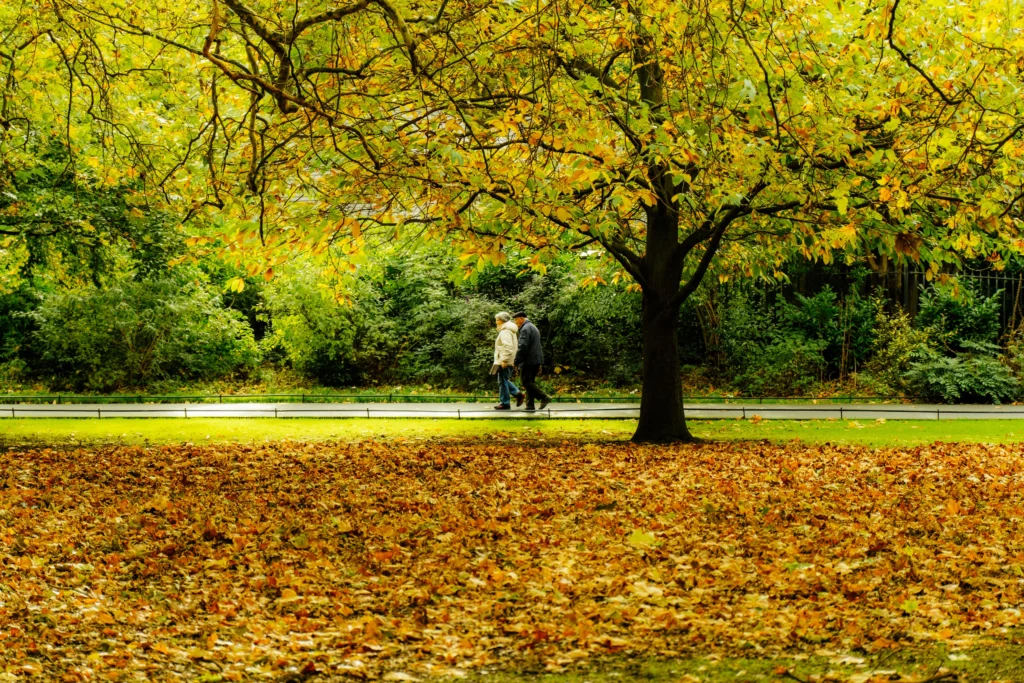
Autumn provides a comfortable time to explore the city’s museums, galleries, historic buildings, and music venues. The cooler weather also makes it an ideal season for discovering Liverpool’s cultural attractions and enjoying its food scene.
Winter gives Liverpool a festive atmosphere, with seasonal markets, Christmas events, illuminated streets, and winter entertainment. The city’s museums, galleries, shops, theaters, and restaurants also offer plenty of options when the weather is colder.

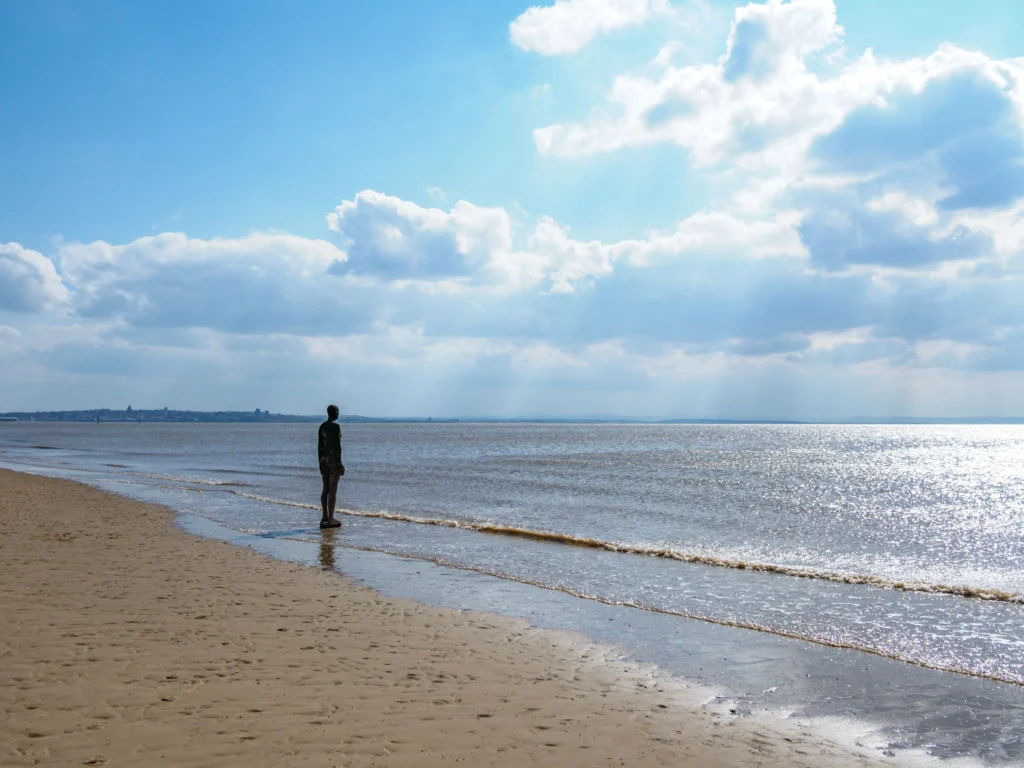
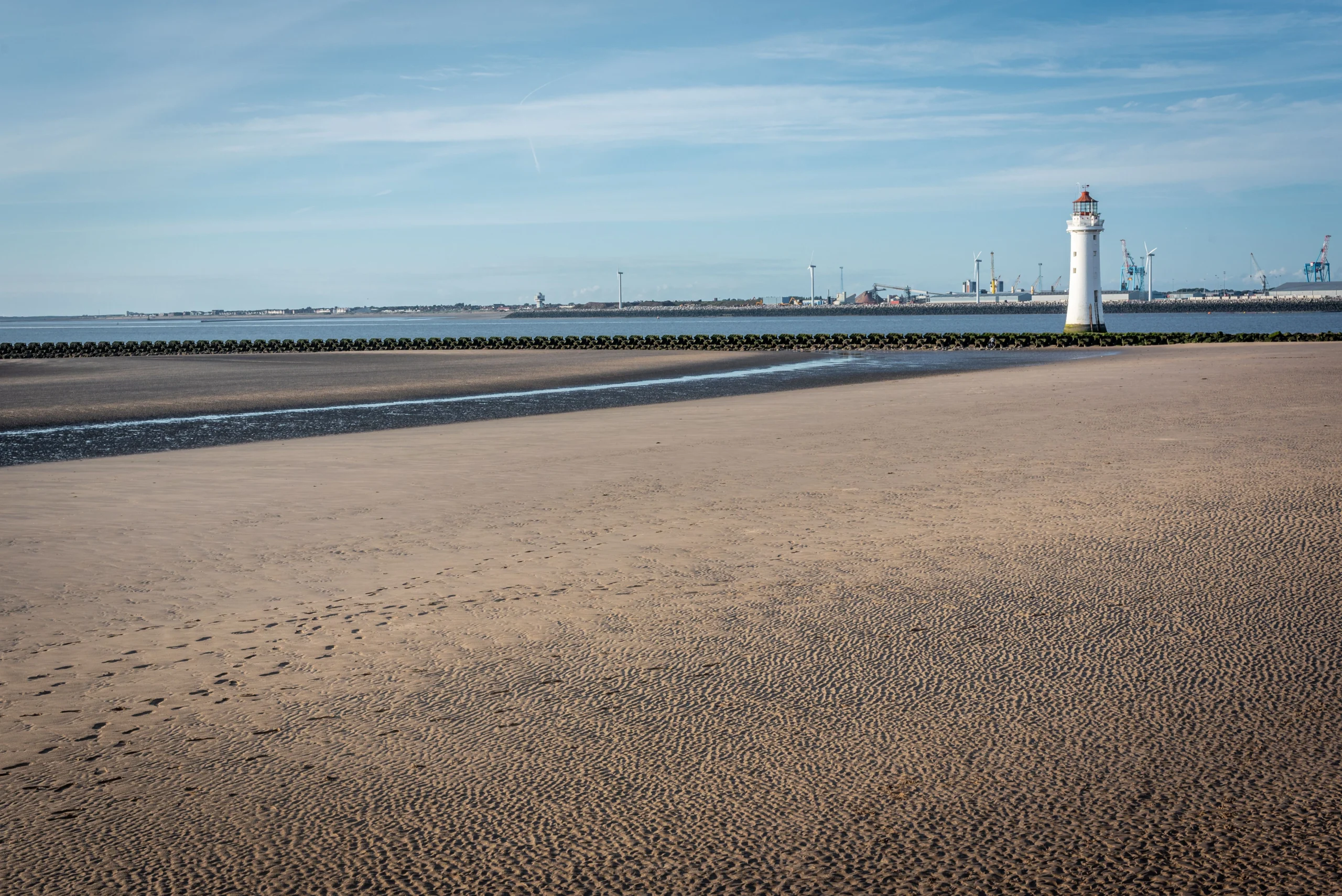
Across the River Mersey, the Wirral offers coastal walks, beaches, parks, and peaceful countryside. It provides an easy escape from the city's busy centre and can be reached by road or public transport.
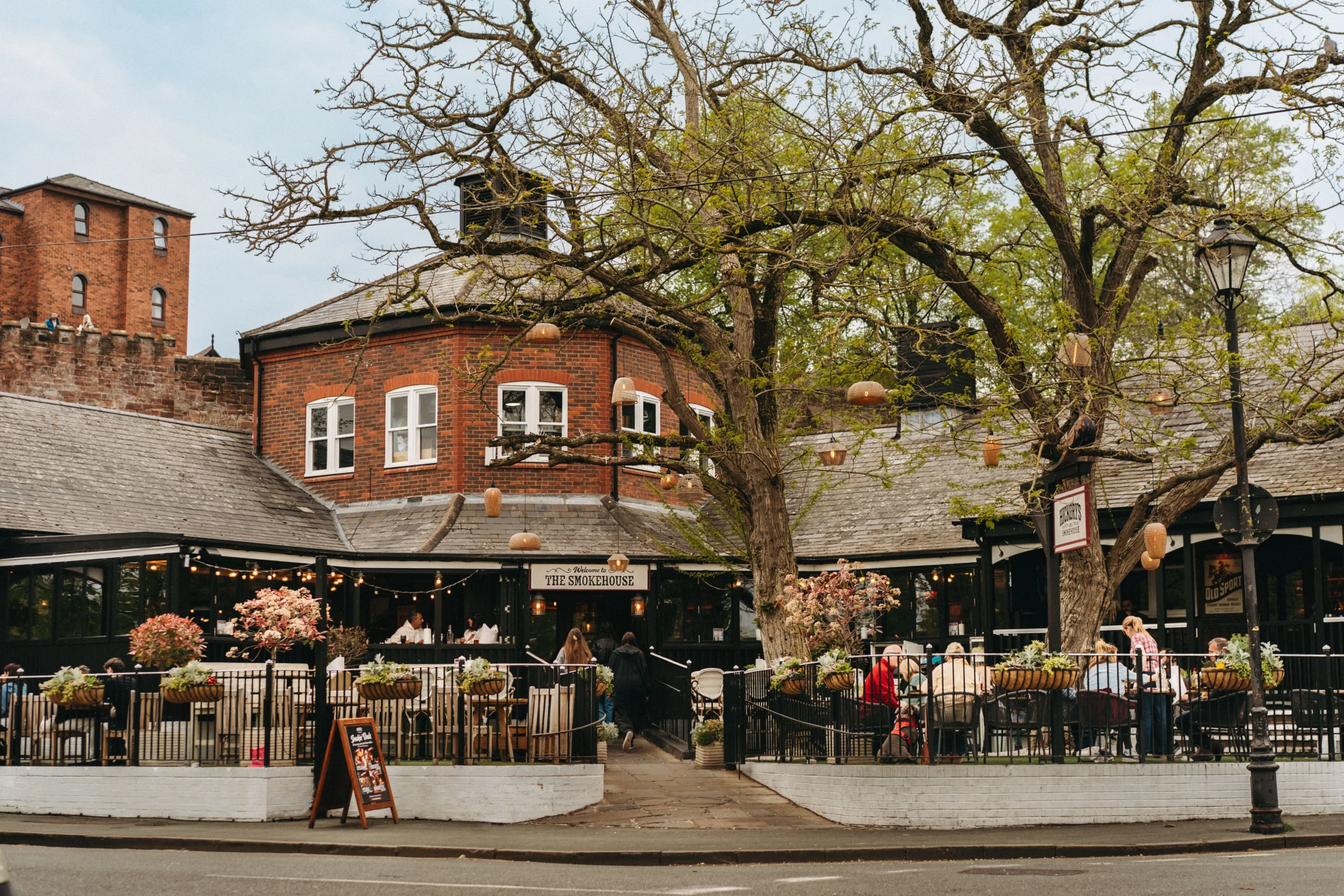
Chester is known for its Roman heritage, medieval architecture, historic city walls, and distinctive Rows shopping galleries. It is an excellent destination for visitors interested in history and traditional English architecture.
Southport is a classic seaside resort with a long promenade, sandy coastline, independent shops, and a relaxed atmosphere. It makes a pleasant coastal day trip from Liverpool.
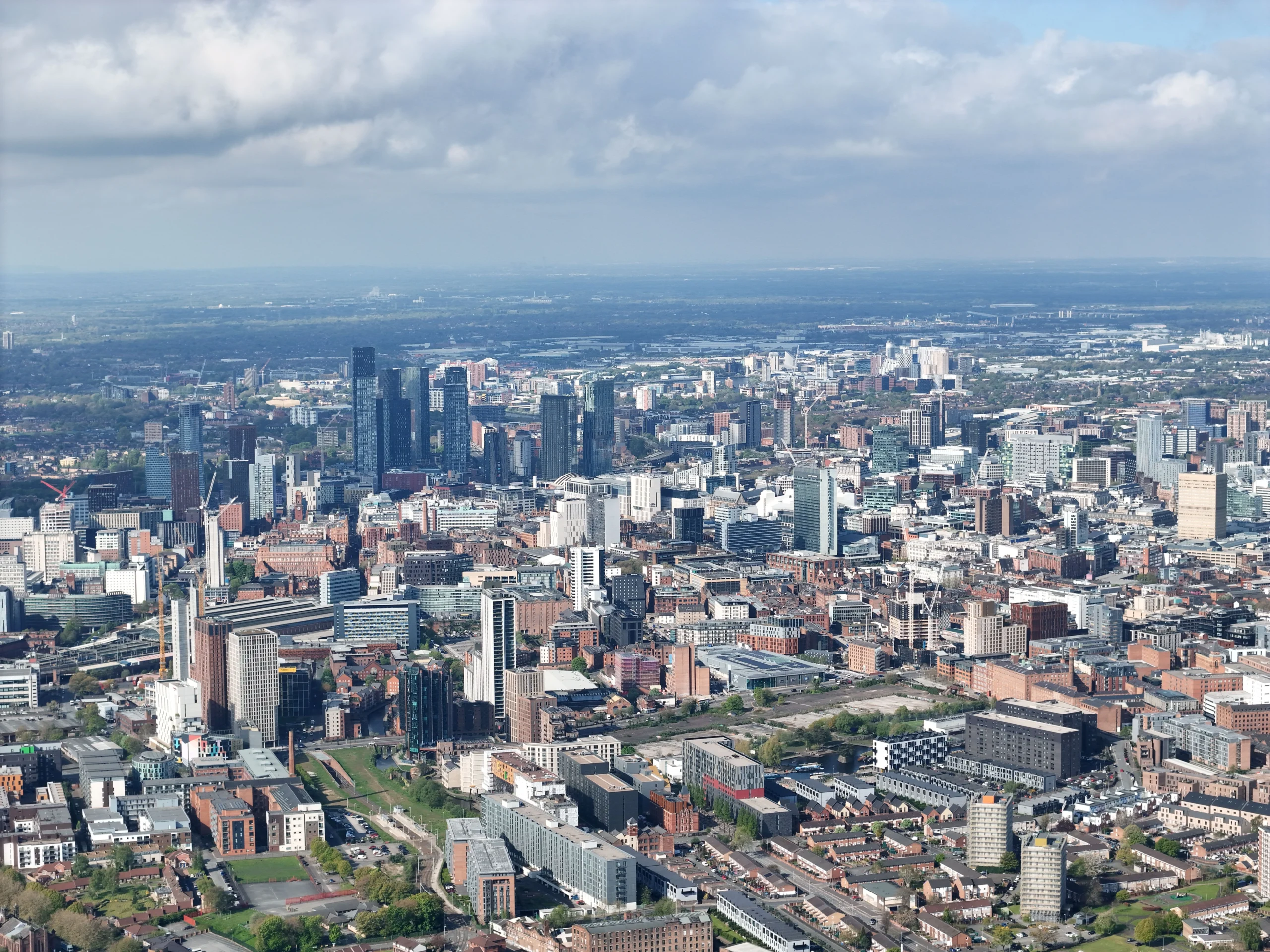
Manchester offers another fascinating northern city experience, with museums, music heritage, football culture, shopping, and lively neighbourhoods. Its convenient rail connections make it easy to combine with a Liverpool visit.
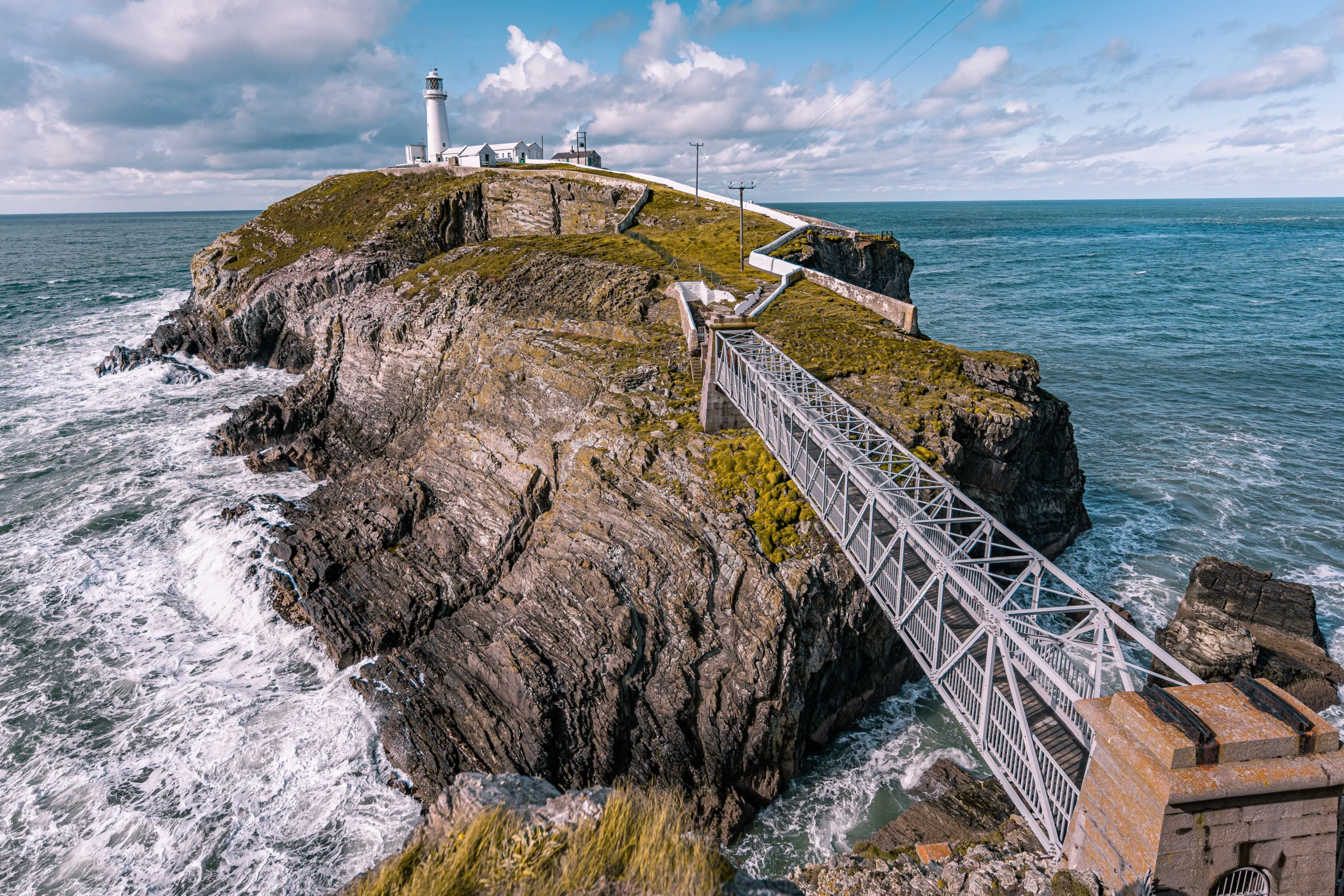
North Wales is within reach of Liverpool and offers dramatic mountains, castles, coastal scenery, and outdoor adventures. It is an excellent choice for travellers who want to experience landscapes beyond the city.
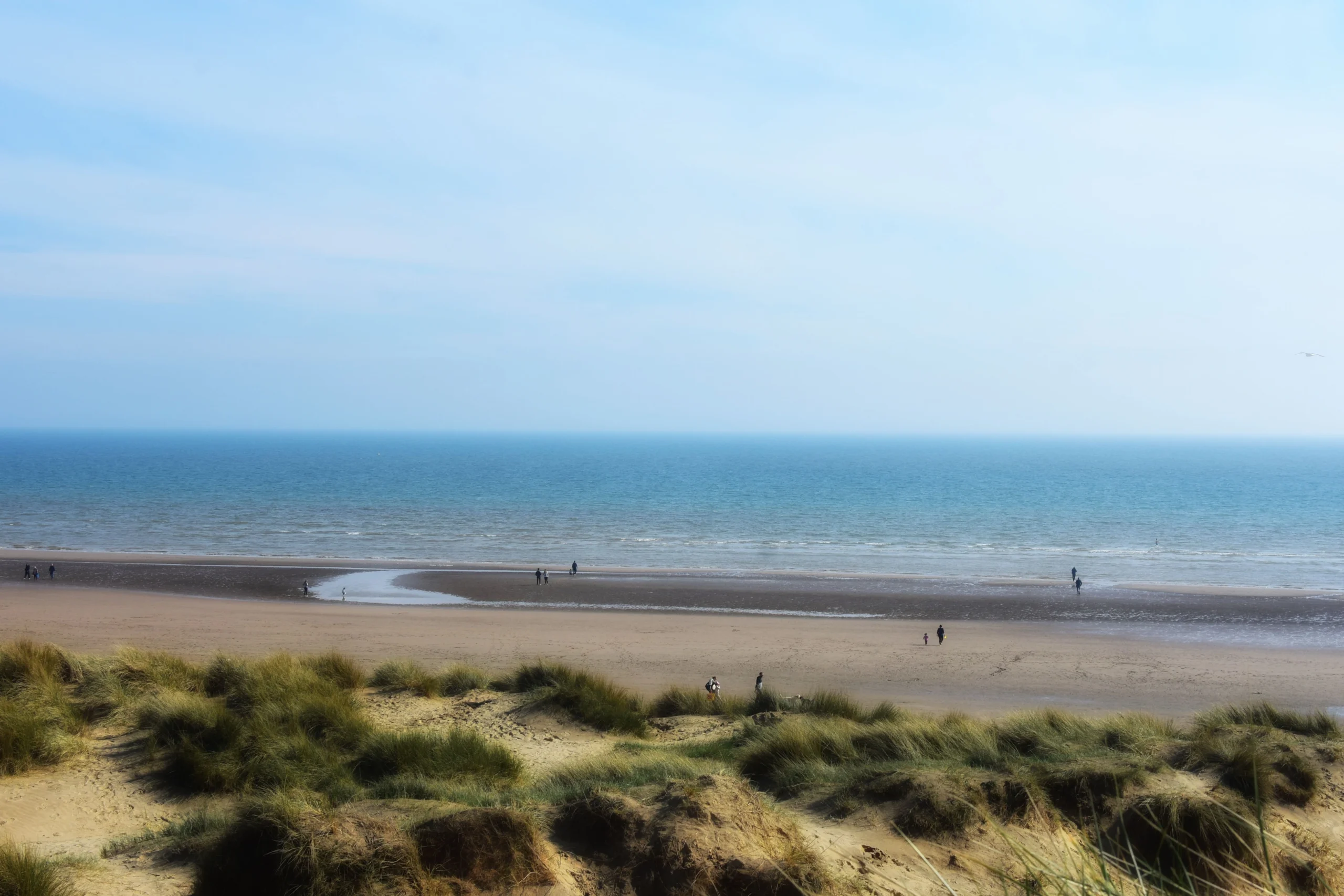
Formby is known for its sandy beach, pine woodlands, and coastal walking routes. The area is also famous for its red squirrel population and offers a peaceful natural escape close to Liverpool.
Liverpool is well connected to cities and regions across the UK by road, rail, and air. Liverpool Lime Street is the city’s main railway station, providing services to destinations across England and beyond.
Liverpool John Lennon Airport serves the wider region with domestic and international flights. The city can also be reached by road via major routes including the M62, M53, and M56.
Liverpool’s central attractions are relatively close together, making the city easy to explore without a car. Public transport provides additional connections to neighbourhoods and attractions further from the centre.
Mersey Ferries offer a memorable way to experience the city from the water. A river journey provides excellent views of the waterfront and the River Mersey while offering a different perspective of Liverpool.
An extensive bus network connects Liverpool city centre with neighbourhoods and nearby destinations. Buses are particularly useful for reaching areas outside the central tourist district.
Liverpool Lime Street is the main station for national rail services, while local rail connections provide access to destinations across Merseyside and the surrounding region.
Liverpool is a city with a remarkable story and an unmistakable identity. Its historic waterfront, maritime past, musical heritage, football culture, and creative neighborhoods have helped establish it as one of England’s most distinctive destinations.
For visitors searching for the best things to do in Liverpool, there is an impressive range of experiences to choose from. You can explore the Royal Albert Dock, discover the story of The Beatles, visit museums and galleries, experience the atmosphere of Anfield, or simply wander through the city’s historic streets.
Whether you’re planning a weekend break or a longer stay, the best places to visit in Liverpool reveal a destination that is welcoming, energetic, and full of character. With so many Liverpool attractions to discover and destinations such as Chester, the Wirral, and North Wales within easy reach, Liverpool also makes an excellent base for exploring the wider region
Some of the best things to do in Liverpool include exploring the Royal Albert Dock, discovering The Beatles’ musical heritage, visiting the city’s museums and galleries, taking a Mersey River cruise, exploring the Cavern Quarter, and experiencing Liverpool’s football culture.
The best places to visit in Liverpool include Royal Albert Dock, Liverpool city centre, the Beatles Quarter, the Baltic Triangle, the Cavern Quarter, Anfield, Sefton Park, and the city’s historic waterfront.
Popular Liverpool attractions include Royal Albert Dock, The Beatles Story, the Cavern Club, the Museum of Liverpool, the World Museum, the Walker Art Gallery, Liverpool Cathedral, and the waterfront’s historic Three Graces.
Yes, Liverpool is well worth visiting for its music heritage, maritime history, football culture, museums, galleries, architecture, shopping, and lively food and entertainment scene. Its compact centre also makes many attractions easy to explore during a short city break.
Two to three days is a good amount of time to experience many of Liverpool’s main attractions and neighborhoods. A longer stay allows you to explore nearby destinations such as Chester, Formby, the Wirral, and North Wales.