
Harry Potter Filming Locations in London

The Harry Potter films were shot in locations across England, Scotland and Wales, with London serving as one of the most recognisable settings.

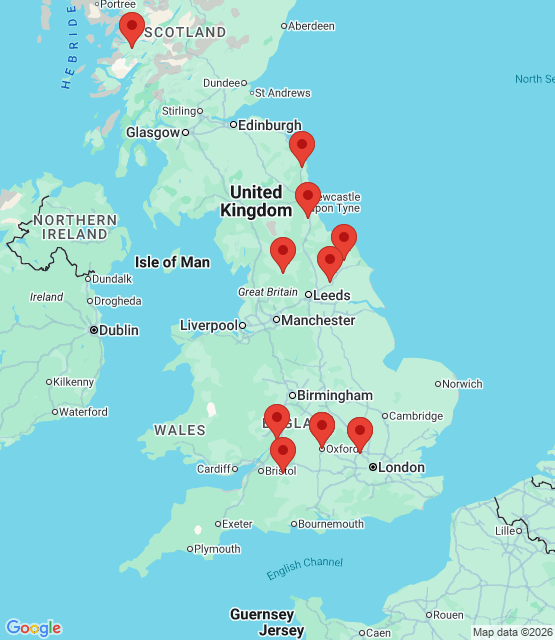
A map of Harry Potter filming locations can help you understand where the major sites are located and plan your journey more efficiently. Some attractions are close enough to visit on the same day, while others are spread across the country and are better suited to a longer road trip or rail journey.

The main areas to explore include:

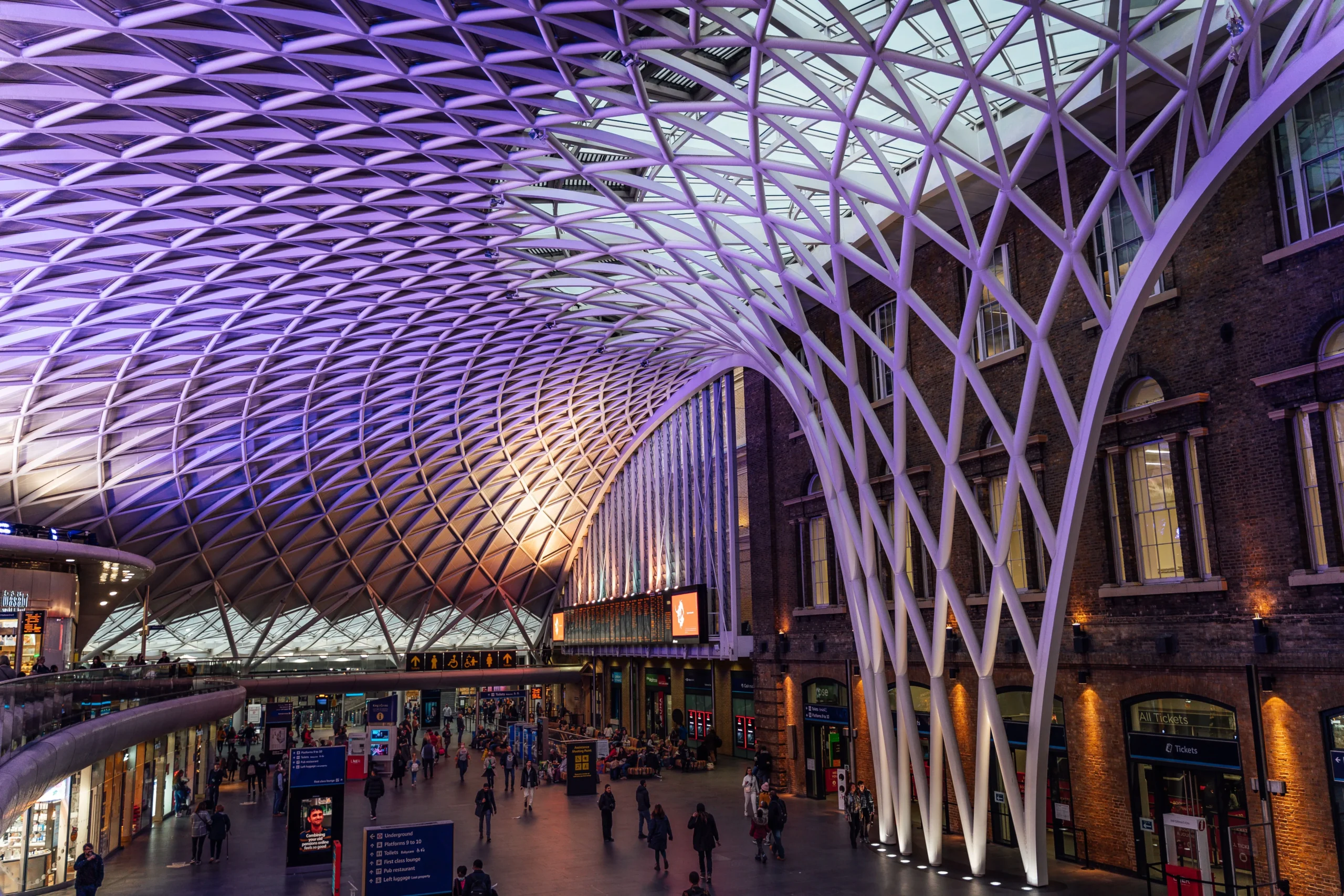
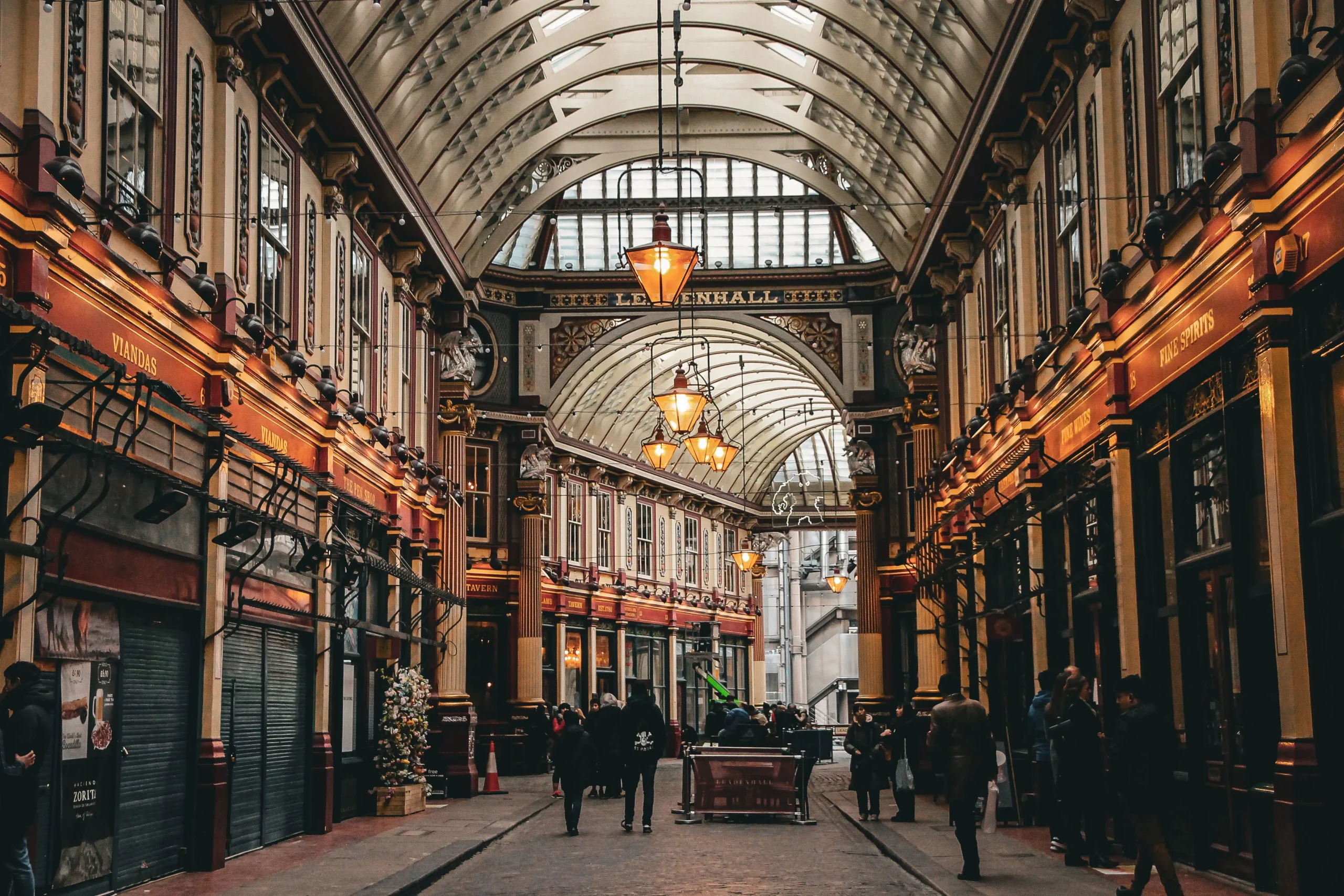
  • London: King’s Cross, Leadenhall Market, London Zoo and other recognisable city locations
  • Oxford: Historic university buildings used to create the atmosphere of Hogwarts
  • Northern England: Castles, cathedrals and railway locations featured throughout the films
  • Scotland: The Highlands, Glenfinnan and landscapes associated with the Hogwarts Express
  • Wales: Coastal scenery and locations connected with Harry Potter and the Deathly Hallows

If you are planning a Harry Potter-themed trip, start by choosing the locations you most want to see.

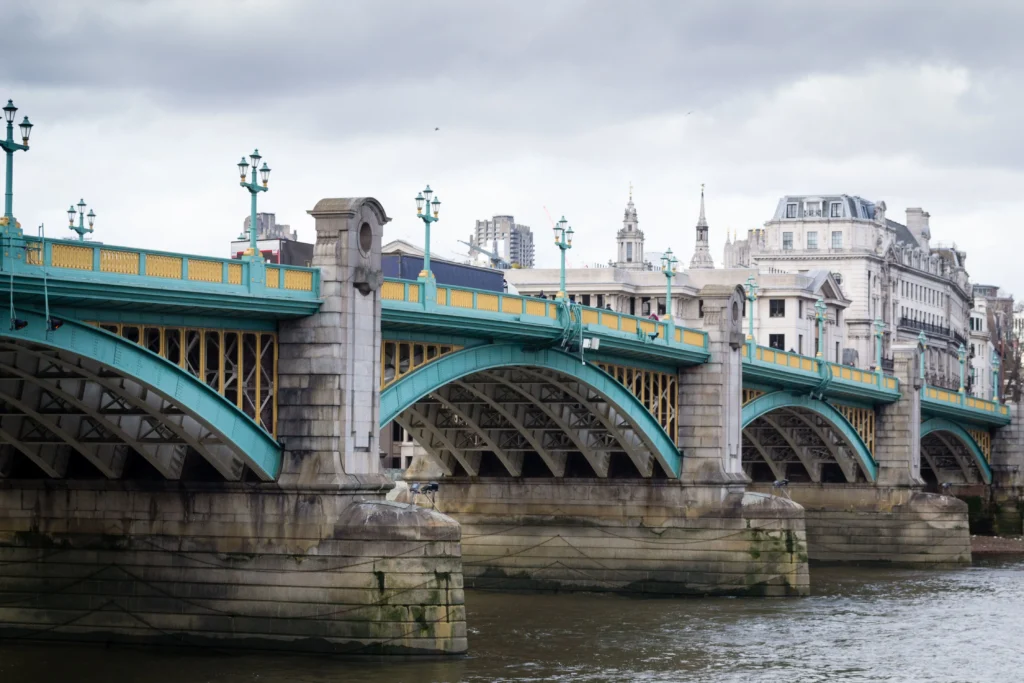
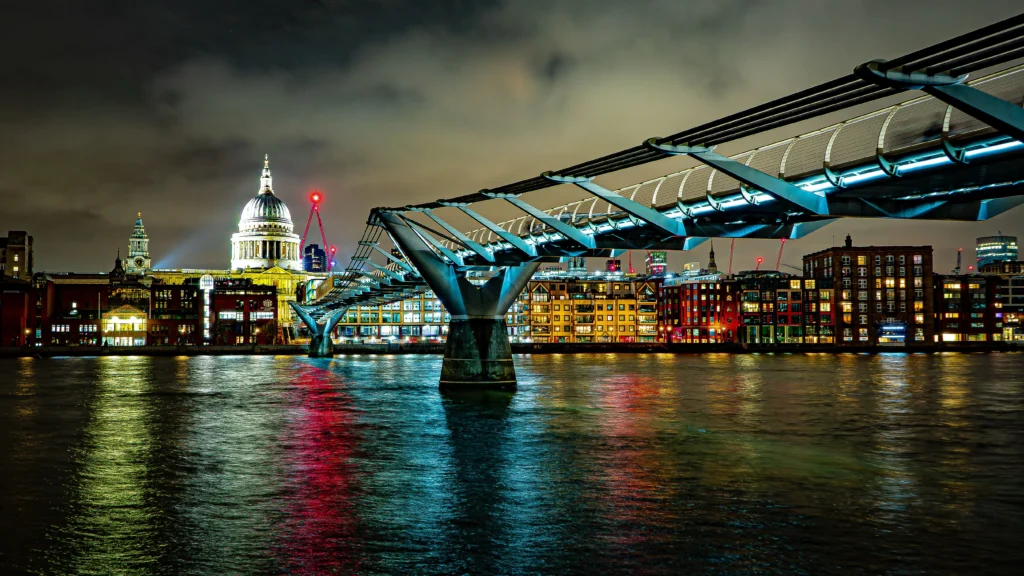
Harry Potter Filming Locations in London

Harry Potter Filming Locations in England

Beyond London, some of the most important Harry Potter filming locations can be found throughout England.

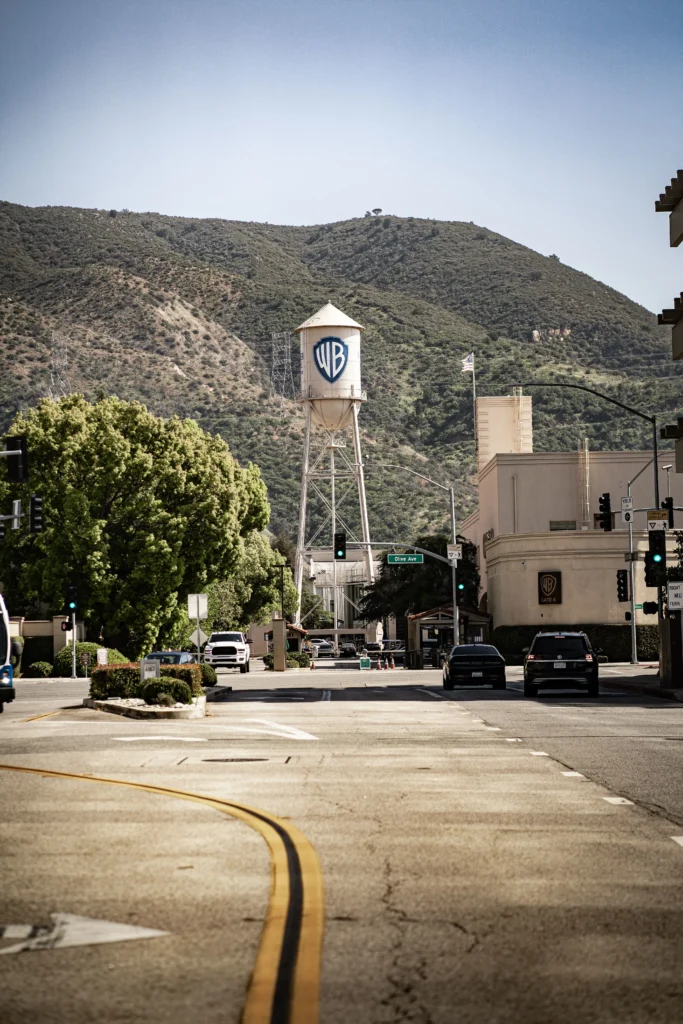
Warner Bros. Studio Tour London

Located near London, the attraction provides an opportunity to explore original sets, props, costumes and production details from the film series. Visitors can see how the filmmakers created locations such as the Great Hall and explore sets and objects that helped bring the stories to life.

Alnwick Castle

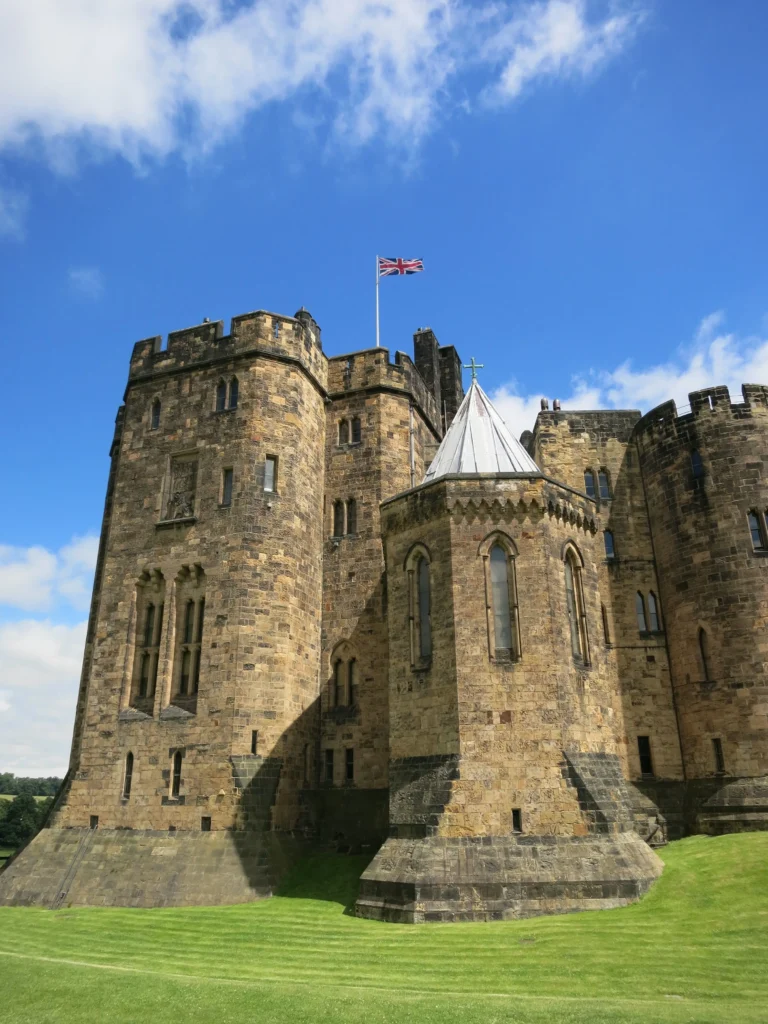
Alnwick Castle in Northumberland is one of the most recognisable castle locations connected with the Harry Potter films.The castle grounds were used for Hogwarts-related scenes, including flying lessons in Harry Potter and the Philosopher’s Stone and Harry Potter and the Chamber of Secrets.

Alnwick Castle

Durham Cathedral

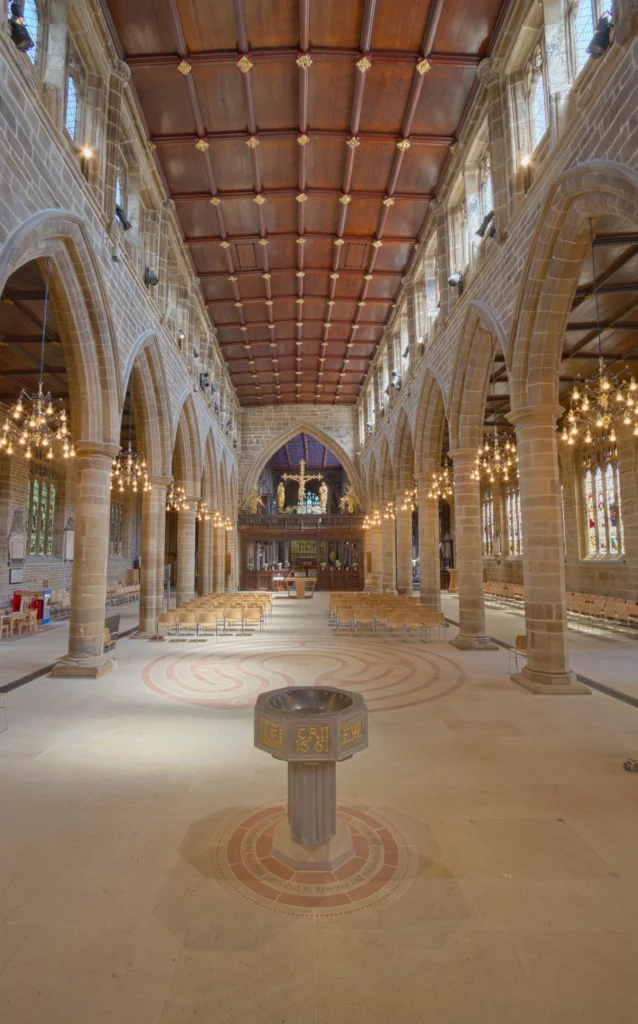
Durham Cathedral played an important role in creating the interior world of Hogwarts. Its historic architecture appears in several scenes across the series, helping create the atmosphere of the magical school. The cathedral’s medieval design and distinctive stonework make it one of the most memorable real buildings associated with Hogwarts.

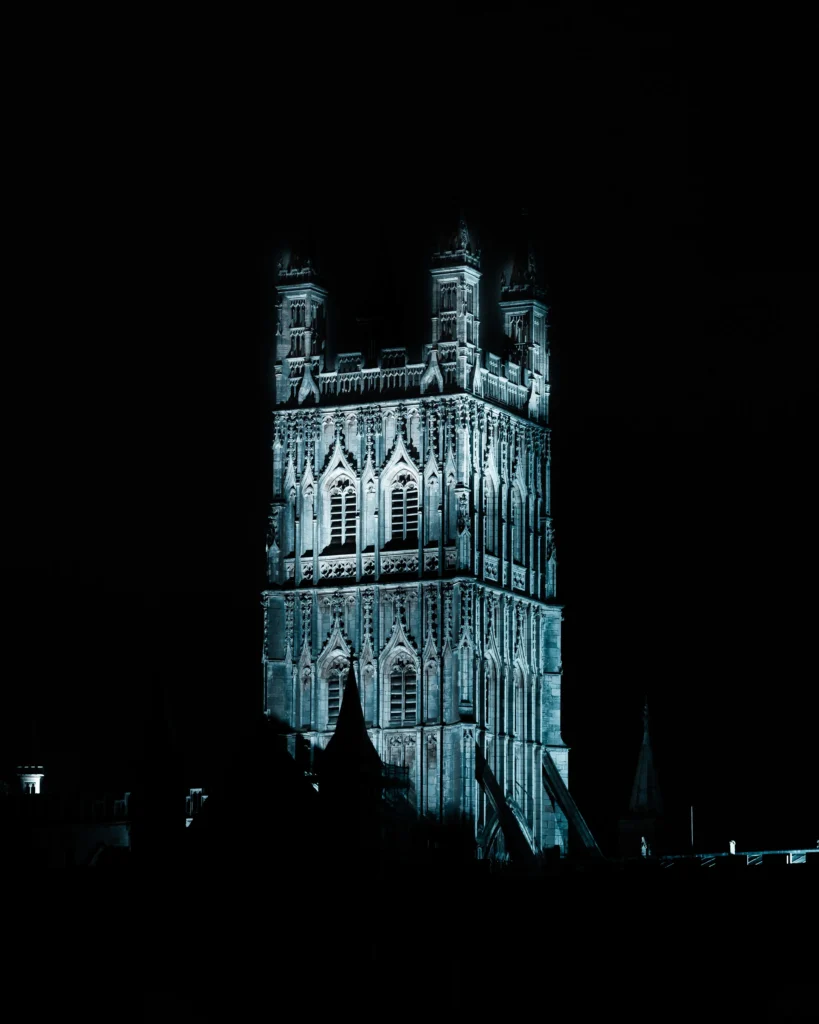
Gloucester Cathedral

Gloucester Cathedral provided another important Hogwarts filming location. The cathedral’s cloisters were used as corridors within Hogwarts, with the distinctive medieval architecture appearing in several films

gloucester cathedral

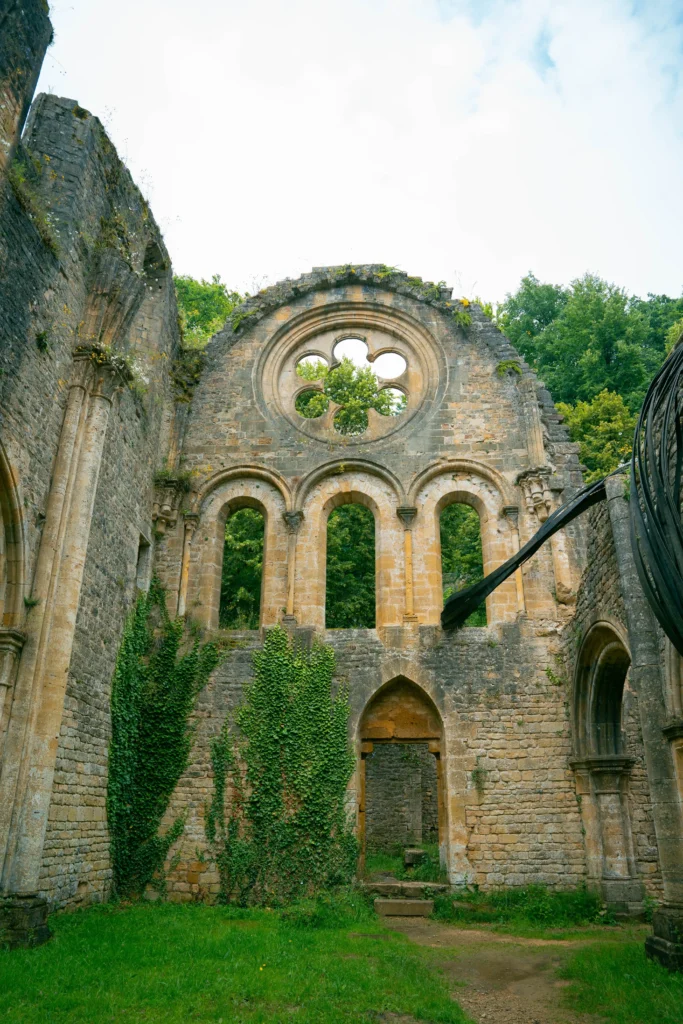
Lacock Abbey

Lacock Abbey in Wiltshire was used for several Hogwarts scenes. The historic abbey’s medieval rooms and architecture helped create the magical atmosphere of Hogwarts. Its connection to the films makes it a popular destination for fans exploring filming locations beyond London.

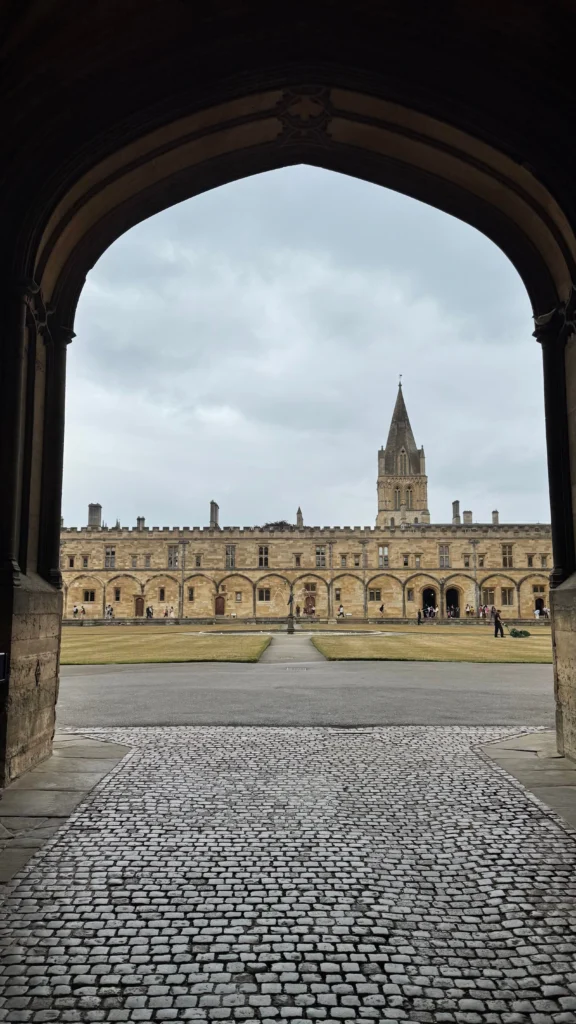
Christ Church College

Christ Church is closely associated with the visual identity of Hogwarts. The college’s Great Hall is often mentioned in connection with the Hogwarts dining hall. While the film’s Great Hall was recreated on a studio set, the architecture of Christ Church helped inspire its design.

Christ Church College

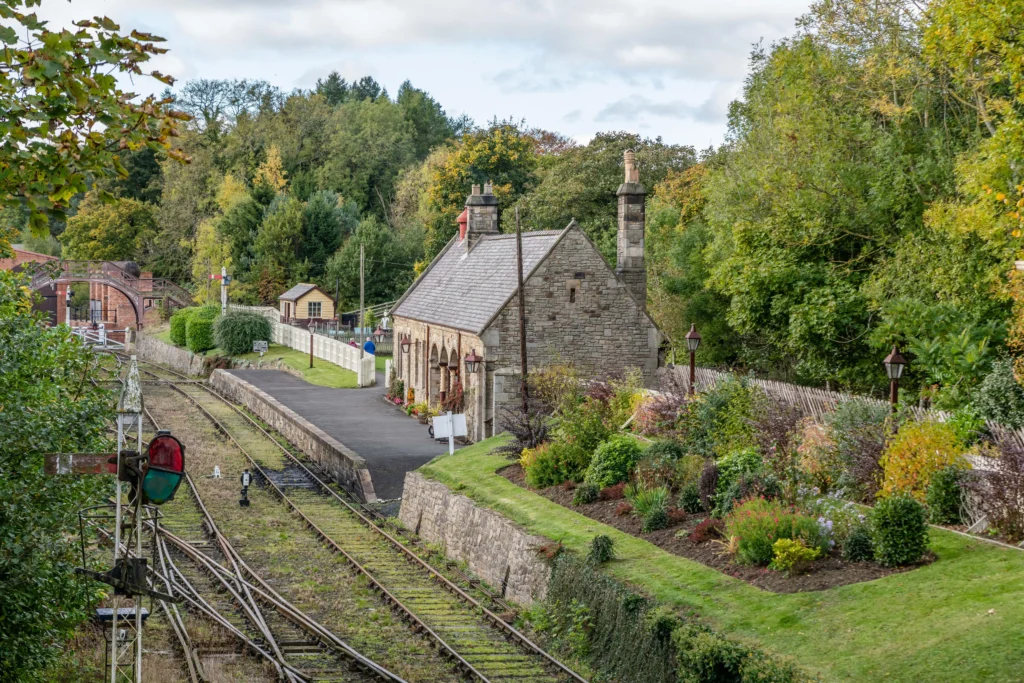
Goathland Railway Station

Goathland Railway Station in North Yorkshire was transformed into Hogsmeade Station for the Harry Potter films. The station appeared in Harry Potter and the Philosopher’s Stone as the place where students arrive near Hogwarts.

Goathland Railway Station

Malham Cove

The dramatic limestone landscape of Malham Cove in Yorkshire was used in Harry Potter and the Deathly Hallows. The location appears during Harry, Ron and Hermione’s journey as they travel away from Hogwarts.

Harry Potter Filming Locations in Scotland

Glenfinnan Viaduct

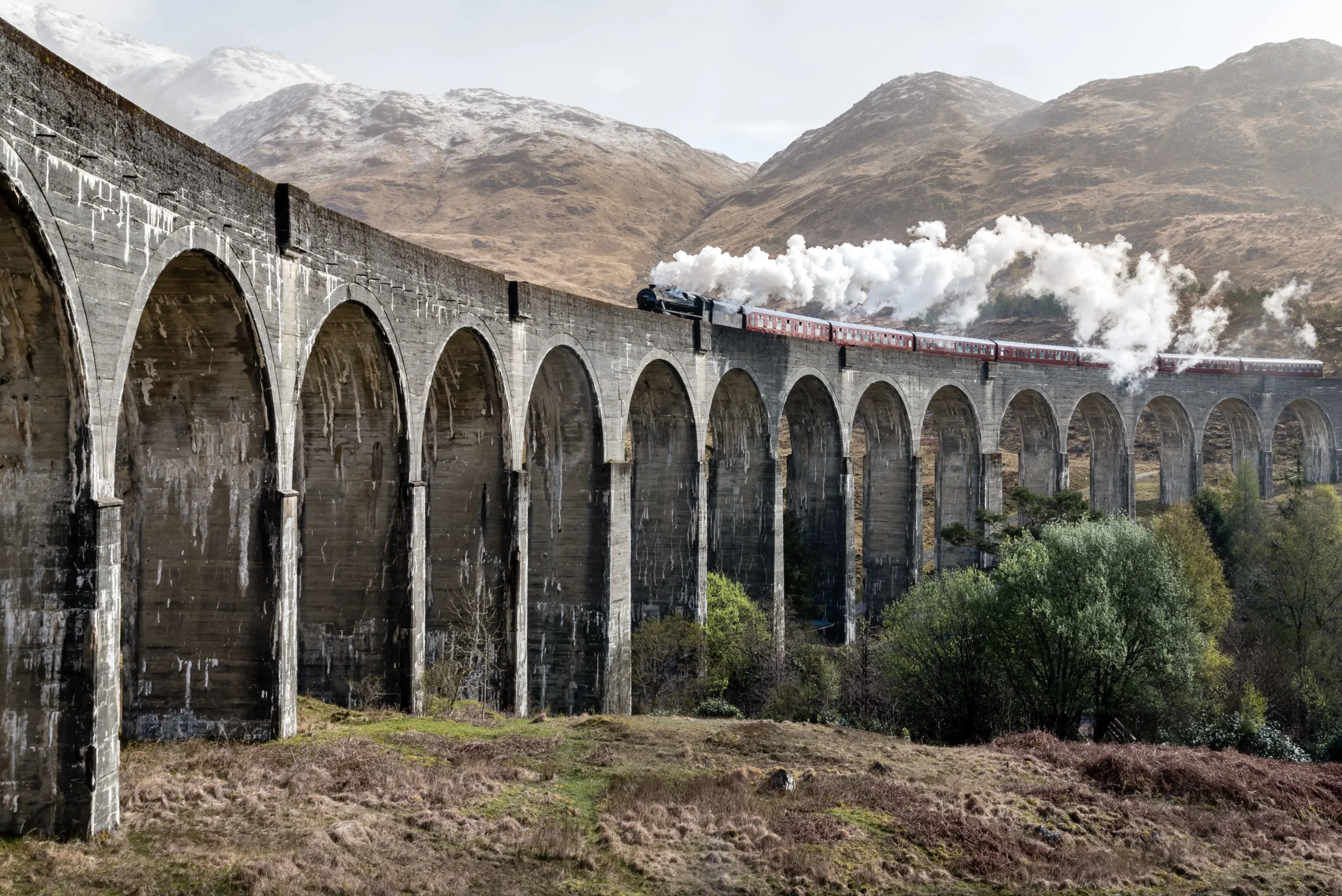
The Glenfinnan Viaduct is arguably one of the most famous Harry Potter filming locations in Scotland. The railway viaduct appears in scenes featuring the Hogwarts Express as it travels through the Highlands towards Hogwarts. Its curved structure surrounded by dramatic mountain scenery has become an iconic image for fans around the world.
Glenfinnan Station

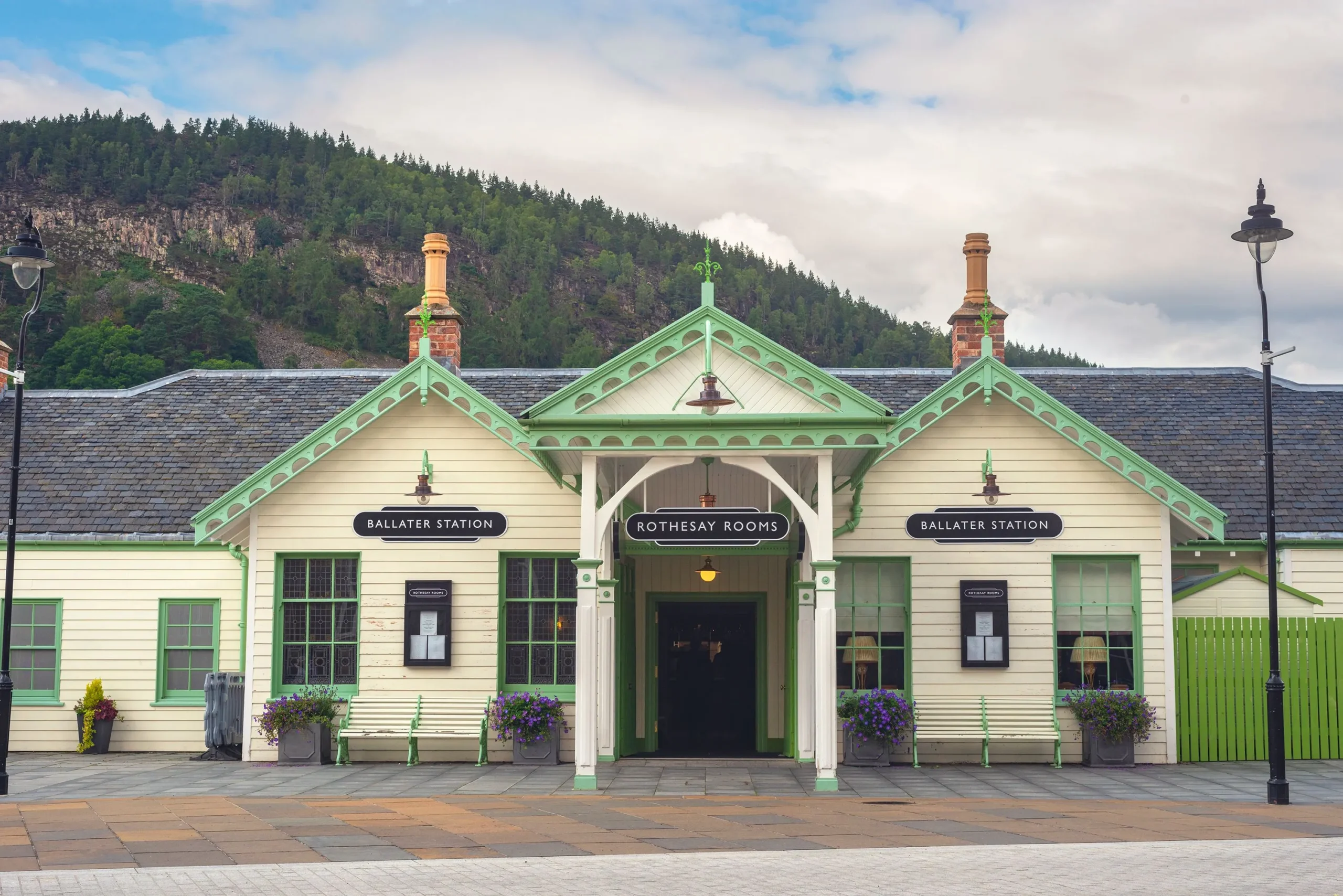
Glenfinnan Station is another important stop for Harry Potter fans exploring the area. The station sits within a spectacular Highland landscape and is connected to the railway journey featured in the films. Visitors can combine a trip to the station with the nearby viaduct and Glenfinnan Monument, making the area an excellent destination for a full day of sightseein
Loch Shiel

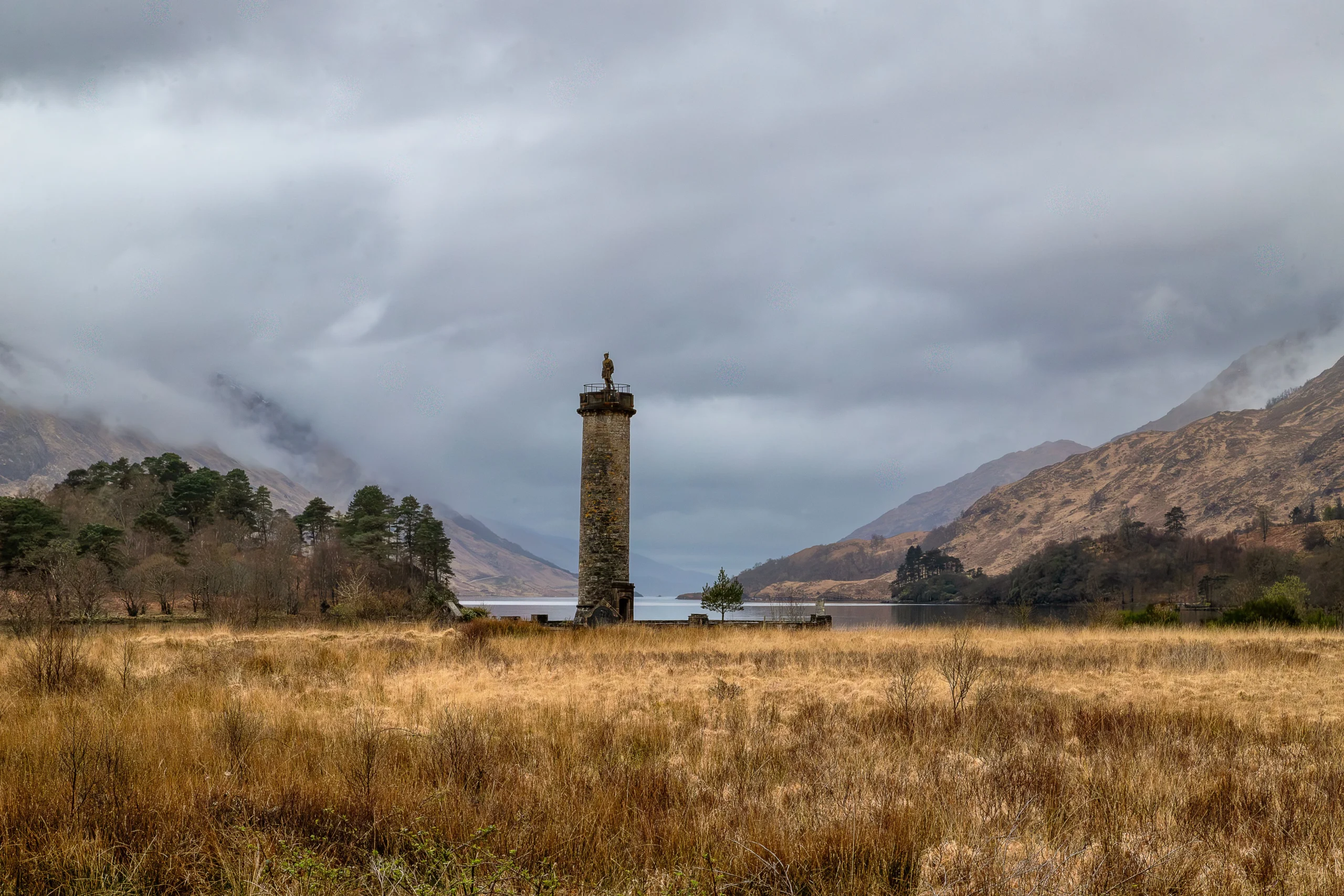
The scenery around Loch Shiel contributes to the wider landscape associated with Hogwarts and the Scottish Highlands. The loch's dramatic surroundings provide the kind of remote, atmospheric setting that helped define the visual identity of the Wizarding World.
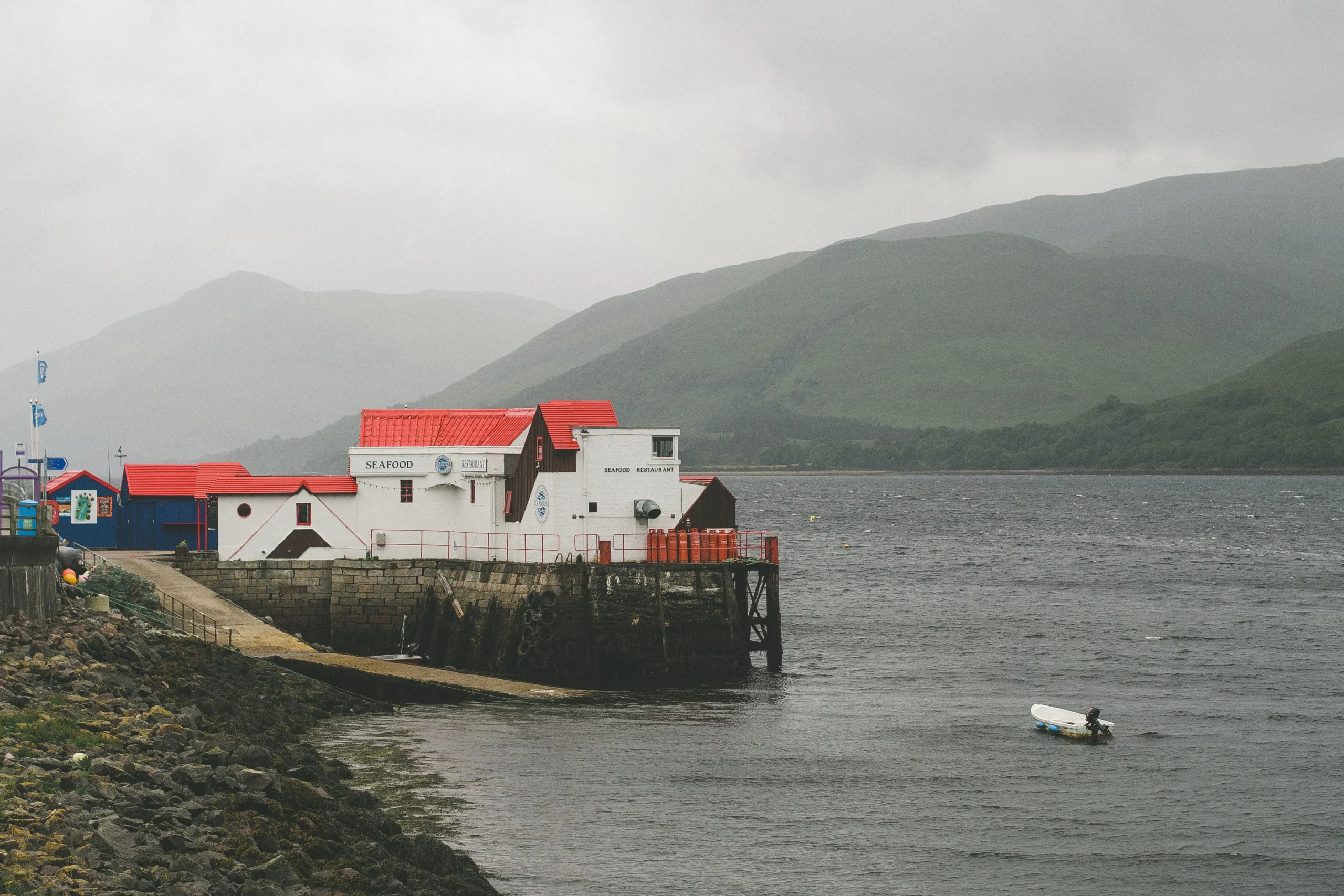
Fort William

Fort William is an excellent base for exploring several Harry Potter-related locations in the Scottish Highlands. Its location near Ben Nevis and the Glenfinnan area makes it a practical starting point for visitors planning to explore the landscapes associated with the films. The town can also serve as part of a wider Highland itinerary.
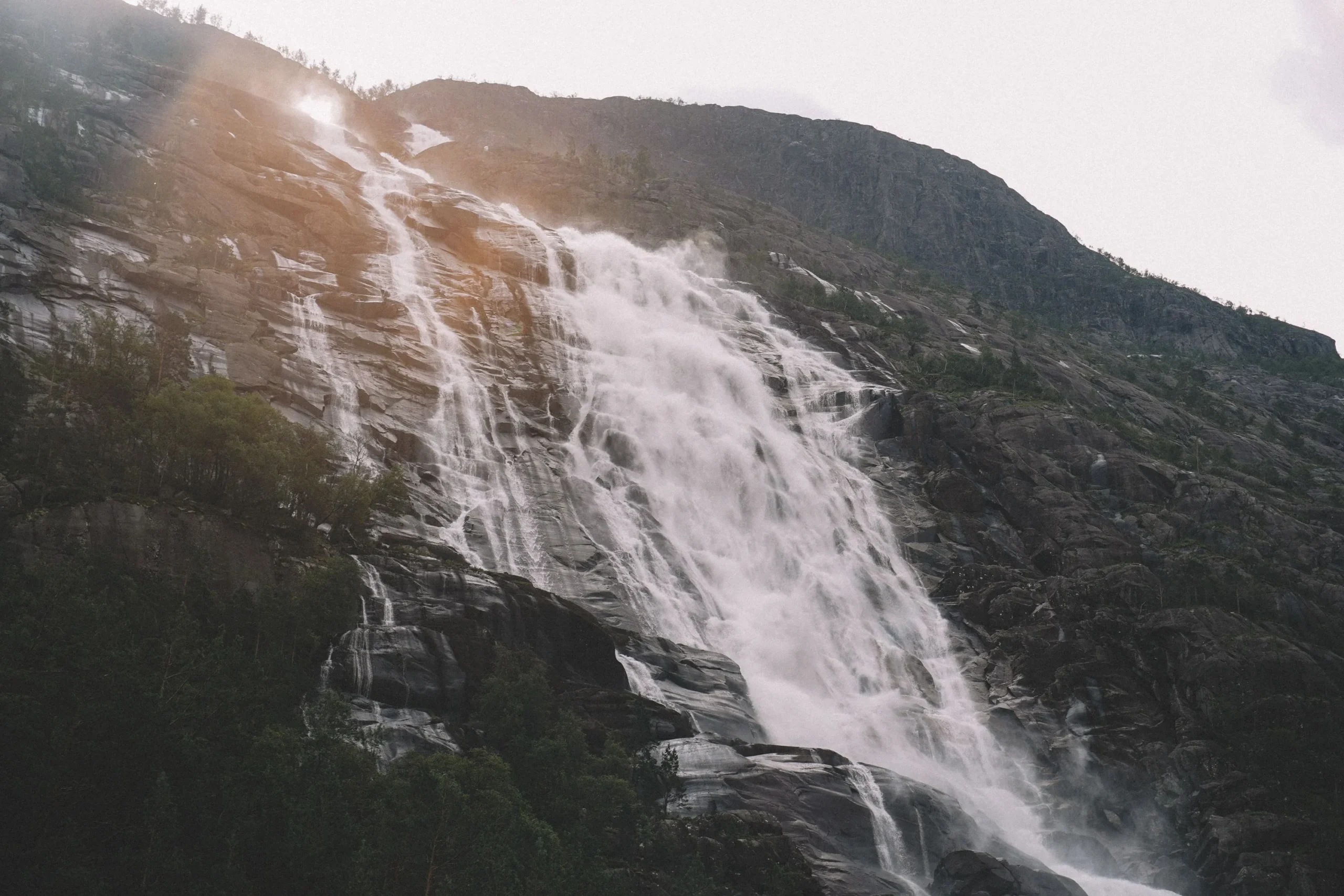
Steall Falls

Steall Falls near Fort William is one of Scotland's most impressive natural locations connected with the Harry Potter films. The waterfall and surrounding Highland landscape were used as part of the scenery in the Wizarding World, including scenes associated with the Triwizard Tournament.
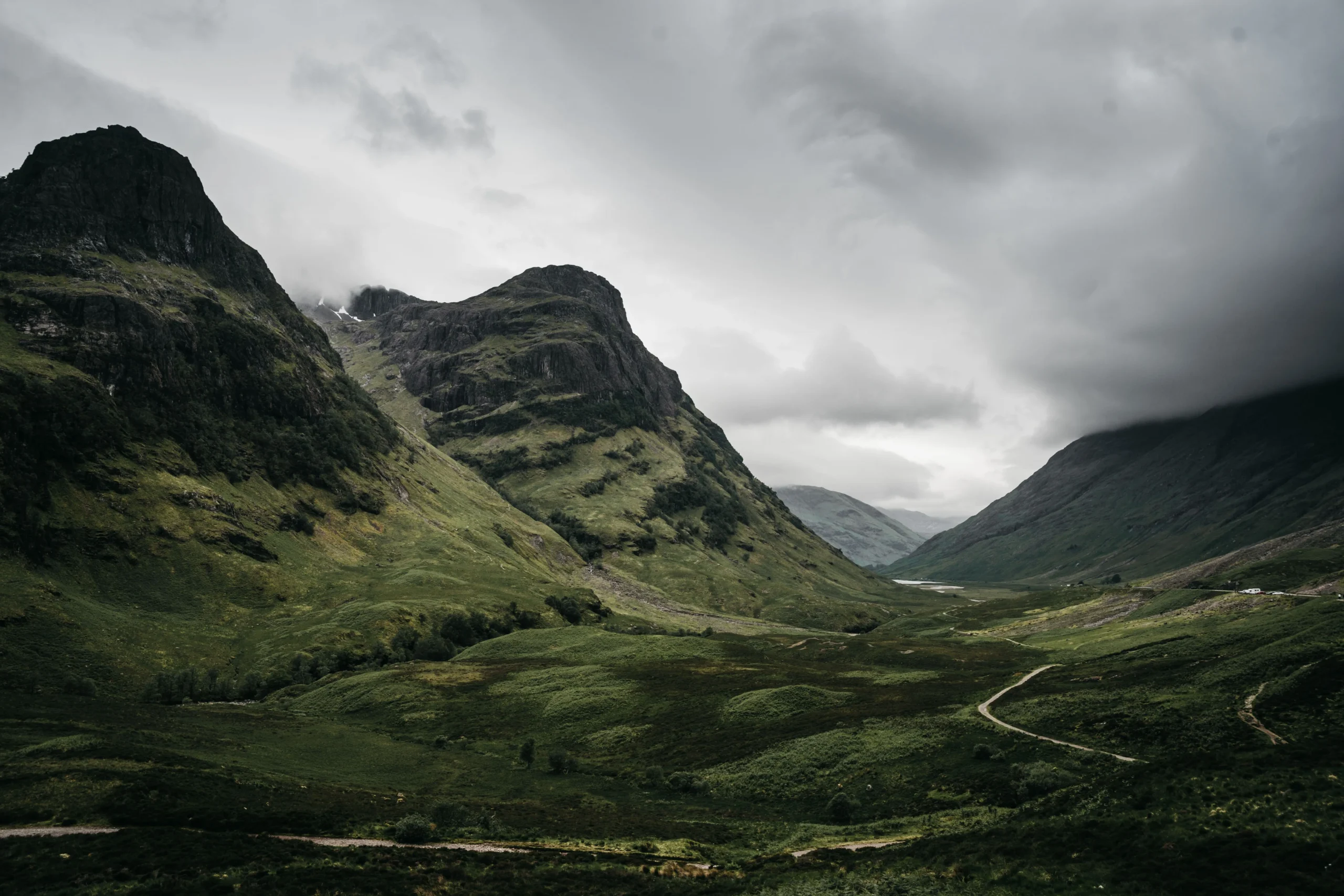
Glencoe

The dramatic landscapes around Glencoe helped create the wild and remote atmosphere of the Harry Potter world. The area is associated with scenes around Hogwarts and the surrounding Scottish landscapes. Its mountains, valleys and changing weather make it one of the most atmospheric parts of a Harry Potter-themed journey.

GETTING TO THE COTSWOLDS

Reaching the England Cotswolds is convenient from many major cities across the UK, making it an ideal destination for day trips, weekend breaks, and longer countryside holidays.

Getting around

Located in south-central England, the Cotswolds is easily accessible from London, Oxford, Bath, Bristol, Birmingham, and surrounding regions. Excellent road and rail connections provide access to many of the area’s historic towns and villages, allowing visitors to explore a wide variety of Cotswold locations throughout the region.

By Car

Travelling by car provides the greatest flexibility for discovering picturesque villages, scenic country roads, and hidden corners of the Cotswolds at your own pace.

By Coach

Coach services provide affordable connections to nearby towns and cities, offering another convenient way to reach the England Cotswolds.

By train

Rail services connect several Cotswold towns with London and other major cities, making train travel a convenient option for visitors looking to explore the region.

THE COTSWOLDS: ENGLAND'S TIMELESS COUNTRYSIDE

The England Cotswolds continues to inspire visitors with its remarkable combination of natural beauty, historic villages, and enduring English heritage. Across its rolling hills and peaceful valleys, every destination tells a different story, from medieval market towns and riverside villages to impressive manor houses and centuries-old churches.

Whether you’re discovering famous landmarks or exploring lesser-known Cotswold locations, the region offers a genuine connection to England’s rural past while providing memorable experiences for modern travellers. Its carefully preserved landscapes, welcoming communities, and distinctive limestone architecture have earned the Cotswolds an international reputation as one of Britain’s most beautiful destinations.

Every season reveals something different, ensuring that no two visits are ever the same. From first-time visitors wondering where is Cotswolds located to returning travellers seeking new places to discover, the Cotswolds remains a destination that captures the timeless charm of the English countryside.

FAQs

Where is Cotswolds located?

The Cotswolds is located in south-central England and spans parts of Gloucestershire, Oxfordshire, Warwickshire, Worcestershire, Wiltshire, and Somerset.

The England Cotswolds is famous for its honey-coloured stone villages, rolling countryside, historic market towns, beautiful gardens, and rich English heritage.

Popular Cotswold locations include Bourton-on-the-Water, Bibury, Castle Combe, Broadway, Stow-on-the-Wold, Burford, Chipping Campden, Winchcombe, and Painswick.

The Cotswolds is a year-round destination. Spring offers blooming gardens, summer brings lively village events, autumn showcases colourful countryside, and winter creates a cosy atmosphere with festive village displays.

Visitors come to experience traditional English villages, scenic landscapes, historic landmarks, local culture, and the peaceful atmosphere that makes the England Cotswolds one of the UK’s most iconic countryside destinations.