The UK is filled with places that tell stories of kings, queens, battles, ancient communities, industrial change, and centuries of everyday life. From Roman remains and medieval castles to royal palaces and historic cities, there are countless historical places to explore across England, Scotland, Wales and Northern Ireland.
Whether you are interested in ancient history, architecture, or famous landmarks, these historical places in the UK offer plenty of opportunities to discover the country’s past.
Why Visit Historical Places in the UK?
The UK’s history stretches back thousands of years, leaving behind a remarkable variety of monuments, buildings, and landscapes.
A single trip can take you from prehistoric stone circles and Roman settlements to medieval castles, royal residences, and historic industrial sites. Many locations are also close to major cities, making it easy to combine sightseeing with a wider UK trip.
Historical attractions can also provide a different way to experience familiar destinations. Instead of simply visiting a city or town, you can learn how its streets, buildings, and communities developed over time.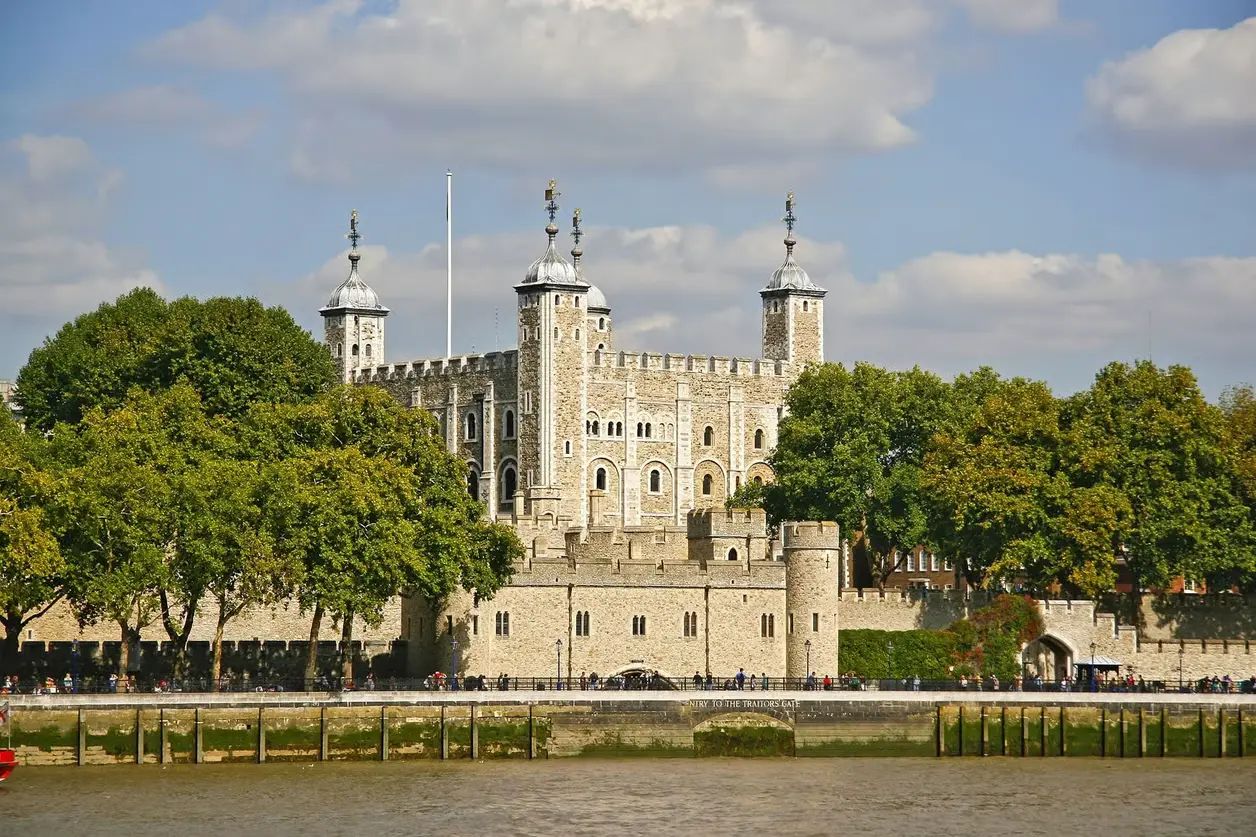
1. Tower of London
The Tower of London is one of the UK’s most recognizable historic landmarks. Founded nearly 1,000 years ago, the castle has served as a royal residence, fortress, prison, and treasury.
Today, visitors can explore its historic buildings, learn about its royal connections, and see the Crown Jewels. Its location beside the River Thames also makes it easy to combine with other central London attractions.
Best for: Royal history, medieval architecture, and famous London landmarks.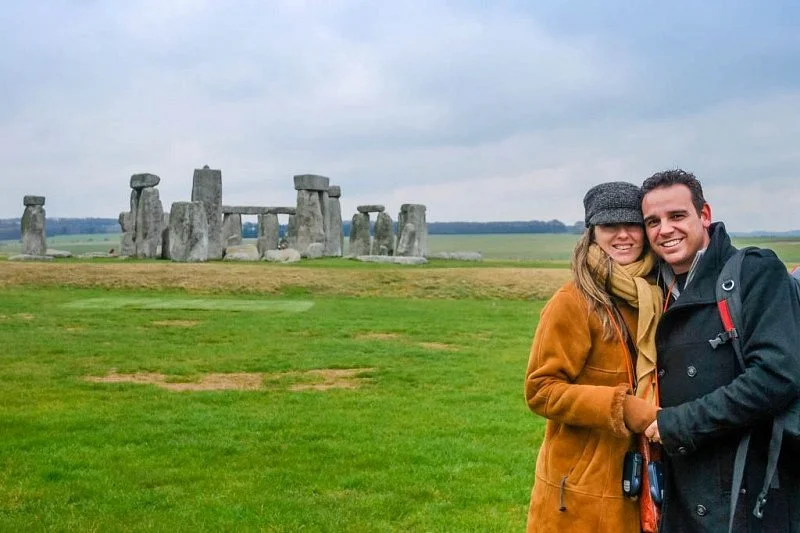
2. Stonehenge
Stonehenge is one of the most famous prehistoric monuments in the world and one of the most fascinating historical places to see in England.
The ancient stone circle stands on Salisbury Plain in Wiltshire and has attracted visitors for centuries. Although many details about its original purpose remain debated, its scale and age make it an extraordinary place to experience.
Best for: Ancient history, archaeology, and photography.
3. Edinburgh Castle
Edinburgh Castle dominates the skyline of Scotland’s capital from its position on Castle Rock.
The site has played an important role in Scottish history for centuries and has been involved in royal events, military conflicts, and political struggles. Visitors can explore historic buildings, exhibitions, and viewpoints overlooking Edinburgh.
Best for: Scottish history, castles, and city views.
4. Windsor Castle
Windsor Castle is one of the world’s oldest and largest occupied castles and has strong connections with the British royal family.
Located in Windsor, Berkshire, the castle combines centuries of royal history with impressive architecture. Visitors can explore parts of the castle complex and experience one of the UK’s most important royal landmarks.
Best for: Royal history, architecture, and day trips from London.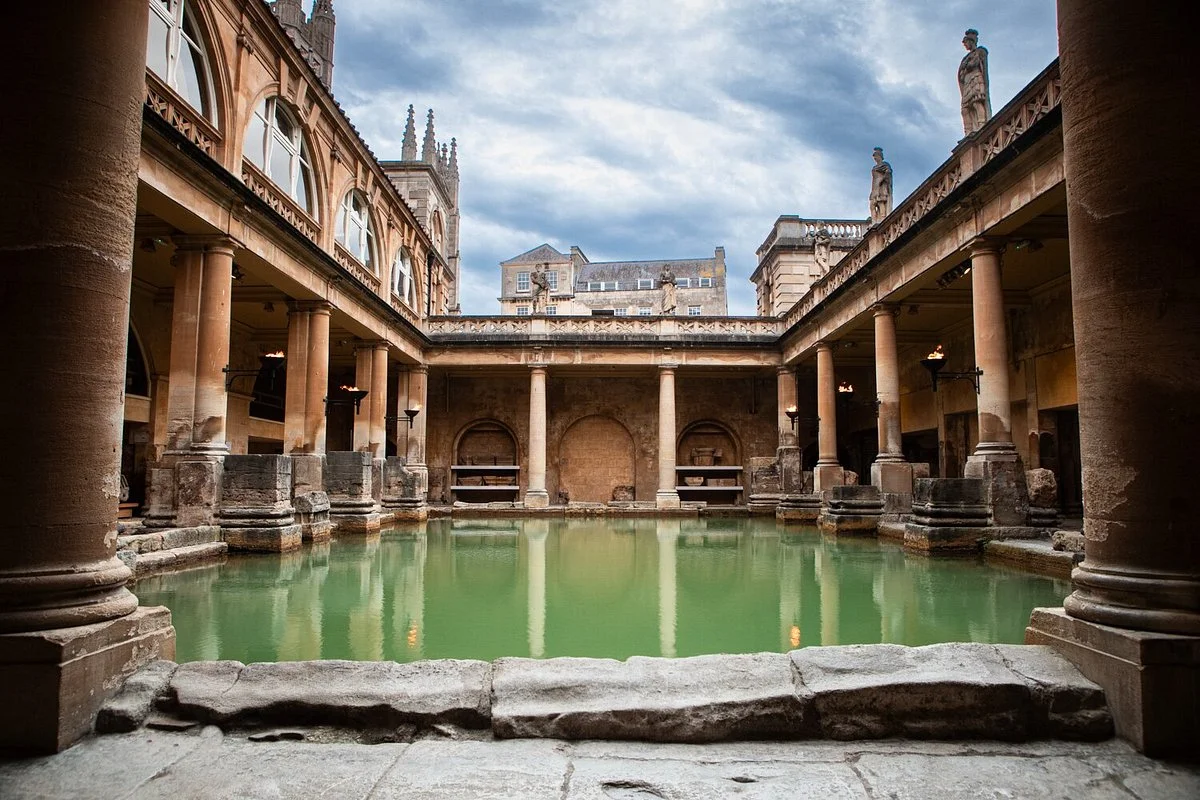
5. Roman Baths
The Roman Baths in Bath provide an insight into life during Roman Britain.
The well-preserved complex was built around natural hot springs and includes the remains of the ancient bathing facilities. The surrounding city of Bath also contains impressive Georgian architecture, making it an excellent destination for exploring different periods of history in one trip.
Best for: Roman history, architecture, and city breaks.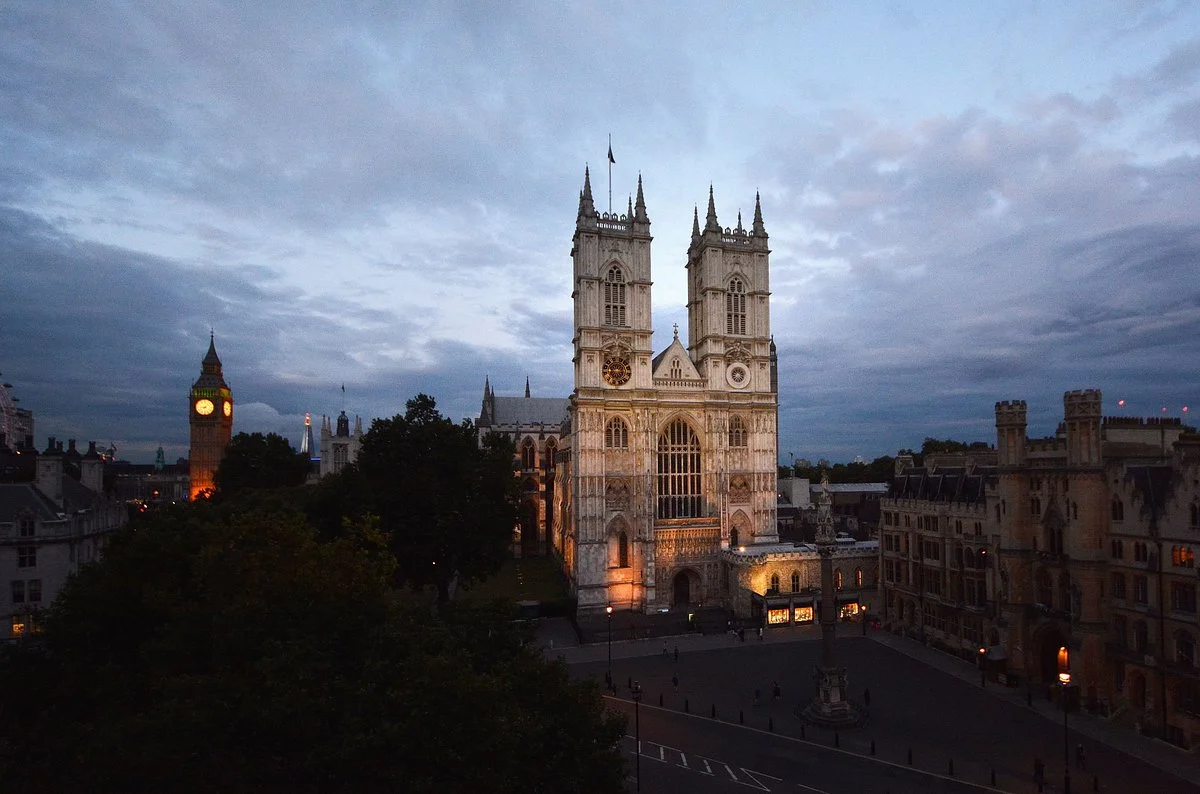
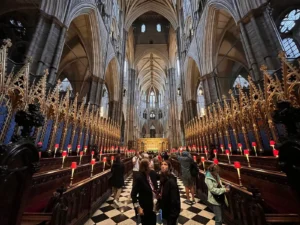
6. Westminster Abbey
Westminster Abbey is one of the most important historic buildings in London.
The church has been associated with royal coronations, weddings, funerals, and burials for centuries. Its architecture and collection of monuments also reflect different periods of British history.
Located close to the Houses of Parliament and Buckingham Palace, it is an easy addition to a London sightseeing itinerary.
Best for: Royal history, architecture, and historic London.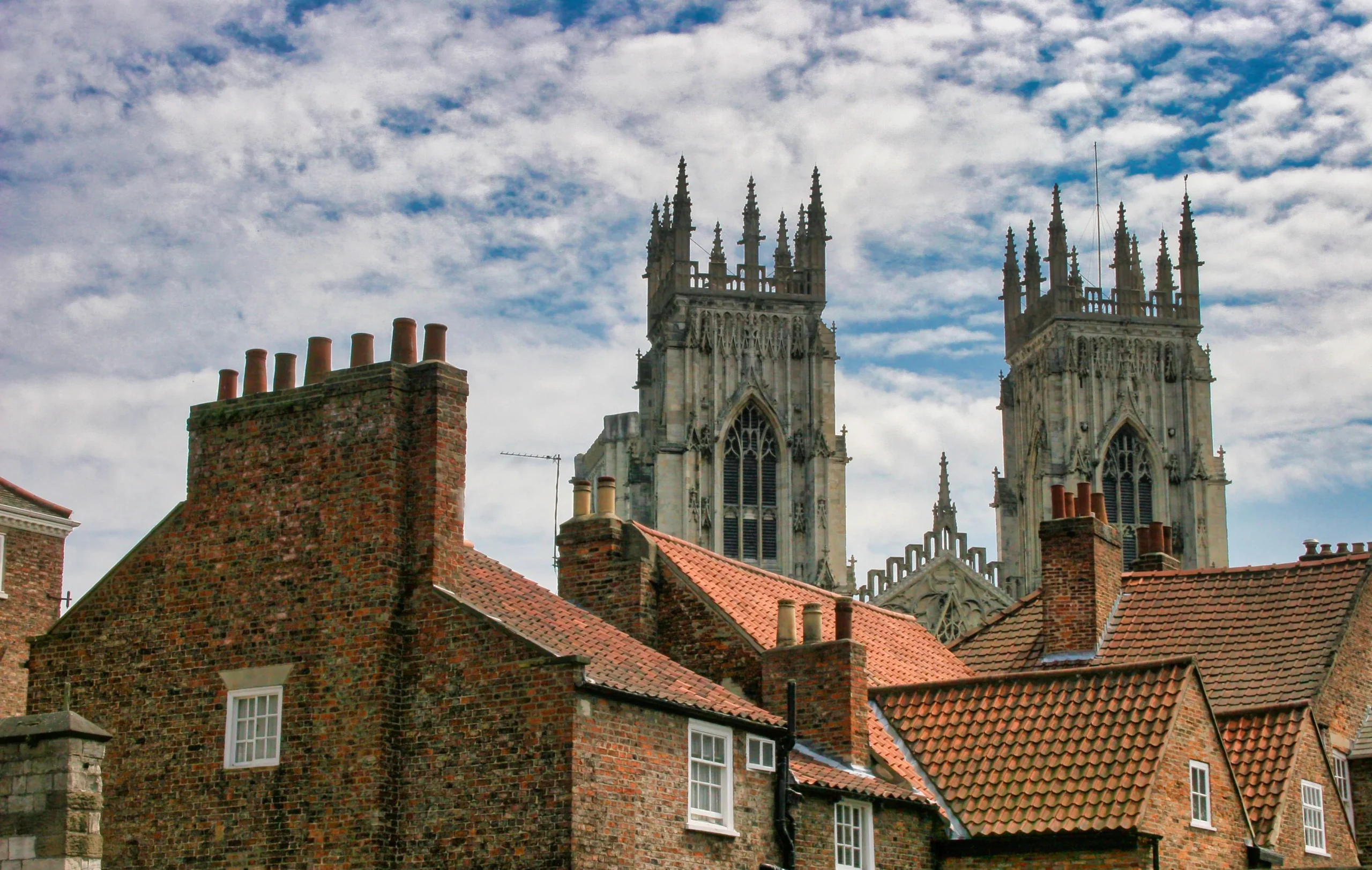
7. York Minster and Historic York
York is one of the best places to experience layers of British history in a single city.
Its historic center contains medieval streets, ancient city walls and impressive buildings, while York Minster dominates the skyline. The city also has strong Roman and Viking connections.
Walking through areas such as The Shambles provides a particularly atmospheric way to experience York’s historic character.
Best for: Medieval history, Roman heritage, and city walks.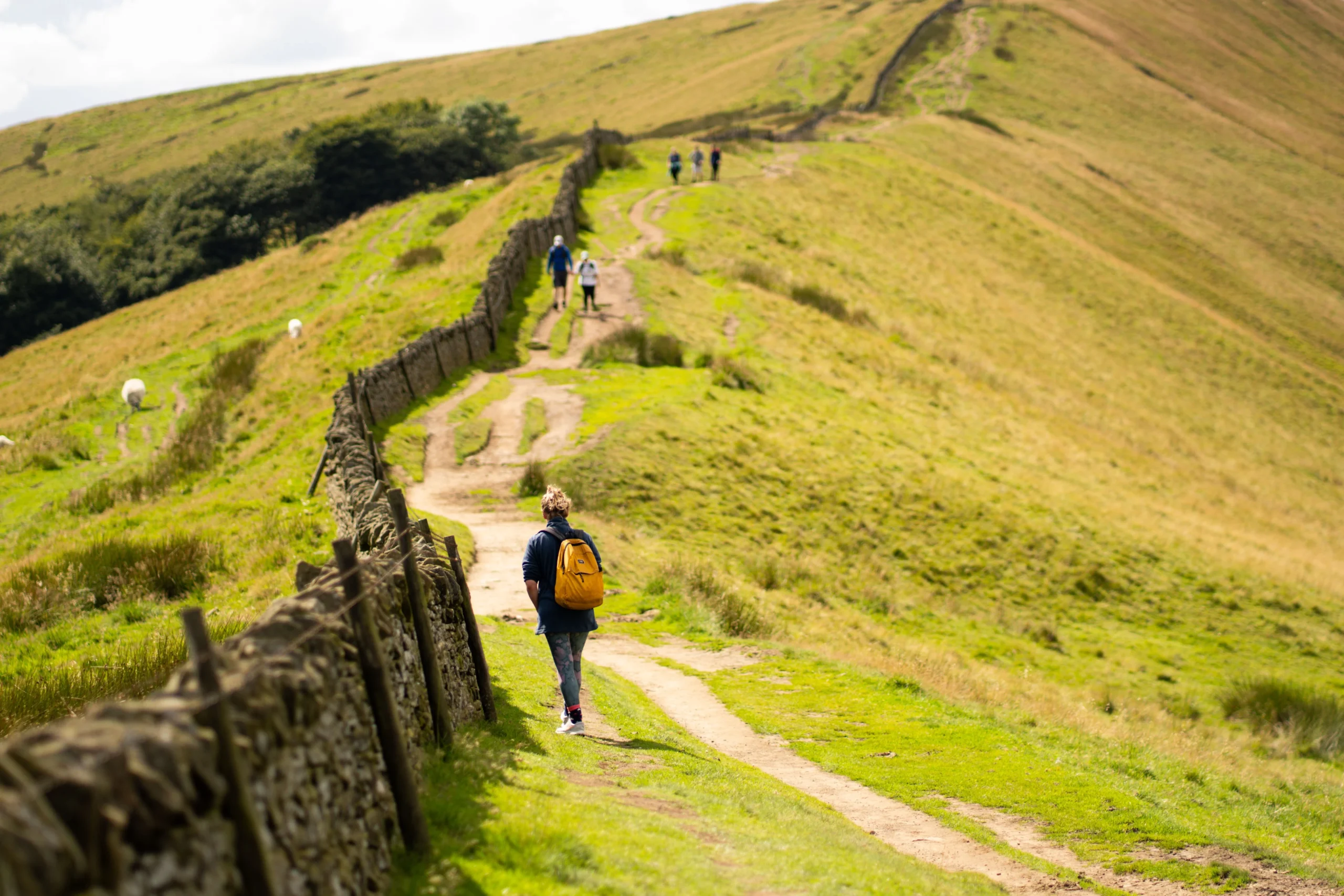
8. Hadrian’s Wall
Hadrian’s Wall stretches across northern England and was built during the Roman period to mark the northern frontier of the Roman Empire.
The remains include forts, settlements, and sections of the original wall. The surrounding landscape also provides scenic walking opportunities, making it possible to combine historical exploration with outdoor activities.
Best for: Roman history, walking, and archaeological sites.
9. Conwy Castle
Conwy Castle in North Wales is one of the most impressive medieval fortresses in Britain.
Built during the reign of Edward I, the castle forms part of the historic walled town of Conwy. Its towers and defensive walls provide excellent views across the surrounding landscape.
The castle is particularly appealing to visitors interested in medieval architecture and Welsh history.
Best for: Medieval castles, architecture, and Welsh history.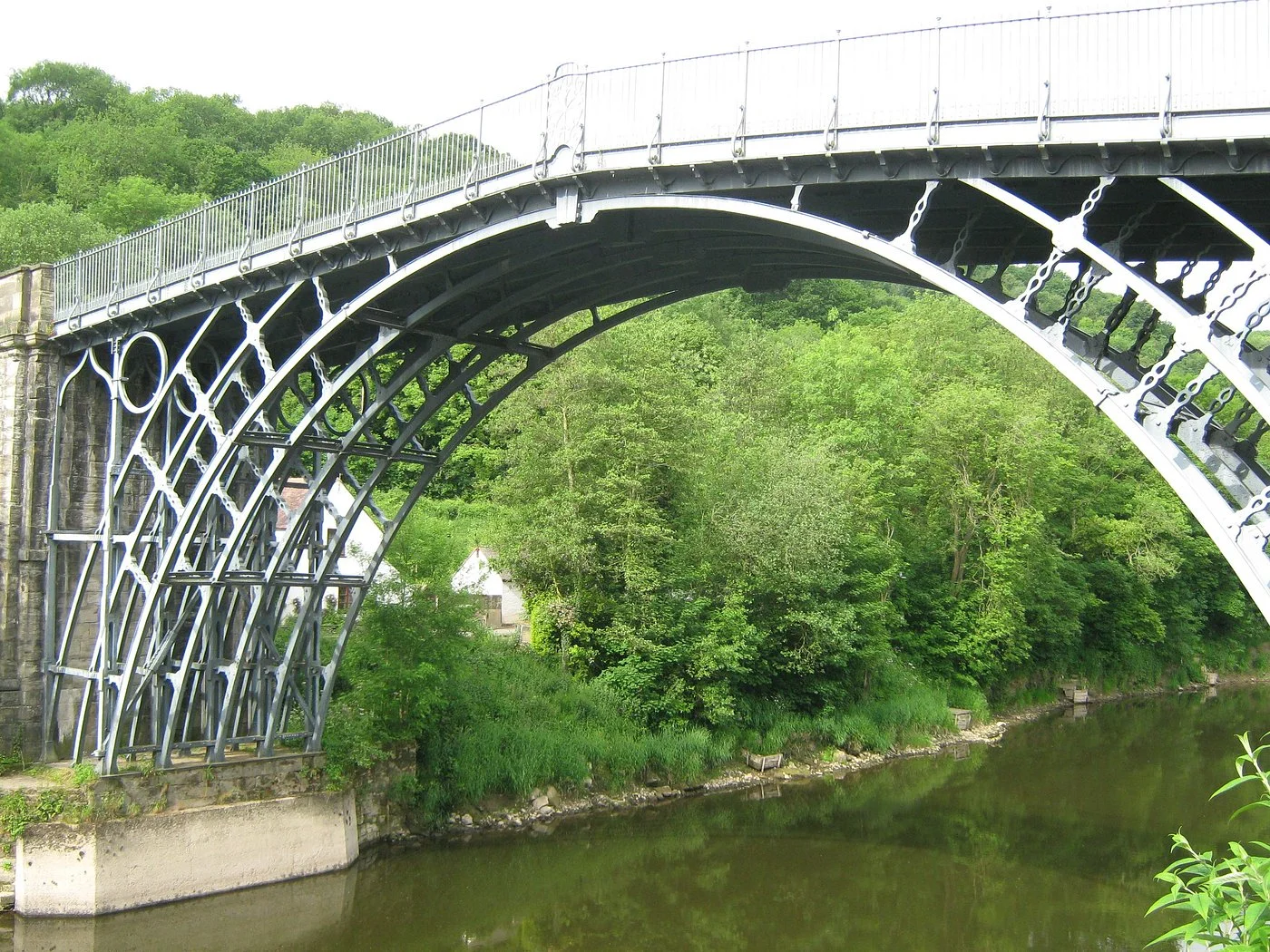
10. Ironbridge Gorge
Ironbridge Gorge in Shropshire is closely connected with the Industrial Revolution and the development of modern industry.
The area contains historic industrial sites, museums, and the famous Iron Bridge, which was built in the 18th century. Together, these attractions demonstrate how engineering and manufacturing changed Britain.
Best for: Industrial history, engineering, and family visits.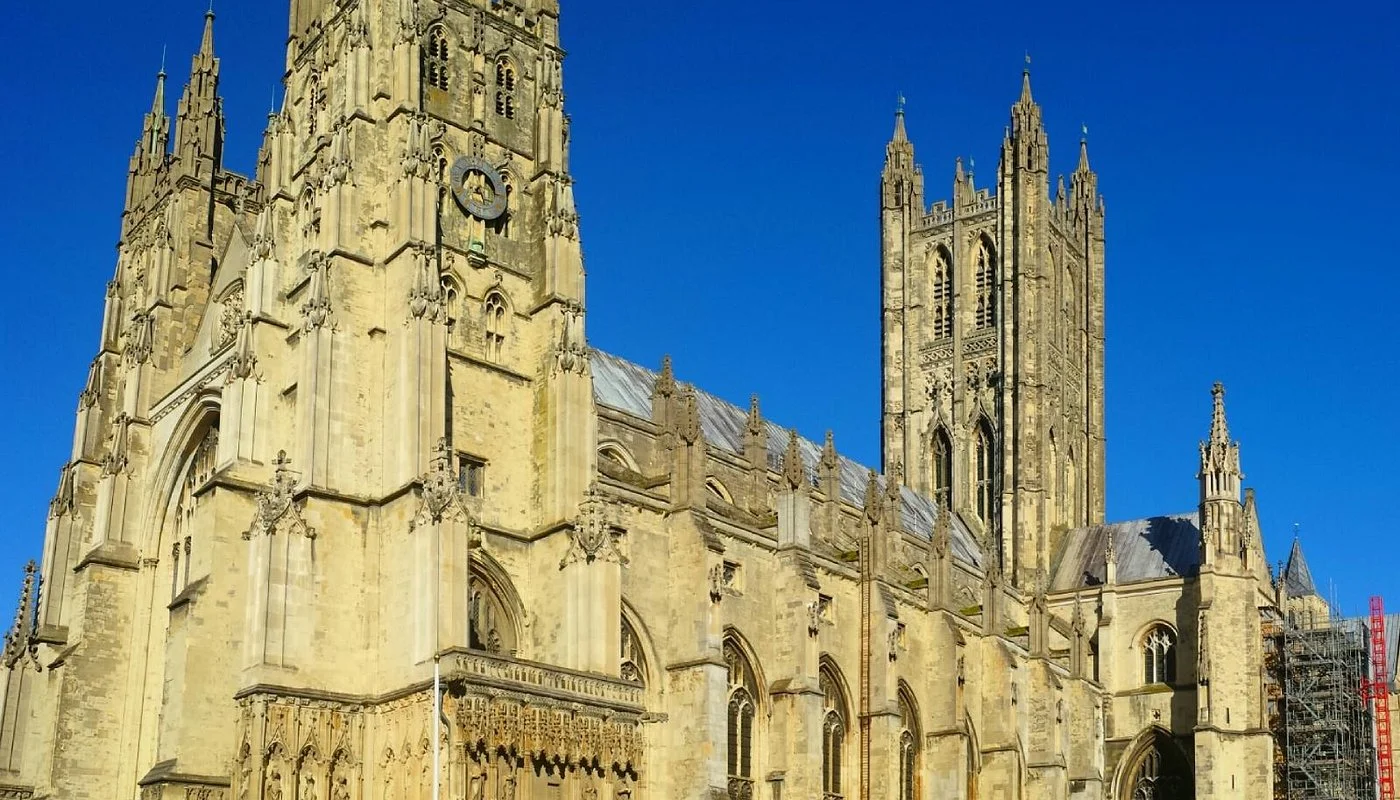
11. Canterbury Cathedral
Canterbury Cathedral is one of England’s most significant religious and historic landmarks.
Its history stretches back centuries, and it became particularly important following the murder of Archbishop Thomas Becket in the cathedral in 1170. The building itself showcases a mixture of architectural styles developed over different periods.
Canterbury’s historic streets and surrounding attractions make it a worthwhile destination for a longer visit.
Best for: Religious history, architecture, and historic city breaks.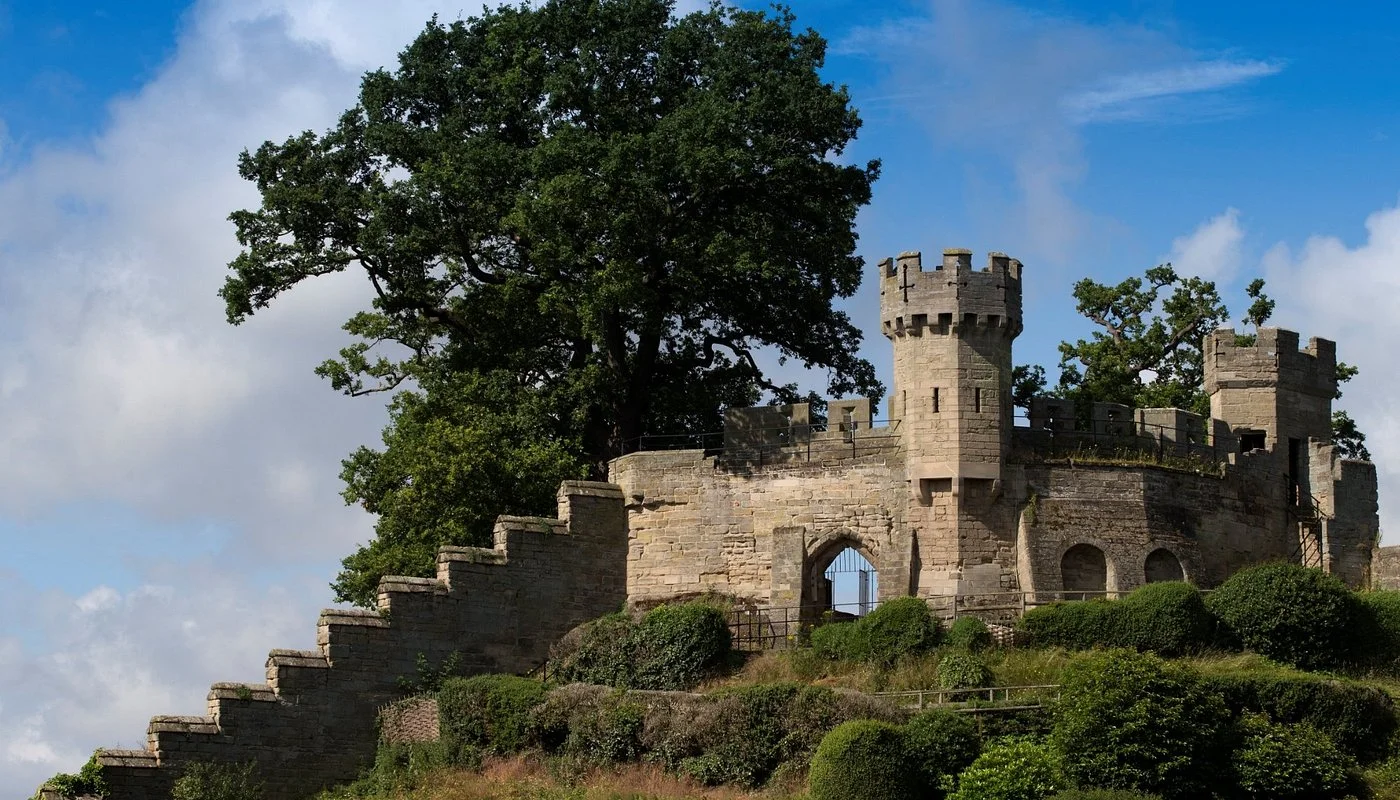
12. Warwick Castle
Warwick Castle has a history stretching back to the medieval period and is one of England’s most popular historic castles.
The castle’s towers, walls and grounds provide a strong sense of its defensive past, while exhibitions and events bring different periods of its history to life.
Its location also makes it convenient for exploring other attractions in Warwickshire.
Best for: Medieval history, castles, and family-friendly sightseeing.
13. Roman Walls and Baths of Chester
Chester is one of the best historical locations in England for discovering Roman and medieval heritage together.
The city was founded as a Roman fortress, and sections of its defensive walls remain visible today. Visitors can also explore historic streets, archaeological remains, and the famous Rows.
Walking around Chester’s center provides a good introduction to the city’s long and varied history.
Best for: Roman history, city walks and architecture.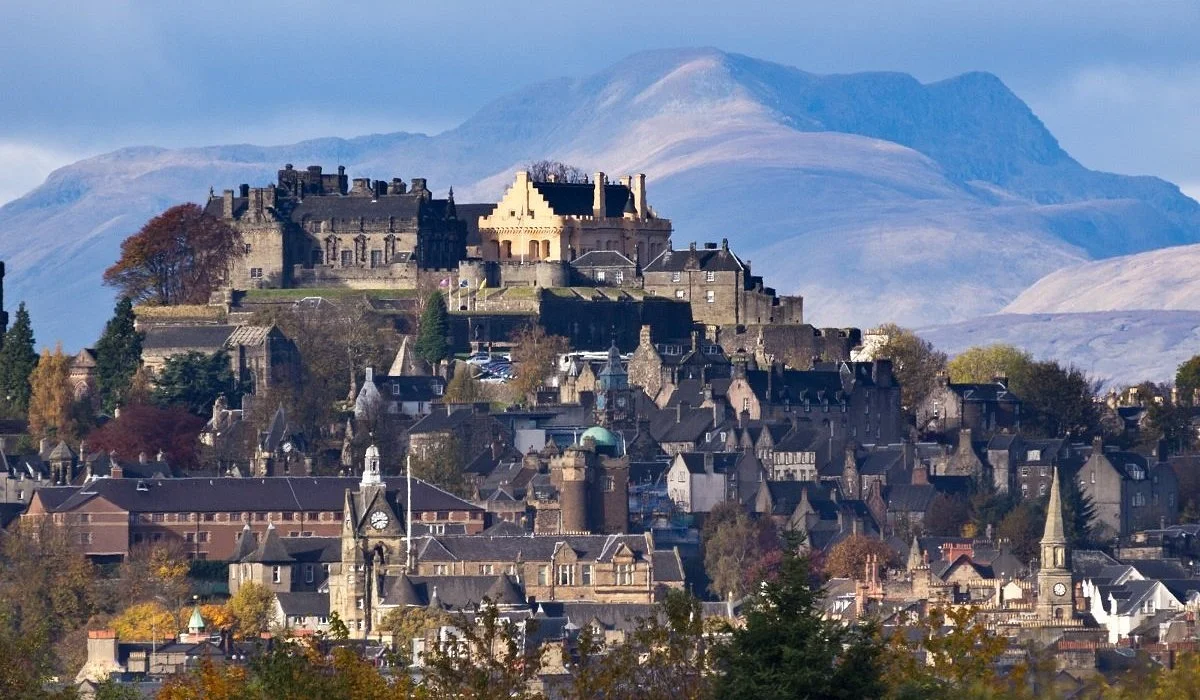
14. Stirling Castle
Stirling Castle is one of Scotland’s most important historic castles and was closely connected with the Scottish monarchy.
Its position above the city gave it strategic importance, while its royal buildings reflect the wealth and ambitions of Scotland’s rulers. The castle is also close to several important sites connected with Scotland’s military history.
Best for: Scottish history, royal heritage, and architecture.
15. Titanic Belfast
Titanic Belfast explores the story of the famous ship and the industrial history of Belfast.
The attraction stands close to the former shipbuilding area where RMS Titanic was designed and built. Its exhibitions explain the construction of the ship and the wider history of Belfast’s maritime industry.
It is one of the most distinctive historical attractions in Northern Ireland and offers a more modern perspective on the UK’s industrial heritage.
Best for: Maritime history, industrial heritage, and Belfast city trips.
Tips for Visiting Historical Locations
Check opening times: Historic attractions can have seasonal schedules, so check opening information before travelling.
Book popular attractions ahead: Major landmarks can become busy during weekends and school holidays.
Allow enough time: Large castles, palaces, and historic sites often require several hours to explore properly.
Wear comfortable shoes: Historic towns and archaeological sites can involve cobbled streets, uneven ground, and considerable walking.
Look for combined tickets: Some destinations offer passes covering multiple attractions, which can be useful for longer visits.
Check transport options: Many historic sites outside major cities are easier to reach by car, bus or organized tour.
Take time to explore the surrounding area: Historic attractions are often located near old towns, gardens, museums, and other interesting landmarks.
Final Thoughts
From ancient monuments and Roman remains to castles, cathedrals, and royal residences, the UK’s historic attractions offer countless ways to explore the past. Whether you are planning a dedicated history trip or adding a few landmarks to a wider holiday, there are historical places to suit every interest.
You can also combine historic sightseeing with seasonal experiences, including UK summer festivals, halloween events in uk and bank holiday attractions. For colder months, explore our guide to best winter destinations in UK for more travel inspiration.
If castles and gardens are on your itinerary, take a look at Best Castles to Visit in UK and Best Gardens in the UK. Nature lovers can also explore Best National Parks in UK for ideas beyond historic attractions.
FAQs
What are the best historical places in the UK?
Some of the best historical places in the UK include the Tower of London, Stonehenge, Edinburgh Castle, Windsor Castle, Roman Baths, Westminster Abbey and Hadrian’s Wall.
What are the best historical places in London, UK?
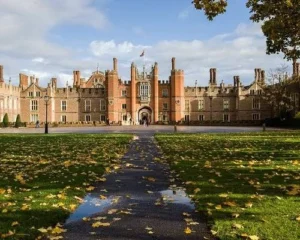
The Tower of London, Westminster Abbey, Hampton Court Palace, St. Paul’s Cathedral, Kensington Palace, and Greenwich are among the most notable historical places in London.
What is the oldest historical site in the UK?
The UK has many prehistoric sites that are thousands of years old. Stonehenge is one of the most famous ancient monuments, while other prehistoric sites can be found across Britain.
Which UK city is best for history?
York, London, Bath, Edinburgh and Chester are excellent choices for history lovers. Each has a different mix of Roman, medieval, royal or architectural heritage.
What historical places are good for families?
Windsor Castle, Warwick Castle, the Roman Baths, Ironbridge Gorge and the Tower of London can all be interesting choices for families, particularly when combined with interactive exhibitions or guided activities.
Are there historical places to visit outside England?
Yes. Scotland, Wales and Northern Ireland all have important historic attractions, including Edinburgh Castle, Stirling Castle, Conwy Castle and Titanic Belfast.
How can I see several historical places in one trip?
Planning around a specific region can make this easier. London, York, Bath and Edinburgh are particularly useful bases because they have several historic attractions nearby.