The UK is best discovered top to toe, across England, Scotland, Wales, and Northern Ireland.
From wild camping under Highland stars and surfing in Devon to proper pubs, free museums, and coastal hikes, this little island packs in a serious bucket list.
Ready to immerse yourself in the country’s history, nature, pomp, and people? Here are the 10 best things to do in the UK.

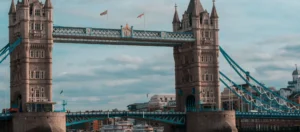
1. Explore London / Things to do
You can’t do the UK capital without stepping into London, and yes, it’s pricey, but cleverly free in places. The trick is knowing where to look.
There are a whopping 23 free museums tucked across the city. The big ones to tick off:
- The V&A for fashion, sculpture, and design across centuries
- The British Museum for the Rosetta Stone and Egyptian mummies
- The Tate Modern for cutting-edge contemporary art in a former power station
- The National Gallery for Van Gogh’s Sunflowers and Turner seascapes
- The Natural History Museum for the towering blue whale skeleton
Watch the Changing of the Guard at Buckingham Palace, hop on a £16 Thames cruise to Greenwich (one of London’s most underrated neighbourhoods), kayak the river from £65 to see Big Ben from the water, or splurge on BBakery’s afternoon tea bus tour where you’ll nibble scones with a glass of bubbly while sailing past Westminster.
For something properly quirky? Sleep over at London Zoo’s Gir Lion Lodge, complete with a moonlit animal tour and dinner.
Grab your tube pass and your comfiest walking shoes. London rewards wanderers!
2. Ride and Hide in Scotland’s Highlands
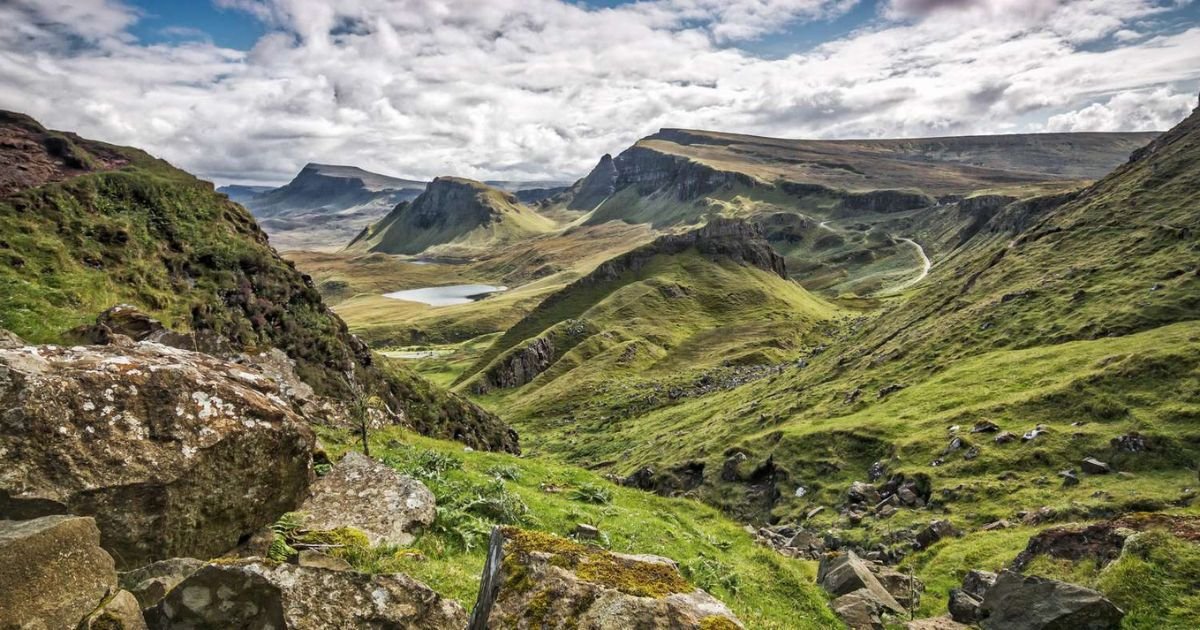
Scotland will steal your heart in a heartbeat, and the Highlands are exactly why.
Take the legendary Jacobite “Harry Potter” train across the Glenfinnan Viaduct, loop the gorgeous North Coast 500 (yes, all 516 miles of it!), or summit Ben Nevis, the UK’s tallest peak.
A few unmissable Highland adventures:
- Cycle through cinematic Glen Coe, the dramatic valley made famous in 007 Skyfall
- Hunt for Nessie at Loch Ness, then explore Urquhart Castle on the shore
- Wild camp by a wildflower-flanked loch (legal in Scotland, unlike most of the UK!)
- Drive between Gairloch and Ullapool for some of the wildest scenery in Britain
For pure bliss, book Eagle Brae Cabins in Glen Strathfarrar. These photogenic log cabins with turf roofs sit on a private estate where deer and goats wander freely.
Pour yourself an Isle of Arran whisky (no “e” up here, that’s an Irish thing), park yourself on the terrace, and let time slow right down.
3. Tackle Wales’ Great Trails in Snowdonia
Most first-timers skip Wales, and honestly? Daft mistake.
Summit Eryri (that’s the proper Welsh name for Snowdonia) for green-clad peaks and cerulean lakes. On a clear day from the top of Snowdon, you can spot Pembrokeshire on the horizon, arguably the most handsome stretch of the whole country.
The Wales Coast Path is genuinely world-class. In spring it’s lined with vivid wildflowers fluttering in the Atlantic breeze, and Pembrokeshire’s croissant-coloured beaches will absolutely knock your socks off.
A few brilliant ways to explore:
- The Wales Coast Path for cliff-top sea views and remote village pubs
- Offa’s Dyke Path if you fancy tracing the historic English-Welsh border
- The Snowdon steam railway if your legs would rather not climb
Don’t miss charming Beddgelert village with its stone bridges and the legendary tale of a faithful hound, or stop in for Welsh cakes hot off the griddle.
One small tip: avoid school holidays unless crowds are your thing!
4. Celebrate the Solstice at Stonehenge
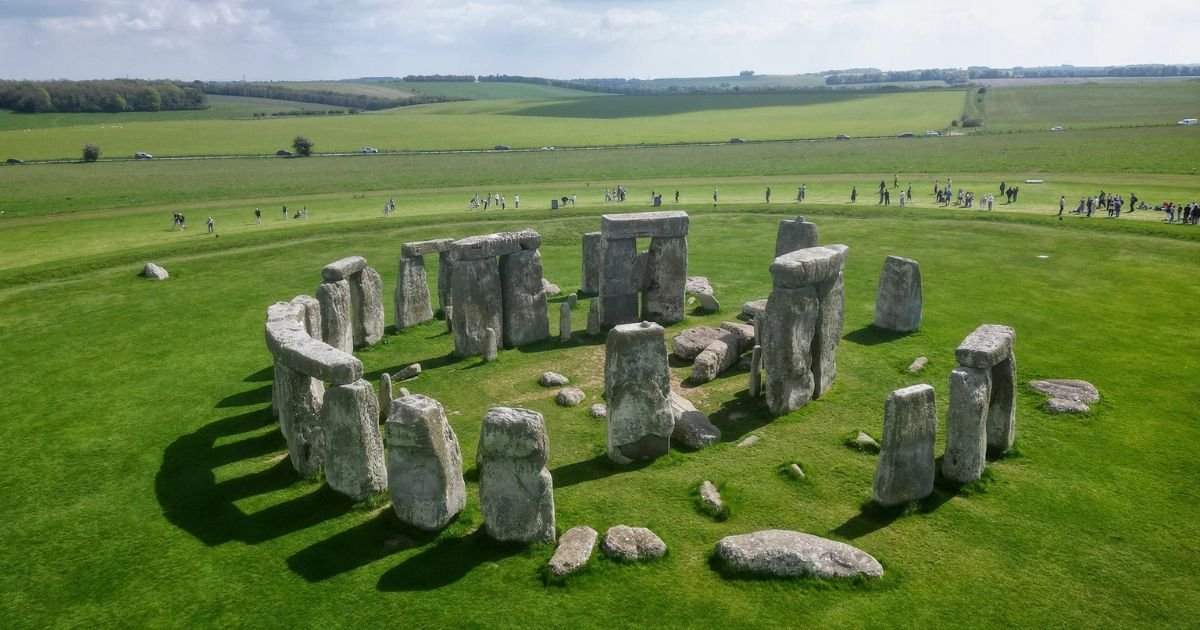
Wiltshire is unmissable for history nerds, and Stonehenge sits at the heart of it all.
The stones align dramatically with the sun, making the summer and winter solstices properly magical. English Heritage usually opens the inner circle for these dates (and streams them online too if you can’t make it in person). Picture thousands of revellers, druids in robes, and the first golden light hitting the Heel Stone. Goosebumps guaranteed.
Pair Stonehenge with these nearby gems:
- Avebury, where you can actually walk among and touch the standing stones
- Silbury Hill, Europe’s largest prehistoric mound (still mysterious!)
- West Kennet Longbarrow, a Neolithic tomb you can walk inside
Then head into the gorgeous city of Salisbury. Inside Salisbury Cathedral lives one of only four surviving original 1215 Magna Carta manuscripts, displayed in a quiet little glass case. Jaw, meet floor.
5. Investigate Giant’s Causeway and the Causeway Coast
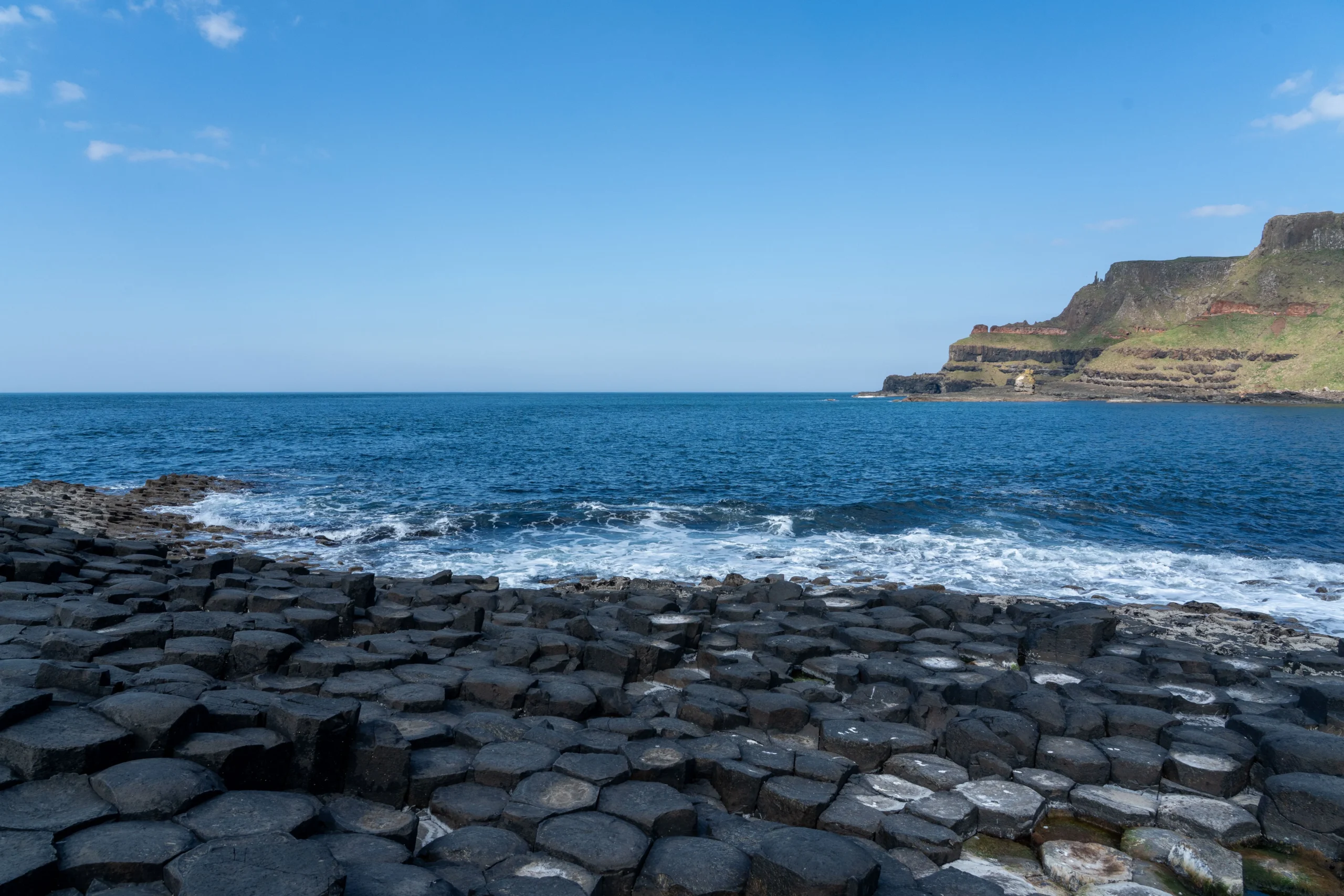
Northern Ireland gets nowhere near enough love, and Giant’s Causeway is an exhibit.
It’s smaller than you’d picture, but walk on those 40,000 hexagonal basalt columns and prepare to be properly awed. The Cliff Walk above offers some of the most dramatic coastal views in the UK, with the wild Atlantic crashing below.
Build a proper County Antrim road trip around it:
- Bushmills Distillery for a tour and tasting at the world’s oldest licensed whiskey distillery (1608!)
- Dunluce Castle, the dramatic clifftop ruin that inspired C.S. Lewis’s Cair Paravel
- Carrick-a-Rede rope bridge, a wobbly 30-metre crossing to a tiny fisherman’s island
- Whitepark Bay for a stretch of empty golden beach
- The Dark Hedges, a haunting beech tree tunnel made famous by Game of Thrones
Folklore says the giant Finn McCool built it as a path to fight a Scottish rival. Geologists prefer the ancient volcano explanation, but where’s the fun in that?
6. Fossil Hunt on the Jurassic Coast
England’s only natural UNESCO World Heritage Site stretches 95 miles along the Dorset and Devon coast, and yes, you can actually take fossils home.
Hunt for ammonites and belemnites buried just below the sand at Charmouth beach. Locals here regularly find dinosaur fossils, including a juvenile ichthyosaur skull, a few years back!
Plan your road trip like this:
- Start in Bournemouth for sandy beaches and seaside huts
- Stop at Old Harry Rocks for dramatic chalk stacks
- Marvel at Durdle Door, that postcard-perfect natural rock arch
- Don’t skip Man O’ War Beach next door, even better than Durdle in my opinion
- Finish in Lyme Regis, walking in the footsteps of fossil hunter Mary Anning
Stay overnight in the iconic Bournemouth beach huts and wake to the sound of the ocean. Late spring or early autumn is perfect for crowd-free wandering; summer means half of London on the sand.
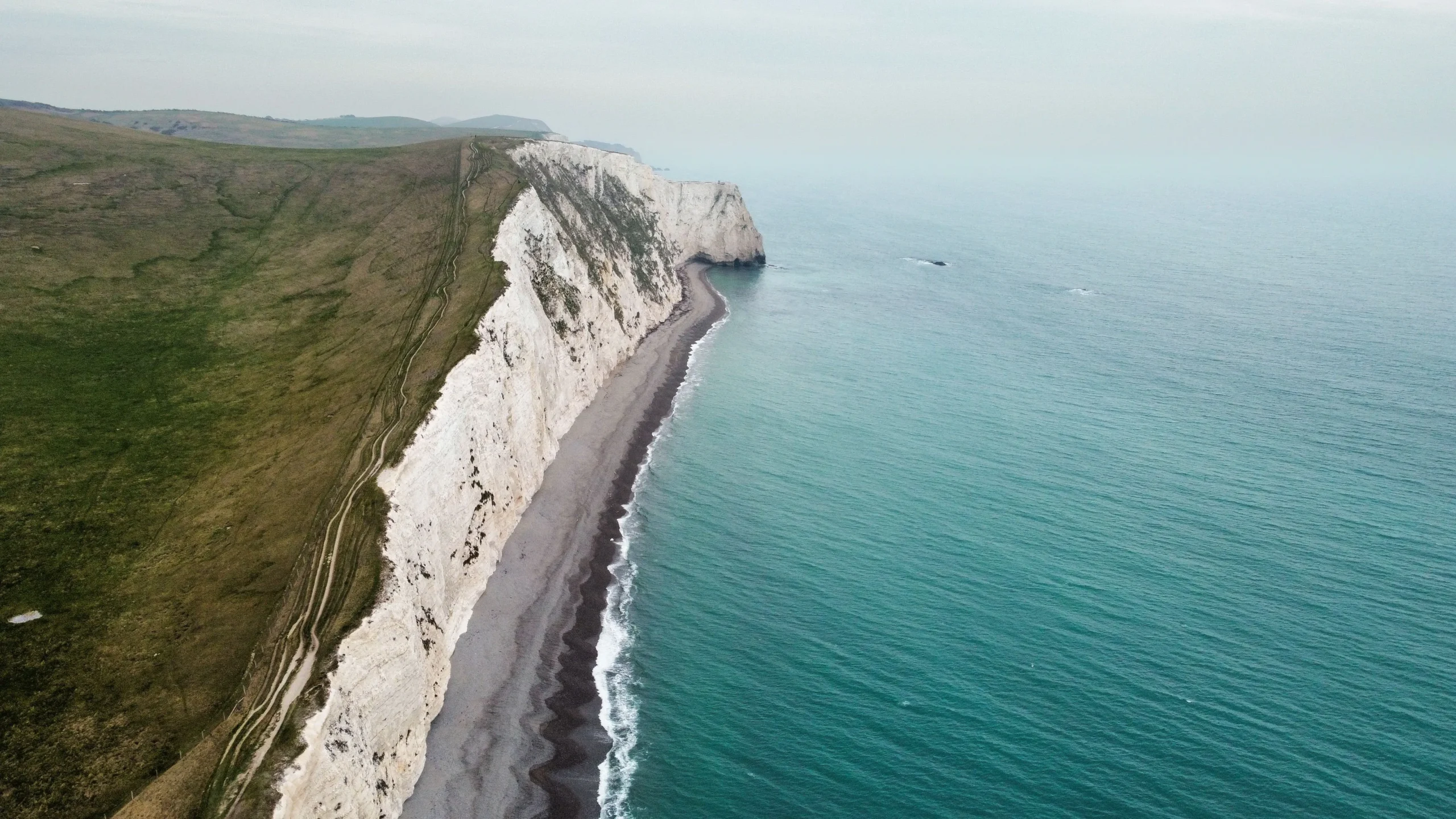
7. Do a Via Ferrata in the Lake District
The Lake District isn’t just for poets and paddleboarders. Adrenaline junkies, this is your spot.
A Via Ferrata at Honister Slate Mine has you scrambling up sheer cliff faces using fixed iron rungs, cables, and ladders, all clipped onto a safety line. The Honister “Xtreme” route even includes a Burma bridge and a giant stride across a chasm. Rain might lash you sideways, but the rush is worth every drop.
Pair the day with these classics:
- Climbing Scafell Pike, England’s highest mountain, at 978 metres
- A long weekend by Lake Windermere, with paddleboarding and steamer rides
- Wild camping in one of England’s 10 National Parks (only legal here with permission!)
- Quiet Ullswater if you want to dodge the Windermere crowds
Reward yourself afterwards with afternoon tea at the Langdale Chase Hotel. You’ve earned it.
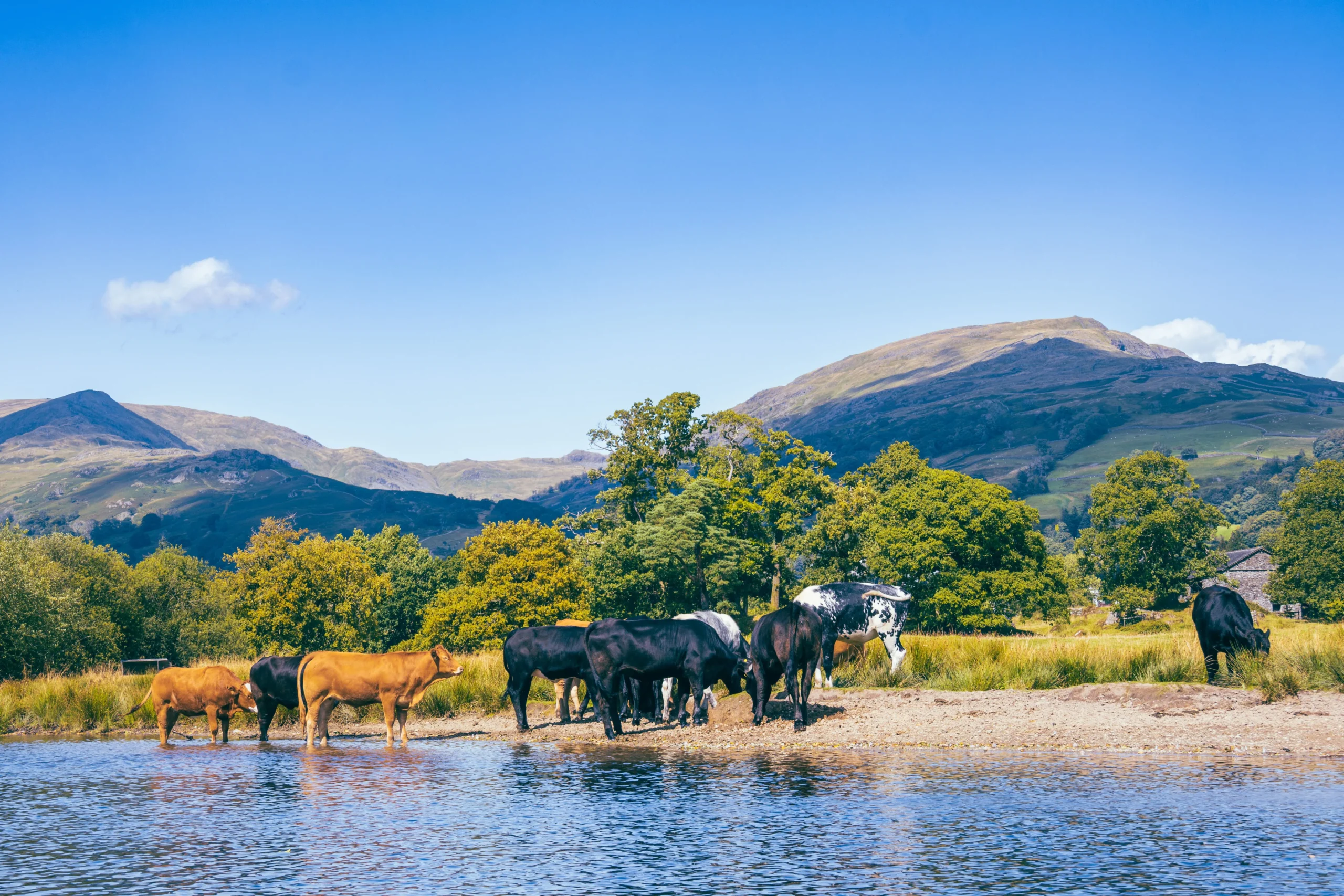
8. Sleep in a British Castle
You knew we had castles, but did you know you can actually sleep in one?
Durham Castle is the unicorn of British castles. It’s a Harry Potter filming set, a UNESCO World Heritage Site, and the dorm for Durham University students during term time. During the summer holidays, it transforms into one of the UK’s most distinctive hotels, and yes, you really do sleep where students wake up for 9 am lectures.
Want privacy? A few regal options for the splurge:
- Crom Castle in Northern Ireland, with a private 1,900-acre estate
- Birkhill Castle in Scotland, an 18th-century pile run by an actual Earl
- Craig-y-Nos in Wales, gloriously haunted (or so they say)
- Thornbury Castle near Bath, where Henry VIII actually stayed with Anne Boleyn
Serious bragging rights guaranteed. Just don’t blame me if you don’t want to leave.
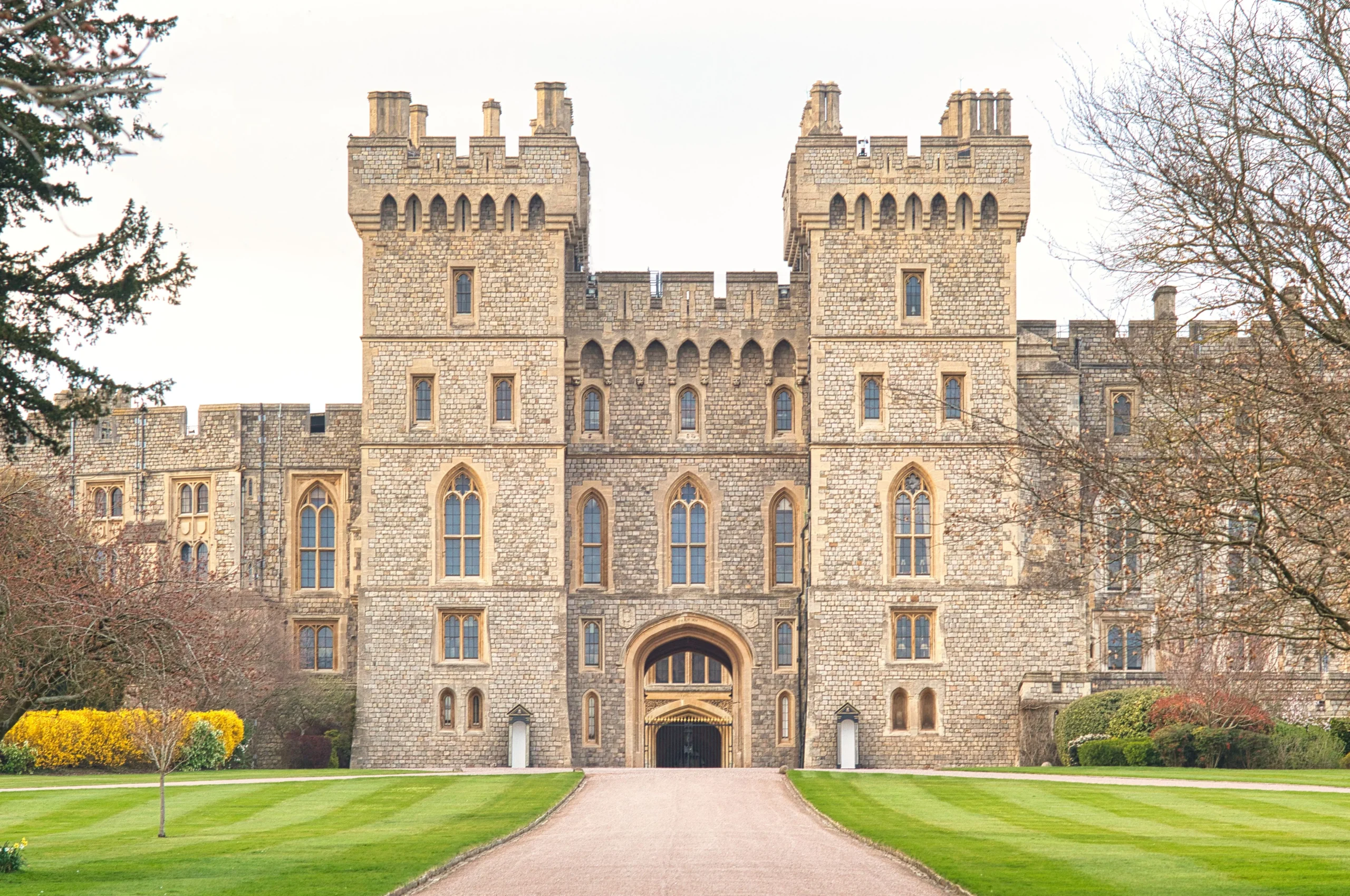
9. Walk the West Highland Way
For walkers and hikers, this 96-mile beauty across Scotland is bucket list royalty.
The route runs from Milngavie, just north of Glasgow, all the way up to Fort William, passing some of the most jaw-dropping scenery in Britain. Most complete it in 7 days, but you can stretch it to 10 if you want pubs and rest days, or speed-run in 5 to 6 if you’re feeling brave.
Not got a week? Day-hike the Bridge of Orchy to Kings House section, looping around Loch Tully and the gorgeous Rannoch Moor (one of Europe’s last great wildernesses).
Other route highlights to look out for:
- The shoulder of Conic Hill with sweeping views over Loch Lomond
- Crossing the dramatic Lairig Mor pass below Ben Nevis
- The northern end of Loch Lomond at Ardlui is for proper remoteness
- Kingshouse Hotel, one of Scotland’s oldest inns, is perched in Glen Coe
A natural treasure, plain and simple. Sore feet, full heart.
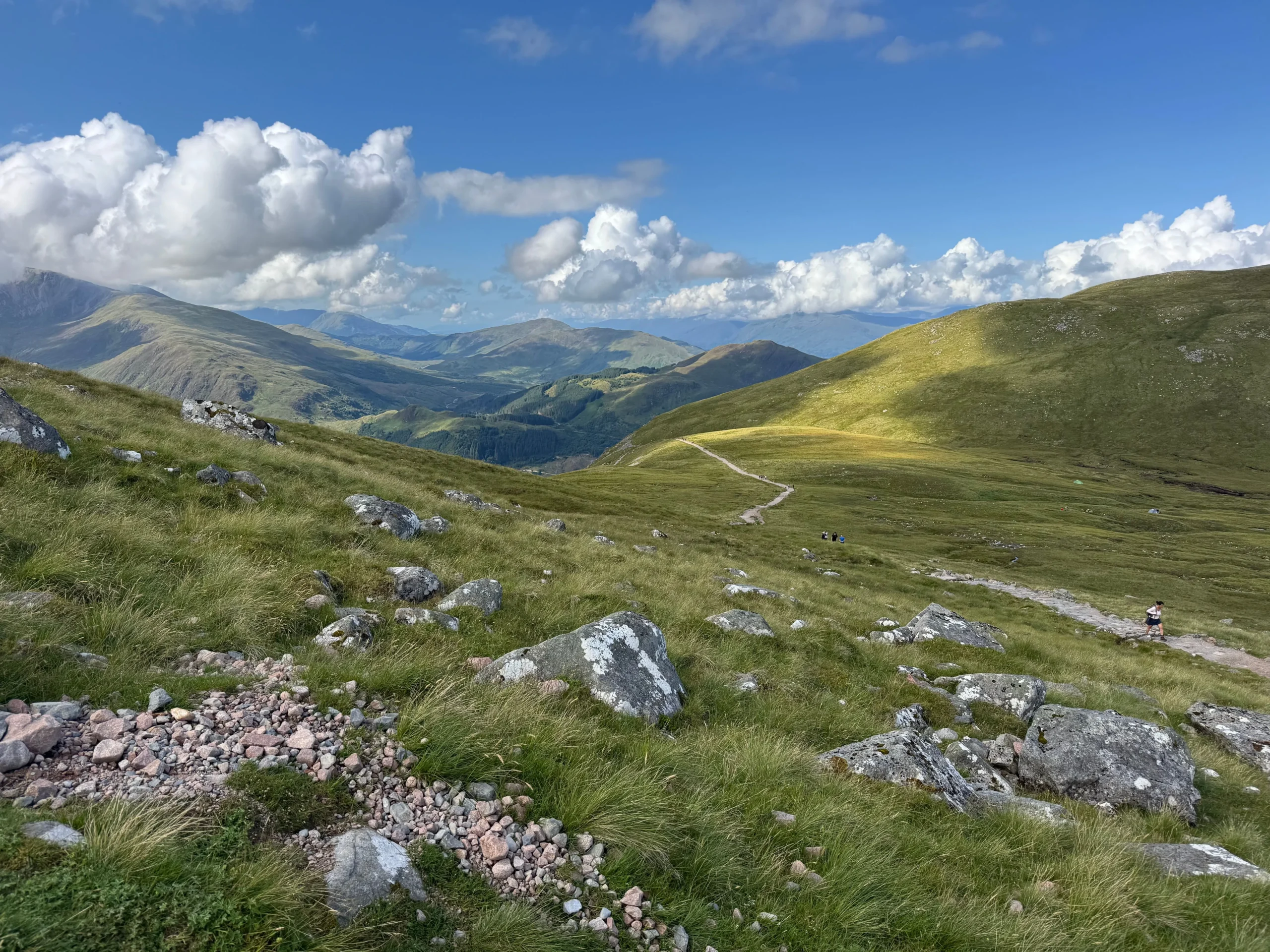
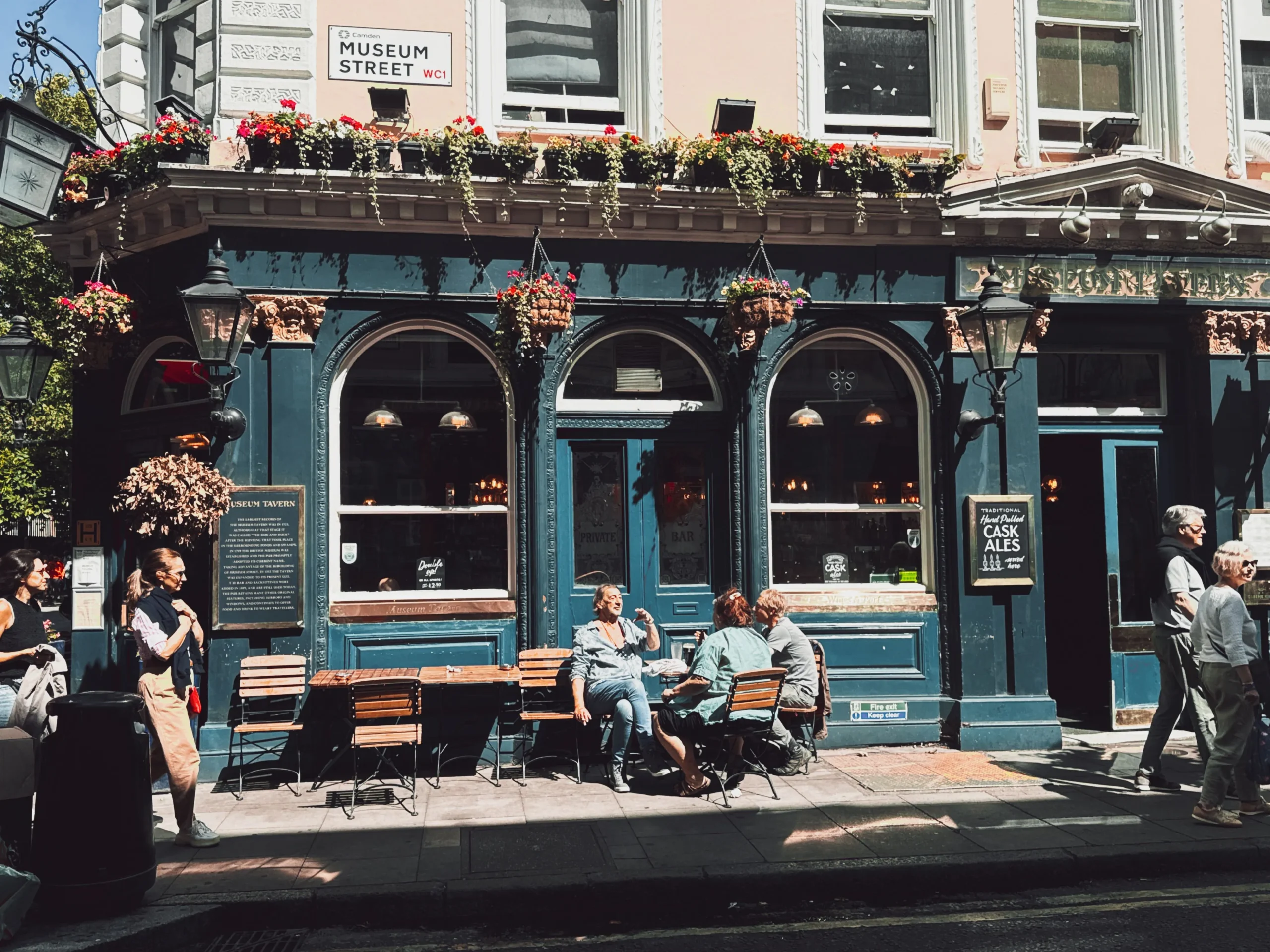
10. Pies, Pints, and Fish and Chips at a Proper Pub
Nothing beats a proper British pub. Honestly, nothing.
Picture this: golden, crispy fish and chips wrapped in paper, a steaming steak and ale pie with mash, a Sunday roast with all the trimmings, and a pint with sloshed locals offering questionable banter on slightly questionable carpets.
Where to find the best pub experiences:
- Belfast’s Cathedral Quarter for craic-filled Irish pubs with live trad music
- Glasgow’s West End for boozers ‘ paradise where Scottish drinking buddies are unmatched
- The Lake District’s Old Dungeon Ghyll for hikers’ tales by a roaring fire
- Cornwall’s Sloop Inn at St Ives for fish caught that morning
- London’s The George Inn is a 17th-century galleried coaching inn (Dickens drank here!)
Every region has its own slang, its own beer, and its own way of doing a Sunday roast. Honestly? The pub is an institution. You haven’t really done the UK without one.
Final Thoughts
There’s your top-to-toe UK bucket list!
From kayaking the Thames and walking 96 miles across Scotland to fossil hunting on prehistoric beaches and sleeping in actual castles, these 10 experiences capture the very best of England, Scotland, Wales, and Northern Ireland.
FAQs:
Which of these UK activities is best for solo travellers?
The West Highland Way is brilliantly social for solo hikers; you’ll bump into the same fellow walkers each evening at pubs along the route. London’s free museums and pub culture are also welcoming on your own. Honestly, Brits love a good chat with strangers at the bar, especially once they hear an unfamiliar accent.
What’s the most underrated activity on this list?
Hands down, the Causeway Coast in Northern Ireland. Most travellers fly to London, visit Edinburgh, and skip it entirely. Yet you get one of the world’s natural wonders, world-class whiskey, dramatic castle ruins, Game of Thrones filming spots, and far fewer crowds than the Cotswolds or Lake District. It’s properly criminal how overlooked this region remains.
Are these activities suitable for travelling with children?
Most are! Fossil hunting on the Jurassic Coast is genuinely magical for kids (they get to keep what they find!). London’s Natural History Museum is dinosaur heaven, and Giant’s Causeway feels like fairyland. Skip the Via Ferrata and West Highland Way for younger children, but consider easier Lake District walks or shorter Wales Coast Path sections instead.
Do I need waterproof gear for everything, or just the outdoor stuff?
Honestly? Pack waterproofs for everything UK-related. British weather is famously unpredictable, and even London sightseeing has caught me out in surprise downpours. A lightweight packable rain jacket lives permanently in my bag. For Scotland and Wales specifically, add waterproof trousers and shoes. You’ll thank yourself when others are squelching miserably.
Which activity gives the best Instagram and photo opportunities?
The Isle of Skye section of Scotland’s Highlands wins by a mile. Quiraing, the Old Man of Storr, and the Fairy Pools are pure magic. Runners-up: Durdle Door at golden hour, Stonehenge during solstice, and the hexagonal patterns of Giant’s Causeway. Pro tip: Arrive at sunrise for any famous spot. Empty frames, golden light, no tourists in shot.
Is it cheaper to travel the UK by rail or by hiring a car?
For solo travellers and couples, trains usually win, especially with a Railcard saving a third off fares. For groups of three or more, hiring a car becomes more economical and gives you proper access to remote places like the North Coast 500 or rural Wales. Mix and match: train between cities, rent a car for countryside exploring.
Which of these activities is best in winter?
London absolutely shines in winter (Christmas markets, theatre season, cosy pub fires), and the winter solstice at Stonehenge is genuinely atmospheric with smaller crowds. Sleeping in a castle feels even more magical with fires roaring. Skip the West Highland Way and Via Ferrata in deep winter unless you’re properly experienced. The Lake District is gorgeous but slippery!
Can I combine multiple activities into one road trip?
Absolutely, the UK is small! A classic combo: London, Stonehenge, the Jurassic Coast, then up to the Lake District, across to the West Highland Way and Scottish Highlands. Two weeks of work comfortably. For Northern Ireland’s Causeway Coast, add a ferry from Cairnryan or fly from Edinburgh. Wales fits beautifully between London and the Lakes.
What unique souvenirs should I bring home from each destination?
A bottle of Bushmills whiskey from Northern Ireland, a Welsh love spoon from Snowdonia, a real fossil from Charmouth Beach, hand-knit Hebridean wool from the Highlands, Lake District slate coasters from Honister, and (if you must) a tacky Beefeater bear from London. Skip airport souvenirs; smaller local shops have far better stuff at half the price.
Are there any activities I should book months in advance?
Yes, four big ones. Glastonbury Festival tickets sell out in literal seconds (October release for the following June). Castle stays at Durham, and fills quickly for summer. The Jacobite “Harry Potter” steam train books out months ahead, especially May to August. Stonehenge inner circle access is limited and snapped up fast. Everything else? You can usually wing it a fortnight ahead.