Where are the cheapest holiday destinations in the UK? Northumberland, Liverpool, Brighton, the Lake District, Bristol, Leeds with the Yorkshire Dales, and Pembrokeshire offer incredible wallet-friendly getaways combining free attractions, budget-friendly accommodation, and affordable family holidays.
Britain’s hidden gems prove you don’t need a fortune for unforgettable experiences.
From picturesque countryside escapes to historic cities with student-friendly prices, these coastal towns and charming market towns deliver proper British staycation value without the premium price tags that plague London.
Northumberland
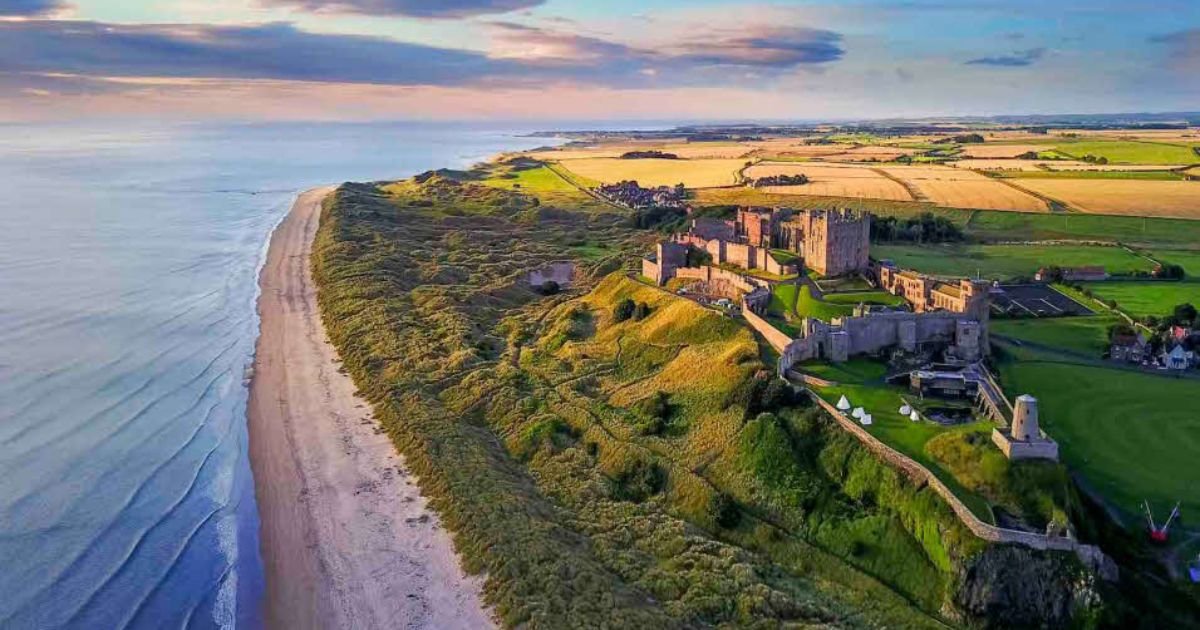
Northumberland is genuinely one of England’s best-kept secrets for budget travellers.
This off-the-beaten-path destination delivers dramatic coastline walks, empty golden beaches, and castle ruins exploration without the crowds or costs of southern hotspots.
Top Attractions & Activities:
Bamburgh Castle views are utterly breathtaking (though entry costs apply), but simply wandering the Northumberland coastline, visiting the Holy Island of Lindisfarne at low tide, and exploring historic market towns like Alnwick costs practically nothing.
The Farne Islands offer incredible puffin-watching seasons, while Northumberland National Park provides endless countryside rambling routes.
Where to Stay & Eat:
Affordable B&Bs cluster around seaside villages, and fish and chips by the harbour remain refreshingly cheap.
The Dark Sky Park stargazing is completely free – just bring a blanket.
Liverpool
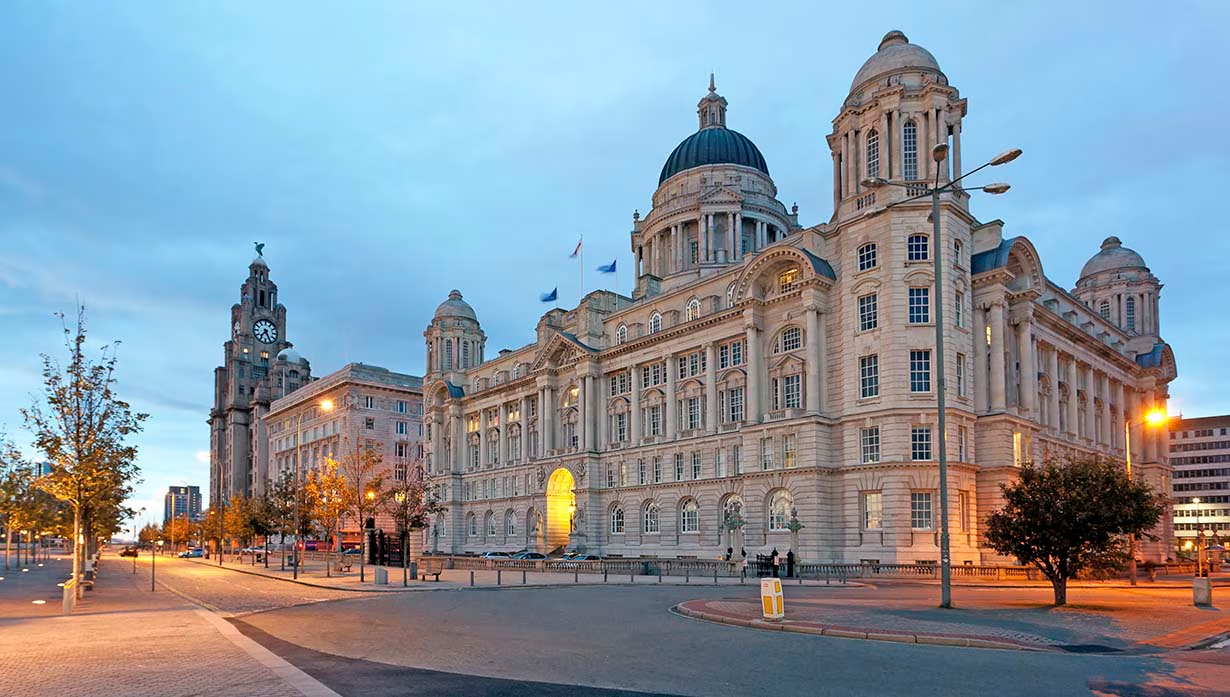
Liverpool absolutely punches above its weight for budget-friendly culture.
This vibrant student city delivers world-class free museum entry across multiple UNESCO World Heritage sites – the Merseyside Maritime Museum, International Slavery Museum, and Tate Liverpool galleries cost absolutely nothing.
Culture & Entertainment:
The Albert Dock complex buzzes with atmosphere, whilst Bold Street vintage shops and the Baltic Triangle street art tours showcase Liverpool’s creative soul.
Beatles Story locations dot the city (the Cavern Club atmosphere is unmissable), and independent music venues keep the legendary music scene alive without premium prices.
Food & Accommodation:
Student city prices mean the affordable restaurant quarter offers incredible value, and budget chain hotels near Lime Street provide excellent bases.
The Ferry Crosses the Mersey ride delivers iconic waterfront views for just a few quid.
Brighton
Brighton remains Britain’s most beloved bohemian seaside resort, and surprisingly, you can experience its artistic community atmosphere without breaking the bank.
The pebble beach relaxation, Brighton seafront promenade, and free beach access provide endless entertainment, whilst street performers and buskers add vibrant energy.
Shopping & Nature:
North Laine vintage shopping and The Lanes historic quarter offer quirky independent boutiques perfect for browsing (resist the urge to splurge!).
South Downs National Park walks start right from the city – Devil’s Dyke viewpoints are breathtaking and completely free.
Budget Dining:
Budget-friendly cafés cluster in Kemptown, and the student population’s affordability means vegetarian and vegan restaurants compete on price.
Brighton Pier amusements can drain wallets quickly, but the surrounding Regency architecture and weekend market stalls cost nothing to explore.
Lake District, Cumbria
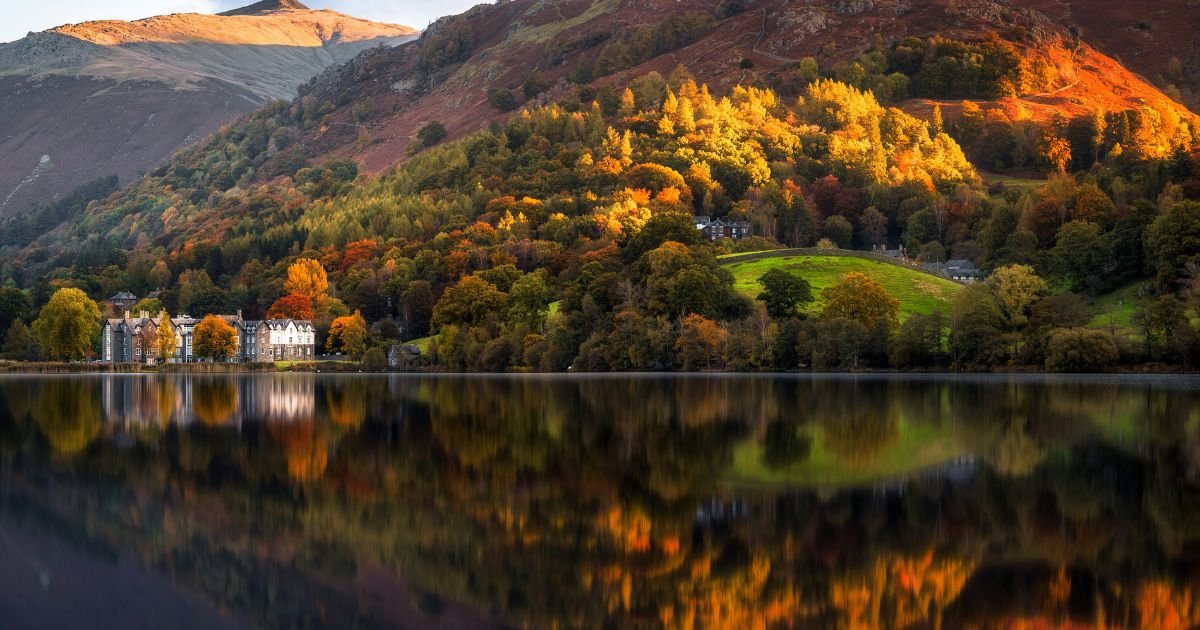
The Lake District proves that stunning natural beauty needn’t come with premium prices.
National Park free access means the Lake District fells, mountain hiking trails, and wild swimming opportunities are yours for absolutely nothing beyond transport costs.
Best Walking Routes:
Windermere lakeside walks and the Derwentwater circular route showcase why this region inspires poets and artists, whilst Catbells summit views reward even casual walkers with breathtaking panoramas.
Keswick market town and Ambleside village charm offer affordable guest houses and budget-friendly hostels – the YHA network properties are particularly excellent value.
Money-Saving Tips:
Pack picnic spots by lakes rather than paying restaurant prices, and you’ll stretch your budget considerably.
The public footpath network means you can walk for days exploring fell walking routes.
Grasmere gingerbread tradition costs pennies and tastes divine.
Bristol
Bristol’s creative energy rivals Brighton’s, but with noticeably better value.
This bohemian city delivers world-famous street art by Banksy throughout Stokes Croft’s creativity, completely free to explore on foot.
The Clifton Suspension Bridge views are iconic and cost nothing, whilst harbourside walking routes showcase the Bristol harbourside regeneration beautifully.
Free Museums & Culture:
M Shed museum offers free entry, and the Bristol Museum and Art Gallery provides rainy-day culture without admission fees.
St Nicholas Market food stalls offer incredible international cuisine at student-friendly prices, and the affordable Curry Mile in Stokes Croft is legendary amongst locals.
Entertainment & Accommodation:
Independent breweries scene and vibrant music venues keep nights lively without London prices, whilst Ashton Court Estate parkland provides 850 acres of free green space.
Budget accommodation in Stokes Croft areas offers characterful stays, and the free festivals calendar means there’s always something happening.
Leeds & Yorkshire Dales
Leeds serves as the perfect budget base for exploring Yorkshire’s treasures.
Royal Armouries Museum free admission and Leeds Art Gallery collections provide world-class culture without fees, whilst Kirkgate Market atmosphere and Victoria Quarter arcades offer shopping from vintage bargains to window-shopping luxury.
City Life:
Student city nightlife means affordable Northern Quarter eateries compete fiercely on price – you’ll eat brilliantly for modest budgets.
Budget-friendly accommodation clusters around the city center.
Yorkshire Dales Adventures:
The Yorkshire Dales National Park sits just 30 minutes away, where limestone landscape formations, Malham Cove’s dramatic cliffs, and Ingleborough summit hikes await.
Traditional Dales villages like Grassington offer stone-built charm, local pub lunches, and affordable guesthouse accommodation.
The Three Peaks Challenge routes are free (though demanding!), and waterfall trails through scenic valley walks showcase this outdoor enthusiast paradise perfectly.
Pembrokeshire
Pembrokeshire delivers Wales’ most spectacular coastal scenery at refreshingly affordable prices.
The Pembrokeshire Coast Path sections offer dramatic clifftop walks and hidden beach discoveries that rival Cornwall without the premium costs – Barafundle Bay beauty regularly tops UK beach lists and remains wonderfully unspoiled.
Historic Sites & Wildlife:
Tenby medieval walls and colourful harbourside houses provide postcard-perfect backdrops, whilst St Davids compact cathedral city (Britain’s smallest) charms visitors without tourist trap pricing.
Seal spotting opportunities abound on coastal boat trips, and Stackpole Estate National Trust offers lily ponds and woodland walks completely free.
Accommodation & Activities:
Budget caravan parks and campsite facilities dot the coastline, whilst affordable seaside B&Bs cluster in traditional towns.
Surfing beaches, Freshwater West, and rock pooling with families cost nothing beyond your time.
Traditional fish and chips by the harbour remains genuinely cheap.
Affordable Accommodation Options
Budget Hotels and Hostels
Britain’s budget accommodation game is genuinely strong.
Premier Inn budget chain and Travelodge bookings deliver clean basic accommodation with reliable Wi-Fi access from around £30-50 per night – booking discounts can slash prices dramatically.
YHA Hostels:
The YHA Youth Hostel Association network deserves special mention.
These aren’t grim backpacker dives – many occupy stunning historic buildings with independent hostel atmosphere, self-catering kitchen facilities, and increasingly stylish private room options alongside shared dormitory savings.
Additional Benefits:
City center budget hotels cluster near metro connections, whilst breakfast included deals add genuine value.
Loyalty program benefits accumulate quickly if you’re planning multiple trips.
Family room configurations make hostels surprisingly practical for budget-conscious families, not just students.
Holiday Parks and Campsites
Holiday parks and campsites offer unbeatable value for families and outdoor enthusiasts.
Haven holiday parks and Parkdean Resorts facilities provide static caravan rentals with family-friendly entertainment, swimming pool access, and children’s play areas – off-peak holiday park deals can be astonishingly cheap, sometimes under £200 for a week.
Traditional Camping Options:
Traditional campsites throughout the Lake District, national park camping facilities, and coastal location parks offer tent camping areas and touring caravan pitches from around £15-30 nightly.
Glamping pod accommodation splits the difference – shelter and beds without full caravan costs.
Facilities & Booking:
Dog-friendly camping predominates, and campsite shower blocks have improved dramatically in recent years.
Electric hookup availability and campfire permissions vary, so check ahead.
Direct booking savings often beat third-party platforms, and countryside camping retreats provide genuine nature immersion camping experiences.
Airbnb and Short-Term Rentals
Airbnb’s entire apartments and self-catering holiday cottages often provide better value than hotels, especially for groups or families.
Kitchen facilities savings mean you’re not forced into restaurant meals constantly, whilst weekly rental discounts can reduce nightly rates considerably.
Local Experiences:
Spare room budget options offer genuine local neighbourhood immersion – host recommendations local gems often reveal hidden treasures guidebooks miss.
Seaside cottage rentals and countryside farmhouse stays deliver character impossible in chain hotels, whilst unique property experiences like lighthouse conversions or shepherd’s hut accommodation create memorable stays.
Cost-Effective Options:
Group accommodation splitting costs makes even premium properties affordable when shared amongst friends.
Pet-friendly rental properties abound, and access to laundry facilities matters for longer stays.
Last-minute booking deals occasionally surface, though planning generally secures better rates.
Supermarket self-catering in coastal towns keeps budgets firmly under control.
Tips for Planning a Budget Holiday in the UK
Choose Off-Peak Travel Times
Timing transforms budget holidays from expensive to affordable.
School holiday premium pricing genuinely doubles or triples costs – Easter weekend markups and summer peak season costs punish families mercilessly.
Best Times to Travel:
Shoulder season savings in September and October deliver gorgeous weather without crowds or premiums.
Mid-week break pricing beats weekends consistently, whilst November through March bargains (excluding Christmas) offer incredible value despite shorter days.
January sales accommodation reaches its cheapest, and February budget breaks provide surprisingly pleasant weather windows.
Additional Savings:
Term-time travel advantages favour flexible working arrangements, and the flexibility is enormous.
Weekday accommodation discounts stack with off-peak train fares for compound savings – advance rail booking savings can halve transport costs compared to peak weekend tickets.
Avoiding bank holiday premiums requires discipline, but the budget benefits are substantial.
Summer’s lovely, but September’s cheaper and often sunnier.
Embrace Public Transport
Public transport slashes holiday costs dramatically whilst removing parking headaches.
The National Rail network coverage reaches even remote destinations, and railcard discount schemes deliver 1/3 off instantly:
Railcard Options: • 16-25 Railcard savings • Senior Railcard benefits • Two Together Railcard couples • Family and Friends Railcard groups
Booking Strategies:
Advance ticket booking combined with split ticketing strategies (booking separate consecutive tickets for one journey) can reduce costs by 50% or more.
Megabus budget coaches and National Express intercity routes sometimes undercut trains significantly, especially for longer journeys.
Local Transport:
Regional bus services and local bus day passes provide affordable exploration once you’ve arrived – contactless payment capping protects you from overspending.
Group savings reward travelling together, whilst avoiding parking charges and city center congestion zones saves both money and stress.
Park and ride schemes on destination outskirts combine car convenience with public transport savings.
Petrol cost comparisons increasingly favour coaches and trains.
Take Advantage of Free Attractions
Britain absolutely excels at free attractions.
National museum admission policies mean world-class collections from natural history to modern art cost absolutely nothing in major cities.
Public art galleries, botanical gardens, free access, and a cathedral donation-based entry (technically free, though contributions are appreciated) provide culture without cost.
Outdoor Activities:
National Trust free entry days occur occasionally, whilst countryside rambling rights and National Park exploration remain perpetually free under ancient access laws.
Beach and coastal access is never charged – seaside promenade walks and wildlife watching locations deliver memorable experiences without tickets.
Cultural Experiences:
Self-guided heritage trails and city walking tour routes (download free apps) replace expensive guided tours.
Free festivals and events calendar throughout summer – community markets, browsing, street entertainment districts, and free concert series animate towns without admission fees.
Historic city centers and architectural photography walks cost only your time.
Public parks and gardens, outdoor sculpture parks, and viewpoint access prove that the best things genuinely are free.
When is the Best Time to Book a Budget-Friendly UK Break?
Booking timing dramatically impacts costs.
The sweet spot typically sits 3-6 months bookings for accommodation – early bird pricing beats last-minute gambling for popular destinations, though last-minute cancellation deals occasionally surface for flexible travellers.
Sales & Special Offers:
Price comparison websites and email alert subscriptions catch flash sale notifications when they drop.
Black Friday travel deals and Cyber Monday accommodation sales (late November) offer genuine bargains for the following year.
January planning for summer locks and advantageous rates before demand surges.
Booking Tips:
Hotel direct booking benefits sometimes undercut Booking.com Genius discounts – always compare.
Newsletter subscriber discounts and loyalty program early access provide insider advantages, whilst best price guarantees protect against post-booking drops.
Refundable rate premiums cost extra but provide flexibility worth considering.
Price fluctuation monitoring through aggregator sites reveals patterns, though Tuesday afternoon booking myths lack evidence.
Shoulder season booking timing matters less – off-peak deals exist year-round, but planning never hurts.
FAQs:
What is the cheapest place to holiday in the UK?
Northumberland and Pembrokeshire consistently rank as the cheapest UK holiday destinations, offering free coastal walks, affordable B&Bs from £40 per night, and budget-friendly fish and chips. Liverpool also provides exceptional value with free museums and student-priced accommodation.
How can I save money on UK accommodation?
Book 3-6 months in advance for best rates, choose off-peak times (September-October), use railcard discounts, stay in YHA hostels or budget hotel chains like Premier Inn, and consider holiday parks which offer week-long stays under £200 during off-peak periods.
When is the cheapest time to visit the UK?
January and February offer the cheapest accommodation rates, while September and October provide the best balance of good weather and lower prices. Avoid school holidays, Easter, and bank holidays when prices double or triple.
Are there free attractions in the UK?
Yes, Britain excels at free attractions, including national museums, public art galleries, botanical gardens, all National Parks, beaches, coastal paths, cathedral visits (donation-based), and countless self-guided heritage trails in historic city centers.
How much does a budget UK holiday cost?
A budget UK holiday can cost £200-400 per person for a week, including accommodation (£30-50/night in budget hotels, £15-30/night camping), off-peak train travel with railcards, and free/low-cost attractions, excluding food.
Is the Lake District expensive to visit?
The Lake District itself is free to explore with no park entry fees. Accommodation ranges from £15-30/night for campsites to £40-80 for budget hotels. YHA hostels offer excellent value, and packed picnics keep food costs minimal.
What railcards offer the best savings?
All railcards offer 1/3 off rail fares. The 16-25 Railcard, Senior Railcard, Two Together Railcard (for couples), and Family & Friends Railcard all cost £30 annually and pay for themselves in just a few journeys.
Can I visit Brighton on a budget?
Absolutely. Brighton offers free beach access, South Downs walks, street entertainment, and window shopping in The Lanes. Budget cafés in Kemptown and student-priced restaurants make dining affordable, with hostels and budget hotels from £35/night.
Are holiday parks good value for families?
Yes, holiday parks like Haven and Parkdean Resorts offer exceptional family value with off-peak weeks under £200, including accommodation, swimming pools, and entertainment. This works out cheaper than hotels while providing more space and facilities.
How far in advance should I book UK travel?
Book accommodation 3-6 months ahead for the best prices, especially for peak season. Book train tickets 12 weeks in advance when they’re released for maximum savings. Last-minute deals exist but are unreliable for popular destinations.