The UK is jam-packed with bucket list adventures across England, Scotland, Wales, and Northern Ireland. From the regal allure of London’s historic landmarks and the mystique of Stonehenge to the untamed beauty of the Scottish Highlands and rolling Cotswolds hills, every type of traveller finds magic here. Ready to plan your next weekend break or staycation? Here are 11 unmissable best places to visit in the UK.

1. The Lake District
England’s largest national park and a UNESCO-protected site, the Lake District is the kind of place that ruins you for ordinary scenery. Imagine glassy lakes mirroring purple-grey mountains, drystone walls weaving through emerald fields, and tiny stone villages where time seems gloriously stuck.
Windermere is the famous one (and yes, it’s gorgeous), but I’d quietly send you to Ullswater instead. It’s quieter, just as pretty, and absolutely brilliant for paddleboarding or hopping aboard the iconic Ullswater Steamer.
Feeling brave? Lace up for Scafell Pike, England’s highest mountain. Prefer something gentler? Tackle Harter Fell for jaw-dropping views, then reward yourself with a pint in a cosy pub. Wordsworth wrote half his poems here, and honestly, you’ll see why.
For the full lakeside fantasy, book a stay at the Langdale Chase Hotel right on Windermere’s shores. Afternoon tea on the stone terrace, with lashings of clotted cream? Pure bliss.
Nearest station: Oxenholme (well connected to London Euston, Manchester, and Edinburgh)
Don’t miss: The Ten Lakes Spectacular tour if you’re short on time.
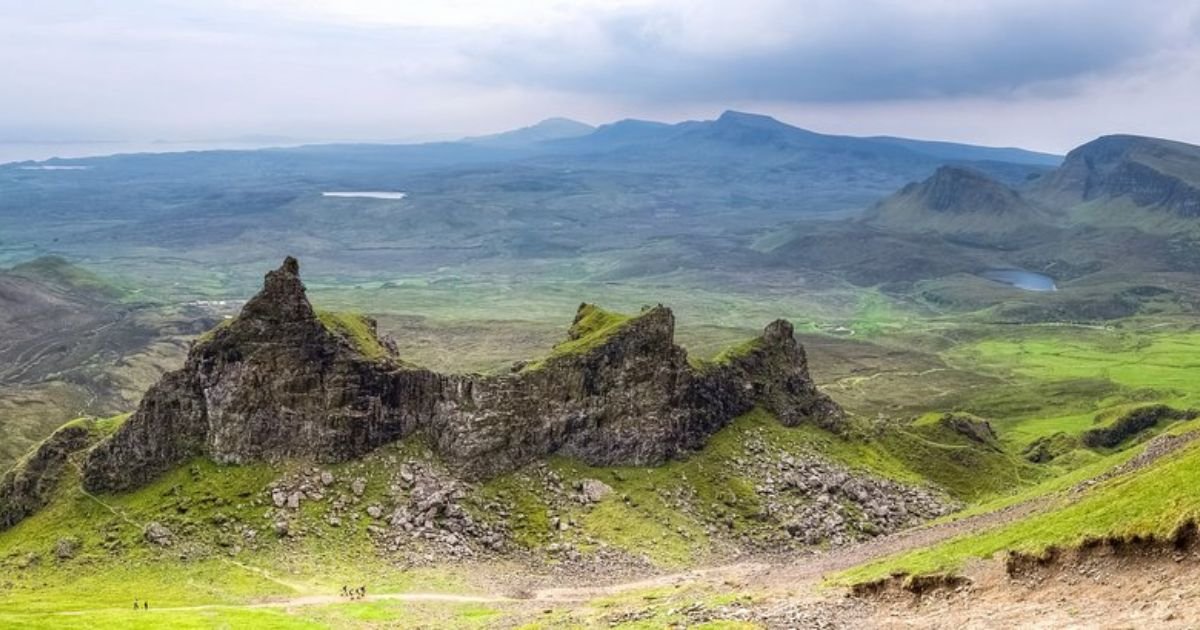
2. The Scottish Highlands
If you’ve ever fancied stepping into a film set, Scotland delivers in spades. Think epic hikes, white sandy beaches, ancient castles, and fresh air galore. The Highlands genuinely rival Iceland and New Zealand for scenic drives, and that’s not me exaggerating.
Start your adventure in Inverness, the cultural and economic hub. From there, the world opens up. Lunch by a loch is basically a national hobby (you’ll see why).
Here’s where to point your wheels:
- Loch Ness for a Nessie sighting (or at least the legend of one)
- Ben Nevis, if you fancy bagging Britain’s tallest peak
- The Cairngorms National Park for remote wildness
- Eilean Donan Castle for that postcard moment
And don’t miss the West Highland Line, yes, the iconic Hogwarts Express route. Magic.
Nearest station: Aviemore (the Caledonian Sleeper from London is a proper adventure in itself).
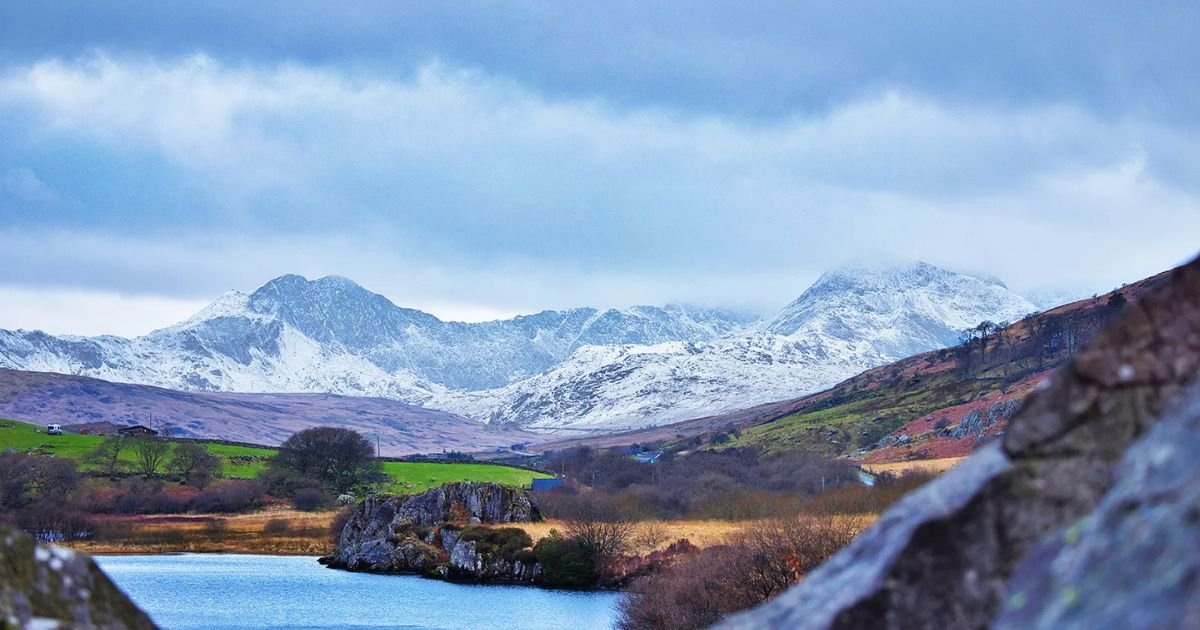
3. Snowdonia
Home to Snowdon, the tallest mountain in England and Wales, Eryri National Park is a hiker’s absolute dream. We’re talking over 60 miles of coastline, remote waterfalls hidden in valleys, and magical woodlands that feel a bit like Tolkien.
Climb Snowdon under your own steam (the Pyg Track is the classic), or take the easier route on the heritage Snowdon Mountain Railway. Either way, the summit views are worth every step or ticket pound.
The Cwm Idwal walk is one of the prettiest, gentle hikes in Britain. And if you’ve got a day spare, head to nearby Portmeirion. It’s a quirky Italian-Welsh village on the Cardigan coastline that genuinely makes you wonder if you’ve teleported to Positano.
Nearest station: Bangor (North Wales Coastline from Crewe to Holyhead)
Insider tip: Time your trip with a sunny day if you can. Snowdonia in the rain is still beautiful, but on a clear day? Unforgettable.
4. Stonehenge
One of England’s most famous and one of the world’s most photographed ancient sites, Stonehenge is the only surviving lintelled stone circle on Earth. Built between 3000 and 2000 BC (yes, really), the bluestones somehow travelled all the way from West Wales. To this day, no one’s quite cracked how or why.
Theories range from a place of worship to a giant prehistoric calendar. Whatever the truth, standing in front of it feels properly humbling.
It does get busy, so here’s a tip: visit early morning or late afternoon to dodge the bus tours. Mid-week is best, and a sunny day makes those photos sing.
If you’re staying overnight, book yourself into The Great Bustard nearby. It’s a charming countryside inn, and their sticky toffee pudding is unreasonably good.
Nearest station: Salisbury (connected to London Waterloo, Bristol Temple Meads, and Exeter St David’s)
5. The Cotswolds
About two hours from London sits the biggest Area of Outstanding Natural Beauty in the country. It’s a fairytale of honey-coloured cottages, rolling hills, and storybook villages straight out of a period drama.
This is the countryside at its most quintessentially British. Rolling hills, sheep, cream tea, the lot.
Wander Bibury’s iconic Arlington Row (often called England’s prettiest street), then potter through these gems:
- Castle Combe for impossibly cute cottages
- Bourton-on-the-Water for its little stone bridges over the river
- Stow-on-the-Wold for antiques and proper pubs
- Lacock for film-set vibes (Harry Potter and Pride & Prejudice both filmed here)
A car gives you the most freedom, but guided Cotswolds tours from London work brilliantly if you’d rather not drive.
For a proper splurge, book Buckland Manor Hotel. The four-poster suites are dreamy. Pack your appetite for cream tea and prepare to slow right down.
6. Cornwall
Perched on England’s south-west tip, Cornwall is the UK’s most beloved domestic holiday spot, and for good reason. The sandy beaches genuinely rival the Mediterranean (no, really, you’ll see).
Watergate Bay is paradise for surfers, and Newquay (the adventure capital) is where you go if you want to give surfing a try yourself. Want legend and drama? St Michael’s Mount on its tidal island is straight out of a fairytale, with rumours of giants thrown in for good measure.
Hire a camper van and tick off the highlights:
- St Ives for galleries and Cornish pasties
- Padstow for fresh seafood (Rick Stein country)
- Lands End for that “edge of the world” feeling
- Tintagel for King Arthur legends
- The Eden Project for tropical biomes in a giant crater
Stay at the laid-back Watergate Bay Hotel, or for something properly unique, book the Bodmin Jail Hotel, yes, a former jail turned chic boutique stay. Wild!
7. Jurassic Coast
England’s only natural UNESCO World Heritage Site stretches along the Dorset coast, and it’s genuinely prehistoric. The eroding cliffs scatter fossils up to 92 million years old onto the beach. And yes, you can keep what you find!
Pop a fossil in your pocket and ponder the fact that you’re the first living being to lay eyes on it. Goosebumps, every time.
Three Jurassic Coast must-dos:
- Durdle Door, that famous limestone arch you’ve seen on a thousand Instagram posts
- Old Harry Rocks, dramatic chalk stacks rising from the sea
- Corfe Castle, an 8,000-year-old village beneath crumbling castle ruins
Pair it with Bournemouth’s iconic beach huts for the perfect British seaside escape. For a proper treat, book Chewton Glen Hotel & Spa, their Treehouse Loft Suite is something else. Sticky buns, sea air, ancient cliffs. Heaven.
8. Giant’s Causeway
Northern Ireland‘s natural showstopper, the Giant’s Causeway, is an otherworldly scatter of around 40,000 hexagonal basalt columns marching straight into the sea. It looks fake. It isn’t.
Folklore says the giant Finn McCool built it as a path to Scotland to fight a rival giant. Geologists prefer the ancient volcano explanation, but where’s the fun in that?
While you’re up here, build a proper road trip out of it:
- The Dark Hedges, that haunting beech tree tunnel made famous by Game of Thrones
- Dunluce Castle, dramatic clifftop ruins
- Belfast, just an hour’s drive away, is brilliant for Titanic history and food
Insta gold doesn’t even cover it. Bring a windproof jacket, the Antrim coast doesn’t mess about with the weather.
9. Peak District
The UK’s very first National Park and your dream weekend escape with mates. Hire a cottage, pack the walking boots, and prepare for rolling moorland, dramatic gritstone edges, and hidden limestone valleys.
Here’s the kicker: it’s one of only three UK national parks with International Dark Sky Reserves. Stargazing here is unreal, just bring a flask and a blanket.
What to add to your itinerary:
- Bakewell for the original Bakewell tart (always, always pudding over tart, locals will tell you)
- Chatsworth House for sheer stately grandeur
- Castleton for caves, including the spectacular Blue John Cavern
- Mam Tor and Stanage Edge for hikes with proper views
It’s a brilliant cycling country too, and dotted with cosy country pubs that practically beg you to stop for a roast.
10. Yorkshire Dales
Drystone walls weaving across rolling green dales, waterfalls like Aysgarth and Malham Cove, sheep absolutely everywhere. Yorkshire packs a serious punch.
If you fancy a challenge, the legendary Yorkshire Three Peaks Challenge has you bagging Pen-y-ghent, Whernside, and Ingleborough in 12 hours. Not for the faint-hearted, but the bragging rights last forever.
Prefer something gentler? Head to the smuggler’s village of Robin Hood’s Bay near the moody ruins of Whitby Abbey, then visit the absolute stunner that is Castle Howard.
Need a city fix? Pop into Leeds for nightlife and a brilliant food scene, then back out to the Dales for sunset.
Don’t leave Yorkshire without a warm scone, lashings of jam and cream, and a proper cup of Yorkshire tea. It’s the law, basically.
11. Isle of Skye
Off Scotland’s wild west coast, the Isle of Skye looks ripped straight from a fantasy novel. Jagged Cuillin peaks pierce the sky, the Old Man of Storr rock pinnacle stands sentinel over the moor, and the impossibly turquoise Fairy Pools wait at the foot of the mountains.
The Quiraing ridge alone is worth the trip, winding, otherworldly, and utterly humbling.
Base yourself in colourful Portree harbour, then road-trip your way around:
- Neist Point Lighthouse for the most dramatic sunset of your life
- Dunvegan Castle for clan history and seal-spotting boat trips
- Fairy Glen is a tiny, enchanted landscape that genuinely feels magical
- Talisker Distillery for a warming dram after a wet hike
Cross the Skye Bridge from Kyle of Lochalsh and prepare yourself. This is, hands down, some of the most magical scenery in Britain.
Final Thoughts
There’s your full guide! Each of these 11 places offers something genuinely different, whether you fancy fossil hunting on a prehistoric coastline, swimming in fairy pools, hunting for Banksys, or tucking into cream tea in a thatched village.
Got a favourite? I’d love to know which one’s tempting you most.
Happy adventuring!
FAQs:
What is the best time of year to visit the UK?
May to September is your sweet spot. You’ll get the longest daylight hours (up to 16 hours in June!), the warmest weather, and most attractions running their full schedule. April and October are quieter and cheaper, but pack layers. The British weather has commitment issues year-round.
How many days do you need to see the best of the UK?
Honestly? Two weeks gives you a proper taste. Ten days is workable if you stick to one or two regions. A whirlwind week can cover London plus one country highlight (Lake District or Edinburgh, say). Don’t try to do everything; the UK rewards slow travel far more than rushing.
Is it better to drive or take the train around the UK?
Trains are brilliant for cities and major hubs (London, Edinburgh, York, Bath are all dead easy). For the Cotswolds, Lake District interior, Cornwall’s coves, and the Scottish Highlands, a car gives you proper freedom. Many people combine both: train between cities, hire car for rural exploring.
What should I pack for a UK trip?
Layers, layers, and more layers. A proper waterproof jacket is non-negotiable (yes, even in summer). Comfortable walking shoes for cobbled streets and muddy trails, a small umbrella, plug adapter (Type G), and a portable phone charger. If you’re hiking, throw in waterproof trousers. You’ll thank me.
Can you visit all four UK countries in one trip?
Absolutely doable in two to three weeks. A classic route: London, then up to the Lake District, on to Edinburgh, over to Northern Ireland (fly or ferry from Cairnryan), then down through Wales (Snowdonia, Cardiff) and back. Tight but rewarding. For one week, pick two countries max.
Are there any hidden gems most tourists miss?
Loads! The Holy Island of Lindisfarne in Northumberland is properly magical and barely on the tourist trail. The same goes for the Isles of Scilly off Cornwall, the Yorkshire fishing village of Robin Hood’s Bay, and Pembrokeshire’s coastal path in Wales. Skip the obvious if you’ve got time.
Is the UK expensive to visit?
It can be, but it doesn’t have to be. London is pricey (especially hotels), but smaller cities and rural areas are far gentler on the wallet. Free museums, country pubs with proper meals under £15, Railcards saving a third on trains, and beautiful free hikes everywhere keep costs surprisingly manageable.
Do I need to book major attractions in advance?
For Stonehenge, the Tower of London, Edinburgh Castle, and the Eden Project: yes, definitely. Especially in summer or school holidays. For most National Parks, hiking trails, and rural villages, just turn up. Booking ahead also often gets you a better price than buying on the gate.
What’s the best UK destination for first-time visitors?
London plus one contrasting region works beautifully. Pair the capital with the Cotswolds for that quintessential English fairytale, or with Edinburgh for its long history and dramatic scenery. The Lake District is brilliant if you love the outdoors. Cornwall, if you fancy beaches. Pick whichever vibe calls to you.
Is the UK family-friendly for travelling with kids?
Massively. Most museums are free and brilliantly interactive (the Natural History Museum is a kid’s dream). National Parks have child-friendly trails, the Eden Project has indoor biomes for rainy days, and seaside spots like Cornwall and Brighton are made for buckets and spades. Plus, proper fish and chips. Always a winner.