
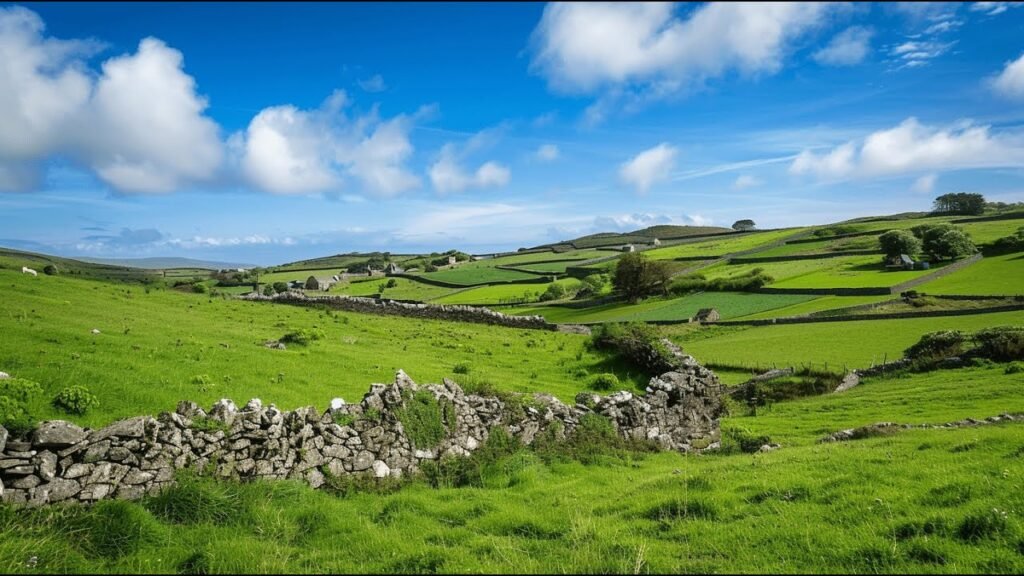
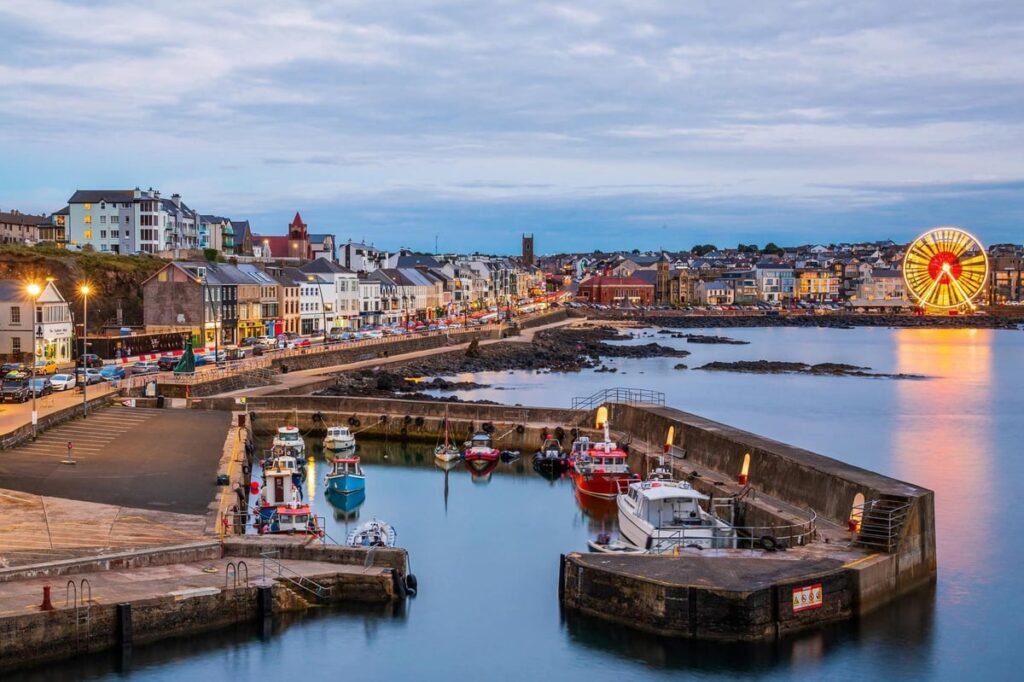
Northern Ireland compresses World Heritage geology, Titanic history and Game of Thrones landscapes into a region smaller than Yorkshire. The Giant’s Causeway’s 40,000 basalt columns meet the Mourne Mountains’ granite peaks, while Belfast’s Titanic Quarter stands on the very slipways where the world’s most famous ship launched in 1911.
Beyond the headline Northern Ireland tourist attractions, the Causeway Coastal Route winds through the Glens of Antrim past Dunluce Castle’s clifftop ruins and the Dark Hedges’ twisted beech tunnel. Derry-Londonderry’s 17th century walls remain the most complete fortifications in the British Isles. The Fermanagh Lakelands offer underground adventures at Marble Arch Caves.
Tee off at Royal County Down where Rory McIlroy honed his game, or follow CS Lewis’ childhood footsteps through Belfast’s east side. From Ulster Fry breakfasts to Old Bushmills Distillery tours, every trip to northern ireland rewards with unexpected depth.
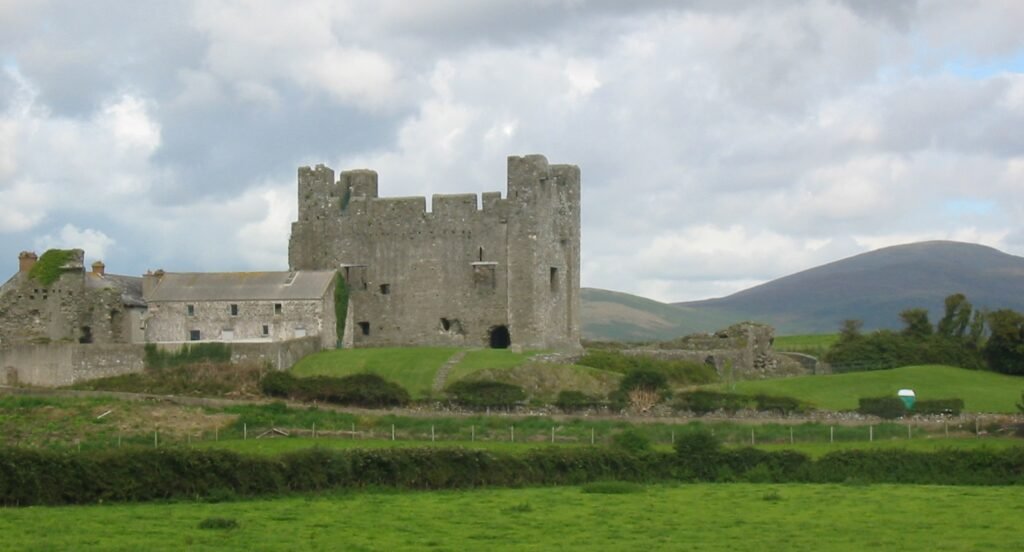
Ancient volcanic landscape in south Armagh. Slieve Gullion’s passage tomb at the summit, Killeavy Old Churches’ twin medieval naves and Navan Fort (Emain Macha), the ancient seat of the Kings of Ulster.
Portrush and Portstewart beaches welcome swimmers. The Auld Lammas Fair at Ballycastle serves Yellowman honeycomb each August. Open air concerts at Botanic Gardens and Ards Peninsula sailing bring long evenings alive.
Belfast Christmas Market at City Hall runs through December. OM Dark Sky Park and Observatory near Davagh Forest delivers Bortle 2 darkness for stargazing. The Giant’s Causeway without summer crowds provides dramatic storm watching.
Ireland’s first International Dark Sky Park at Davagh Forest in the Sperrins. The observatory offers guided stargazing sessions, astrophotography workshops and views of the Milky Way visible to the naked eye. Ancient Beaghmore Stone Circles sit nearby, connecting prehistoric astronomy with modern observation.

The world's oldest licensed whiskey distillery, operating since 1608. Guided tours trace the grain to glass process, with tastings of the 10, 16 and 21 year old single malts.
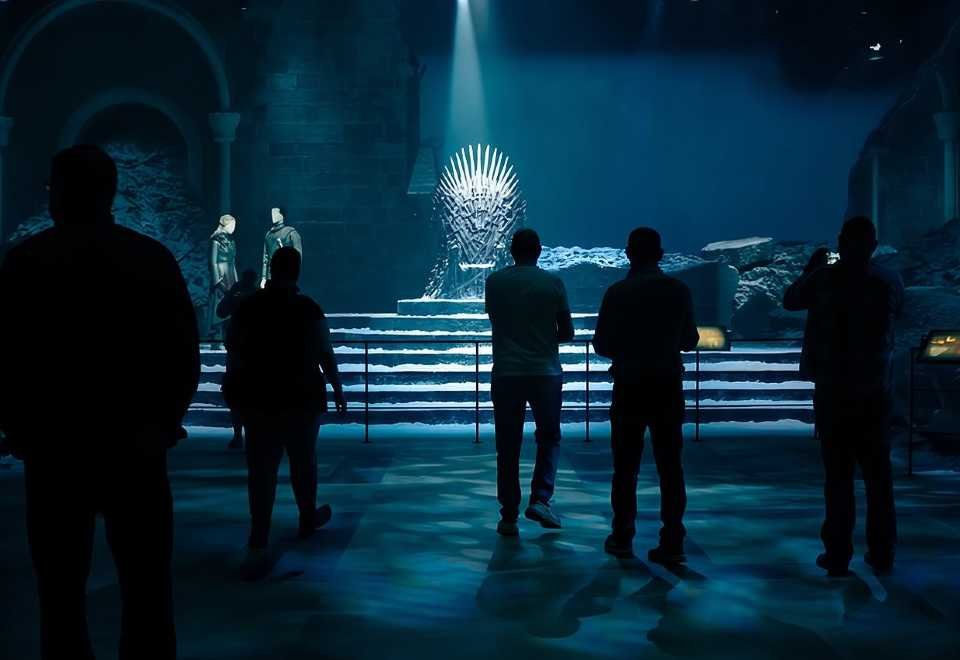
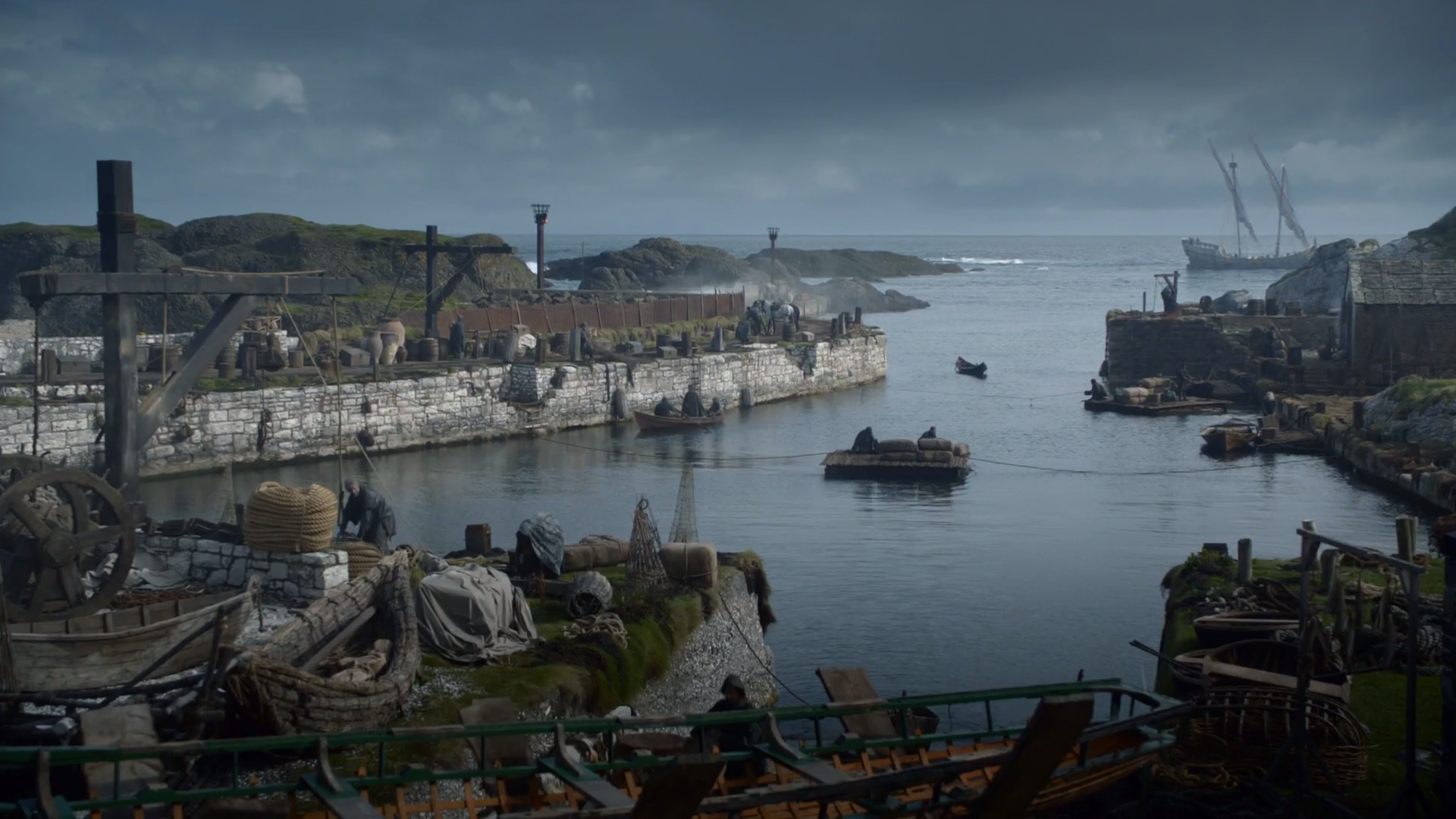
Linen Mill Studios in Banbridge houses original sets, costumes and props from all eight seasons. The Iron Throne room, Winterfell crypts and interactive displays bring Westeros to life.

Belfast's 150 year old Victorian prison closed in 1996. Guided tours through the tunnel, execution chamber and condemned cell recount political and criminal history within these walls.

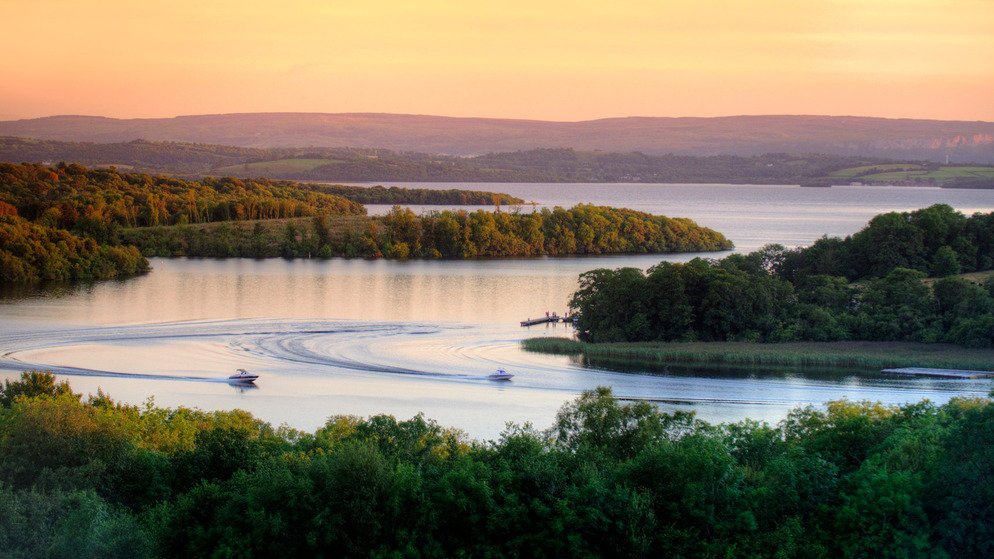
Sheltered tidal waters between the Ards Peninsula and County Down. Seal colonies, Norse ruins at Nendrum Monastery and Killyleagh Castle's shoreline provide a scenic backdrop for water sports.

Walking tours of the Cathedral Quarter, Titanic Quarter and political murals. Local guides share stories of the Troubles, peace process and Belfast's cultural regeneration.
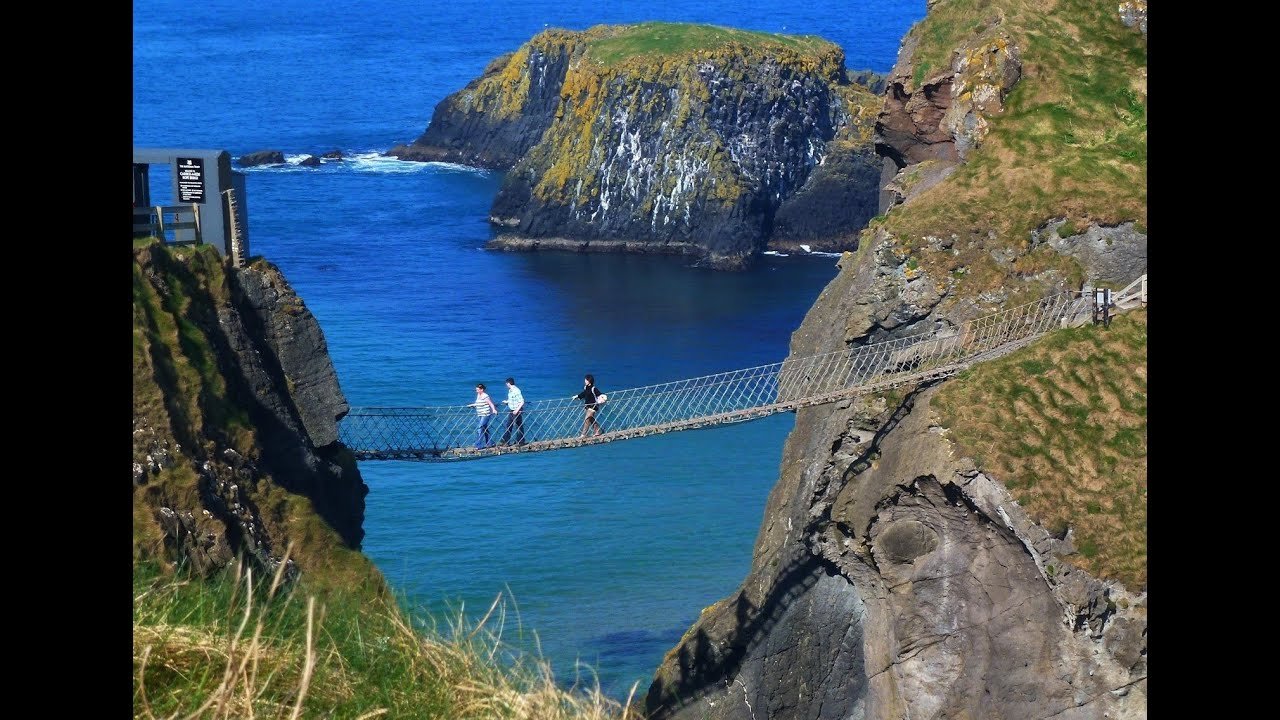
Fishermen's rope bridge connecting the mainland to a tiny island on the North Antrim coast. The 20 metre crossing above Atlantic waves tests nerve and rewards with coastal panoramas.
The Causeway Coastal Route delivers one of the most concentrated stretches of northern ireland tourist attractions on earth. Within 30 miles between Portstewart and Ballycastle, the landscape shifts from Whiterocks Beach’s limestone formations to the Giant’s Causeway’s hexagonal columns and Carrick-a-Rede’s rope bridge above the Atlantic.
Dunluce Castle clings to a basalt headland, its kitchen having famously collapsed into the sea during a storm in 1639. The Dark Hedges’ beech canopy provides the most photographed roadway in Ireland. Bushmills village anchors the route with distillery tours and the Giant’s Causeway and Bushmills Railway.
Whether you drive, cycle or walk this stretch, the Causeway Coast justifies its reputation as one of the what to see in northern ireland essentials. Allow two full days to absorb the geology, legends and coastal drama properly.
May through September offers the longest daylight and warmest temperatures. April brings puffins to Rathlin Island. October suits autumn colour in the Glens of Antrim. Winter delivers dramatic storm watching at the Giant’s Causeway.
A minimum of four days covers Belfast, the Causeway Coastal Route and one inland region. Seven days allows the Mournes, Fermanagh Lakelands and Derry-Londonderry at a comfortable pace.
Access to the stones is free year round. The National Trust Visitor Centre charges an admission fee that includes audio guide and parking. National Trust members enter free.
The Game of Thrones Studio Tour in Banbridge houses original sets and props. Filming locations including the Dark Hedges, Cushendun Caves and Tollymore Forest Park are freely accessible northern ireland tourist sites.
Belfast has transformed into a welcoming city with a thriving food, arts and nightlife scene. The Cathedral Quarter, Titanic Quarter and Botanic area are popular visitor districts. Political mural tours provide historical context.
Ulster Fry (the full breakfast), soda bread, Comber Potatoes, champ (mashed potato with spring onions), Yellowman honeycomb from the Auld Lammas Fair and whiskey from Bushmills Distillery.
The drive takes approximately 2.5 hours via the M1. Organised coach tours from both Dublin and Belfast operate daily. The Enterprise train connects Dublin to Belfast for onward travel.
Whiterocks Beach near Portrush, Benone Strand in County Londonderry, Portstewart Strand (National Trust) and Murlough Beach near Newcastle. The north coast consistently ranks among the best sights in wales… Northern Ireland’s finest coastal stretches.
A scenic driving route from Belfast to Derry-Londonderry following the Antrim coast. The route connects the Glens of Antrim, Giant’s Causeway, Carrick-a-Rede and Dunluce Castle. Allow a full day minimum.
Northern Ireland is part of the UK. British and Irish citizens can travel freely. International visitors require a valid UK visa or Electronic Travel Authorisation depending on nationality.